
11 Florida Springs Trips for Late Winter with Clear Water and Boardwalk Trails
Late winter is one of the best times to plan a Florida springs trip, especially in February and March when the water stays crystal clear, and the air feels cool and comfortable. Many of the state’s natural springs draw large numbers of manatees during colder months, giving visitors rare chances to see them up close from safe boardwalk trails. With fewer swimmers in the water, visibility often improves, making it easier to spot fish, turtles, and gentle giants below the surface. Well-maintained boardwalks and viewing platforms allow you to enjoy these clear water Florida springs without getting wet.
This post may contain affiliate links, which helps keep this content free. Please read our disclosure for more info.
Blue Spring State Park, Orange City
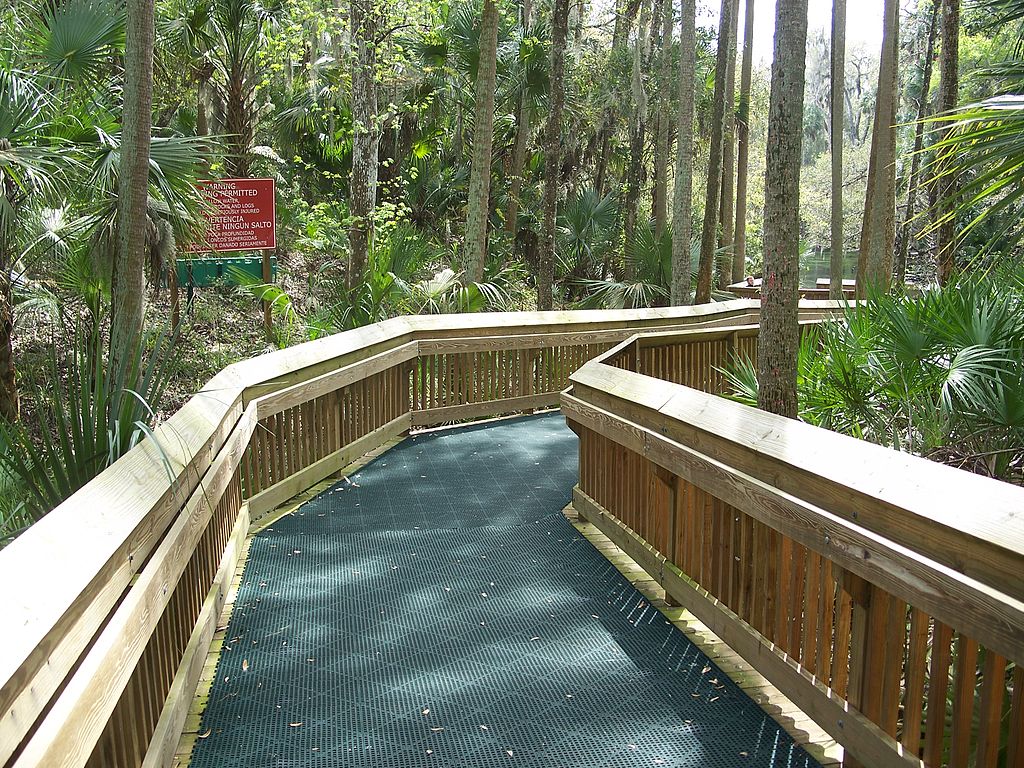
The end of winter is when Blue Spring truly feels alive with manatees. As air temperatures dip through February and into early March, manatees move into the steady 72-degree spring run to stay warm, and it is common to see dozens gathered in one stretch of water. The cooler season keeps algae growth down, so the water often looks strikingly clear, especially in the morning light. With swimming typically restricted during peak manatee season, the focus shifts fully to wildlife viewing, which makes the experience feel more intentional and calm.
The boardwalk that follows the spring run is one of the best in the state for easy, close viewing without disturbing the animals. It winds alongside the water for nearly a third of a mile, with several overlooks where you can stop and watch manatees surface for air. Rangers and volunteers are often present during this time, helping visitors understand manatee behavior and migration patterns. If you arrive early, you can enjoy softer light, fewer crowds, and long stretches where you hear little more than birds and the slow splash of a tail.
Three Sisters Springs, Crystal River
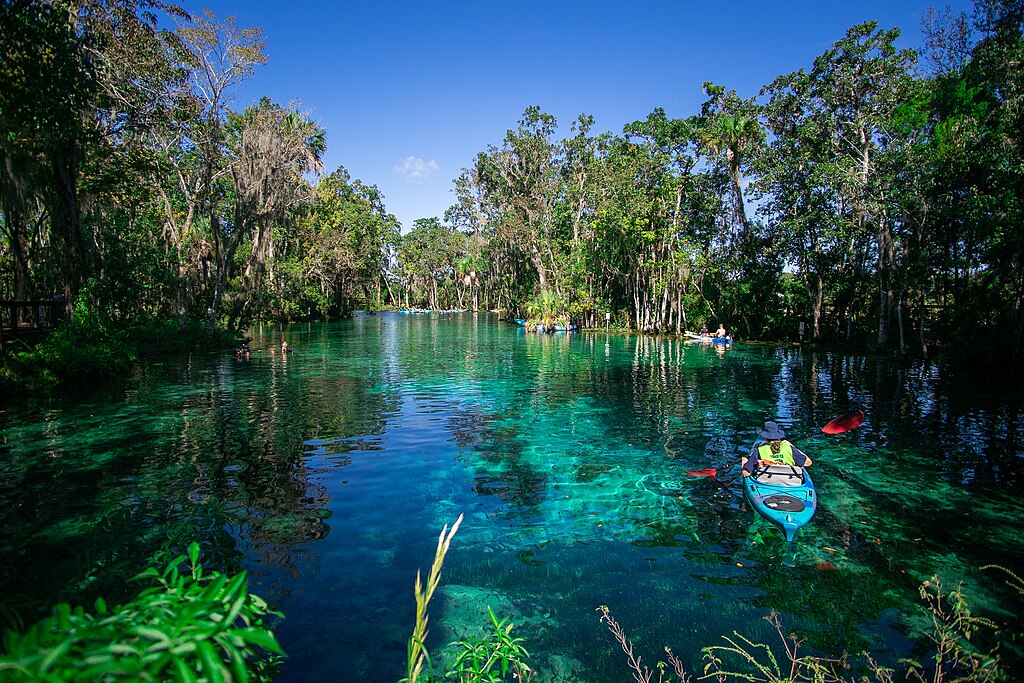
Three Sisters Springs is famous for its visibility, and late winter is when that clarity truly stands out. The spring complex sits within Crystal River, and during colder spells, manatees gather in the protected coves where the water temperature remains constant. February and March often bring cool mornings, which means more manatees packed into the springs and easier viewing from above. The water can appear almost glasslike, allowing you to see the sandy bottom, eelgrass, and the shapes of manatees resting below.
The boardwalk and elevated viewing platforms give you a clear vantage point without entering the water. From these platforms, you can watch manatees glide slowly, mothers stay close to calves, and sometimes large groups are layered together for warmth. Kayaks are restricted in certain areas during peak manatee season, so the setting feels quieter and more focused on conservation. This balance of access and protection makes late winter one of the most rewarding times to visit.
Silver Springs State Park, Ocala
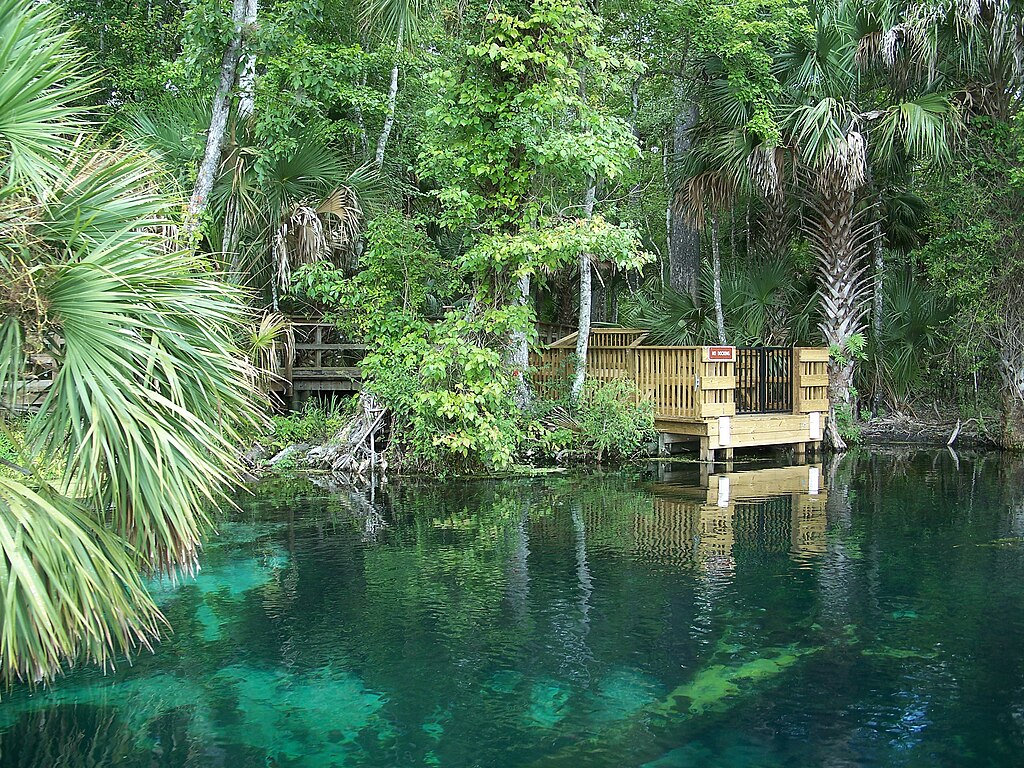
Silver Springs is well known for its glass-bottom boat tours, and the end of winter offers some of the best conditions for clear viewing. The cooler season helps keep the water transparent, making it easier to see fish, turtles, and the spring vents below. While manatees are not as concentrated here as in Blue Spring or Crystal River, they do pass through the Silver River during colder months. February and March provide comfortable temperatures for walking and boat rides without the heavy heat of summer.
The park features paved paths and boardwalk-style overlooks along parts of the river, giving you a steady footing and open views of the water. A glass-bottom boat ride during this season feels calm and unrushed, with fewer seasonal crowds. You may also spot wild monkeys along the riverbanks, adding to the unique feel of the trip. The combination of wildlife, history, and clear water makes it an easy choice for a late winter outing.
Homosassa Springs Wildlife State Park, Homosassa
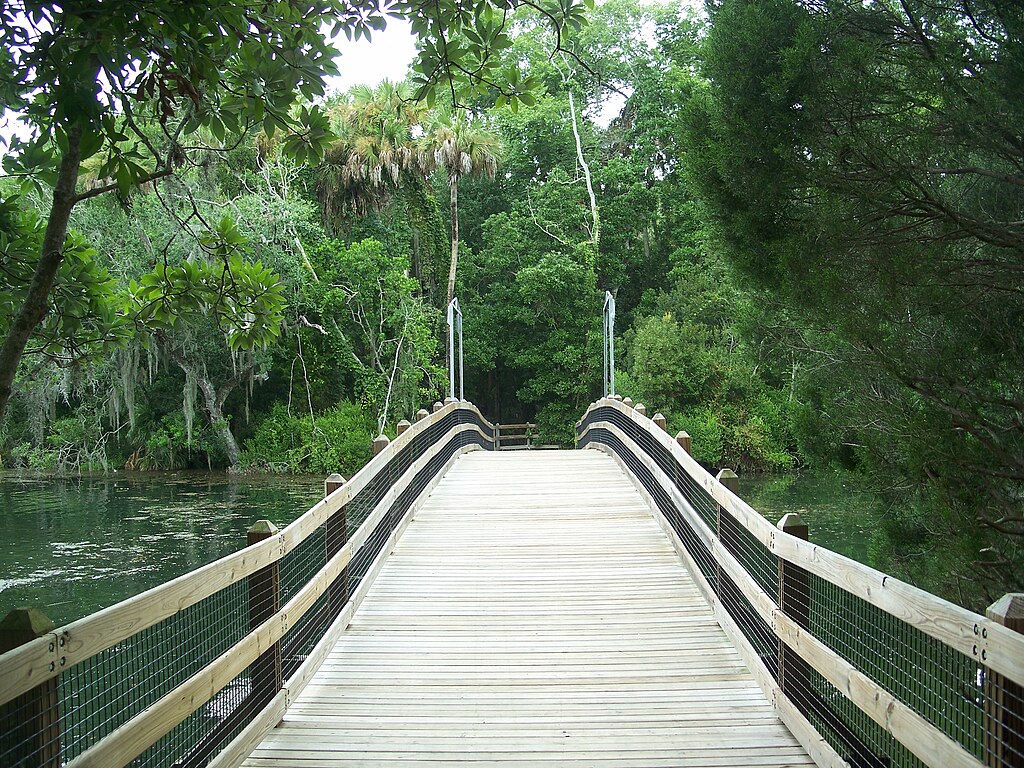
Late winter is a prime time for manatee viewing in Homosassa, especially when cold fronts move through central Florida. The spring area provides warm refuge, drawing in manatees that can be seen from land-based platforms. The water remains clear and gently flowing, which helps visitors spot large shapes moving beneath the surface. February and March also tend to bring milder air temperatures, making long walks more comfortable.
The park’s boardwalks and elevated walkways circle the spring basin and connect to wildlife exhibits. These paths allow you to observe manatees from different angles without crowding a single spot. The underwater observatory is a highlight, giving you an eye-level view through thick glass panels. That mix of above-water and below-water perspectives makes this stop especially engaging at the end of winter.
Ichetucknee Springs State Park, Fort White
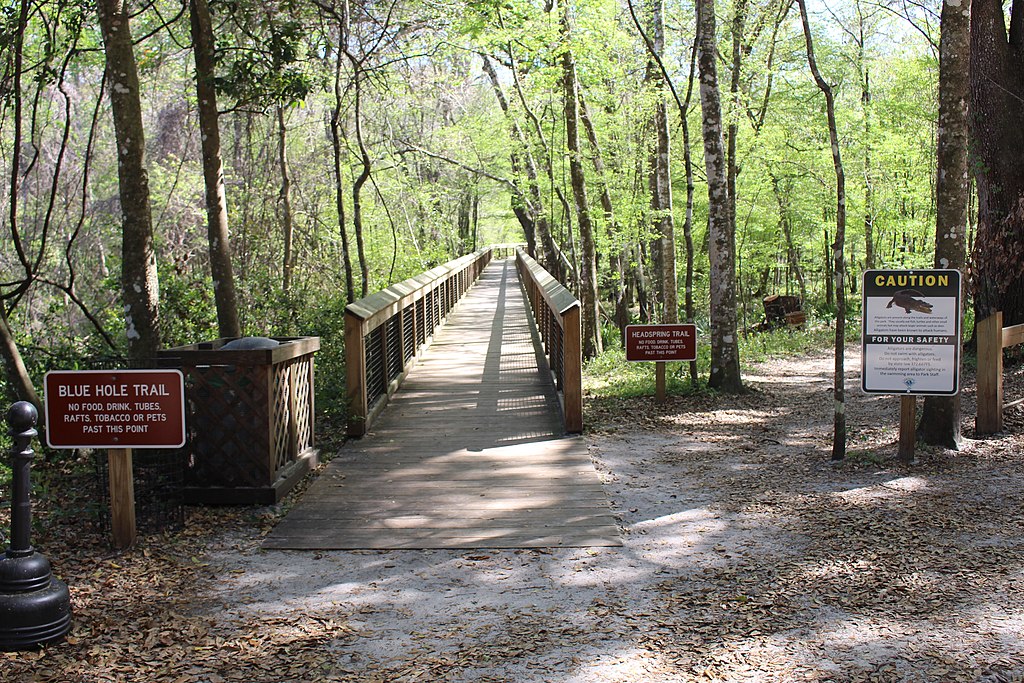
Ichetucknee is often linked with tubing in summer, yet the end of winter reveals a quieter side of the park. The spring heads stay clear and bright, and the surrounding forest feels peaceful before peak season arrives. Cooler weather means fewer swimmers, which often results in less stirred-up sediment in the water. The river looks clean and reflective, offering postcard-worthy scenes along the boardwalks.
Several short boardwalk trails lead to the main spring heads, where you can look down into deep blue pools. While manatees are not always present, they occasionally enter the lower stretches of the river during colder months. Even without large groups, the calm water and light traffic create an ideal setting for photography and slow walks. February and March give you space to take it all in without the summer rush.
Weeki Wachee Springs State Park, Spring Hill
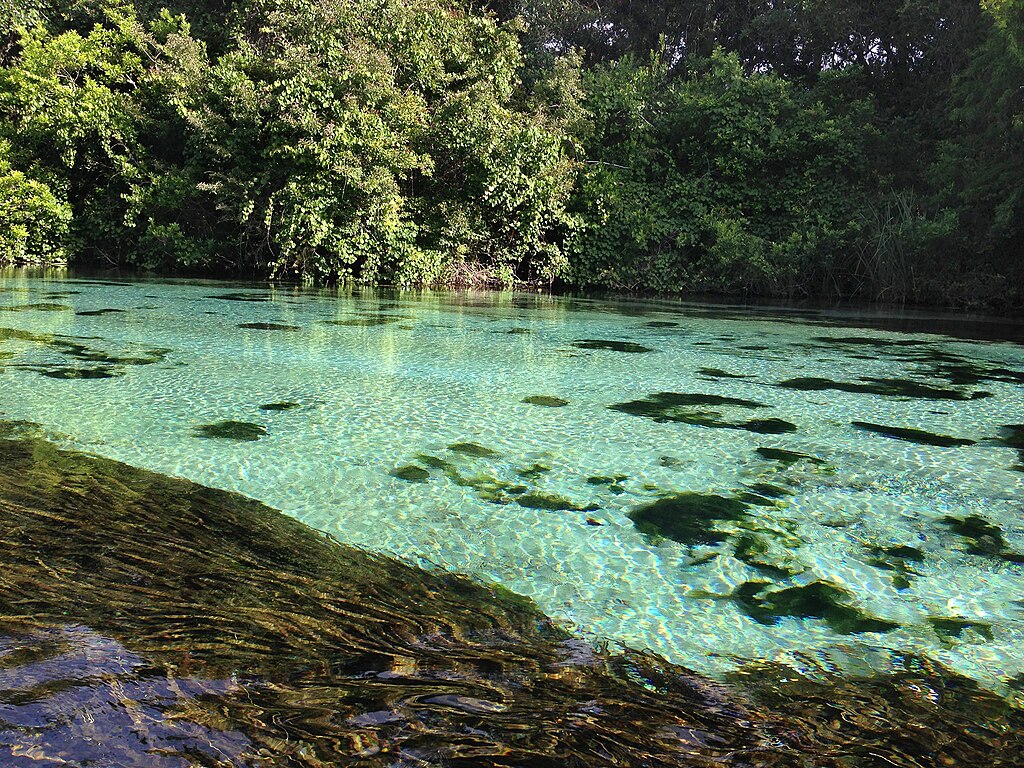
Weeki Wachee is famous for its clear spring and mermaid shows, yet late winter offers a different kind of appeal. The spring maintains a steady temperature, which attracts manatees when nearby Gulf waters cool. The water clarity stands out in cooler months, making it easier to see fish and aquatic plants from the surface. The weather is pleasant for strolling, with less humidity than later in the year.
Boardwalk sections and viewing areas along the spring and river allow for relaxed wildlife watching. During colder periods, you may see manatees drifting slowly near the main spring area. The park’s layout makes it simple to combine a wildlife walk with other attractions without feeling rushed. End of winter strikes a comfortable balance between activity and calm.
Wakulla Springs State Park, Wakulla
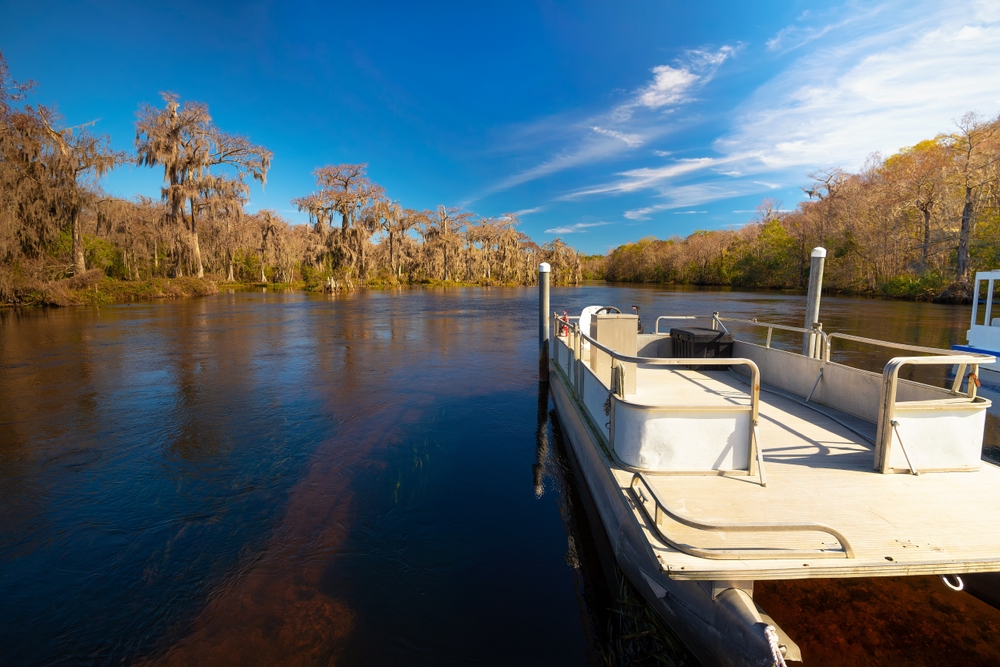
Wakulla Springs is one of the largest and deepest freshwater springs in the world, and its size makes it impressive year-round. In late winter, the clear water often looks darker and more reflective, with fewer algae blooms. Manatees occasionally move into the river system when temperatures drop, adding another layer of interest. February and March also bring mild days that are perfect for long nature walks.
The park features broad boardwalks and riverside paths that provide stable, scenic routes for visitors. A river boat tour during this season can feel especially serene, with crisp air and open views across the water. Wildlife sightings may include manatees, alligators, and wading birds along the banks. The combination of scale, clarity, and quiet makes this a strong late winter choice.
De Leon Springs State Park, De Leon Springs
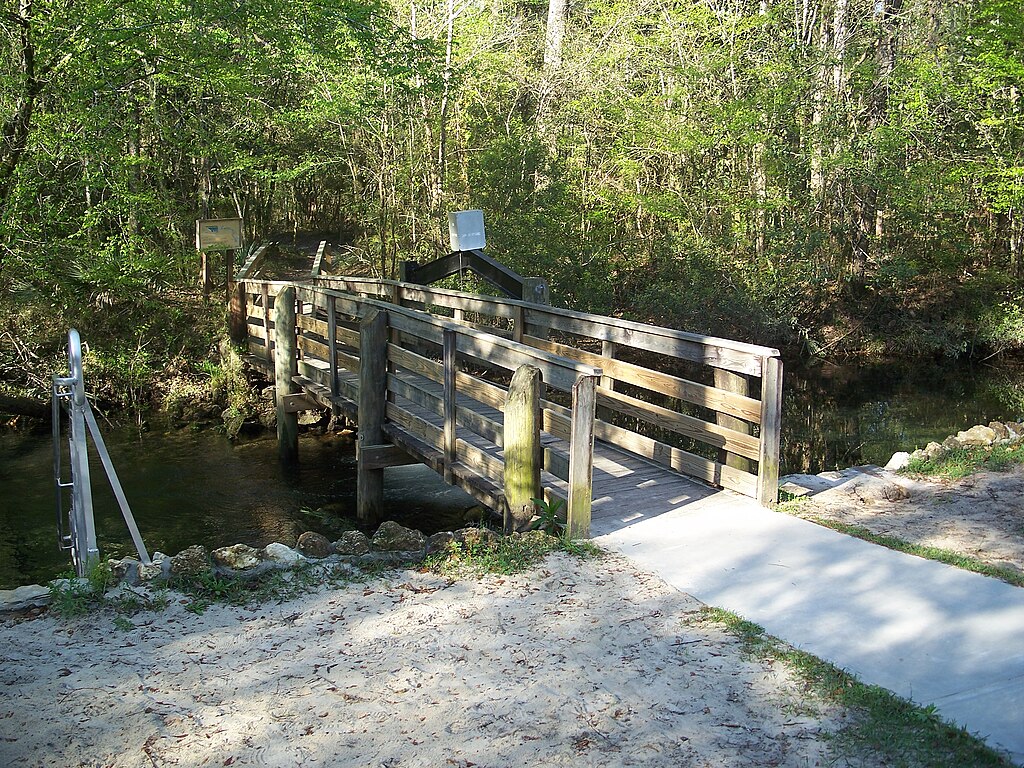
De Leon Springs offers clear water and a long history, and late winter gives it a peaceful edge. The spring basin remains bright and transparent, especially in cooler months when plant growth slows. Manatees sometimes visit the area during colder stretches, though sightings vary. February and March provide mild temperatures that make exploring the park more comfortable.
A short boardwalk leads visitors around the spring run and toward shaded picnic areas. The path offers steady viewing spots where you can look down into the water without getting close to the shoreline. With fewer swimmers compared to summer, the water often looks undisturbed and mirrorlike. It is a relaxed stop that pairs well with a quiet afternoon.
Manatee Springs State Park, Chiefland
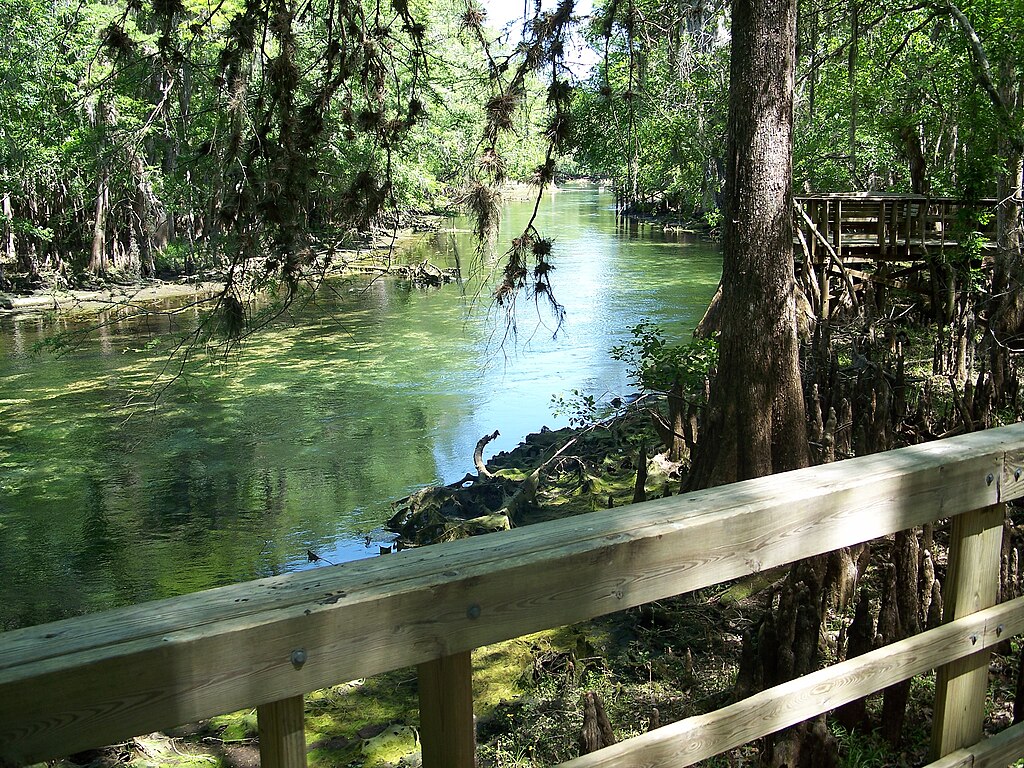
Manatee Springs lives up to its name during the colder parts of the year. When Gulf waters cool, manatees move inland to the steady warmth of the spring run, and February can still see solid numbers. The water is typically clear and gently flowing, giving you good chances of spotting movement from above. Cooler weather also keeps insect levels lower, which makes boardwalk walks more pleasant.
The boardwalk stretches through a cypress forest and along the spring run, offering multiple viewing points. From these platforms, you can watch manatees surface and then drift back into the blue depths. The path loops through varied scenery, so the experience feels layered rather than rushed. The end of winter brings a calm rhythm that suits this park well.
Rainbow Springs State Park, Dunnellon
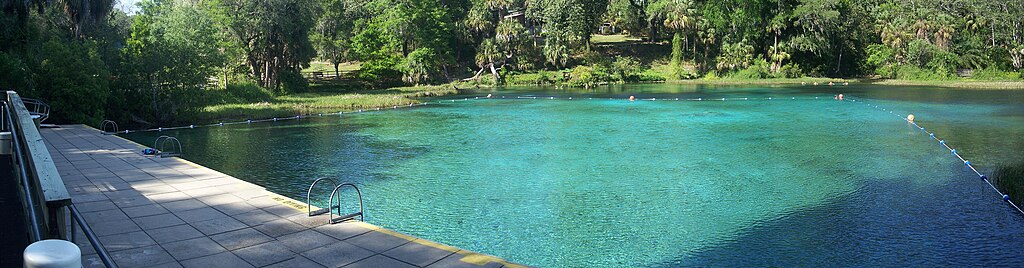
Rainbow Springs is known for its bright blue water and multiple spring vents. In February and March, the cooler temperatures help maintain impressive clarity, especially in the main spring area. Manatees sometimes enter the Rainbow River during colder periods, though they are less concentrated than in some other parks. The air is cool enough for long walks without summer heat pressing down.
Boardwalk trails lead through landscaped gardens and toward the spring heads, giving steady views into the water. Overlooks provide safe spots to pause and scan for fish or the occasional passing manatee. The combination of maintained paths and open water makes it easy to spend hours here without feeling tired. Late winter highlights the natural color and calm pace of the park.
Fanning Springs State Park, Fanning Springs
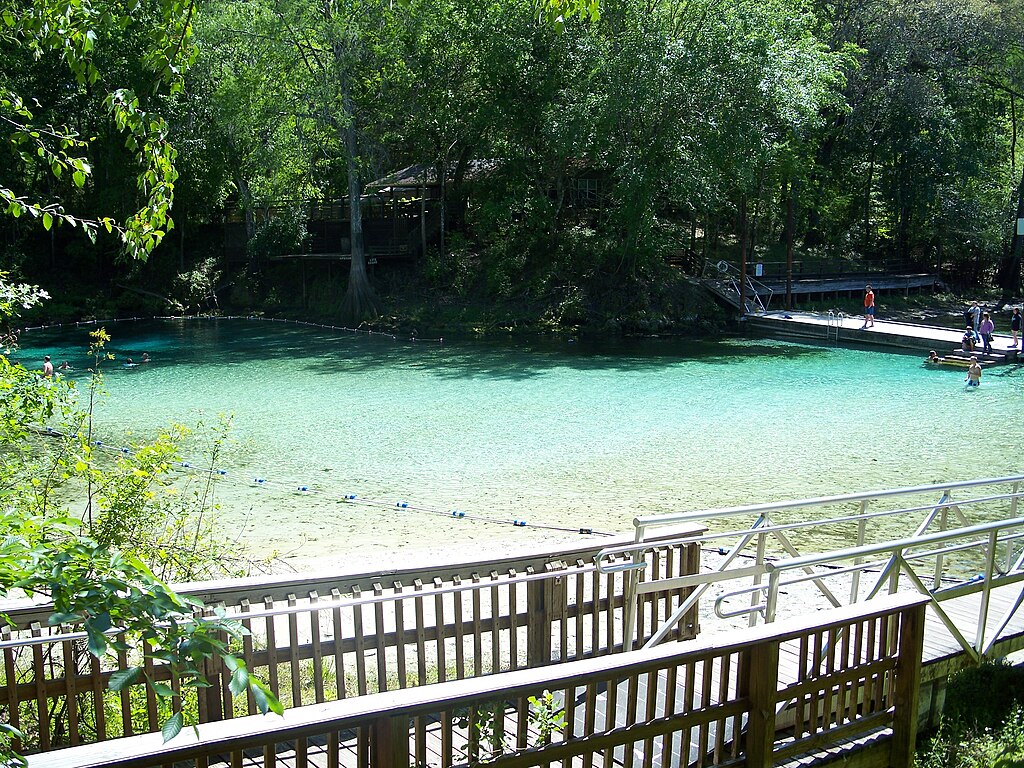
Fanning Springs offers a wide, shallow basin that stays clear in cooler months. As temperatures drop, manatees may move into the nearby Suwannee River and occasionally approach the spring. February and early March often bring stable weather that feels comfortable for exploring. The water’s pale blue tone stands out under softer winter light.
A wooden boardwalk leads directly to the spring area, where visitors can look down into the basin. With fewer swimmers compared to summer, the surface often appears still and reflective. The open design makes it easy to scan for wildlife without straining your view. End of winter visits feel relaxed and unhurried here.
This article originally appeared on Avocadu.