
15 Deer-Resistant Plants That Still Look Good In Late Winter
When frost lingers and the landscape turns quiet, it helps to have plants that still look alive. Deer pressure makes that challenge even harder for many gardeners. Thankfully, some varieties manage to stay appealing without becoming a favorite snack. They bring structure and subtle color when little else is happening.
This post may contain affiliate links, which helps keep this content free. Please read our disclosure for more info.
Hellebores
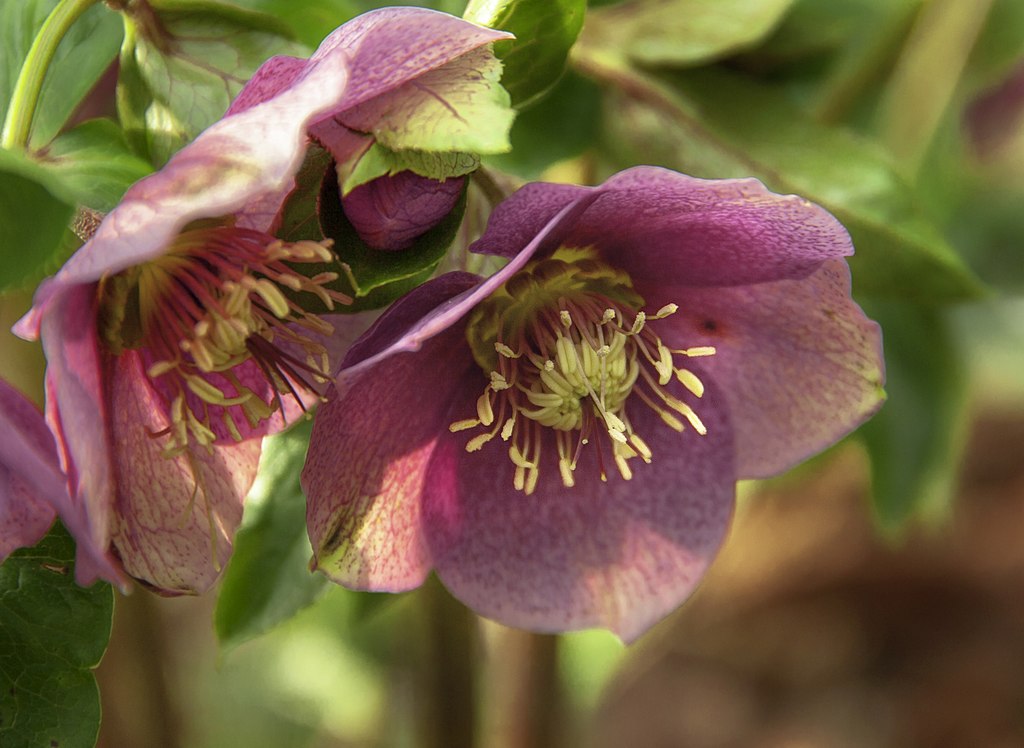
Hellebores are among the first perennials to show life when winter still lingers across the garden. Their thick, leathery leaves stay firm through cold spells, and their nodding blooms often appear while frost still clings to the soil. Deer tend to avoid them because the foliage is tough and mildly toxic, which makes them a dependable choice in areas with browsing pressure. Flower colors range from creamy white to dusty pink and deep plum, offering quiet richness when most beds look empty. Even as snow melts around them, hellebores continue to look composed and well-formed.
In late winter, hellebores bring steady color and structure to shaded beds and woodland borders. They prefer well-drained soil that is rich in organic matter, along with protection from harsh afternoon sun. Once established, they form sturdy clumps that slowly widen without becoming invasive. Removing older leaves in early winter helps fresh blooms stand out more clearly. Year after year, they return with very little fuss, making them a reliable anchor plant for colder months.
Boxwood
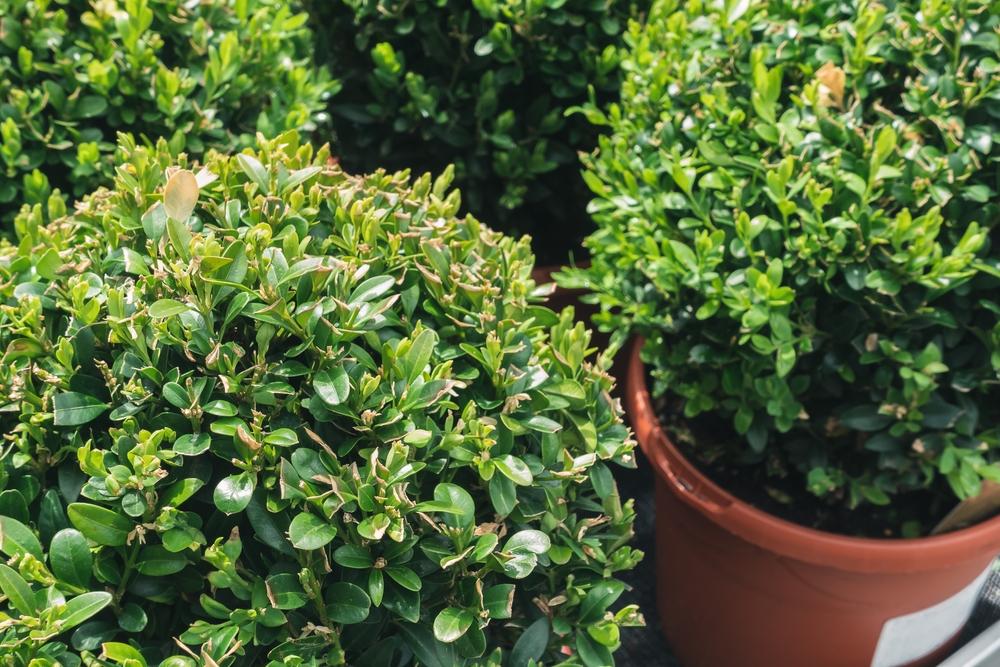
Boxwood shrubs hold their deep green color even during the dullest stretch of winter. Their dense growth habit and slightly pungent scent make them far less appealing to deer than many softer shrubs. The tidy, rounded form provides structure and order when surrounding perennials have died back. Even under a light dusting of snow, boxwood maintains a clean outline that keeps the garden from looking abandoned. It acts as a steady backdrop for any early bloomers nearby.
These shrubs respond well to light pruning, which helps maintain a balanced shape without much effort. They grow best in soil that drains well and benefit from protection against drying winter winds. A layer of mulch around the base helps moderate soil temperature and protect shallow roots. In late winter, their evergreen presence becomes even more noticeable against bare branches and gray skies. With minimal care, boxwood remains dependable through all seasons.
Lavender
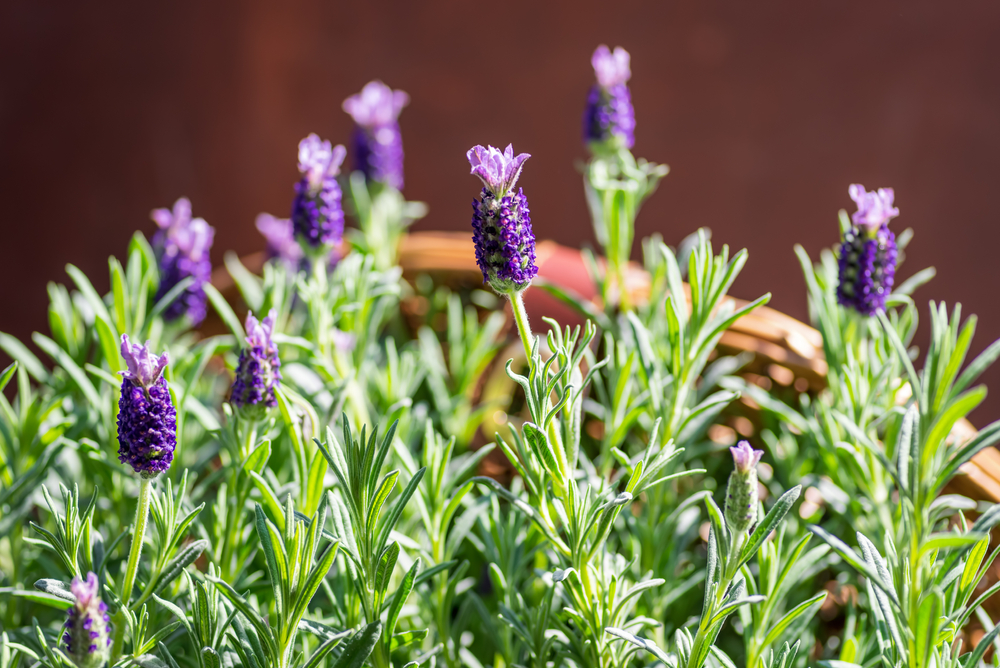
Lavender keeps its silvery foliage through winter in many regions, offering soft color when everything else looks muted. Deer usually leave it alone due to its strong fragrance and slightly coarse leaves. Even without flowers, the plant’s rounded shape remains neat and visually pleasing. The gray-green tones look especially attractive against frost, gravel paths, or stone edging. It gives structure without feeling heavy or dense.
Good drainage is essential, especially during cold months when roots can suffer in damp soil. Lavender thrives in full sun and benefits from a gentle trim after flowering to keep its form compact. In late winter, the foliage still appears fresh compared to many dormant perennials. Avoid overly rich soil, which can lead to weak growth. Planted along borders or near walkways, lavender continues to look intentional and well-placed even in chilly weather.
Russian Sage
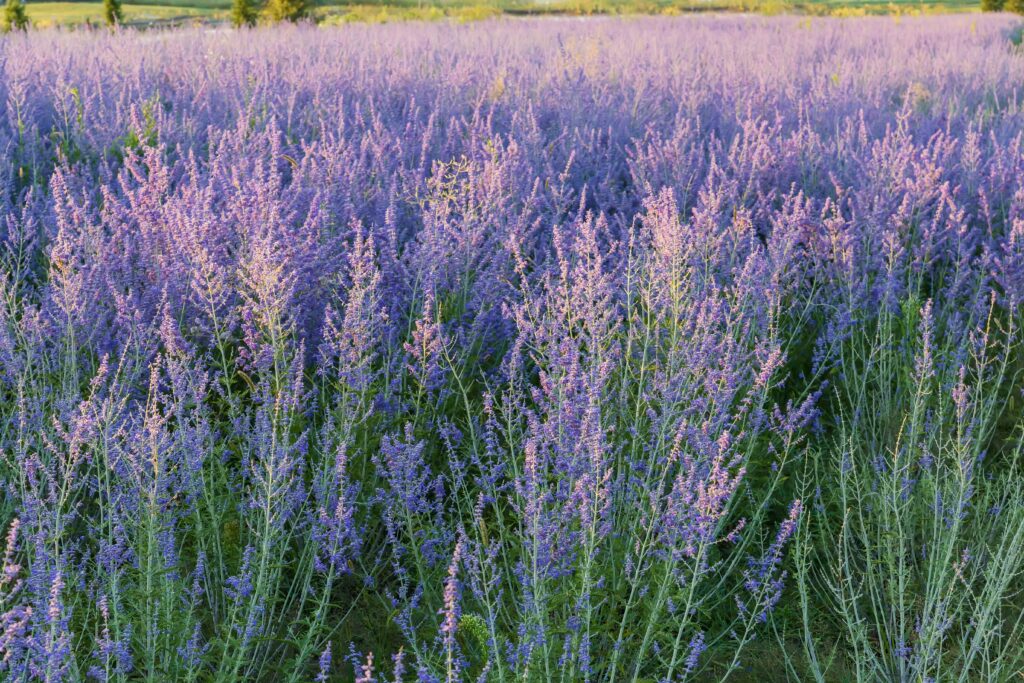
Russian sage stands tall with airy stems that often remain upright long after flowering has finished. Its silvery foliage and woody base are rarely touched by deer, making it a steady presence in exposed areas. Even after the purple blooms fade, the plant keeps a soft, cloudlike appearance in the landscape. Frost clings to the dried stems, creating subtle winter interest. It brings height to beds that would otherwise feel flat.
This perennial prefers full sun and soil that drains freely, especially in colder climates. Cutting it back in early spring prepares it for strong new growth once temperatures rise. Through late winter, the dried stems add movement and texture against still surroundings. Pairing it with evergreen shrubs creates contrast in both color and form. It remains visually useful even when not actively blooming.
Pieris Japonica
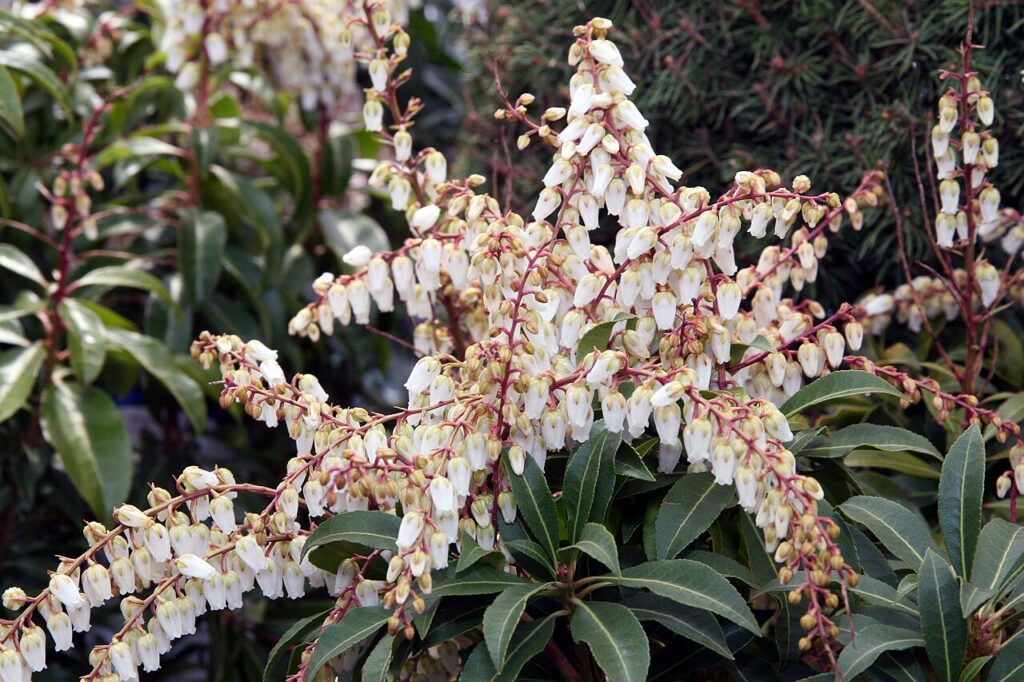
Pieris japonica offers glossy evergreen leaves that stay attractive throughout winter. In late winter, clusters of small, bead-like buds begin to form, hinting at the flowers to come. Deer generally ignore it because of its leathery foliage and mild toxicity. The plant adds structure and a polished look to shaded borders. Its steady greenery feels especially valuable when other shrubs look sparse.
It thrives in acidic soil similar to what azaleas prefer, along with partial shade. Protection from harsh afternoon sun keeps the leaves from scorching during temperature swings. Mulch helps maintain even moisture and shields roots from sudden freezes. As winter begins to ease, the dangling flower clusters gradually open into creamy white or soft pink blooms. Pieris offers a layered look that works well in woodland-style gardens.
Oregon Grape Holly
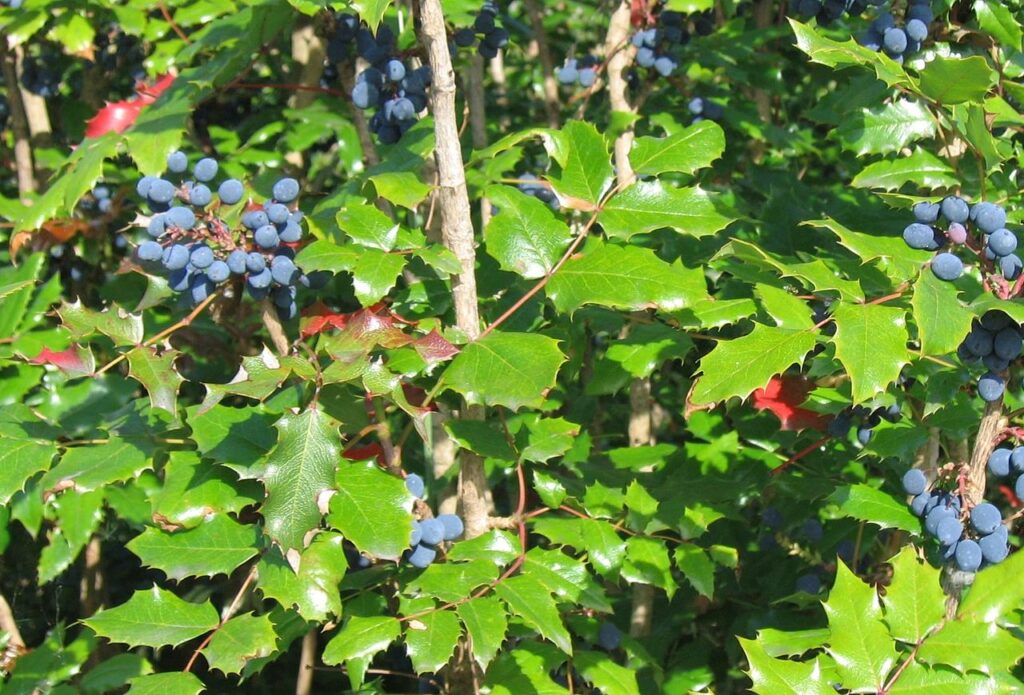
Oregon grape holly has spiny, glossy leaves that deer tend to avoid because of their prickly edges. During cold weather, the foliage often turns reddish bronze, adding depth to the winter garden. This shift in color provides contrast against evergreen lawns and bare trees. The plant’s bold texture makes it stand out in shaded corners. It holds its shape even after light snowfall.
It grows well in partial shade and tolerates dry conditions once its roots are established. In late winter, clusters of bright yellow flowers begin forming at the tips of the branches. These blooms eventually give way to dark berries that attract birds. The plant spreads slowly, filling empty spaces without becoming unruly. It works especially well as a low-maintenance ground cover beneath taller shrubs.
Witch Hazel
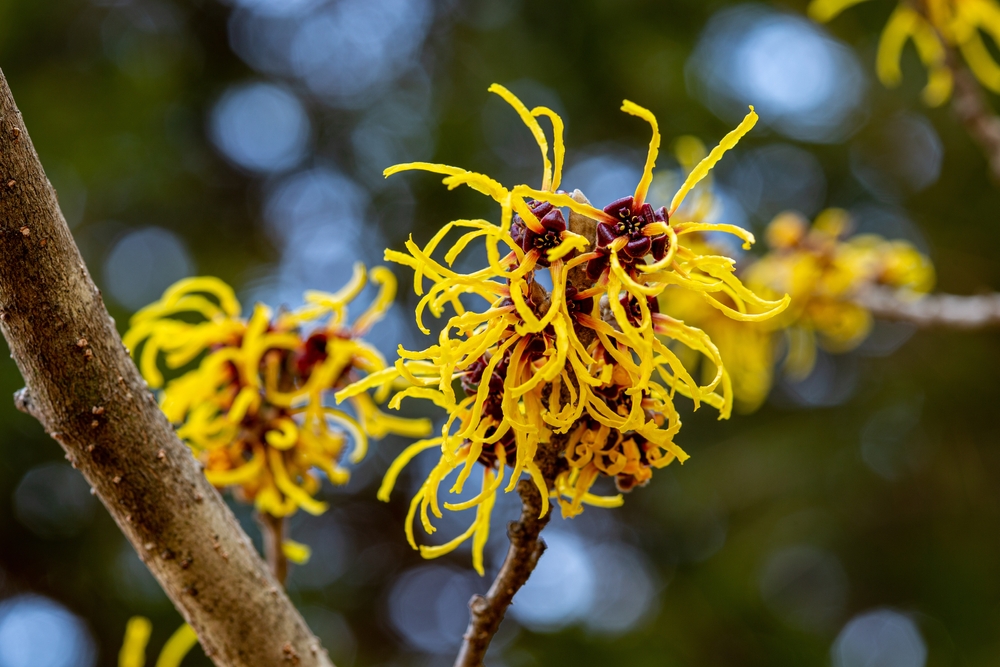
Witch hazel blooms in late winter when most shrubs remain bare and quiet. Its ribbon-like flowers appear in shades of yellow, orange, or copper, adding unexpected color to cold days. Deer are not commonly drawn to its woody stems or unusual blooms. Even without leaves, the branching structure has a sculptural quality. It draws attention without overpowering the space.
This shrub prefers a sunny to lightly shaded location with soil that drains well. It grows slowly but becomes a dependable focal point over time. The late winter flowers often carry a light fragrance that drifts on milder days. Planted near a window or pathway, it becomes easy to appreciate. Witch hazel offers both seasonal color and long-term structure.
Snowdrops
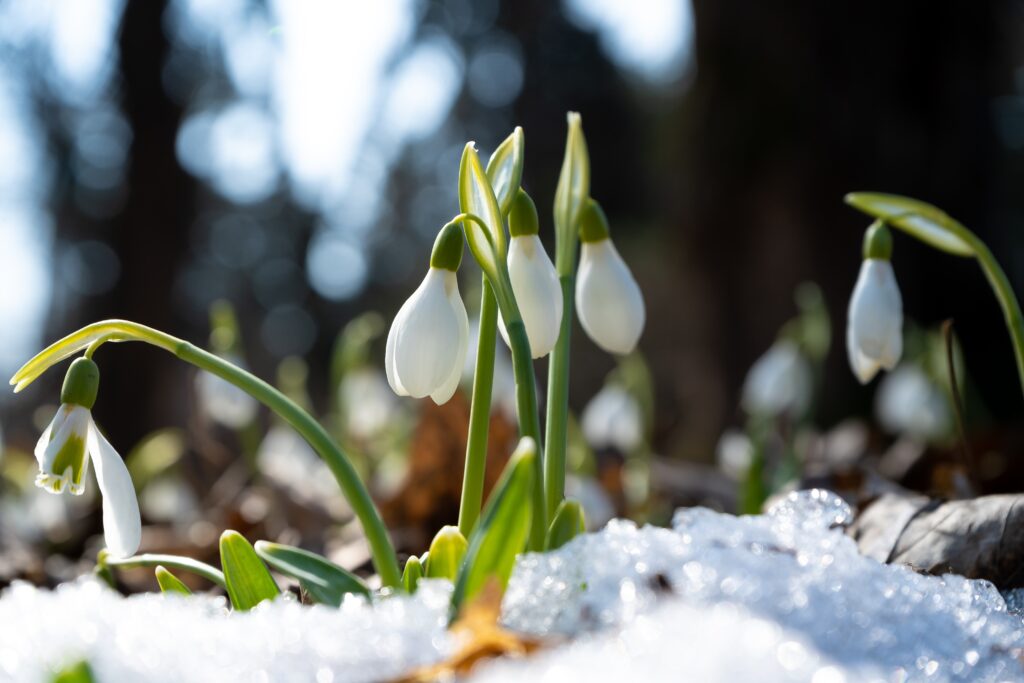
Snowdrops push through frozen soil with small, nodding white blooms that signal the end of winter. Their early arrival brightens garden beds that have felt empty for months. Deer generally ignore these bulbs, likely due to their slight toxicity. The narrow leaves remain tidy and upright even in chilly weather. A small cluster can make a noticeable difference in overall appearance.
Plant snowdrop bulbs in fall for a late winter display that returns each year. They prefer partial shade and soil that drains well to prevent rot. Over time, they multiply and form natural-looking drifts beneath trees. Dividing clumps every few years keeps them vigorous. Even when temperatures remain low, snowdrops provide a gentle reminder that the season is shifting.
Heuchera
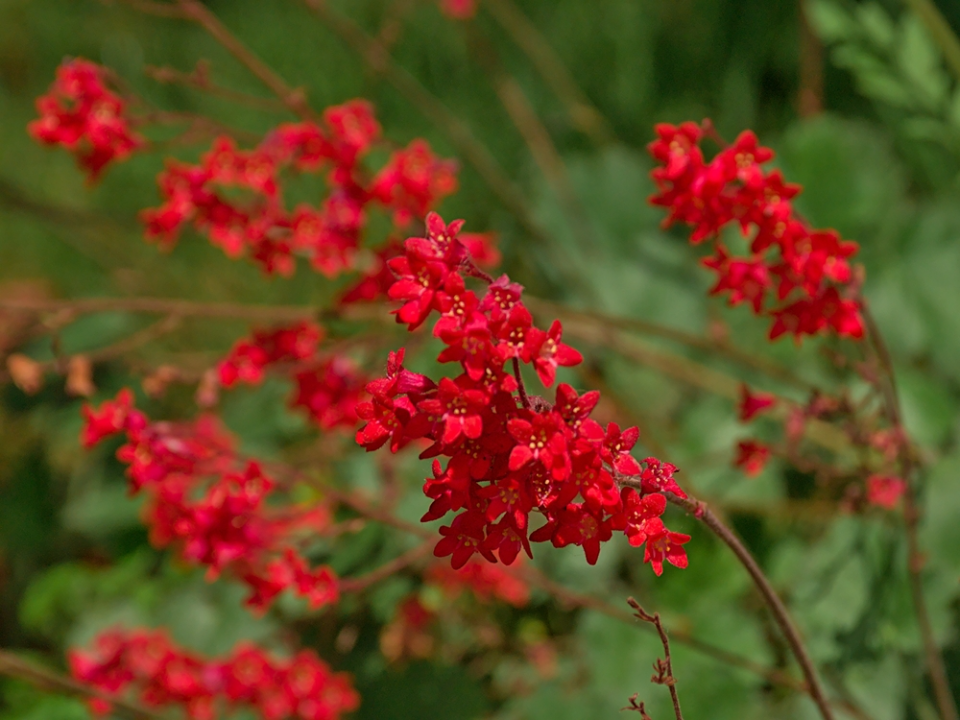
Heuchera, often called coral bells, keeps its colorful foliage through winter in many regions, especially in milder climates. The leaves come in shades of burgundy, deep purple, caramel, and forest green, which add depth when most plants have faded. Deer usually pass them by because the foliage is thick and slightly textured. Even after light snow, the rounded clumps remain visible and defined. They bring low-growing color that prevents garden beds from looking flat.
This perennial grows best in partial shade with soil that drains well yet holds moderate moisture. Removing tattered leaves in late winter refreshes the plant and makes room for new growth. Heuchera pairs nicely with evergreen shrubs and early bulbs for layered interest. It does not require heavy feeding, which keeps maintenance simple. Through the coldest stretch, its steady foliage acts as a reliable filler in borders and containers.
Bergenia

Bergenia forms broad, glossy leaves that stay present throughout the colder months. As temperatures drop, the foliage often shifts to shades of bronze or reddish purple, adding warmth to the winter palette. Deer tend to ignore it because the leaves are thick and somewhat leathery. The large leaf surface catches frost in a way that highlights its bold shape. It fills in gaps along pathways and beneath shrubs with ease.
It grows well in partial shade and tolerates a range of soil types as long as drainage is adequate. In late winter, sturdy flower stalks begin to rise above the foliage with clusters of pink blooms. Removing worn leaves in early spring keeps the clump looking tidy. Bergenia spreads slowly without becoming aggressive. Its presence feels grounded and dependable even during the quietest months.
Blue Fescue
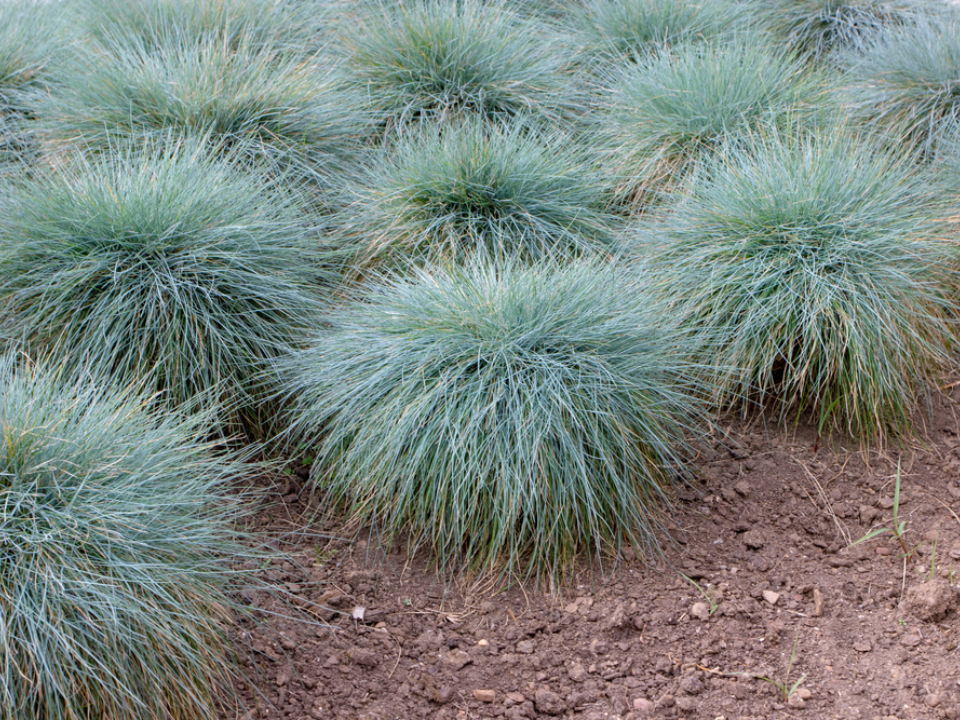
Blue fescue keeps its tidy, rounded form throughout winter, offering structure at ground level. The icy blue blades stand out against brown mulch and dormant soil. Deer rarely show interest in ornamental grasses like this one, which makes it useful in open areas. Even when temperatures dip, the clumps hold together rather than collapsing. It adds cool-toned contrast to evergreen shrubs.
This grass prefers full sun and soil that drains freely, especially in regions with wet winters. Avoid overly rich soil, since that can lead to floppy growth. In late winter, the mounded shape still looks intentional and well placed. A light trim in early spring removes older blades and refreshes the clump. Blue fescue works well in borders, rock gardens, and along walkways.
Yew
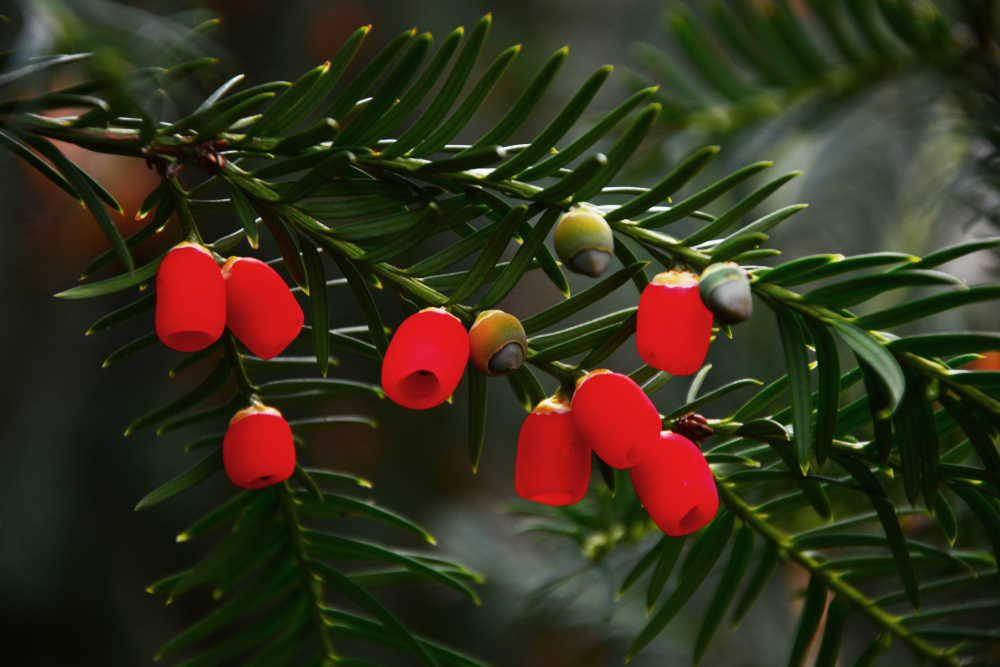
Yew shrubs maintain dark green needles through winter, providing strong visual weight in the landscape. While very hungry deer may sample them, mature plants are often left largely intact. The dense growth habit makes yew suitable for hedges, foundation plantings, and shaped forms. Its deep color stands out against pale skies and bare branches. Even in the snow, it keeps a defined outline.
Yews tolerate shade better than many other evergreens, which makes them versatile in tight spaces. They respond well to pruning, allowing you to maintain a formal or natural look. Good drainage is important to prevent root problems during cold, wet weather. In late winter, they act as a steady backdrop for early bloomers nearby. Over time, they become an essential structural element in the garden.
Rosemary
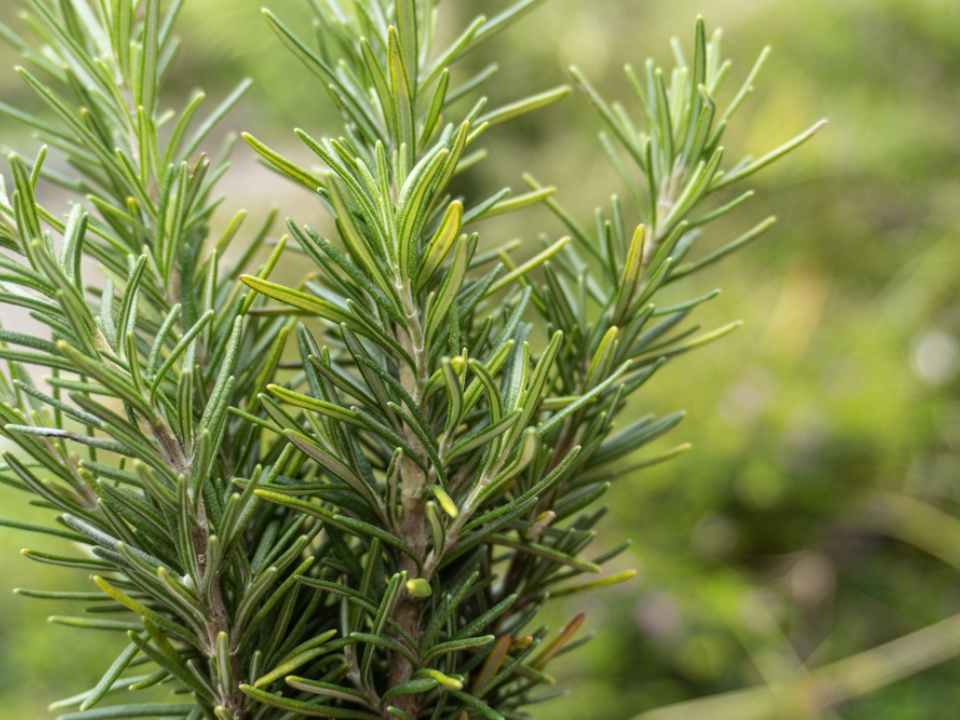
In milder climates, rosemary stays green throughout winter, offering both fragrance and texture. Its needle-like leaves and strong aroma discourage deer from grazing. The plant forms a low mound or trailing habit, depending on the variety you choose. Even without flowers, the foliage remains lively and aromatic. It softens hard edges along paths and walls.
Rosemary needs excellent drainage and as much sun as possible to stay healthy during colder months. Heavy soil that stays wet can cause root decline, so raised beds often work well. A light trim after flowering keeps it compact and full. In late winter, small blue blooms may begin to appear in warmer regions. It provides both culinary value and winter presence in one tidy plant.
Winter Daphne
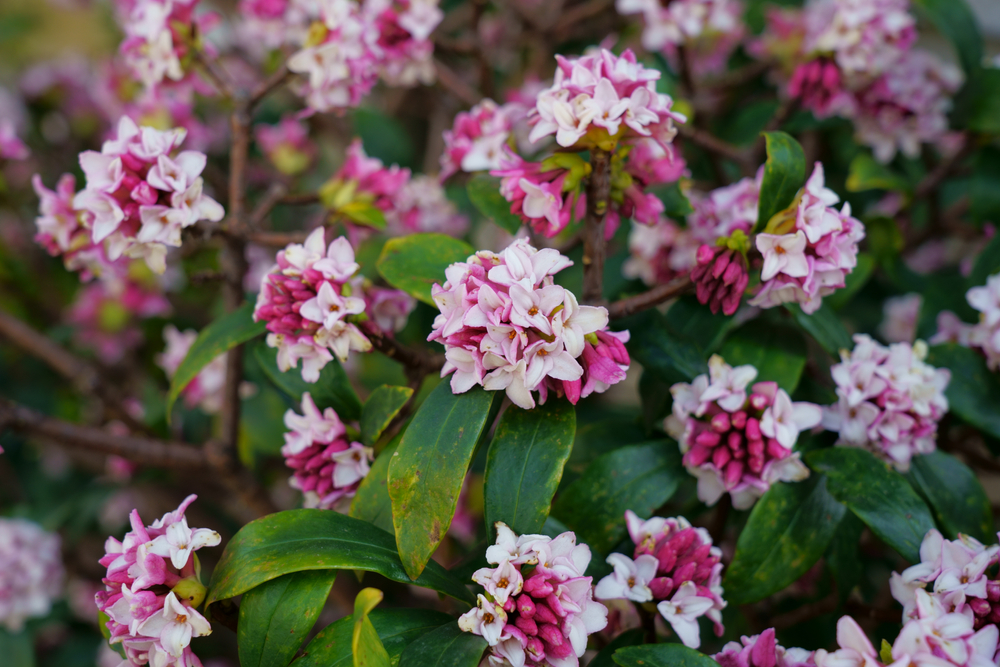
Winter daphne keeps its narrow evergreen leaves intact through the coldest stretch of the year. Deer generally avoid it due to its strong scent and dense foliage. In late winter, clusters of pink and white flowers open with a rich fragrance that carries on mild days. The compact form stays neat without much pruning. It feels refined even when the surrounding plants are dormant.
This shrub prefers well-drained soil and a location sheltered from harsh winds. Once planted, it does not respond well to being moved, so choose the spot carefully. Moderate watering during dry spells helps maintain steady growth. Planted near an entry or walkway, its fragrance becomes easy to enjoy. In late winter, it stands out as both ornamental and aromatic.
Pieris Japonica
Pieris japonica continues to look polished through winter with glossy evergreen leaves. The foliage often takes on a deeper tone in cold weather, which adds richness to shaded areas. Deer tend to avoid it, making it a dependable shrub in woodland settings. Late winter brings clusters of drooping buds that resemble strings of beads. The plant offers quiet anticipation before full bloom.
It grows best in acidic soil with consistent moisture and partial shade. Harsh afternoon sun can scorch leaves during temperature swings, so filtered light works well. A layer of mulch helps protect shallow roots from freeze and thaw cycles. As winter eases, creamy white or blush colored flowers begin to open. Pieris provides steady structure and seasonal detail without drawing unwanted attention from wildlife.
This article originally appeared on Avocadu.