
10 Rare Tea Cultivars With Smooth Finish and Zero Bitterness
On a quiet day, a tea that has no bite at all can feel like the perfect small luxury. Certain cultivars are prized because they keep their sweetness even with hotter water or longer steeps. Their leaves bring out soft floral, nutty, or creamy notes instead of harsh tannins.
This post may contain affiliate links, which helps keep this content free. Please read our disclosure for more info.
Saemidori Japanese Green Tea
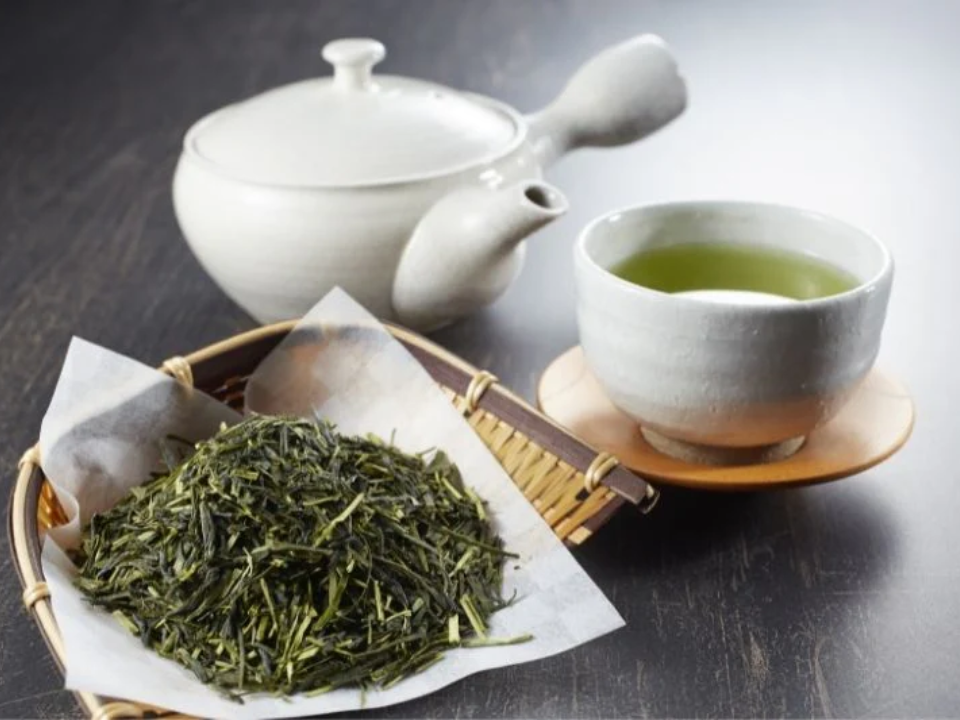
High-grade Japanese farms treat Saemidori as a special cultivar because it needs careful shading and is planted in limited pockets of Kyushu and other regions. The leaves give a vivid green liquor with a strong umami feel and almost no harsh edge when brewed at lower temperatures. Growers often use it for premium sencha or gyokuro, where sweetness and seaweed-like depth really stand out. This makes it an appealing choice for drinkers who want a rich cup without any bite on the tongue.
When you brew Saemidori gently, cooler water around 60 to 70 degrees Celsius and short infusions keep the cup silky and calm. The natural amino acids help round off tannins, so you get a smooth finish even if you let the second infusion run a bit longer. This tea pairs very well with simple Japanese sweets such as yokan, mochi, or lightly sweet biscuits. Many people also enjoy it on its own in the afternoon, sipped slowly from small cups.
Asatsuyu Natural Gyokuro Cultivar
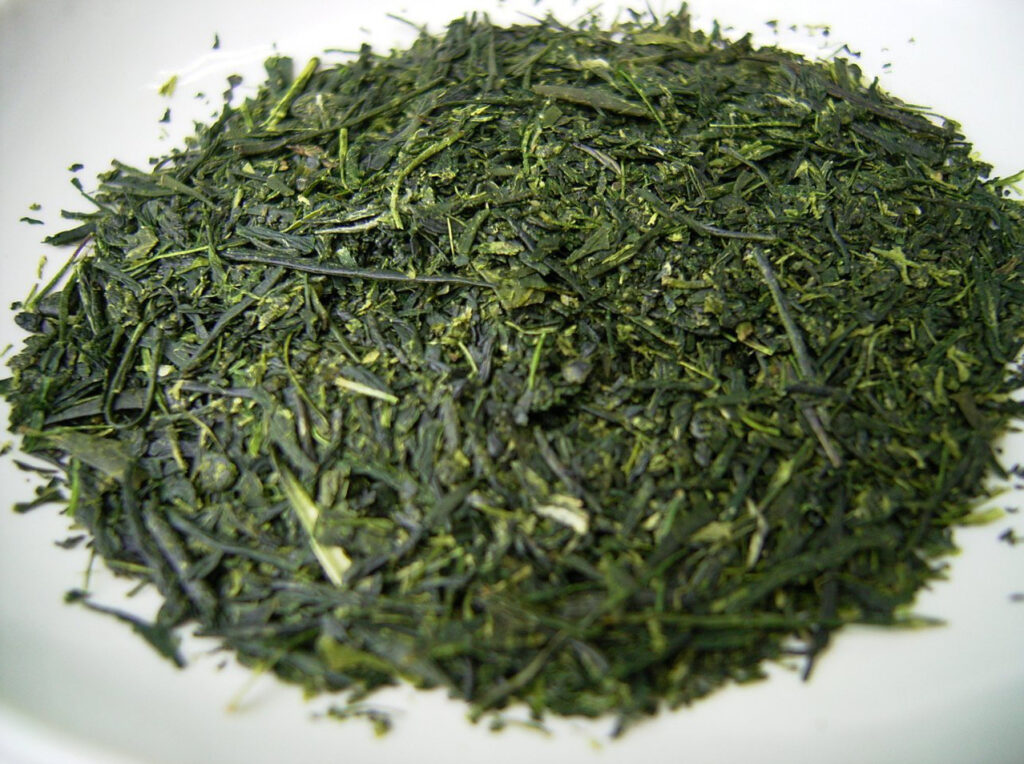
Among Japanese greens, Asatsuyu stands out because it is grown in small quantities and is sometimes called the natural gyokuro for its deep flavor. Farmers value it for its strong sweetness and low astringency even without long shading, so plantings tend to stay focused on quality-oriented plots. The liquor often shows a soft jade color and carries notes of steamed spinach, nori, and soft cream. That combination gives a cup that feels gentle and full at the same time.
When handled with cool water, Asatsuyu can taste almost candy-like, with very little bitterness even on the third infusion. Short steeps, quick pours, and a generous leaf ratio draw out umami without pulling many rough tannins. This cultivar works nicely with light savory snacks such as rice crackers, onigiri, or steamed edamame. It also sits well beside fresh fruit, especially pears, melon, or mild citrus.
Gokou Shade Grown Uji Cultivar
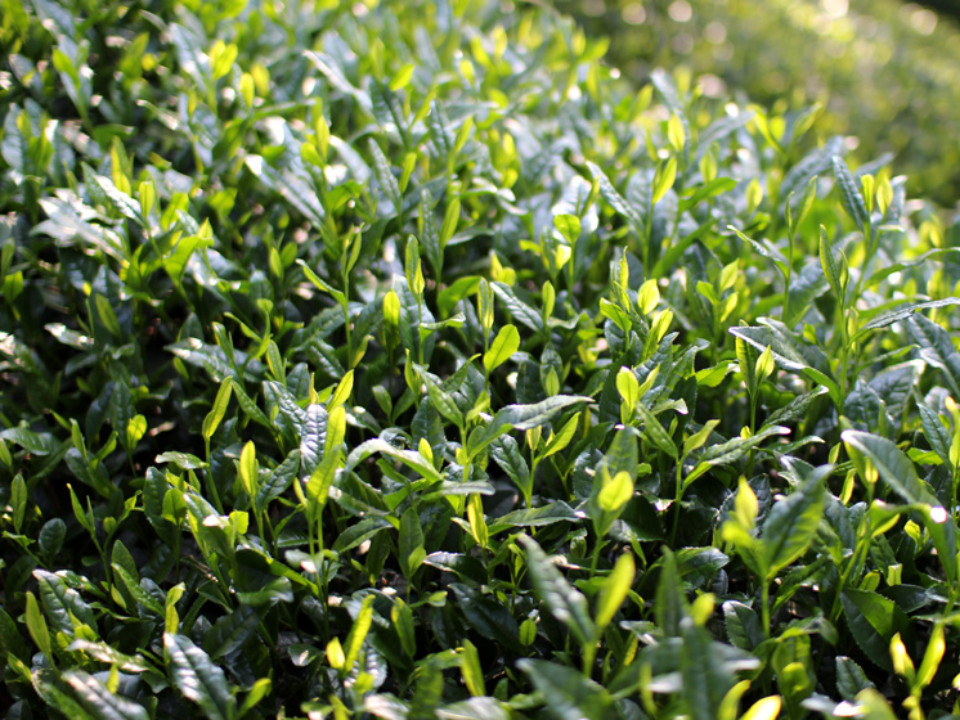
From the Uji region near Kyoto, Gokou is considered rare because it is mostly reserved for high-end gyokuro and matcha and is not widely planted. The bushes respond very well to shading, building a rich store of amino acids and sweet compounds in the leaves. Cups brewed from Gokou carry a thick, almost broth-like texture with notes of cream, pine nut, and fresh greens. Drinkers who like a deep, soothing profile often seek it out when they can find it.
With careful brewing at low temperatures, Gokou tea has a long, sweet finish with hardly any bitterness, even when steeped a little longer than usual. Many people brew it in small kyusu or houhin pots so they can pay close attention to time and water. Food pairings lean toward delicate dishes such as sashimi, white fish, or lightly salted tofu, since stronger flavors might cover its gentle character. A small bowl of wagashi or a simple castella cake also sits nicely beside it.
Koushun Floral Shizuoka Cultivar
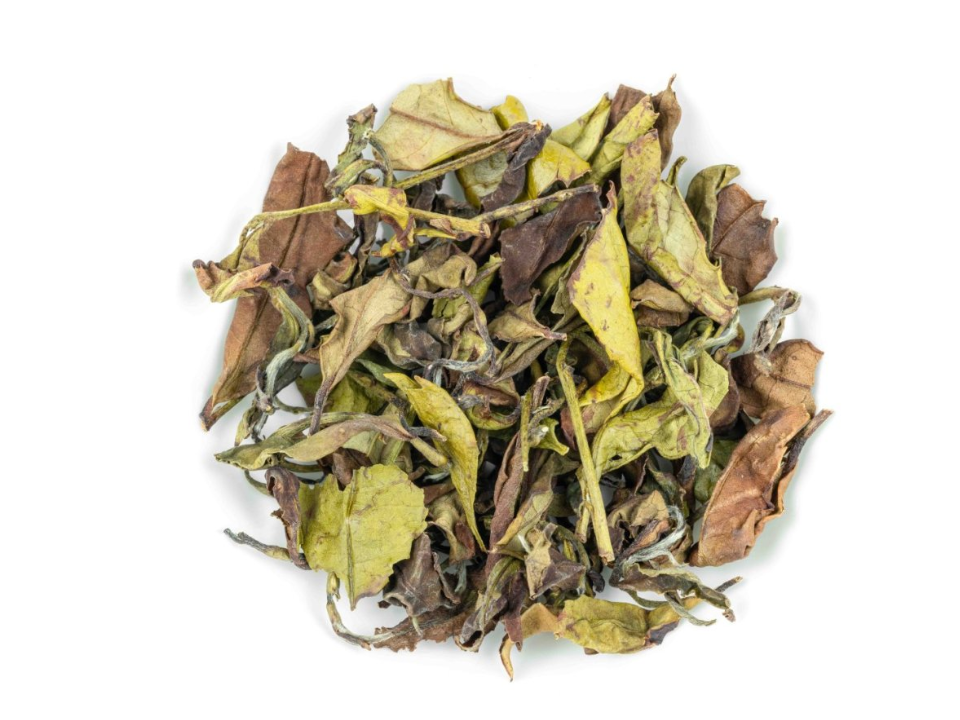
In Shizuoka, Koushun is kept in relatively small plantings, which helps it stay a bit of a hidden gem among tea fans. Growers like it for its unique floral aroma that hints at herbs and citrus peel, very different from standard grassy Japanese greens. Steeping produces a pale liquor with a soft body and low astringency when brewed at reasonable temperatures. Many tea drinkers notice that the floral scent lingers more strongly than any drying sensation.
Handled with care, Koushun can show almost no bitterness, especially when you keep water slightly cool and infusions short. The cultivar carries aromatic compounds that feel perfumed without turning soapy, giving a gentle finish as the cup cools. Pairings can include delicate cakes, fruit tarts, or honey-drizzled yogurt, since these foods echo its light aromatic character. Savory snacks such as salted nuts or mild cheese can also highlight the floral notes without clashing.
Jin Xuan Milk Oolong Cultivar
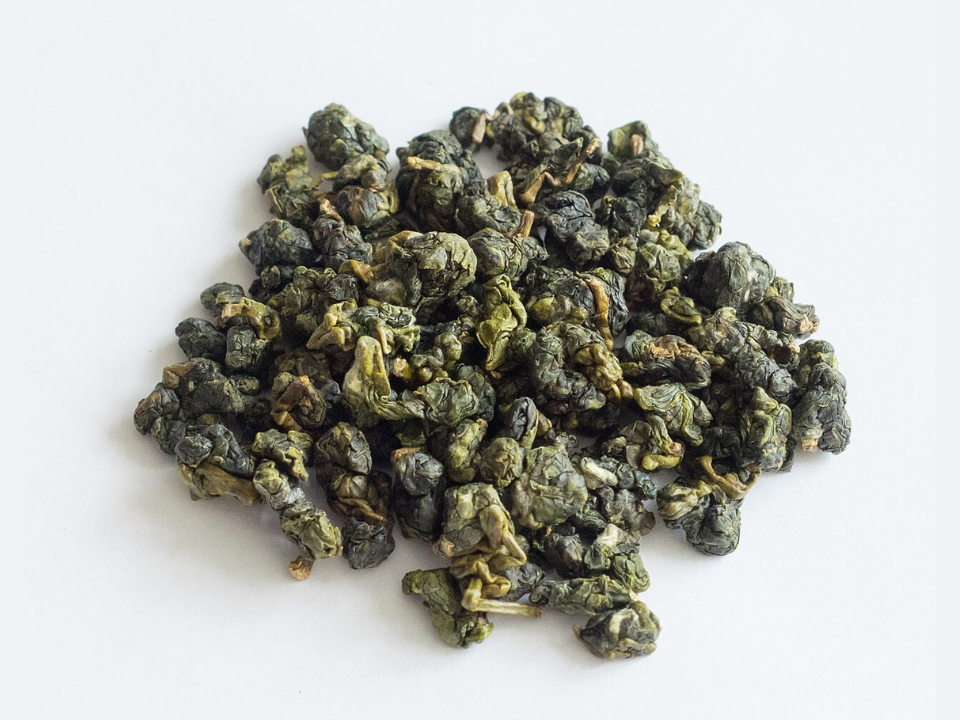
Taiwanese hills host Jin Xuan in scattered plots, and its reputation for natural creamy notes makes it highly sought after. This cultivar is often used for lightly oxidized oolong, where its soft, milky aroma comes forward without much effort. The liquor tends to taste buttery and smooth, with hints of sweet corn or condensed milk and almost no harsh edge. Many drinkers are surprised at how gentle it stays, even when brewed slightly longer.
With medium temperature water around 85 to 90 degrees Celsius, Jin Xuan gives a rounded finish and very little bitterness. The rolled leaves open slowly, allowing multiple infusions that remain mellow as the session goes on. This tea pairs very well with simple sponge cakes, vanilla pudding, or snacking on mildly sweet pastries. It can also sit comfortably alongside light, savory foods such as steamed dumplings or soft cheeses.
Qing Xin High Mountain Oolong Cultivar
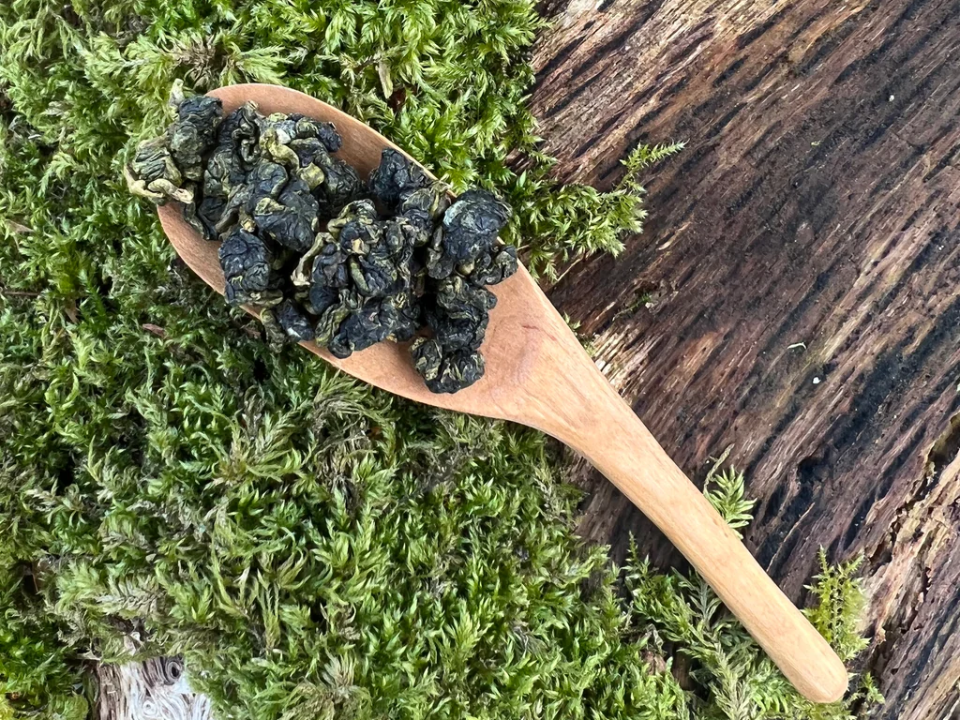
High mountain gardens in Taiwan rely on Qing Xin for many famous oolongs, and limited elevation plots help keep it relatively rare. Leaves grown above the cloud line develop thick, waxy surfaces and store plenty of aroma compounds. When lightly oxidized, Qing Xin offers a smooth liquor with hints of orchid, cream, and stone fruit, without much drying effect. The overall character feels airy yet satisfying, especially when brewed gongfu style.
With short, repeated infusions, Qing Xin can stay silky through six or more steeps, showing almost no bitterness until the very late cups. Using plenty of leaf, a small gaiwan, and hot but not boiling water draws out sweetness while keeping tannins in check. This cultivar pairs nicely with fresh fruit such as peaches, grapes, or lychees, because those flavors echo its natural notes. Light pastries, steamed buns, and nut-based desserts also fit well beside it.
Si Ji Chun Four Seasons Spring Cultivar
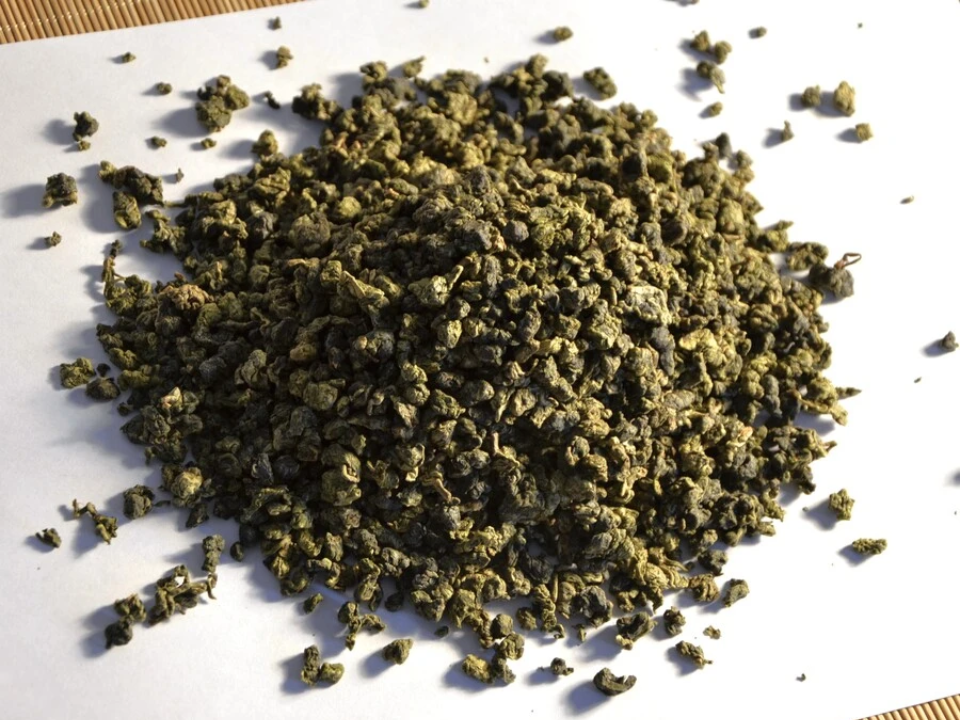
Si Ji Chun remains uncommon outside Taiwan, since many small farms keep it for their own lightly oxidized oolongs. The bushes can flush several times a year, giving fragrant leaves with a strong floral top note that feels playful rather than heavy. Cups made from this cultivar usually show a pale gold color and a soft, creamy sweetness. Bitterness stays low, especially with short steeps and moderate water heat.
Brewed with a gongfu approach, Si Ji Chun shows wave after wave of floral and honey-like notes without a rough finish. Even casual western-style brewing can feel forgiving, as the tea stays smooth unless pushed very hard. This tea pairs beautifully with fruit-based desserts, butter cookies, or lightly sweet breads. On the savory side, simple rice dishes and mild stir-fries allow their perfume to shine through.
Long Jing Number Forty Three Cultivar
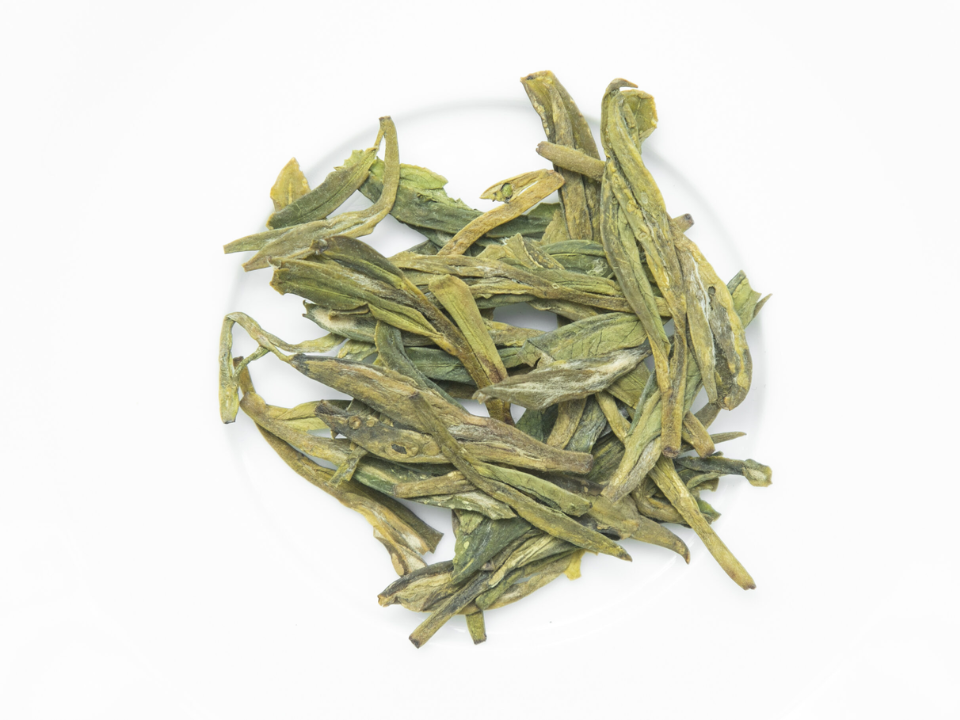
In Hangzhou and surrounding areas, Long Jing Number Forty Three is a selected cultivar grown in chosen plots for early harvests. Pan firing and flat pressing bring out its classic chestnut and bean notes, while the cultivar itself contributes a gentle, sweet edge. Compared with some standard Long Jing plantings, it can show a smoother character with less astringency. The rarity lies in its planting range and the skill needed to handle the young buds correctly.
Handled with cooler water and short infusions, Long Jing Number Forty Three produces a silky liquor that glides over the tongue. The combination of early picking and light pan roasting keeps bitterness light, even if you extend the second steep slightly. This tea pairs best with subtle dishes such as steamed fish, simple congee, or lightly salted vegetables. A plate of unsalted nuts or sesame biscuits also fits very well beside its nutty aroma.
Fuding Da Bai White Tea Cultivar
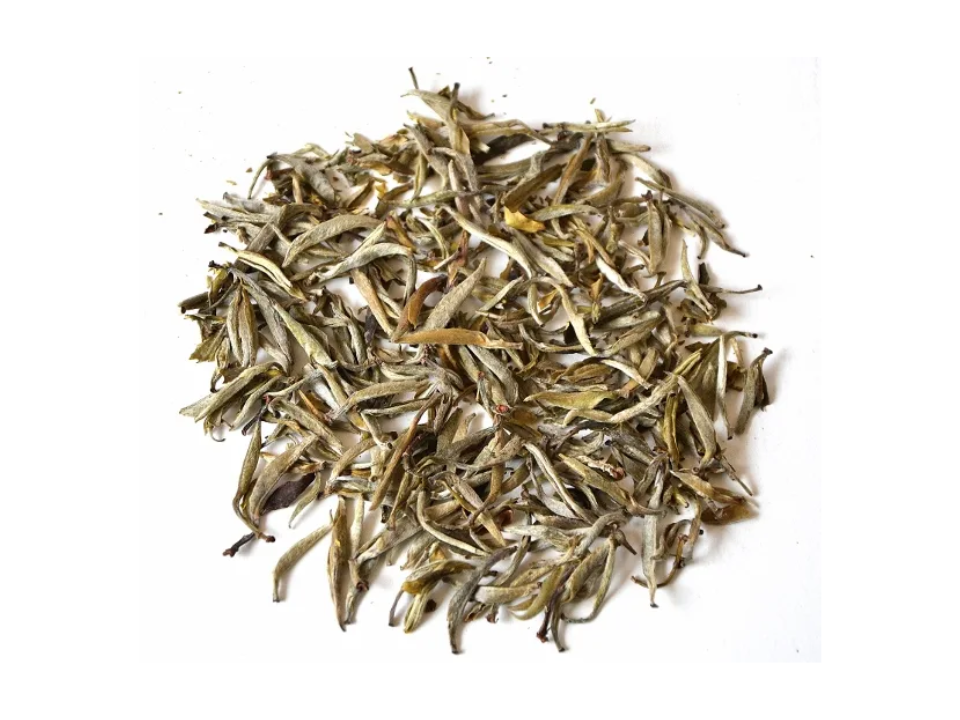
Fuding Da Bai is linked closely with famous Chinese white teas, and higher-grade fields in Fujian keep this cultivar relatively special. Big, fuzzy buds and young leaves are withered and dried with minimal handling, which preserves a soft, clean profile. When brewed lightly, the liquor tends to taste sweet, hay-like, and gently floral, with almost no bitterness. Many people find it calm and soothing, especially in quiet moments.
Long infusions at low temperature draw out complex sweetness rather than harshness, which gives Fuding Da Bai a very smooth finish. The tea can age gracefully, gaining honey and dried fruit notes while staying soft on the palate. Food pairings include light cakes, plain biscuits, and slices of mild cheese, which all sit gently beside its flavor. It also goes nicely with fruit plates featuring apple, pear, and white peach.
Huang Jin Gui Golden Osmanthus Cultivar
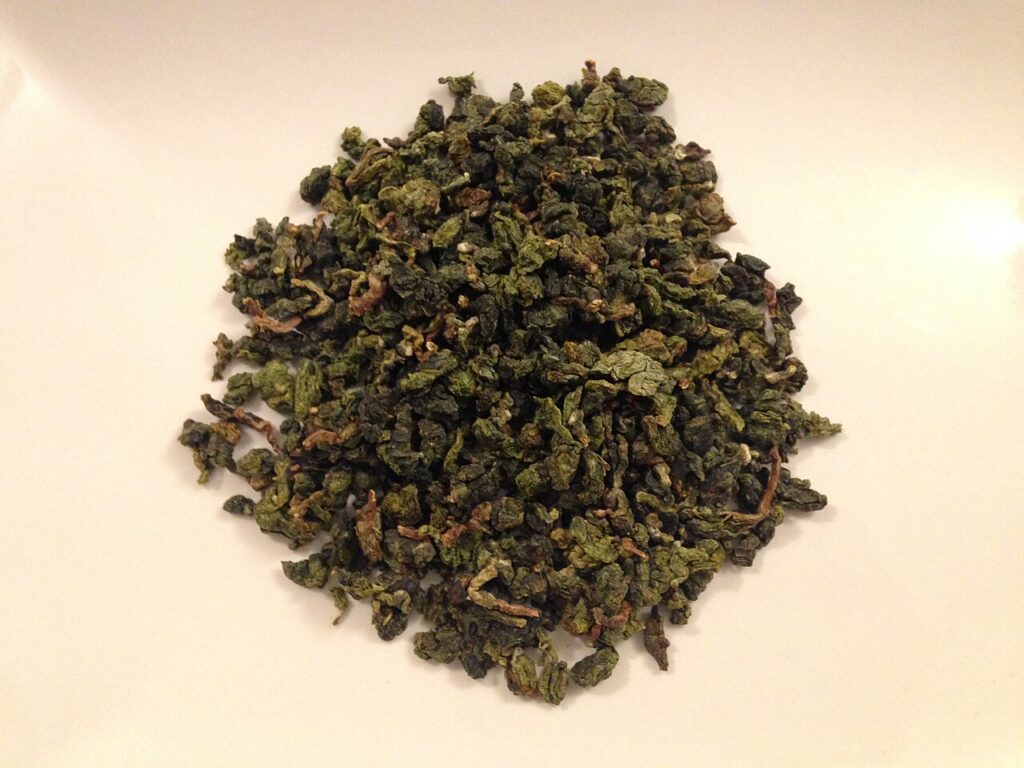
Southern Fujian gardens reserve Huang Jin Gui for oolongs that lean strongly toward floral and creamy notes. The name hints at an osmanthus-like fragrance, and the cultivar can show that scent even without added flowers. Liquor from this tea often tastes smooth and buttery with hints of gardenia and sweet cream, with minimal astringency. Because plantings are smaller than some famous Tie Guan Yin gardens, it keeps a touch of rarity.
When brewed with medium temperature water and brief steeps, Huang Jin Gui holds a soft, rounded finish that does not dry the mouth. The rolled leaves unfurl gradually, and each infusion adds new layers of floral aroma. This tea pairs beautifully with custard desserts, panna cotta, or egg tarts, where the creamy textures mirror its profile. Savory options such as steamed seafood or chicken with light seasoning also match well.
This article originally appeared on Avocadu.