
15 Ground Covers That Stay Green Through Winter And Spread Nicely In Spring
Ground covers are mainly used to blanket bare soil, keep weeds in check, and protect roots from temperature swings. These low growers also soften hard edges and help your yard look full even when very little is in bloom. When you pick varieties that stay green through winter, you get quite a color when most plants are sleeping. So keep reading and see which ground covers can carry your beds through cold months and then spread nicely once spring arrives.
This post may contain affiliate links, which helps keep this content free. Please read our disclosure for more info.
Periwinkle (Vinca minor)
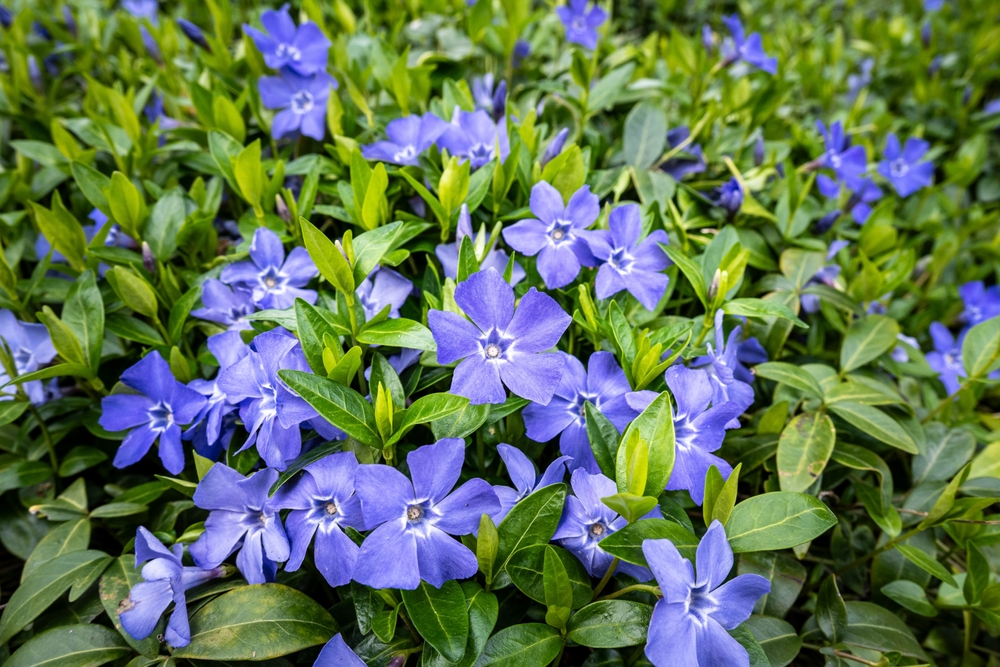
Low-growing and glossy, periwinkle covers soil with a green mat that holds through cold months in many regions. Small blue or purple flowers appear in spring, and trailing stems root where they touch the soil, so the carpet thickens over time. This plant likes well-drained soil and does well in partial shade, especially under shrubs and trees. Regular watering in the first season helps it settle, and light trimming keeps it where you want it.
When you want periwinkle to look tidy, you can shear it lightly after flowering to remove spent blooms and encourage fresh growth. A thin layer of compost around the plants in spring supports steady spreading without heavy feeding. It handles many soil types, from sandy patches to heavier clay, as long as water does not stand for long. Gardeners often use it to cover banks or awkward, shady corners where grass struggles.
Japanese Pachysandra (Pachysandra terminalis)
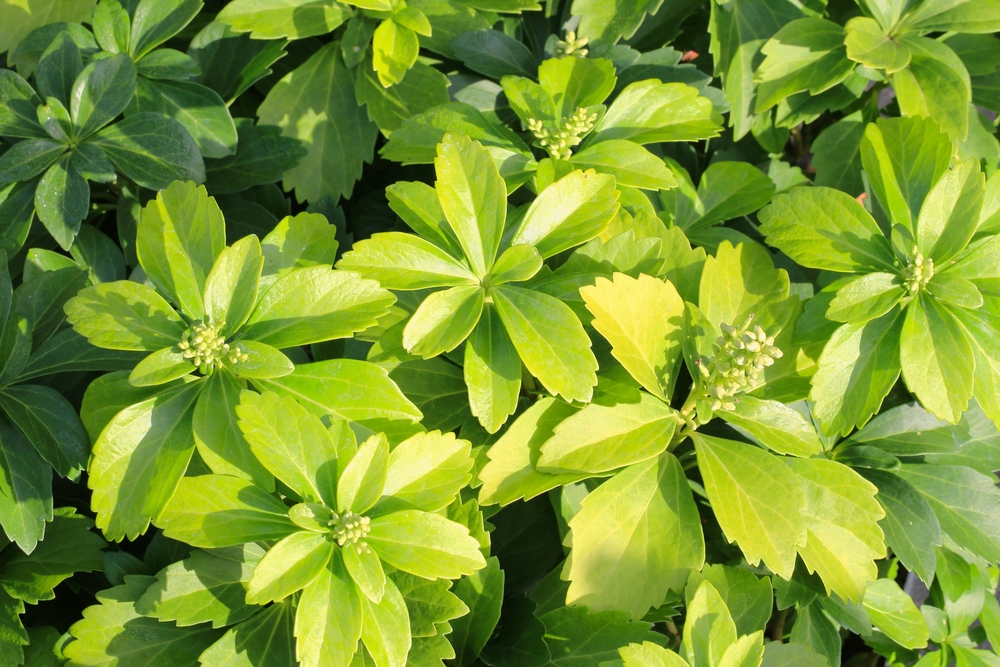
In deep shade where lawn fails, Japanese pachysandra forms a dense, leathery carpet that stays green through winter. Short white flower spikes appear in spring and sit just above the foliage, adding a soft accent with little effort. This plant prefers moist, humus-rich soil and partial to full shade, which makes it ideal for woodland-style beds. It spreads by underground stems, slowly filling empty spaces under trees and along foundations.
For best results, gardeners mulch pachysandra lightly with leaf mold or compost and water during long dry spells. Hot, full sun spots can scorch the leaves and thin the planting, so cooler, shaded areas are better. If the patch gets crowded, you can lift small clumps and move them to new places in early spring or fall. Clearing fallen leaves off the foliage surface now and then helps prevent mildew and keeps the planting neat.
Sweet Woodruff (Galium odoratum)
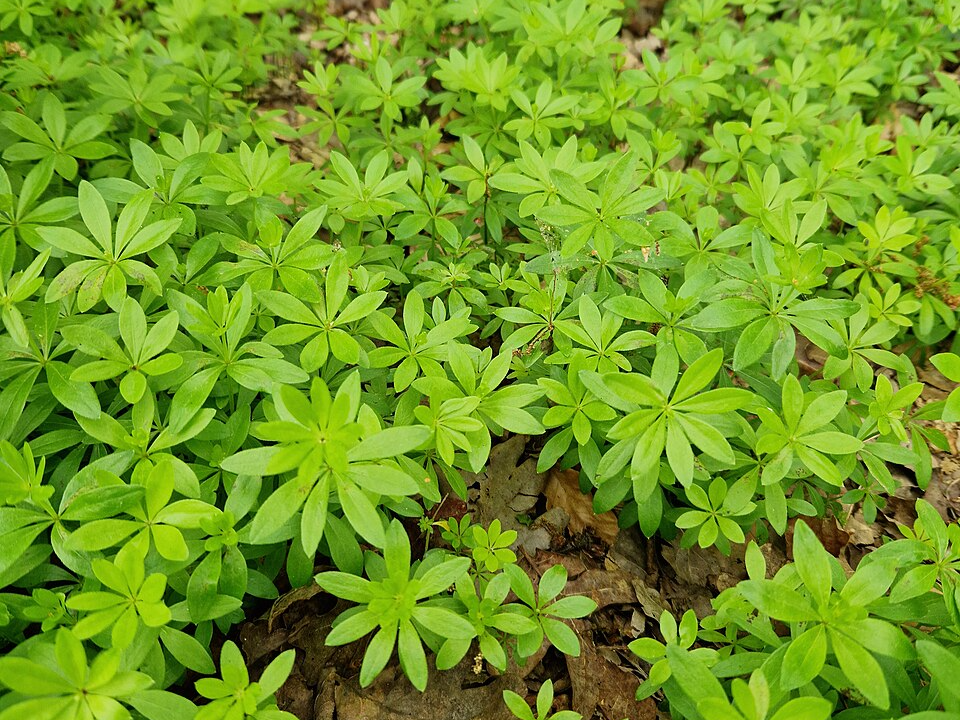
Sweet woodruff makes a soft, fresh-looking carpet of whorled leaves that often stay green in mild winters, especially in sheltered spots. In spring, it sends up delicate white flowers with a light scent that many gardeners enjoy. This plant thrives in moist, well-drained soil rich in organic matter and prefers partial to full shade. Creeping roots move outward over time, filling shady corners beneath trees and along paths.
To keep sweet woodruff thriving, you can water during dry periods and top dress the soil with compost in spring. A light trim after flowering encourages new foliage and helps the patch stay dense. Neutral to slightly acidic soil suits it best, while hot, dry, sunny positions can cause it to wilt and thin. Many people plant it near patios or benches where the fragrance can be noticed when the leaves are brushed.
English Ivy (Hedera helix)
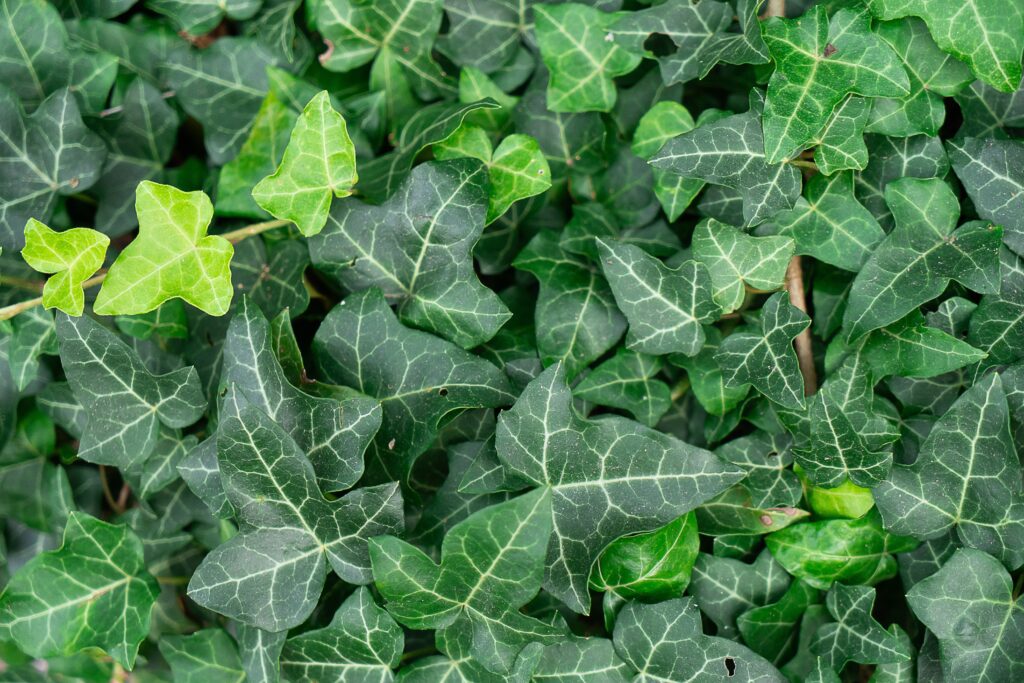
English ivy creates a solid sheet of dark foliage that holds its color all winter on walls, fences, and ground-level spaces. Low forms used as ground covers send out long stems that root at the nodes, allowing the plant to spread steadily. This species prefers fertile, well-drained soil and can handle sun to deep shade, though color often looks best in partial shade. In many regions, it can become invasive, so gardeners need to plant it with care and avoid natural woodlands.
When ivy is used as a ground cover, regular trimming keeps it from climbing trees and buildings, where it can cause damage. Many people shear it once or twice a year to keep growth dense and tidy. A light mulch of compost in spring helps maintain soil moisture and supports new shoots. Gloves are helpful when handling it, since the sap may irritate sensitive skin.
Bugleweed (Ajuga reptans)
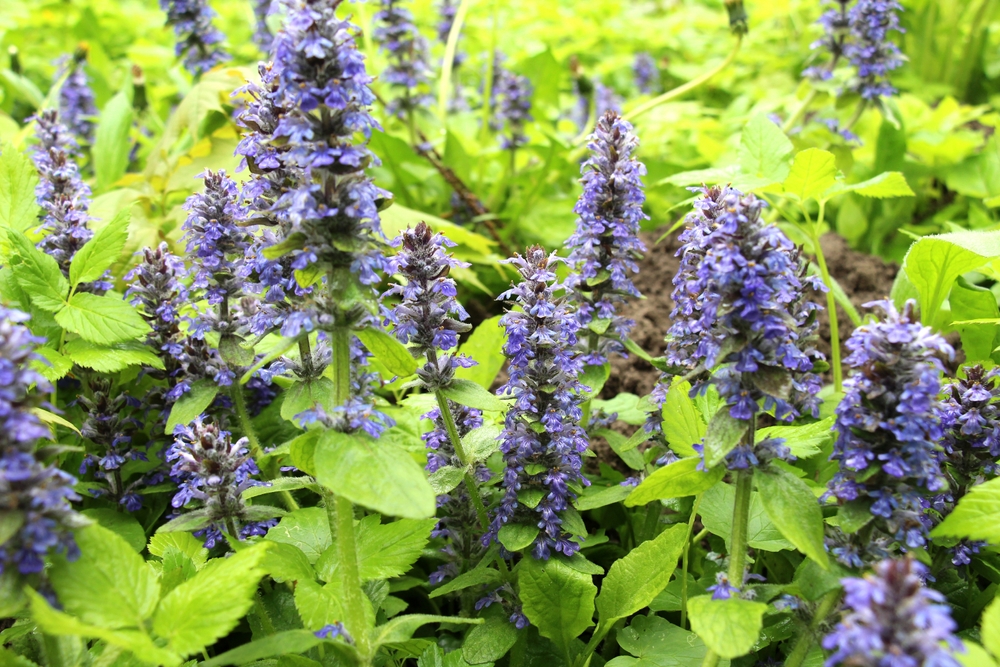
Bugleweed forms low rosettes of leaves that keep their color through much of winter in milder climates. In spring, it sends up short spikes of blue flowers that stand above the foliage and attract pollinators. This plant likes moist, well drained soil and can manage sun to partial shade, though leaf color is often richer with some light shade. Runners creep along the soil and root at intervals, filling gaps between stepping stones or shrubs.
During the growing season, bugleweed stays healthiest when watered during dry spells and kept free of heavy mulch over the crowns. You can thin crowded patches by lifting sections and moving them to new spots in early spring or fall. The plant suits soils that range from sandy loam to clay, as long as drainage is decent. Many gardeners choose it for a low, colorful mat that is still visible through winter.
Spotted Deadnettle (Lamium maculatum)
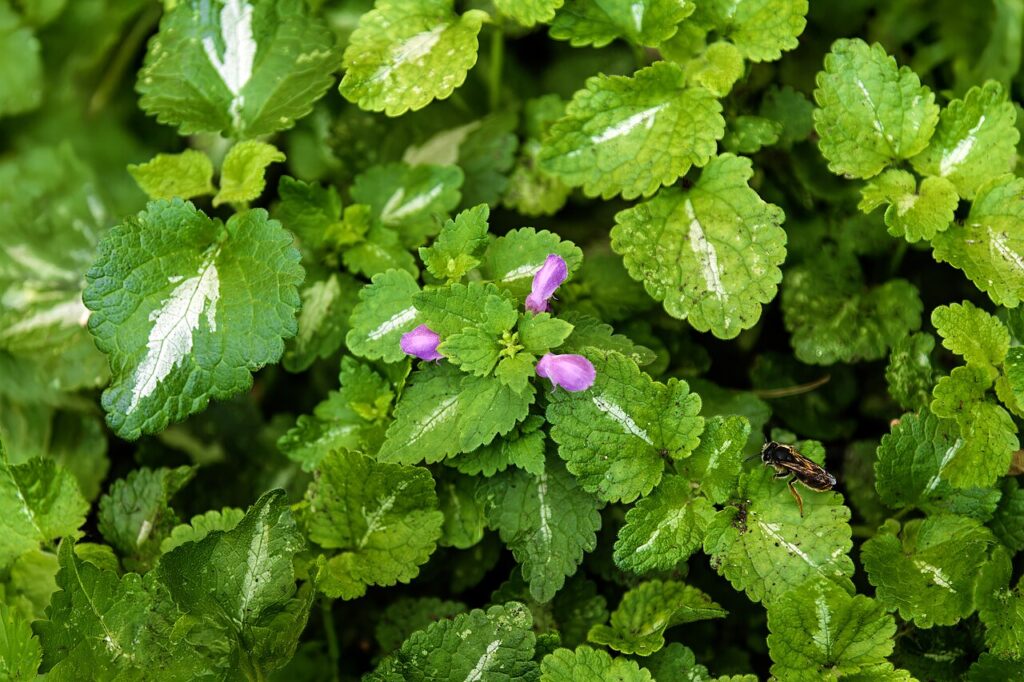
Spotted deadnettle brings silver-marked leaves to shady beds and keeps that foliage through cold months in many climates. Spring and early summer bring small pink, purple, or white flowers that sit just above the leaves. This plant prefers moist, well-drained soil with plenty of organic matter and enjoys partial to full shade. Creeping stems root where they touch, forming a soft, low cover.
Gardeners who grow lamium often trim back leggy stems after flowering to encourage compact, fresh growth. A thin layer of compost in spring supports soil life and keeps plants vigorous without heavy feeding. It tolerates many soil textures, though very dry, sandy spots may need extra water to prevent wilting. You will often see it under shrubs, along paths, or at the edge of woodland-style beds for steady color.
Creeping Thyme (Thymus serpyllum)
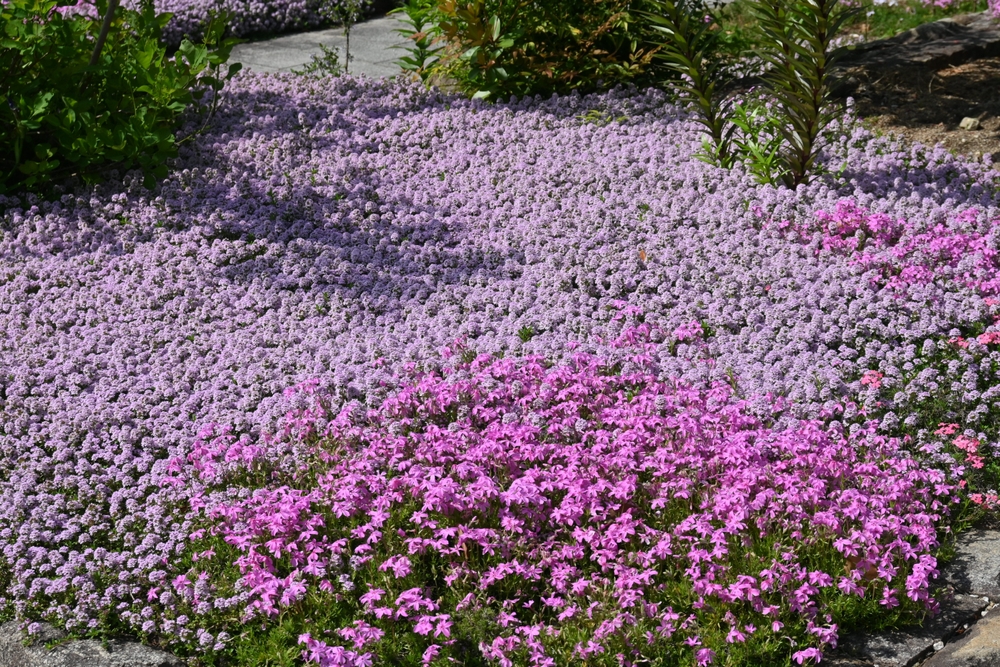
Creeping thyme hugs the ground with tiny leaves that can stay green through winter in mild regions, especially under snow cover. In late spring to early summer, it bursts into pink or purple bloom that draws bees and other pollinators. This herb prefers well-drained, even rocky soil and full sun, making it perfect for between pavers or over stone walls. Its shallow roots and tight growth habit help it crowd out small weeds once it settles in.
For ongoing care, creeping thyme mainly asks for plenty of sunshine and soil that does not stay soggy. Water new plantings regularly until they root well, then let the surface dry between waterings. A light trim after flowering keeps mats compact and encourages more spreading from the edges. Because it enjoys lean soil, it hardly ever needs fertilizer, and too much feeding can make it loose and floppy.
Bearberry (Arctostaphylos uva ursi)
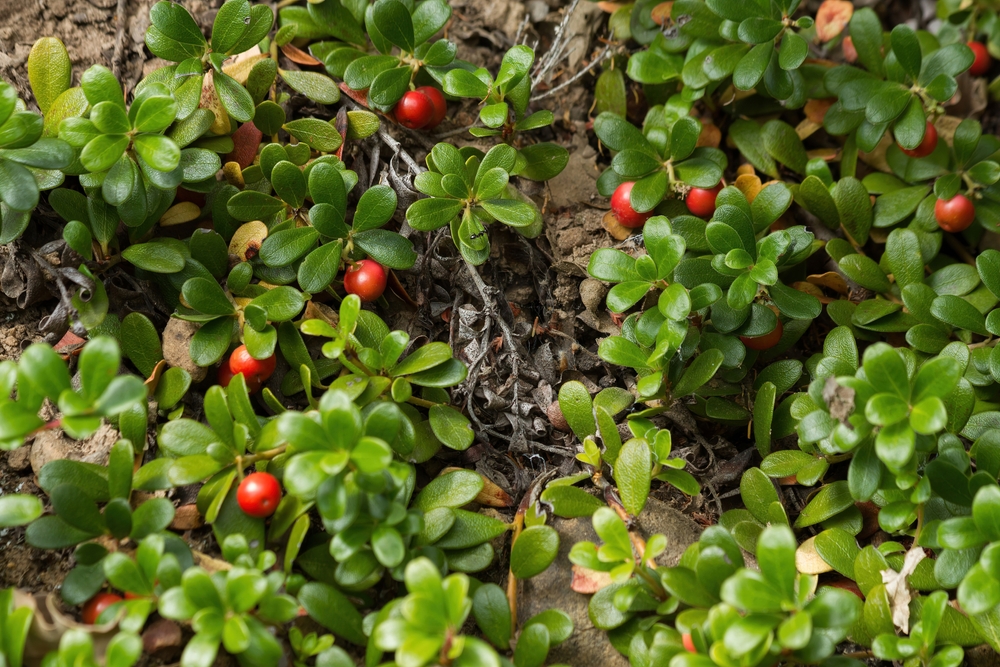
Bearberry forms a low, woody mat of small, glossy leaves that stay on the plant through winter and give steady ground cover. Tiny white or pink bell-shaped flowers appear in spring, followed by bright red berries that appeal to birds. This shrub prefers sandy, acidic soil and full sun to light shade, which makes it a strong choice for slopes and rocky banks. Creeping branches root as they spread, gradually forming a wide cover.
Once bearberry is established, it can handle dry conditions, though young plants benefit from regular watering for the first couple of seasons. Heavy, wet clay is hard on its roots, so well-drained spots are important. A light mulch of pine needles suits its taste for acidity and helps conserve moisture. Because it grows slowly, gardeners often pair it with other native shrubs that enjoy similar soil conditions.
Creeping Phlox (Phlox subulata)
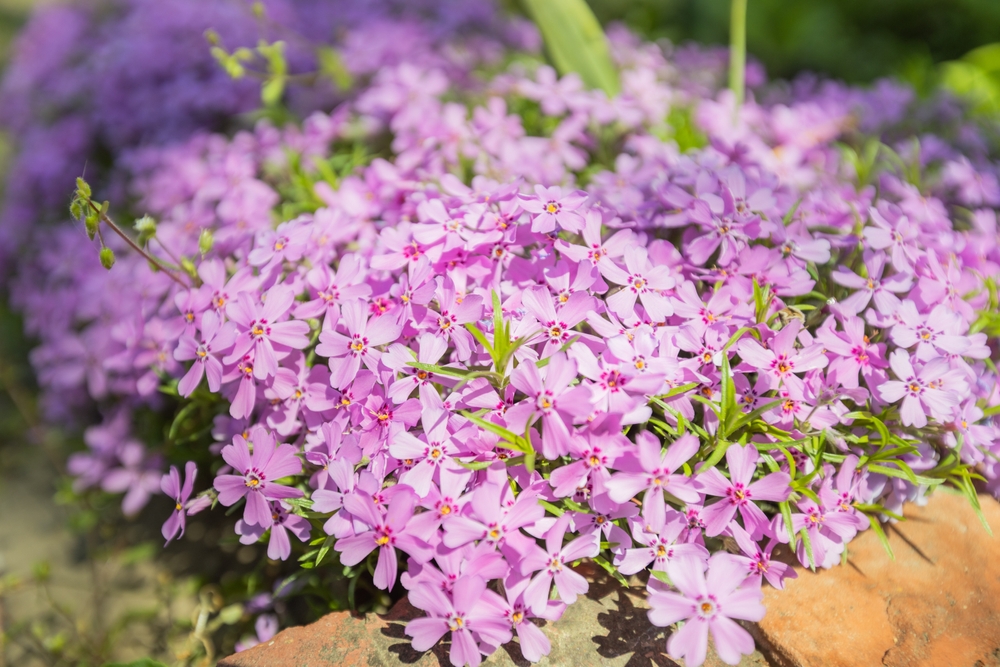
Creeping phlox creates a needle-leaved mat that stays green through most winters and clings close to the ground. In spring, it covers itself with starry flowers in shades of pink, purple, white, or blue, creating a bright sheet of color. This plant enjoys well-drained, sandy or rocky soil and full sun, which suits slopes, rock gardens, and wall edges. Stems root as they sprawl, causing the patch to widen little by little each year.
After flowering, gardeners often shear creeping phlox lightly to remove spent blooms and keep it neat. Gravel or gritty mulch can improve drainage if your soil holds water too long. New plants need regular watering until they establish, after which they manage with less, especially in sunny, well-drained sites. Many people plant it to spill over stonework where it can show off its spring display.
Barren Strawberry (Waldsteinia ternata)
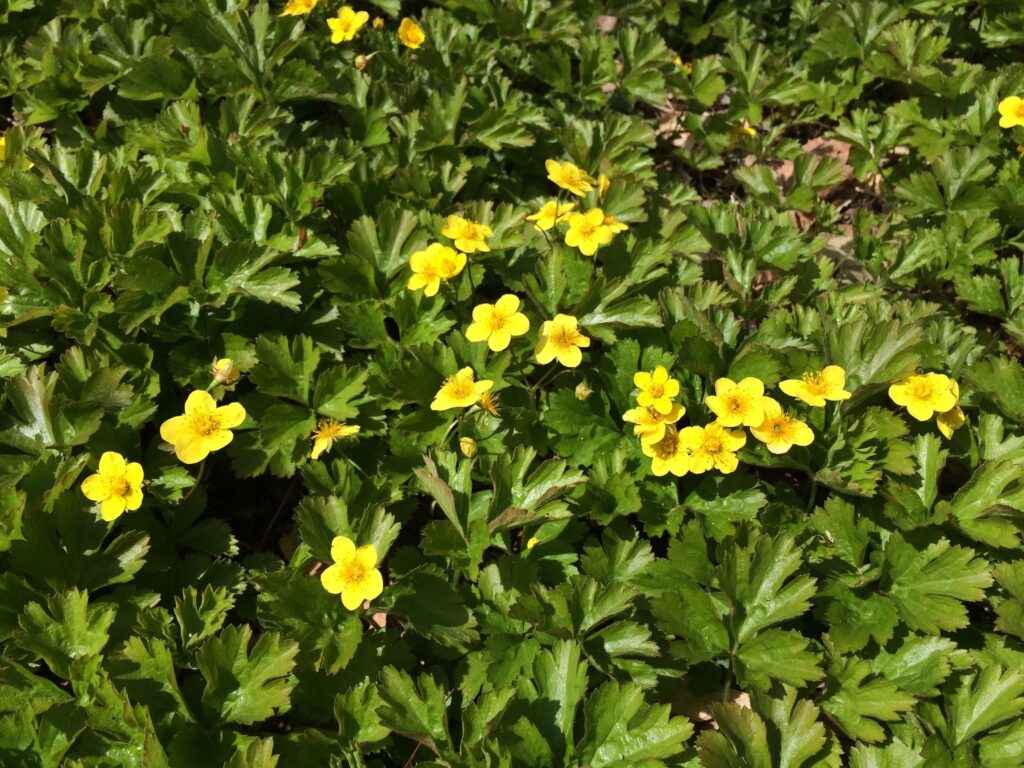
Barren strawberry carries tri-lobed leaves through much of the winter, giving a soft, green cover close to the soil. Spring brings cheerful yellow flowers that resemble small strawberries but do not develop into edible fruit. This plant prefers moist, well-drained soil and partial shade, though it can handle some sun in cooler climates. Short runners and clumping growth help it form tidy, low patches.
When a barren strawberry is part of a bed, it benefits from watering during long dry periods and a bit of compost around plants in spring. It adapts to many soil types, from loam to light clay, so long as drainage is fair. Cutting back tattered leaves after winter allows new foliage to stand out. Many gardeners use it under shrubs, along woodland paths, or in cottage style beds as a gentle filler.
Wintercreeper (Euonymus fortunei Coloratus)
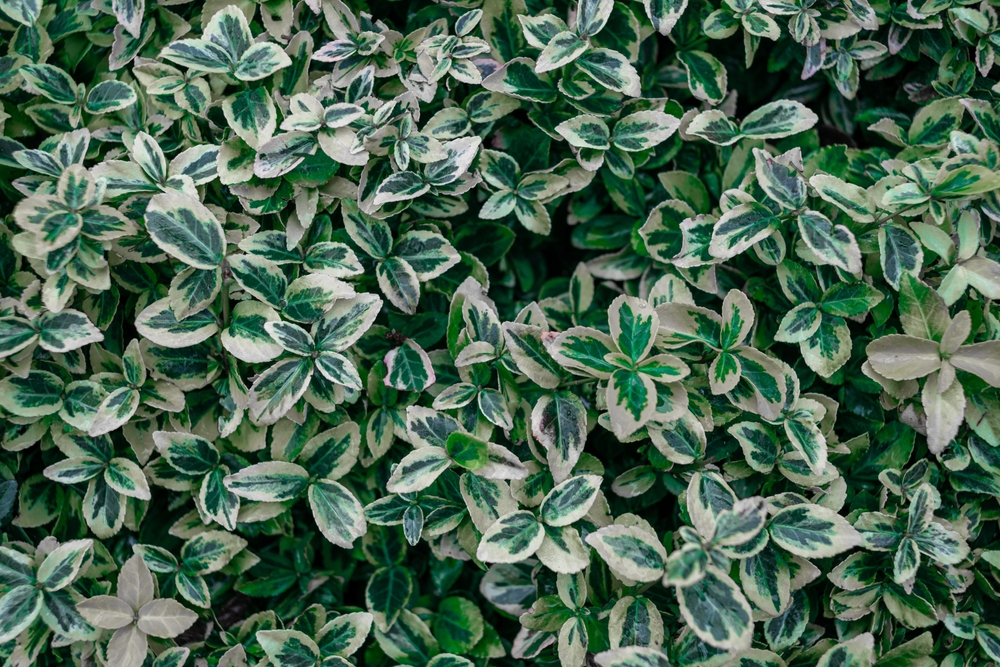
Wintercreeper makes a dense mat of small leaves that stay on the plant through winter and may turn purple in cold weather. During spring and summer, new shoots extend and help the planting spread across slopes or provide a low accent. This plant likes well-drained soil and can handle sun to shade, though its color often looks best with some light. In many regions, it grows vigorously and is considered invasive, so gardeners should check local advice before planting.
For those who use wintercreeper as a ground cover, trimming edges often keeps it from climbing trees and structures. A light mulch around the plants helps control weeds and hold moisture without burying stems. It accepts a wide range of soils, including clay, as long as puddles do not sit around the roots. Gloves are a good idea when pruning, since stems and leaves can irritate some people.
Two Row Stonecrop (Sedum spurium)
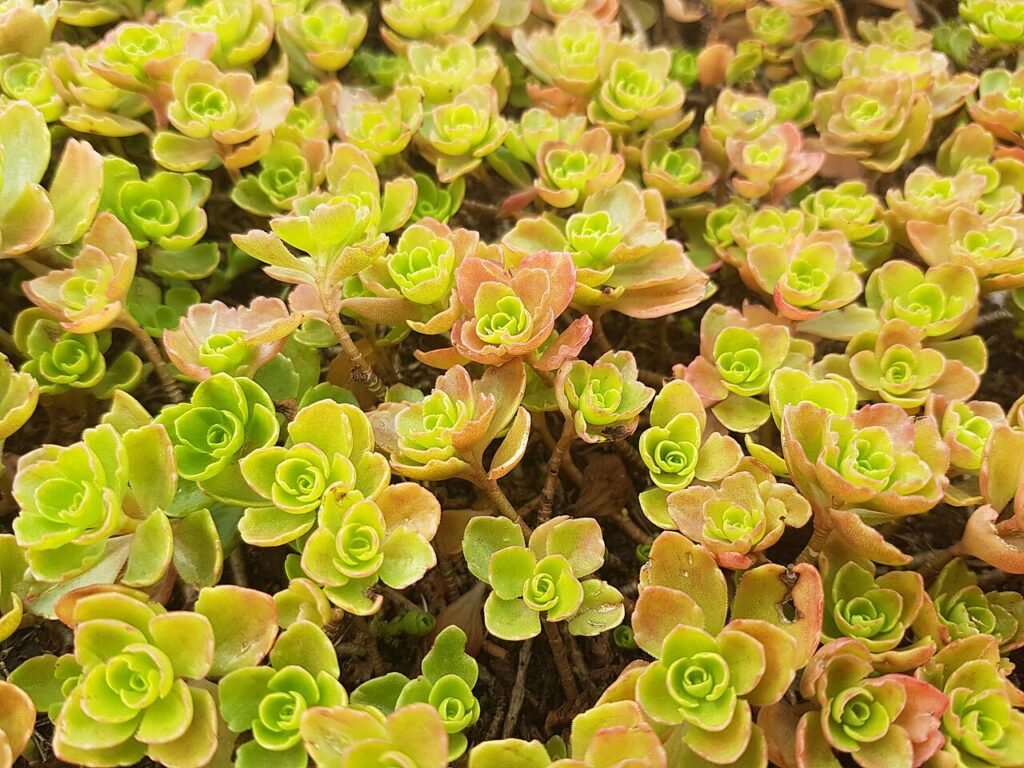
Two-row stonecrop is a low succulent that keeps its fleshy leaves through colder months, especially with a blanket of snow for protection. Late spring to summer brings short stalks topped with clusters of star-shaped flowers in pink or red tones. This ground cover favors well-drained, even poor or rocky soil and full sun, which makes it ideal for hot, dry spots. Spreading stems root where they touch soil, slowly building a thick mat.
In terms of care, stonecrop does best when kept out of soggy conditions and given plenty of light. Water new plants until they establish, then cut back on watering so the soil can dry between drinks. Lean soil suits it, and heavy feeding can make growth soft and weak. Gardeners often tuck it into cracks between stones or along the front of sunny borders where it can spill slightly over edges.
Wintergreen (Gaultheria procumbens)
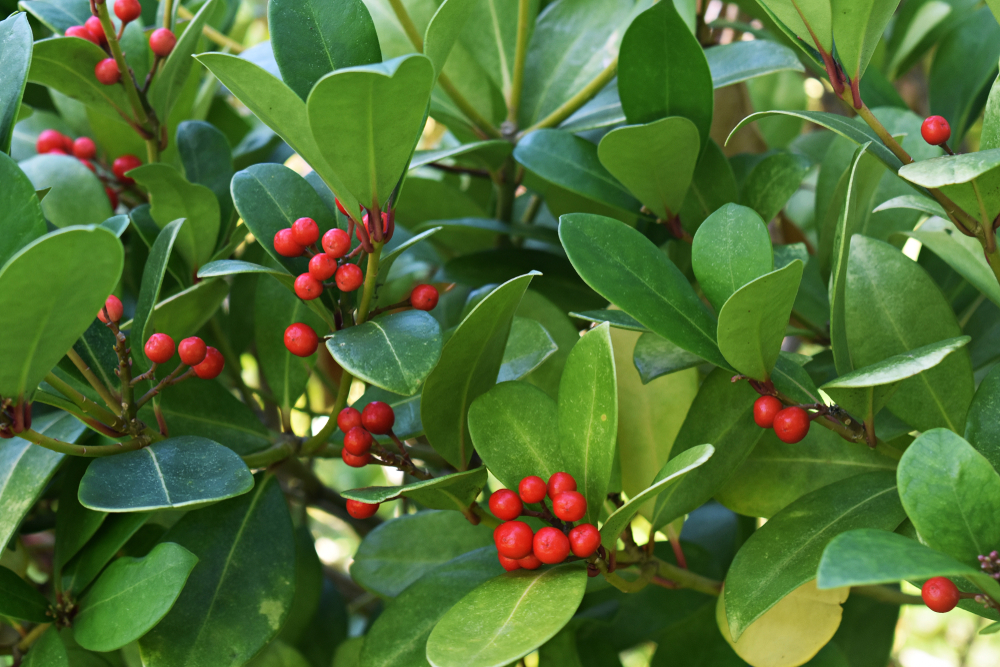
Wintergreen stands out in cold weather with glossy, deep green leaves that can take on red tones as temperatures drop. Late spring to early summer brings small white flowers, followed by bright red berries that linger into winter. This plant prefers moist, acidic, humus-rich soil and partial shade, much like many woodland natives. Underground stems move outward gently, forming a low, fragrant ground cover over time.
In shady beds, wintergreen does well when planted under trees or shrubs where the soil stays cool and lightly moist. Regular watering in dry spells and a yearly layer of pine needles or leaf mold help it stay healthy. It dislikes heavy, alkaline clay, so adding organic matter and avoiding lime will make a big difference. When a leaf is crushed, it releases a minty scent, which adds a fun touch near paths or seating areas.
Creeping Jenny (Lysimachia nummularia)
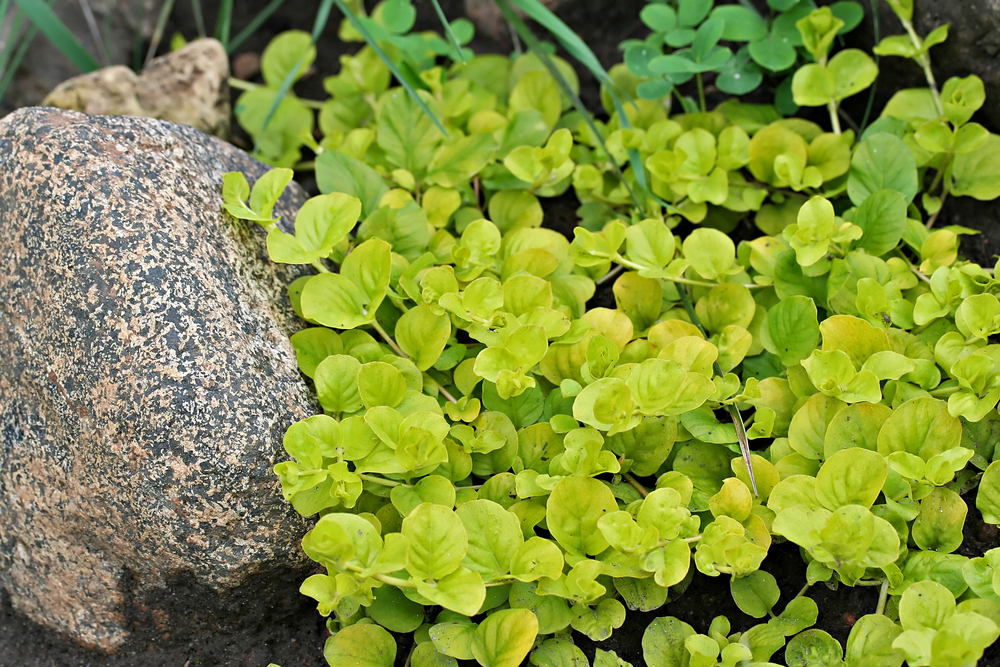
Creeping jenny sends out trailing stems lined with bright, coin-shaped leaves that can stay green through mild winters and may pick up golden or bronze tones. Late spring to early summer brings small yellow flowers scattered across the foliage. This plant likes moist soil and handles sun to partial shade, though leaves usually stay richer green in softer light. Stems root at the nodes as they travel, creating a flowing cover across the soil or over the edges.
For healthy growth, creeping jenny appreciates regular watering, especially in sunny beds or containers. Trimming back long runners keeps it in bounds and encourages thicker growth where you want it most. It fits loamy or clay soils as long as they do not dry out completely for long periods. Many gardeners use it around ponds, between stepping stones, or at the front of mixed beds for a bright trailing look.
Creeping Juniper (Juniperus horizontalis)
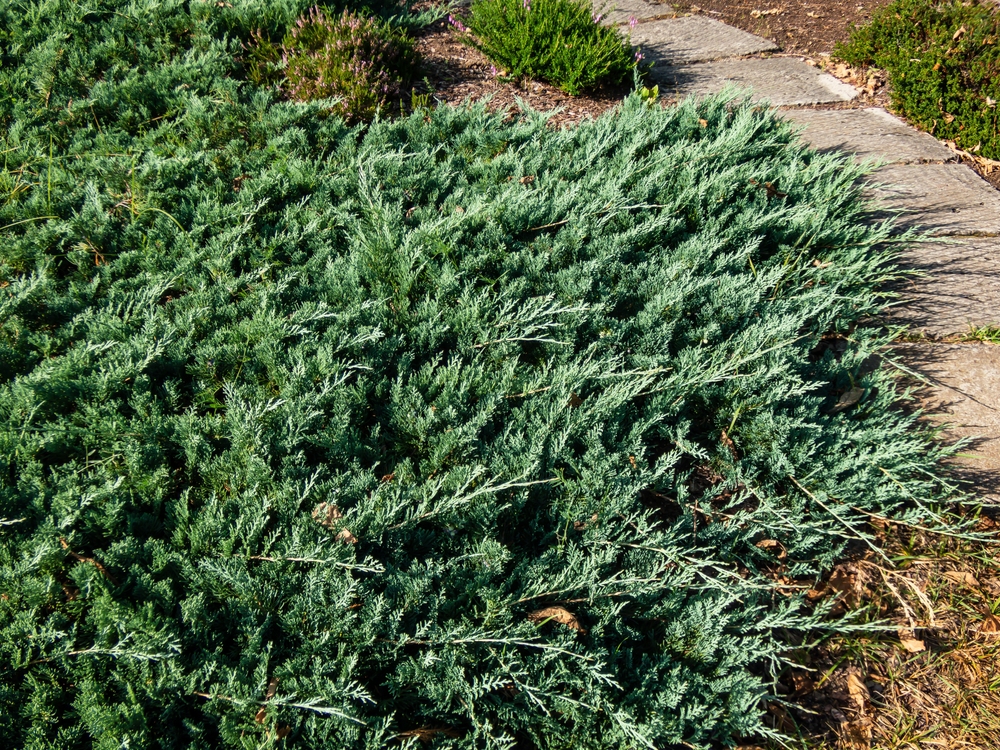
Creeping juniper forms a low, woody mat of needle-like foliage that stays on the plant all year, keeping slopes and rock gardens green. Spring and summer bring new growth that extends outward, slowly widening the cover and softening hard edges. This shrub prefers well-drained, sandy or rocky soil and full sun, which makes it a strong choice for dry, exposed sites. Different cultivars offer blue, green, or silvery tones that hold through cold months.
When planting creeping juniper, gardeners often choose raised areas or slopes where water can run off easily. Young plants need watering until they establish, after which they manage dry conditions quite well. Pruning usually stays light, focused on trimming stray branches and removing any dead parts. Many people rely on it in spots where grass will not grow, such as hot banks, roadside edges, or around large rocks.
This article originally appeared on Avocadu.