
16 Old-Time Candy Styles Still Made the Slow Way
Some candies feel different the moment you unwrap them, with textures and flavors that hint at hours of slow cooking. These treats do not come from quick shortcuts, but from steady work at the stove and long cooling racks. As you follow along, picture the candy makers measuring by feel and sound, not just timers.
This post may contain affiliate links, which helps keep this content free. Please read our disclosure for more info.
Rock Candy
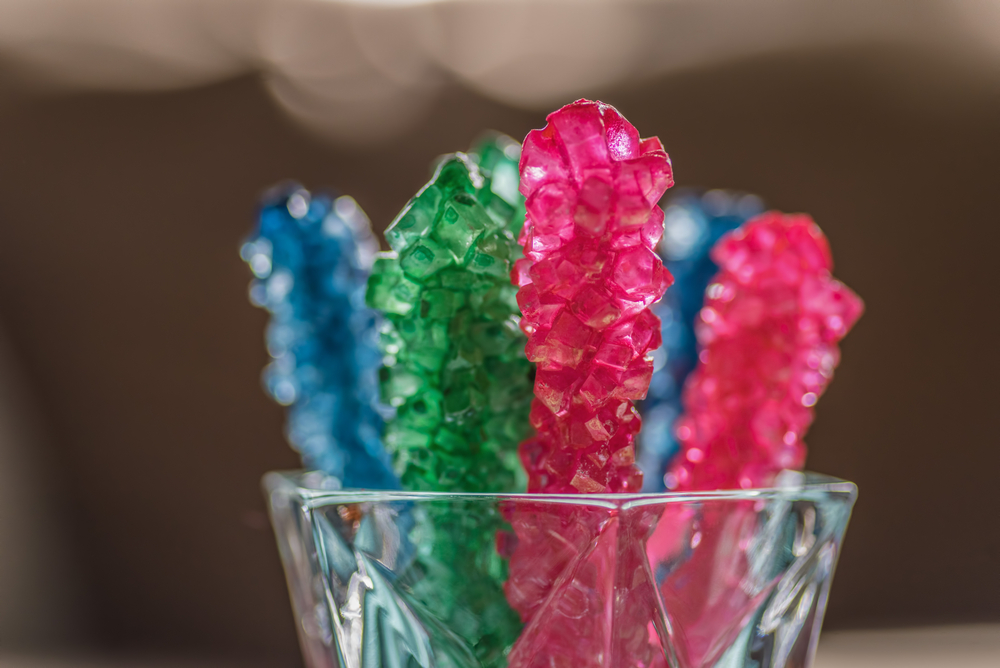
Rock candy reaches back to some of the earliest sugar work, with records of crystallized sugar appearing around the 80s. By around the 90s, cooks were already letting strong sugar solutions cool slowly so crystals could form on strings or sticks. The method relies on time, patience, and gentle heat instead of complicated equipment, which suits small kitchens very well. As the years passed, rock candy moved from a medicinal sweet into a treat set out for guests at special gatherings.
Today, rock candy still appears in jars on sunny windowsills and in old-style candy shops. Makers dissolve sugar, heat it carefully, then leave jars undisturbed for days so large crystals can grow. Children often treat it as a science project, while adults like it as a playful way to sweeten tea or coffee. Each sparkling stick shows how a simple pot of syrup can slowly turn into something that feels special.
Candy Canes

Candy canes trace their story back to 17th century Germany, where a choirmaster is said to have bent plain white sugar sticks into shepherds’ crooks around 1670. Over time, these curved candies found their way onto Christmas trees and into church services. In the United States, records show that candy canes on a decorated tree in Ohio by the 1840s.
In slow-working candy shops today, makers still bend and stripe each cane while the sugar is hot and pliable. Workers pull the candy, twist in colored stripes, and shape the crooks before it cools and hardens. This hands-on work creates a glossy surface and crisp snap that many people connect with holiday visits to local candy kitchens. When you watch a strip of sugar turn into a striped cane, you are seeing a routine that has charmed families for generations.
Salt Water Taffy
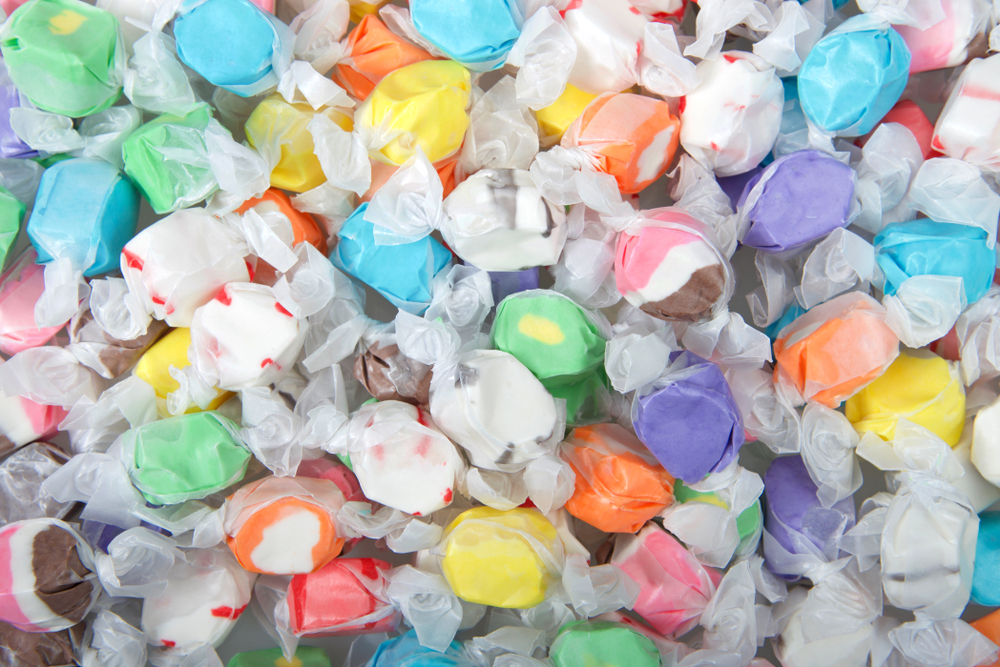
Salt water taffy grew popular along the New Jersey shore in the early 1880s, especially in Atlantic City. Stories say a flooded candy stand may have inspired the name when seawater soaked the stock. Taffy recipes of that period already called for long pulling times to create a soft, airy chew. By the start of the 20th century, boardwalk stands selling taffy in bright wrappers were firmly part of seaside trips.
Modern seaside shops that work slowly still stretch ropes of taffy across turning arms or pull it by hand before cutting it into bite-sized pieces. The repeated pulling adds air, lightens the texture, and gives the surface its satin sheen. Classic flavors such as vanilla, chocolate, and fruit remain popular, with a few new flavors added for fun. Watching taffy turn from a glossy lump into long ribbons in a shop window feels like a simple show that still delights visitors.
Molasses Taffy Pulls
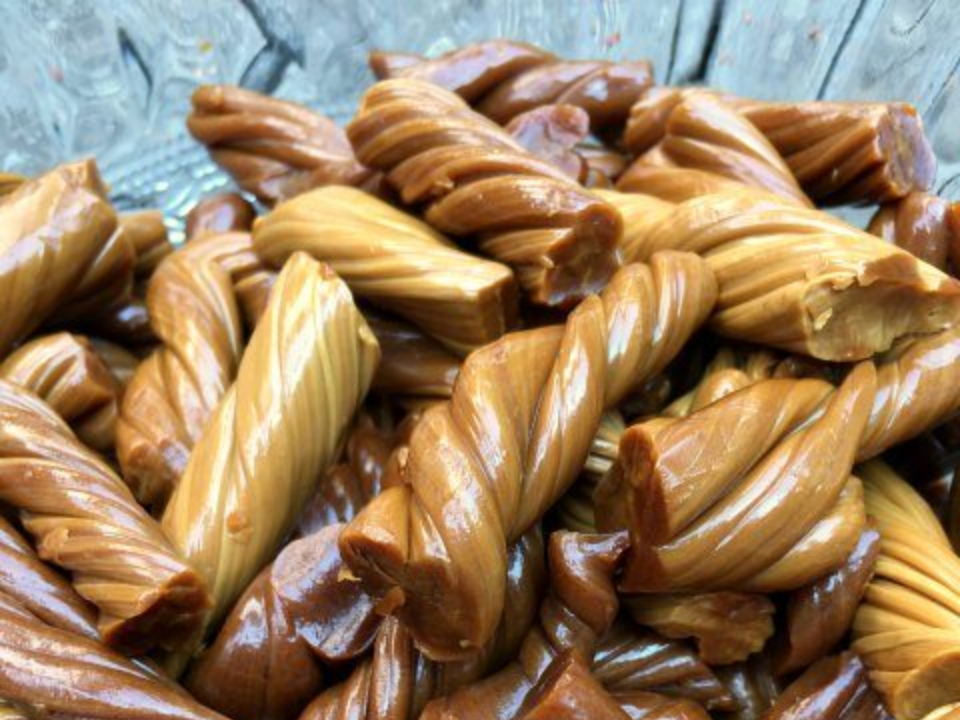
Molasses taffy became a favorite in North America during the mid 1800s, when molasses was a common household sweetener. Families would boil molasses with a bit of sugar, cool it slightly, then gather around for a taffy pull. Accounts from the 1850s and 1860s describe these sticky gatherings as winter or holiday traditions. The candy lightened in color and texture as hands pulled and folded it again and again.
Home cooks who keep the custom going still rely on large bowls of ice water, buttered hands, and plenty of patience. The syrup must reach the right stage on the stove before anyone touches it, or the candy will not set properly. Once it is ready, people stretch and fold it until it turns pale and firm. When the rope is cut into pieces, the rich molasses flavor and old kitchen memories come together in each bite.
Peanut Brittle
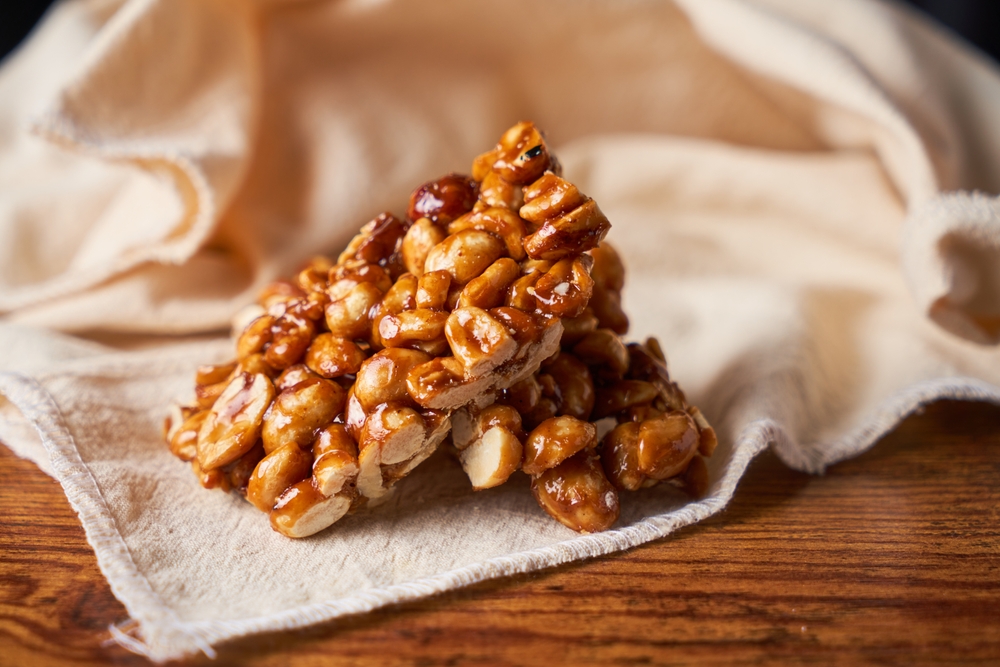
Peanut brittle in its familiar form took shape in the 19th century, when peanuts and refined sugar were easier to find. The basic idea of brittle sugar candies is older, but the peanut version became especially common in the United States during the late 1800s. A pot, sugar, nuts, and a good eye on color were often all a cook needed. That simple list of tools made peanut brittle an easy choice for fairs, bake sales, and home treats.
Cooks who make brittle slowly today still start by heating sugar and syrup until it turns a deep golden color. Peanuts go into the hot mixture, and everything is poured quickly over a greased surface and spread thin by hand or with a spatula. Some people lightly stretch the sheet before it cools to keep it delicate and crisp. Once broken into jagged pieces, the candy has a glassy crunch that feels both rustic and satisfying.
Old Fashioned Fudge
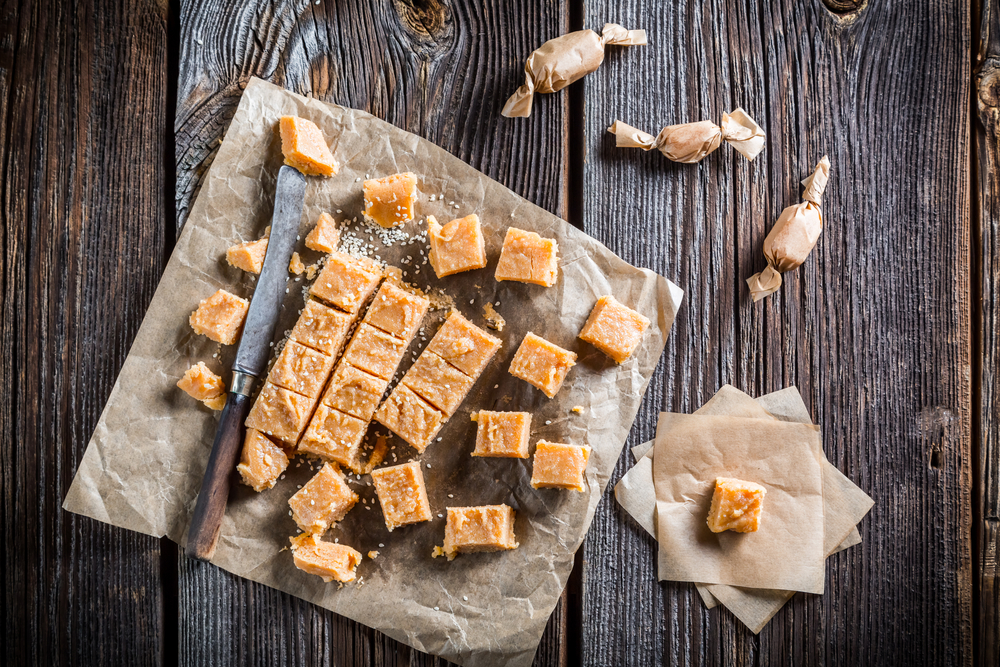
Old-fashioned fudge began appearing in American letters and recipes in the late 1880s. Students at women’s colleges wrote about making fudge in their rooms, and cookbooks soon followed with formal recipes. The candy likely developed from earlier cream candies that crystallized in a new way. By the early 1900s, fudge shops in resort towns were selling fresh squares to visitors.
Small fudge makers today still cook sugar, milk, and butter to a soft ball stage, then let the mixture cool before beating. The beating step is often done by hand or with simple paddles until the mixture thickens and loses its shine. If poured into the pan at the right moment, the fudge sets into smooth slices with tiny crystals that melt in the mouth. Flavors such as chocolate, maple, and peanut remain favorites that line the windows of old-fashioned candy counters.
Classic Nougat
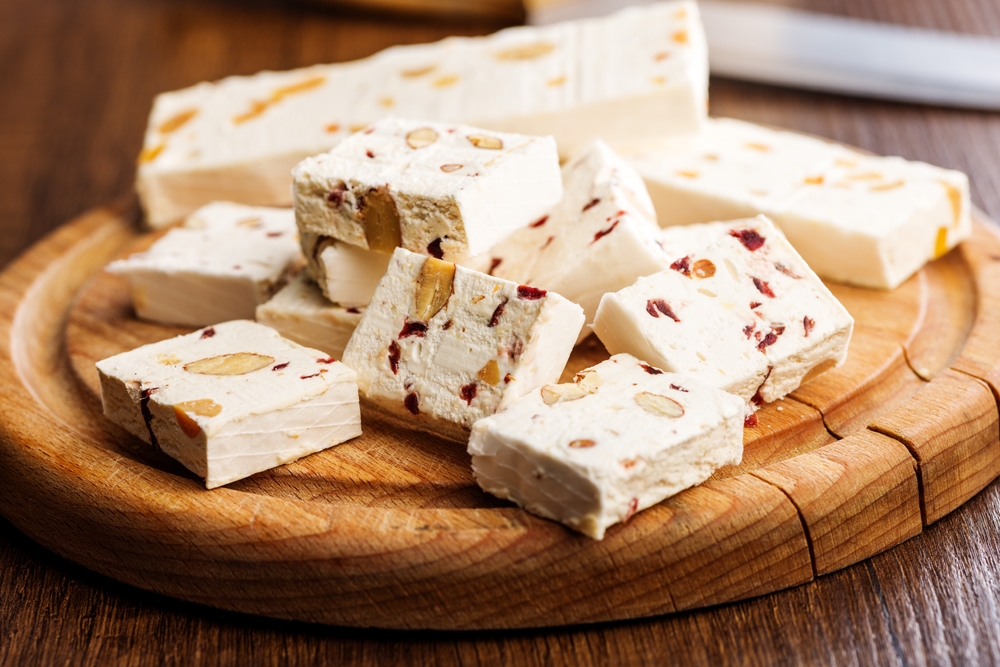
Classic nougat has deep roots reaching back more than a thousand years, with early versions recorded in parts of the Middle East. Over time, the idea traveled into Spain, Italy, and France, where local nut and honey traditions shaped new versions. By the 1700s and 1800s, towns famous for nougat were selling it at fairs and holidays. The defining features were whipped egg whites, sweetener, and roasted nuts suspended in a firm yet chewy base.
Modern nougat makers who follow slow methods still use copper pots and steady hands. Hot syrup is poured in a thin stream into beaten egg whites, and the mixture is stirred until it thickens and turns glossy and heavy. Nuts such as almonds, pistachios, or hazelnuts are folded in by hand so they stay whole. The slab then rests before being cut into bars, each slice showing specks of nuts through the pale candy.
Divinity Candy
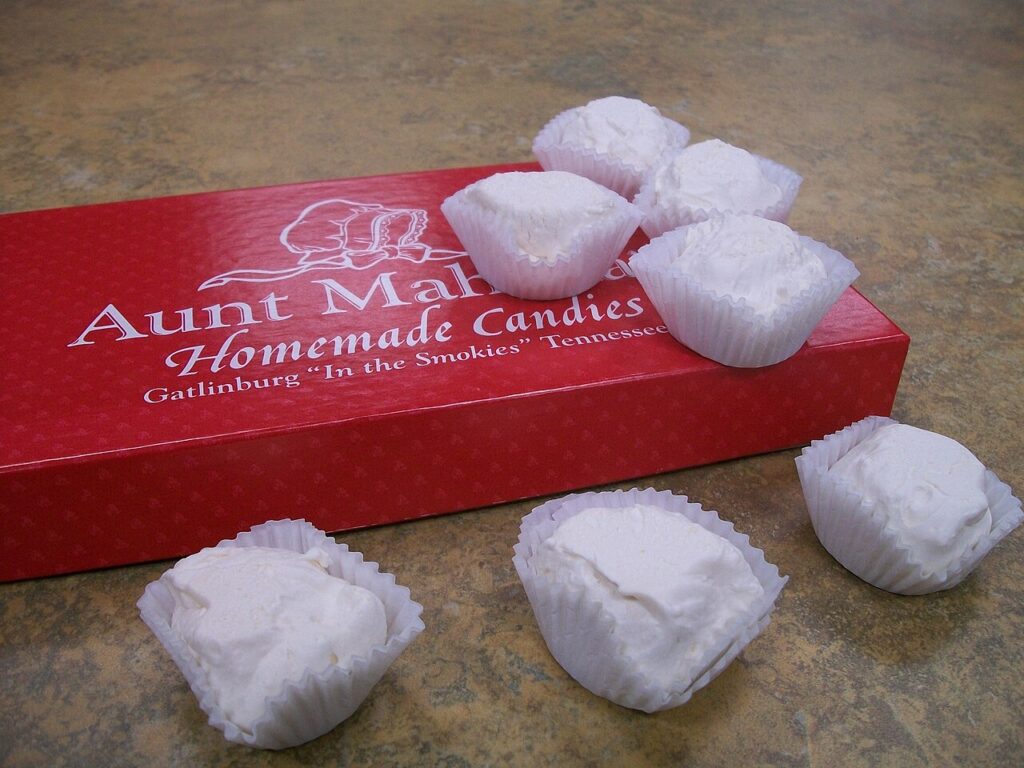
Divinity candy appeared in American cookbooks during the early 1900s and quickly became known as a special holiday treat. Its rise lined up with the spread of corn syrup, which helped control sugar crystallization. The candy itself is a pale, fluffy mixture of sugar, egg whites, and often nuts such as pecans. Many families grew up seeing it on Christmas plates beside fudge and brittle.
Cooks who still make divinity by hand start with whipped egg whites in a large bowl. A hot syrup of sugar and corn syrup is poured in slowly while the mixer or whisk runs. The candy thickens and turns opaque, and chopped nuts may be stirred in at the end. Spoonfuls are dropped onto waxed paper, where they set into cloud-like pieces that hold a soft, sweet bite.
Turkish Delight
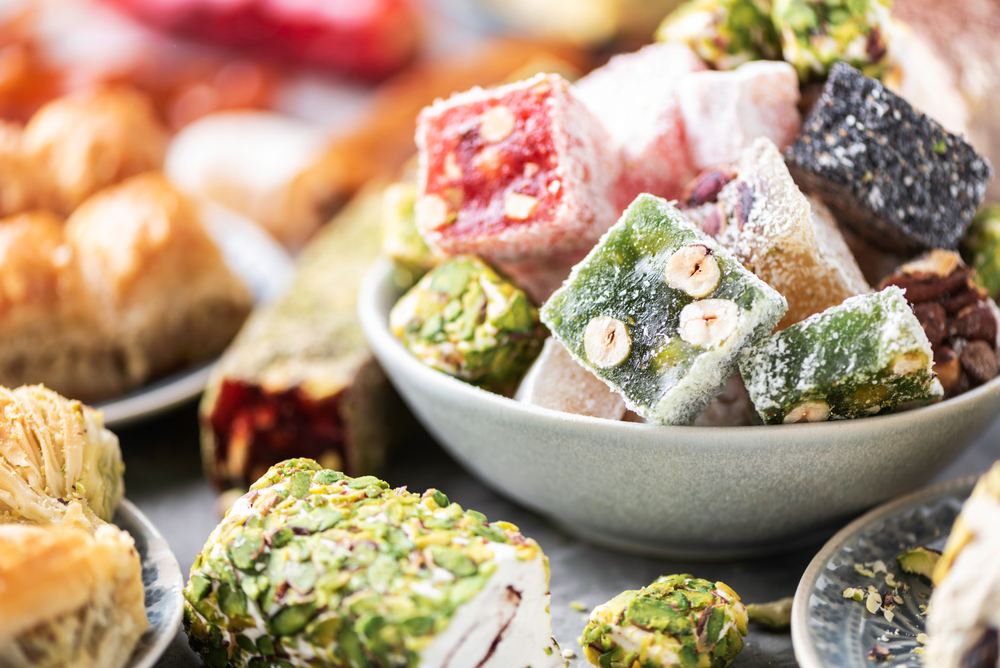
Turkish delight, known as lokum, took on its familiar form in the Ottoman Empire during the late 1700s. A confectioner in Istanbul is often credited with refining the recipe around 1776 and supplying the royal court. The treat spread through the region as small cubes flavored with rosewater, citrus, or nuts and dusted with starch or sugar. Visiting Europeans carried boxes home, helping the candy find a wider audience in the 1800s.
Traditional lokum makers still cook sugar and starch slowly until the mixture thickens into a clear, elastic mass. Flavorings go in near the end so their scent stays bright. The candy is poured into pans, allowed to set for many hours, then cut into cubes by hand. A light dusting keeps the pieces from sticking and gives each cube its familiar soft, powdery finish.
Pralines
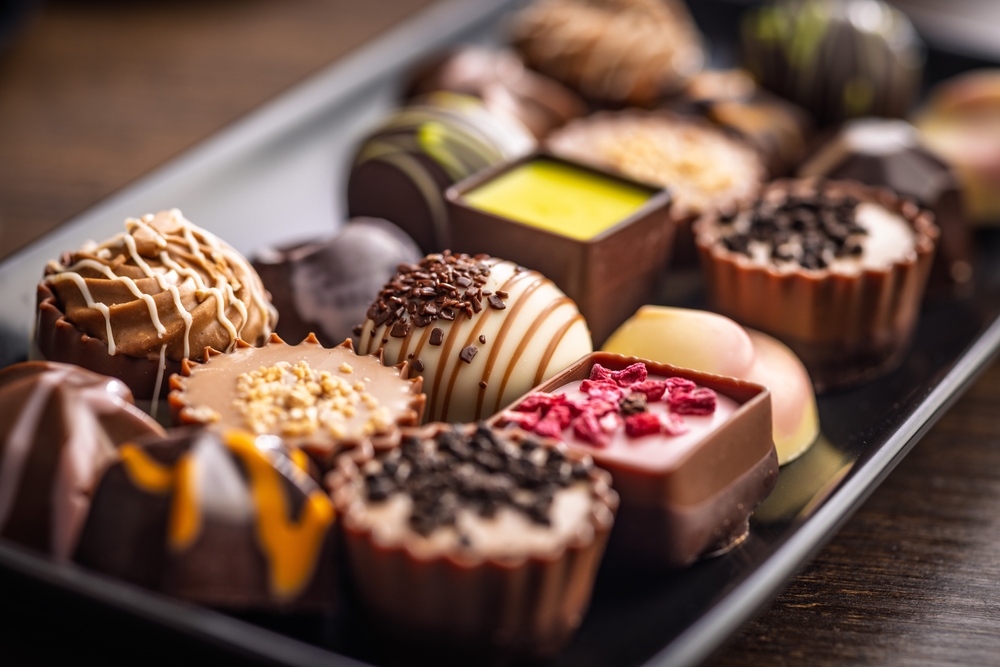
Pralines in their original French sense date back to the 17th century, linked to a noble household whose cook coated almonds in caramelized sugar. These simple sugared nuts soon spread from aristocratic tables to wider French society. Later, the idea traveled and took root in new places, where cooks adapted it to local ingredients. In the American South, for example, pecans replaced almonds in many recipes during the 1800s.
Slow-made pralines still begin with toasting nuts and heating sugar until it turns a rich amber. The nuts are stirred into the syrup and spooned out in round pools onto parchment or buttered trays. As the candy cools, each mound sets into a flat, slightly irregular disk. The texture falls somewhere between fudge and brittle, with a sugary exterior and a creamy interior around the nuts.
Soft Caramels
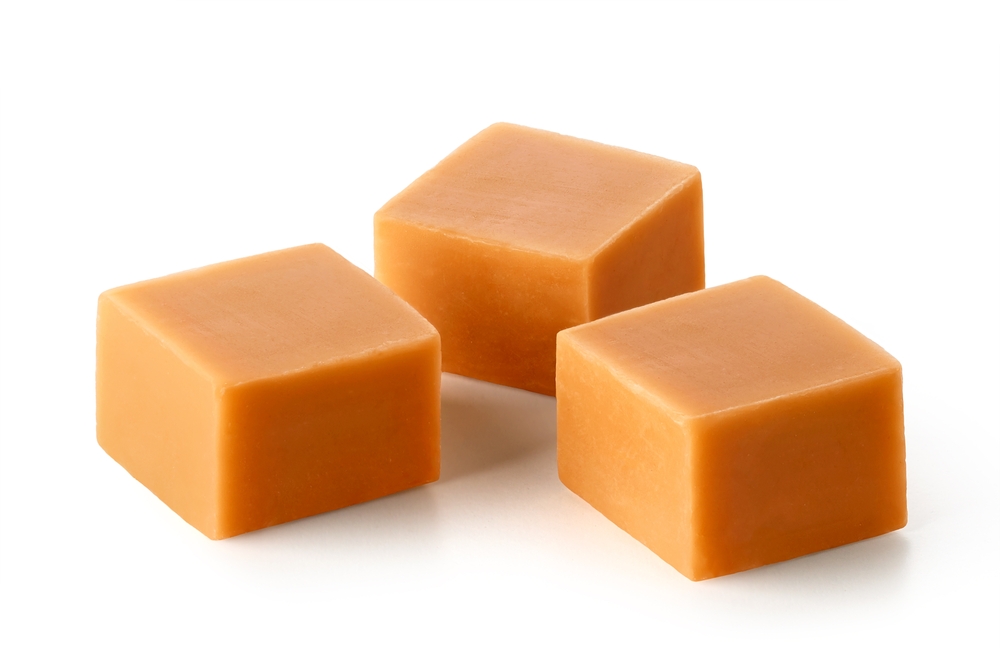
Soft caramels build on a long habit of cooking sugar until it browns, a technique used in Middle Eastern and European kitchens for many centuries. The chewy, creamy caramels most people know began showing up in American shops in the late 1800s. These early candies were less harsh on the teeth than hard toffee and quickly attracted loyal fans.
Artisans who make soft caramels slowly still heat sugar, then stir in cream and butter while watching the pot carefully. The mixture needs steady stirring so it stays smooth and does not scorch. Once it reaches the right texture, it is poured into shallow pans to cool before being cut into rectangles and wrapped. That unhurried process leaves each caramel piece dense, chewy, and deeply flavored.
Ribbon Candy
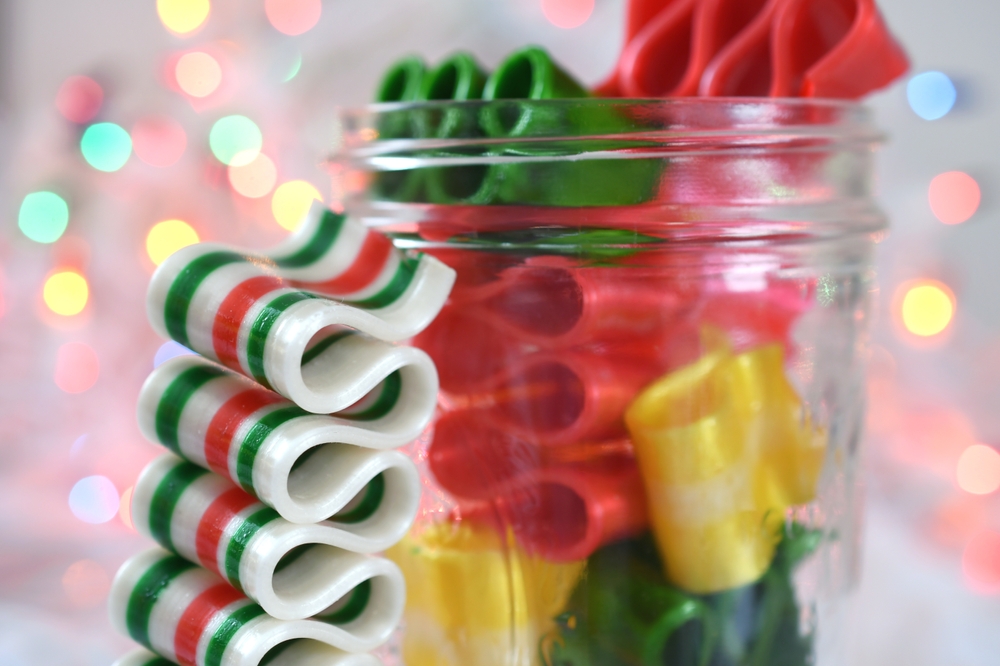
Ribbon candy has its origins in Europe, where thin pulled sugar ribbons were used as Christmas decorations in candy shop windows. During the 19th century, confectioners refined the style into the wavy, looped strips people recognize today. Early versions were shaped entirely by hand, with candy makers looping warm sugar around thumbs and fingers. Later, hand-turned crimping tools helped form the even ripples seen in holiday tins.
Candy makers who stay with traditional ribbon candy work must move quickly while the sugar is still warm and pliable. Sheets of striped candy are pulled into narrow bands, then guided through crimpers or shaped by hand into folds. Pieces are snipped with scissors into short lengths before they harden. Because the candy is fragile and sticky, it remains closely tied to small shops that take care with every batch.
Honeycomb or Sponge Candy
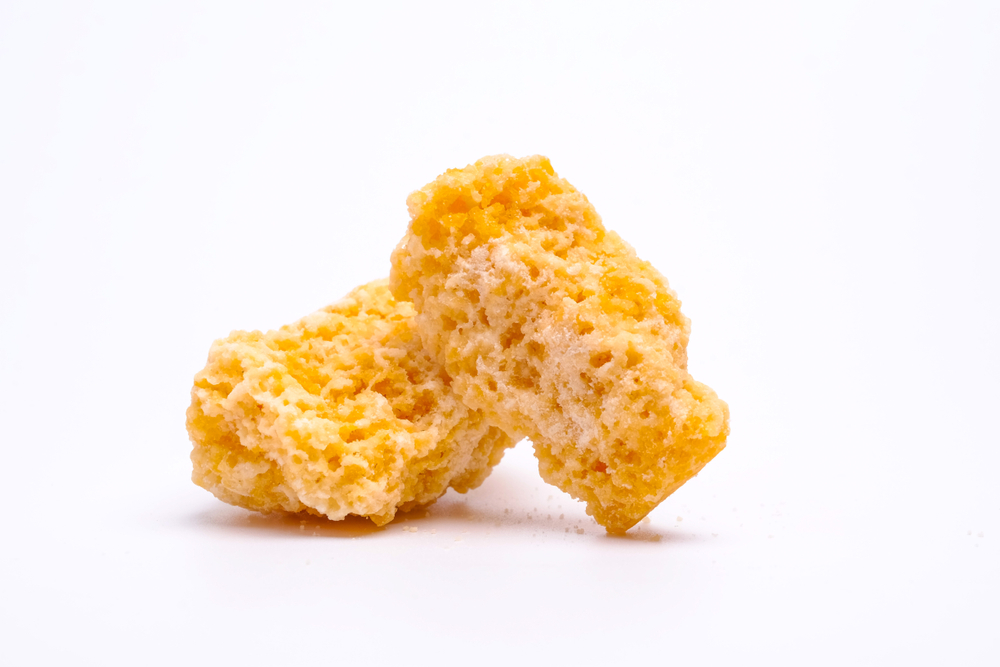
Honeycomb toffee, also called sponge candy, appears in cookbooks of the early 1800s under names like hokey pokey. The key trick is adding baking soda to hot syrup so bubbles form and create a foam. British and European towns sold versions of this candy long before it crossed the Atlantic. In the 20th century, certain American cities, such as Buffalo, became closely linked with their own sponge candy traditions.
Small makers who keep to slow honeycomb methods heat sugar and syrup, then quickly stir in baking soda as the mixture foams. The frothy mass is poured into waiting pans and left to cool without stirring. Once hardened, the fragile slab is cracked into irregular chunks, sometimes finishing with a hand dip in chocolate. The light interior and crunchy texture make each bite feel like a cross between toffee and airy meringue.
Licorice Twists
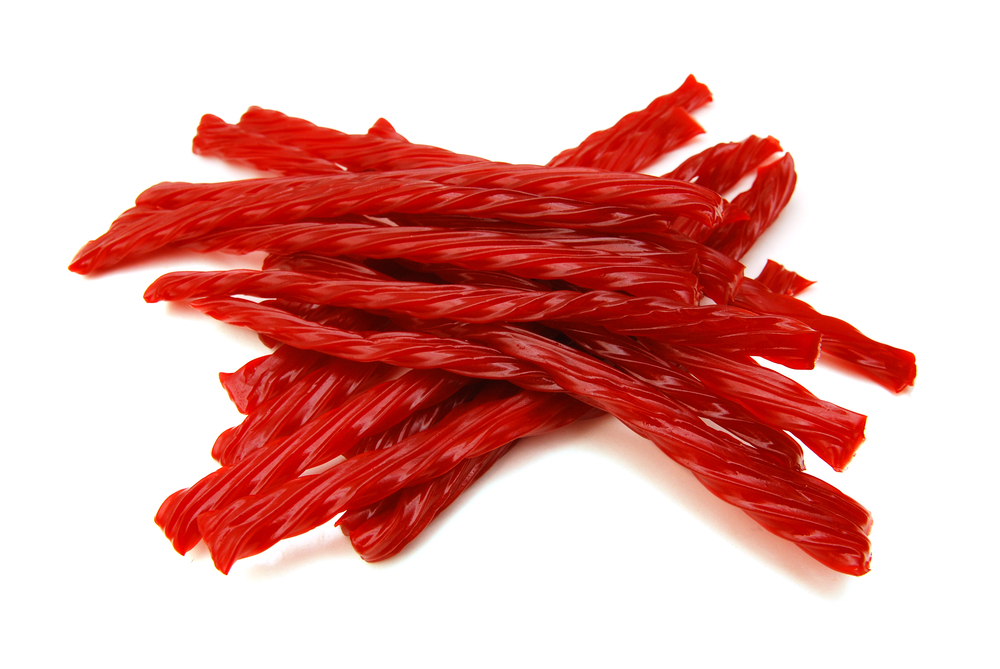
Licorice candy using the licorice root has a very long history, but the twisted ropes people know today took shape in Europe during the 1600s. Dutch makers played a strong role in forming extruded tubes and ropes around that time. From there, licorice sweets spread through other parts of Europe and were well established by the 1800s.
Traditional licorice makers still cook licorice extract, sugar, and starch into a thick paste. While the mixture is warm, it is pressed through metal dies to form ropes and sometimes twisted together for the classic shape. The strands are cut and allowed to dry to reach the right level of chewiness. Even as many modern candies move toward fruit flavors, small producers continue to make black licorice twists that follow these older methods.
Marzipan Fruits
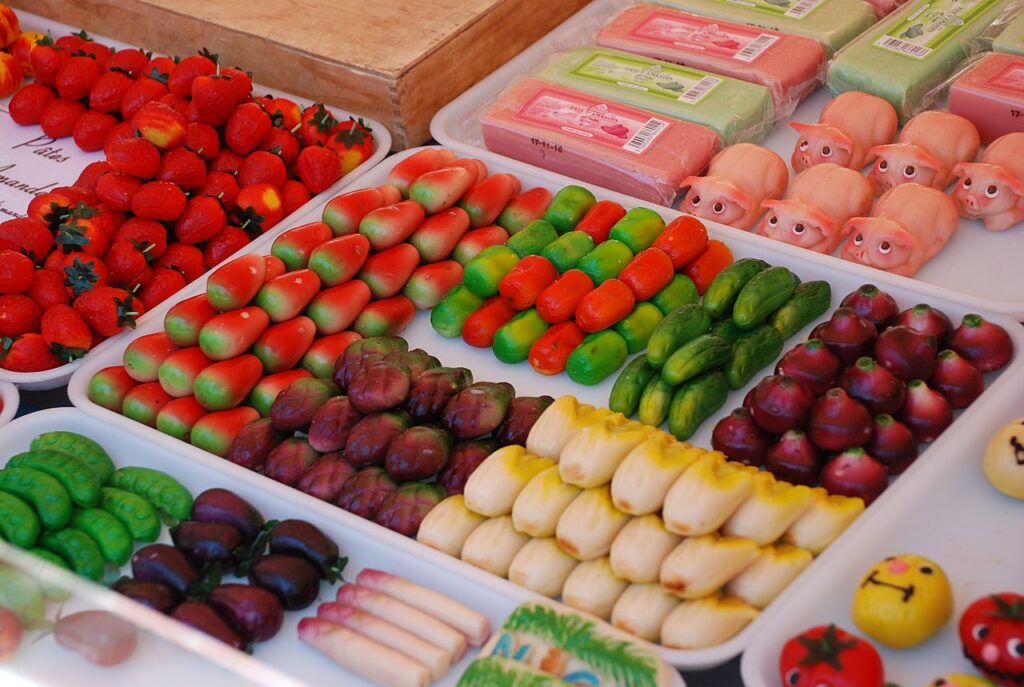
Marzipan, a mixture of ground almonds and sugar, likely began in the Middle East more than a thousand years ago before spreading into Europe. By the late Middle Ages and Renaissance, versions of almond paste sweets appeared in Italy, Spain, and other regions. Over time, confectioners in places such as Sicily and parts of Spain began shaping marzipan into tiny, realistic fruits. These colorful pieces became linked to holidays such as Christmas and Easter, as well as wedding feasts.
Artisans who keep this tradition alive still start by grinding almonds very finely and blending them with sugar syrup into a smooth dough. Small pieces are hand-formed into pears, oranges, figs, and other fruits. The shapes are then painted with food colors and sometimes dusted for a soft sheen. After a short drying period, each piece looks like a miniature fruit with a tender, sweet almond center.
Gumdrops
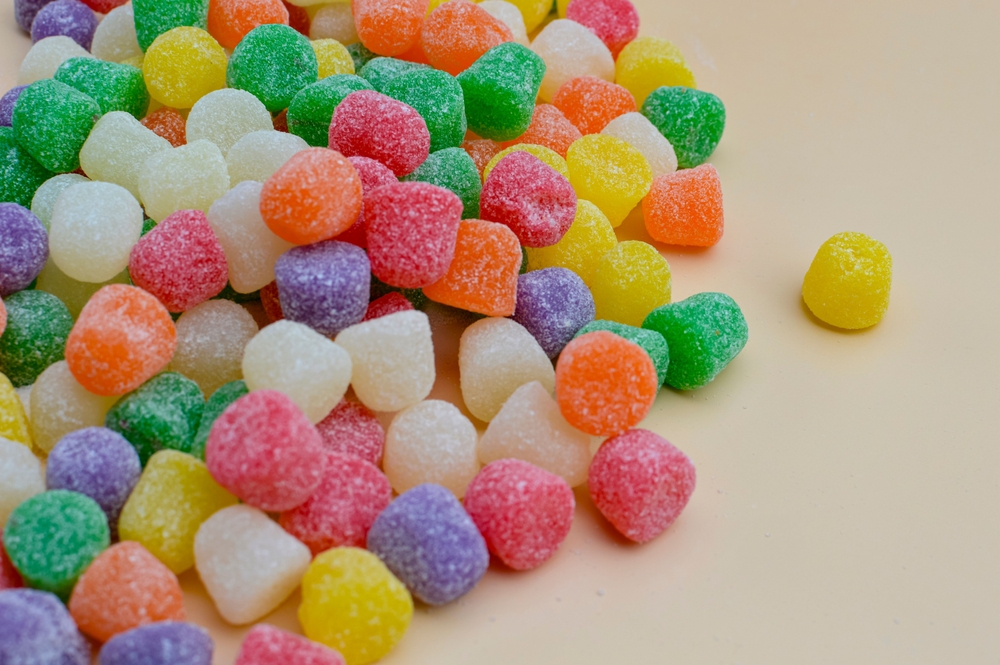
Gumdrops in their jelly form appeared in the United States during the 19th century, with some sources tying them to the early 1800s. Early versions used pectin or starch to create a firm, bouncy texture and came in simple fruit or spice flavors. By the early 20th century, gumdrops were common in candy shops, home kitchens, and holiday decorations.
Small makers who continue slow gumdrop methods cook sugar, water, and gelling agents together into a thick syrup. The hot mixture is poured into trays or molds and left to set until firm. Once turned out, the candies are cut into pieces and tumbled in granulated sugar by hand so the coating stays light. These small, sugar-coated domes often find their way onto cakes, cookies, and gingerbread houses, carrying a long history in each bite.
This article originally appeared on Avocadu.