
13 Plants That Look Good In February Even Without Flowers
If you enjoy stepping outside with a mug of something warm, it helps when the view still has life in it. Plants with striking foliage, strong shapes, or quirky branches can keep a small yard, patio, or front step looking cared for in February. They show off against dull skies and bare soil, giving your space a bit of personality even before spring arrives. As you move through this guide, picture where a few of these steady performers could cheer up your own winter corners.
This post may contain affiliate links, which helps keep this content free. Please read our disclosure for more info.
Boxwood Shrub
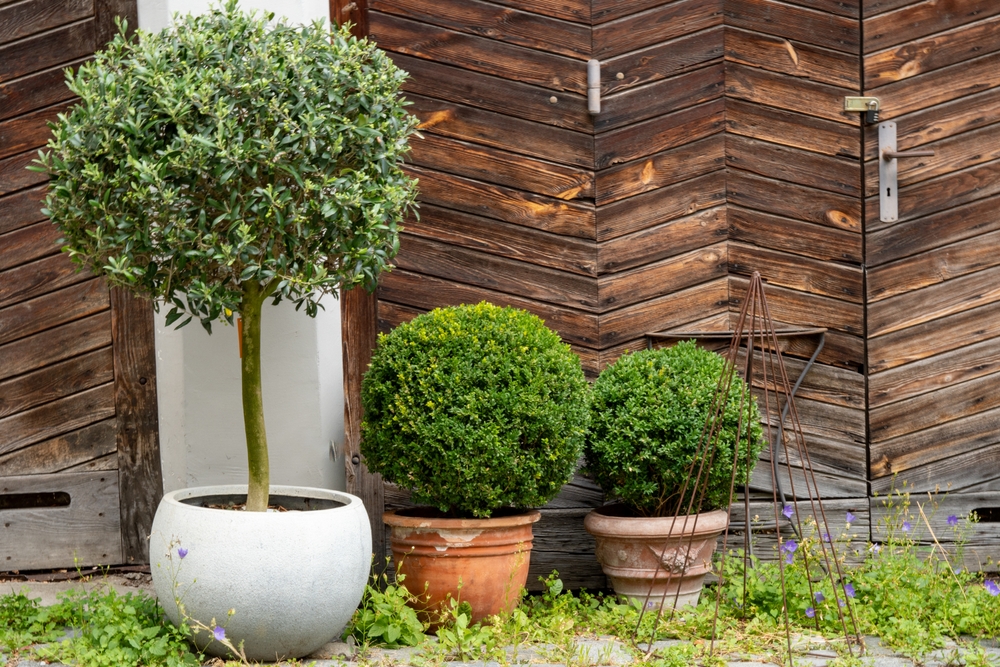
In the cold weeks of February, boxwood shrubs keep their shape and color when other plants fade. The small glossy leaves stay on the stems, so hedges and spheres still frame paths and beds. A row of boxwoods along a walkway makes the space feel cared for even on gray days. Many gardeners like using them in large pots by the front door for a steady winter outline.
One helpful thing about boxwood is that its dense, green growth hides bare soil all winter. It likes well drained soil and regular watering during long dry spells, especially in containers. A little shelter from strong winter wind can keep foliage from bronzing in very harsh cold. Light trimming once or twice a year is usually enough to hold a clean shape.
Red Twig Dogwood
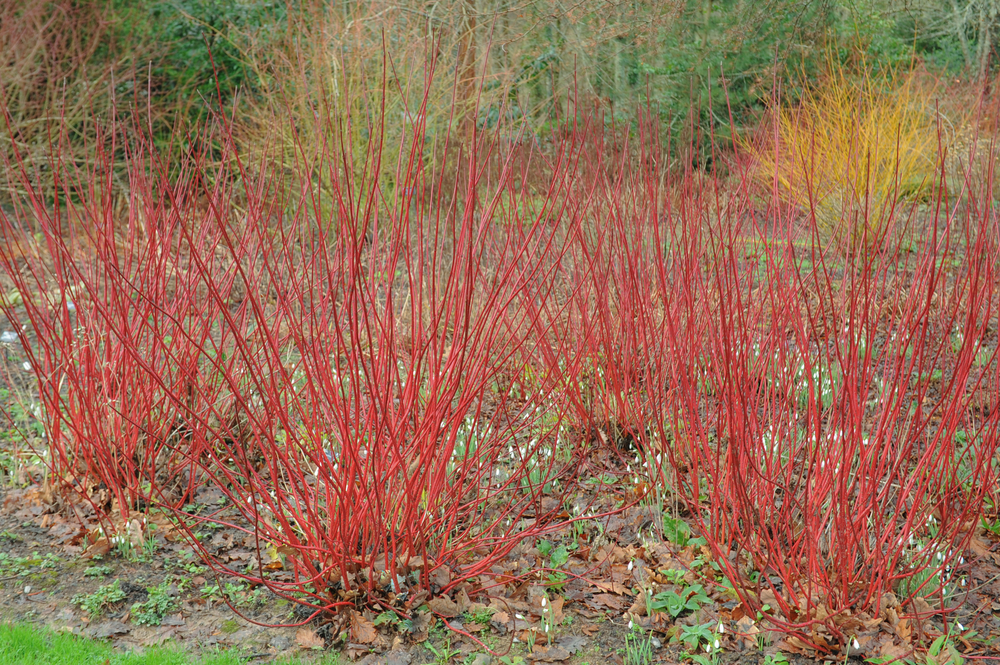
When snow lines the garden, red twig dogwood brings bright stems into focus. After leaves drop, the vivid red branches show clearly against grass, snow, or mulch. Planted in small groups, these shrubs create a striking winter accent at the back of a border. Birds tuck into the stems for shelter when the weather turns rough.
Another reason gardeners choose this shrub is the way its colorful bark steals the show in the off season. It handles full sun to light shade and accepts heavier, moist ground better than many plants. Cutting out the oldest stems every few years encourages fresh growth with the strongest color. A ring of mulch at the base keeps roots more comfortable during freeze and thaw swings.
Holly Shrub
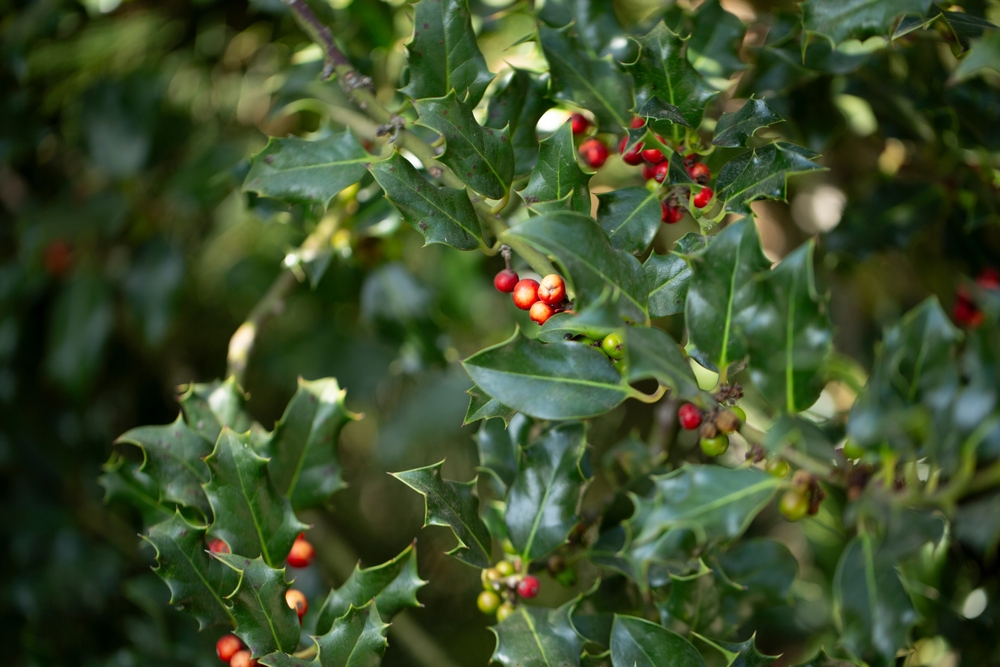
On dark winter days, holly shrubs offer glossy leaves and cheery berries near doors and paths. The dense foliage holds steady through cold snaps, so it makes a good backdrop for smaller plants. Many forms have spiny leaves that catch raindrops and frost in an eye-catching way. Birds often visit to snack on berries when other food sources drop off.
As a garden feature, holly shines because it adds both shelter and color when little else is active. It prefers slightly acidic, well-drained soil and regular watering during its first season. Many berry-bearing types need both a male and a female plant nearby to set fruit. A light trim after the coldest weather passes keeps the outline neat without removing too many berries.
Heavenly Bamboo Nandina
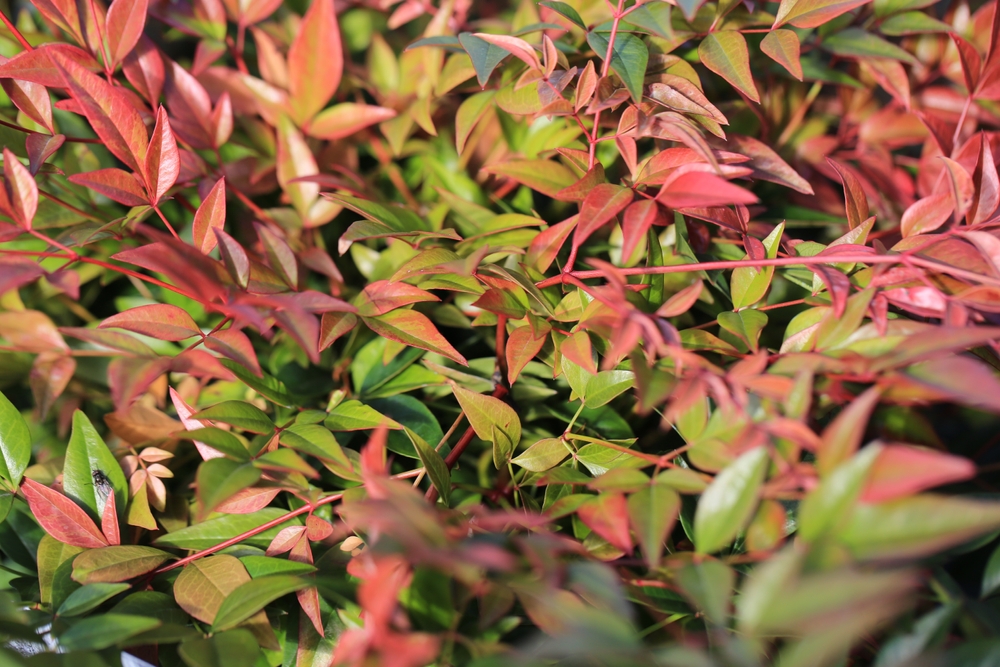
In many mild climates, heavenly bamboo still glows with red and bronze foliage in February. The upright, cane-like stems give small spaces a vertical accent that looks good near walls and fences. Red berries often cling to the clusters into late winter, adding extra color at eye level. Breezes move the fine leaves, bringing gentle motion to quiet corners.
From a care point of view, heavenly bamboo rewards gardeners with steady color shifts through the year. It grows well in full sun to light shade and likes soil that drains yet holds some moisture. In some regions, it can spread by seed, so local advice or sterile named forms are worth checking. Cutting a few older canes at the base now and then keeps the plant airy and fresh-looking.
Coral Bark Japanese Maple
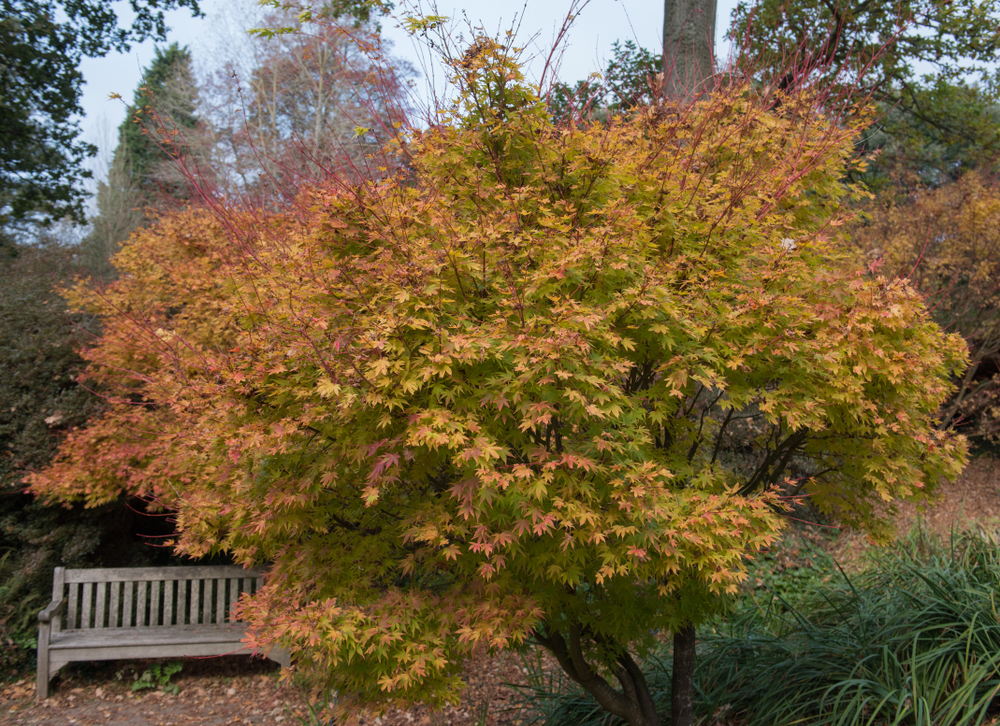
In a small yard, a coral bark Japanese maple gives bare branches a bright coral glow in late winter. When leaves drop, the young twigs turn strong shades of pink and red that show clearly from a window. The fine branching pattern adds elegance in February when many trees just look dull. A spot near a path or patio lets you enjoy the bark color at close range.
For best growth, this small tree prefers a sheltered spot with soil that drains well yet stays evenly moist. It appreciates partial shade in hotter regions, so the bark and roots do not scorch. Protection from strong winter wind helps prevent drying damage. A light prune to remove crossing or damaged branches keeps the shape graceful without heavy cutting.
Dwarf Blue Spruce
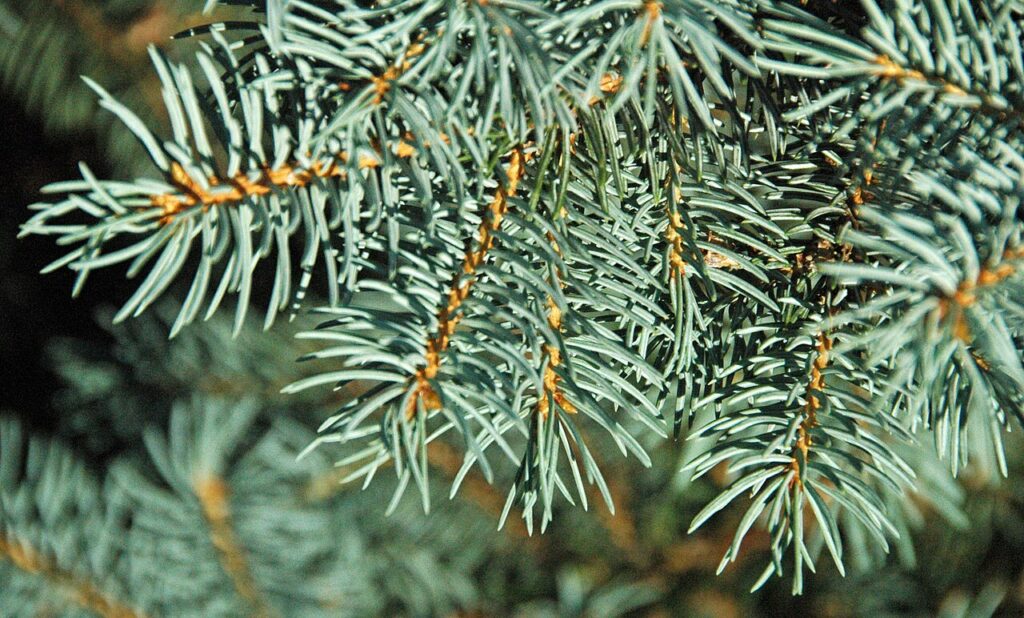
Across chilly months, dwarf blue spruce hangs on to its silvery needles and tidy shape. The cool blue color stands out against brown soil and dull fences in February. Because it stays compact, it slips nicely into small front beds and foundation plantings. Birds can use the sturdy branches as winter cover during storms.
When you look at maintenance needs, this spruce asks for very little pruning over many seasons. It likes full sun and well-drained soil and prefers ground that does not stay soggy. Occasional deep watering in long dry periods helps keep the needles from browning at the tips. Since it grows slowly, you can enjoy its form for years without constant shaping.
Mondo Grass
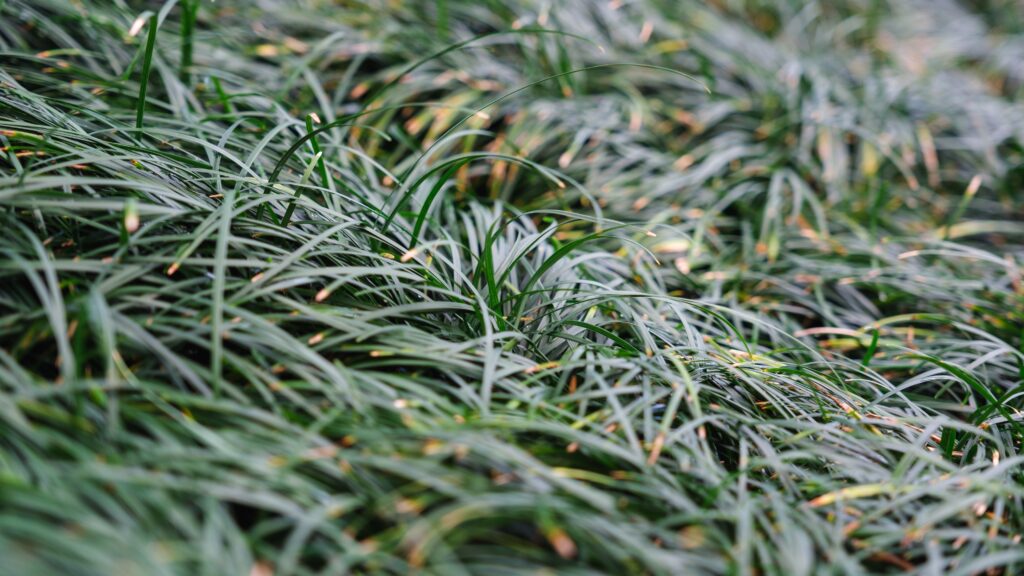
Along paths and under shrubs, mondo grass forms narrow, dark green clumps that stay tidy through February. The fine leaves arch slightly and outline steps and stones in a clean way. Low mounds fill in gaps where taller plants would feel crowded. In small spaces, it works well as a simple edging that looks good all year.
Looking at the whole year, the best trait of mondo grass is how it quietly fills gaps without demanding much work. It tolerates both sun and shade, though deep shade can make clumps a bit thinner. Average soil and light watering are usually enough once plants settle in. Dividing older clumps now and then lets you spread it to new areas at no extra cost.
Heuchera Coral Bells
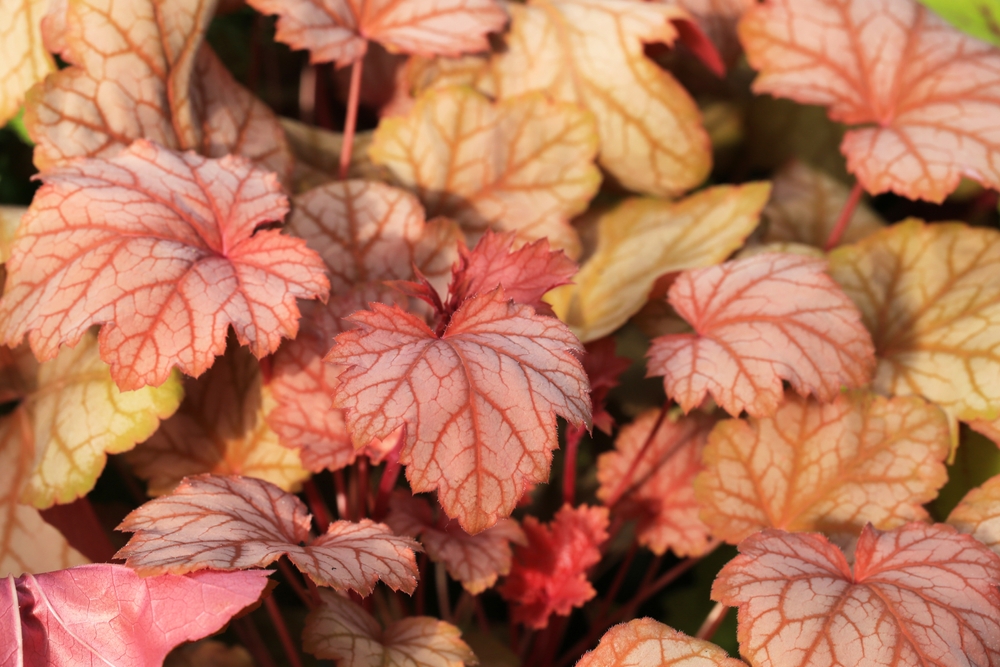
Even when flowers are gone, heuchera keeps borders lively with colorful ruffled leaves. Foliage ranges from deep burgundy and caramel tones to lime and silvery green, so it pops against dark soil. Low mounds hug the ground and stay visible even under a light dusting of snow. These plants look especially nice at the front of beds and in mixed winter pots.
In most gardens, the top benefit of heuchera is the wide range of leaf colors that still show well in winter. Many types like partial shade and soil that drains well but does not dry out completely. A thin mulch over the crown helps protect roots in harsher cold. Dividing older clumps every few years keeps them full and stops them from lifting out of the soil.
Feather Reed Grass Karl Foerster
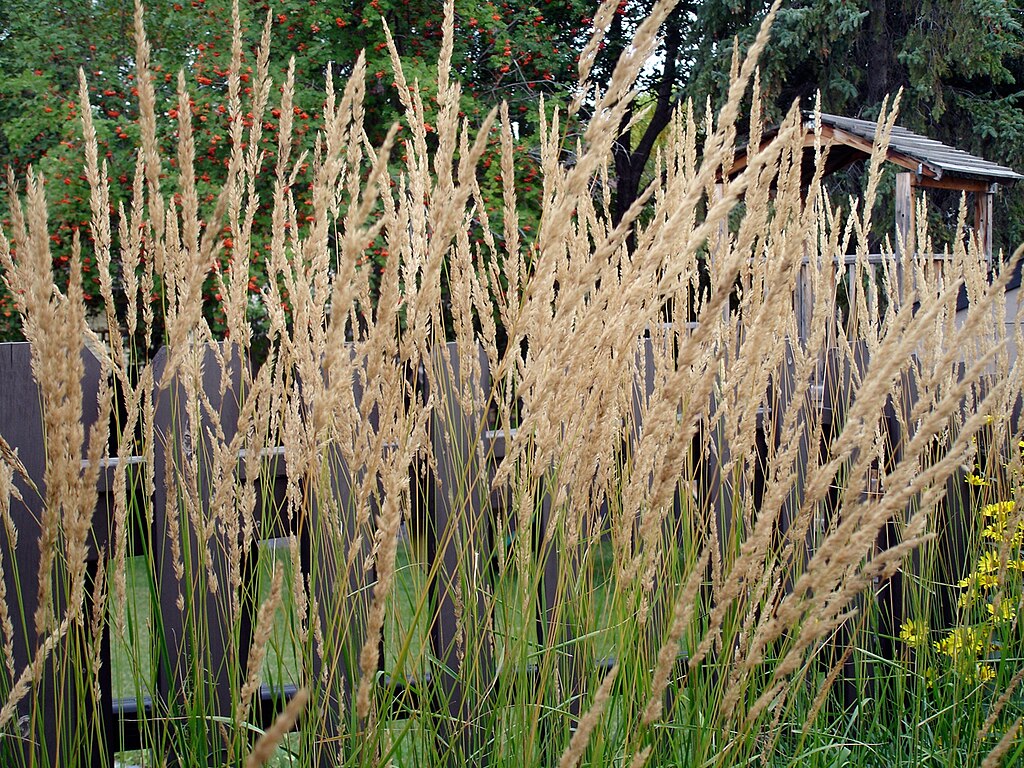
By February, feather reed grass stands tall with warm tan plumes that move in every breeze. The narrow flower stalks catch low sunlight and glow at sunrise and sunset. Groups of these clumps add height and sound, especially on windy days. They look striking beside fences, walls, and paths where their vertical lines stand out.
For gardeners who enjoy movement, this grass offers a steady vertical accent that looks good in groups. It prefers full sun and soil that drains well and can handle some clay once established. Leaving stems in place through winter gives shelter for insects and small wildlife. Cutting the clumps down close to the ground in late winter makes way for fresh spring growth.
Winter Creeper Euonymus
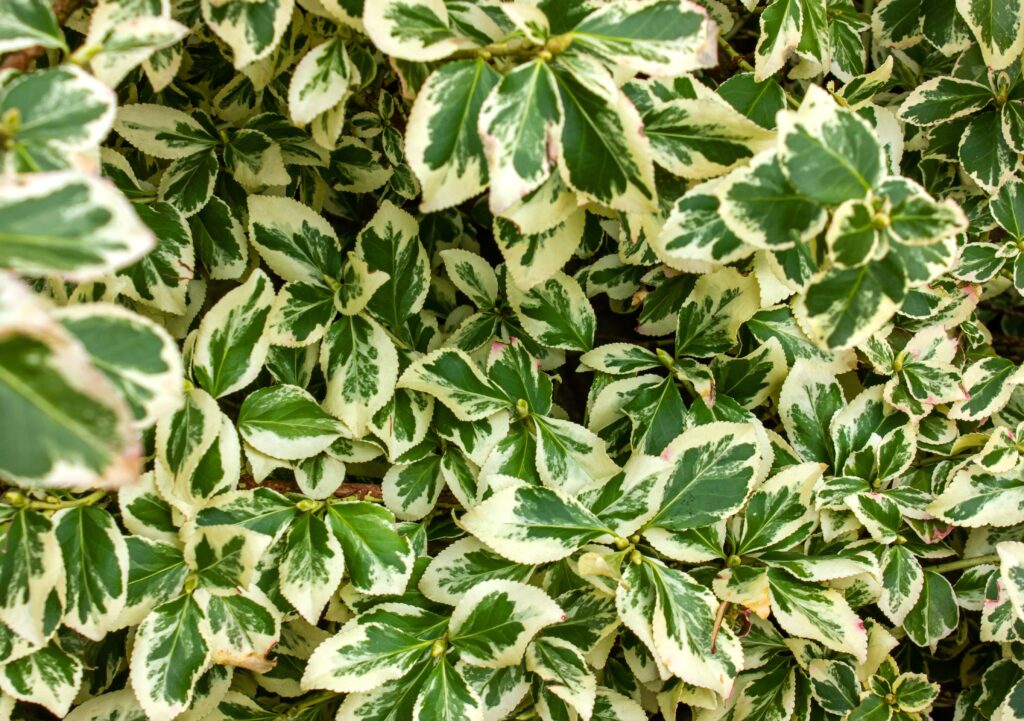
Variegated winter creeper brightens dull corners as its green and cream leaves stay on the stems all year. The small foliage can trail from pots, climb short walls, or form low mounds along paths. In February, those pale edges stand out strongly against dark soil. It is a helpful plant for breaking up large, flat areas of mulch.
From a design view, this plant is helpful because it can trail, climb, or form low shrubs depending on how you trim it. It accepts full sun to partial shade and lives happily in many average garden soils. Regular clipping keeps it from climbing higher than you would like on fences or masonry. A layer of mulch at the base helps the roots stay cool and moist during hot weather.
Creeping Juniper
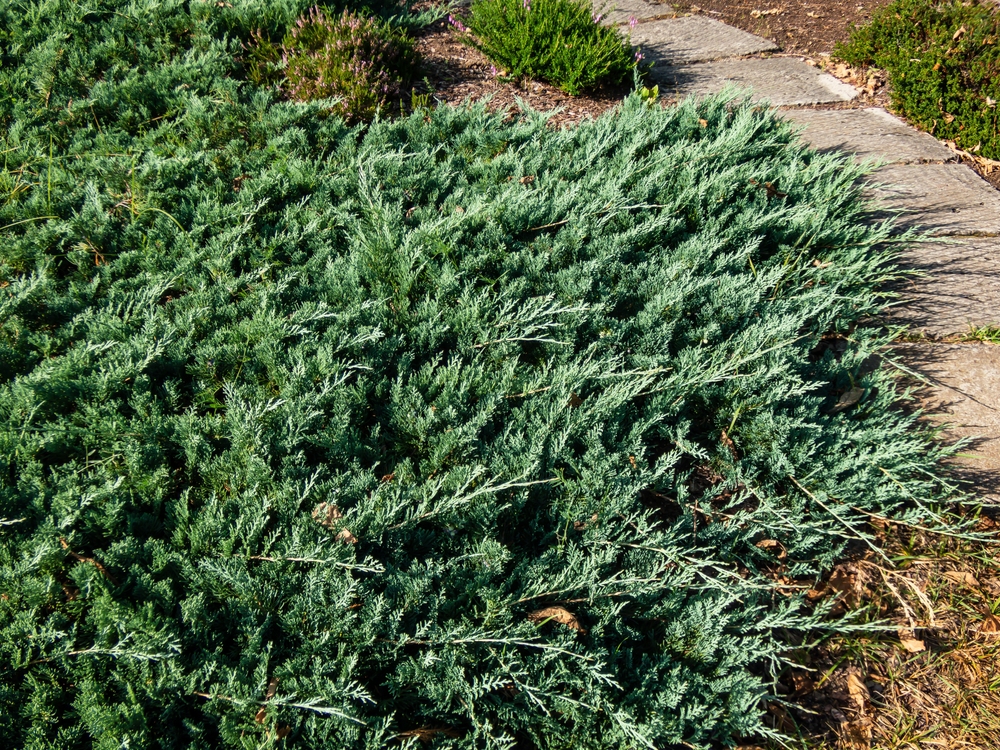
On rocky banks or along walls, creeping juniper spreads into a low carpet that keeps its color in February. Needle-like foliage lies close to the ground and may take on soft purple tones in cold weather. The dense mat softens hard edges and holds soil in place where grass will not grow. It is especially useful on sunny slopes where mowing would be awkward.
The key strength of this groundcover is its toughness, since it tolerates full sun and dry, poor soil once roots are set. It prefers very well-drained conditions and does not enjoy heavy, wet ground. After the first season, it needs little watering except during extreme drought. Every so often, thinning crowded sections helps air reach the stems and keeps the carpet healthy.
Yucca
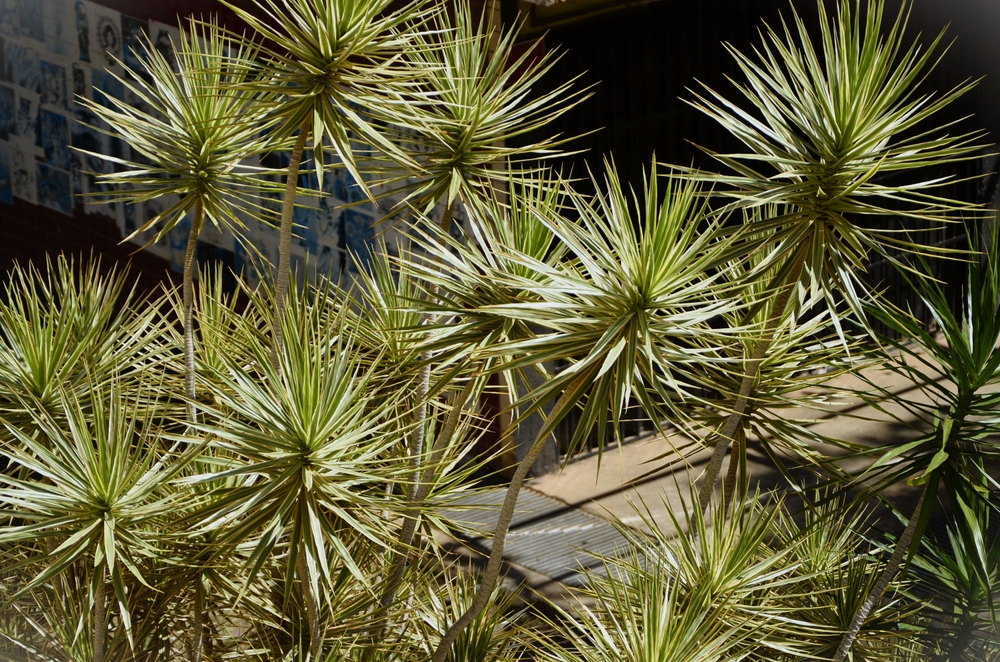
Around patios and gravel beds, yucca plants bring sharp, sword like leaves that hold their shape through wind and frost. The upright rosettes add strong lines that contrast nicely with softer shrubs and grasses. Many kinds offer blue green or striped leaves that show clearly against stone or mulch. In February, the bold form creates interest even when nearby plants sit back.
In terms of care, yucca suits busy gardeners because it thrives with little water and lean, sandy soil. It loves full sun and good drainage and dislikes heavy, wet spots. Gloves are helpful when you trim old leaves, since the tips can be quite pointy. Giving each plant a bit of space lets the shape stand out and keeps the area easy to clean.
Rosemary
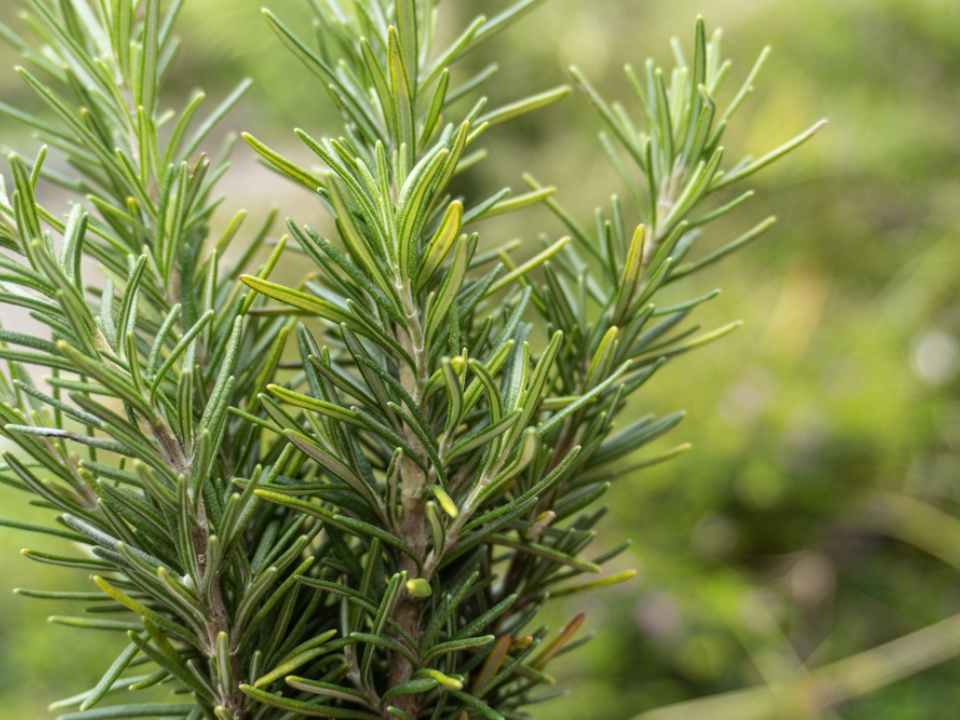
Besides kitchen doors and sunny patios, rosemary keeps its fine, needle-like leaves right through winter. The dense, aromatic foliage gives February pots and beds a tidy, textured look. Stems catch frost in the morning, and the blue-green tones stand out against stone and gravel. A quick brush of the foliage releases scent, which makes short trips outside feel more pleasant.
Rosemary offers both good looks and useful sprigs for cooking in many seasons. It likes full sun, sharp drainage, and soil that leans on the dry side rather than heavy and wet. In colder climates, growing it in a pot that can be moved to shelter helps it through harsh spells. Occasional light pruning keeps the plant bushy and stops the center from becoming too woody.
This article originally appeared on Avocadu.