
15 Plants That Love Cool Soil And Struggle When Summer Heat Hits
Some plants truly come alive when the soil is cool, and the air still carries a bit of spring chill. As temperatures begin to climb, those same plants often start to fade or slow down. That is why timing matters more than most gardeners realize. If you have ever wondered why certain greens struggle by early summer, you are not alone. Keep reading to see which plants prefer cool roots and gentle days.
This post may contain affiliate links, which helps keep this content free. Please read our disclosure for more info.
Spinach
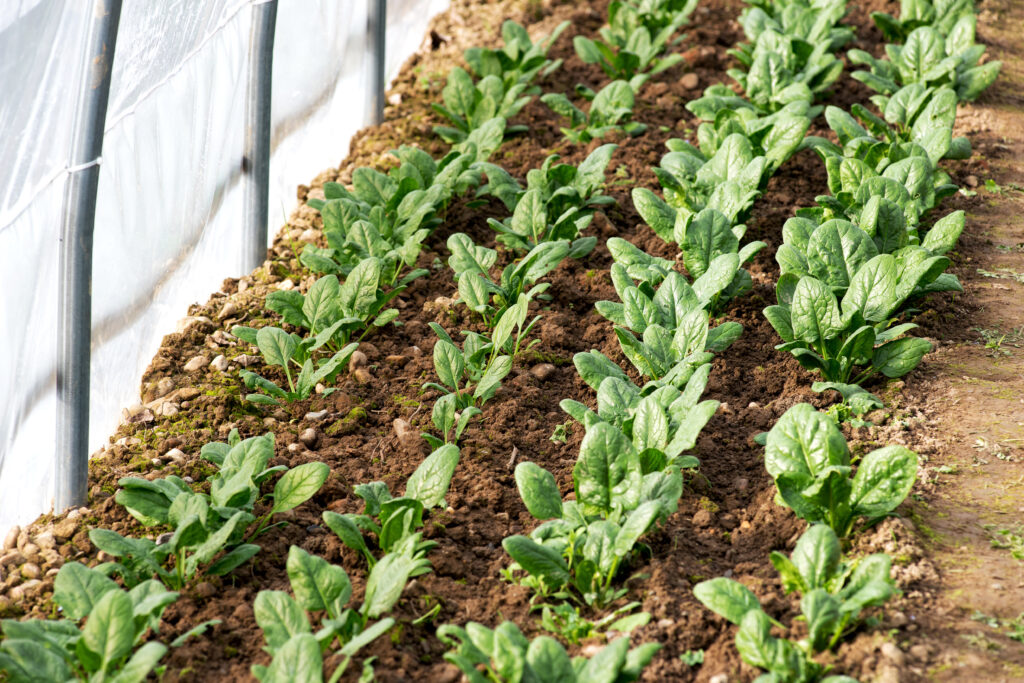
Spinach is one of those crops that truly shines when soil temperatures stay between 45 and 65 degrees, which is why it is often one of the first greens planted in early spring. In cool conditions, the leaves grow thick, dark, and tender, with a mild flavor that works well in salads and cooked dishes. The plant develops quickly while nights are still chilly, putting its energy into foliage instead of flowers. Once soil and air temperatures begin rising consistently above 75 degrees, spinach shifts into survival mode.
That shift leads to bolting, where a tall flower stalk forms and leaf quality drops fast. The once sweet leaves can turn noticeably bitter within days, especially during sudden heat waves. Providing afternoon shade and steady moisture can slow this process slightly, though it rarely stops it entirely. Many gardeners plant spinach again in late summer, so it matures during cool fall weather, when flavor improves once more.
Lettuce
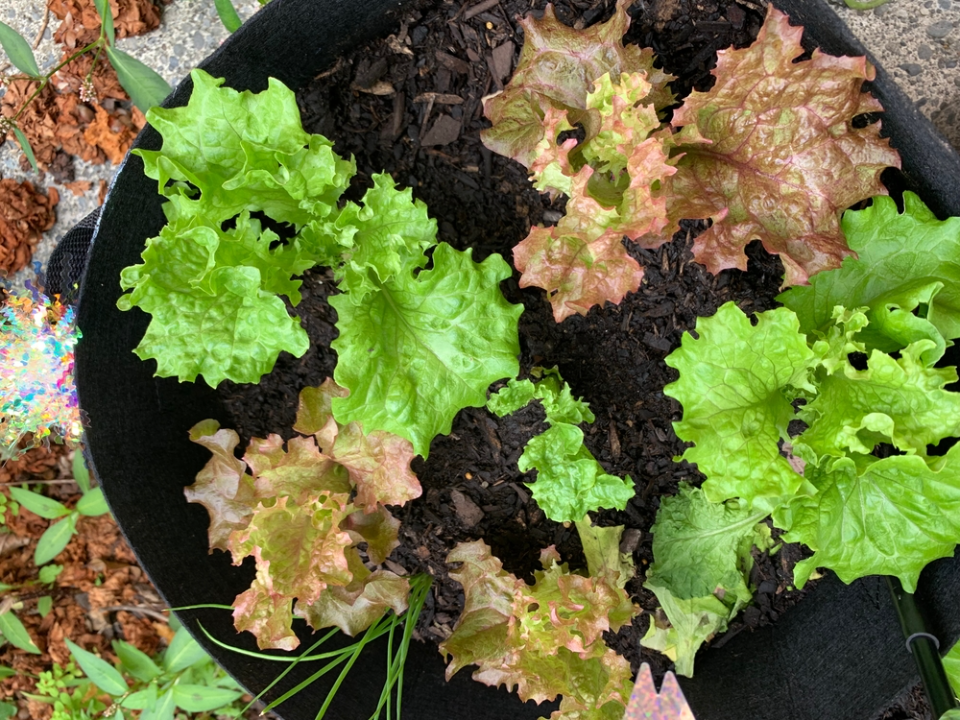
Lettuce thrives in cool soil where roots stay active, and moisture levels remain steady, making early spring its prime growing season. Whether you grow romaine, butterhead, or loose-leaf varieties, each forms crisp, tender leaves before the heat of summer arrives. The plant grows rapidly in mild conditions, often ready to harvest within weeks. However, once daytime temperatures climb and nights stay warm, lettuce begins to lose its balance.
Bolting soon follows, sending up a central stalk and turning leaves tougher and more bitter. Even slight spikes in heat can affect texture, especially in thin leaf varieties. Some gardeners stretch the season with shade cloth or by planting near taller crops that block afternoon sun. Still, lettuce performs best when timed for cool weather, with fall plantings often producing sweeter, more reliable harvests.
Peas
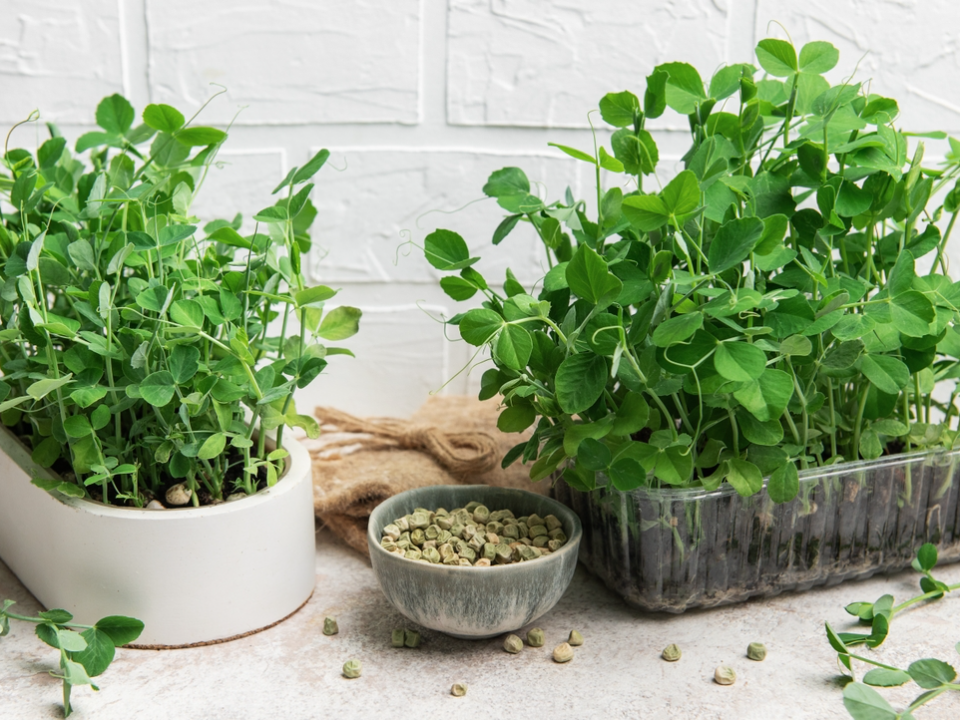
Peas are classic cool-season climbers that germinate in soil barely above 40 degrees, which makes them a reliable early crop. They grow steadily in mild air, producing delicate white or purple flowers before forming plump pods. Cool roots allow steady nutrient uptake, which supports both vine growth and pod production. When heat intensifies, flowering slows and the vines begin to fade.
Temperatures above 80 degrees can shorten their life cycle dramatically. Pods may become smaller, and plants often yellow quickly once summer settles in. Mulching helps keep the root zone cooler for a short time, though it does not fully offset rising air temperatures. For best results, most gardeners harvest heavily in late spring and then clear the vines before midsummer.
Broccoli
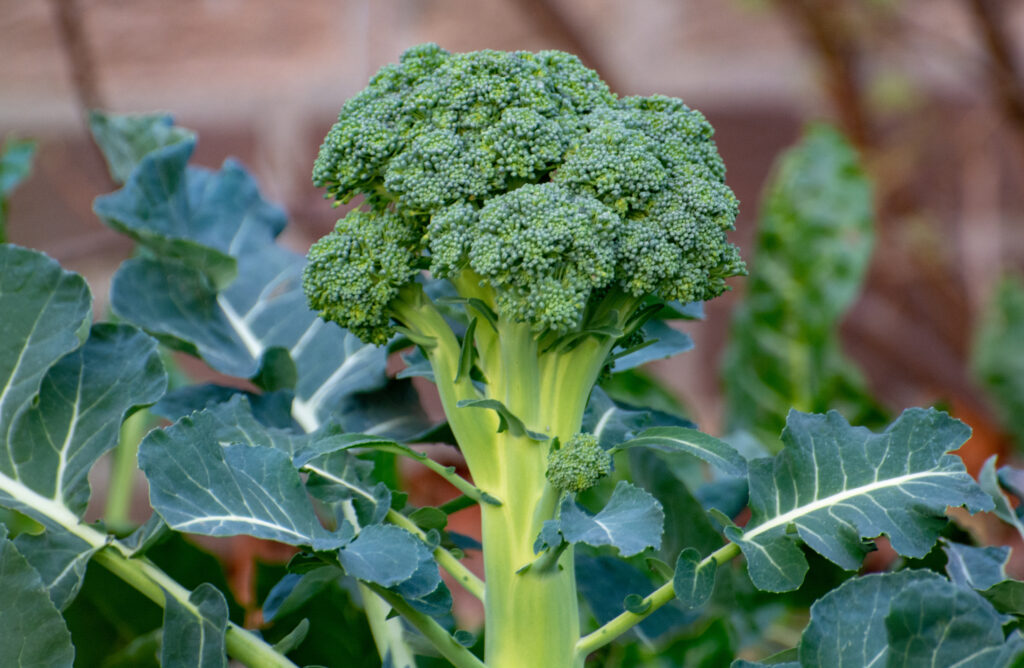
Broccoli depends on cool soil and consistent spring weather to develop tight, compact heads. When grown in temperatures below 70 degrees, it produces dense florets with excellent flavor and texture. The plant builds its structure slowly and steadily in mild conditions. Sudden heat can interrupt this development before heads fully form.
High temperatures often cause loose, uneven florets or early flowering, which reduces quality. Even brief hot spells can change the final appearance of the crown. Starting seedlings indoors and transplanting early helps them establish before warm weather arrives. Many gardeners find that fall broccoli, planted in late summer, often grows larger and sweeter than spring crops.
Carrots
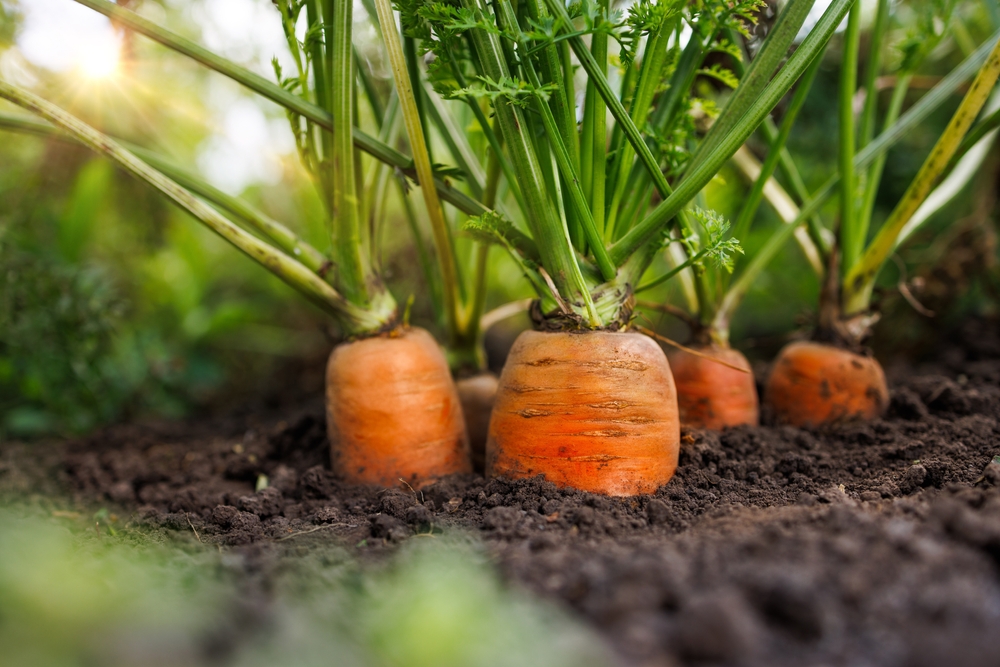
Carrots grow best when the soil remains cool and evenly moist, allowing roots to lengthen gradually without interruption or stress. In steady spring conditions, sugars build slowly within the root, which gives them a noticeably sweeter flavor and smoother texture. Early sowing allows carrots to establish before the strongest heat of the season sets in. Once soil temperatures climb well above 75 degrees, root development often slows, and quality begins to decline.
Prolonged heat can lead to splitting, bitterness, or misshapen roots, especially in compacted or shallow soil. Loose, stone-free ground that is worked deeply helps produce long, straight carrots with uniform color. Consistent watering prevents cracking and supports even growth from top to tip. Many experienced gardeners prefer fall carrots because cool nights concentrate natural sugars and result in a firmer, sweeter harvest.
Cilantro
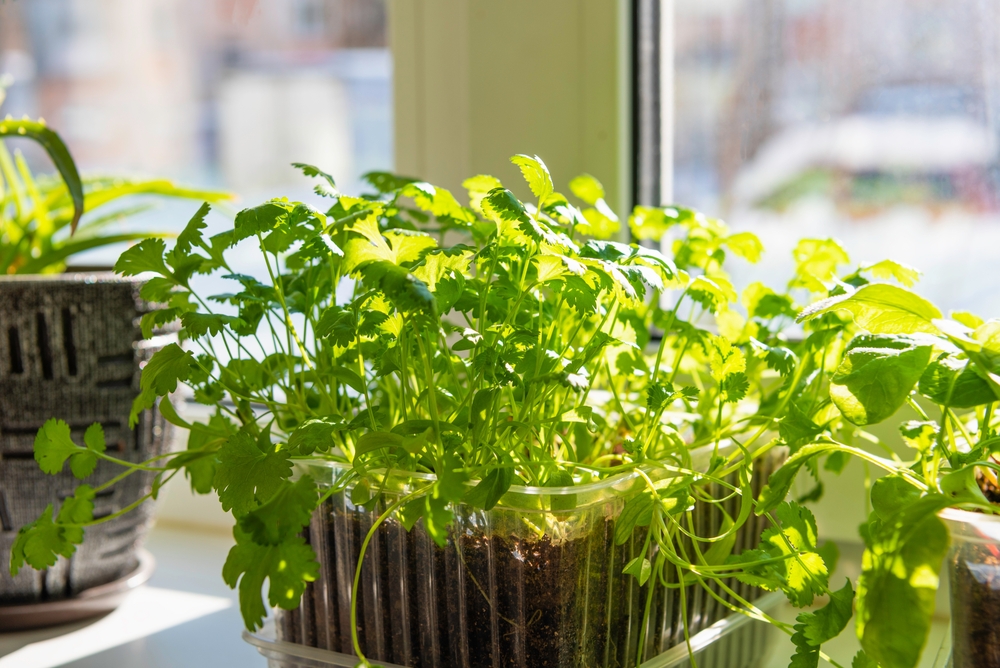
Cilantro prefers cool soil and moderate air temperatures, producing fragrant, feathery leaves that are widely used in fresh dishes. In early spring, it forms a dense cluster of foliage with a strong aroma and quick growth. The plant responds well to steady moisture and mild days, often reaching harvest size within weeks. However, once daytime heat rises and nights remain warm, cilantro shifts rapidly into reproductive mode.
A tall flower stalk emerges almost overnight in a process known as bolting, redirecting energy away from leaf production. As this happens, leaves become smaller, thinner, and less flavorful. Partial shade and consistent watering may delay bolting briefly, though sustained heat usually shortens its lifespan. Many gardeners sow cilantro repeatedly through spring and then again in early fall to maintain steady harvests during cooler weather.
Kale
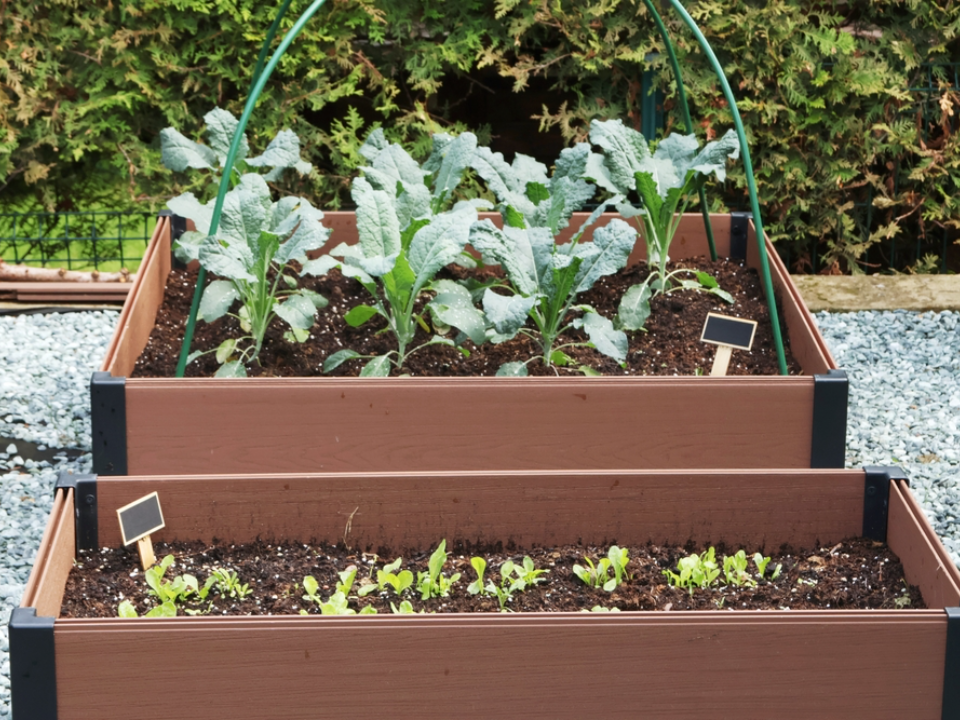
Kale handles cool soil exceptionally well and often improves in flavor after exposure to light frost. Its leaves grow thick and richly colored when temperatures stay moderate, especially during early spring and fall. The plant establishes a strong root system in cool ground, which supports steady leaf production. Once extended summer heat sets in, its texture and taste begin to shift.
Leaves can become tougher and develop a more pronounced bitterness when exposed to prolonged warmth. Growth slows noticeably during hot spells, particularly in full sun without consistent moisture. Harvesting outer leaves regularly encourages continued production, though overall quality still drops during peak summer. Fall-grown kale often produces the most tender and flavorful leaves of the entire growing season.
Radishes
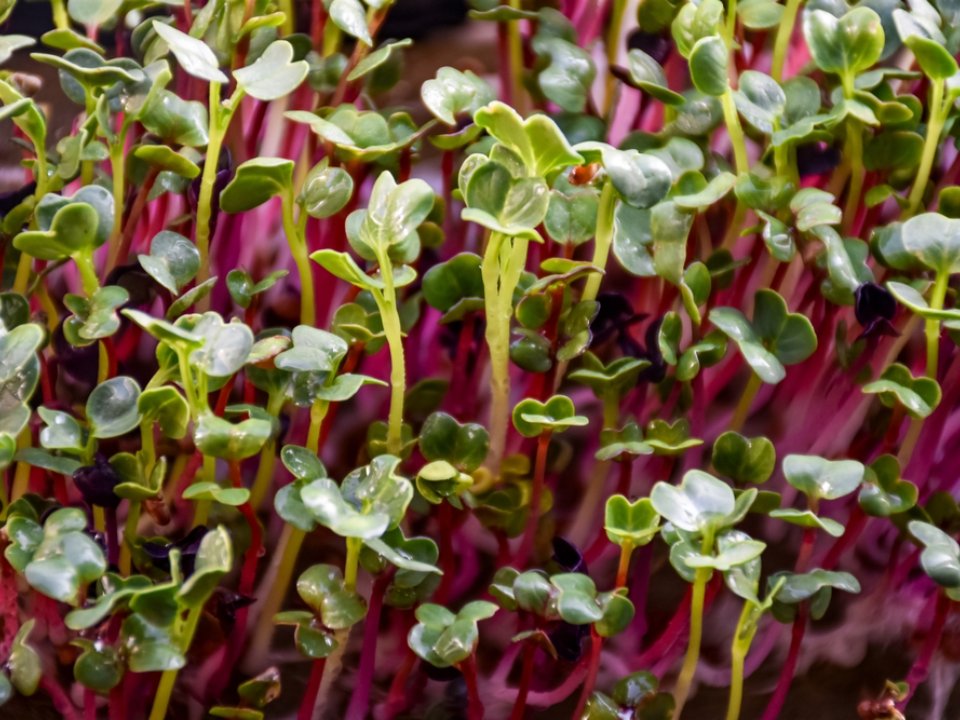
Radishes are quick-growing roots that perform best in cool soil where development is fast and even. In early spring, they can reach harvest size in as little as three to four weeks, making them ideal for short growing windows. Their crisp bite and mild spice depend on uninterrupted growth without temperature swings. When the soil begins to warm significantly, their behavior changes quickly.
High heat can cause roots to become woody, hollow, or overly sharp in flavor. The plant may also bolt prematurely, sending up flowers instead of forming a proper bulb. Loose soil with steady moisture helps maintain smooth texture and a round shape. Because of their short cycle, radishes are well-suited for repeated sowing during cool months before and after summer.
Cabbage
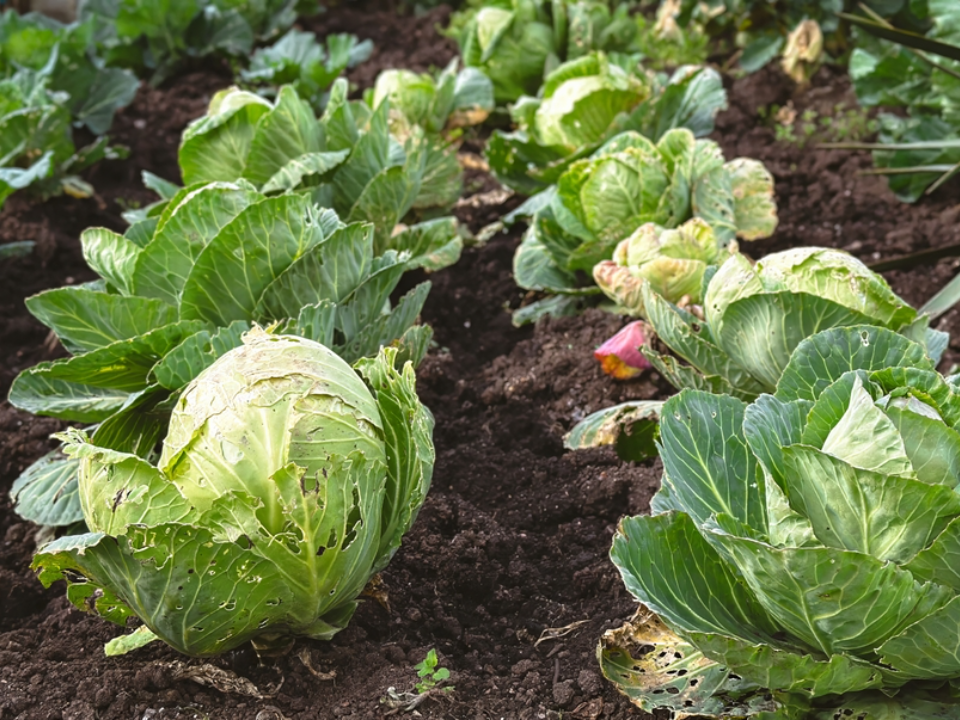
Cabbage thrives in cool soil where it can slowly build tight, layered heads without stress. Mild spring temperatures allow leaves to overlap gradually, creating firm structure and good weight. Early planting gives seedlings time to establish strong roots before heat intensifies. When exposed to prolonged high temperatures, head formation often weakens.
Excess warmth may lead to loose heads, splitting, or stunted growth. Consistent watering during early development supports steady expansion and prevents cracking. A layer of mulch helps keep soil temperatures more stable around the roots. Many gardeners find that fall-planted cabbage forms denser heads with improved sweetness compared to summer-grown crops.
Bok Choy
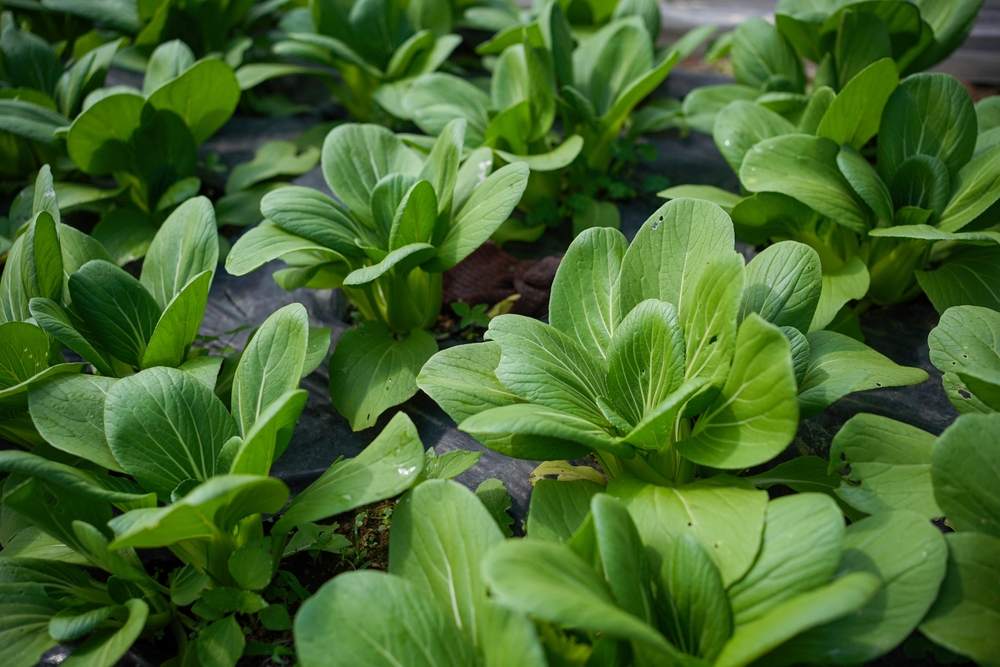
Bok choy grows upright and crisp when soil remains cool and evenly moist, producing thick white stems and tender green leaves. In steady spring weather, it matures quickly and maintains excellent texture. The plant performs best when daytime temperatures remain moderate and nights are cool. Once heat builds, its growth pattern shifts dramatically.
Rising temperatures often trigger sudden bolting, ending harvest sooner than expected. Leaves may toughen and stems lose their juicy snap when exposed to sustained warmth. Early planting and regular watering help produce full, well-shaped heads before summer arrives. Like many cool-season vegetables, bok choy returns to top form when planted again for fall harvest.
Turnips
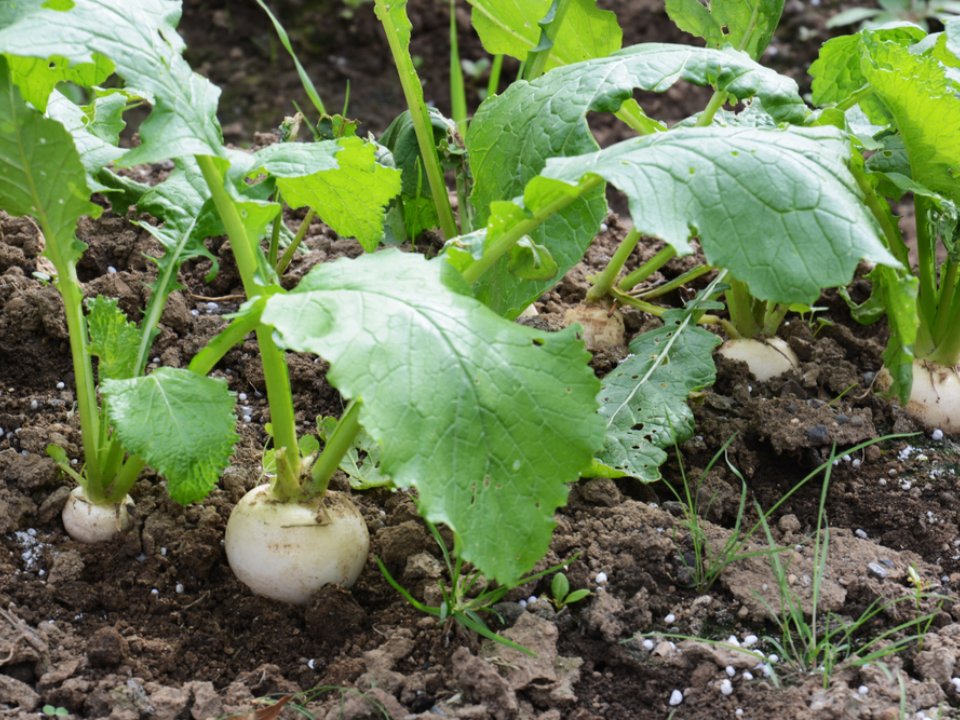
Turnips thrive in cool soil where roots can swell gradually without becoming tough, fibrous, or overly pungent. Early spring planting allows both the rounded bulb and leafy tops to develop under steady, mild conditions that support balanced growth. In cool weather, the roots remain smooth with a slightly sweet, earthy flavor that works well roasted or sautéed. Once soil temperatures climb and warm days stretch longer, root formation often slows, and overall quality begins to decline.
High temperatures can cause turnips to develop woody centers and sharper flavors that overpower their natural sweetness. Inconsistent moisture during warm spells may also lead to cracking or irregular shapes, especially in compacted ground. Loose, deeply worked soil gives the roots space to expand evenly and produce uniform bulbs. Many experienced gardeners sow turnips again in late summer, since fall crops grown in cool nights often yield milder, more tender roots.
Collard Greens
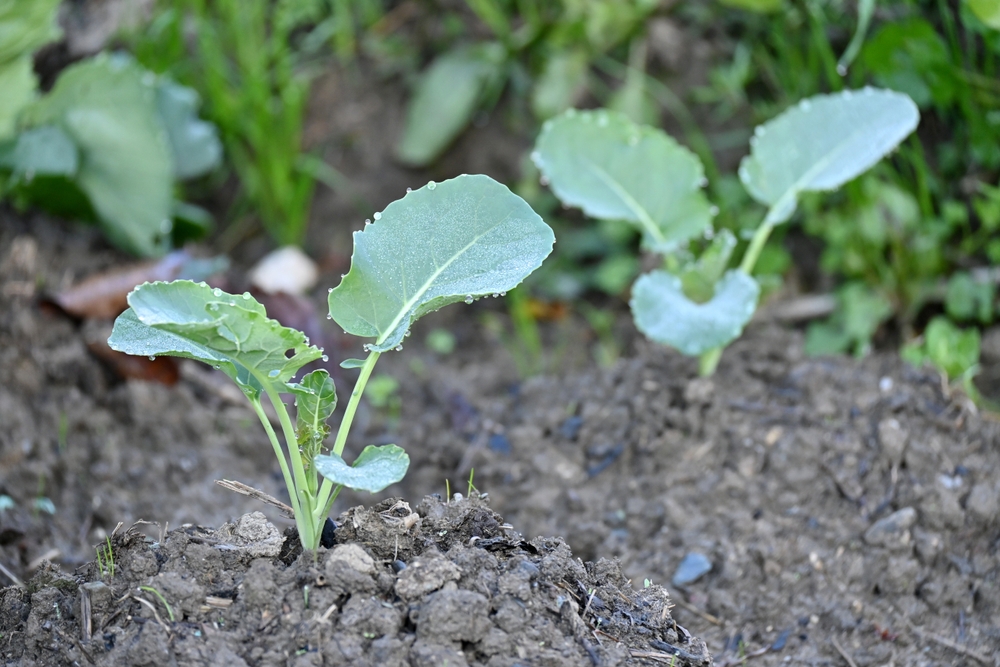
Collard greens grow steadily in cool soil, forming broad, sturdy leaves that hold their structure well during early spring harvests. The plant establishes a strong root system in moderate temperatures, which supports continuous leaf production over several weeks. Mild conditions allow the leaves to remain supple and flavorful, making them ideal for slow cooking or light sautéing. As prolonged summer heat sets in, leaf texture and taste gradually begin to shift.
Extended warmth can make collard leaves thicker, tougher, and slightly more bitter than their spring counterparts. Although the plant may continue growing, it often appears stressed when daytime temperatures remain high for long stretches. Consistent watering helps maintain leaf size, yet flavor noticeably improves once cooler nights return. For that reason, many gardeners rely on fall-planted collards for a richer taste and more reliable harvest.
Fava Beans
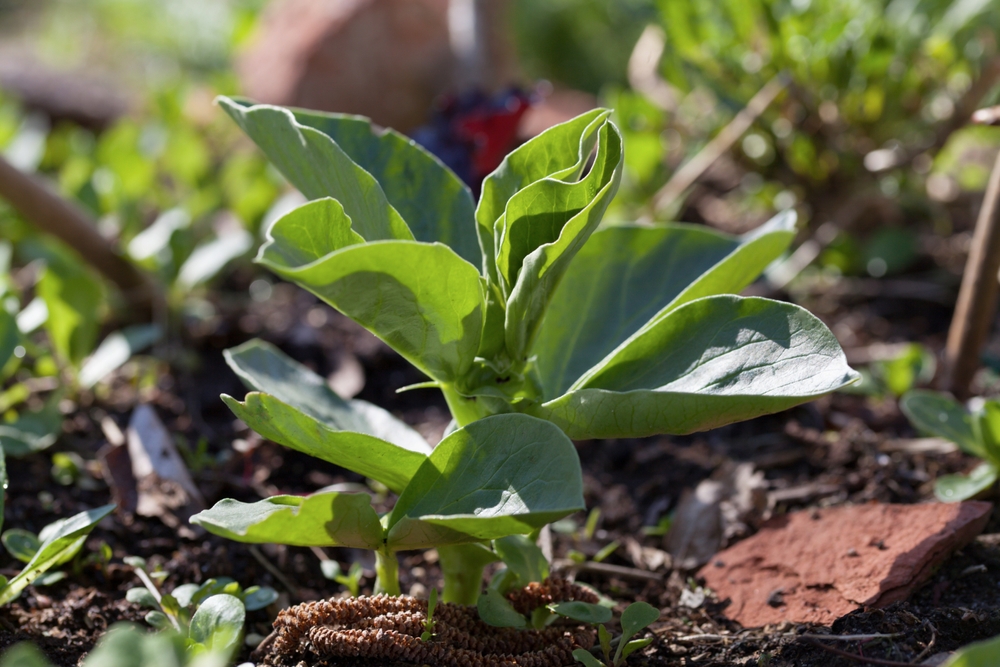
Fava beans are known for their ability to germinate in cool soil long before many other legumes are planted. They grow upright and sturdy in mild spring weather, producing thick stems and broad leaves that support early pod formation. In steady, moderate temperatures, flowering is consistent, and pod set is strong. When summer warmth intensifies, however, productivity often drops quickly.
High heat can reduce flower retention and limit the number of pods that mature fully. Leaves may yellow faster under sustained warmth, signaling stress within the plant. Fava beans prefer steady moisture and well-drained soil while temperatures remain moderate. In many regions, gardeners treat them strictly as a spring crop that completes its cycle before midsummer heat takes hold.
Mustard Greens
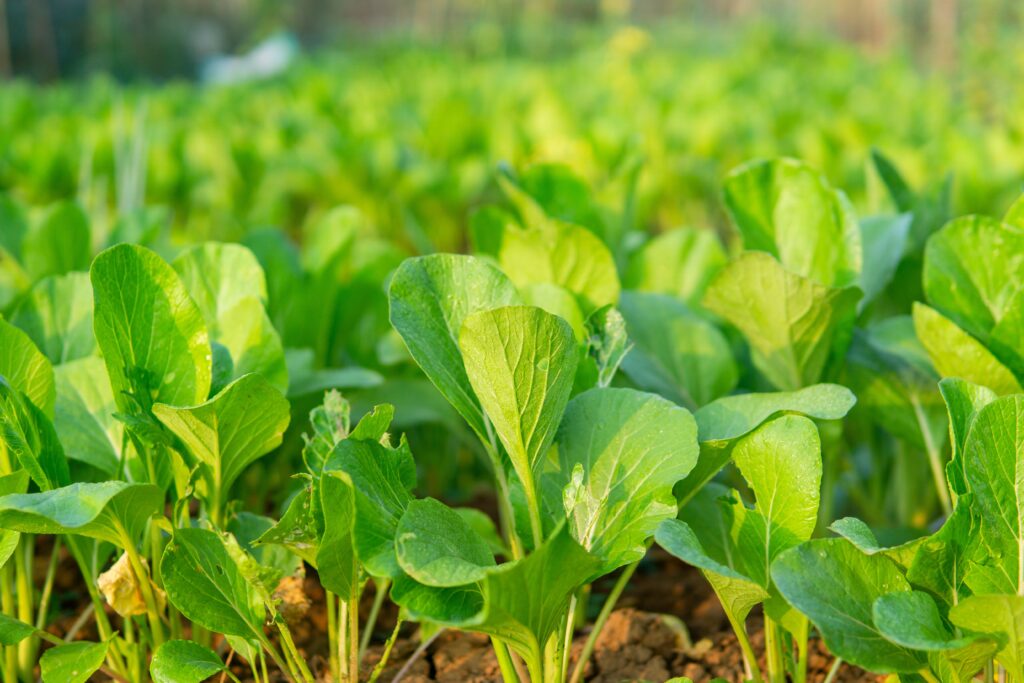
Mustard greens flourish in cool soil, producing tender leaves with a balanced, peppery bite during early spring growth. The plant establishes quickly in mild weather and forms loose clusters of vibrant foliage within a short time. Cool conditions help maintain steady leaf expansion and pleasant texture. Once exposed to consistent high temperatures, mustard greens begin to change rapidly.
Bolting becomes more common as heat rises, redirecting the plant’s energy toward flowering rather than leaf production. Leaves may grow smaller and develop a noticeably stronger, sharper flavor. Harvesting when leaves are young helps preserve tenderness and reduces bitterness. Many gardeners plant mustard greens again in the fall, when cool nights support steady growth and improved taste.
Green Onions
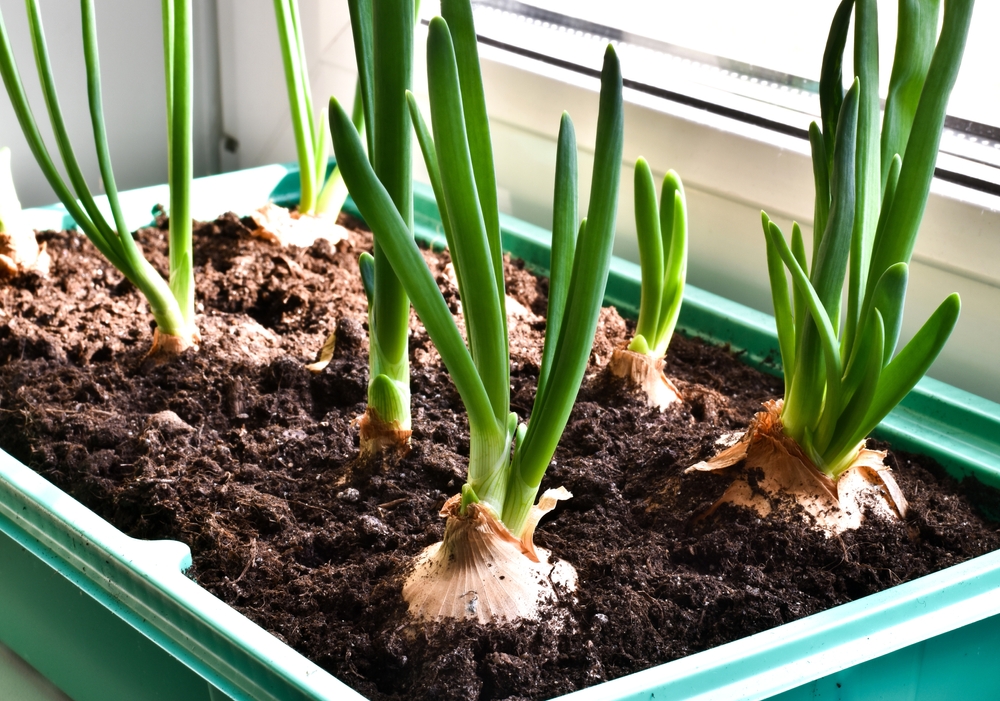
Green onions perform best in cool soil where roots expand gradually and stems remain upright and crisp. Early spring plantings benefit from steady moisture and moderate temperatures that support even top growth. In these conditions, the slender stalks develop a mild, clean flavor that works well in fresh dishes. As summer heat builds, growth patterns often shift and stem quality may decline.
Extended warmth can lead to thinner stalks and slower overall development, particularly in full sun. Bulbing types may struggle to size properly when soil temperatures remain high. Consistent watering helps maintain steadier growth, though flavor can become stronger under heat stress. Planting green onions during cool seasons generally produces the most tender and dependable harvest.
This article originally appeared on Avocadu.