
16 Houseplants That Bounce Back Fast After Dry Winter Air
When winter’s dry air takes a toll on your plants, it can be frustrating. However, some plants are built to endure these conditions and bounce back with ease. These hardy houseplants are resilient and can recover quickly when given the right care.
This post may contain affiliate links, which helps keep this content free. Please read our disclosure for more info.
Spider Plant
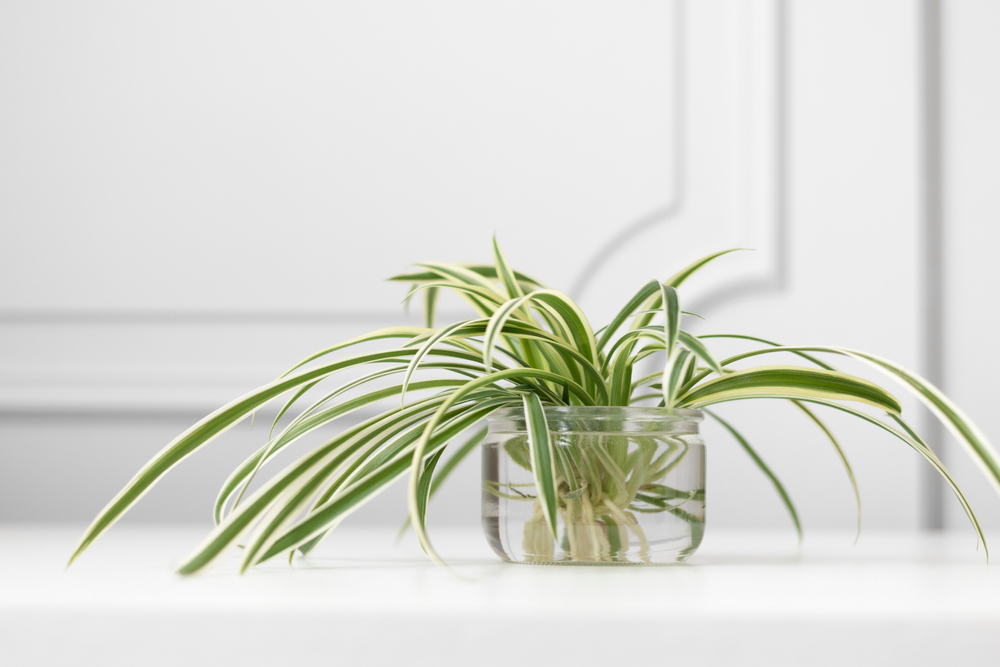
Spider plants are incredibly resilient, bouncing back quickly after exposure to dry winter air. These plants thrive in a variety of conditions and can handle periods of neglect. Their ability to tolerate dryness comes from their thick, green leaves that store moisture. With the right care, spider plants will recover quickly and continue to flourish.
To keep your spider plant happy, water it when the soil has dried out completely. They prefer bright, indirect light but can adjust to lower light conditions. A little trimming can help maintain their shape and encourage fresh growth. With minimal care, spider plants will bounce back and brighten your home.
Pothos
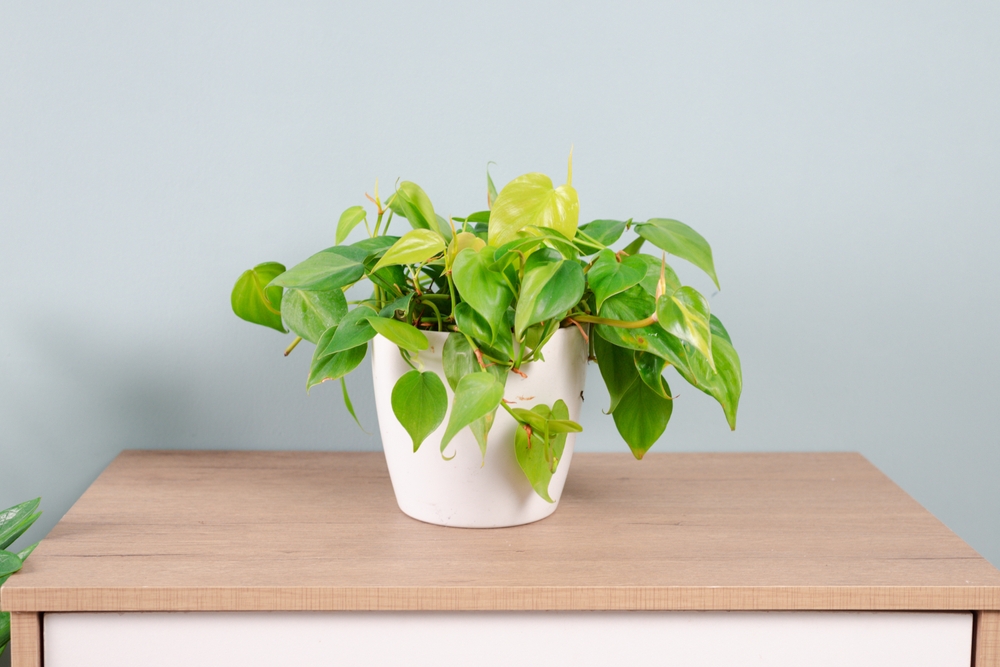
Pothos are one of the easiest houseplants to care for and bounce back from dry air in no time. These hardy plants can thrive in low light and are quite forgiving when it comes to water and humidity. If your pothos starts to wilt due to dry air, a little extra watering and care will restore it quickly. The lush vines will be as vibrant as ever after a short period of recovery.
When caring for pothos, water them when the soil feels dry to the touch, but avoid overwatering. They thrive in a range of light conditions, from bright, indirect light to lower light areas. Regularly trimming the vines can help keep them looking neat and encourage growth. This low-maintenance plant bounces back fast, even after a winter of dry air.
ZZ Plant
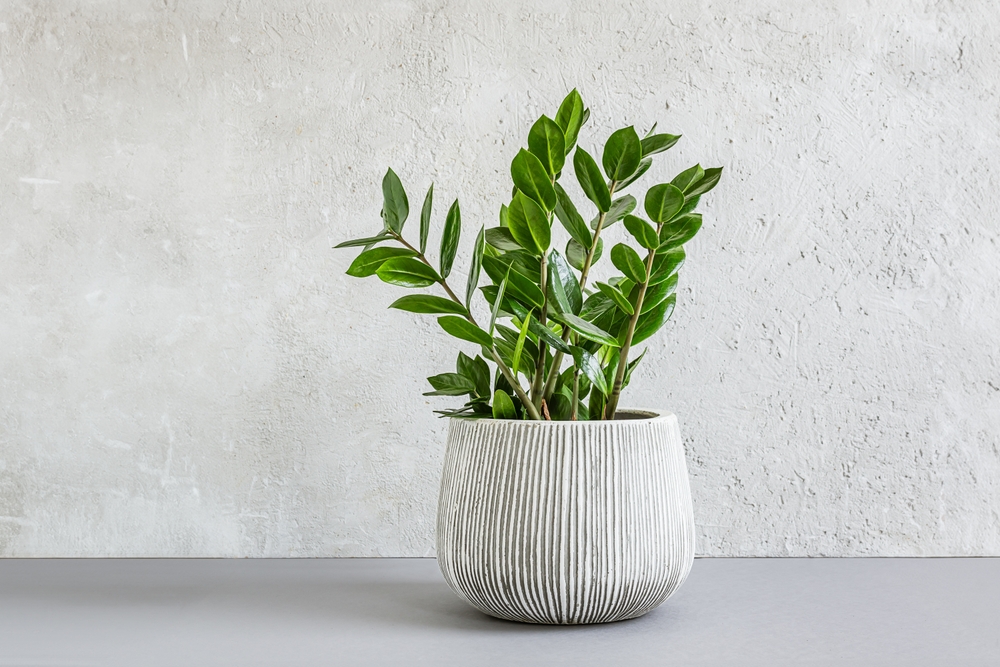
The ZZ plant is well-known for its ability to endure dry air and low light conditions. Even after a spell of neglect during dry winter months, it will bounce back with proper care. The thick, waxy leaves retain moisture, helping it survive periods of dryness. Once given the right environment and care, the ZZ plant will revive and flourish in no time.
For best results, water the ZZ plant only when the soil is completely dry, as it’s very drought-tolerant. Place it in indirect light, though it can tolerate low light conditions as well. ZZ plants don’t need much attention, but occasional feeding during the growing season can keep them healthy. This easy-going plant will quickly bounce back, even after enduring dry indoor air.
Aloe Vera
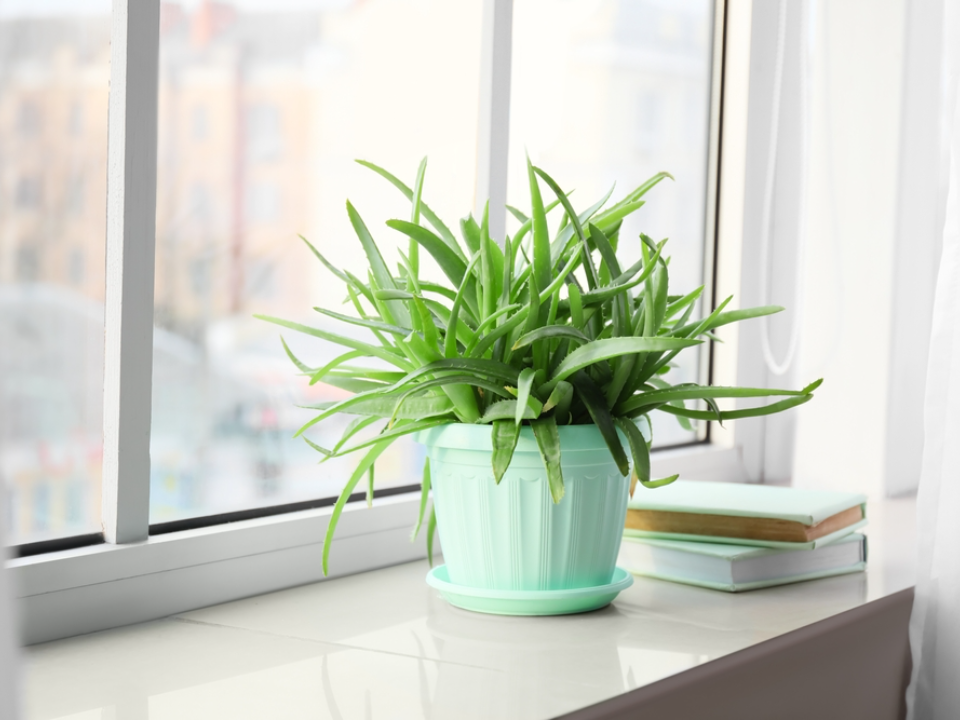
Aloe vera is a tough succulent that thrives in dry conditions and can easily handle dry air. Its thick, fleshy leaves store water, which makes it able to survive extended periods without water. When exposed to dry winter air, aloe vera may slightly shrink but will bounce back rapidly once hydrated. The plant’s self-sufficient nature makes it a great addition to homes with fluctuating humidity levels.
To care for your aloe vera, water it when the soil is dry, making sure not to overwater. Aloe vera prefers bright, indirect sunlight but can tolerate a little direct sun. It thrives in well-draining soil and does well in pots with drainage holes. With minimal watering and proper light, aloe vera will bounce back quickly from dry air and continue to grow.
Peace Lily
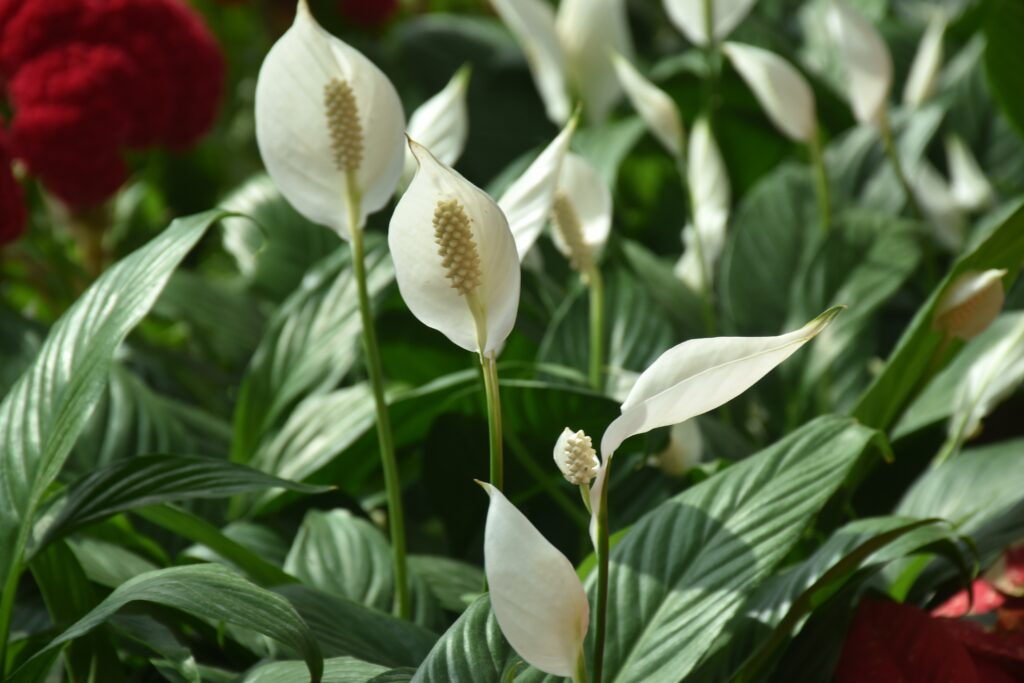
Peace lilies are quite adaptable and can bounce back quickly after being exposed to dry winter air. Known for their beautiful white blooms and glossy leaves, they are able to recover fast with a little extra care. These plants thrive in low to moderate light and can handle dry conditions if given proper hydration. Once they get the water they need, peace lilies will perk up and look as vibrant as before.
To keep your peace lily healthy, water it when the soil feels dry to the touch. They prefer indirect light but can tolerate low light. Peace lilies benefit from occasional misting, especially in dry environments. A little extra moisture can help them bounce back quickly from the effects of dry air.
Snake Plant

Snake plants are some of the hardiest houseplants, able to thrive even with minimal care during dry winter months. They can handle periods of neglect, making them ideal for homes with dry air. Snake plants are well-suited to low-light environments and can recover quickly from any dry spells with the right attention. Their ability to endure the winter months and bounce back quickly makes them a favorite for busy gardeners.
Water your snake plant only when the soil is dry to the touch, as it prefers to dry out between waterings. These plants grow best in indirect light but can tolerate low light conditions. Snake plants don’t require frequent fertilizing and need only occasional care. With proper care, snake plants will remain healthy and bounce back quickly after being exposed to dry air.
Fiddle Leaf Fig
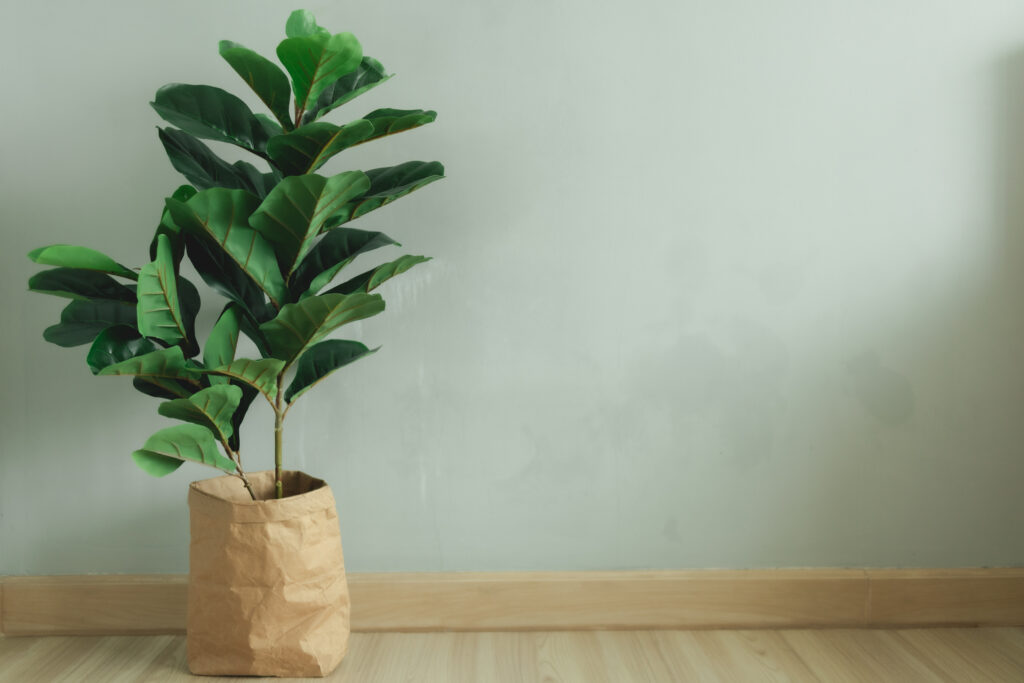
Fiddle leaf figs are known for their large, glossy leaves and striking appearance, and they can handle dry indoor air better than many people realize. Although they can show signs of stress, they recover quickly with proper care. These plants thrive in bright, indirect light, but they can also bounce back after experiencing dry conditions. With a little extra attention, your fiddle leaf fig will regain its beauty in no time.
To care for a fiddle leaf fig, water it when the top inch of the soil feels dry. Keep it in a spot with good airflow and indirect light, and make sure it’s not in a drafty area. Fiddle leaf figs benefit from regular feeding during the growing season. With some patience and care, they’ll bounce back quickly after exposure to dry air.
Rubber Plant
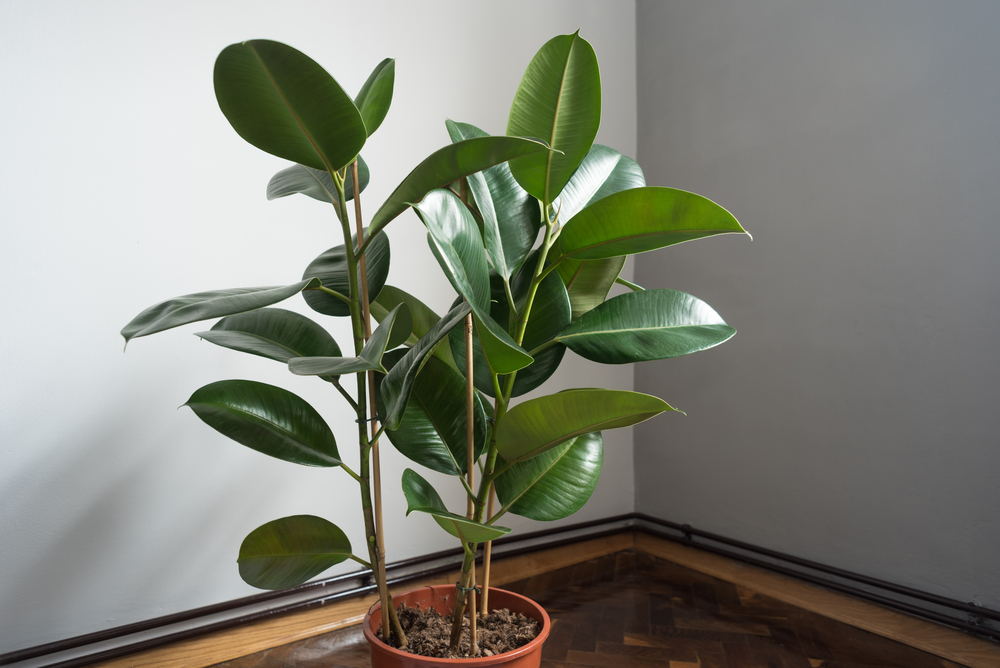
Rubber plants are known for their sturdy, waxy leaves and ability to bounce back after dry spells. They handle dry air better than most other plants and can recover quickly with a little extra hydration. Rubber plants thrive in bright, indirect light but will continue to grow well even in slightly lower light conditions. With proper care, your rubber plant will return to its vibrant self after the effects of dry winter air.
Water your rubber plant when the top of the soil is dry, but avoid letting it sit in water. These plants prefer indirect light but can tolerate low light environments. Rubber plants benefit from occasional misting, especially in dry air. With minimal care, they will quickly bounce back and continue to grow strong.
Boston Fern
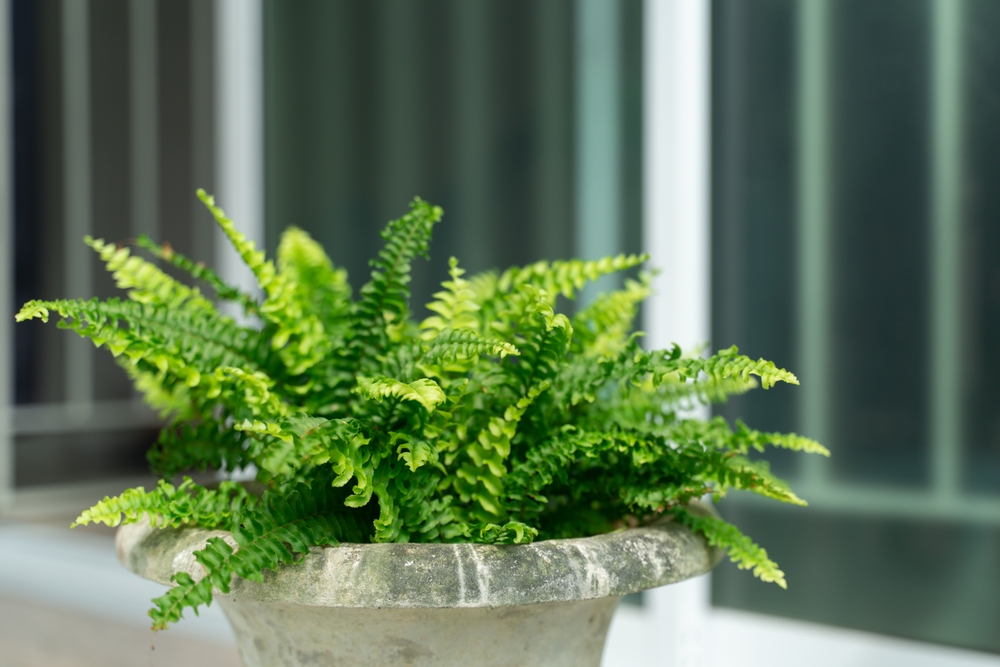
Boston ferns are well-known for their lush, feathery fronds and ability to bounce back quickly after exposure to dry air. While they prefer humid environments, they are resilient and can recover fast when given the right care. These plants thrive in indirect light and need consistent moisture, but they will return to their full beauty once the humidity is restored. Boston ferns are perfect for adding a touch of greenery to any space, even during dry winter months.
To care for your Boston fern, mist it regularly to maintain humidity and water it when the soil is dry to the touch. They prefer indirect light and cool temperatures, making them ideal for indoor spaces. Regular feeding during the growing season can also help keep the fern healthy. With proper care, your Boston fern will bounce back from dry air and stay lush all year long.
Jade Plant
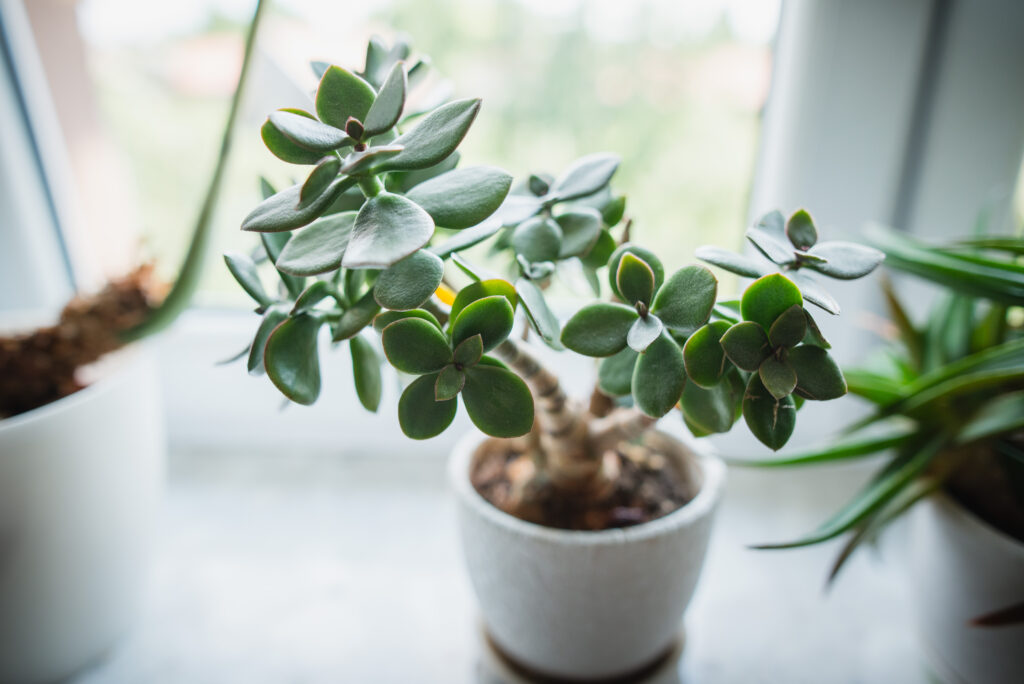
Jade plants are succulents that can easily handle dry air and can recover quickly from drought-like conditions. Their thick, fleshy leaves store moisture, which allows them to survive through dry spells. Once hydrated, the jade plant bounces back fast and continues to grow. This hardy plant is perfect for homes with fluctuating humidity levels, as it thrives with minimal care.
To take care of your jade plant, allow the soil to dry out completely between waterings. These plants prefer bright, indirect light and do well in well-draining soil. Jade plants require little maintenance and only need occasional feeding during the growing season. With its resilience and ease of care, the jade plant will bounce back quickly and continue to thrive.
Lavender
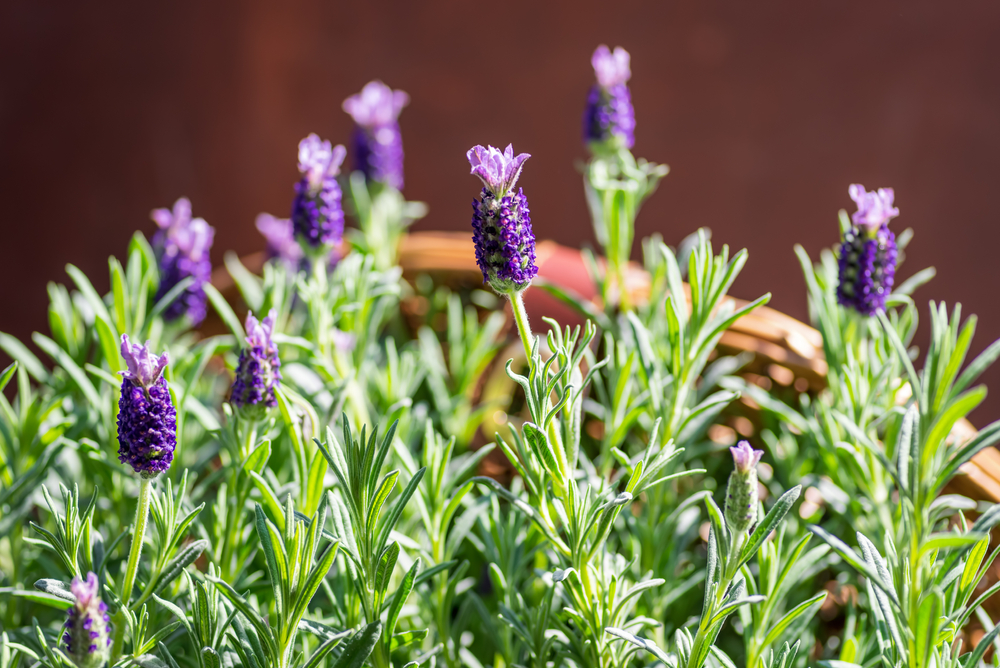
Lavender is a fragrant herb that thrives in dry air, making it a great option for homes with lower humidity. It can handle dry conditions and bounce back quickly once watered properly. Lavender prefers full sun and well-drained soil, and its hardy nature makes it ideal for colder months when other plants may struggle. After a dry spell, lavender can be revived with some extra care and attention.
To care for lavender, water it only when the soil is dry, and avoid overwatering, as it prefers drier conditions. Place it in a sunny spot with plenty of light, as this helps it grow strong and healthy. Lavender doesn’t require much feeding, but occasional fertilizer during the growing season can help it thrive. After a dry winter, lavender will quickly bounce back with the right care
African Violet
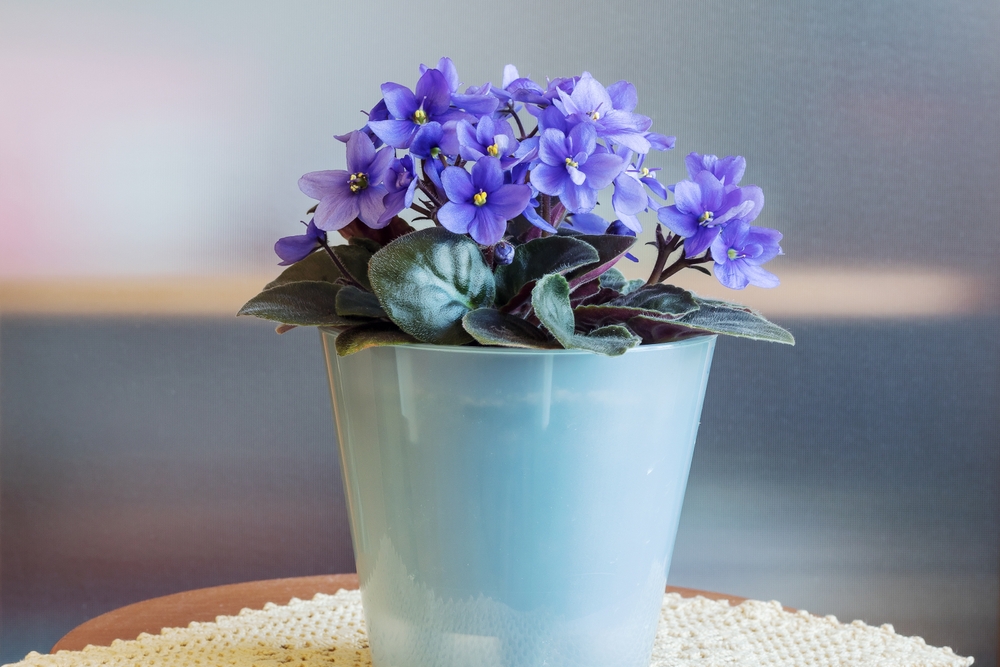
African violets are delicate yet resilient plants that can bounce back from dry air with just a little extra care. They thrive in moderate temperatures and indirect light, making them perfect for indoor spaces. Even after a period of dryness, African violets will revive with proper hydration and return to their beautiful blooming state. Their compact size and colorful blooms make them a popular choice for many gardeners.
To care for African violets, water them with room-temperature water, being careful not to get the leaves wet. They prefer a humidity level between 40-60 percent, so misting them occasionally can help keep them healthy. Keep them in indirect sunlight, away from drafts, to help them recover from dry air. With the right care, African violets will quickly bounce back and continue to thrive.
Cast Iron Plant
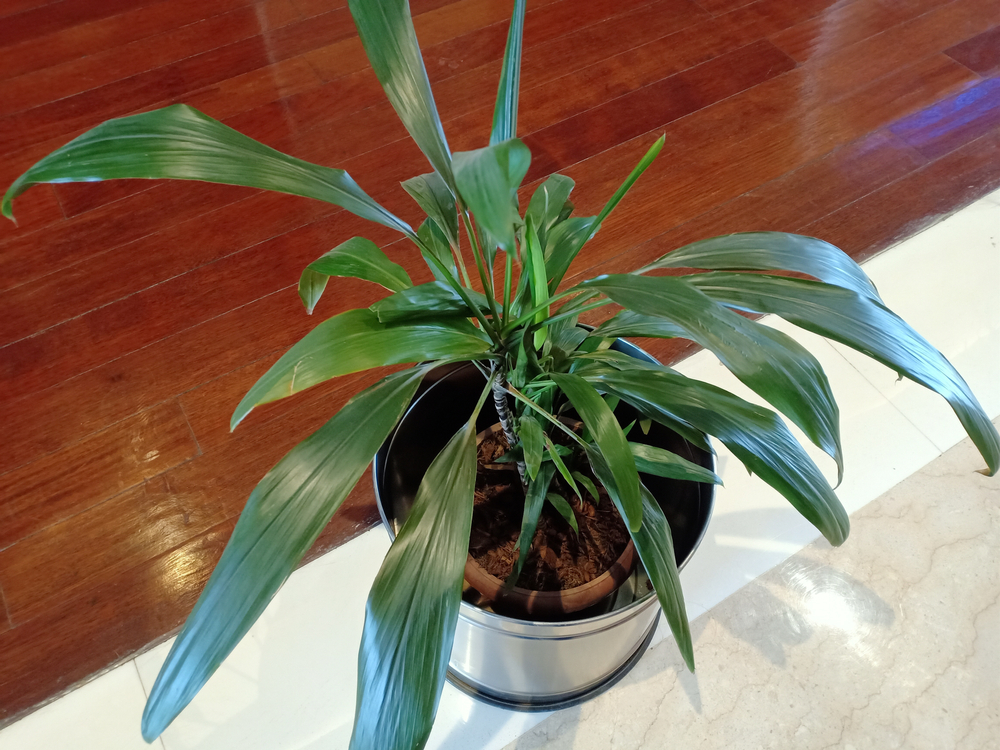
The cast iron plant is a tough, resilient plant that can withstand dry air and low light. Known for its dark green, glossy leaves, it can recover quickly after a dry winter period. Cast iron plants are perfect for spaces with fluctuating humidity levels, as they require minimal care. With the right hydration, they will bounce back fast and continue to grow.
Water your cast-iron plant when the top inch of soil is dry to the touch. They do well in low to moderate light, making them perfect for rooms with indirect light. These plants prefer slightly moist soil but can tolerate dry spells. With little maintenance, cast iron plants will bounce back quickly and continue to grow strong.
Philodendron
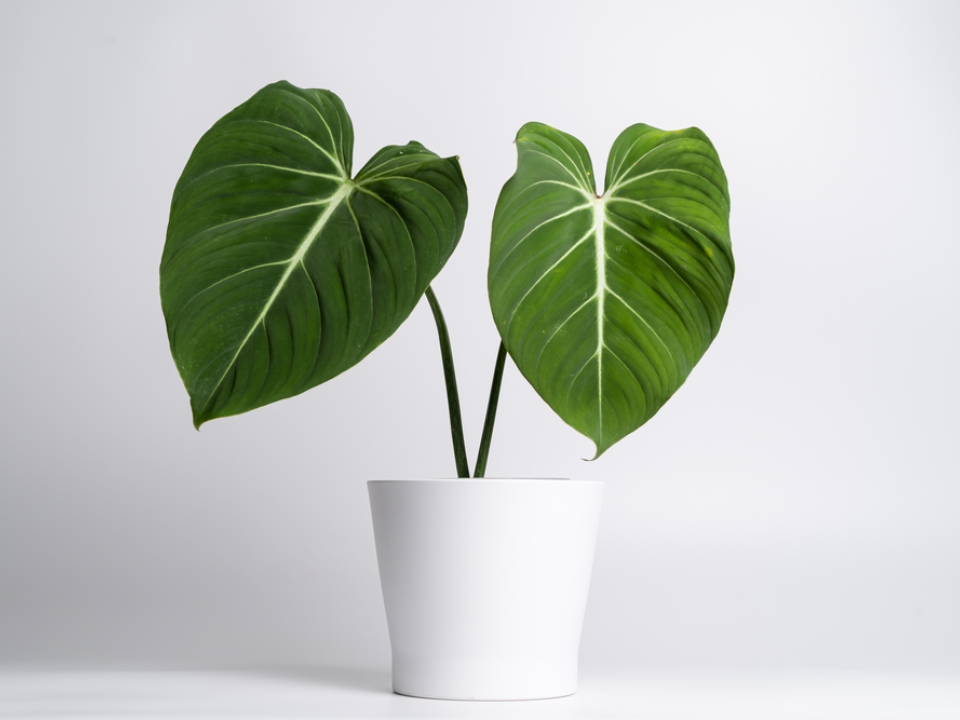
Philodendrons are low-maintenance plants that handle dry air well and recover quickly after a dry spell. Their heart-shaped leaves and trailing vines make them an attractive option for indoor spaces. These plants are especially resilient in low light and can bounce back from dry conditions with the right care. They are perfect for those looking for a low-maintenance plant that requires little attention.
To care for a philodendron, water it when the soil is dry to the touch, but don’t let it sit in water. Philodendrons prefer indirect light but can tolerate low light conditions. Regularly trimming the vines helps keep the plant neat and promotes healthy growth. With a little care, philodendrons will quickly bounce back and continue to thrive.
Dracaena
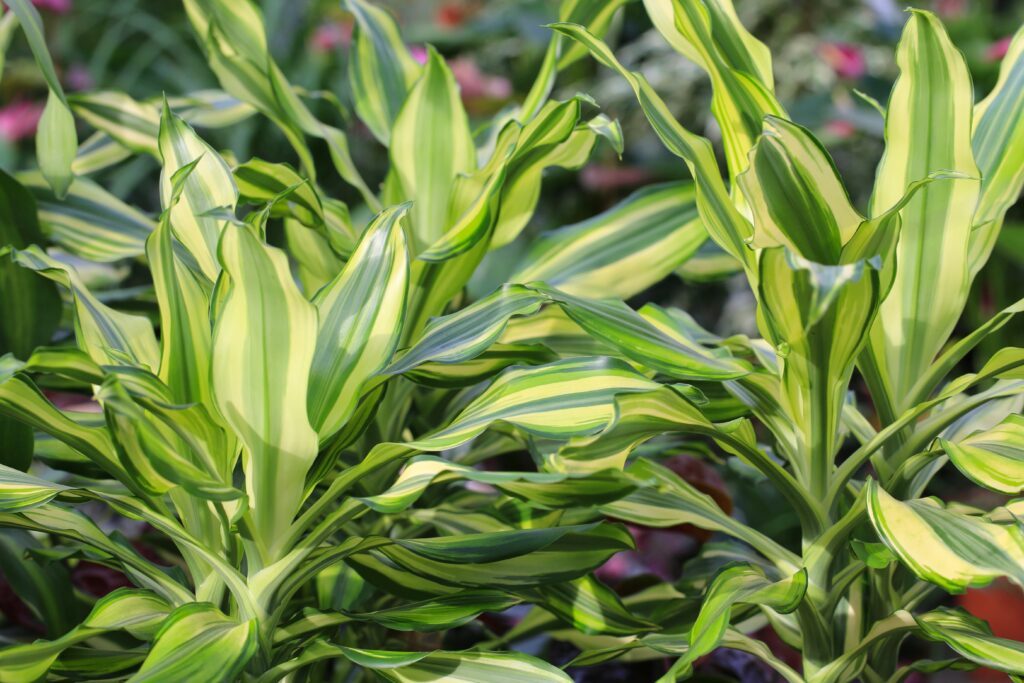
Dracaena plants are sturdy and adaptable, capable of bouncing back quickly from dry indoor air. Known for their long, slender leaves, they are perfect for low-light environments and are very resilient. When exposed to dry air, dracaenas may show signs of stress, but with proper hydration, they will recover quickly. They are a great option for homes with varying humidity levels.
Water your dracaena when the top of the soil feels dry, but avoid overwatering. Dracaenas prefer indirect sunlight and can adapt to low light conditions. They don’t need frequent feeding, but occasional fertilizer can help maintain their health. With a bit of attention, your dracaena will quickly bounce back and continue to grow.
Bamboo Palm
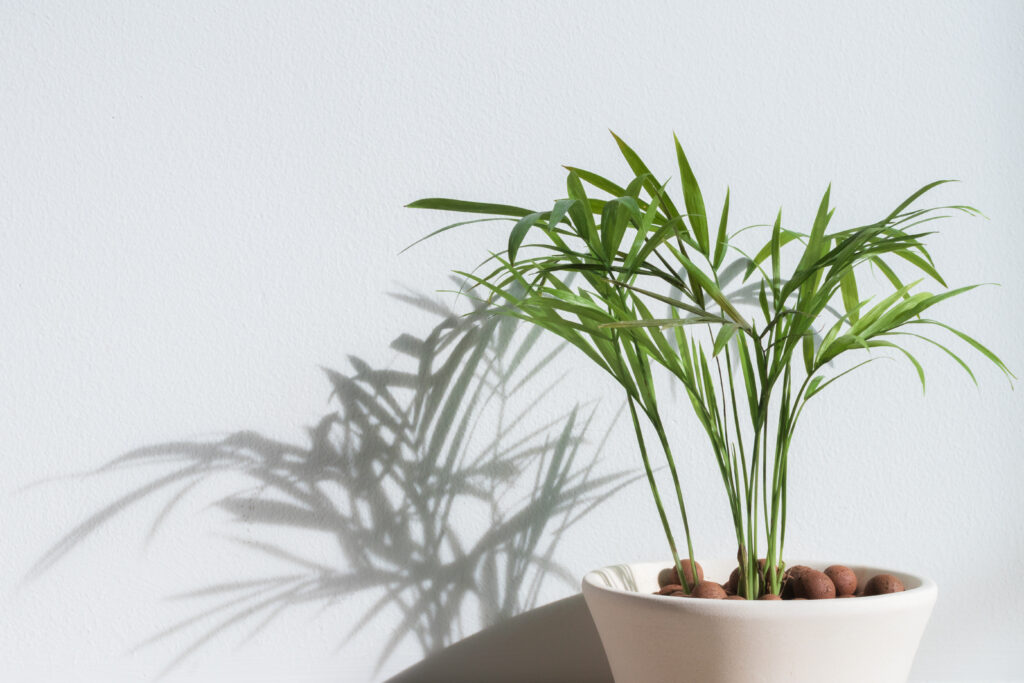
Bamboo palms are low-maintenance plants that are well-suited for homes with dry air. These plants can bounce back quickly from periods of dryness, and they thrive in low to medium light. Bamboo palms have feathery, tropical fronds that brighten up any space. Once hydrated, they will recover quickly and continue to grow.
To care for your bamboo palm, water it when the soil feels dry to the touch, but avoid letting it sit in water. These plants prefer indirect light but can tolerate low light environments. Bamboo palms also appreciate higher humidity, so misting the leaves occasionally can help them thrive. With proper care, bamboo palms will quickly bounce back from dry conditions and stay lush throughout the year.
This article originally appeared on Avocadu.