
13 Cool Season Herbs That Handle Cold Nights Better Than You Think
When the temperatures drop, it’s easy to think that most herbs can’t survive the chill. However, some herbs are more cold-tolerant than you might expect. These hardy plants continue to thrive even when the night air turns cold. Let’s explore these resilient herbs and how they make winter gardening possible.
This post may contain affiliate links, which helps keep this content free. Please read our disclosure for more info.
Parsley
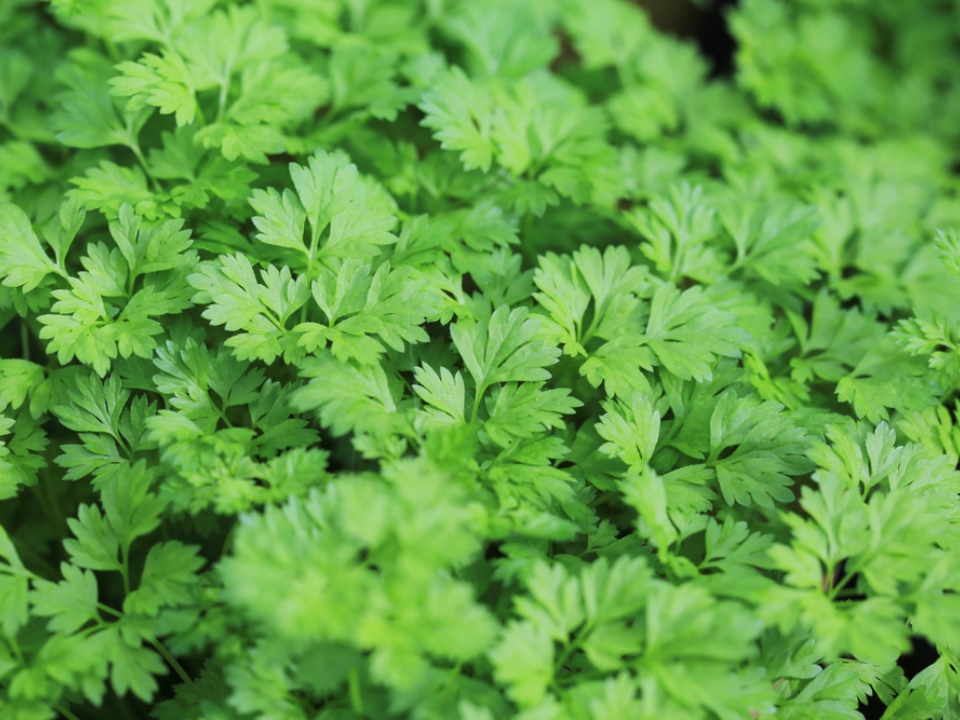
Parsley is a hardy herb that thrives even in cooler temperatures. With the ability to withstand temperatures as low as 20 degrees F, it’s perfect for planting in the early spring or late fall. This herb is well-loved for its fresh, vibrant flavor and remains resilient in colder weather. It continues to grow even after frost, ensuring a steady supply of fresh herbs during chilly months.
In addition to surviving the cold, parsley also grows well in both full sun and partial shade. It’s a versatile herb that can be used in a wide range of dishes, from salads to soups. The plant will continue to produce fresh leaves as long as it’s harvested regularly. If you’re looking to extend your harvest, parsley is an excellent option for your winter garden.
Thyme
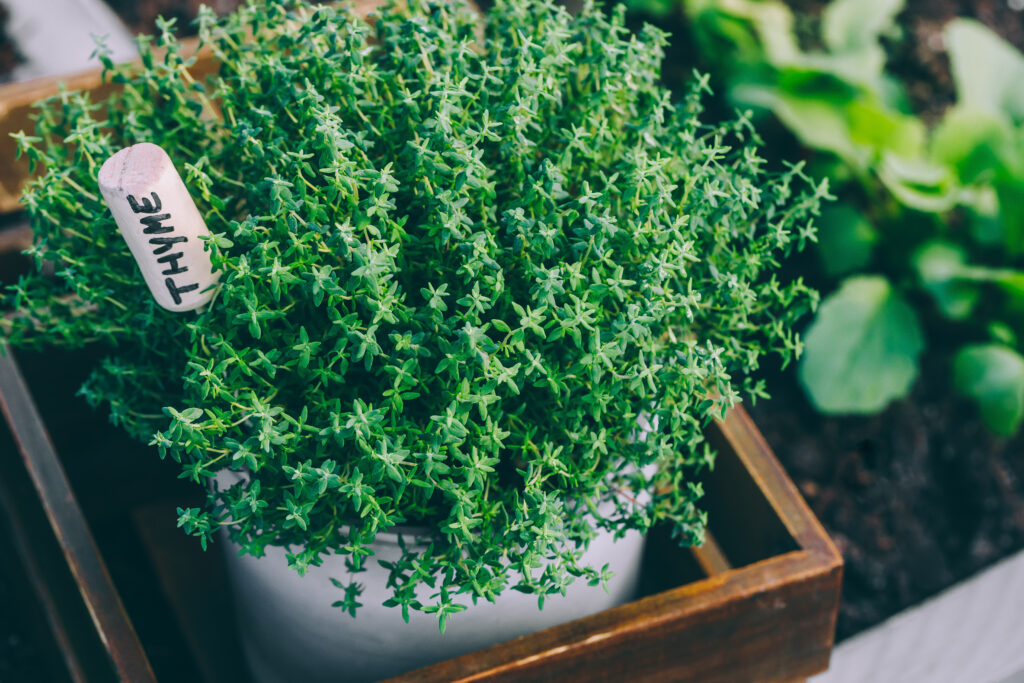
Thyme is another herb that handles the cold with ease. It can tolerate temperatures as low as 15 degrees F, which makes it an ideal choice for cold-weather gardens. Known for its earthy flavor, thyme is a staple in many cuisines and stays flavorful even during the frostier months. Whether used in soups, stews, or roasted dishes, thyme remains a reliable herb all year long.
This herb prefers full sun and well-drained soil, but it can withstand cooler temperatures better than many other herbs. Thyme’s hardiness means you can enjoy fresh herbs even after the temperatures drop. It’s also a great companion plant for other cold-weather herbs. Planting thyme in your garden will ensure a steady supply of flavor, even in the coldest months.
Mint
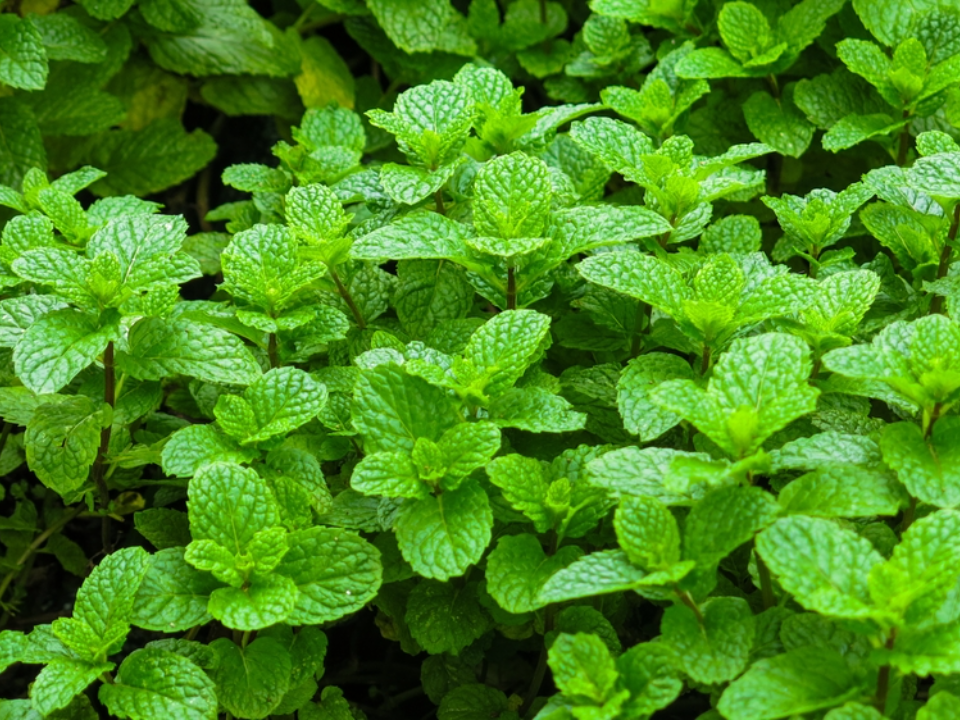
Mint is a cool-season herb that thrives even in the coldest temperatures. It can survive in temperatures as low as 20 degrees F and will continue to produce fresh leaves throughout the winter. Its refreshing flavor is perfect for teas, salads, or desserts, and it remains potent even after frost. Mint’s ability to handle cold nights makes it a popular herb among gardeners in colder regions.
Mint grows quickly and spreads easily, which makes it perfect for gardeners looking for a low-maintenance herb. It can tolerate partial shade but needs consistent moisture to keep its leaves fresh. Although mint is cold-tolerant, it can become invasive, so planting it in containers or with barriers is recommended. With its hardy nature, mint is a great addition to any garden.
Sage
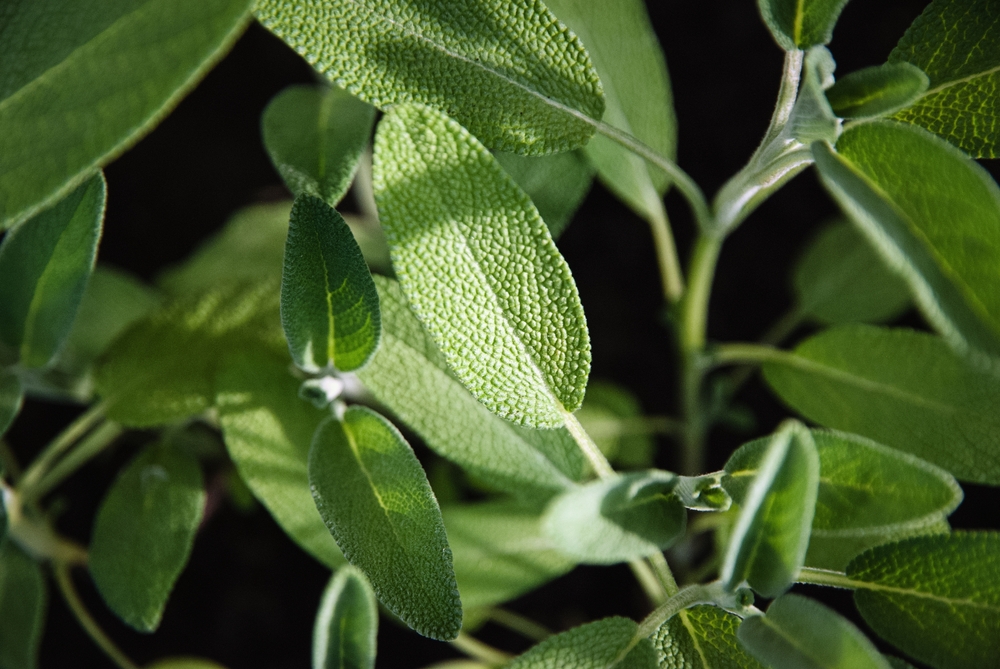
Sage is one of the most resilient herbs, able to withstand temperatures as low as 15 degrees F. Its earthy, savory flavor remains intact even in cold conditions, making it perfect for winter dishes. Sage thrives in full sun and well-drained soil, which allows it to continue growing even when the weather turns cold. It’s a go-to herb for hearty soups, meats, and other comfort foods during the colder months.
This herb’s cold tolerance means that even after a frost, sage’s flavor will remain strong. It’s an evergreen herb that offers year-round growth, making it ideal for extended harvesting. Sage can be grown in containers or directly in the garden, providing versatility for any space. With its hardiness and culinary value, sage is an essential herb for cool-season gardeners.
Chives
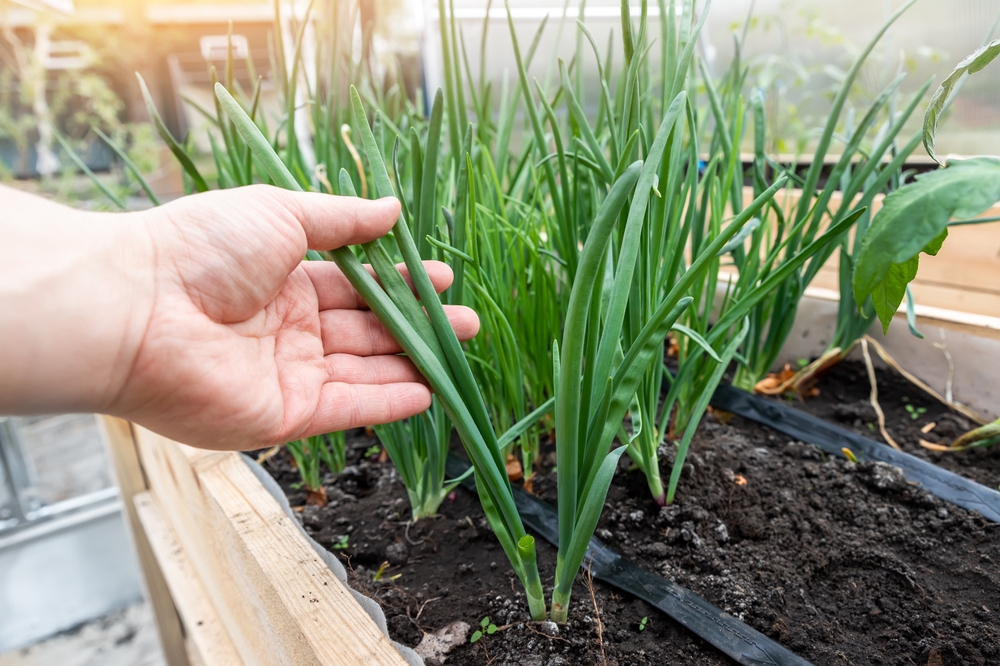
Chives are a cold-hardy herb that can handle freezing temperatures down to 25 degrees F. This herb’s mild onion flavor is a perfect addition to many dishes, from soups to salads, and it remains fresh even after frost. Chives can be grown in a variety of conditions and are excellent for extending your herb garden’s harvest into the winter. Their resilience to the cold makes them a reliable choice for late-season gardening.
Chives thrive in full sun but can also tolerate partial shade, making them adaptable to different garden environments. They grow in clumps, and as they spread, they can be easily divided to create new plants. Despite colder temperatures, chives bounce back with new growth after a frost. They are an excellent, low-maintenance herb that can be harvested well into the colder months.
Cilantro
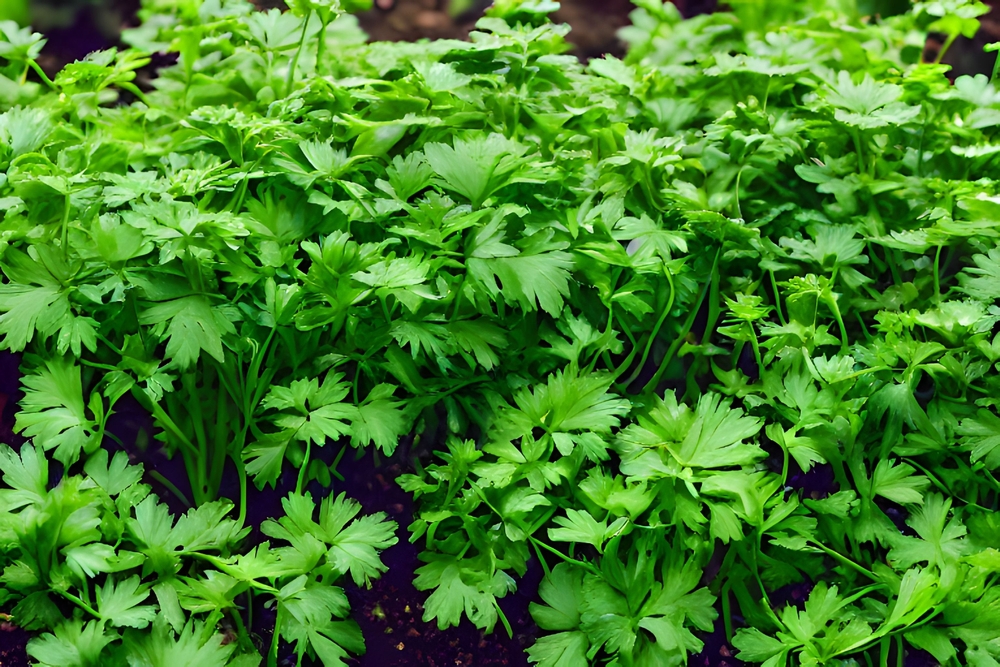
Cilantro is a cool-season herb that thrives in temperatures as low as 30 degrees F. While it’s known for bolting in warmer temperatures, cilantro can handle light frosts and continues to grow in cooler weather. Its bright, citrusy flavor is perfect for fresh salsas, curries, and garnishes, and it remains flavorful even in the cold. Cilantro’s ability to endure chilly nights makes it an ideal herb for fall and winter gardens.
Plant cilantro in well-drained soil and full sun for the best results. While it may bolt as temperatures warm up, it can be harvested through early winter before this happens. Cilantro grows quickly and can be harvested repeatedly, ensuring a fresh supply of herbs throughout the cooler months. Its cold tolerance and versatility in the kitchen make it a must-have herb for your garden.
Fennel
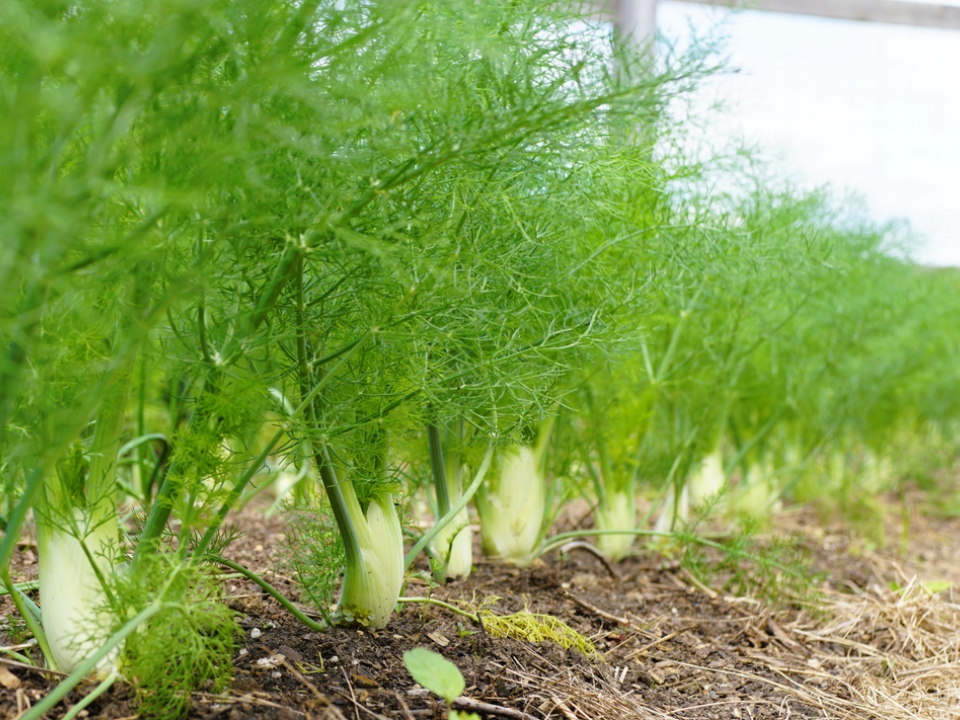
Fennel is a versatile herb that can survive cold nights, tolerating temperatures down to 30 degrees F. Its feathery fronds have a mild anise flavor, which remains strong even through frost. Fennel is great for adding a unique flavor to salads, stews, and seafood dishes. Its ability to handle cold weather makes it an excellent choice for gardeners in colder climates.
Fennel prefers full sun and well-drained, fertile soil to grow, and it can be harvested for its fronds or its bulb. The plant’s resilience to frost allows it to keep growing into late fall and early winter. Fennel is a perennial herb, which means it will continue to provide fresh herbs for many seasons. Its cold resistance and flavorful profile make fennel a great addition to your winter garden.
Oregano
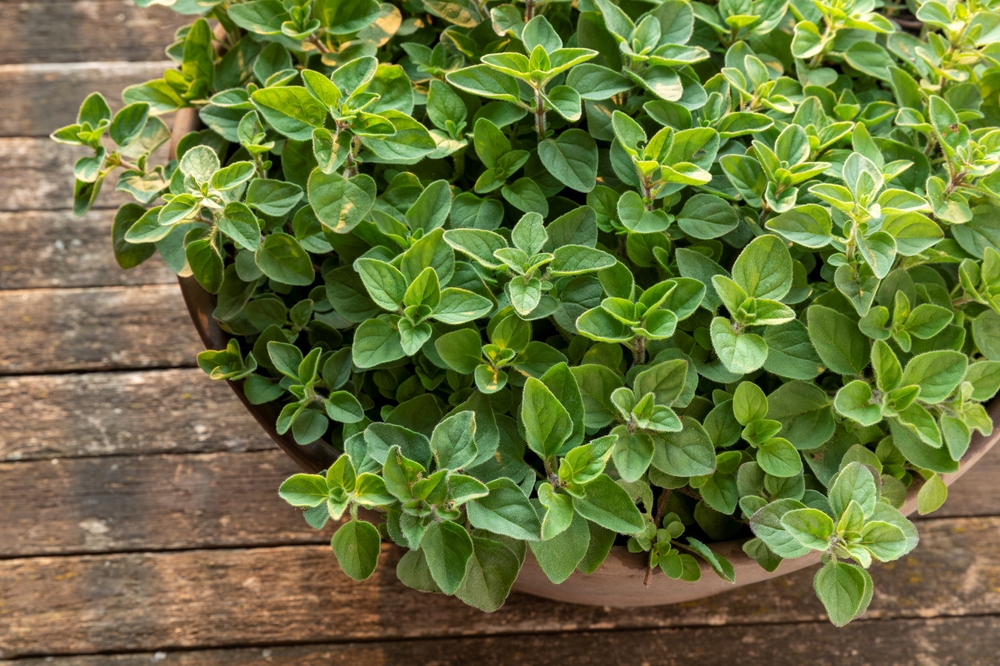
Oregano is a hardy herb that thrives even in cooler temperatures, withstanding cold nights as low as 25 degrees F. It’s perfect for gardeners in regions with chilly winters, as its robust flavor remains intact even after frost. Oregano is commonly used in Mediterranean cooking and pairs well with meats, pasta, and sauces. This herb’s ability to endure the cold makes it an essential herb for winter cooking.
This herb grows best in full sun and well-drained soil but can survive cooler temperatures better than many other herbs. Oregano is easy to grow and will continue to produce fresh leaves for harvesting well into the winter. It’s a perennial herb, so it will return year after year, offering a reliable supply of fresh herbs. Oregano’s cold tolerance and culinary uses make it an indispensable herb for cold-season gardening.
Tarragon
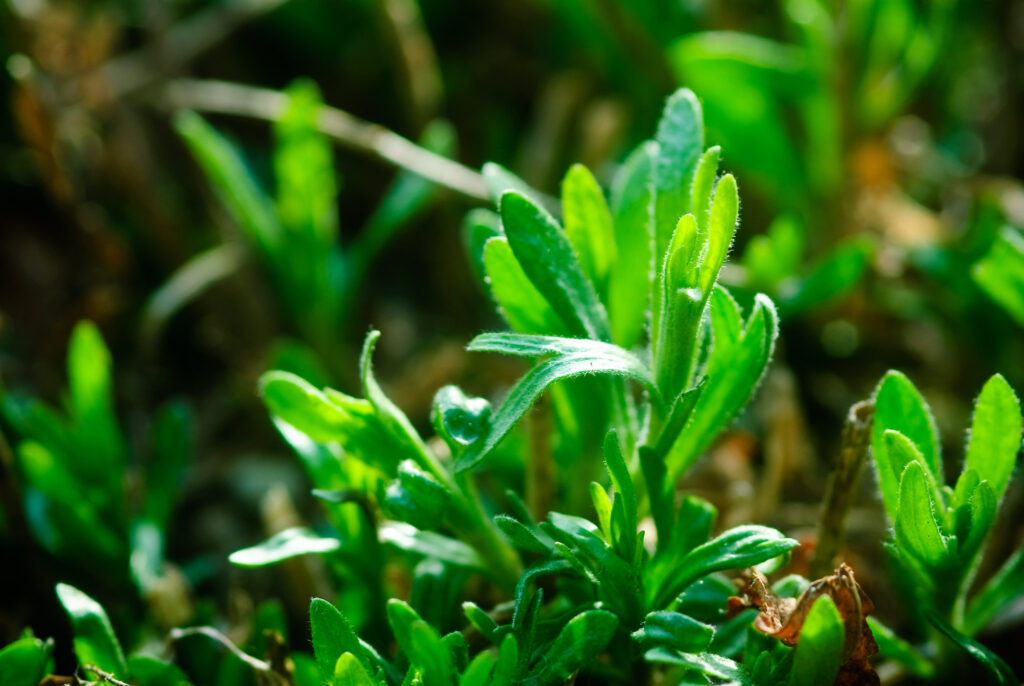
Tarragon is a cold-tolerant herb that can endure temperatures as low as 30 degrees F. Known for its delicate, licorice-like flavor, tarragon adds a distinct taste to French cooking, especially in sauces and dressings. It thrives in cooler temperatures and can be harvested even after frost has set in. Tarragon’s ability to survive cold nights ensures a continuous supply of fresh herbs during the colder months.
This herb grows best in full sun and well-drained soil, making it suitable for various garden conditions. While it may go dormant in very harsh conditions, it will bounce back with new growth in the spring. Tarragon’s cold tolerance and rich flavor make it an excellent choice for any herb garden. Its hardiness ensures that it will continue to be a valuable part of your cooking through the colder seasons.
Lemon Balm
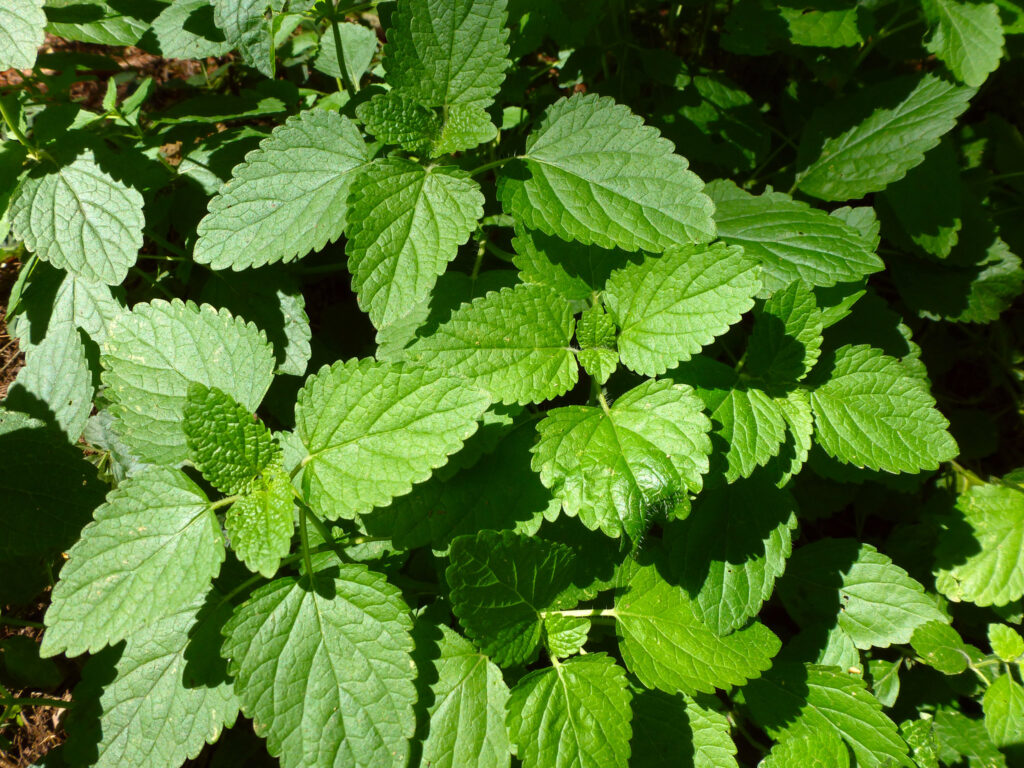
Lemon balm is a resilient herb that can handle light frost and cold nights, tolerating temperatures as low as 25 degrees F. This herb has a mild lemon flavor and is often used in teas, desserts, and salads. Its ability to survive through chilly nights makes it a great option for late-season harvests. Even with frost, lemon balm continues to produce fresh, aromatic leaves for harvesting.
A full sun to partial shade and moist, well-drained soil is needed. It grows quickly and can be harvested multiple times during the growing season. The herb’s cold tolerance allows it to thrive even in cooler temperatures. Lemon balm is perfect for gardeners looking for an easy-to-grow, cold-hardy herb to enjoy throughout the colder months
Dill
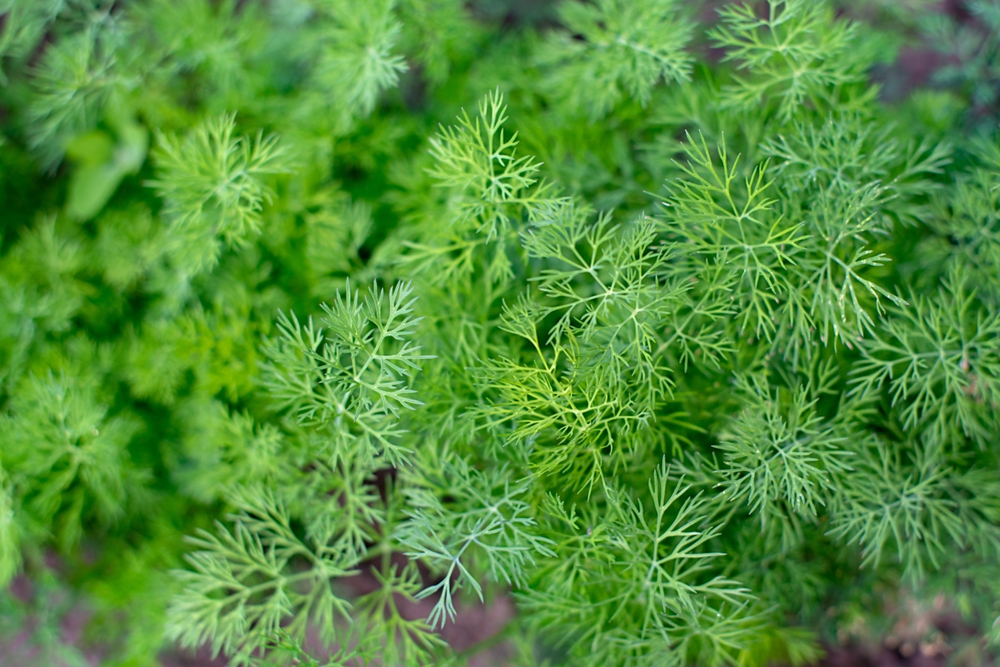
Dill is another cool-season herb that can handle cold nights. It can tolerate temperatures down to 28 degrees F, allowing it to thrive through early frost. Dill’s feathery leaves and aromatic flavor are commonly used in pickling and various dishes. Its ability to handle the cold makes it a great herb to plant early in the spring or late in the fall.
This herb prefers full sun and well-drained soil for optimal growth. This herb has a quick growth cycle and can be harvested throughout its growing season. It’s a good companion for other cool-season herbs, and it attracts beneficial insects to the garden. Dill’s cold resistance ensures you can enjoy fresh herbs for a longer period.
Basil
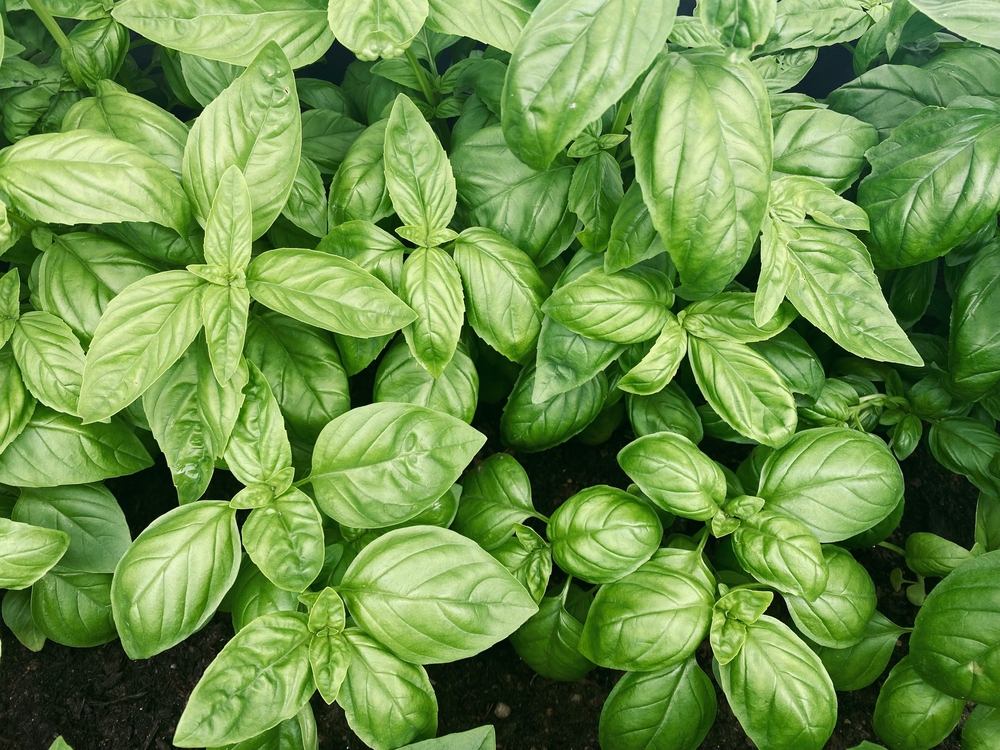
Basil is known for its preference for warm weather, but there are cold-tolerant varieties that can handle light frost. It can survive temperatures down to 32 degrees F, which is perfect for late fall gardens. Basil’s bright, aromatic leaves continue to thrive in cooler weather, giving a burst of flavor even in the chill. Its ability to tolerate cold nights makes it a great herb for fall harvests.
Basil needs full sun to grow and should be planted in well-drained soil for optimal growth. While it’s not as cold-hardy as some herbs, it can survive light frosts and continue to provide fresh leaves. Basil is great for making fresh pesto or adding to salads, making it a versatile herb in the kitchen. Its cold tolerance makes it a great choice for gardeners in temperate climates.
Chervil
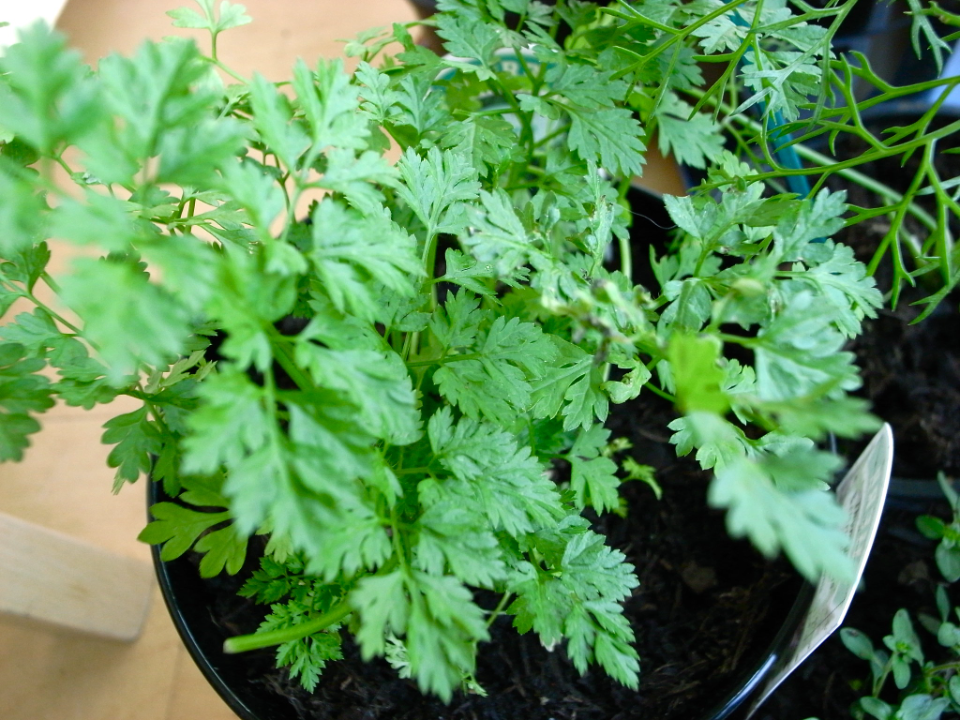
Chervil is a delicate herb that thrives in cooler temperatures, making it perfect for cool-season gardening. It can handle temperatures as low as 40 degrees F, though it should be protected from heavy frost. Its mild, parsley-like flavor makes it an excellent addition to soups, salads, and fish dishes. Chervil’s ability to handle the cold makes it an excellent herb for late-season harvesting.
Chervil grows best in partial shade and well-drained soil. It’s a fast-growing herb, allowing you to enjoy its fresh flavor throughout the fall. The plant’s cold tolerance makes it an ideal herb for cooler months. Chervil can be used in many dishes, adding a subtle, fresh flavor to various recipes.
This article originally appeared on Avocadu.