
13 Plants With Interesting Bark Or Stems That Carry A Garden In Winter
Winter gardens can still hold their charm, even when flowers aren’t in bloom. While most plants fade into the cold, some stand out with striking bark and unique stems. These plants bring texture and color to the garden, offering beauty even in the harshest months. If you’re looking to add some winter interest to your garden, these plants should be on your radar. Keep reading to find out how they can make your space feel alive, no matter the season.
This post may contain affiliate links, which helps keep this content free. Please read our disclosure for more info.
Paper Birch (Betula papyrifera)
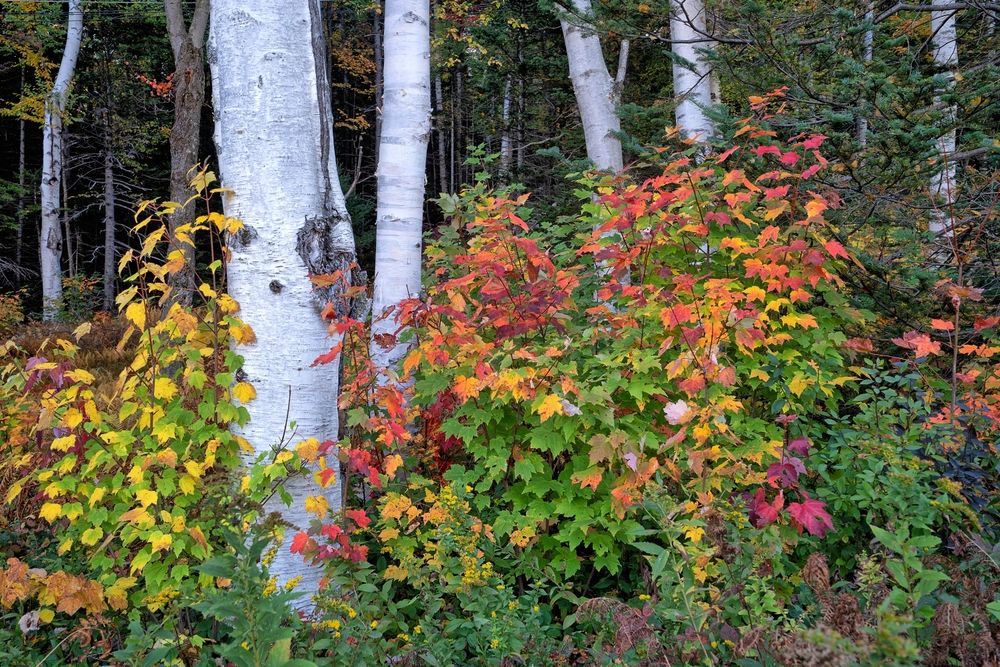
Paper Birch is famous for its white, papery bark that peels away in thin, translucent layers. The peeling bark gives the tree an almost sculptural look, especially when it’s exposed to the cold winter air. Its stark, white color contrasts beautifully against a backdrop of evergreen trees or snow. This tree’s unique bark continues to make a statement in the garden long after the leaves have fallen.
Despite its soft appearance, Paper Birch is hardy and can withstand the cold months. It’s commonly found in temperate climates and thrives in well-drained soil. As a fast-growing tree, it’s perfect for adding instant winter appeal. Its bark also creates a visually stimulating texture when paired with low-growing plants or as part of a mixed woodland area.
Red Twig Dogwood (Cornus sericea)
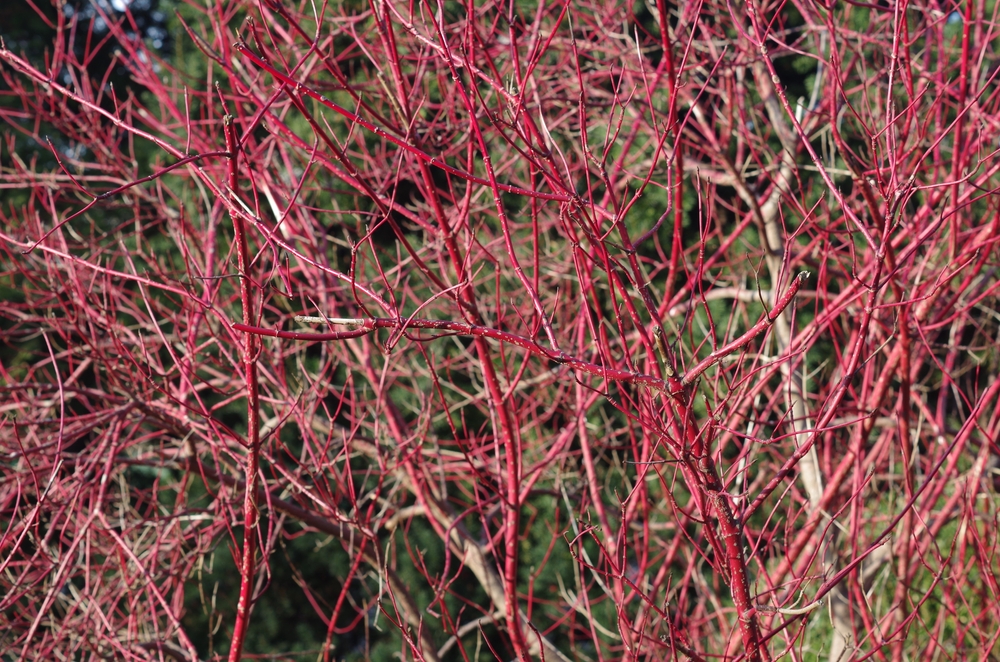
Red Twig Dogwood is an easy-to-grow shrub known for its striking red stems, which intensify during the winter months. This plant’s bold, red branches provide excellent contrast against white snow, making it a popular choice for winter gardens. It thrives in wet areas and can be pruned back each spring to promote new growth with even more vibrant stems.
Besides its winter beauty, Red Twig Dogwood also attracts wildlife, providing shelter and food for birds. In summer, it’s covered with clusters of white flowers, but it’s the vibrant red stems in winter that make it truly stand out. This shrub is perfect for creating visual interest along borders, near ponds, or in areas where the soil retains moisture.
River Birch (Betula nigra)
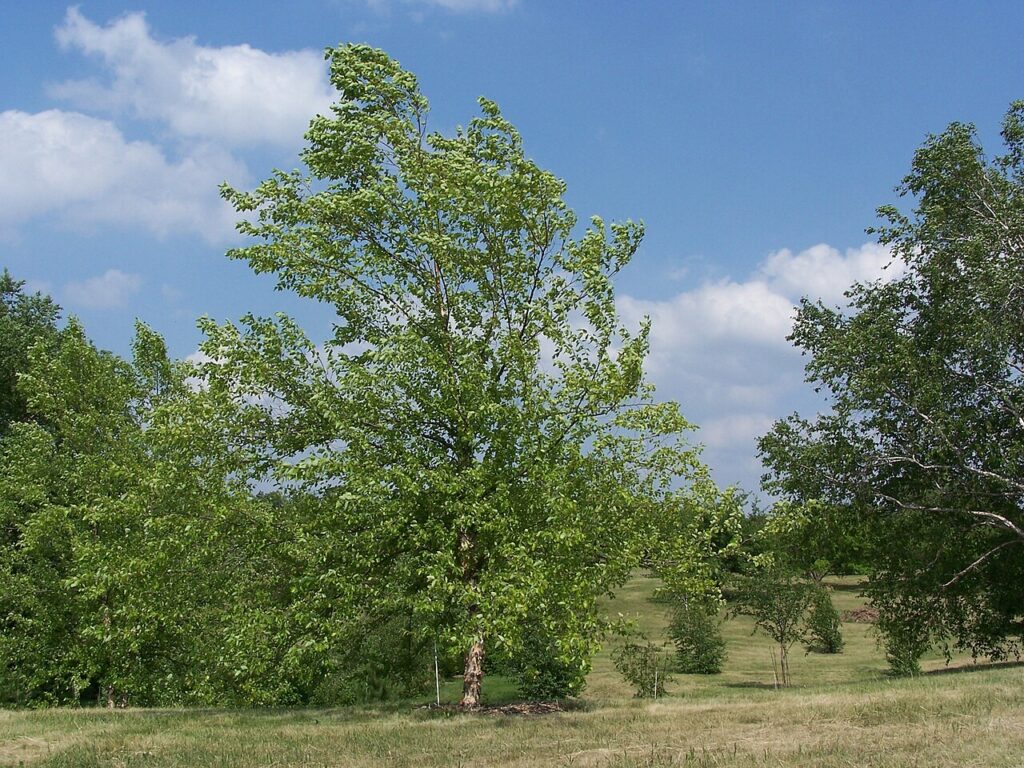
The River Birch is another birch species that stands out for its unique bark. In contrast to the smooth white bark of the Paper Birch, the River Birch has a more rugged, exfoliating bark that peels in layers, revealing shades of cinnamon, brown, and tan. The tree’s multi-colored bark adds warmth to winter landscapes, making it a valuable addition to any garden. It thrives in wet soils, often growing along streams and rivers.
River Birch is also known for its flexibility, often bending with the wind without breaking. Its bark, which sheds in strips, continues to add beauty long after the leaves have fallen. This tree is perfect for those looking for a low-maintenance plant that thrives in moist, shaded areas. The peeling bark provides texture, creating an interesting focal point even in the coldest months of the year.
Japanese Maple (Acer palmatum)
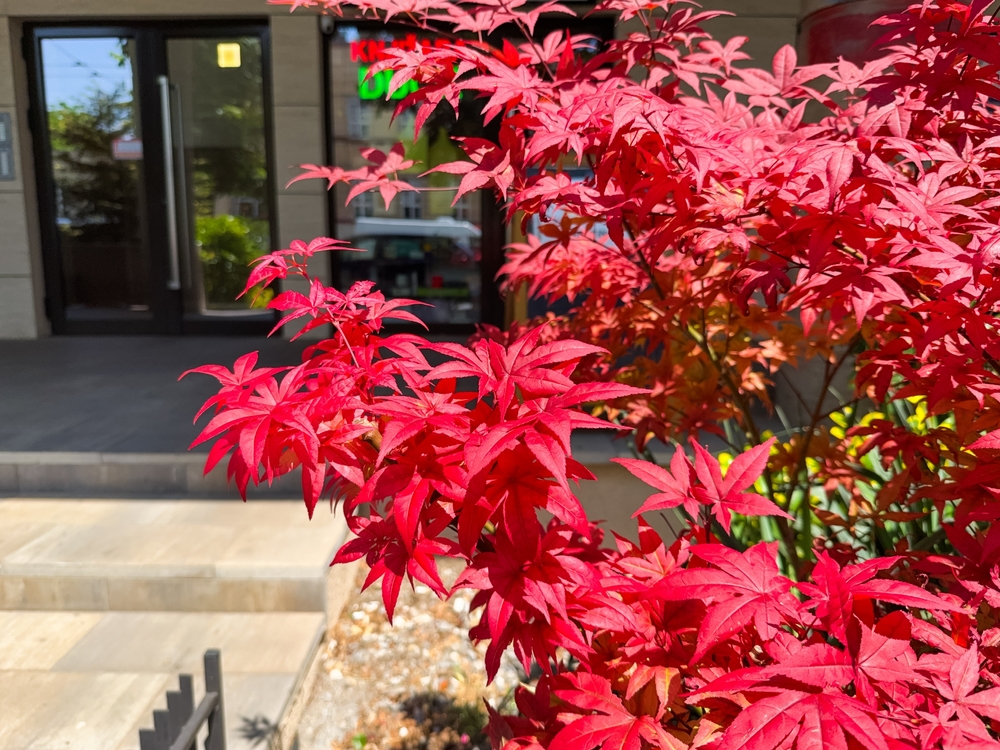
Japanese Maple trees are prized for their delicate leaves, but their interesting bark deserves just as much attention. In the winter, many Japanese Maples display smooth, greyish-brown bark that adds a subtle yet sophisticated touch to any garden. Some varieties, like the ‘Bloodgood’ Japanese Maple, feature stunning red stems that continue to catch the eye throughout the colder months. The overall structure of these trees is often elegant, making them stand out even in the off-season.
These trees thrive in well-drained, slightly acidic soil and prefer partial shade, making them suitable for many garden settings. Their compact size makes them ideal for smaller gardens or containers. When planted in the right conditions, Japanese Maples provide year-round interest, with their branches casting beautiful shadows on snowy days. Their bark and stem colors enhance their charm, making them a must-have for winter gardens.
Harry Lauder’s Walking Stick (Corylus avellana ‘Contorta’)
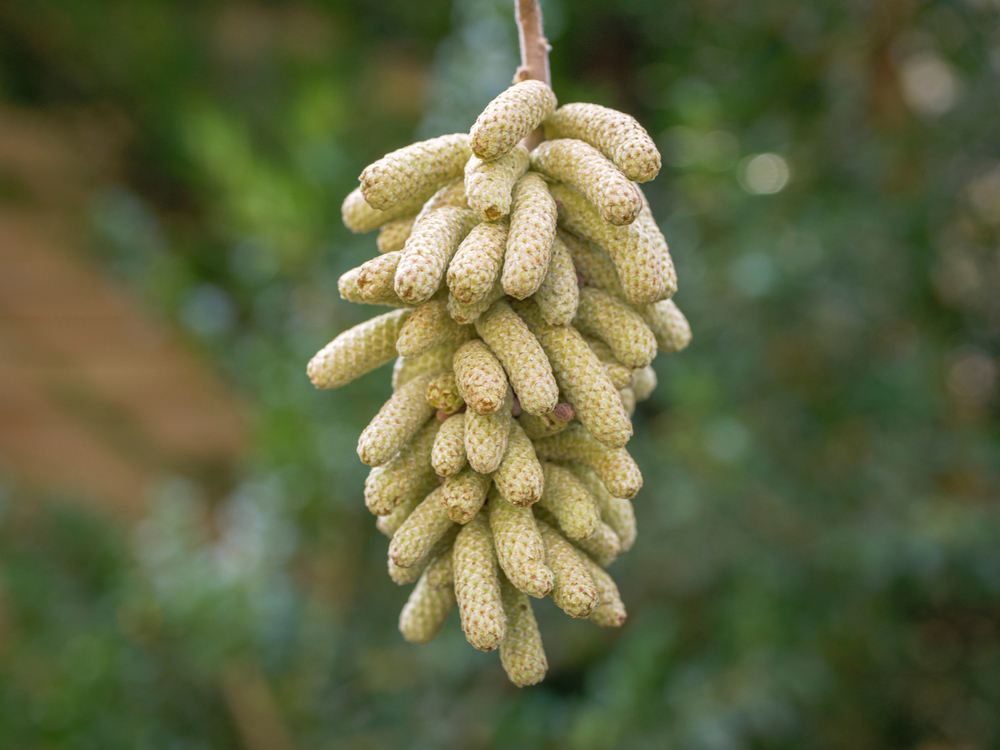
Harry Lauder’s Walking Stick is a fascinating shrub that steals the show with its contorted, twisting stems. These unique branches, which spiral and bend in every direction, stand out dramatically against a backdrop of snow or frosted landscapes. In winter, the plant’s bare branches reveal its twisted structure in full, adding an element of surprise to the garden. This plant’s unusual form brings a whimsical, almost magical quality to the space.
The Walking Stick’s stems are often used in floral arrangements due to their striking appearance. Its small, inconspicuous flowers bloom in early spring, followed by large, edible hazelnuts. Despite its odd shape, this shrub is hardy and can grow in a variety of conditions. It makes a great conversation piece in gardens, especially in areas where it can be admired from multiple angles.
Lacebark Pine (Pinus bungeana)
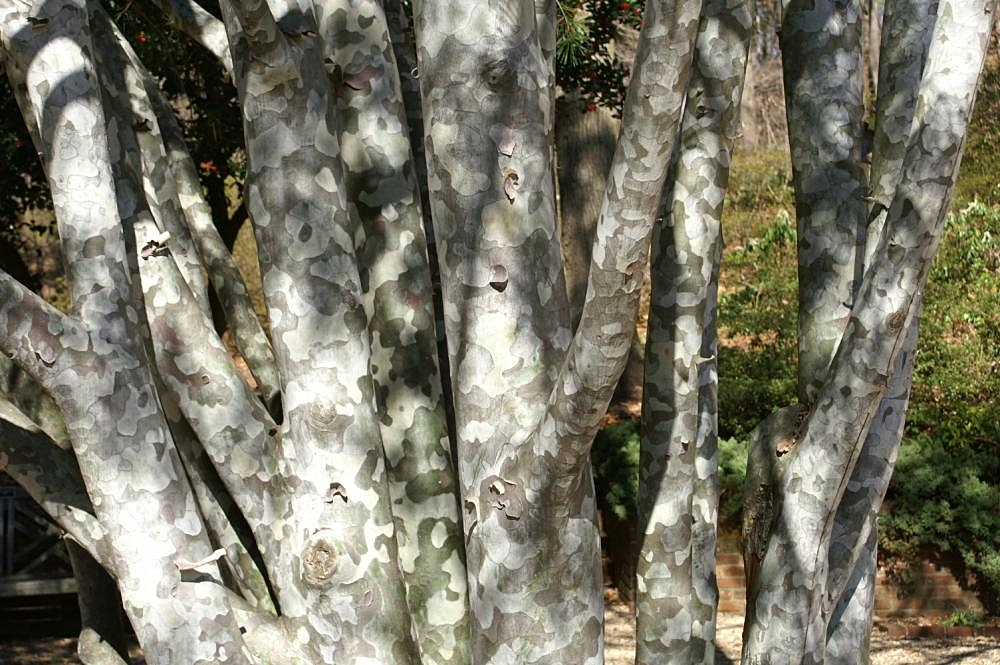
The Lacebark Pine is known for its striking bark, which peels off in patches to reveal a smooth, multicolored trunk underneath. The bark changes from shades of green and white to gray and brown, creating a patchwork of colors that look especially beautiful during the winter months. Its unique bark adds both texture and visual interest to a garden, making it a standout in any landscape design.
This pine tree’s bark is not its only attractive feature. Its long, slender needles add a soft, wispy texture to the garden, while its unique trunk structure creates year-round beauty. Lacebark Pines are drought-tolerant and thrive in full sunlight, making them easy to care for. Their striking appearance and hardiness make them a perfect addition to any winter garden.
Silver Birch (Betula pendula)
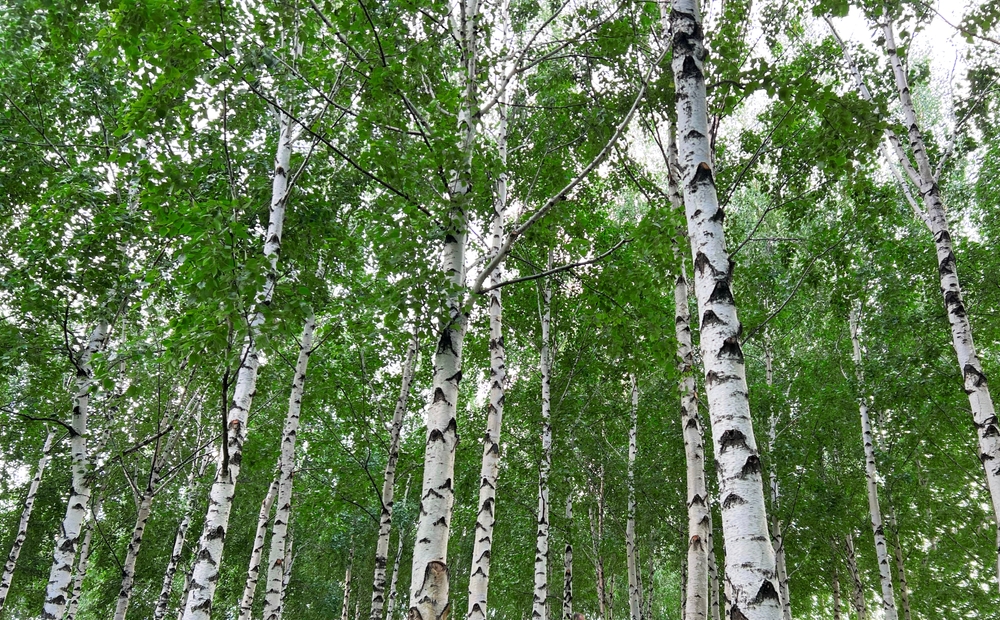
Silver Birch trees are known for their beautiful, white bark that shines like silver in the sunlight, especially during the winter months. Their elegant form, with slender branches and a graceful canopy, makes them a popular choice for adding structure to a winter garden. The bark peels in thin, paper-like strips, creating a striking contrast against snow-covered ground.
These trees grow quickly and can adapt to a variety of soil types, though they thrive in well-drained, slightly acidic soil. Silver Birches often serve as focal points in gardens due to their striking appearance and rapid growth. In winter, their white bark stands out against the muted colors of the season, making them a valuable asset to any landscape. They’re perfect for adding a touch of brightness and elegance to a garden, even when most other plants have lost their color.
Witch Hazel (Hamamelis virginiana)
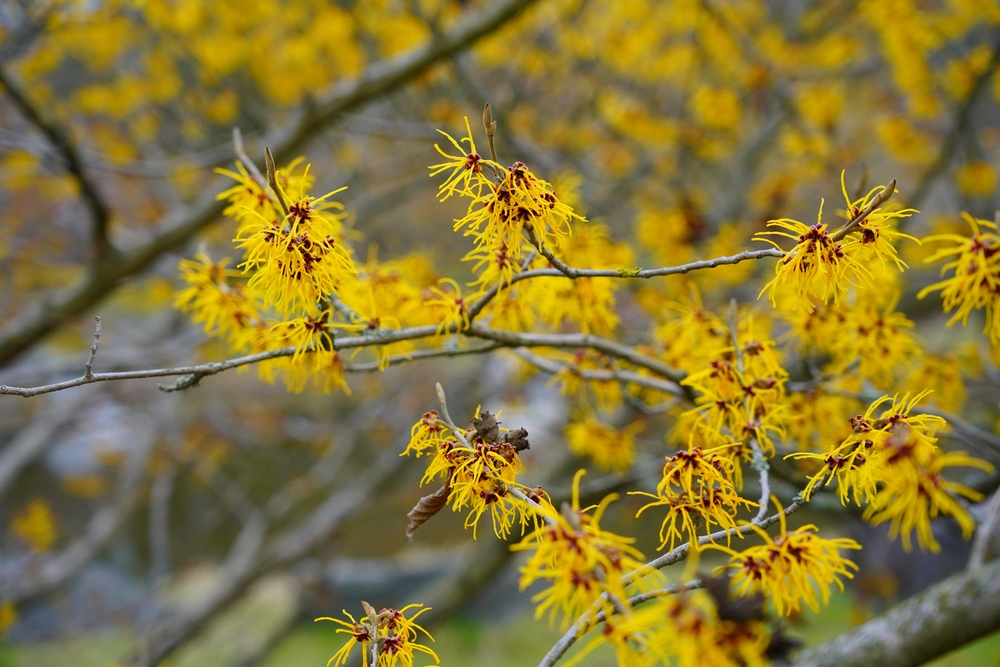
Witch Hazel is a shrub known for its striking yellow flowers that bloom in late winter or early spring. However, it is its unique bark that captures the eye during the colder months. The bark has a smooth, light brown appearance, and its twisted branches are an interesting feature when the plant is bare. Witch Hazel’s bark and branching pattern add texture and structure to a winter garden.
In addition to its winter beauty, Witch Hazel has medicinal uses, with its extract being popular for soothing skin irritations. It thrives in moist, well-drained soil and is perfect for planting in woodland gardens or near water features. This plant adds a layer of sophistication to any garden, with its bright blooms and interesting bark serving as a reminder that winter can be just as beautiful as any other season.
Chilean Pine (Araucaria araucana)
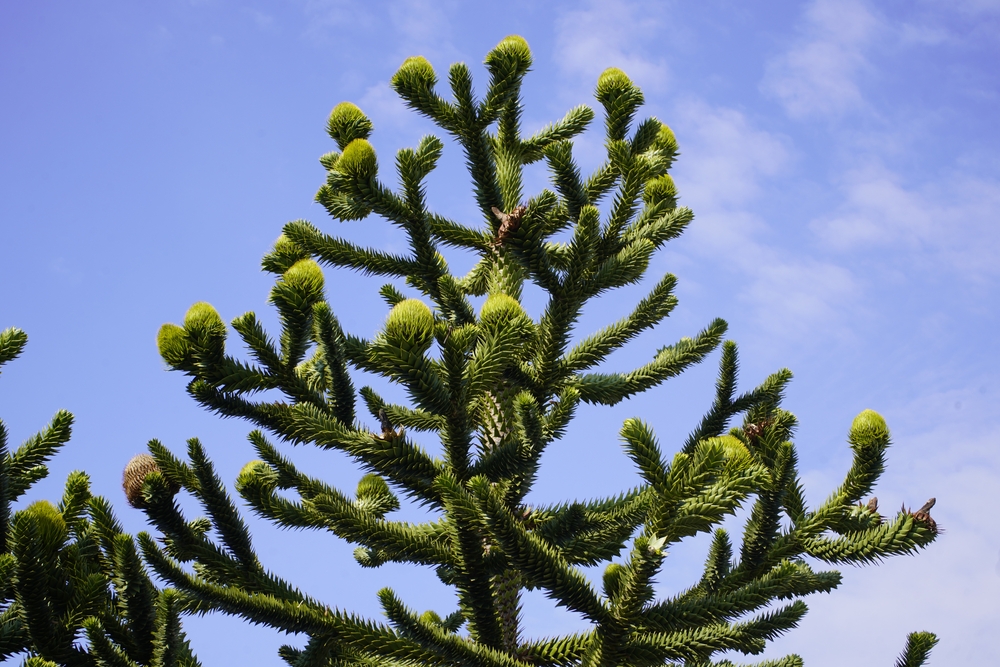
Chilean Pine, also known as the Monkey Puzzle Tree, is a slow-growing evergreen with a unique, angular form. Its branches are covered in stiff, triangular leaves that give the tree a geometric, almost alien appearance. The tree’s bark is rough and gray, with deep ridges that become more prominent with age, creating visual interest in the winter months. The Chilean Pine stands out as an evergreen that maintains its striking form even in colder weather.
This tree’s unique appearance and slow growth make it a valuable addition to any garden. It’s perfect for adding architectural interest and texture to the landscape. While it requires well-drained soil and full sun, it’s generally a low-maintenance plant. Its unusual form makes it a conversation piece and a standout addition to any winter garden.
Boxelder Maple (Acer negundo)
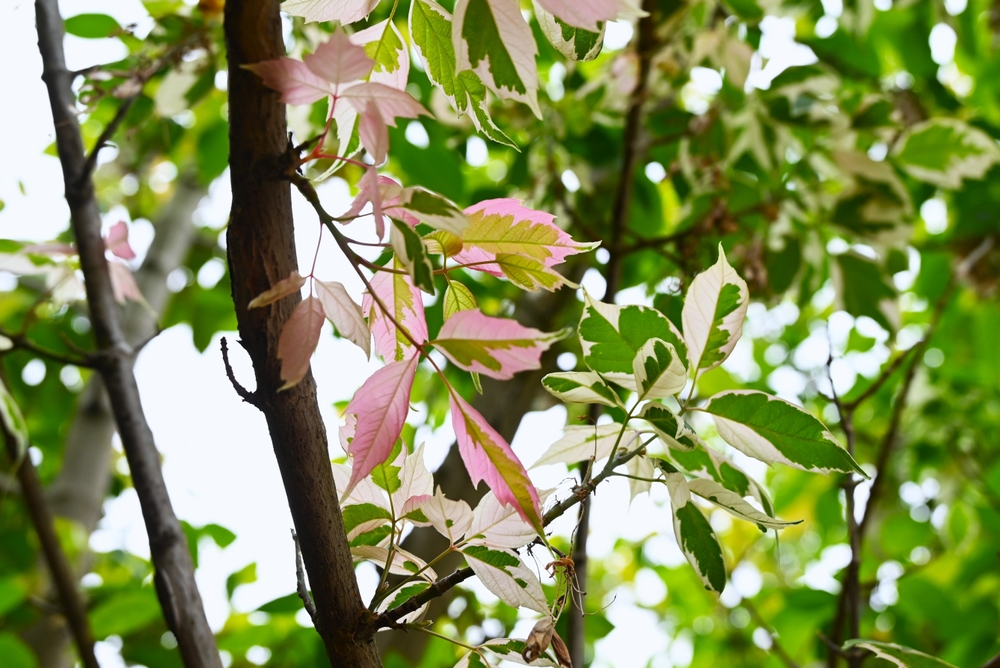
Boxelder Maple trees are often overlooked, but their bark offers a fascinating texture that is particularly noticeable in the winter. The bark is typically gray to light brown, with patches that peel off in a way that gives the tree an interesting appearance. The tree’s delicate branches are also noteworthy, providing a soft, airy texture when bare. These trees grow quickly and can thrive in a variety of climates and soil conditions.
Boxelder Maples are perfect for planting in areas where you want to add some height and texture to your winter garden. Their bark offers year-round interest, while their branches create a graceful structure. This tree is easy to care for, making it a great choice for those looking to add a bit of character to their garden without a lot of maintenance. The combination of bark texture and form makes it a great choice for winter landscapes.
Yew (Taxus baccata)
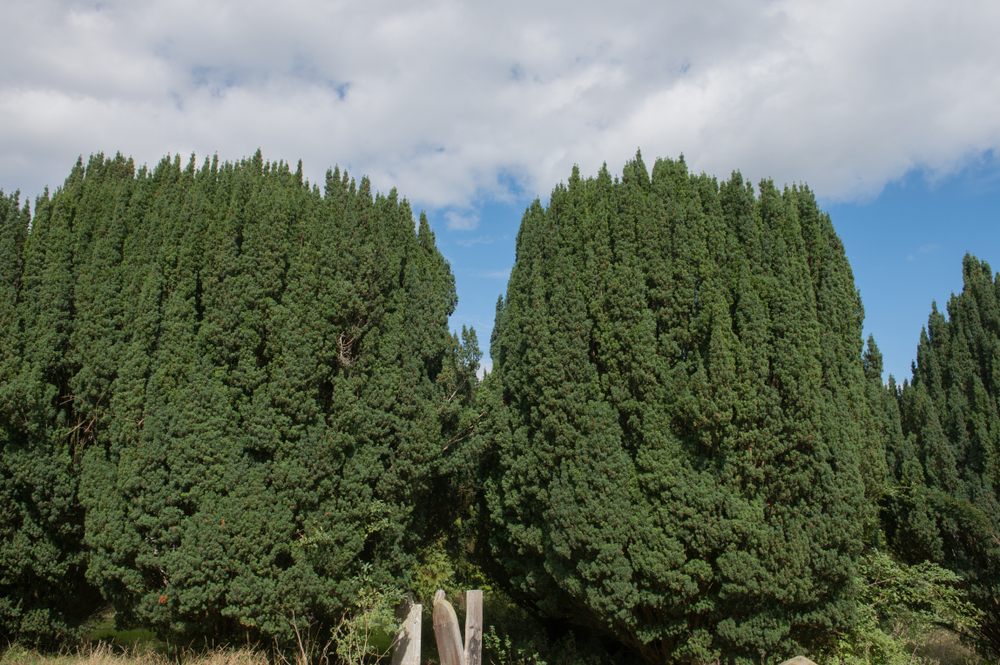
The Yew is a classic evergreen shrub or tree that provides structure to the garden throughout the year. Its dark green needles add softness, while its bark is smooth and reddish-brown, peeling off in strips as the tree matures. This tree’s consistent appearance, along with its evergreen nature, makes it a great choice for creating a garden that has year-round appeal. In winter, the contrast of the red bark against the snow adds a touch of color and warmth.
Yews are highly versatile, able to thrive in both sun and shade, and they are tolerant of a variety of soil types. They are often used in hedges or as focal points in winter gardens. Their bark and dense foliage make them perfect for adding structure and interest. The evergreen nature of the Yew ensures that it will continue to provide beauty even as other plants fade into the background.
Osier Willow (Salix viminalis)
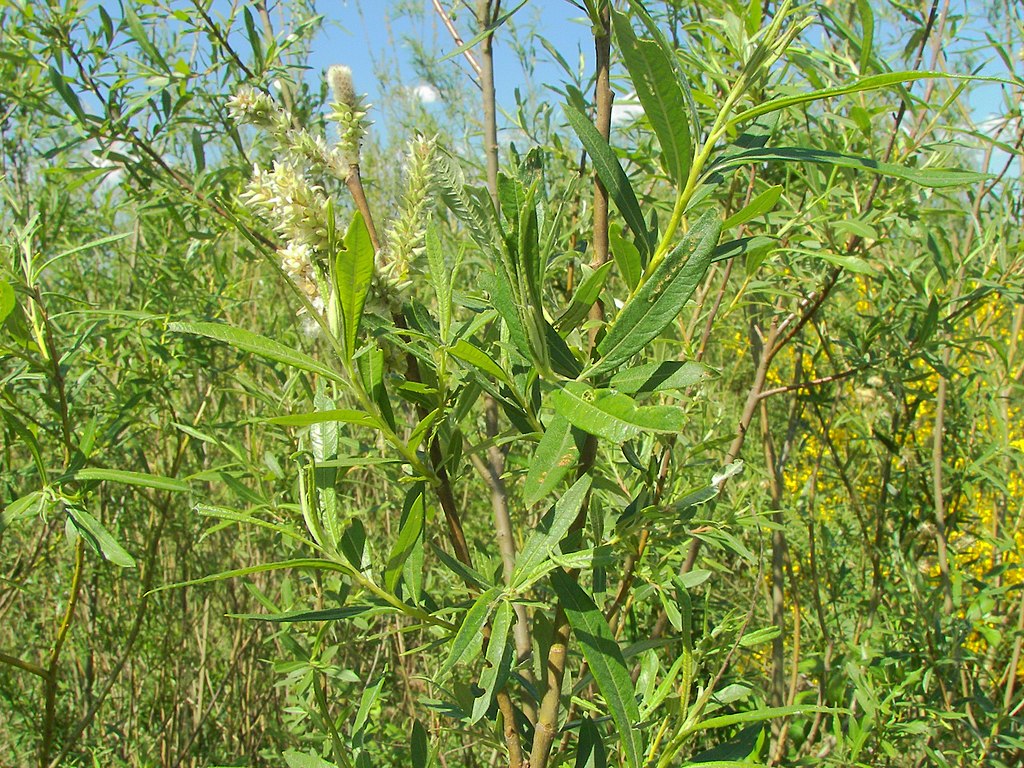
The Osier Willow is a fast-growing shrub with distinctive, colorful stems. Its long, slender branches turn bright yellow or red in winter, creating a beautiful contrast against the otherwise muted colors of the season. The plant’s unique stems are perfect for adding texture and interest to a winter garden, especially when they catch the light or snow. The Osier Willow is often used in basket weaving, as its pliable stems are ideal for crafting.
This shrub thrives in moist soil, making it perfect for planting along streams or in damp areas. In addition to its aesthetic appeal, the Osier Willow provides habitat and food for wildlife, making it a great addition to any garden. Its bold colors and flexible branches make it stand out, offering a pop of color when the garden needs it most. It’s a great option for gardeners looking to add dynamic texture to their space during winter.
Mountain Ash (Sorbus aucuparia)
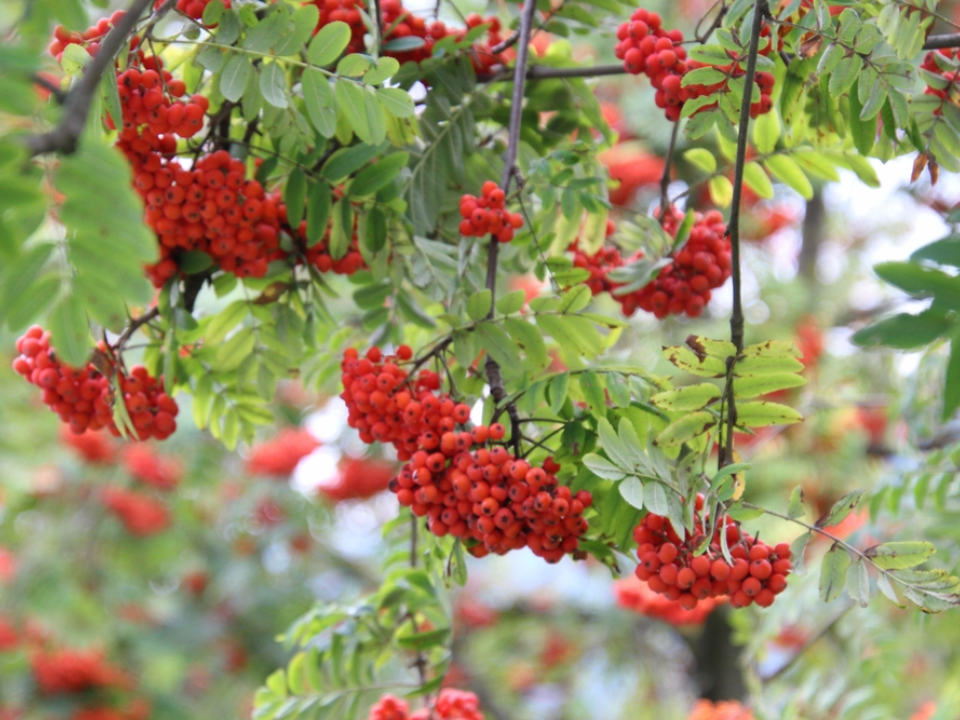
Mountain Ash is a small tree known for its bright red berries, which persist through the winter, offering a splash of color when the garden is otherwise bare. Its bark is smooth grayish-brown, with noticeable lenticels that add texture to the tree’s appearance. During the colder months, the contrast between the smooth bark and the vivid berries makes the Mountain Ash a striking addition to any winter garden.
Mountain Ash trees are hardy and adaptable, thriving in a variety of climates. They are perfect for creating a focal point in a garden with their colorful berries and unique bark. The tree’s compact size makes it ideal for smaller gardens, and its berries are loved by birds. This tree offers both beauty and function, making it a popular choice for winter gardens.
This article originally appeared on Avocadu.