
13 Herbs That Can Handle an Early Start Outdoors
When spring rolls around, many gardeners are eager to get their herbs started, but they often worry about the unpredictable weather. Fortunately, there are a number of herbs that are tough enough to handle cooler temperatures, so you can plant them early without stressing too much. These hardy herbs can tolerate light frosts and still thrive, offering you fresh flavors for your meals. Whether you’re looking to add a punch of flavor to your dishes or simply enjoy the fragrance of fresh herbs in your garden, these plants are a great choice. By choosing the right herbs, you can start growing early and even enjoy some homegrown harvests before the warmer weather fully sets in. With just a little preparation, these herbs will give you the confidence to plant ahead, knowing they will thrive.
This post may contain affiliate links, which helps keep this content free. Please read our disclosure for more info.
Chives
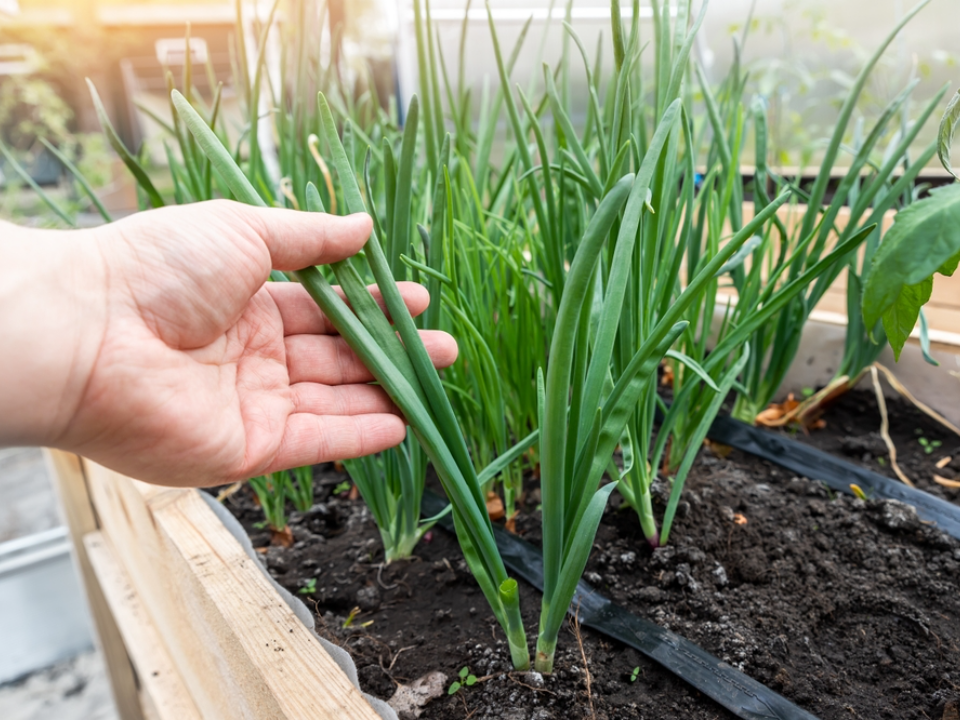
Chives are a great herb to start early in the season. They thrive in cool weather and are quite hardy, which makes them perfect for planting when the temperature is still low. Chives are easy to grow and can even withstand light frosts, so you do not have to worry about them getting damaged by a cold snap.
They prefer well-drained soil and need plenty of sunlight to flourish. As they grow, chives produce delicate, edible purple flowers that can be used in dishes for added flavor and decoration. When you plant them early, they will reward you with fresh, flavorful greens that you can use in salads, soups, or as a garnish. The herb’s mild onion flavor adds a lovely touch to various dishes, and it is incredibly versatile in the kitchen.
Mint
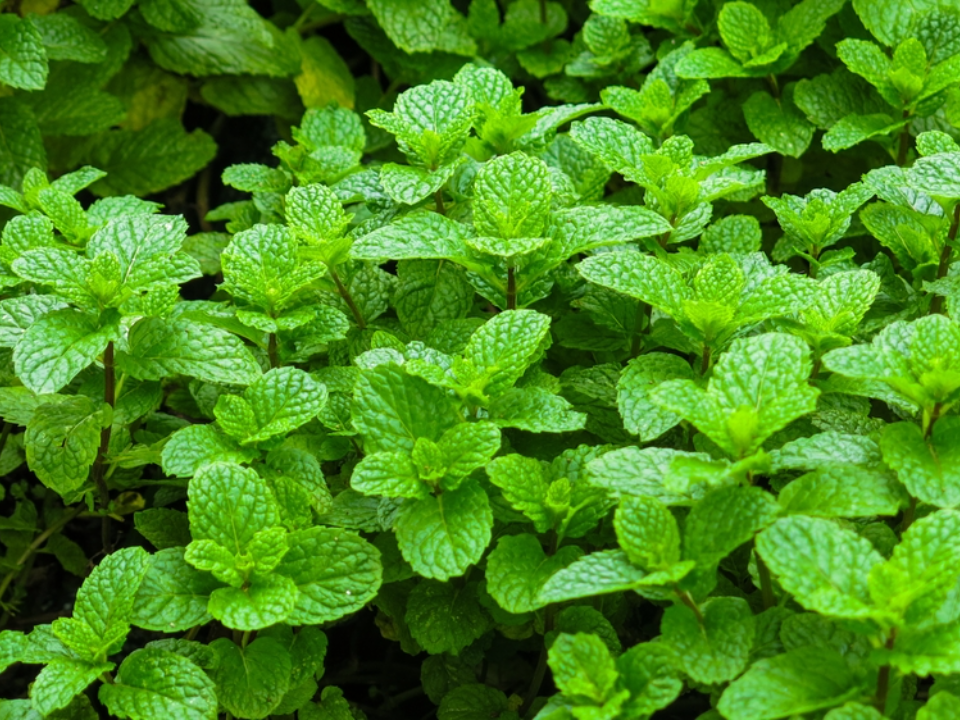
Mint is another herb that can handle early planting. It is a perennial that comes back year after year, making it a fantastic choice for your garden. Mint thrives in cool temperatures, so it can be planted early in the season without worrying about it being affected by frost. This herb grows quickly and vigorously, spreading throughout the garden, which makes it a perfect choice for borders or containers.
Its refreshing flavor is a great addition to drinks, salads, and even desserts. However, keep in mind that mint can become invasive, so it may be wise to plant it in a container or keep it well-contained in a specific area. Mint also has a pleasant fragrance that can help repel pests from your garden.
Parsley
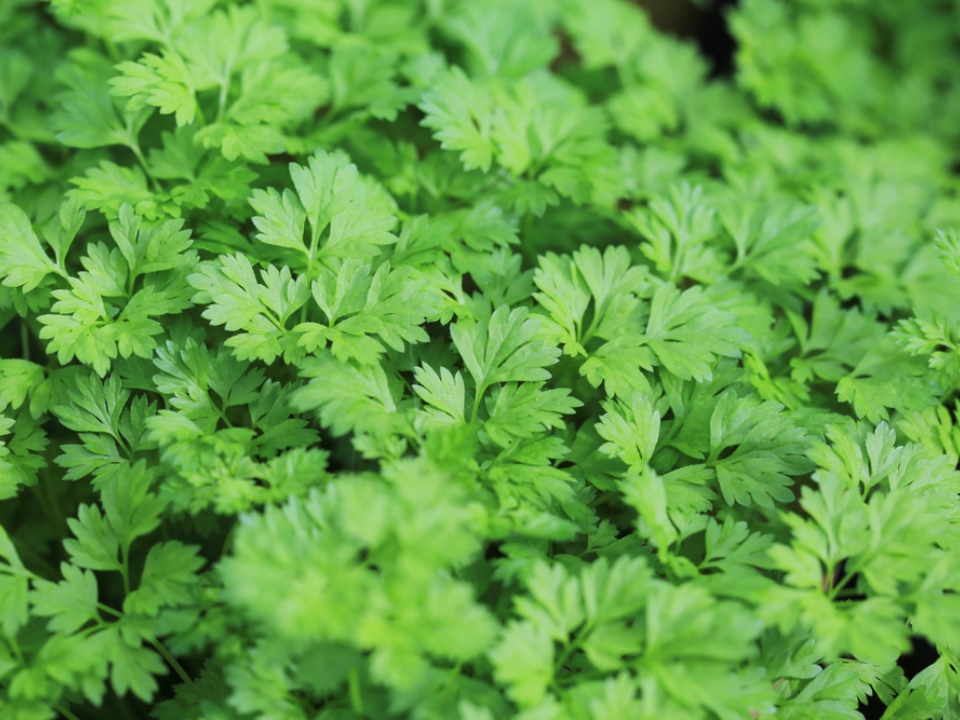
Parsley is a versatile herb that can handle cool weather with ease. Whether you are planting flat-leaf or curly parsley, this herb can be set out early in the spring without worry. Parsley thrives in moist, well-drained soil and does well in cooler temperatures, making it perfect for early planting.
It can tolerate light frosts, which makes it an excellent choice for planting before the last frost date. Parsley adds a fresh, herbaceous flavor to many dishes and can be used in sauces, soups, or as a garnish. It is also rich in vitamins and nutrients, offering some health benefits as well. As long as you ensure it gets enough sunlight, parsley will flourish early in the growing season.
Thyme
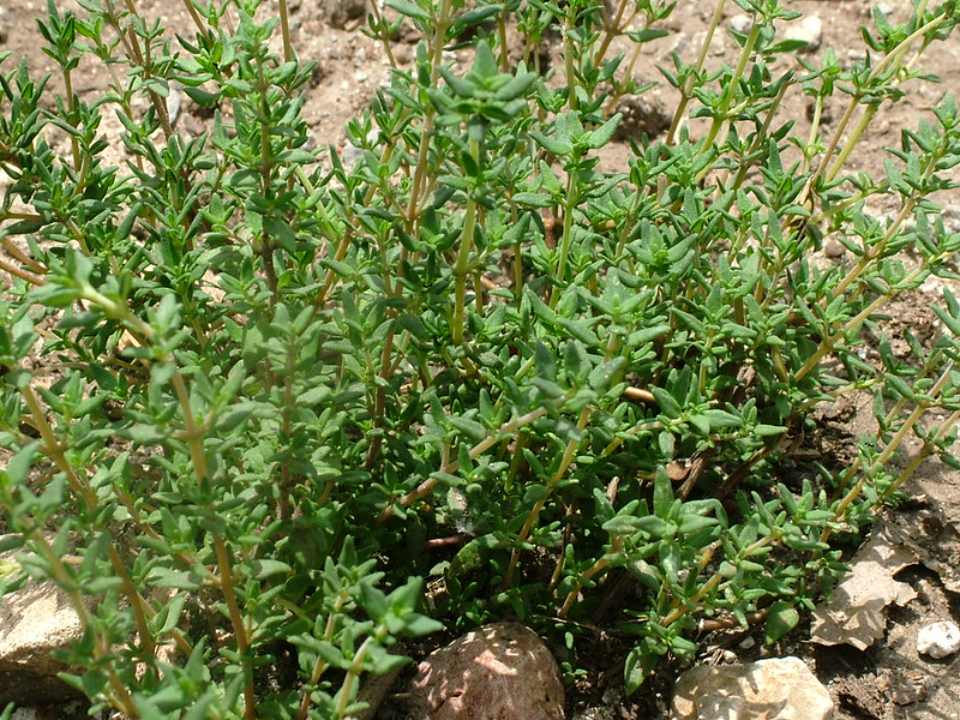
Thyme is a hardy herb that can be planted early in the season without fear of frost damage. It prefers well-drained soil and thrives in full sun, making it a great option for early garden planting. Thyme is a low-maintenance herb that requires very little water once established. It is tolerant of cold temperatures and can handle some frost, so it can be set out early without worry.
The herb’s strong flavor is perfect for seasoning meats, vegetables, and even soups. Thyme is also known for its aromatic qualities, adding depth and richness to your cooking. As a perennial, it will continue to come back each year, making it a worthwhile addition to your herb garden.
Oregano
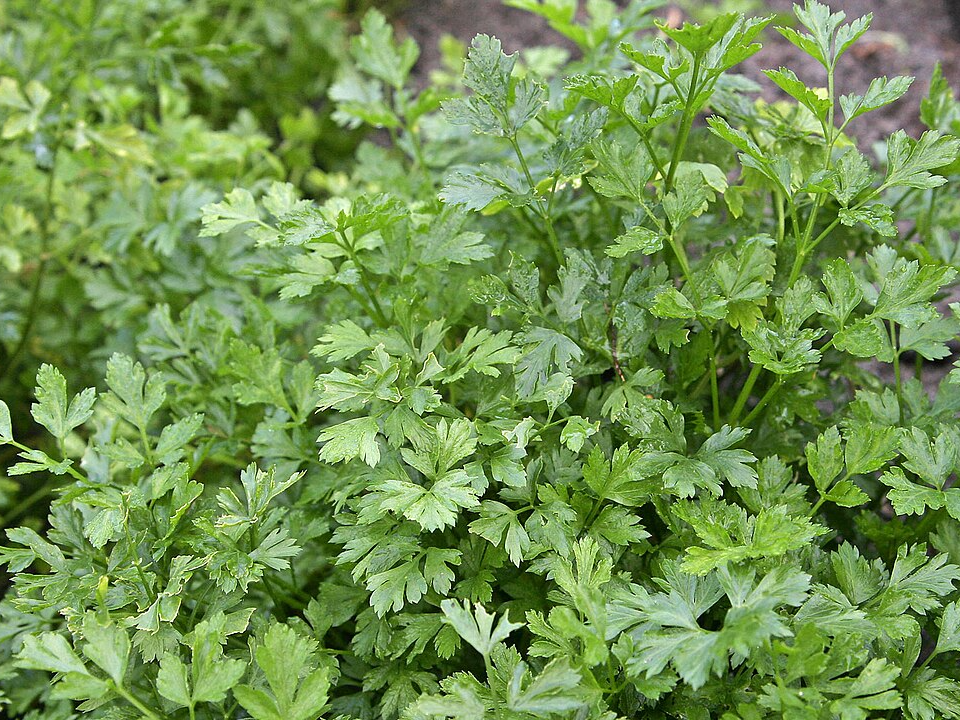
Oregano is a hardy herb that can be planted early in the spring. It is quite resistant to cold and can tolerate frost, making it perfect for early garden planting. Oregano grows best in full sun and well-drained soil, and it does not require much water once it has established itself. This herb is popular in Mediterranean cuisine and adds a bold, savory flavor to many dishes.
Whether you are making pasta, pizza, or marinara sauce, oregano is a key ingredient. It also works well in salads and on roasted vegetables. Oregano is a perennial herb, which means it will return every year, offering you a continuous supply of fresh leaves.
Dill
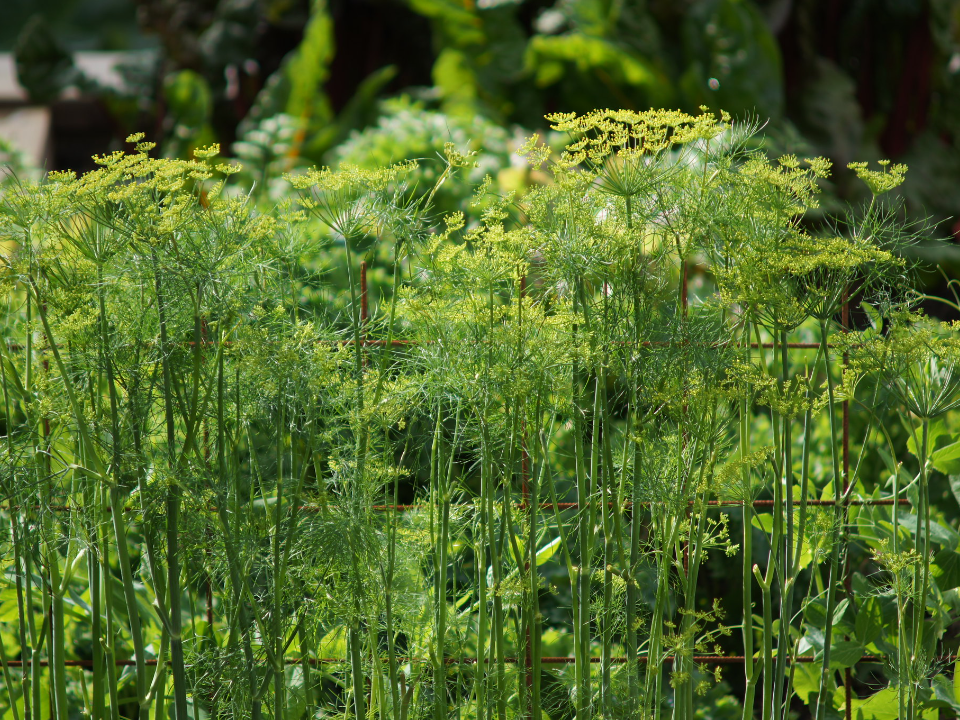
Dill is an herb that can be sown early, as it tolerates cool temperatures well. It thrives in well-drained, sandy soil and can handle light frosts, so it is perfect for early spring planting. Dill’s feathery, fern-like leaves add a bright, fresh flavor to dishes, especially those that feature fish, potatoes, or pickles.
Dill also produces attractive yellow flowers that can be used in cooking or preserved for their seeds. The herb is easy to grow, and it tends to self-seed, meaning it may return each year. Its flavor is pungent yet fresh, and it adds a unique touch to many culinary creations. Dill pairs well with other herbs such as parsley, basil, and thyme.
Sage
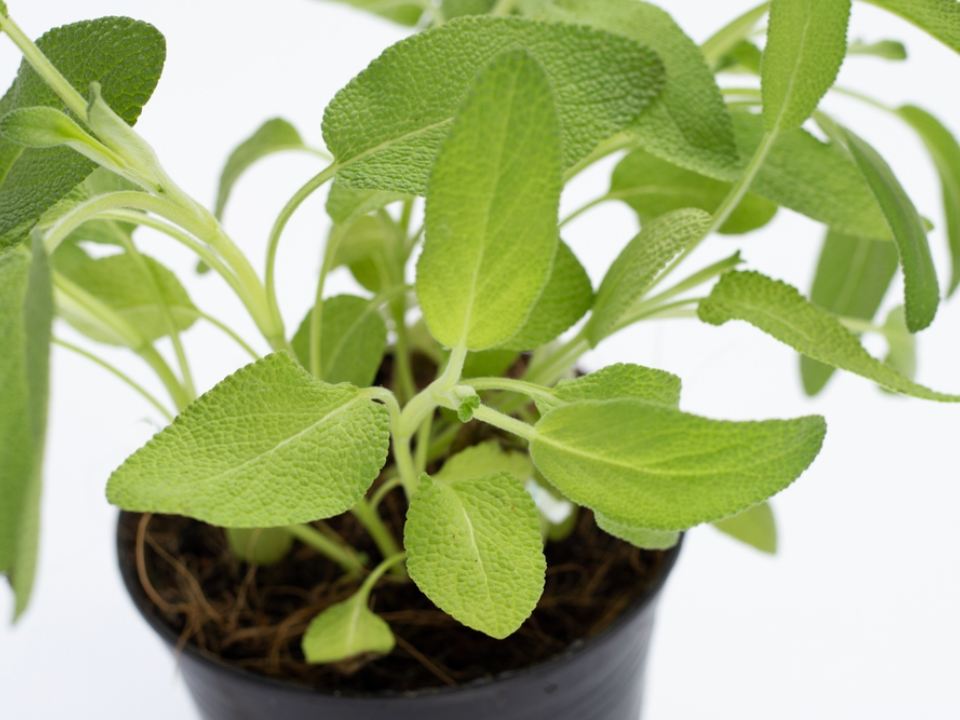
Sage is a hardy herb that can be planted early in the season. It does well in cool weather, making it suitable for early spring planting. Sage thrives in well-drained soil and full sunlight, which ensures its rich, earthy flavor.
This herb is a staple in many dishes, particularly in stuffing, meat, and pasta recipes. Sage also has a lovely fragrance that can enhance the scent of your garden. While it prefers drier conditions, it does well in both the ground and containers. As a perennial, sage will continue to grow year after year, offering fresh leaves for your cooking throughout the growing season.
Cilantro
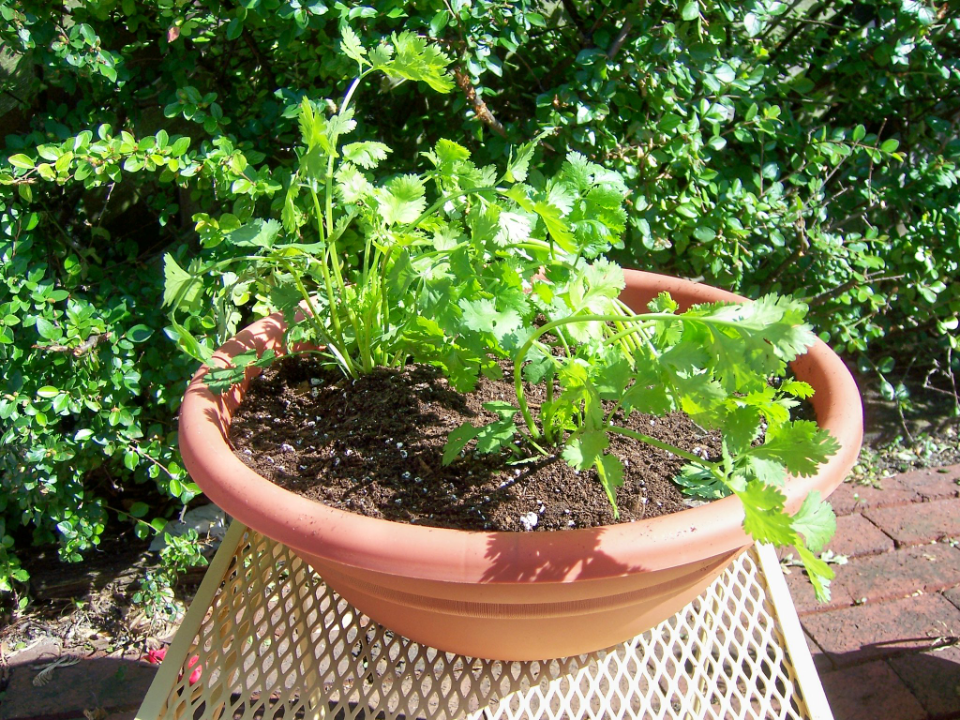
Cilantro is another herb that can handle cooler temperatures, making it a good candidate for early planting. It grows quickly and can withstand light frosts, so you can start it in the spring without concern. Cilantro prefers well-drained, fertile soil and plenty of sunlight, though it can tolerate some shade.
This herb is commonly used in Latin American, Indian, and Asian cuisines, adding a fresh, citrusy flavor to salsas, curries, and salads. Its leaves are often used fresh, while its seeds, known as coriander, are harvested for later use in spice blends. Cilantro can bolt quickly as the weather warms, so it is best to plant it early before it goes to seed.
Chervil
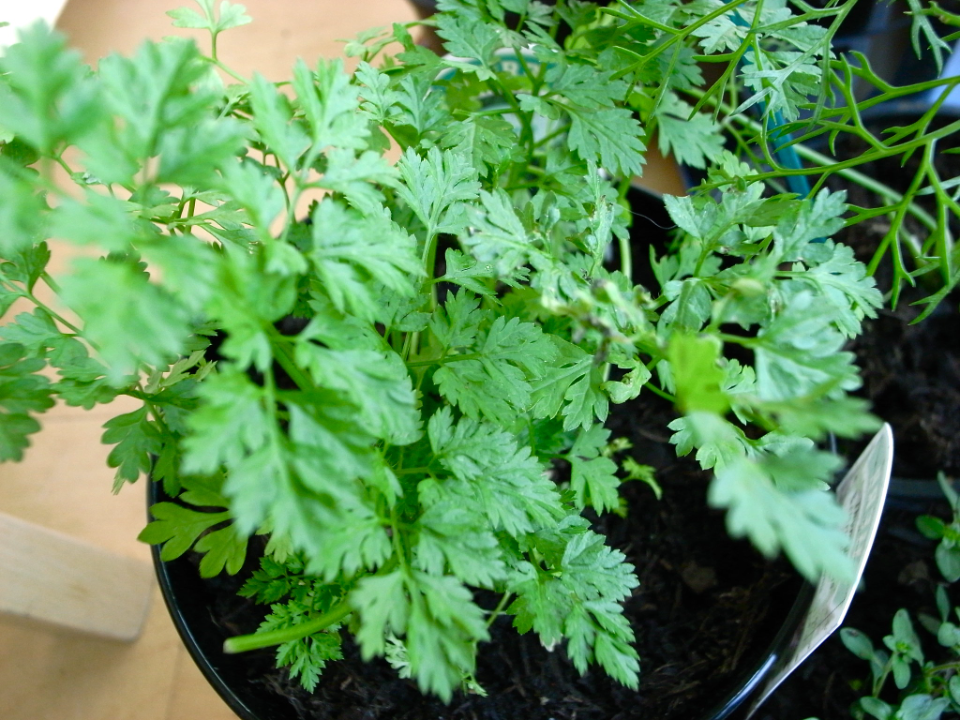
Chervil is a delicate herb that is well-suited to cool weather and can be planted early in the season. It is a great choice for early spring gardening, as it can withstand frost and prefers cooler temperatures. Chervil thrives in moist, well-drained soil and partial shade, making it ideal for gardens with limited sunlight. The herb’s mild, anise-like flavor is a wonderful addition to soups, salads, and sauces.
Chervil pairs well with other fresh herbs like parsley and tarragon, creating complex flavors in your dishes. While it is often used fresh, it can also be dried for later use. Chervil is a short-lived annual, so it is best to replant it each year to enjoy its tender leaves.
Lovage
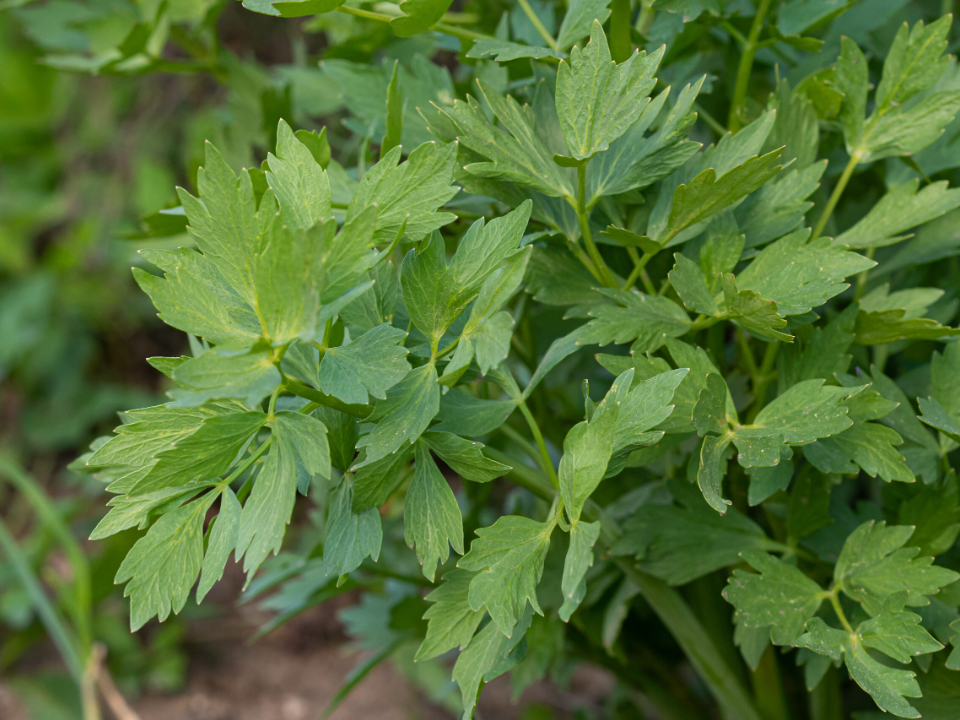
Lovage is a perennial herb that can be planted early without much concern for cold weather. This herb grows best in well-drained, rich soil and thrives in cooler temperatures. Lovage has a strong, celery-like flavor, making it an excellent addition to soups, stews, and salads. It can tolerate frost, so it is an ideal herb to plant early in the spring.
As it grows, it forms tall stalks with large, bright green leaves that can be used fresh or dried for later use. Lovage is not only flavorful but also a wonderful herb for attracting beneficial insects to your garden. Once established, it can grow quite large, making it a standout plant in any herb garden.
Arugula
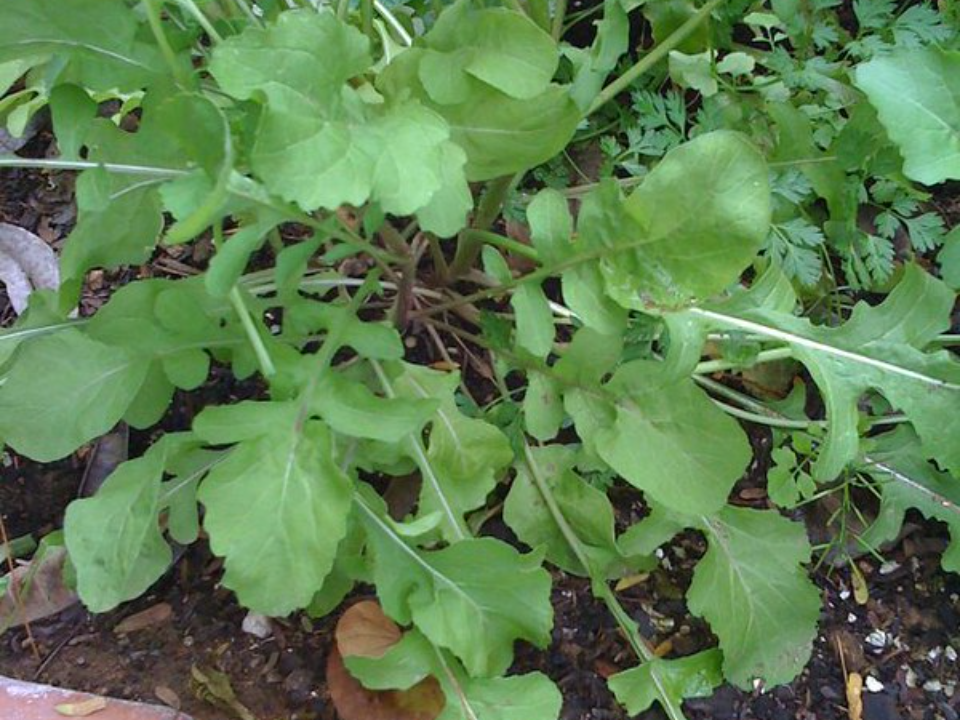
Arugula is a fast-growing, cool-weather herb that can be planted early in the season. It thrives in mild temperatures and can even tolerate light frosts, so you do not have to worry about the herb being damaged by the cold. Arugula grows best in well-drained soil and benefits from plenty of sunlight.
This leafy green has a spicy, peppery flavor that adds a bold kick to salads, sandwiches, and pesto. Arugula can be harvested as soon as its leaves are big enough to pick, and it will continue to grow back if you pick it regularly. It is an excellent herb to grow early in the season as it is ready to eat in just a few weeks. Arugula is also a rich source of vitamins A and K, making it a healthy choice for your meals.
Lemon Balm
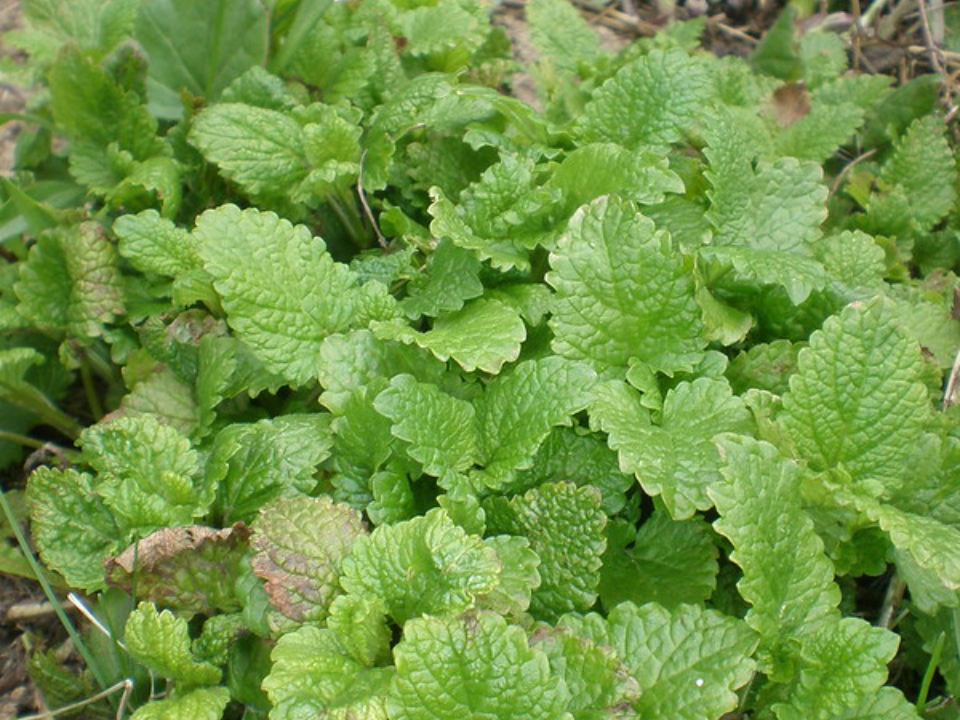
Lemon balm is a hardy herb that can withstand cool temperatures, making it an excellent choice for early planting. It thrives in well-drained, fertile soil and prefers partial shade, though it can tolerate full sun as well. Lemon balm has a mild lemony scent and flavor, which makes it perfect for adding a fresh, citrusy note to teas, salads, and desserts.
The leaves can be used fresh or dried, and the herb’s fragrance is a natural mosquito repellent. Lemon balm grows quickly and can spread rapidly, so it is best to keep it contained in a specific area or a container. As a perennial herb, it will return each year, offering fresh leaves for your culinary use. Lemon balm is easy to grow and requires very little maintenance once established.
Summer Savory
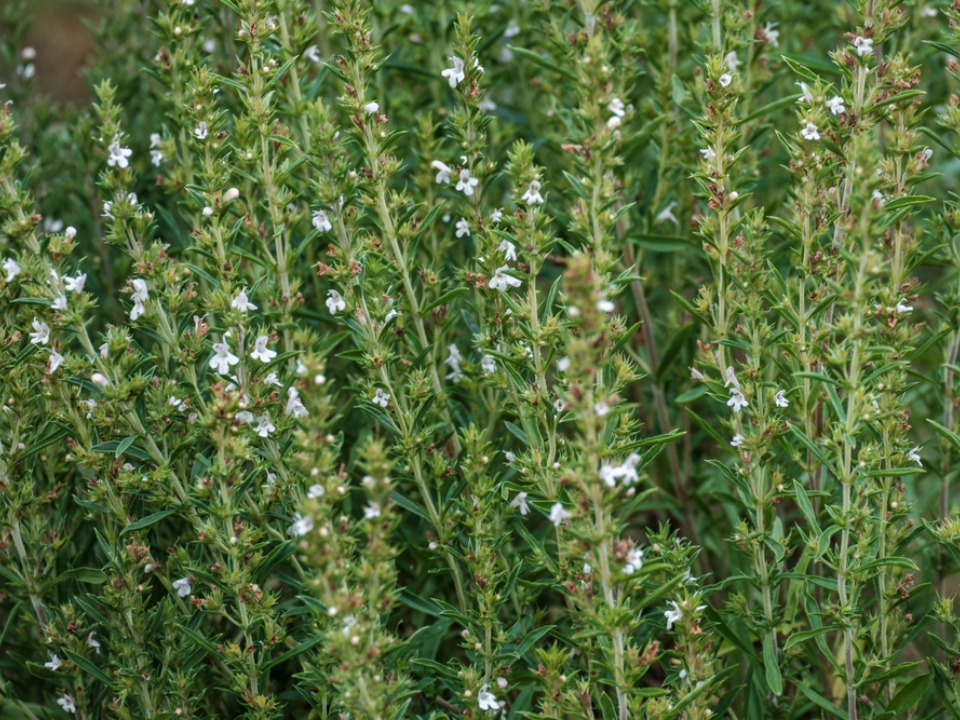
Summer savory is a hardy herb that thrives in cool weather, making it suitable for early spring planting. This herb grows best in well-drained soil and full sunlight. Summer savory has a peppery, slightly bitter flavor that is often used in savory dishes, particularly in beans, stews, and roasted meats. It is a versatile herb that can be used both fresh and dried, and it pairs well with other herbs such as thyme and rosemary.
Summer savory is relatively low-maintenance and requires little attention once established. The herb’s fragrant leaves add depth to your cooking, and its flowers can also attract beneficial insects to your garden. Summer savory is an excellent herb to grow early in the season, as it can be harvested regularly throughout the growing season.
This article originally appeared on Avocadu.