
12 Small Fish Species Chefs Love for Big Flavor
Tiny fish can often make a big impression when it comes to flavor. Their delicate yet bold taste makes them an essential part of many chefs’ menus. From sweet to salty, these small seafood options add a surprising amount of complexity. Let’s take a closer look at some of the small fish that are changing the way we think about seafood.
This post may contain affiliate links, which helps keep this content free. Please read our disclosure for more info.
Sardine (Sardina pilchardus)
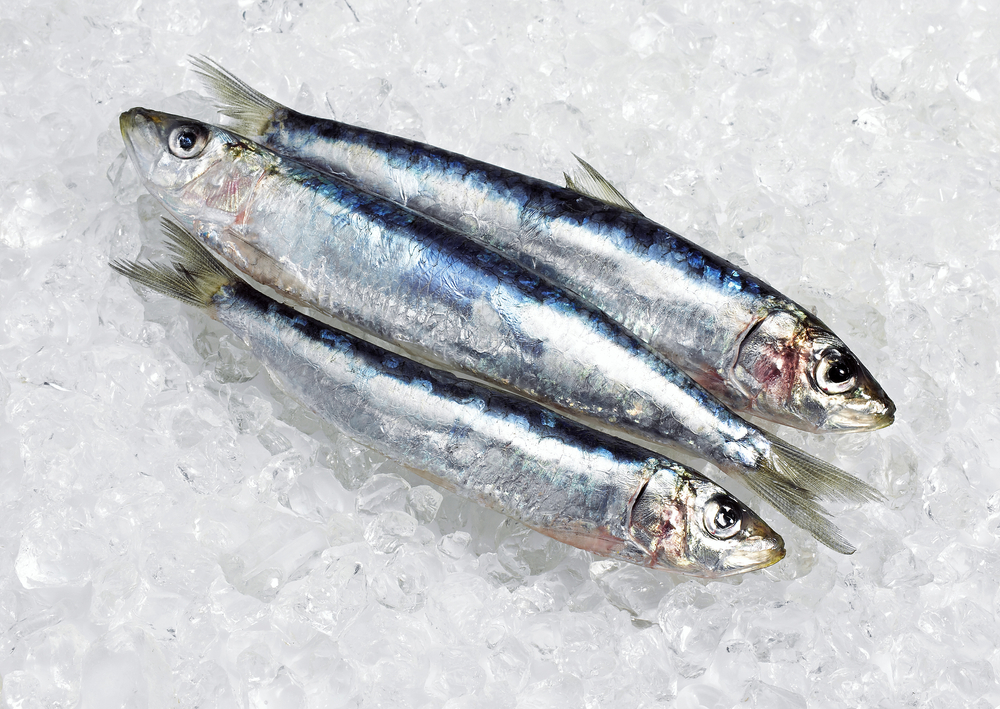
Sardines are a popular fish in Mediterranean cuisine, known for their rich, oily texture and bold flavor. They are often grilled or canned, retaining their powerful taste. This small fish is best enjoyed when grilled on a skewer or added to salads and pastas. Sardines are also used in traditional Mediterranean dishes like bagna càuda in Italy, which is a warm anchovy and garlic sauce.
Chefs love sardines for their versatility and nutrient density, providing a high level of omega-3 fatty acids. Their strong flavor stands out when paired with simple ingredients like lemon, herbs, and olive oil. These fish can be found fresh or preserved in oil, making them a pantry staple. Sardines are also an affordable, sustainable option for those seeking flavorful seafood.
Anchovy (Engraulis encrasicolus)
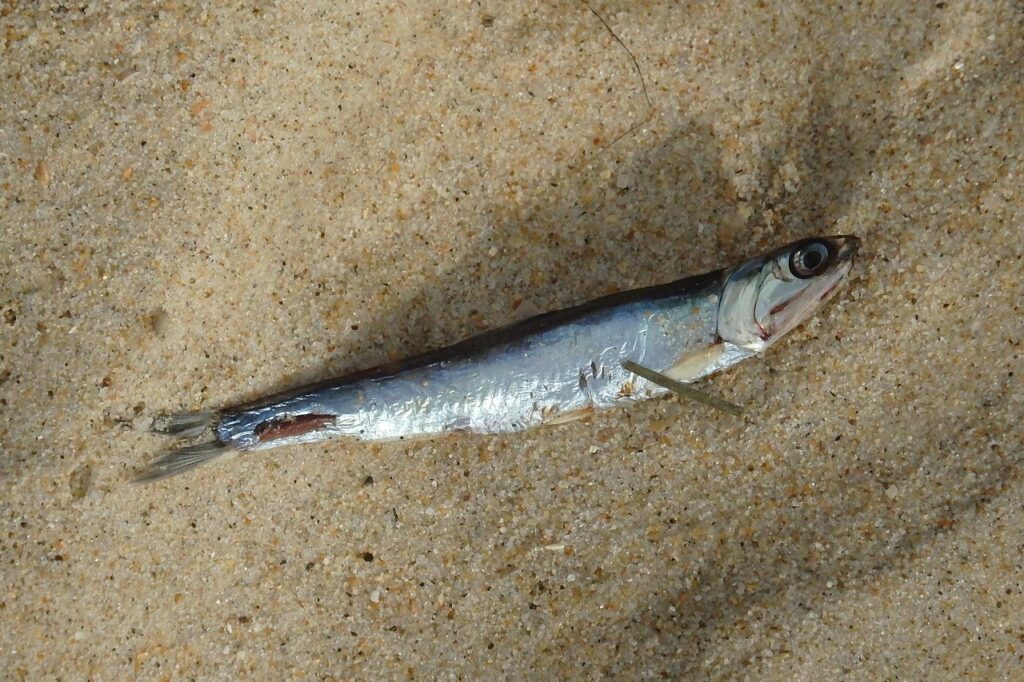
Anchovies are small, yet their salty, savory taste adds an intense depth of flavor to many dishes. They are often used as a base for sauces, including the famous Caesar dressing. These fish can be found in Mediterranean and Atlantic waters, where they are typically salted or packed in oil. Anchovies are commonly used in Italian dishes, particularly as toppings for pizza or blended into pastas.
The unique taste of anchovies comes from their natural oils, which bring a savory umami note to any dish. Chefs appreciate their ability to elevate sauces, dressings, and marinades. These fish pair beautifully with tomatoes, garlic, and capers in Mediterranean recipes. Anchovies also serve as a key ingredient in the iconic Spanish dish, boquerones en vinagre.
Mackerel (Scomber scombrus)
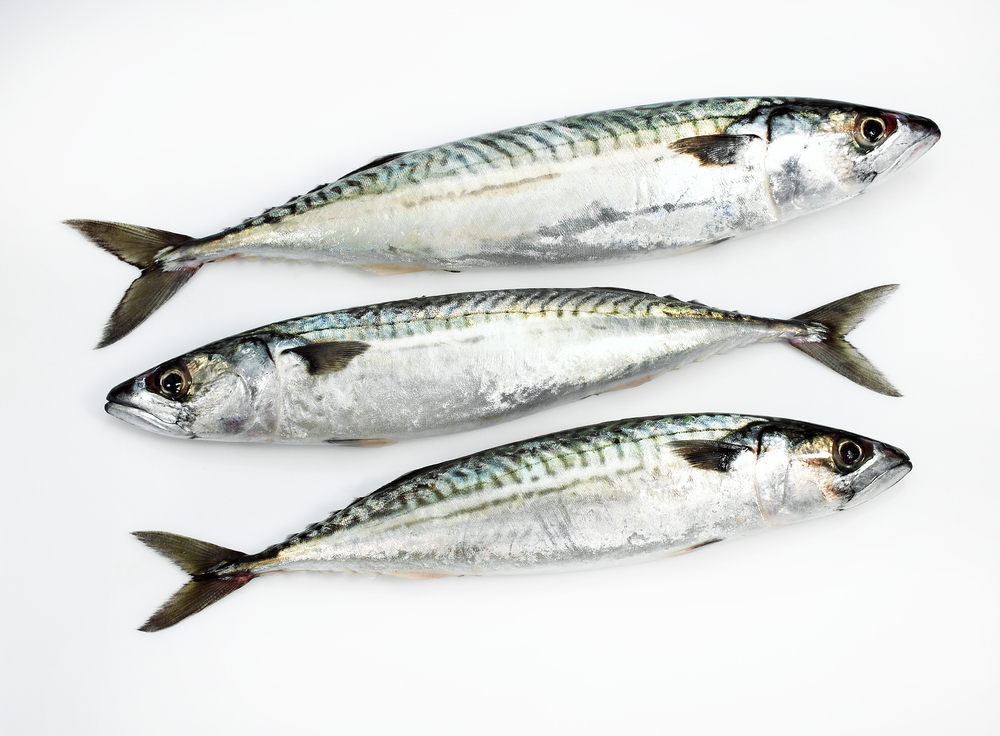
Mackerel is known for its firm flesh and distinct, slightly sweet flavor. This fish thrives in cold waters like the North Atlantic, where it is often enjoyed fresh or smoked. Mackerel is perfect for grilling or smoking, and it can be served alongside fresh salads or in sushi. It’s also a favorite for curing, as in the traditional Scandinavian dish, gravlax.
The high fat content in mackerel gives it a rich flavor that stands up well to bold seasonings. Chefs enjoy using mackerel in a variety of ways, from simple preparations like pan-searing to more complex recipes like pickled mackerel. Its oiliness helps keep the fish moist, making it a reliable choice for grilling and roasting. Mackerel is also an excellent source of omega-3 fatty acids, which add to its appeal.
Herring (Clupea harengus)
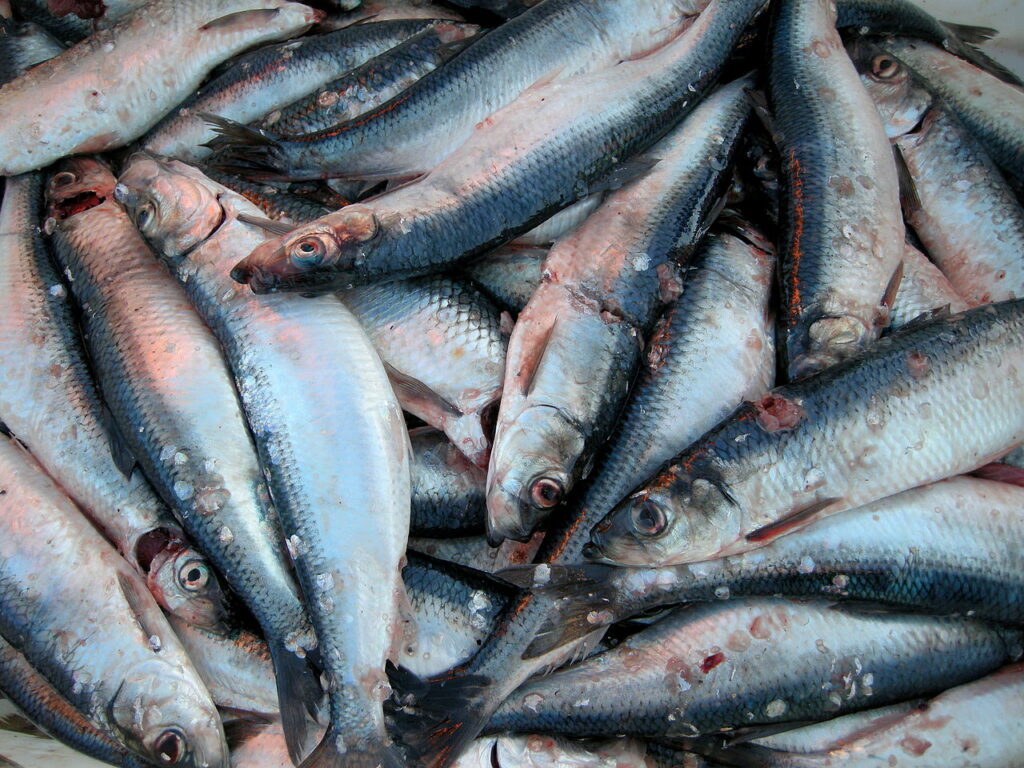
Herring is a small, silvery fish that plays a major role in European and Scandinavian cuisines. It is often pickled or smoked, making it a beloved addition to Scandinavian smorgasbords. This fish pairs wonderfully with mustard, onions, or dill, and it can also be enjoyed in soups and stews. In Germany, herring is often used in “Rollmops,” where it’s marinated and rolled with onions and spices.
Chefs choose herring for its rich, fatty texture and ability to absorb flavors from marinades and brines. It’s often served as an appetizer or light entrée, especially in dishes like herring salad or as a topping for rye bread. Herring is easy to prepare and offers a strong, satisfying taste. It’s also a sustainable fish that has been an essential part of the European diet for centuries.
Smelt (Osmeridae family)
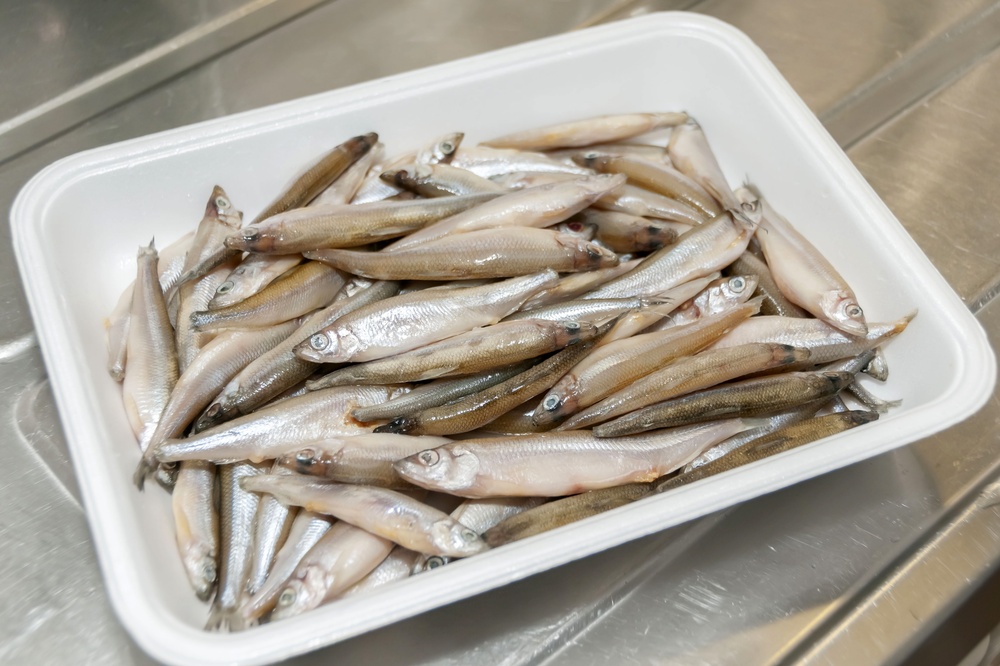
Smelt are small fish commonly found in the cold, freshwater lakes of North America, particularly the Great Lakes. These fish have a delicate texture and mild, slightly sweet flavor that makes them popular in fried dishes. Smelt is traditionally battered and deep-fried, creating a crispy and flavorful snack. In some cultures, they are served in soups or added to salads.
What makes smelt especially desirable is their ability to soak up flavors without becoming overpowering. This makes them ideal for pairing with zesty ingredients like lemon, herbs, and spices. The tiny size and tender meat of smelt make them a great option for appetizers or bar snacks. Smelt are also considered an excellent source of omega-3 fatty acids and protein.
Perch (Perca fluviatilis)
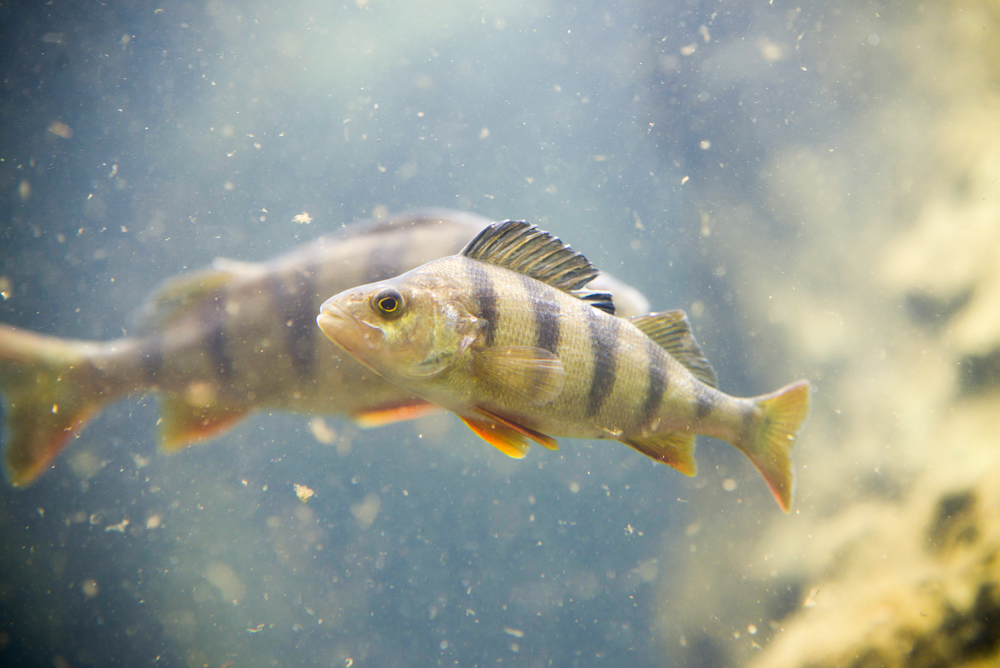
Perch is a freshwater fish found in rivers and lakes across Europe and North America. With its tender, white flesh and slightly sweet flavor, perch is a favorite among chefs for both frying and grilling. This fish works well in light, simple preparations, like pan-frying with garlic and herbs. Perch can also be used in stews and soups, where it absorbs the flavors of the broth.
Chefs love perch for its clean, mild taste that isn’t overly fishy. It can be served with a variety of side dishes, such as roasted vegetables or rice, without overshadowing the other ingredients. Perch fillets cook quickly, making them ideal for fast, flavorful meals. This species is widely available and sustainable, making it a popular choice for restaurants and home cooks alike.
Sole (Solea solea)
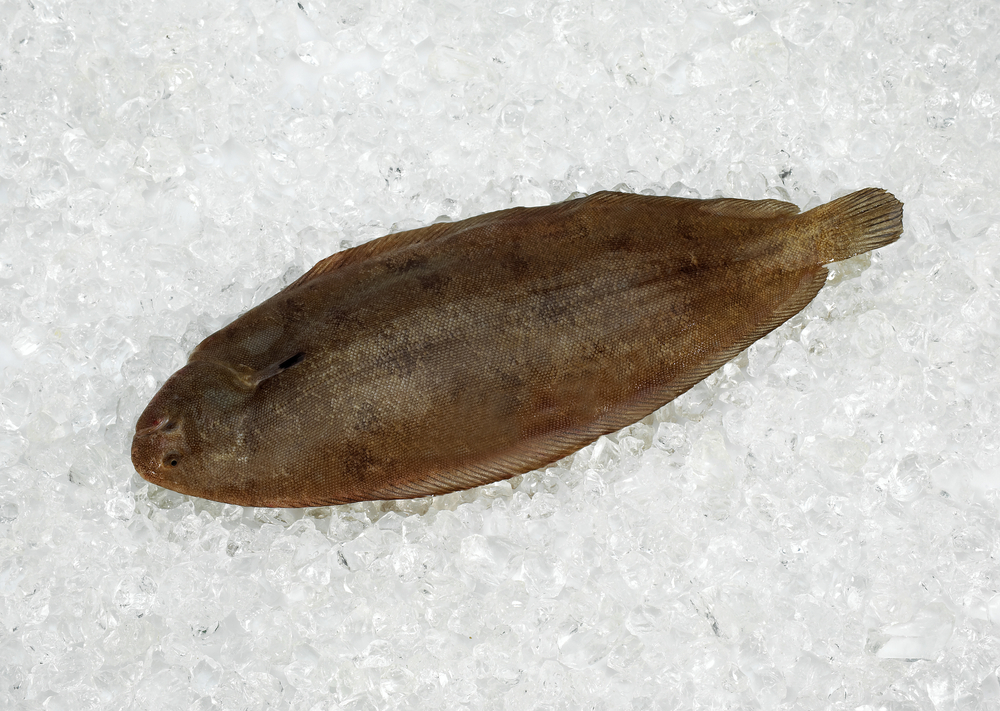
Sole is a flatfish species found in the shallow waters of the North Atlantic and Mediterranean. Its delicate, mild taste and tender flesh make it a preferred option for fine dining. Sole is typically pan-fried or baked, often served with lemon butter or capers to complement its light flavor. Classic dishes like Sole Meunière from France feature this fish as the star of the meal.
The soft, flaky texture of sole makes it easy to cook and versatile for many recipes. Its mild flavor is the perfect base for rich sauces, allowing the dish to shine without being overpowering. Sole is considered a luxury fish and is commonly served in upscale restaurants. It pairs wonderfully with white wine and steamed vegetables for a classic meal.
Shad (Alosa sapidissima)
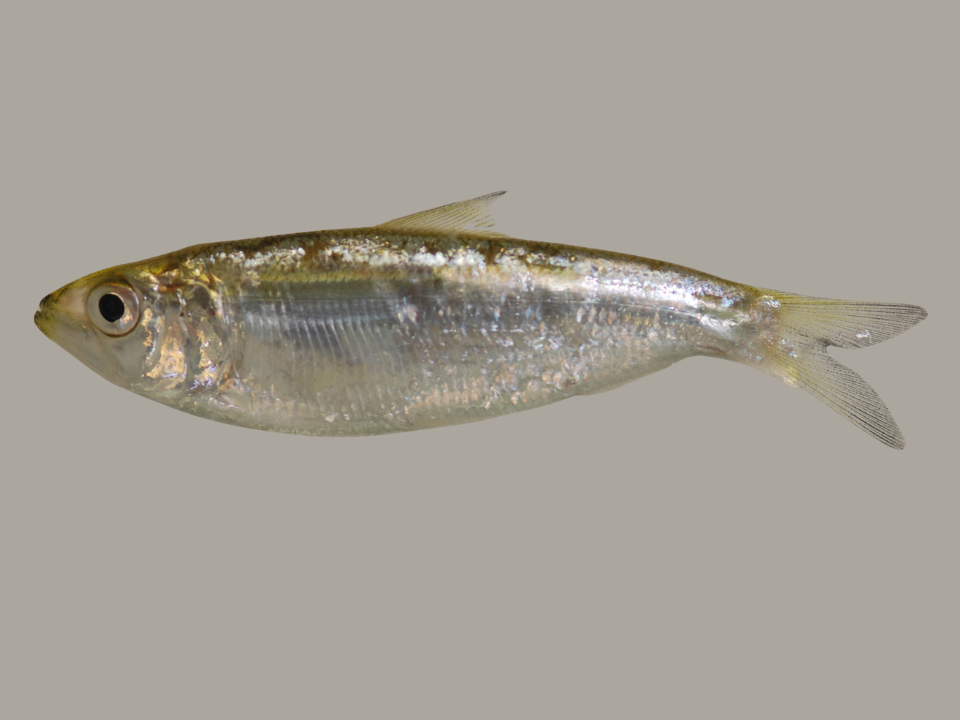
Shad is a small, anadromous fish found in rivers along the eastern coast of North America. Known for its rich, fatty meat, shad is often smoked, grilled, or baked, offering a distinctive, smoky flavor. The roe of shad is particularly prized and often served as a delicacy in the spring. Shad can be prepared in a variety of ways, but it is particularly delicious when roasted with citrus and herbs.
What makes shad stand out is its bolder flavor, which is perfect for chefs looking to add depth to their dishes. Its oily texture helps the fish hold up well to grilling and smoking, making it a great choice for outdoor cooking. Shad is also considered a sustainable fish, commonly caught during its spring migration. It’s a favorite in regional dishes, especially along the east coast of the U.S.
Trout (Oncorhynchus mykiss)
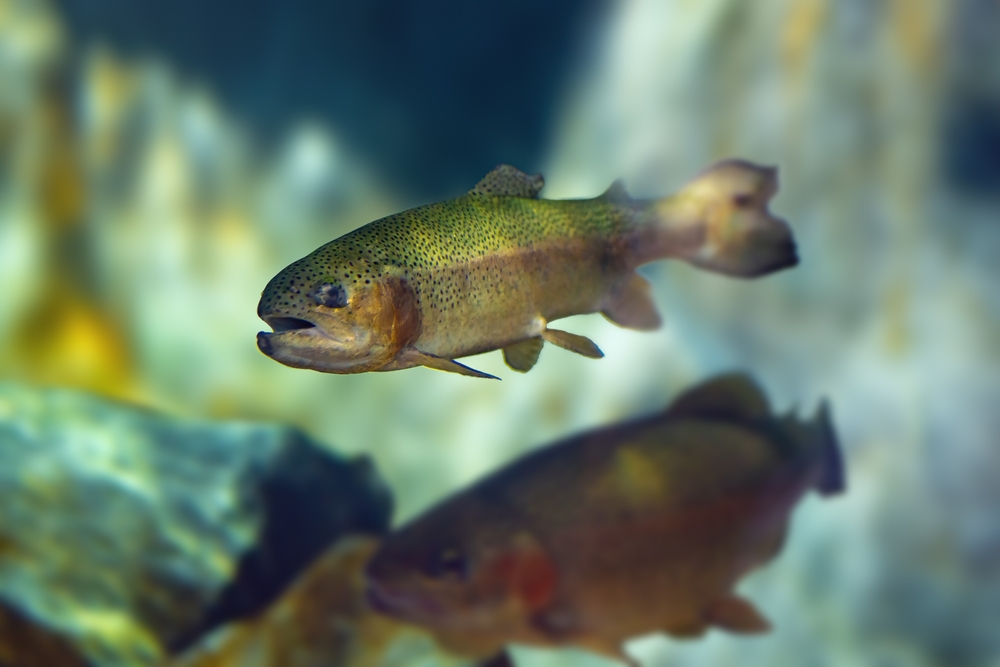
Trout is a freshwater fish found in rivers and lakes across North America and Europe. Known for its delicate texture and mild, slightly nutty flavor, trout is often pan-seared or grilled. The fish pairs well with herbs like dill and thyme, and is often served with lemon or butter. It can also be smoked or used in sushi for a more unique preparation.
Chefs appreciate trout for its subtle flavor that can be enhanced with simple seasonings and sauces. Its tender flesh cooks quickly, making it a great option for fast, healthy meals. Freshwater trout is a popular choice for sustainable seafood dishes, particularly in regions where the fish is abundant. It’s a light yet satisfying fish that’s perfect for both casual and elegant meals.
Whiting (Merlangius merlangus)
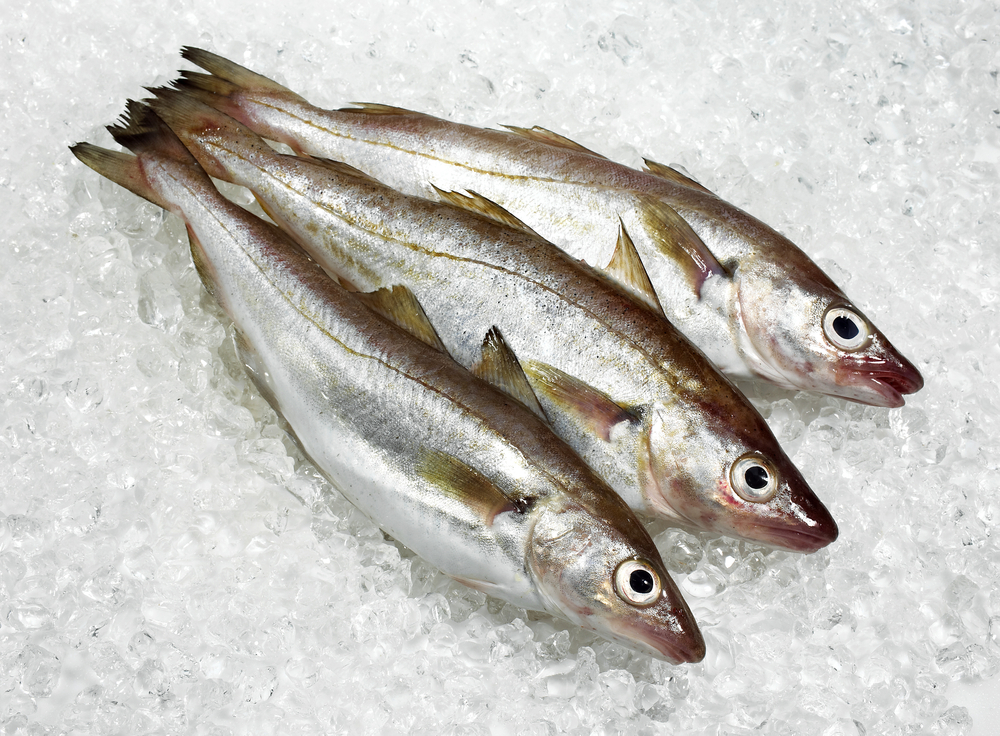
Whiting is a small fish found in the North Sea, prized for its firm yet delicate flesh. It has a mild flavor that makes it a perfect choice for frying, baking, or adding to soups and stews. In the UK, whiting is often served battered and deep-fried, similar to cod in traditional fish and chips. Its delicate flavor pairs well with lemon or capers.
Chefs use whiting for its versatility and mild taste, which allows it to absorb the flavors of spices and seasonings without overpowering other ingredients. The fish’s firm texture holds up well to various cooking methods, making it ideal for a wide range of recipes. Whiting is a common fish in European markets and is a sustainable, affordable option. Its light taste makes it an excellent choice for lighter, healthier meals.
Pomfret (Pampus argenteus)
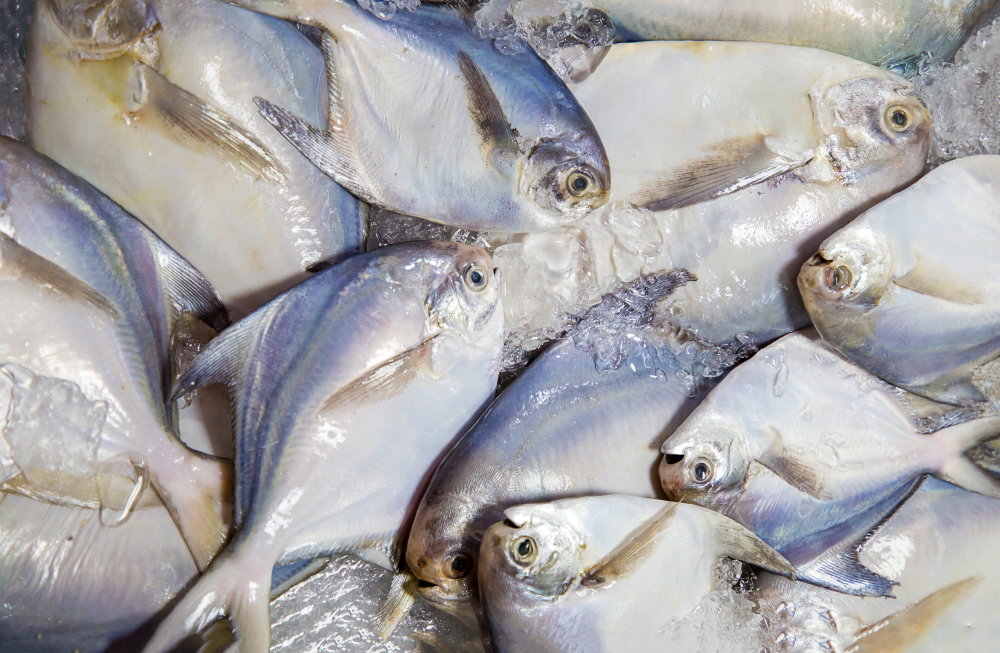
Pomfret is a small, silvery fish found in the coastal waters of India and China. Known for its tender flesh and delicate flavor, pomfret is often cooked with a variety of spices or fried in a crispy coating. In Indian cuisine, it is often prepared with turmeric, ginger, and garlic, served with rice or flatbread.
This fish is favored by chefs for its mild flavor and versatility in both dry and wet cooking methods. Pomfret can be steamed, grilled, or deep-fried, making it a popular choice in Asian kitchens. It pairs well with bold spices and aromatics, bringing out the rich flavors in curries or stir-fries. Pomfret is often considered a delicacy in coastal regions and is highly valued for its texture and taste.
Gudgeon (Gobio gobio)
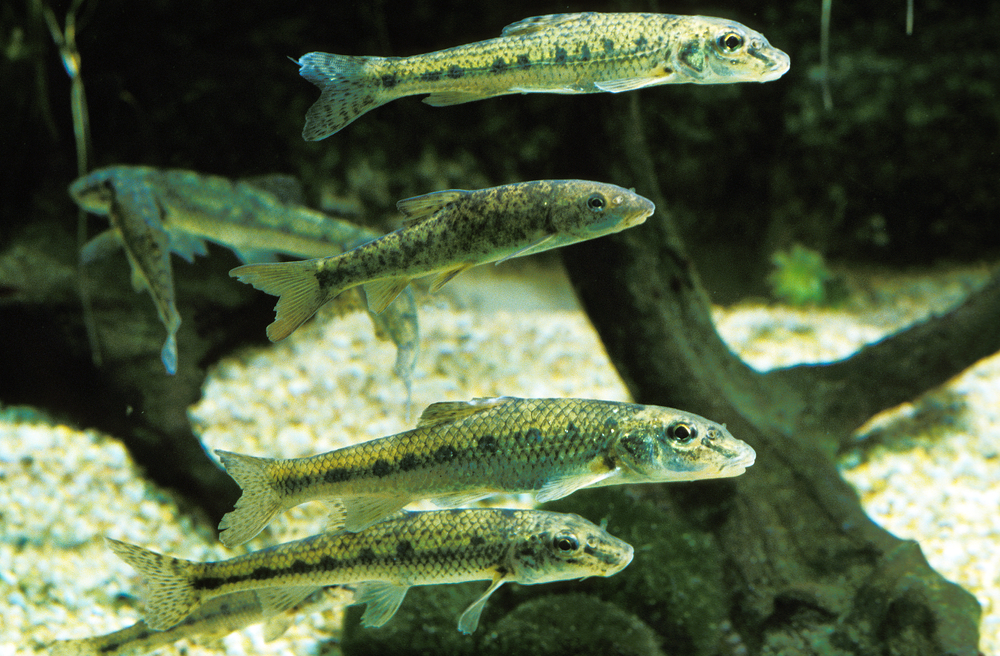
The gudgeon is a small, freshwater fish found in European rivers and lakes. It has a light, delicate flavor that makes it an ideal choice for simple preparations like pan-frying or grilling. Often served whole, gudgeon pairs perfectly with fresh herbs, lemon, or even in soups and stews. This fish is popular in traditional English and French cuisine.
Chefs enjoy using gudgeon for its mild taste and versatility in the kitchen. It works well in lighter recipes that showcase its tender texture. Gudgeon is often cooked with butter or olive oil to enhance its natural flavor. Its small size makes it a great option for appetizers or as part of a larger fish dish.
This article originally appeared on Avocadu.