
10 Late-Winter Mulching Tips That Protect Roots Without Causing Rot
As winter transitions into spring, protecting your plants’ roots from fluctuating temperatures is essential for healthy growth. The right mulch can insulate the soil, retain moisture, and prevent root rot. By choosing breathable organic mulches and applying them correctly, you can ensure that your plants stay safe through late-winter weather without the risk of excess moisture buildup. Proper mulching techniques will give your garden the best chance to thrive as the growing season approaches.
This post may contain affiliate links, which helps keep this content free. Please read our disclosure for more info.
Shredded Bark
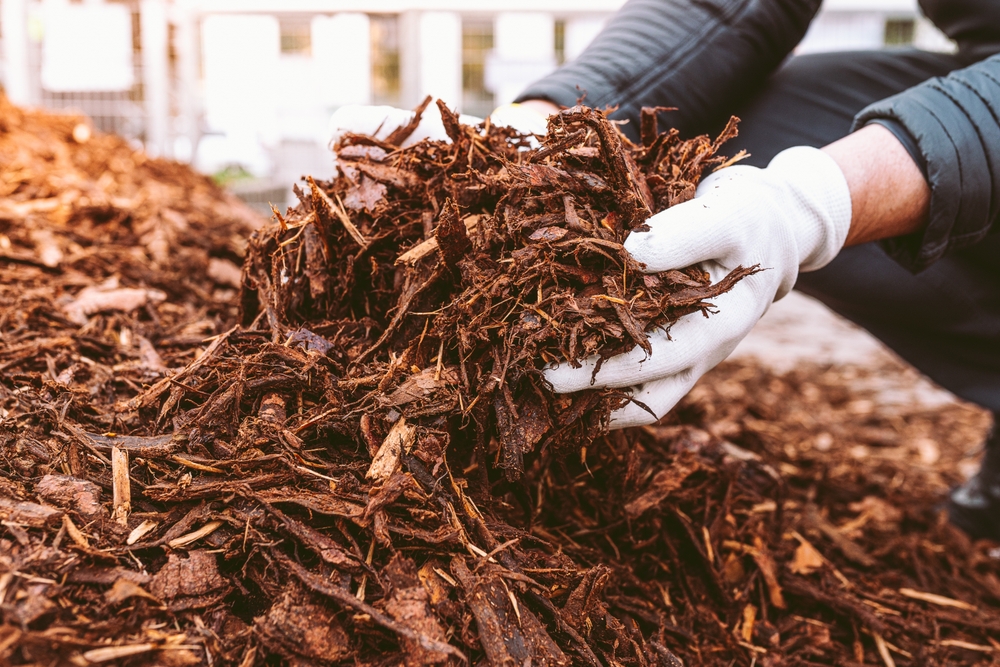
Shredded bark is an excellent option for late-winter mulching. When applied in 2-4 inches around plants, it provides insulation against temperature fluctuations, helping protect roots from freezing temperatures. The material is breathable, allowing air to circulate through the mulch, preventing moisture buildup that could lead to rot. Keeping it a few inches away from plant stems and tree trunks ensures that excess moisture does not collect and cause diseases or root decay.
Additionally, as shredded bark breaks down over time, it enriches the soil with organic matter, improving its structure and drainage. However, it is essential to monitor the thickness of the layer, as too much can impede airflow and promote fungal growth. By applying it correctly, shredded bark not only protects roots but also supports long-term soil health.
Pine Needles
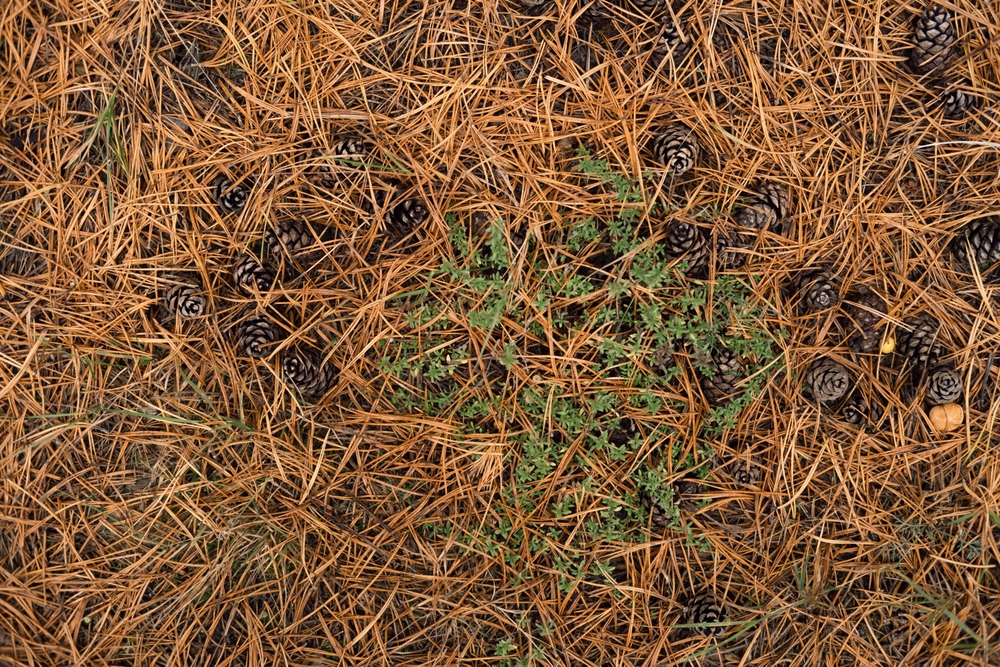
Pine needles are a lightweight, natural option for mulching during late winter. They form a breathable barrier that protects roots from both cold snaps and sudden temperature changes. Pine needles also allow for excellent water retention without trapping excess moisture around the base of plants, which can lead to root rot. It’s crucial to apply a 2-4 inch layer and leave a small gap between the mulch and plant stems to allow for airflow and prevent moisture buildup.
An added benefit of pine needles is their acidity, which can be especially beneficial for acid-loving plants like azaleas or blueberries. The mulch decomposes slowly, meaning it will provide long-lasting protection throughout the winter and into the spring. However, be cautious when using pine needles around plants that prefer neutral or alkaline soil, as the acid may alter the soil pH.
Straw
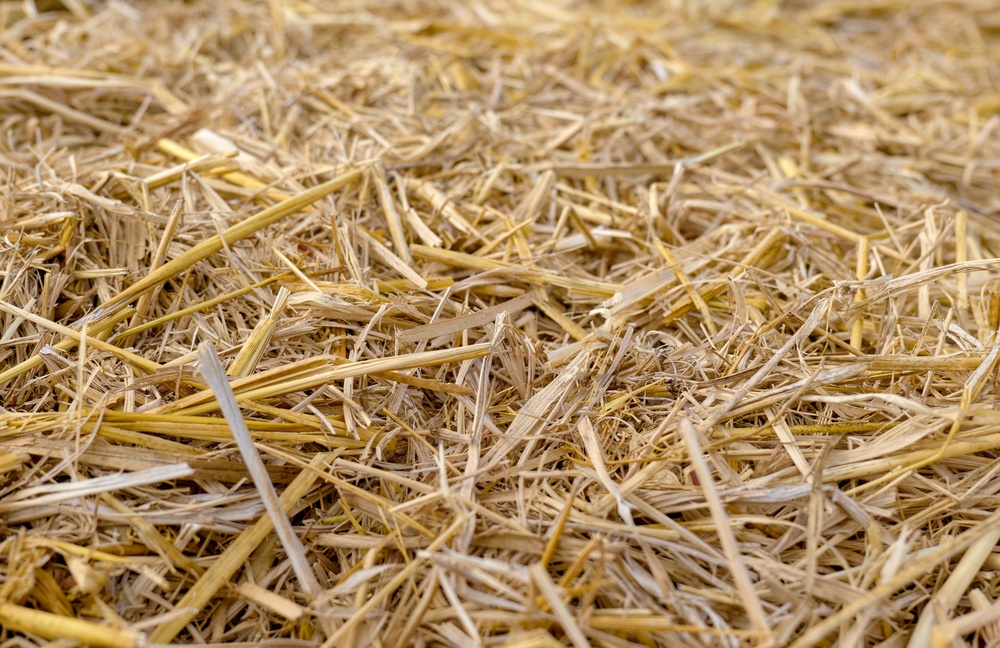
Straw is another effective mulch option, especially for gardens and vegetable beds. It is lightweight, easy to apply, and forms a loose, airy cover that allows moisture to reach the soil while keeping roots insulated. A 2-4 inch layer of straw will protect roots from late-winter cold, helping to maintain more stable soil temperatures. Be sure to leave a gap between the mulch and plant stems to avoid creating an environment that retains too much moisture and promotes disease.
While straw is an excellent insulator, it can decompose quickly, so it’s important to reapply it periodically. Over time, straw will break down into organic matter, enriching the soil and improving its texture. However, if not managed carefully, it can harbor pests such as rodents, so consider using straw that has been properly stored and is free of seeds.
Wood Chips
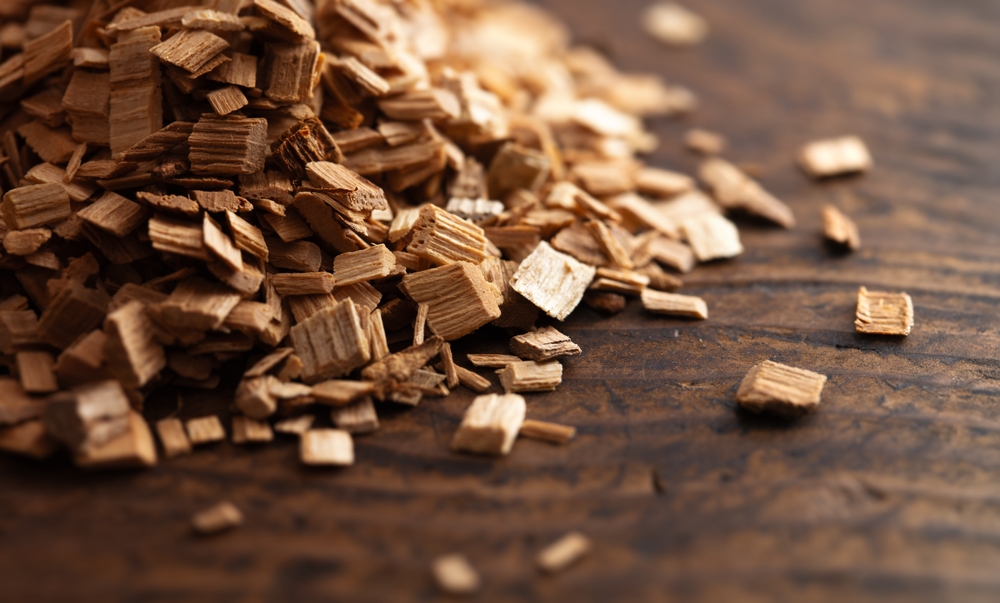
Wood chips make for a dense, durable mulch that protects plant roots through late winter. Their rough texture helps to insulate the soil while allowing moisture to flow through without causing a soggy environment. When applied in a 2-4 inch layer, wood chips effectively reduce soil temperature fluctuations, keeping roots stable during the colder months. However, it is important to avoid piling the mulch directly against plant stems or tree trunks, as this can cause rot or fungal infections.
Wood chips are particularly useful for perennials and trees, providing long-lasting coverage that can remain in place through the entire winter. As they decompose, they release nutrients back into the soil, improving its structure. Be mindful of using treated wood chips, as some types may contain chemicals that could harm plants over time.
Leaf Mold
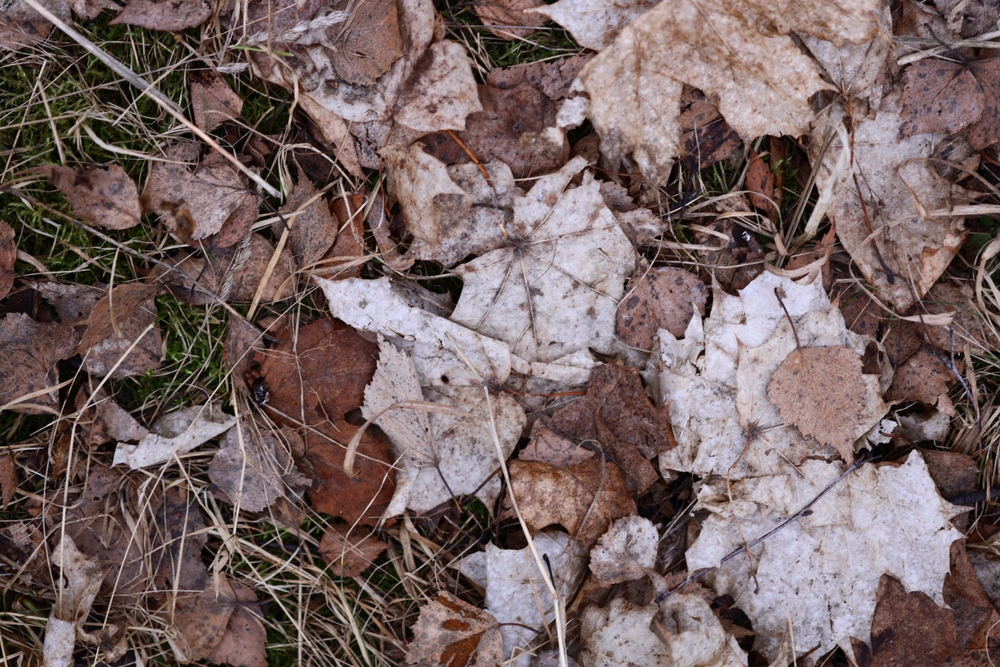
Leaf mold is an organic mulch made from decomposed leaves, and it serves as a great late-winter option for protecting plant roots. It forms a light, fluffy layer that allows moisture and air to move freely through the mulch. Applying a 2-4 inch layer of leaf mold around plants helps regulate soil temperature, preventing roots from freezing during the cold months. Leaf mold also improves soil fertility as it decomposes, adding valuable nutrients to the soil.
One of the key benefits of leaf mold is its ability to retain moisture while preventing excessive water retention, which could otherwise cause root rot. As leaf mold decomposes, it can improve the structure of your soil, enhancing its ability to hold water and nutrients. However, make sure the layer is not too thick, as overly compacted leaf mold can block airflow and cause fungal issues.
Compost
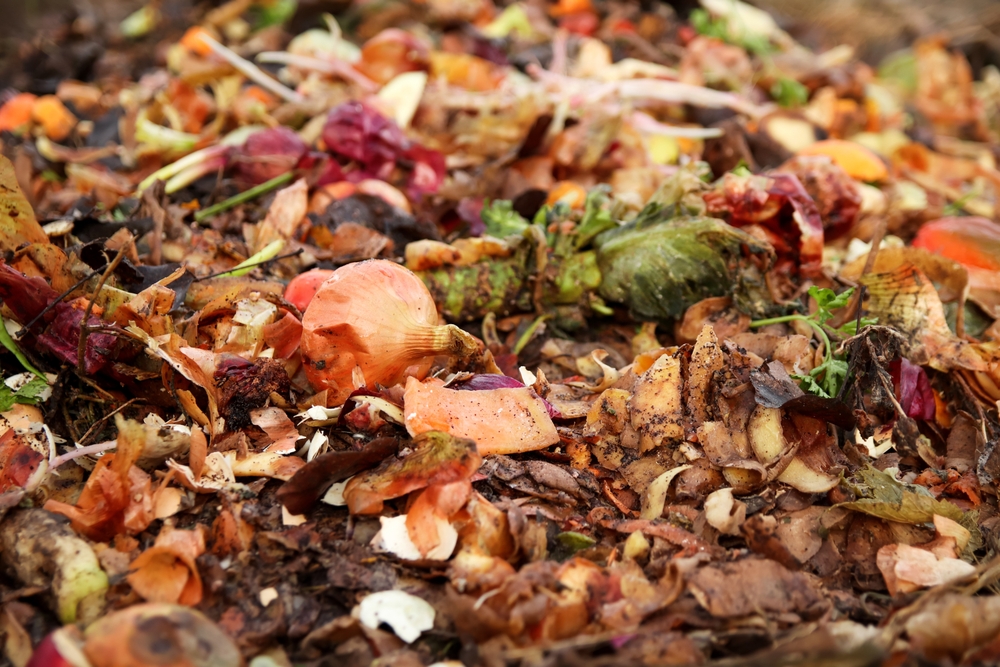
Compost is a versatile and nutrient-rich mulch that can be used in late winter to protect roots and improve soil health. When applied in a thin layer of 2-4 inches, compost helps to insulate plant roots while providing valuable nutrients that will support early spring growth. It allows for proper moisture drainage, which helps avoid rot, and its organic matter increases soil fertility as it breaks down. Be sure to apply the compost a few inches away from plant stems to avoid excess moisture accumulation.
While compost is a fantastic option for improving soil structure and health, it can be too rich for some plants if applied too heavily. Always make sure to spread compost evenly and monitor your plants for any signs of over-fertilization. If used correctly, compost will benefit your plants well beyond the winter months.
Hay
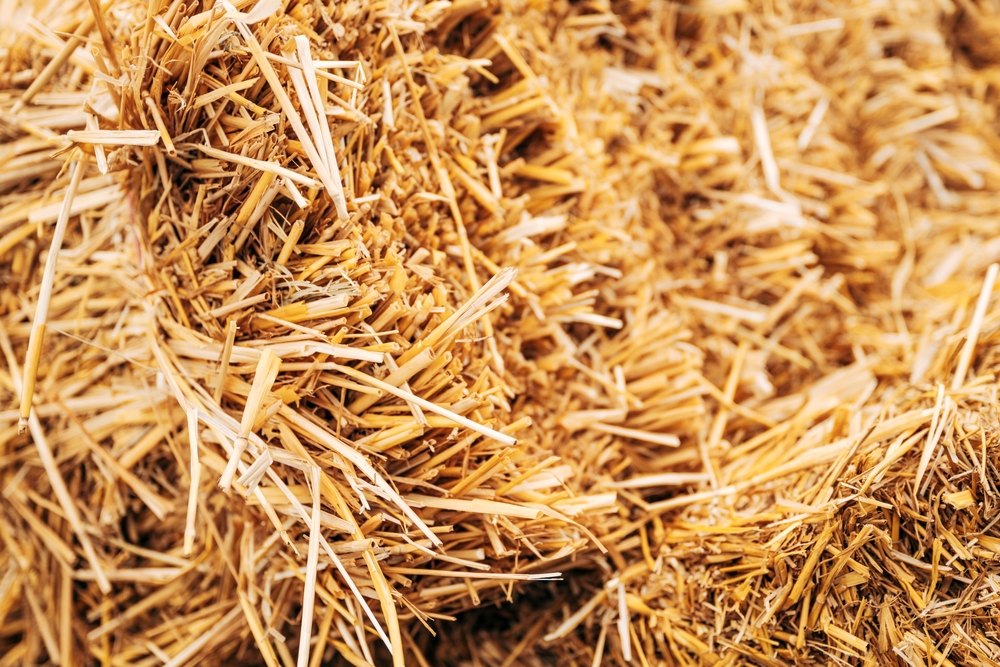
Hay is another breathable mulch option that can protect plant roots during the late winter. Similar to straw, hay provides insulation and moisture retention, which helps keep soil temperatures steady. A 2-4 inch layer will shield roots from cold snaps while allowing for adequate airflow to prevent moisture buildup and rot. Be sure to leave a gap around plant stems to ensure the mulch does not sit directly against them.
Hay is often more readily available and can be less expensive than other organic mulches. However, be cautious when using hay, as it may contain weed seeds that could cause problems in your garden later on. It is best to use weed-free hay or check it for seeds before application.
Grass Clippings
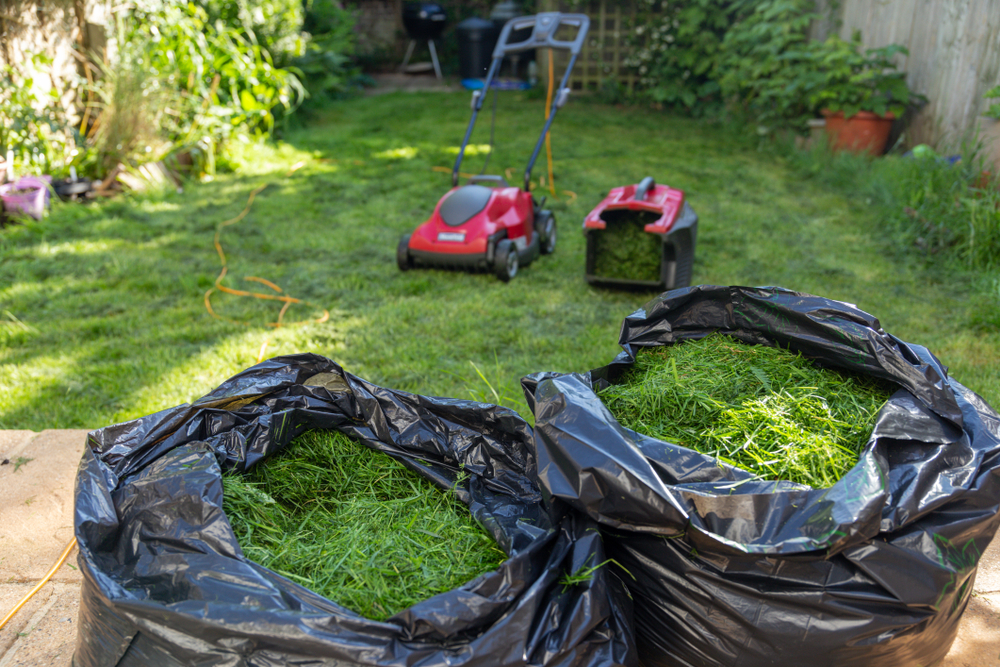
Grass clippings can serve as an excellent late-winter mulch when applied correctly. They are rich in nitrogen and can help keep plant roots warm during the winter months. When applying grass clippings, make sure they are dry and spread them in a 2-4 inch layer to avoid clumping, which can trap moisture and cause rot. Keep the mulch a few inches away from plant stems and tree trunks to avoid moisture accumulation around the base of plants.
Grass clippings decompose quickly, adding nutrients back into the soil and improving its structure. However, they should not be applied in thick layers, as this can lead to matting and poor airflow. Grass clippings are best used in gardens where they can break down rapidly and enrich the soil without creating too dense a cover.
Cocoa Hulls
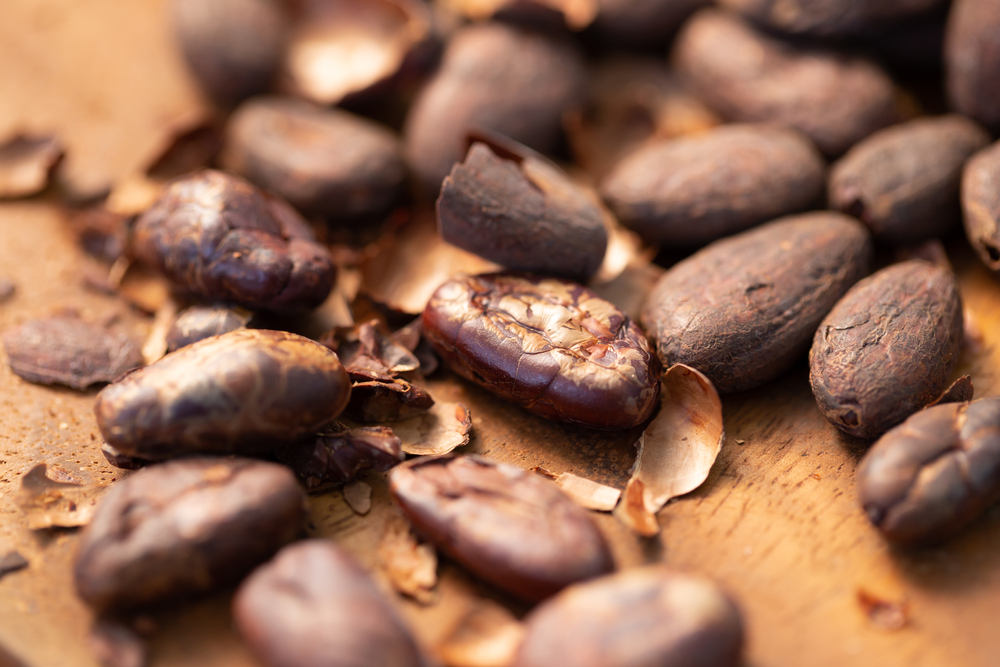
Cocoa hulls provide a visually appealing mulch option with a pleasant aroma, making them a popular choice for gardens. They help to insulate plant roots and reduce the effects of temperature fluctuations during late winter. Cocoa hulls also promote moisture retention while allowing for proper air circulation, which helps prevent root rot. A 2-4 inch layer of cocoa hulls can protect plants while adding nutrients to the soil as they break down.
However, it is important to use cocoa hulls in moderation. They are rich in nitrogen, which can be beneficial but also cause problems if applied too heavily. Additionally, cocoa hulls may be toxic to pets, so it’s best to avoid using them in areas where animals could ingest them.
Grass Sod
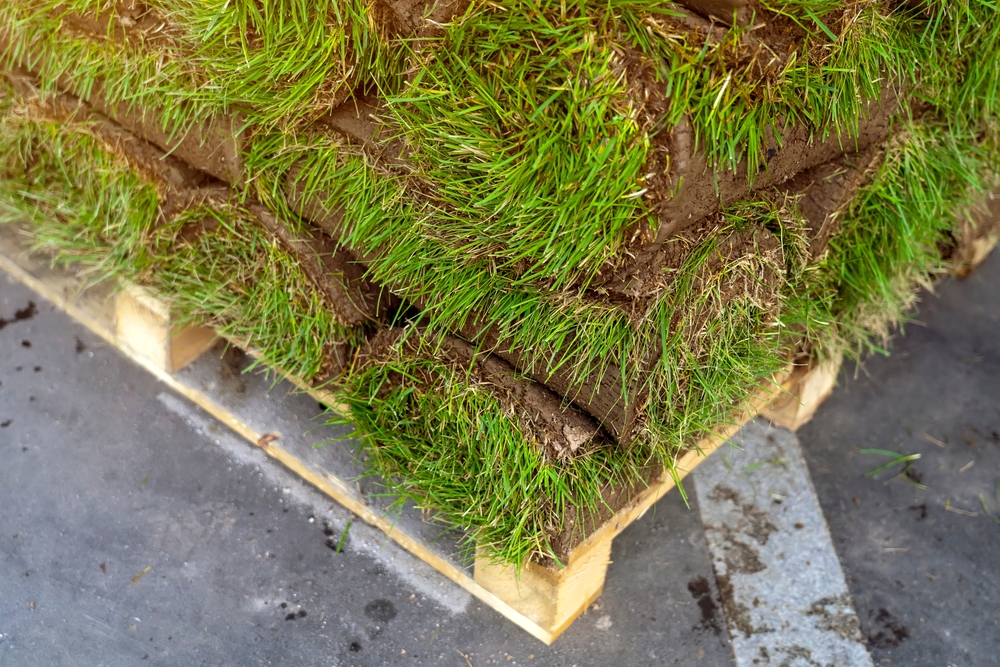
Grass sod can be an effective mulch option in late winter when properly managed. When laid down in a 2-4 inch layer, it helps regulate soil temperature and protects roots from extreme cold. The sod acts as a natural insulator, providing warmth during the colder months while allowing for adequate water infiltration. Be sure to leave space between the sod and plant stems to allow for airflow and avoid moisture buildup.
Grass sod also helps prevent soil erosion, making it a good choice for areas that are prone to runoff or compaction. It can be used for garden beds or around trees, especially in regions with harsh winters. However, it’s important to ensure the sod is not too thick or overly compacted, as this could block necessary airflow to the roots.
This article originally appeared on Avocadu.