
11 Rare Sea Salts With Texture You Can Hear When You Sprinkle
Sea salt is formed through the evaporation of seawater, containing valuable minerals that regular salt lacks. Rare sea salts are prized for their unique characteristics, such as their texture and the sound they create when added to food. These salts are harvested from specific regions, each bringing something special to the table. Let’s explore the rare sea salts that make every sprinkle a delightful experience.
This post may contain affiliate links, which helps keep this content free. Please read our disclosure for more info.
Fleur de Sel
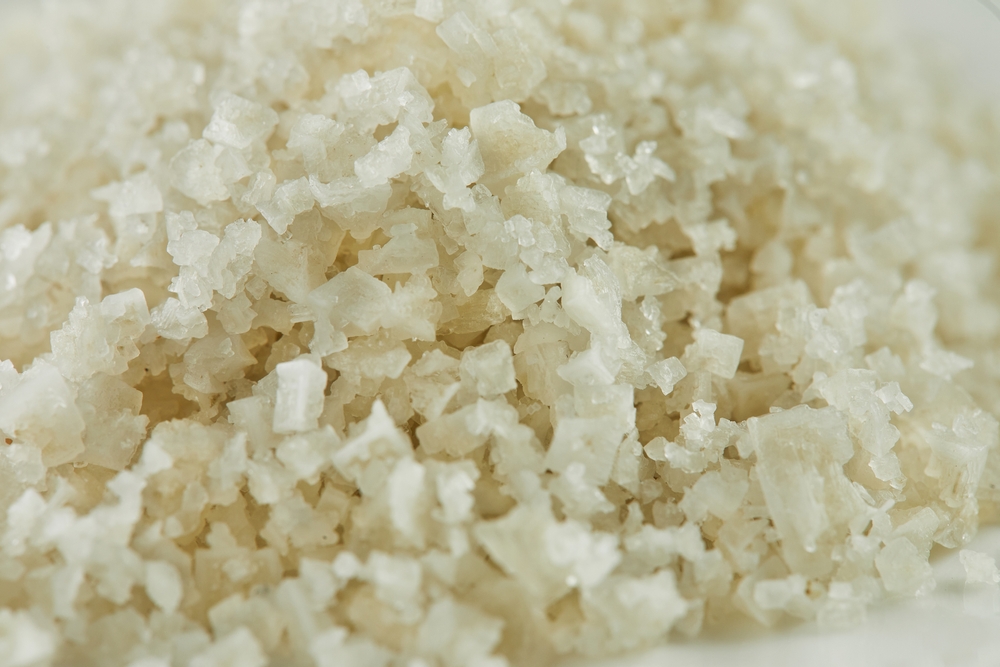
Fleur de Sel is a premium sea salt that is carefully hand-harvested from the surface of salt ponds in the Guerande region of France. What makes it rare is the delicate process of gathering the salt, as it forms only in specific weather conditions. The texture of Fleur de Sel is light and flaky, creating a gentle crunch when sprinkled on food. It is often used as a finishing salt, adding a delicate crunch and burst of flavor to dishes like salads or seafood.
This sea salt is native to the coast of Brittany, France, and is known for its mineral-rich profile. Fleur de Sel is traditionally used in French cuisine to enhance the taste of gourmet dishes. It is collected during the summer months when the weather is just right, making it a rare and sought-after ingredient. Its sound and texture make it perfect for adding an audible, satisfying crunch to your meals.
Maldon Sea Salt
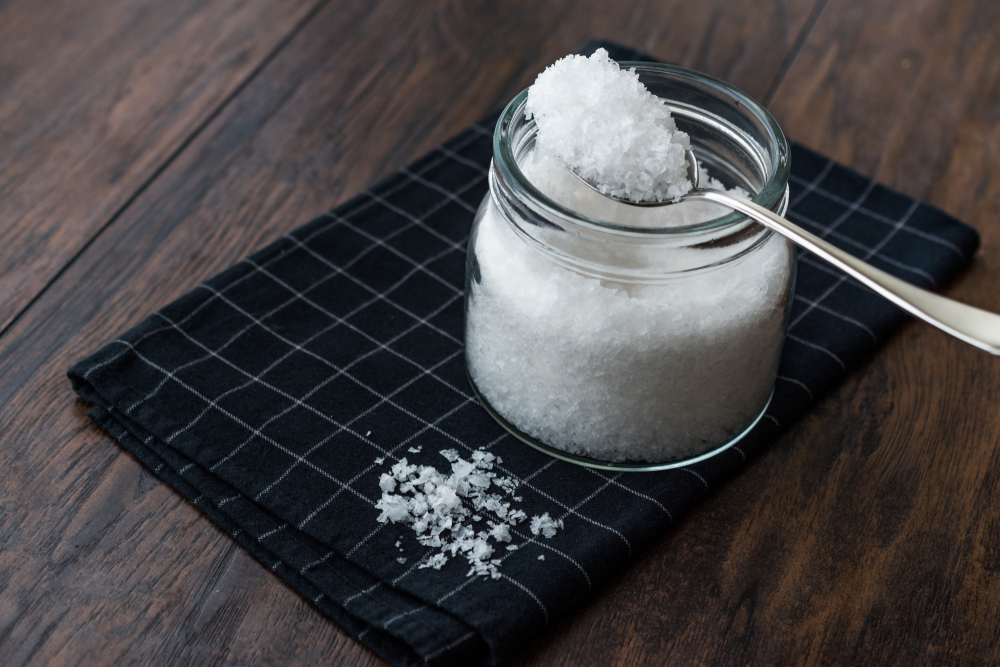
Maldon Sea Salt is harvested from the coastal waters of Essex in the United Kingdom, known for its pyramid-shaped crystals. The rarity of this salt comes from the specific method used to create its unique texture, which produces a crunch that’s audible when sprinkled on food. It is typically used as a finishing salt, adding a delightful texture to dishes like roasted meats or even baked goods. The sharp, clean taste of Maldon also pairs well with sweet dishes like caramel and chocolate.
Native to the Maldon area in southeastern England, this sea salt is highly prized by chefs worldwide. The harvesting process is done by hand, ensuring that only the finest crystals are collected. Its texture provides a satisfying crunch that’s perfect for adding a touch of elegance to your plate. This salt is often chosen for its crisp, distinctive taste and sound when it hits the food.
Himalayan Pink Salt
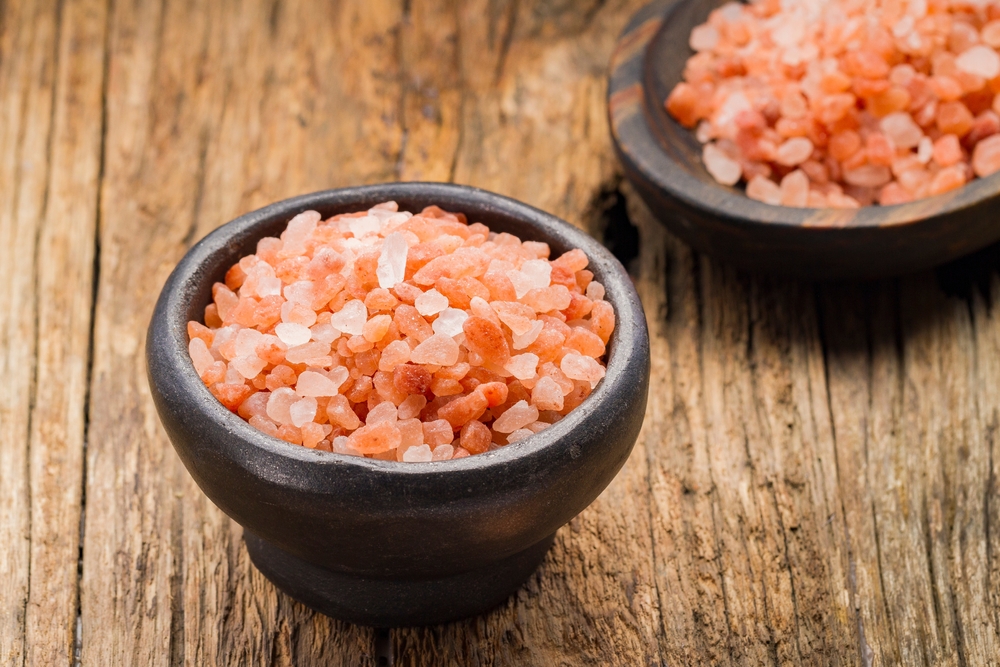
Himalayan Pink Salt is a rock salt that comes from ancient sea beds buried deep within the Himalayan mountains. This salt is considered rare because of its mineral content and the unique pink hue that gives it an appealing look. When sprinkled on dishes, it produces a pleasant crunch and is often used as a finishing salt for steaks, salads, and roasted vegetables. Its distinct flavor, enhanced by the minerals it contains, offers a slightly earthy and savory taste.
Himalayan Pink Salt is primarily harvested from mines in Pakistan, near the Himalayan foothills. It is known for its high mineral content, including calcium, magnesium, and potassium. The salt’s large crystals provide a satisfying texture that enhances both the sound and taste of your dishes. It is often used in both cooking and as a decorative element, adding flair to a meal.
Celtic Sea Salt
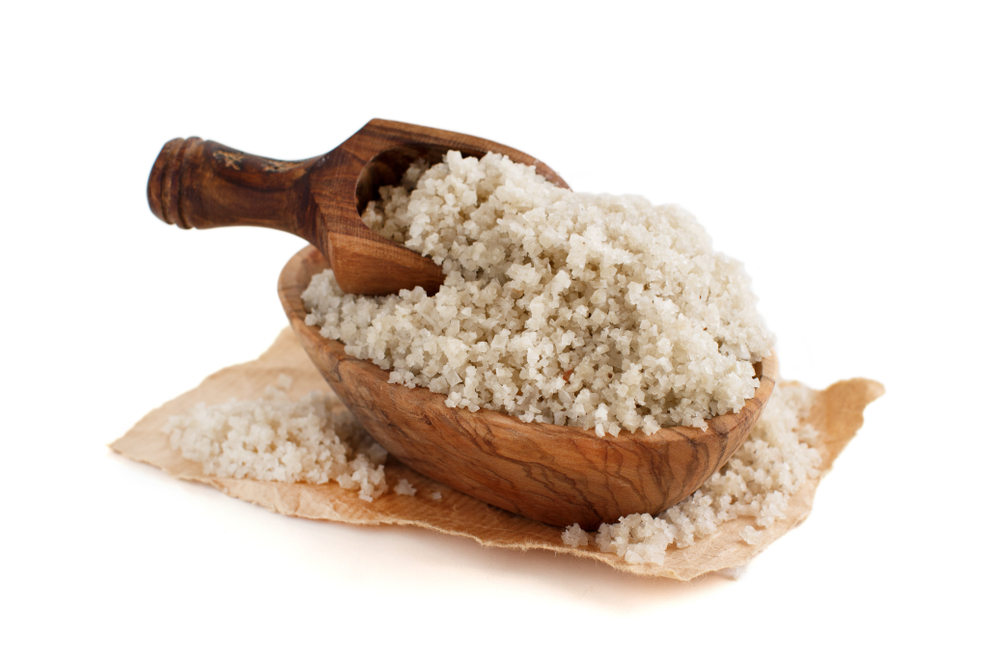
Celtic Sea Salt, also known as Sel Gris, is hand-harvested from the clay ponds in the coastal region of Brittany, France. What makes this sea salt rare is its harvesting process, which retains its natural moisture and mineral content. Its coarse texture creates a distinct crunch when sprinkled, making it a popular choice for finishing dishes. Celtic Sea Salt adds a subtle briny flavor, often used on meats, vegetables, and even in homemade bread.
This salt is native to France and is prized for its deep, earthy flavor and high trace mineral content. The salt is gathered from the unrefined sea salt pans, where it absorbs nutrients from the earth beneath. Its texture offers a satisfying crunch that enhances the tactile experience when seasoning your food. Celtic Sea Salt is considered a health-conscious choice, rich in minerals that support hydration and nutrition.
Black Hawaiian Salt
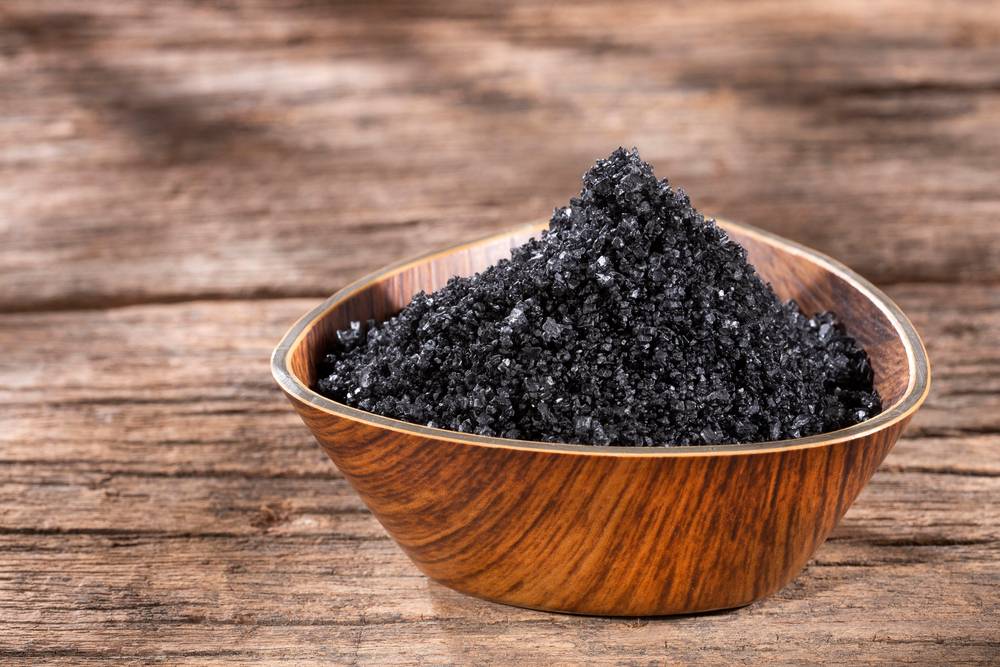
Black Hawaiian Salt is a rare sea salt made by adding activated charcoal from volcanic rocks to traditional Hawaiian sea salt. This unique combination gives the salt its striking black color and distinct, smoky flavor. When sprinkled on food, Black Hawaiian Salt creates a noticeable crunch, making it perfect for adding texture and flavor to dishes like fish, poultry, and grilled vegetables. It’s often used as a finishing salt to elevate the taste and appearance of any meal.
This salt is native to the Hawaiian Islands, where it is harvested from the Pacific Ocean. The black color comes from the volcanic charcoal, which not only adds color but also enhances the flavor with a hint of smokiness. Black Hawaiian Salt is used in traditional Hawaiian dishes, such as poke and roasted meats. The crunchy texture it imparts makes it a favorite among chefs for adding the perfect touch to a variety of cuisines.
Persian Blue Salt
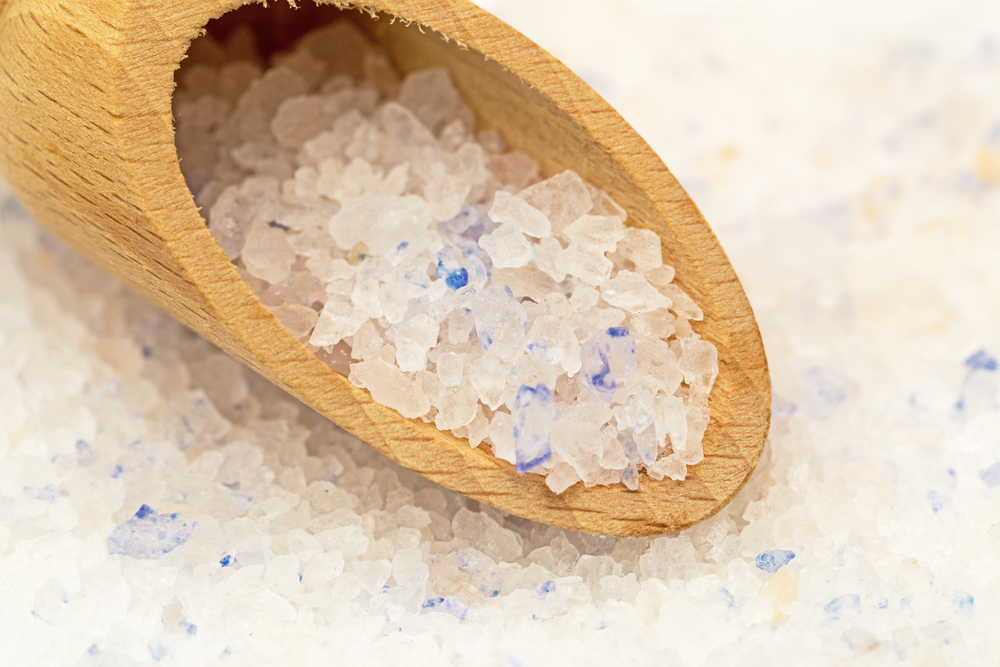
Persian Blue Salt is a rare and striking sea salt that is harvested from ancient salt lakes in Iran. The unique blue color of this salt is a result of mineral deposits that give it a slightly nutty and sweet flavor. When sprinkled, it creates a crisp crunch that can be heard and felt, making it a standout finishing salt. Persian Blue Salt is often used to season meats, seafood, and salads, adding both flavor and texture to dishes.
This salt is native to the desert regions of Iran, where it has been mined for centuries. It’s prized not only for its distinctive color but also for its high mineral content, which contributes to its unique taste. Persian Blue Salt is rare because of its limited production and the specialized methods needed to harvest it. Its crunchy texture makes it a favorite choice for those looking to elevate the sensory experience of their meals.
Bali Sea Salt
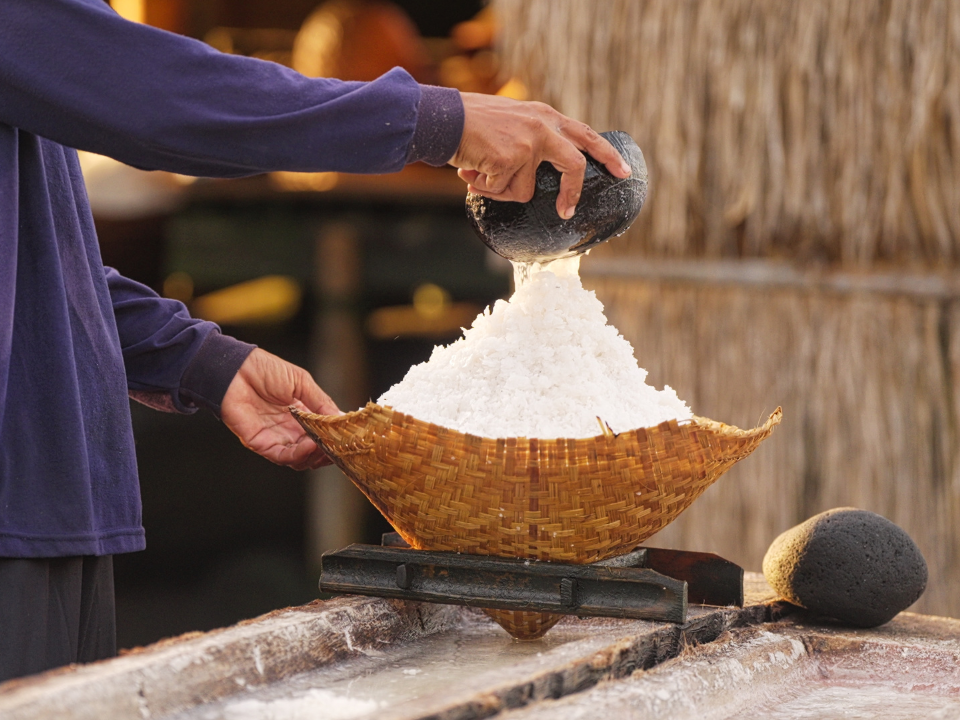
Bali Sea Salt is hand-harvested from the coastal waters of Bali, Indonesia, using traditional methods passed down for generations. The salt is left to dry under the sun, preserving its natural minerals and moisture. It has a coarse texture that creates a satisfying crunch when sprinkled on food, making it ideal for finishing a dish. Bali Sea Salt’s slightly sweet and mild flavor pairs well with fish, vegetables, and grilled meats.
This rare sea salt is native to the tropical island of Bali, where it is harvested from pristine, unpolluted waters. The salt is rich in trace minerals, which contribute to its complex flavor profile. Bali Sea Salt is valued for both its taste and the texture it adds to dishes, providing a pleasant crunch with every sprinkle. It’s a popular choice for those looking to add a unique touch to their culinary creations.
Murray River Salt
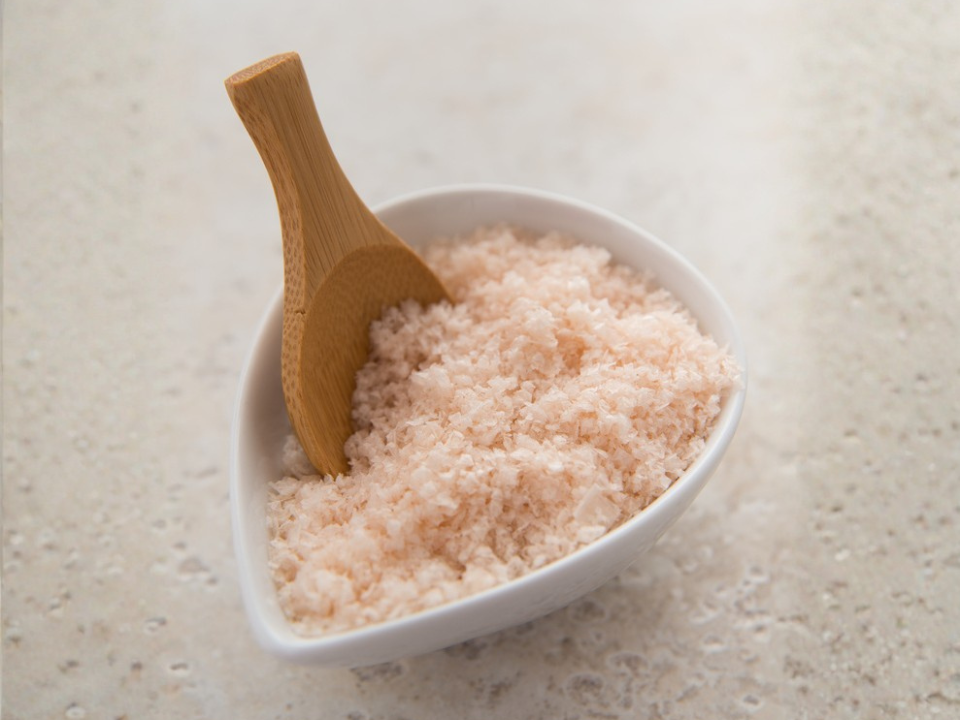
Murray River Salt is harvested from the mineral-rich waters of the Murray-Darling Basin in Australia. This rare salt has a soft pink color and is known for its delicate texture, which gives a slight crunch when sprinkled on food. It’s often used in both savory and sweet dishes, as its subtle flavor enhances the natural taste of the ingredients. Murray River Salt is especially favored for finishing dishes such as roasted vegetables, meats, and even chocolate.
The salt is native to Australia, where it is harvested from the region’s ancient saltwater lakes. The natural evaporation process leaves behind a salt that is rich in minerals, adding both flavor and texture to any dish. Murray River Salt’s delicate yet crunchy texture makes it a favorite among chefs who want to elevate their dishes. Its soft, pink crystals are a visually appealing addition to any plate.
Sel Gris
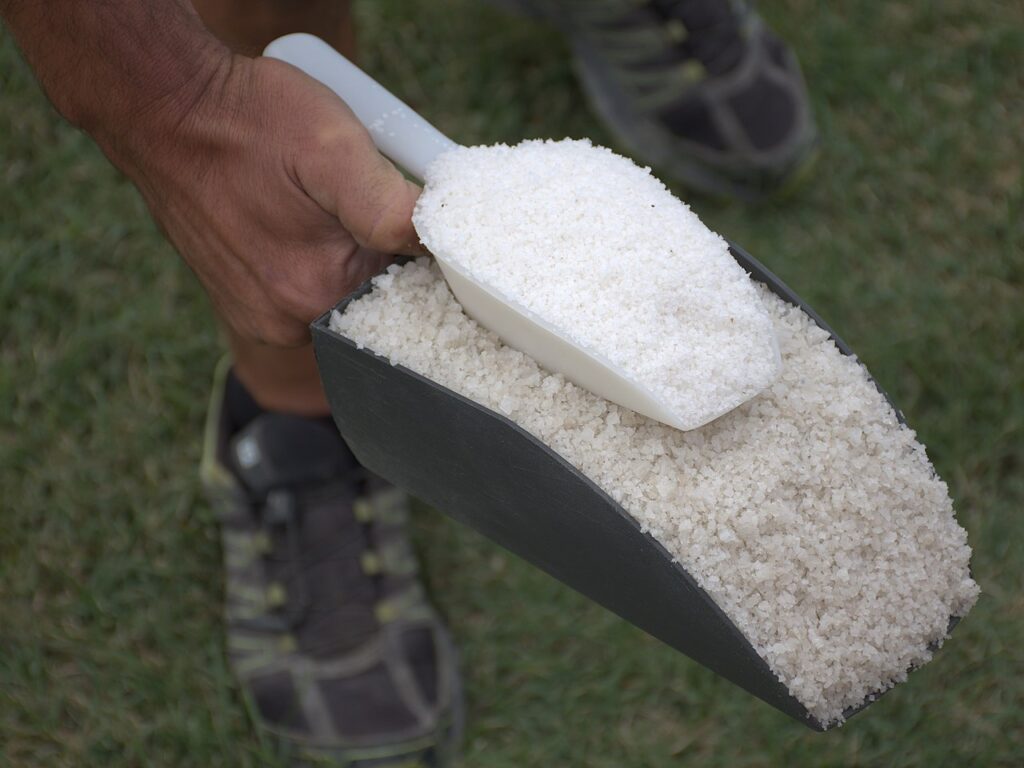
Sel Gris, also known as gray salt, is harvested from the clay-rich salt flats in the Brittany region of France. The salt is recognized for its moist texture, which creates a distinct crunch when sprinkled on food. This mineral-rich salt is ideal for seasoning meats, vegetables, and salads, offering a burst of flavor and texture. The rare combination of its flavor and texture makes it a highly prized ingredient in French cuisine.
Sel Gris is native to the coastal region of Brittany, where it is hand-harvested in a traditional manner. The salt’s natural gray color comes from the clay deposits in the salt ponds, adding to its unique appearance. The texture of Sel Gris adds an audible crunch when sprinkled on food, making it perfect for finishing dishes. This rare sea salt is not only prized for its taste but also for the sensory experience it provides.
Alaea Salt
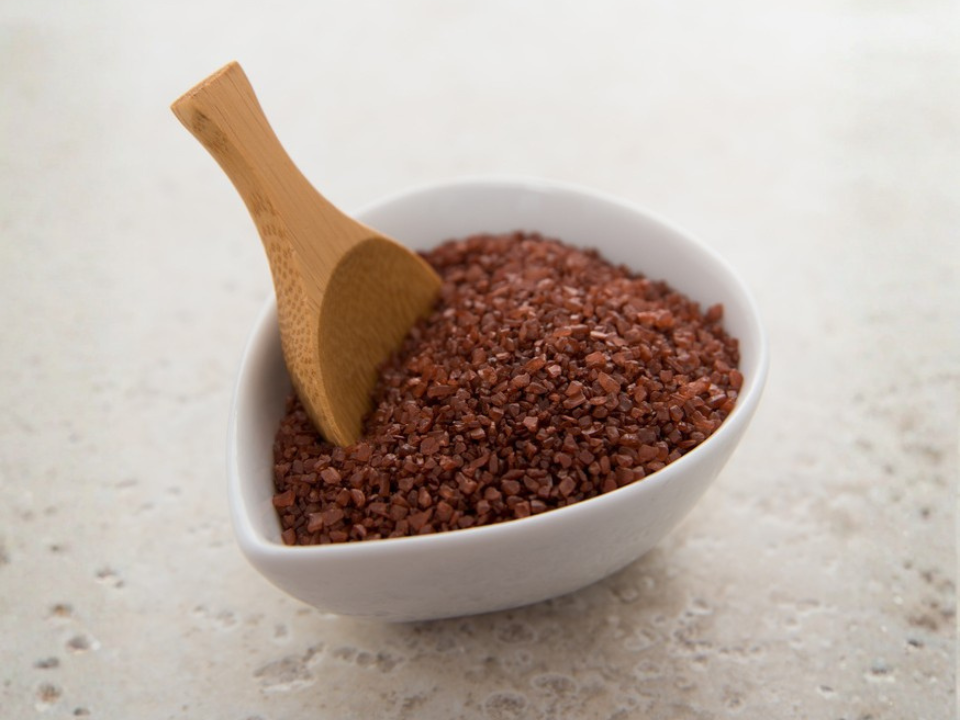
Alaea Salt is a Hawaiian sea salt that is naturally infused with red volcanic clay, giving it a unique red color. The clay adds not only a distinct color but also a mild, earthy flavor that makes it stand out. When sprinkled, the salt creates a satisfying crunch, making it perfect for finishing grilled meats or seafood. Its rare color and texture make it a favorite in Hawaiian cuisine and beyond.
Native to Hawaii, Alaea Salt is harvested from the clean, mineral-rich waters off the coast of the islands. The addition of volcanic clay enhances the salt’s mineral content, making it a flavorful and visually striking choice. Alaea Salt is often used in traditional Hawaiian dishes such as poke and roasted pig. Its distinctive crunch and color make it a rare and flavorful seasoning.
Hickory Smoked Sea Salt
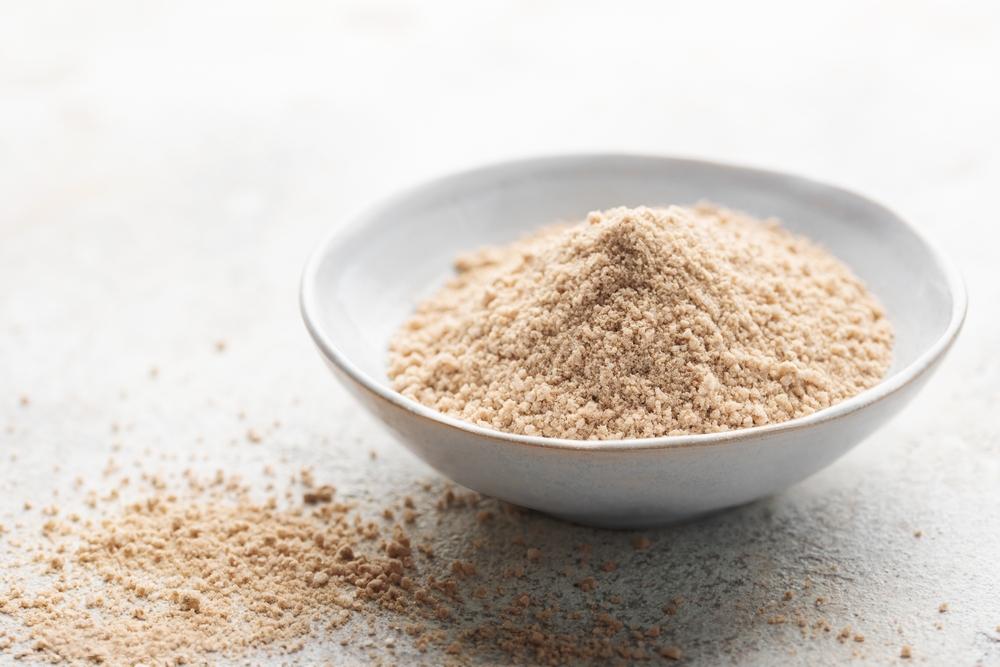
Hickory Smoked Sea Salt is a rare smoked sea salt that is made by infusing sea salt with the natural flavor of hickory wood smoke. The salt’s texture provides a satisfying crunch when sprinkled on food, while the smoky flavor adds depth to a variety of dishes. It is perfect for grilling, seasoning meats, or even adding a smoky touch to vegetables and snacks. The unique process of smoking the salt makes it a rare and flavorful choice.
Native to the United States, Hickory Smoked Sea Salt is produced in small batches using traditional smoking techniques. The smoky aroma and flavor give it an earthy, rich taste that pairs well with grilled or roasted foods. Its crunchy texture enhances the overall sensory experience when used as a finishing touch. Hickory Smoked Sea Salt is a rare ingredient that adds a distinct, smoky flair to your cooking.
This article originally appeared on Avocadu.