
10 Heritage Squash With Dense, Chestnut-Like Taste
Heritage squash varieties are celebrated for their deep flavors and connection to the past. Known for their chestnut-like taste and dense texture, these squashes have been enjoyed for generations. They stand out in the kitchen for their ability to add depth to a variety of dishes. Let’s take a closer look at the different types of heritage squash that bring such unique flavor to the table.
This post may contain affiliate links, which helps keep this content free. Please read our disclosure for more info.
Red Kuri Squash
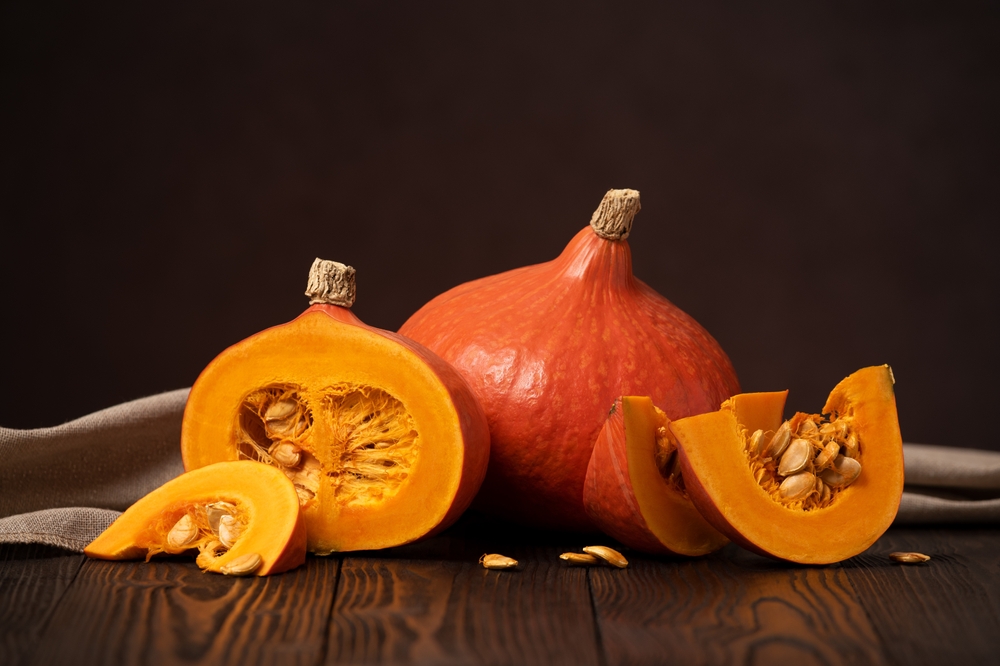
Native to Japan, the Red Kuri Squash is a small, round variety with a vibrant orange skin. Known for its dense, chestnut-like flavor, it is often used in soups, purees, and pies. This squash is prized for its rich taste and smooth texture, making it a favorite in Japanese cooking. It is a heritage variety that has been passed down for generations, adding both flavor and tradition to dishes.
The flesh of Red Kuri Squash is ideal for roasting or simmering, where its sweet flavor shines through. It pairs wonderfully with savory dishes, especially when roasted with herbs. Though it requires specific growing conditions, the squash is highly valued for its natural sweetness. Its compact size makes it easy to use for small servings, making it perfect for home gardeners.
Kabocha Squash
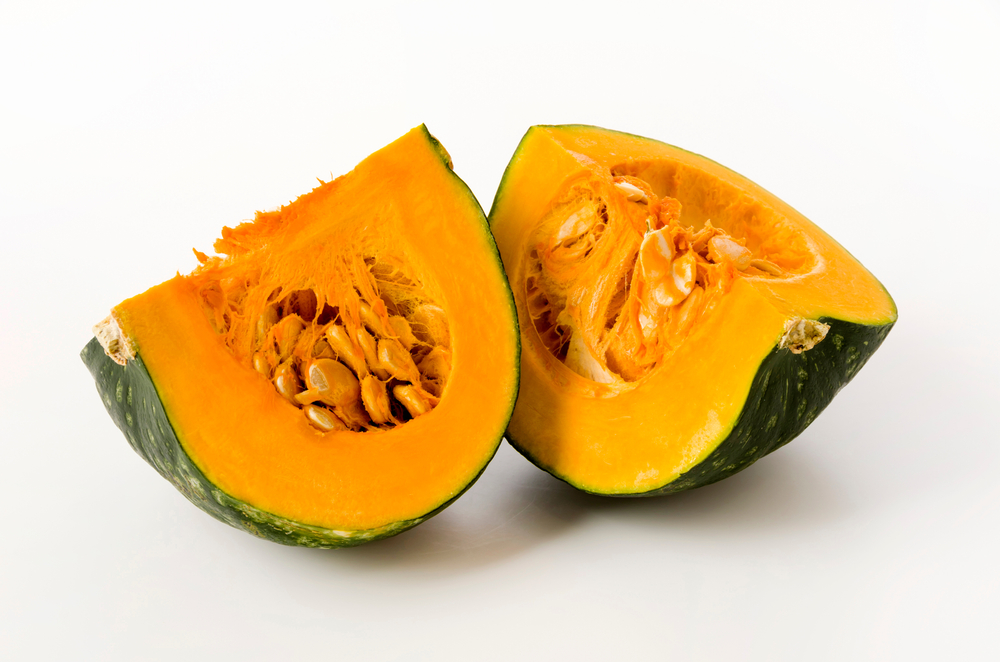
Kabocha Squash, originating in Japan, is known for its rich, dense texture and sweet, chestnut-like flavor. It is often used in stews, soups, and tempura, making it a beloved ingredient in Japanese cuisine. This heritage squash has been cultivated for centuries and is cherished for its ability to thrive in cooler temperatures. Its unique flavor and texture have made it a staple in both traditional and modern dishes.
The dense flesh of Kabocha Squash makes it perfect for mashing, baking, or using in savory dishes. Its creamy texture is ideal for soups and curries, where its natural sweetness complements other ingredients. Kabocha is a popular squash for home cooks, especially during the colder months. Its heritage and long-standing presence in Japanese cuisine make it an essential variety to grow.
Buttercup Squash
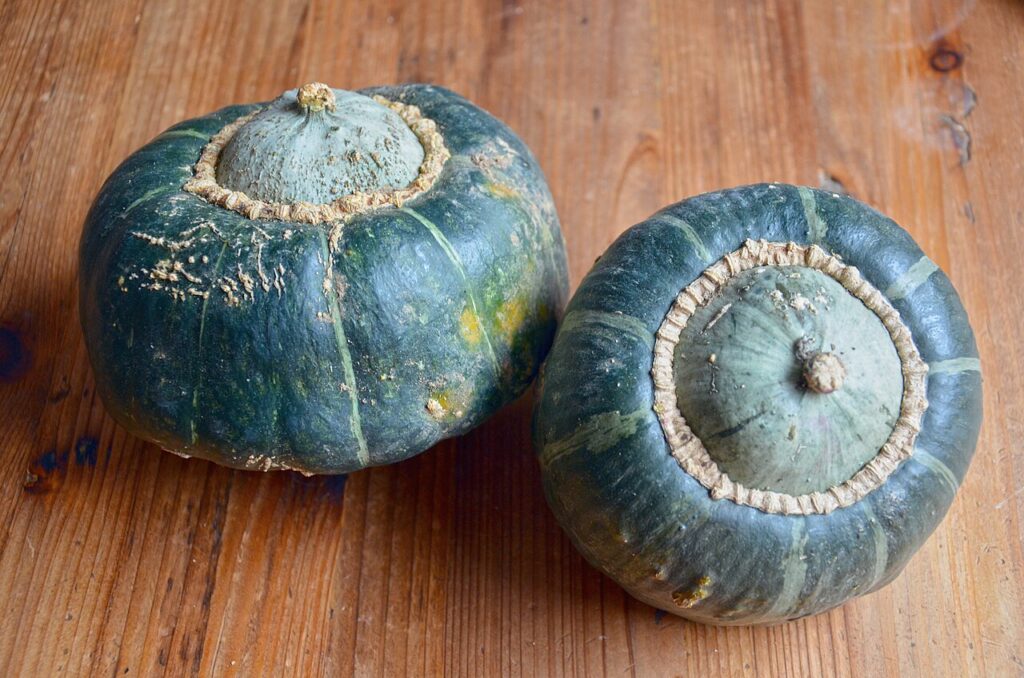
Buttercup Squash, native to North America, is recognized for its round, green skin and rich, sweet flavor. Its dense flesh resembles chestnuts, making it perfect for savory pies, casseroles, and soups. This squash has been a heritage variety in American cooking, providing hearty meals throughout the fall and winter months. It is often stored for use in cooler weather, offering both nourishment and flavor.
Buttercup Squash is best roasted or pureed to highlight its smooth texture and rich flavor. It pairs well with spices like cinnamon and nutmeg or can be used in savory dishes with garlic and rosemary. Grown for its sturdy storage capabilities, it remains a beloved variety in American kitchens. This heritage squash continues to shine in modern recipes, proving its lasting popularity.
Delicata Squash
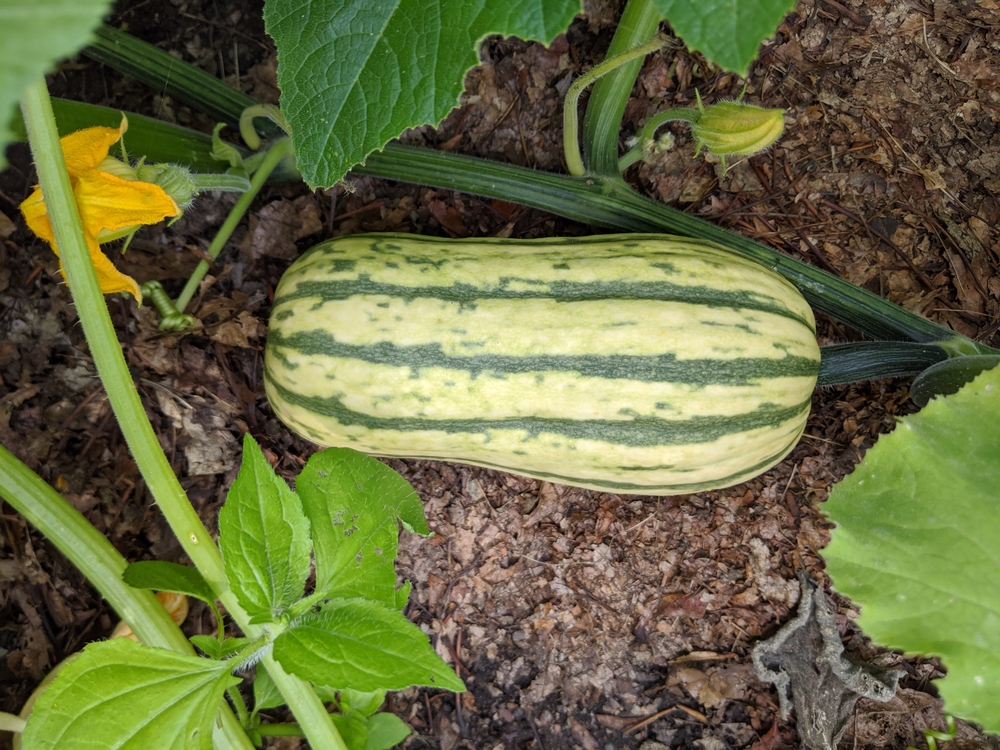
Delicata Squash, a native North American variety, is known for its small, elongated shape and smooth, sweet flavor. It has a chestnut-like richness that makes it a perfect candidate for roasting, stuffing, or adding to stews. This heritage squash has been enjoyed for generations, appreciated for its unique taste and tender skin, which is edible when cooked. Its early popularity in American gardens has kept it a favorite for home gardeners and chefs alike.
Delicata Squash’s dense flesh and creamy texture make it an excellent choice for both savory and sweet dishes. It is often roasted with olive oil and herbs, bringing out its natural sweetness. This squash is easy to store and has a long shelf life, making it a practical crop for those who wish to enjoy it throughout the winter. Its heritage is deeply rooted in North American agricultural traditions.
Acorn Squash
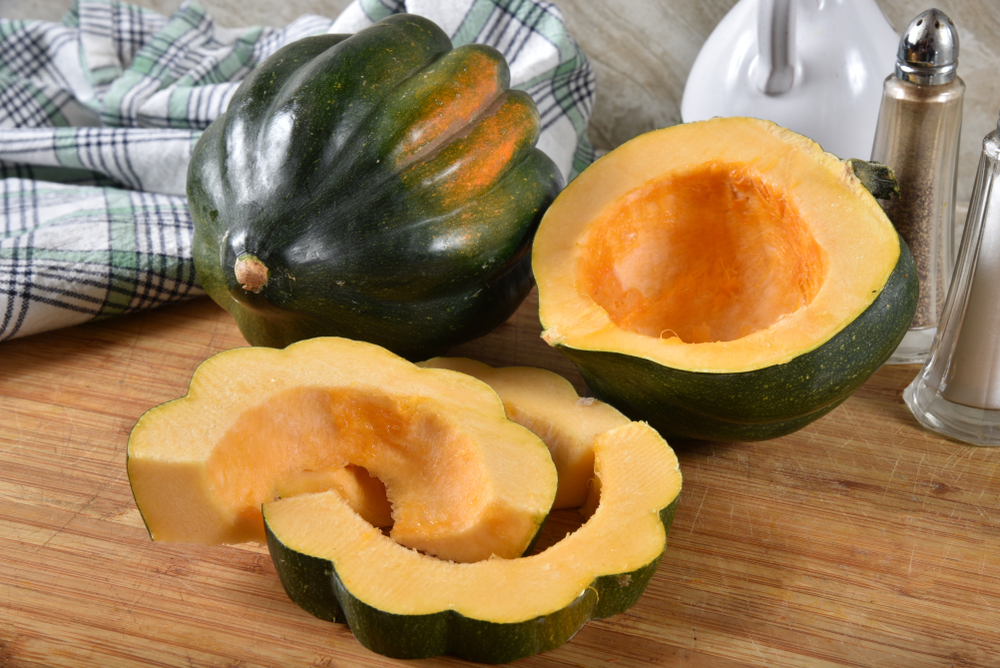
Acorn Squash, native to North America, is a small, squat squash with a deep green skin and orange flesh. Its chestnut-like flavor makes it ideal for roasting, mashing, and stuffing with savory fillings. This heritage variety has been a staple in American kitchens for generations, offering a rich flavor that can be adapted for both sweet and savory dishes. Its unique shape and thick skin make it easy to handle and store.
The flesh of Acorn Squash is dense and smooth, making it perfect for baked dishes, especially when paired with butter and herbs. It is commonly used in fall and winter recipes, adding a hearty touch to soups and casseroles. The squash’s ability to store well through the colder months has made it a dependable variety for home gardeners. Its enduring popularity in North American cooking speaks to its versatility and flavor.
Hubbard Squash
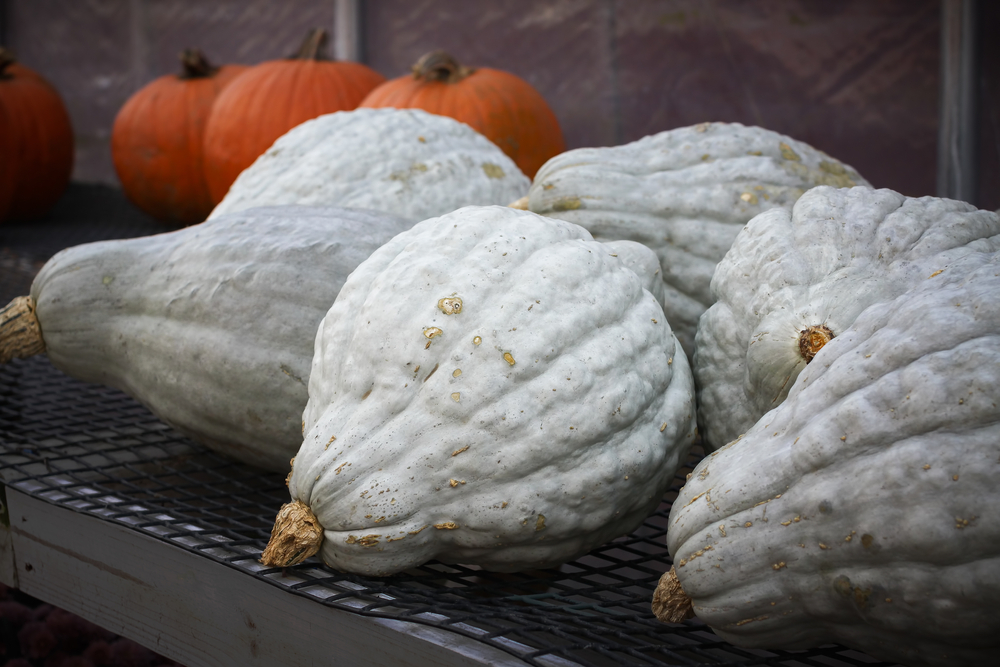
Hubbard Squash, native to New England, is a large, bumpy squash with blue-gray skin and dense, sweet flesh. Its chestnut-like flavor makes it ideal for soups, pies, or roasted dishes, adding a rich depth to each bite. This heritage variety has been a staple crop in North American farming for over a century, known for its storage capabilities and hearty flavor. The tough skin protects the squash’s flesh, allowing it to be stored for months after harvest.
The rich, dense flesh of Hubbard Squash is perfect for making hearty soups or creamy mashed dishes. It is often roasted to develop its natural sweetness, making it a satisfying addition to fall and winter meals. Its long shelf life has made it a valuable crop for home gardeners, ensuring a supply of delicious squash even in the colder months. This heritage squash continues to be cherished for both its flavor and practicality in the kitchen.
Carnival Squash
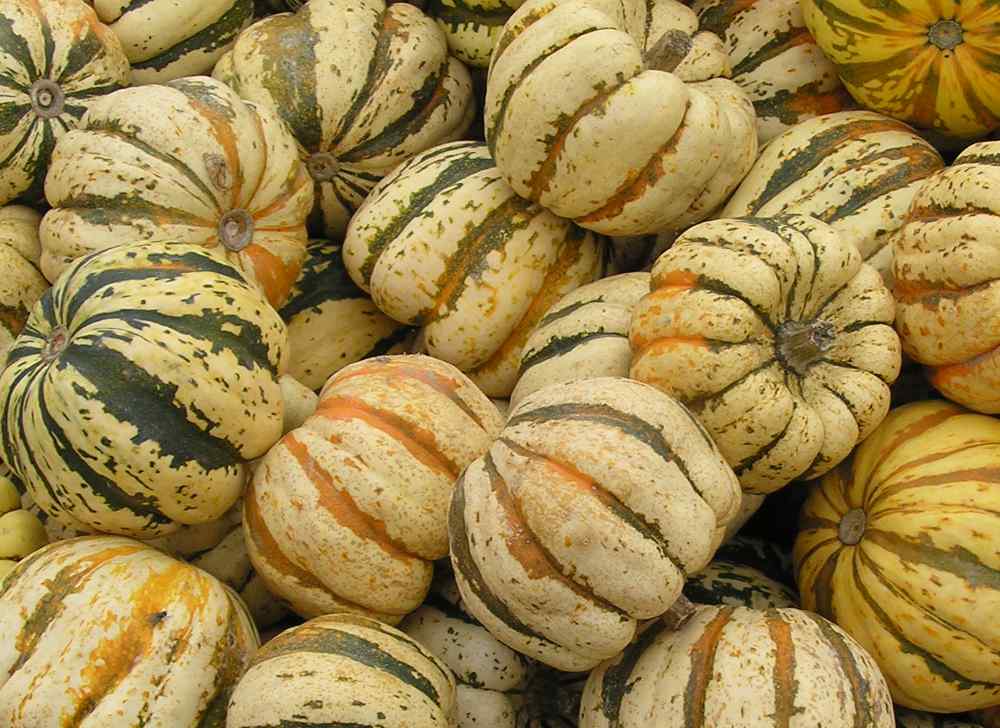
Carnival Squash is a hybrid variety with colorful stripes of orange, yellow, and green, adding a unique visual appeal to any dish. Known for its chestnut-like flavor, it has a smooth, dense texture that works well for roasting and stuffing. Native to North America, this squash has been a favorite for its versatility in the kitchen and its ability to brighten up fall meals. Its vibrant appearance and rich flavor make it a standout in both savory and sweet dishes.
Carnival Squash’s dense flesh is perfect for mashing or roasting, where it develops a rich, caramelized flavor. It can be used in both savory dishes, such as stuffed squash, or in pies for a sweet dessert. This variety has gained popularity due to its ease of preparation and the vibrant color it brings to the plate. Its heritage is rooted in North American farming, where it was valued for both its beauty and taste.
Sweet Dumpling Squash
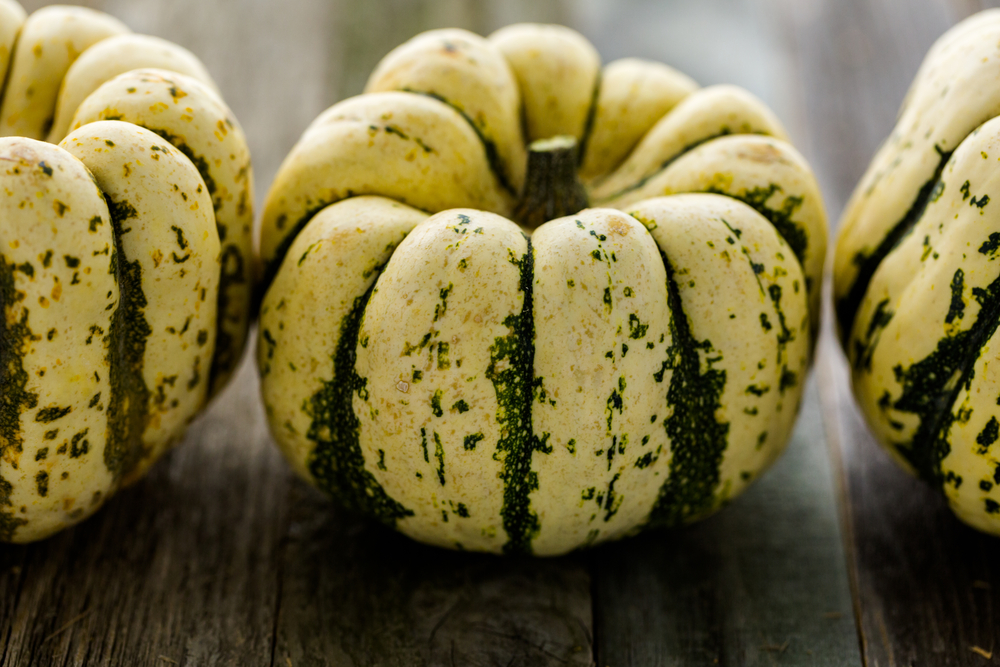
Sweet Dumpling Squash, native to North America, is a small, round squash with orange and green skin. Known for its chestnut-like sweetness, it is perfect for roasting, stuffing, or adding to soups. This heritage variety has been a favorite for its compact size and delicious flavor, making it a popular choice for individual servings. Its dense flesh is sweet and smooth, offering a rich flavor that enhances any dish.
The flesh of Sweet Dumpling Squash is ideal for both savory and sweet dishes, often roasted with butter and herbs or stuffed with grains. Its small size makes it convenient for preparing individual portions, while its rich, sweet flavor shines in fall and winter recipes. Sweet Dumpling Squash has a long history in American kitchens, where it was once a key crop for home gardeners. Its ability to store well throughout the winter has kept it a reliable and cherished variety.
Honeynut Squash
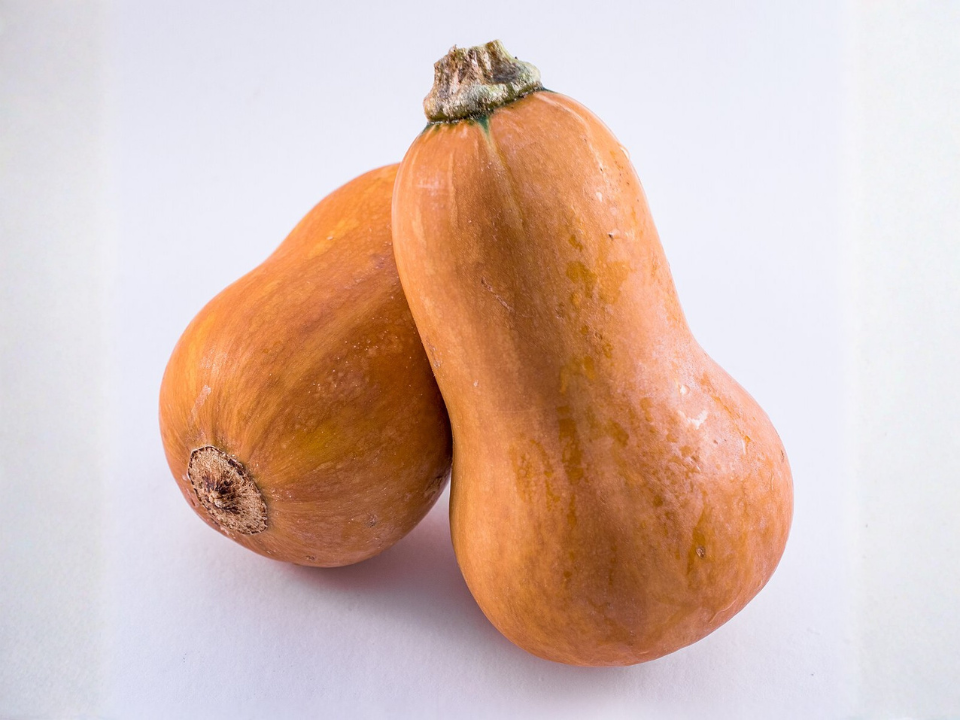
Honeynut Squash, a hybrid of Butternut Squash, was developed in the United States to offer a smaller, sweeter version. With its dense flesh and chestnut-like taste, it is ideal for roasting, mashing, or using in soups. This heritage squash has been a popular choice for gardeners seeking a smaller but flavorful squash. Its smooth texture and rich flavor make it a great addition to savory and sweet dishes alike.
The small size of Honeynut Squash makes it perfect for individual servings, while its sweetness adds a touch of warmth to dishes. It is often roasted with spices like cinnamon or nutmeg, or pureed for soups and stews. Honeynut Squash is a relatively recent addition to American kitchens but has quickly gained popularity for its flavor and ease of use. Its heritage lies in the development of smaller, sweeter varieties that can still offer the rich flavor of the larger Butternut Squash.
Spaghetti Squash
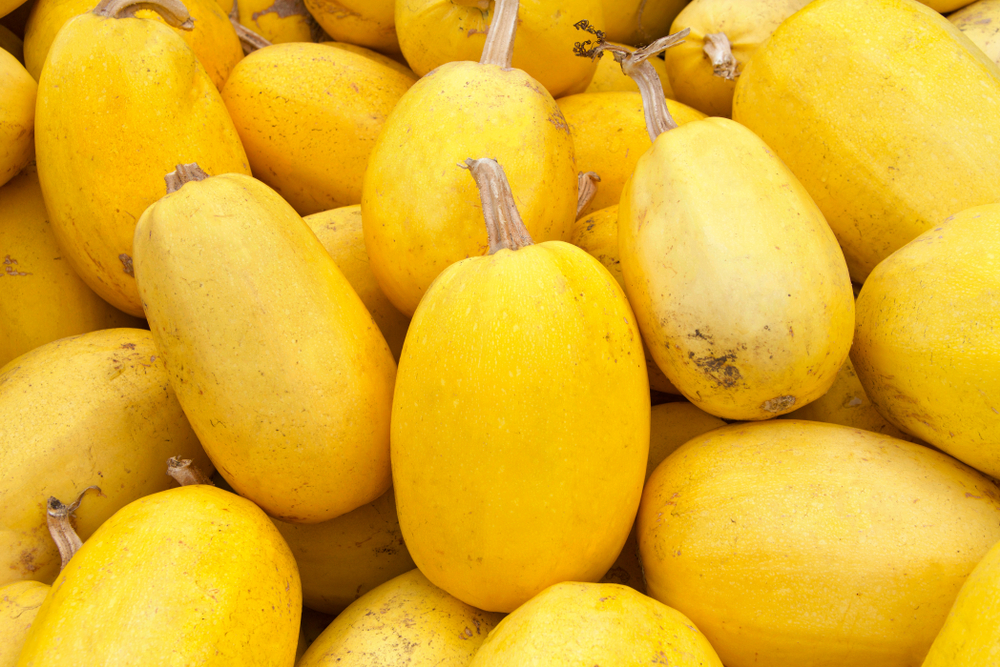
Spaghetti Squash, originating in North America, is known for its ability to form spaghetti-like strands when cooked. Its sweet, nutty flavor, with a chestnut-like richness, makes it a healthy alternative to pasta in many dishes. This heritage variety has long been a staple crop for gardeners and is prized for its low-calorie, high-nutrient content. It is often used as a substitute for pasta in gluten-free dishes or paired with savory sauces.
The flesh of Spaghetti Squash can be scraped into noodles, providing a satisfying texture similar to spaghetti. It is often roasted or microwaved, where its mild flavor can be paired with a variety of toppings, from marinara sauce to cheese. Grown for its versatility, this squash is ideal for a wide range of dishes. Its heritage is tied to early American agricultural practices, where it was valued for both its flavor and practicality.
This article originally appeared on Avocadu.