
10 Tips for Spotting and Fix Winter Lawn Damage Before It Spreads
As winter thaws and spring arrives, it’s essential to assess your lawn for any damage caused by the colder months. Snow mold, pet urine, salt burn, and soil compaction are common issues that can harm your grass if not addressed early. Identifying and fixing these problems as soon as possible helps prevent small patches from turning into large, weed-infested areas. By taking proactive steps, you can ensure your lawn recovers quickly and stays healthy throughout the growing season.
This post may contain affiliate links, which helps keep this content free. Please read our disclosure for more info.
Inspect for Snow Mold
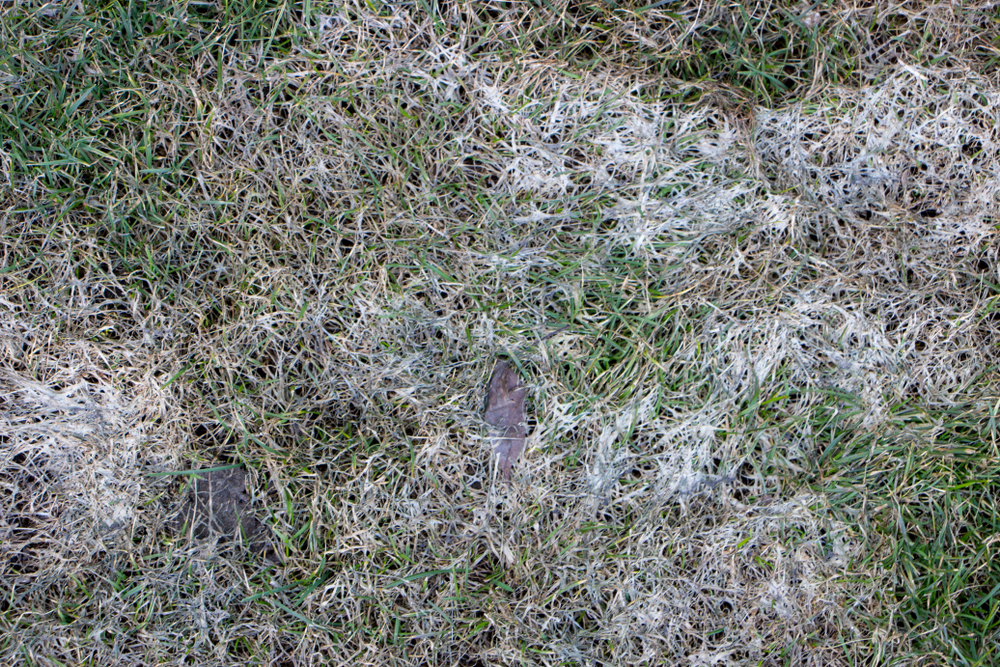
Snow mold is a common problem in lawns after winter, especially if snow piles up for long periods. It typically manifests as circular patches of dead grass, sometimes with a grayish or pinkish hue. Snow mold thrives in areas where there is heavy snow cover, poor drainage, and cool temperatures, creating an ideal breeding ground for fungal growth. If snow mold is left unchecked, it can quickly spread across large sections of the lawn, resulting in widespread damage.
To fix snow mold, start by raking the affected areas gently to improve air circulation and reduce moisture. This will help dry out the fungal growth. Applying a fungicide can also be effective, especially in larger, more persistent patches. Prompt action in early spring will prevent the mold from causing further damage, helping the grass recover before weeds can take over the exposed soil.
Identify Pet Urine Damage

Pet urine can create brown or yellow patches on the lawn, which are often noticeable after the snow melts. The concentrated nitrogen in pet urine acts as a fertilizer, but in high amounts, it burns the grass, leading to unsightly spots. In winter, when pets spend more time outside, these areas can become more widespread, and the damage is more difficult to recover from if not dealt with early.
To address pet urine damage, immediately water the affected areas to dilute the nitrogen and flush it out of the soil. This can help prevent further burning and promote new grass growth. Fertilizing the lawn with nitrogen-free fertilizer can also help restore the affected areas. Identifying the damage early and treating it quickly allows the grass to regrow before the area becomes overrun with weeds or other pests.
Check for Salt Burn
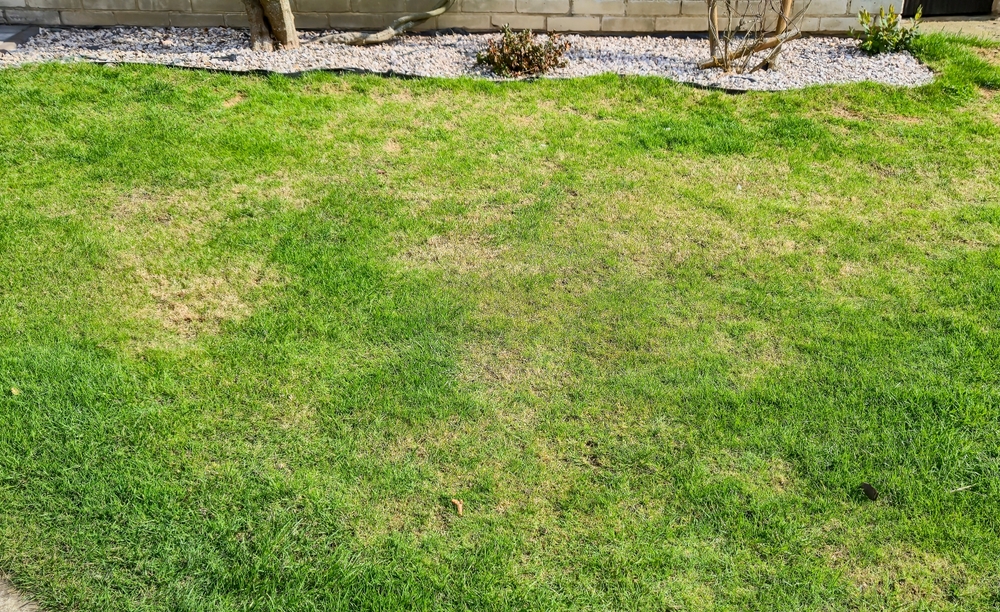
Salt used to melt snow on sidewalks and driveways often finds its way into the lawn, causing salt burn. This can be particularly damaging along the edges of paved areas, where the salt concentration is highest. Salt disrupts the plant’s ability to absorb water, leading to dehydration and browning of the grass. If salt burn is not treated, it can spread throughout the lawn, leaving large, unsightly patches where grass fails to grow.
To repair salt burn, thoroughly water the affected areas to dilute and wash away the excess salt from the soil. Applying gypsum can also help counteract the negative effects of salt on the soil by improving water retention and nutrient absorption. Early action is critical, as it will prevent the salt from settling deeper into the soil, causing long-term damage and creating conditions that favor weed growth.
Look for Soil Compaction
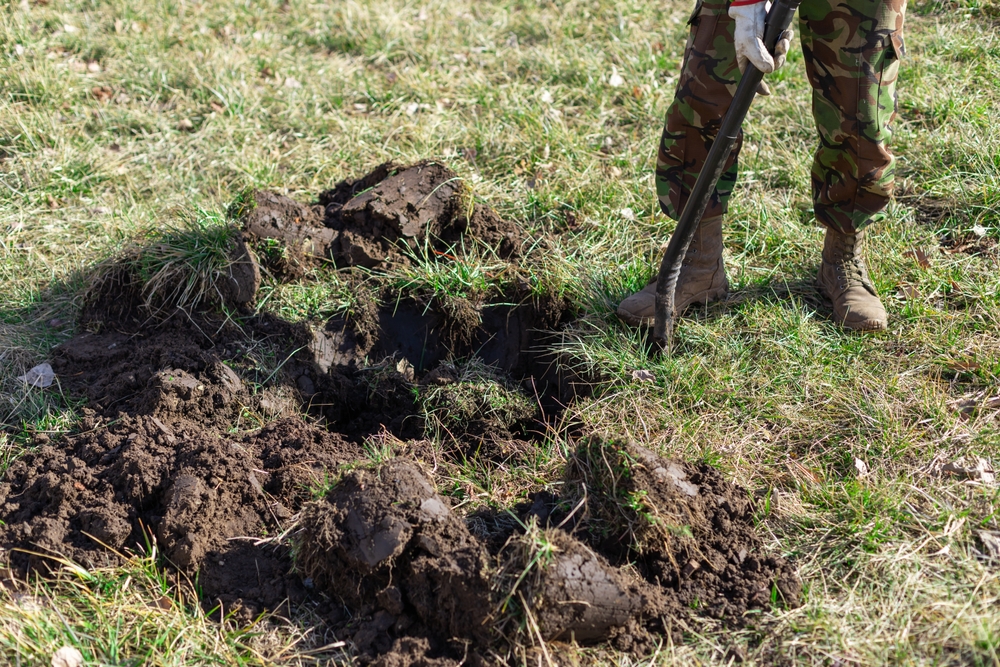
Soil compaction occurs when the ground becomes compressed, often due to heavy foot traffic, snow, or machinery such as snowplows. Compacted soil prevents roots from penetrating deeply and restricts the movement of air, water, and nutrients into the soil. This leads to a weakened lawn that struggles to grow and is prone to weed infestations. In severe cases, compacted soil can result in barren patches that never recover without intervention.
To relieve soil compaction, consider aerating your lawn in the early spring. Aerators create small holes in the soil, which allow water, air, and nutrients to reach the grass roots more effectively. By aerating compacted areas, you promote healthier root development and encourage thicker grass growth, which can prevent the area from becoming overrun by weeds.
Remove Debris and Dead Grass
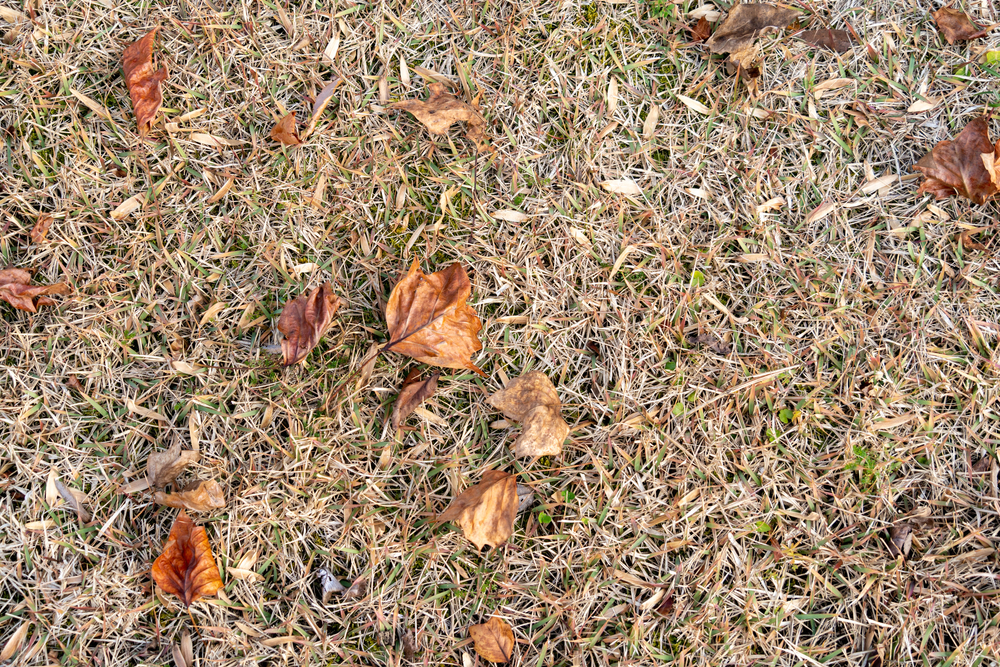
After winter, lawns often accumulate a layer of dead grass, leaves, and other debris. This layer, known as thatch, can suffocate the grass, preventing sunlight and water from reaching the soil. If left unchecked, thatch can lead to poor grass growth and provide a perfect breeding ground for pests and diseases. Additionally, the presence of debris can block your efforts to fertilize or reseed, hindering your lawn’s ability to recover.
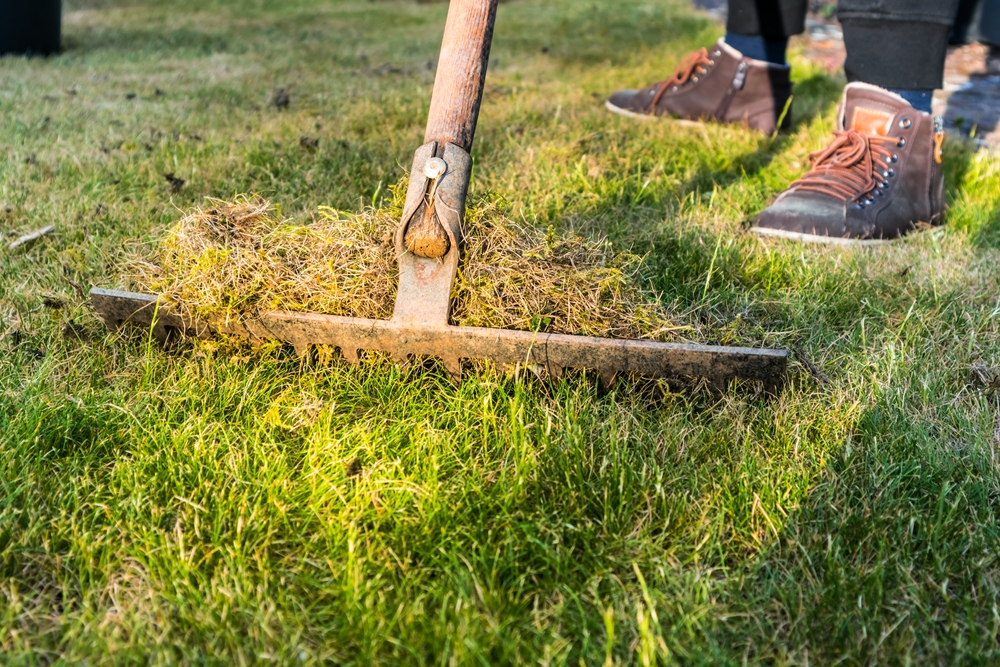
Raking the lawn to remove leaves and dead grass is essential for promoting healthy lawn growth in the spring. Not only does it allow the grass to breathe, but it also helps with water absorption and encourages new growth. Regular cleanup also reduces the risk of pest infestations and weeds by preventing them from gaining a foothold in the lawn.
Test Soil pH
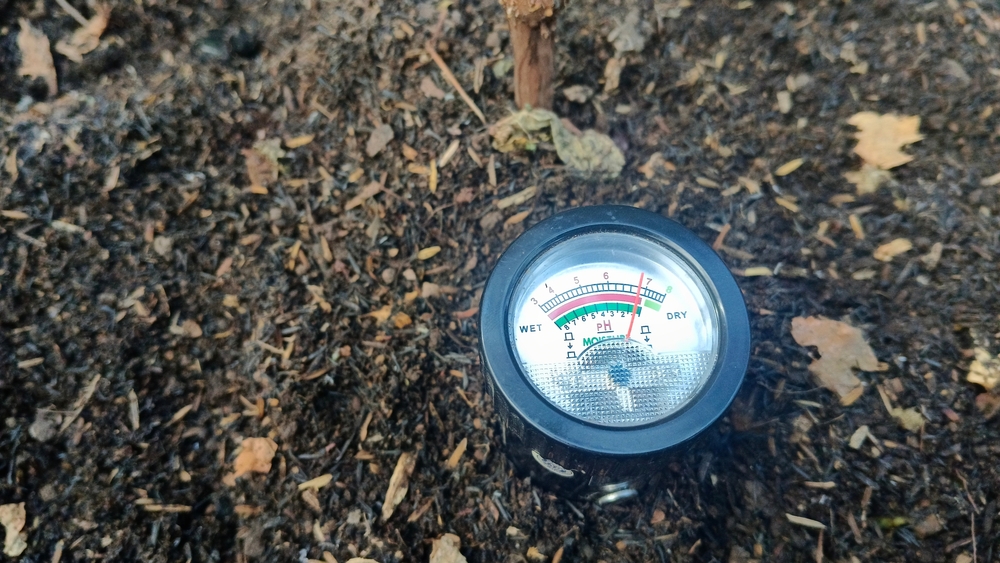
Over the winter months, your lawn’s soil pH can shift, often becoming too acidic or alkaline, which can affect the ability of grass to absorb essential nutrients. Soil pH imbalances are common in regions that use ice melt products, as they can alter the acidity of the soil. A pH that is too low or too high can prevent grass from thriving and create conditions where weeds are more likely to take root.
To fix this issue, test the soil’s pH early in the spring using a simple soil testing kit. If the pH is too acidic, you can add lime to raise the pH and make the soil more alkaline. Conversely, if the pH is too high, sulfur or other soil amendments can lower the pH. Correcting the pH early on will encourage grass growth and discourage the establishment of weeds.
Check for Excessive Thatch Build-up
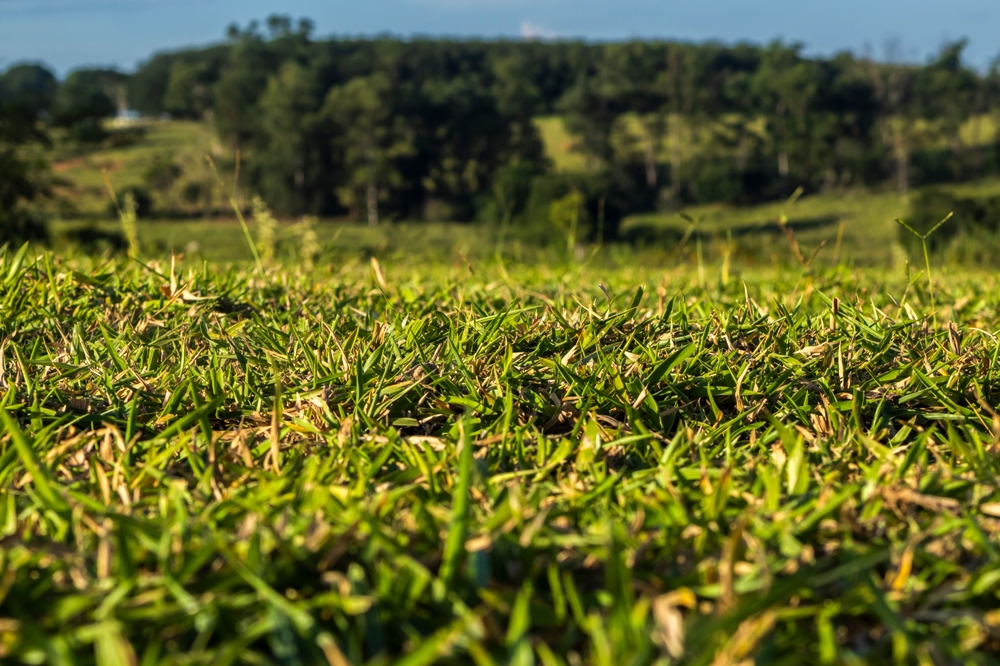
Thatch is a layer of dead grass and organic material that can build up on top of the soil. While a small amount of thatch is beneficial for protecting the soil, an excessive layer can block water and nutrients from reaching the grass roots. In spring, it’s important to check for thick thatch, as it can lead to weak grass and provide a favorable environment for weeds to establish themselves.
To remove excessive thatch, use a dethatching rake or machine. This process removes the dead material and allows the grass to breathe and grow more easily. Regular dethatching prevents the grass from becoming weak and patchy, which would make it easier for weeds to take over the lawn.
Fertilize Early
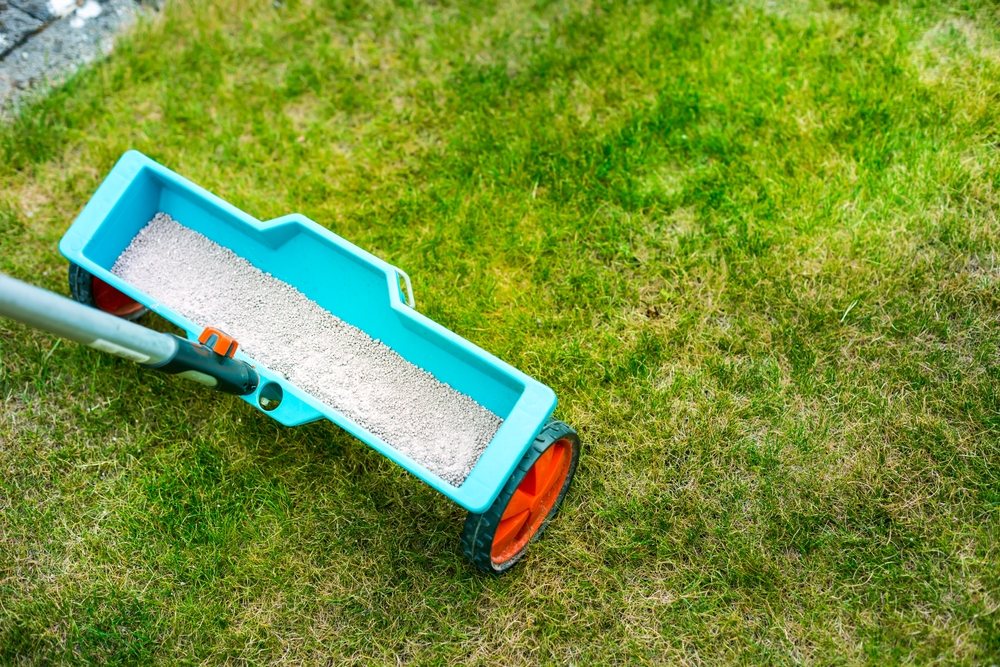
Fertilizing your lawn early in the spring provides essential nutrients to the grass, helping it recover from winter damage and encouraging strong growth throughout the season. Winter can deplete soil nutrients, leaving grass vulnerable to pests, diseases, and weeds. Fertilizing helps ensure that your lawn is primed to thrive as temperatures rise, making it more resistant to weeds and pests.
Choose a balanced fertilizer with a mix of nitrogen, phosphorus, and potassium to promote healthy grass growth. Be sure to apply the fertilizer evenly to avoid over-fertilizing certain areas, which can lead to uneven growth. Early fertilization strengthens the grass, allowing it to fill in any damaged spots and resist weed invasions.
Reseed Bare or Thin Spots
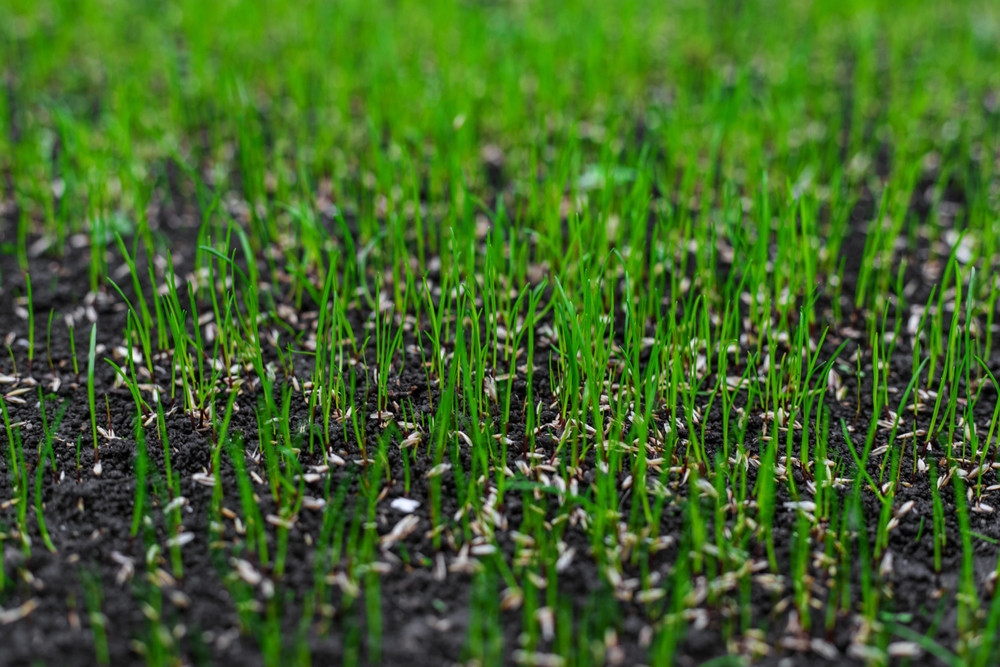
Winter damage can leave behind bare or thin patches of grass that are vulnerable to weeds. These spots may be caused by heavy snow cover, salt burn, or other winter-related issues. If left unaddressed, these patches will quickly become overrun by weeds, which will compete with grass for space, sunlight, and nutrients.
To fix bare or thin spots, reseed them with the appropriate type of grass for your region. Be sure to prepare the soil by loosening it and adding a thin layer of compost before sowing the seeds. Water the area consistently until the grass is established, ensuring it has the best chance of growing thick and healthy.
Improve Lawn Drainage
Poor drainage is a common issue for lawns that can exacerbate winter damage. If water does not drain properly, it can lead to pooling, which encourages mold growth, compaction, and erosion. Early in the spring, it’s crucial to inspect the lawn for areas with poor drainage and fix them before the problem worsens.
One way to improve lawn drainage is by aerating the soil, as this creates spaces for water to flow through. Adding organic material, like compost, can also help improve soil structure and drainage. By addressing drainage issues early, you prevent the lawn from becoming waterlogged, which would create an environment ripe for weed growth and further lawn damage.
This article originally appeared on Avocadu.