
13 Classic Musicals You Can Rewatch Without Fast Forwarding
If you’re a fan of timeless musicals that keep you hooked from start to finish, certain films never fail to entertain. These classics seamlessly blend captivating stories, unforgettable music, and stellar performances, making them perfect for multiple viewings. Whether it’s the heartwarming moments, catchy songs, or stunning choreography, these films offer an experience that remains engaging every time.
This post may contain affiliate links, which helps keep this content free. Please read our disclosure for more info.
The Sound of Music (1965)
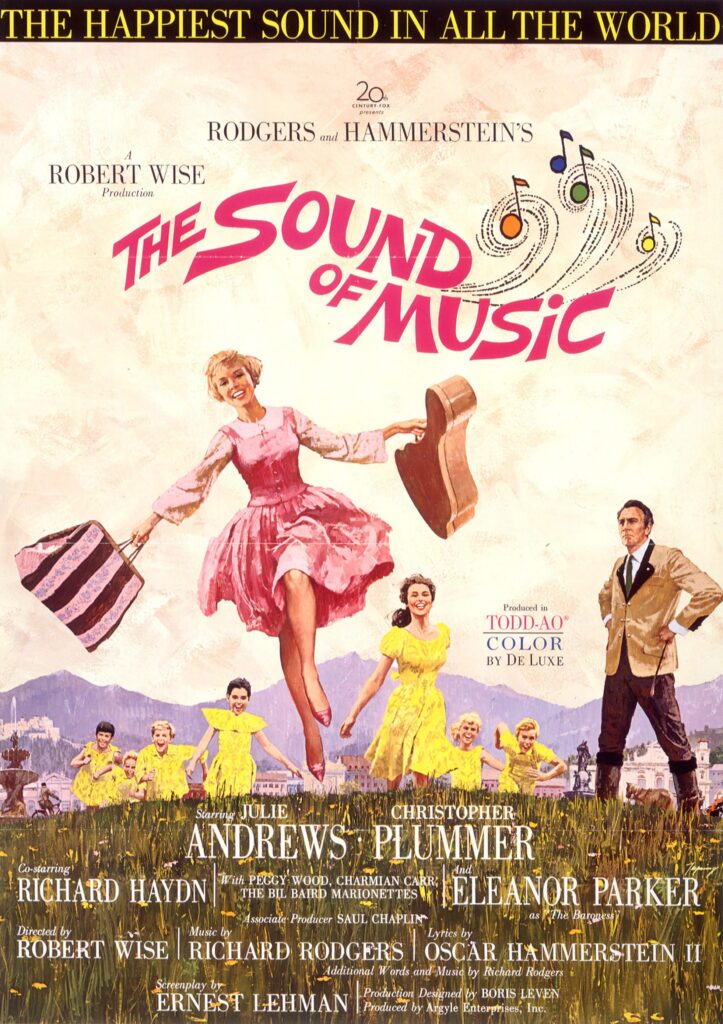
One of the most beloved musicals in cinematic history, The Sound of Music charms with its heartfelt performances, beautiful scenery, and unforgettable songs. The story of Maria, a young woman who brings joy and music to a family during the turmoil of World War II, is timeless. Songs like “Do-Re-Mi,” “My Favorite Things,” and “Edelweiss” are woven perfectly into the narrative, making the musical’s pacing feel effortless. Each of these songs feels like an organic part of the story, deepening both character development and the emotional arc of the plot.
The film’s pacing never lags, thanks to its balance of drama, lightheartedness, and romance. Whether it’s the stunning visuals of the Austrian Alps or the emotionally stirring moments of the von Trapp family, this classic musical keeps viewers engaged from the first note to the last. The performances, particularly by Julie Andrews and Christopher Plummer, remain iconic, making the story feel fresh no matter how many times it’s watched. Its enduring popularity speaks to its universal appeal, never feeling stale, no matter how often it is revisited.
Singin’ in the Rain (1952)
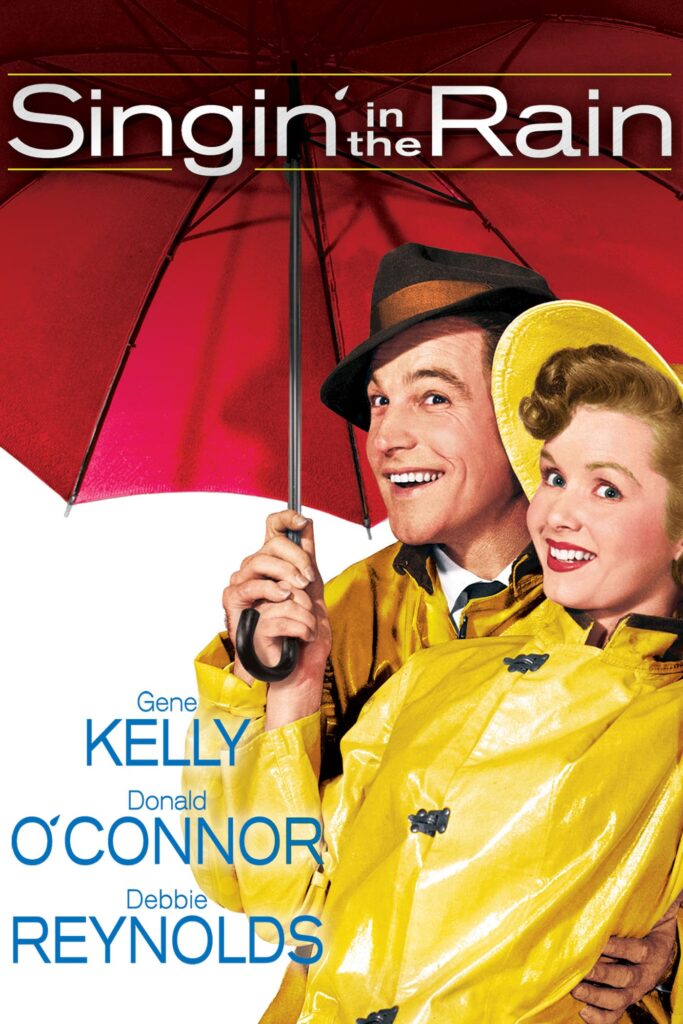
Singin’ in the Rain is a spectacular celebration of the golden age of Hollywood, blending romance, comedy, and musical numbers with ease. Its clever plot, set against the transition from silent films to talkies, delivers both humor and charm. The performances of Gene Kelly, Donald O’Connor, and Debbie Reynolds are dazzling, showcasing the joy and excitement of making movies during Hollywood’s most vibrant era. Songs like “Good Morning” and the titular “Singin’ in the Rain” continue to be synonymous with joyful cinematic moments, elevating the film above others in the genre.
What sets this musical apart is the way it captures the magic of filmmaking, balancing comedy and spectacle in a way that never feels rushed or out of place. The seamless transitions between dialogue and musical numbers keep the audience engaged throughout the film. Each scene feels meticulously choreographed, especially Kelly’s famed dance routine in the rain, which remains one of the most iconic scenes in film history. This classic musical is endlessly rewatchable, always delivering both visual and emotional delight with each viewing.
West Side Story (1961)
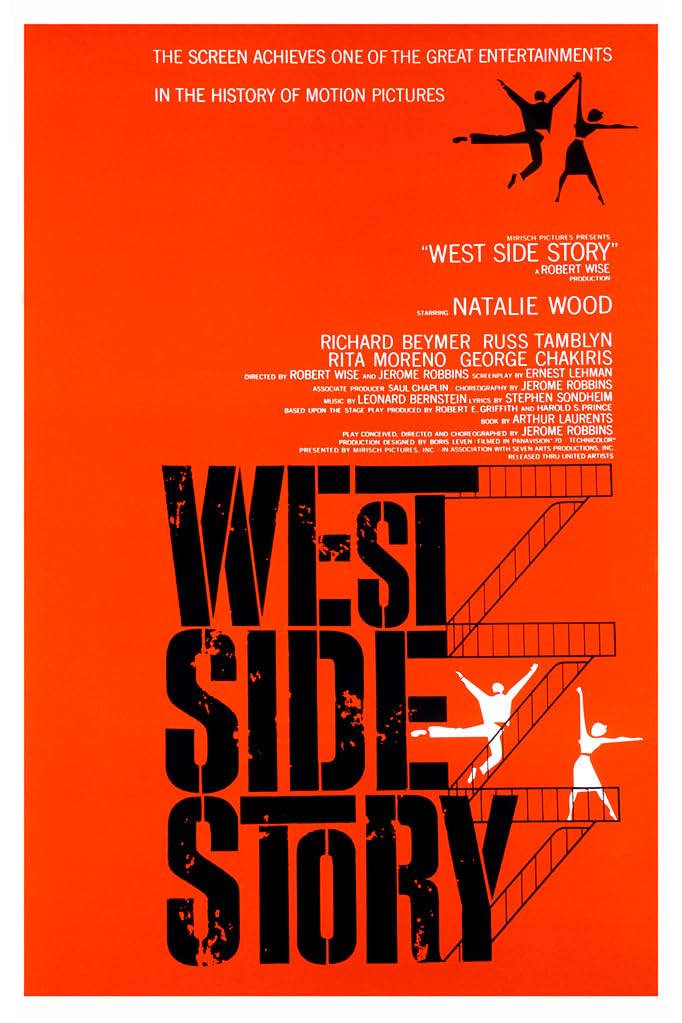
A powerful and passionate retelling of Romeo and Juliet set against the backdrop of New York City’s gang wars, West Side Story remains a shining example of how music and story can come together to create lasting emotional impact. The film’s portrayal of the rivalry between the Jets and the Sharks is both gripping and heartbreaking, and the dance numbers provide an energetic contrast to the intense drama. Leonard Bernstein’s score, combined with Stephen Sondheim’s lyrics, creates a perfect harmony, with songs like “Tonight,” “Maria,” and “America” remaining some of the most memorable in musical theater history.
The choreography is another standout element that sets West Side Story apart, with Jerome Robbins creating dynamic, powerful sequences that visually express the film’s emotions. Every step, leap, and turn feels purposeful, from the famous “Dance at the Gym” scene to the poignant “Somewhere” number. Even with its tragic ending, the film’s power to entertain and move audiences is unmatched. The combination of a timeless story, incredible music, and stunning choreography makes this classic musical one that never loses its impact, no matter how many times it is watched.
The Wizard of Oz (1939)
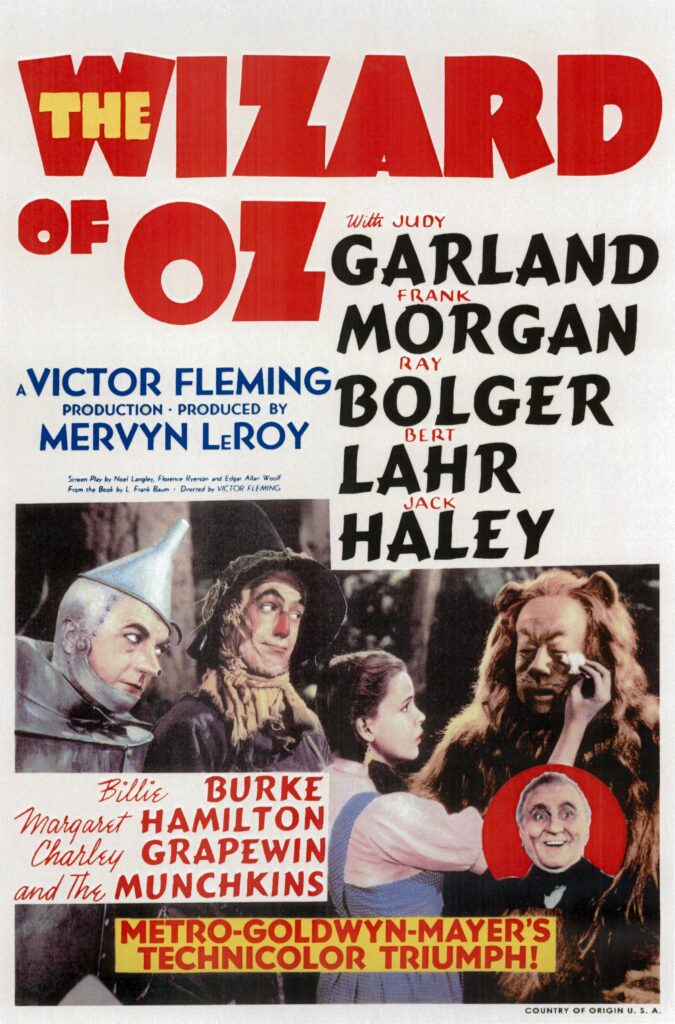
The Wizard of Oz is a timeless story that blends fantasy, adventure, and unforgettable songs into a seamless cinematic experience. Dorothy’s journey from Kansas to the magical land of Oz is a captivating adventure that appeals to both children and adults alike. The movie’s color palette, which transforms from sepia to vibrant Technicolor, mirrors Dorothy’s emotional growth as she navigates through Oz. Songs like “Somewhere Over the Rainbow” and “Ding-Dong! The Witch Is Dead” are instantly recognizable, adding layers of emotional depth to the film while driving the plot forward.
The characters in The Wizard of Oz, from the lovable Scarecrow to the wise Wizard, continue to capture hearts through their endearing personalities and catchy songs. The whimsical nature of the film keeps it engaging, as the story’s pace is never bogged down by slow moments. Judy Garland’s performance as Dorothy is iconic, and her chemistry with her co-stars further elevates the film. The magical world of Oz, along with the powerful themes of friendship, courage, and home, makes The Wizard of Oz a classic that is always worth revisiting.
Les Misérables (2012)
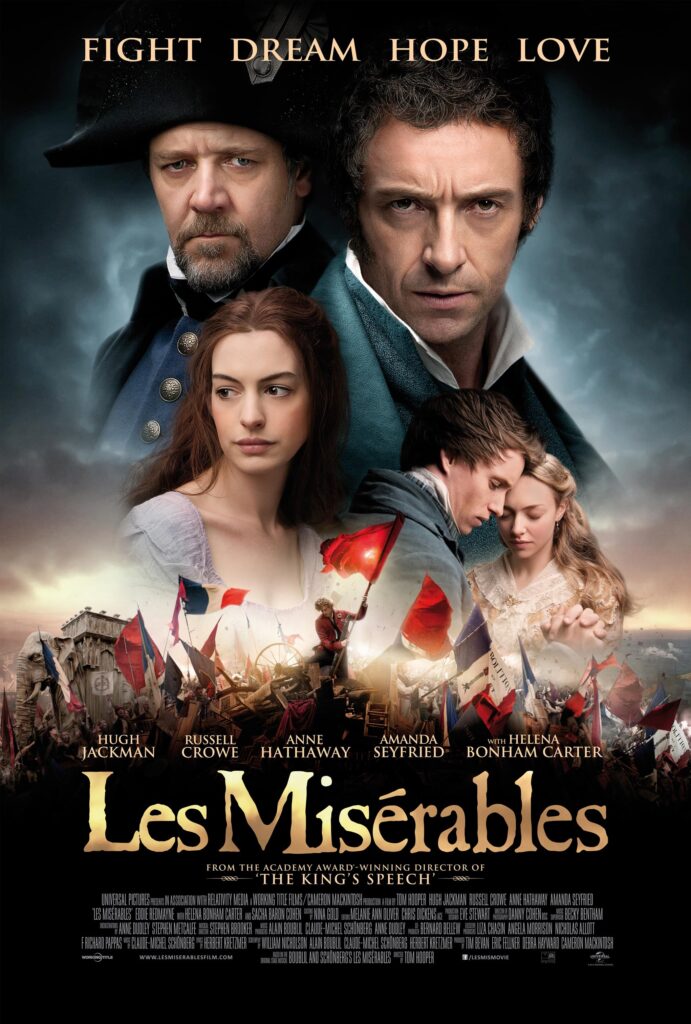
Les Misérables is a powerful adaptation of the beloved Broadway musical, bringing Victor Hugo’s epic tale of love, sacrifice, and redemption to the big screen. The film’s ability to seamlessly integrate its sweeping musical numbers with the emotional depth of the story ensures it never loses momentum. Hugh Jackman’s portrayal of Jean Valjean is a career-defining performance, capturing the character’s inner turmoil and transformation. Anne Hathaway’s rendition of “I Dreamed a Dream” is a standout moment, deeply resonating with audiences on a personal level.
The film’s pacing expertly balances the larger-than-life musical numbers with quieter, more intimate moments, allowing the audience to fully absorb the emotional weight of the characters’ journeys. Tom Hooper’s direction, coupled with the stunning performances, elevates Les Misérables beyond a typical film musical, making it a cinematic experience that is both moving and visually captivating. Every song, every scene, and every performance drives the narrative forward, leaving viewers captivated from start to finish. This adaptation of Les Misérables remains one of the most emotionally engaging musicals to date.
My Fair Lady (1964)
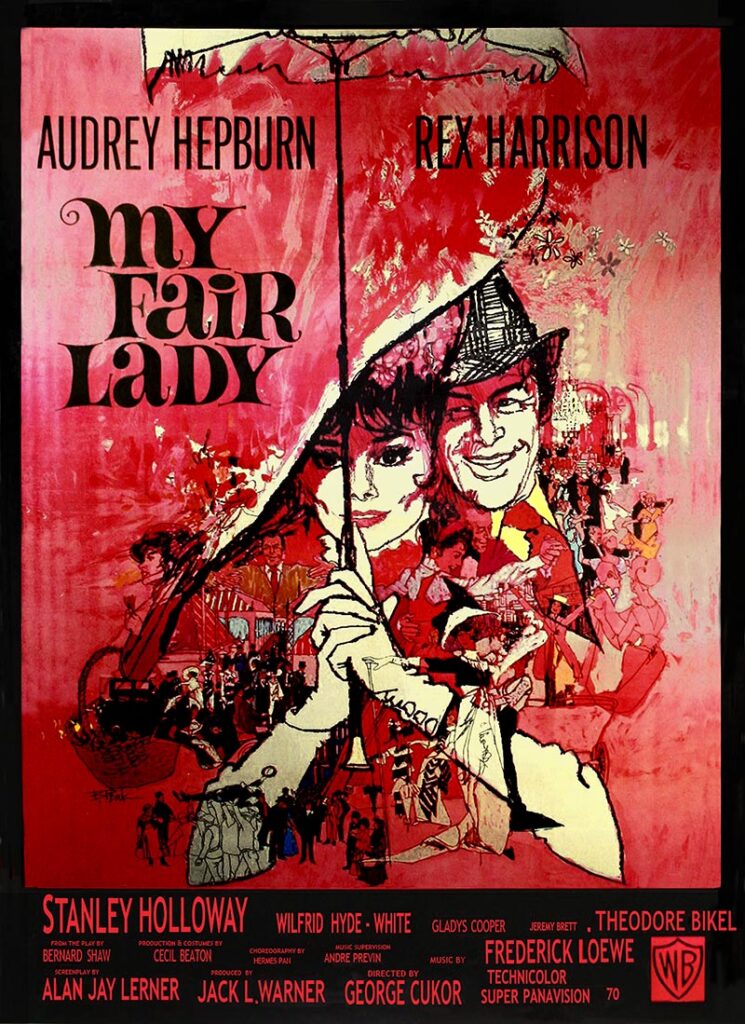
Based on George Bernard Shaw’s play Pygmalion, My Fair Lady is a delightful tale of transformation and class struggle, brilliantly brought to life through its unforgettable songs and charming performances. Audrey Hepburn’s portrayal of Eliza Doolittle is masterful, capturing the character’s growth from a poor flower girl to a refined lady with grace and humor. The film’s musical numbers, including “I Could Have Danced All Night” and “On the Street Where You Live,” are expertly integrated into the plot, allowing the music to enhance the story rather than overpower it.
The chemistry between Hepburn and Rex Harrison, who plays the eccentric phonetics professor Henry Higgins, drives much of the film’s charm. The witty dialogue and the emotional beats of the story keep the viewer’s attention, while the elegant costumes and set design create a visual feast. With its combination of humor, romance, and social commentary, My Fair Lady is a musical that stands the test of time. It offers a timeless exploration of love, class, and identity, all while providing a wealth of musical numbers that remain as catchy and compelling as ever.
Chicago (2002)
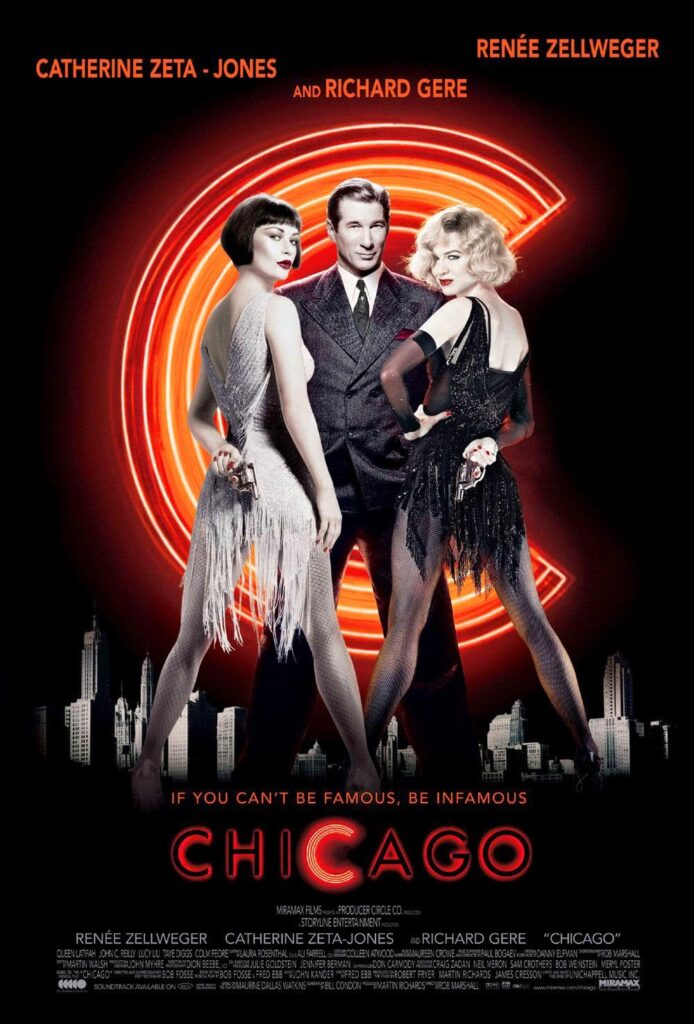
Chicago brings the glitz and glamor of the Roaring Twenties to life, showcasing a world of crime, corruption, and the desire for fame. The film’s musical numbers, such as “All That Jazz” and “Cell Block Tango,” are bold and stylish, perfectly reflecting the film’s jazzy, seductive atmosphere. The choreography and set designs are sleek and sharp, while the performances by Catherine Zeta-Jones and Renée Zellweger are full of energy and charisma. The way the film blurs the line between reality and fantasy in its musical sequences makes each moment feel like a thrilling, larger-than-life spectacle.
The sharp wit and dark humor that run through Chicago make it both entertaining and thought-provoking, keeping the audience engaged throughout. The film expertly uses its musical numbers to explore themes of fame, justice, and the lengths people will go to for recognition. With its stunning choreography, strong performances, and sophisticated score, Chicago is a musical that continually captivates viewers with its energetic pace and unforgettable moments. It’s a modern classic that proves just as captivating on every rewatch.
The King and I (1956)
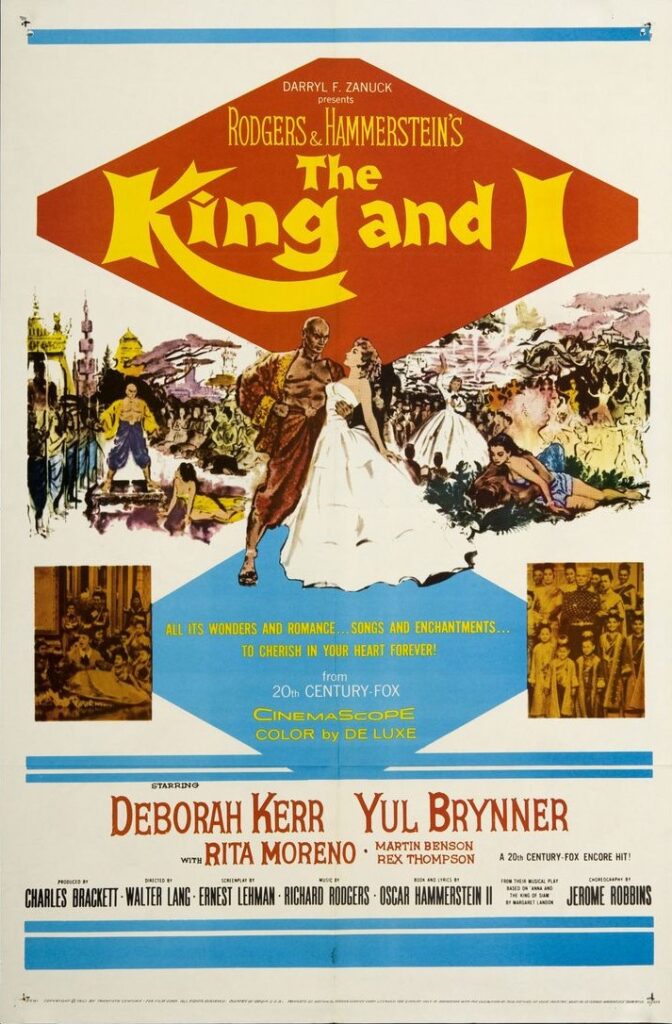
The King and I is a richly layered musical that explores the clash of cultures between an English schoolteacher and the King of Siam. Deborah Kerr’s portrayal of Anna Leonowens is a blend of grace and strength, while Yul Brynner’s iconic performance as the King adds a sense of regal charm and wit to the film. Songs like “Getting to Know You” and “Shall We Dance?” are woven perfectly into the narrative, creating unforgettable musical moments. The film’s use of lavish sets and costumes enhances the cultural richness of the story, making each scene visually stunning.
At its core, The King and I is about breaking barriers and building bridges, and this message resonates deeply through both the characters’ interactions and the musical numbers. The story of Anna and the King is both humorous and heartfelt, with moments of levity as well as emotional depth. The musical’s pacing remains tight throughout, allowing the audience to stay connected to the characters’ journeys. The King and I continues to be a masterpiece of musical theater, offering something new with every rewatch.
Grease (1978)
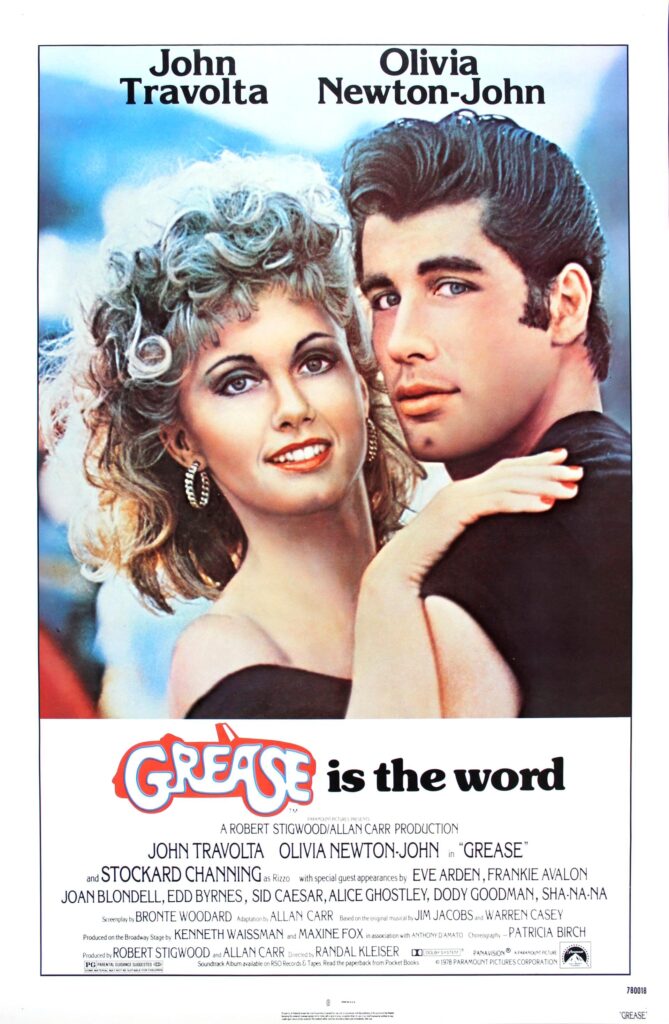
Grease is a high-energy, feel-good musical that has remained a fan favorite for decades. Set in the 1950s, it tells the story of Sandy and Danny, two high school sweethearts navigating love and friendship amidst the backdrop of teen rebellion and rock ‘n’ roll. The film’s iconic soundtrack, featuring songs like “Summer Nights” and “You’re the One That I Want,” is instantly recognizable and provides the perfect mix of catchy tunes and memorable moments. The musical’s vibrant visuals, energetic choreography, and colorful characters keep it fresh and exciting, making it easy to watch again and again.
The chemistry between John Travolta and Olivia Newton-John as the main couple is undeniable, and their performances continue to charm audiences. The movie’s humor, romance, and upbeat music combine to create a delightful, timeless experience. The fun and carefree atmosphere of Grease keeps the pace moving and the audience hooked, whether through the famous dance-offs or the high-energy finale. This musical is always ready for a repeat viewing, offering entertainment and nostalgia in equal measure.
Fiddler on the Roof (1971)
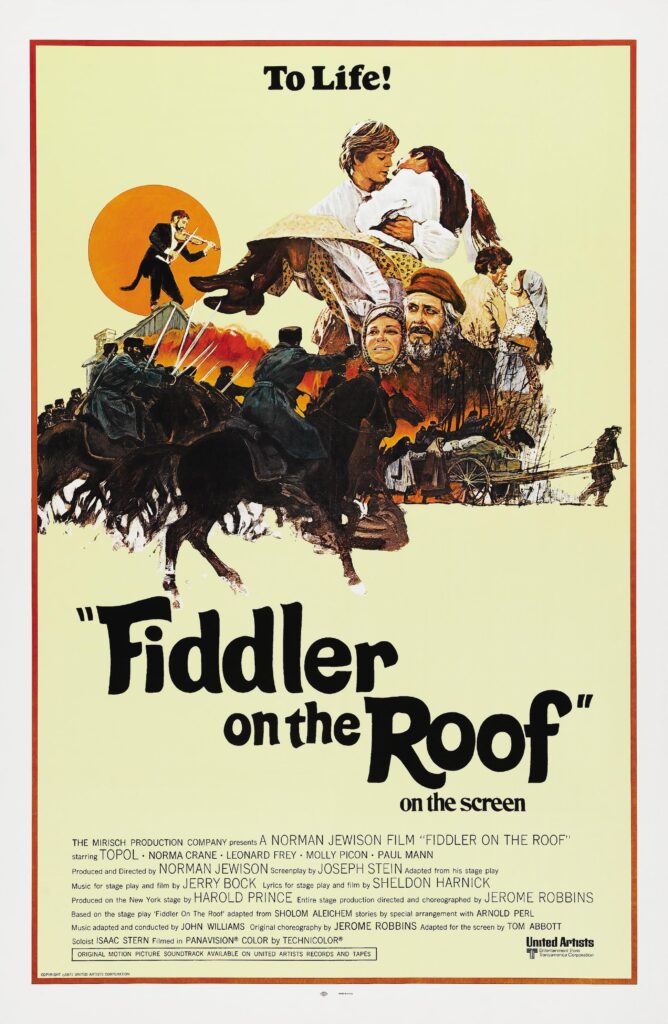
Fiddler on the Roof is a deeply emotional musical that explores the struggles of a Jewish family living in Russia at the turn of the 20th century. With its poignant story about tradition, family, and the changing world, the film balances humor and heartbreak in a way that resonates with all audiences. Songs like “If I Were a Rich Man” and “Sunrise, Sunset” remain some of the most memorable in musical history, capturing both the humor and sorrow of the characters’ lives. The movie’s pacing allows for a deep connection to the characters, and its powerful themes of cultural heritage and personal sacrifice continue to touch hearts.
The film’s use of music not only enhances the narrative but also provides a sense of unity and shared experience. The iconic performance of Topol as Tevye brings a depth to the character that makes his journey feel both universal and deeply personal. Fiddler on the Roof remains one of the most rewatchable musicals, offering a perfect blend of emotional depth, humor, and unforgettable music. It’s a musical that never fails to engage, regardless of how many times it’s watched.
Mary Poppins (1964)
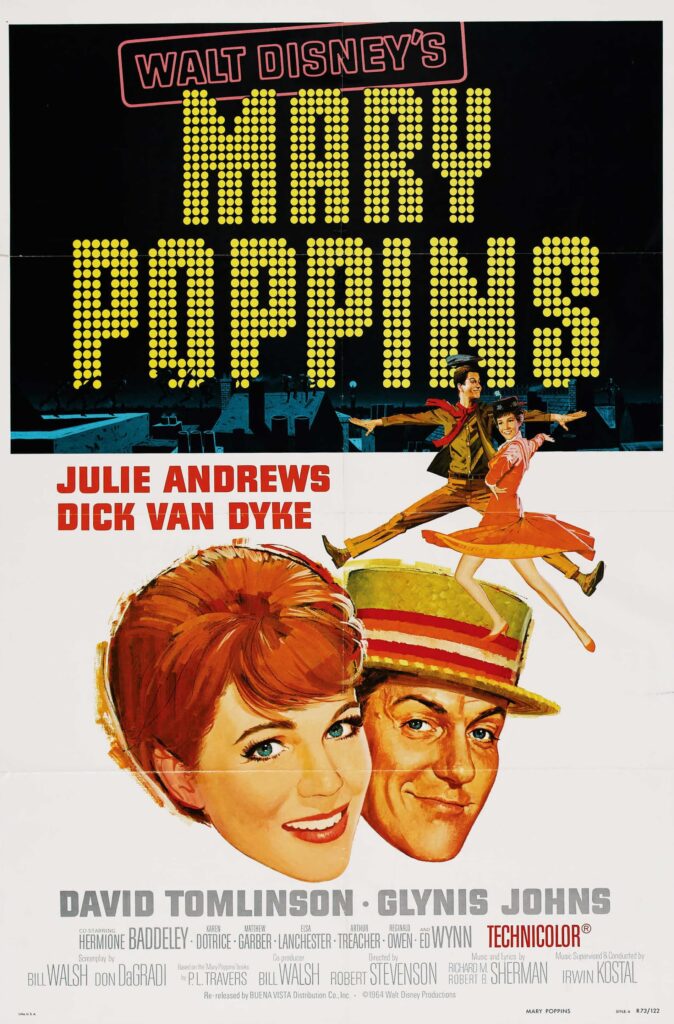
Mary Poppins is a magical and whimsical tale that continues to captivate audiences with its perfect mix of charm, music, and fantasy. The story of a nanny who brings joy and order to the Banks family is timeless, with Julie Andrews’ performance as the title character becoming iconic in the process. Songs like “A Spoonful of Sugar,” “Supercalifragilisticexpialidocious,” and “Chim Chim Cher-ee” remain catchy and uplifting, perfectly matching the light-hearted yet meaningful narrative. The seamless integration of fantasy elements into the everyday world keeps the story engaging without feeling forced.
The film’s whimsical nature, combined with its deeper themes of family and change, makes it a musical that is both entertaining and thought-provoking. The vibrant set designs and special effects, for their time, remain impressive and serve to enhance the magical quality of Mary Poppins’ world. With its perfect pacing, delightful characters, and songs that never lose their appeal, Mary Poppins remains an evergreen classic that continues to bring joy with every viewing.
An American in Paris (1951)
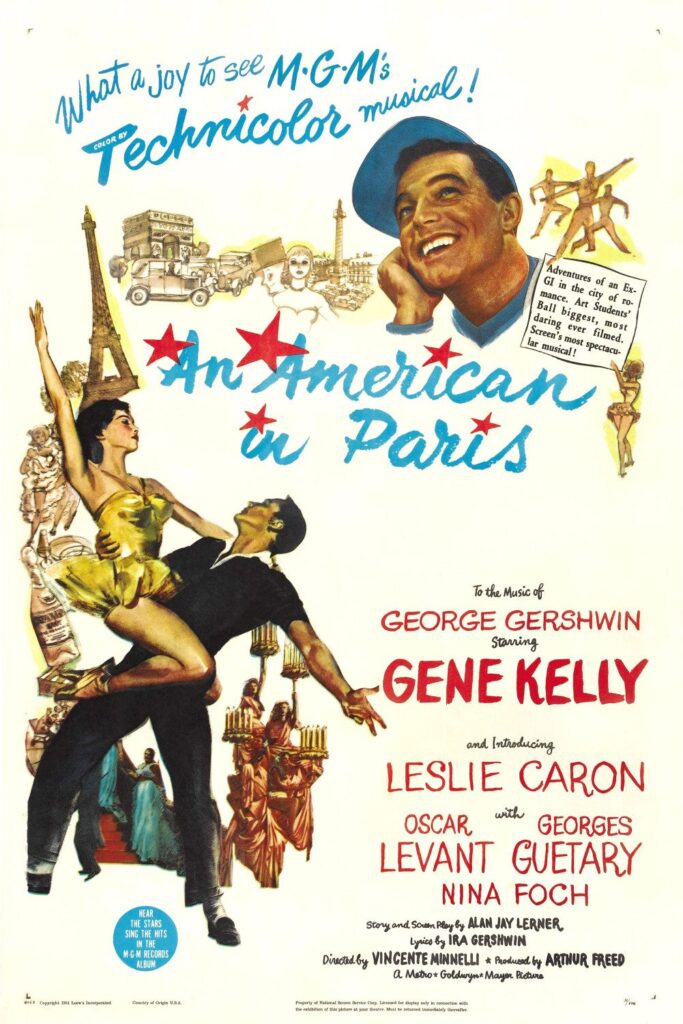
An American in Paris is a musical that blends stunning visuals, beautiful choreography, and timeless romance. Gene Kelly stars as Jerry Mulligan, a former soldier turned artist, who falls in love with a French woman while navigating the complexities of post-war Paris. The film’s integration of ballet into the musical numbers is nothing short of spectacular, with the final dance sequence, set to George Gershwin’s score, being one of the most iconic in film history. The film’s vibrant depiction of Paris, with its sweeping views and stunning street scenes, adds to the sense of escapism that makes this musical so captivating.
The beautiful music, performed by Gershwin himself, provides a perfect backdrop for the story’s exploration of love, art, and personal growth. With its lighthearted narrative and breathtaking visuals, An American in Paris offers an experience that feels both sophisticated and accessible. The songs, the dances, and the romance keep the film compelling from start to finish, making it a delightful rewatch each time. It is a prime example of how music can elevate a film’s storytelling and emotional depth.
Cabaret (1972)
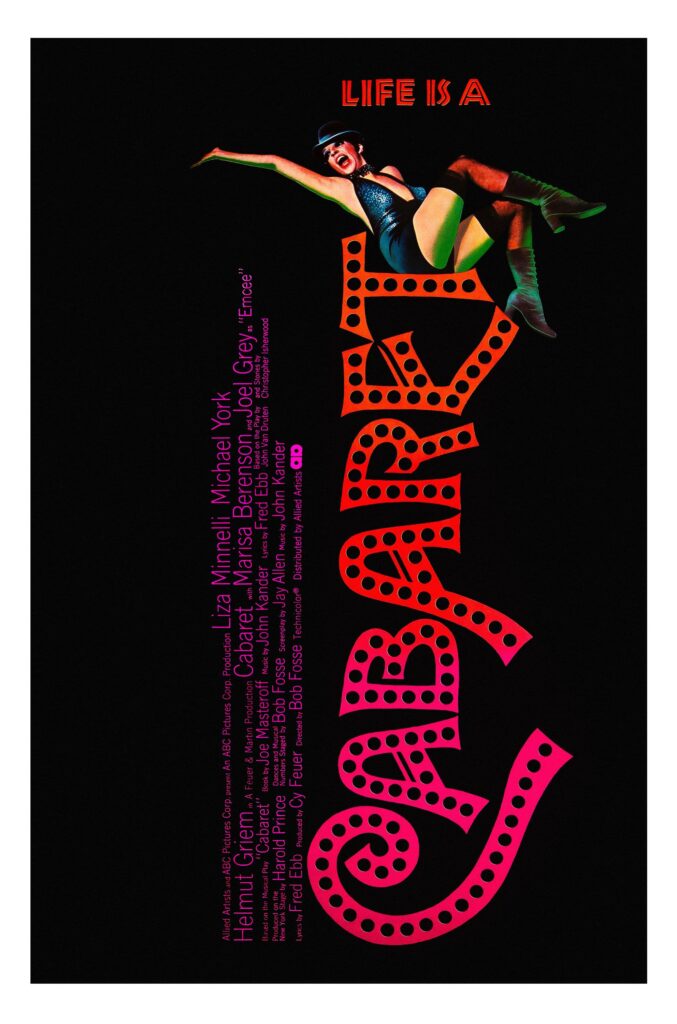
Set in 1930s Berlin, Cabaret offers a gritty yet mesmerizing look at the rise of the Nazi party through the lens of the Kit Kat Klub, where the characters’ personal lives mirror the turbulent political landscape. Liza Minnelli’s unforgettable performance as Sally Bowles is both captivating and tragic, and the film’s dark yet playful tone makes it unique in the world of movie musicals. Songs like “Willkommen,” “Maybe This Time,” and “Cabaret” serve as both character development and thematic statements, addressing the contrasting aspects of escapism and reality. The performances and the music are tightly integrated, with each song adding a new layer of meaning to the narrative.
The film’s stunning visual design, with its iconic cabaret club settings and use of vibrant costumes, enhances the experience without overshadowing the story. Cabaret is a perfect example of how music and narrative can serve both as escapism and as a vehicle for powerful social commentary. With its outstanding performances, catchy songs, and a plot that remains gripping, Cabaret is a musical that can be enjoyed over and over, with each viewing revealing something new.
This article originally appeared on Avocadu.