
18 Historic Train Stations Worth Visiting for the Architecture
Train stations are more than just places where we catch a ride; they are often architectural wonders that tell the stories of the cities they inhabit. From grand, historic buildings to modern, sleek designs, these stations showcase some of the best in architectural craftsmanship. Many of these structures have stood the test of time, with intricate details and towering facades that draw admiration from both locals and travelers alike. Whether built during the height of industrial progress or designed as modern marvels, these stations offer a glimpse into the culture and history of their locations. Visiting these places is like stepping into a living piece of history.
This post may contain affiliate links, which helps keep this content free. Please read our disclosure for more info.
Grand Central Terminal – New York City, USA
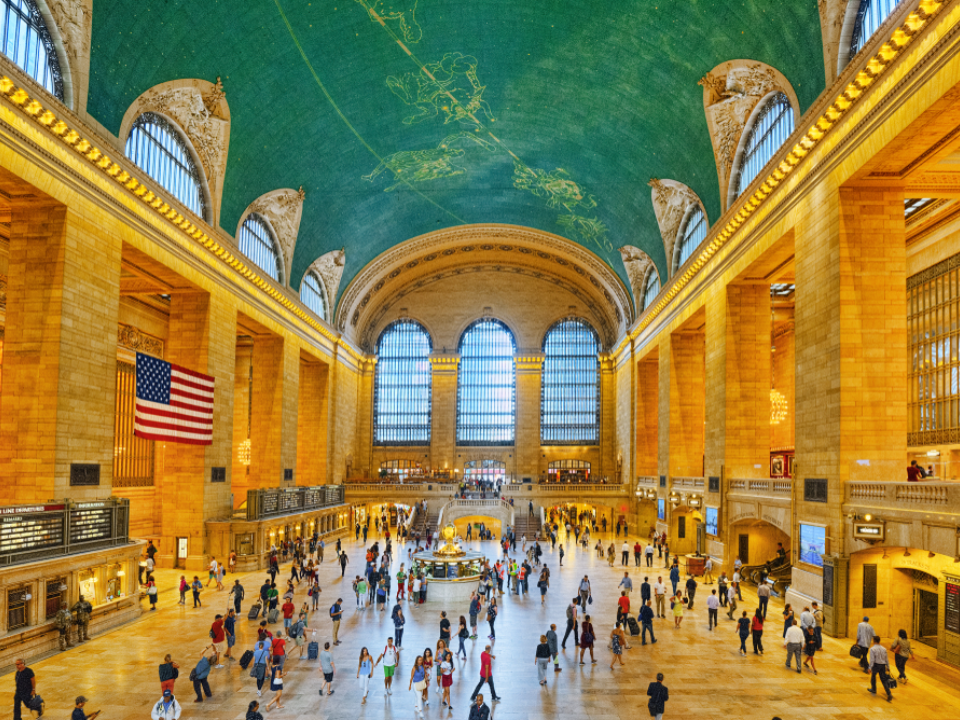
Grand Central Terminal stands as one of the most iconic train stations in the world. Located in Manhattan, it has been serving passengers since 1913. The Beaux-Arts style of the building is an architectural masterpiece, with a beautifully designed main concourse that features a celestial dome.
The grand staircase and opulent chandeliers give it a timeless, elegant atmosphere. In addition to its architectural beauty, the station’s clock, made of opal, is one of the most famous in the world. The building’s facade also boasts impressive sculptures and intricate carvings. Grand Central’s restoration in the 1990s helped preserve its majestic look, ensuring that future generations would continue to marvel at its history and design.
St. Pancras International – London, UK
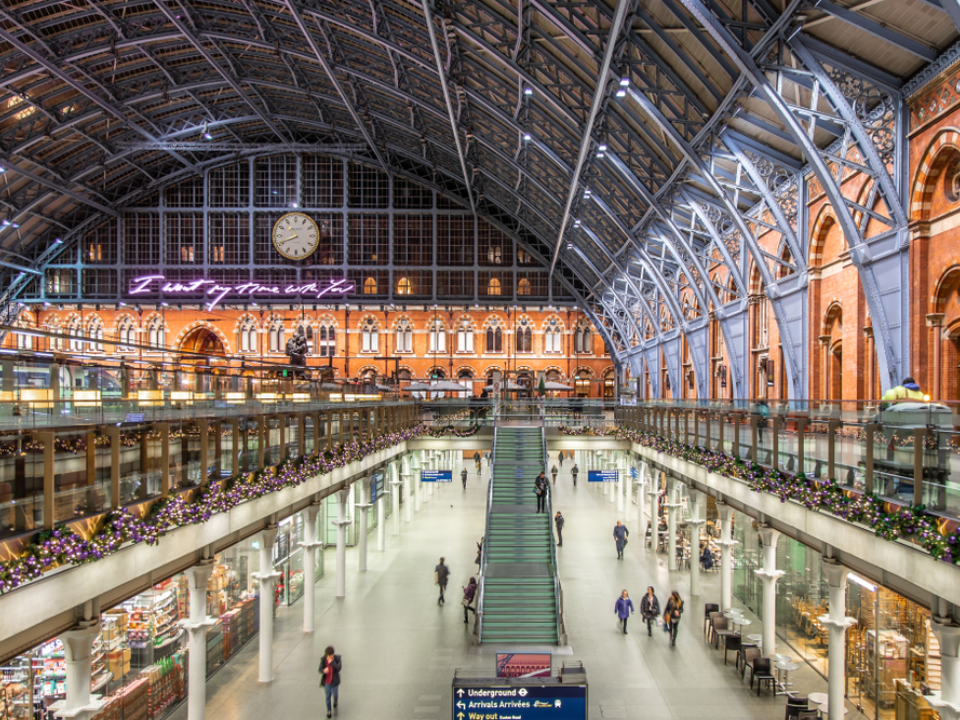
St. Pancras International is a perfect blend of Victorian Gothic and modern architecture. Built in the mid-19th century, it was originally designed to be a railway terminus for the Midland Railway. The station’s Victorian Gothic facade, featuring towering spires and pointed arches, is truly remarkable. Inside, the station is home to the largest single span roof in the UK, made of steel and glass.
The central concourse is vast and airy, with intricate brickwork and beautiful stained-glass windows. St. Pancras has also undergone major renovations, making it a modern, world-class transportation hub while retaining its historic charm. The station is also home to the famous statue of Sir John Betjeman, a poet who helped save it from demolition in the 1960s.
Gare du Nord – Paris, France
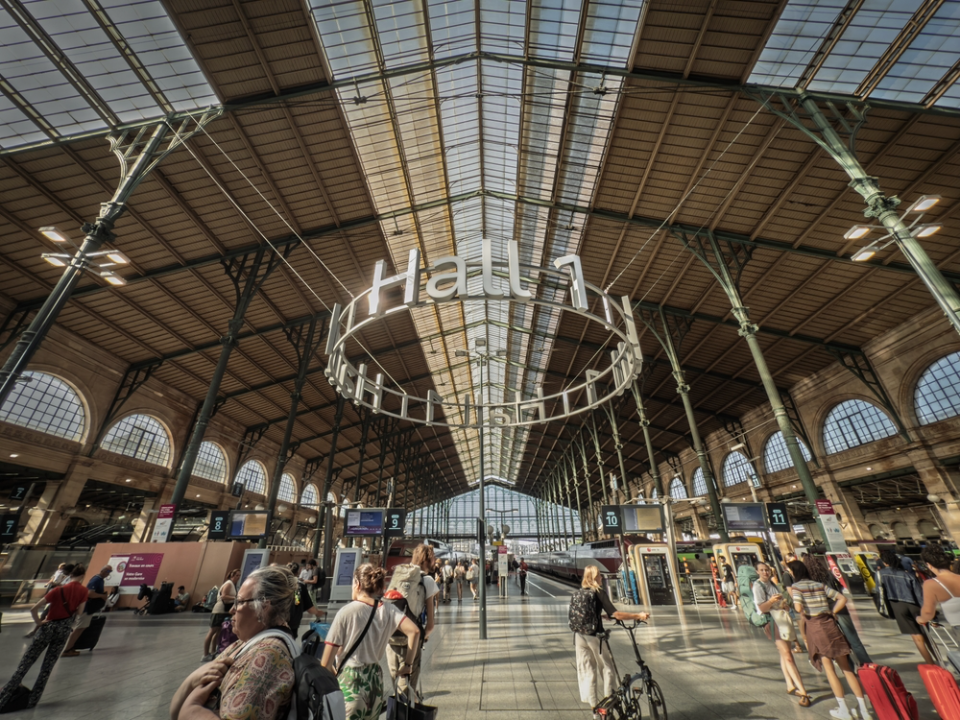
Gare du Nord is one of the busiest train stations in Europe and a true architectural gem. Opened in 1864, it was designed by the architect Jacques Hittorff and is an example of Second Empire architecture. The station’s monumental facade, adorned with statues of famous figures, is a striking feature. Inside, the grand hall features vaulted ceilings with intricate ironwork and beautiful marble floors.
The station’s design was intended to represent the grandeur of Paris, and it certainly achieves that effect. Over the years, the station has undergone several renovations to accommodate modern trains and services while preserving its historical integrity. Its proximity to major landmarks like Montmartre and the Louvre makes it an essential stop for visitors to Paris.
Tokyo Station – Tokyo, Japan

Tokyo Station, built in 1914, is a stunning example of red-brick architecture with Western influences. The building’s design is inspired by the Renaissance Revival style, and its iconic domes are a defining feature. While much of Tokyo is known for its futuristic skyscrapers, Tokyo Station stands out for its historical and architectural significance. The station’s facade has undergone significant restoration to maintain its classic look, particularly its distinctive red-brick exterior.
Inside, visitors can explore the elegant Marunouchi building, with its high ceilings and luxurious interior details. The station is a hub for both regional and international trains, connecting passengers to various parts of Japan. The station’s location in the heart of the Marunouchi district offers access to some of Tokyo’s most famous shopping and dining experiences.
Union Station – Washington D.C., USA
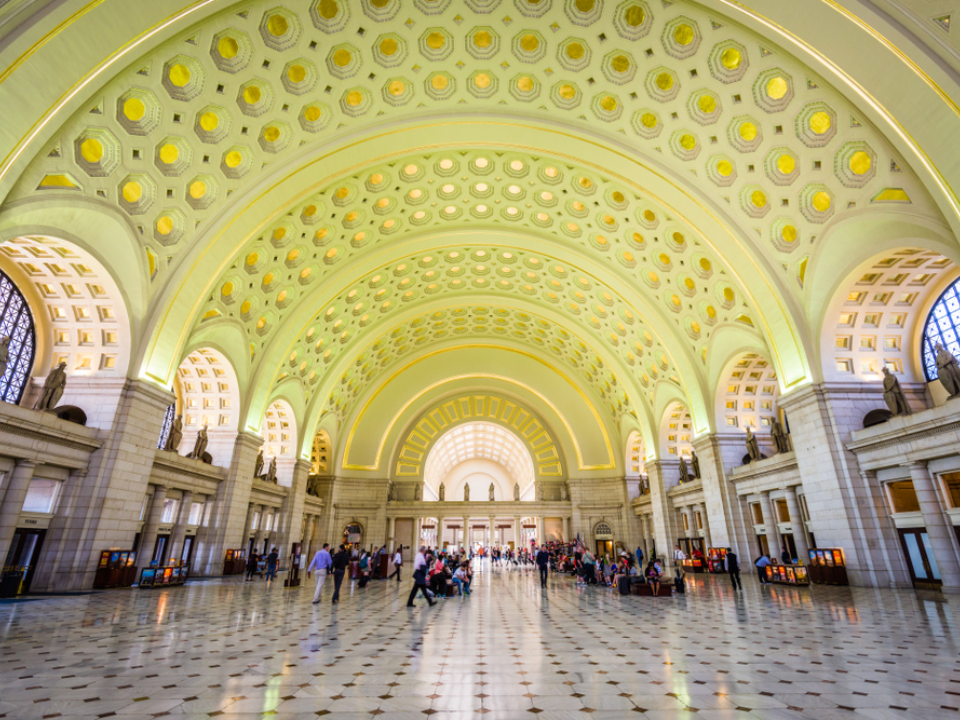
Union Station in Washington, D.C., is a grand example of classical architecture and a symbol of American transportation. Opened in 1907, it was designed by the architectural firm of Daniel Burnham and features elements of Beaux-Arts style. The station’s massive front entrance, with its impressive Corinthian columns and grand arches, immediately grabs the attention of visitors.
Inside, the Great Hall is perhaps the most breathtaking part of the station, with its vaulted ceiling and intricate mosaic tilework. Union Station’s restoration in the 1980s helped restore its beauty while modernizing the facilities for future use. The station serves as a transportation hub for Amtrak and Metro services, as well as a destination for tourists exploring the nearby U.S. Capitol, the National Mall, and other landmarks.
Berlin Hauptbahnhof – Berlin, Germany
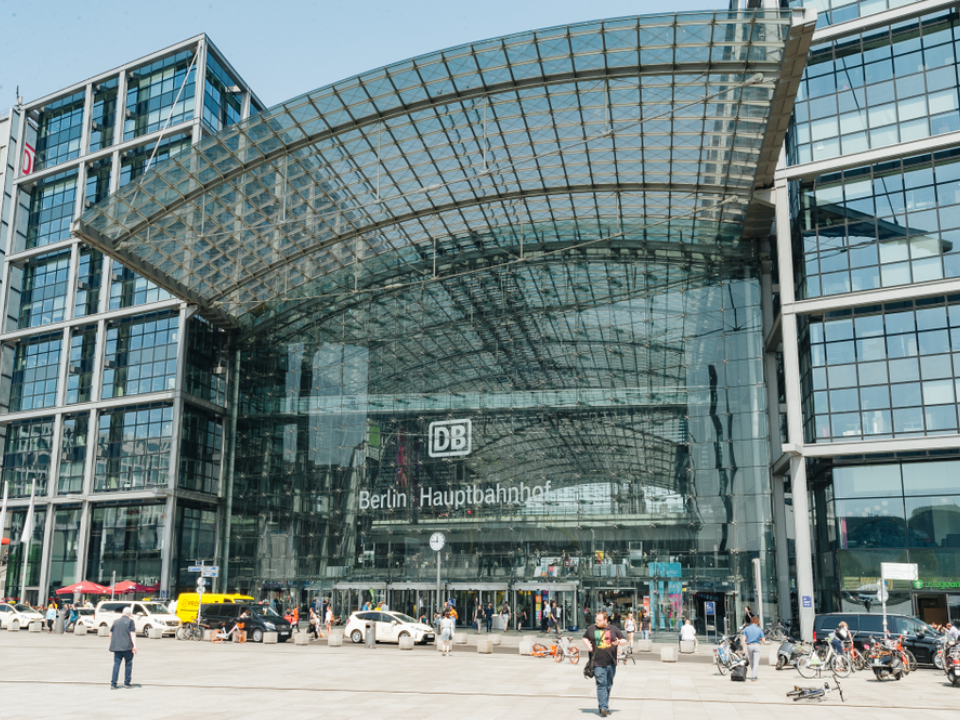
Berlin Hauptbahnhof, opened in 2006, is a modern architectural marvel. The station is known for its multi-level design, with platforms on various levels connected by glass walls, offering passengers a clear view of the city. The striking glass and steel design of the station allows natural light to flood the space, creating an open and airy atmosphere.
The station is one of the largest in Europe and serves as a central hub for both national and international train services. Its sleek, contemporary design contrasts beautifully with the older buildings surrounding it. Berlin Hauptbahnhof has quickly become a symbol of modernity in the heart of a city known for its history. The station’s design represents the reunification of East and West Germany, as it connects two previously separated areas of the city.
Flinders Street Station – Melbourne, Australia
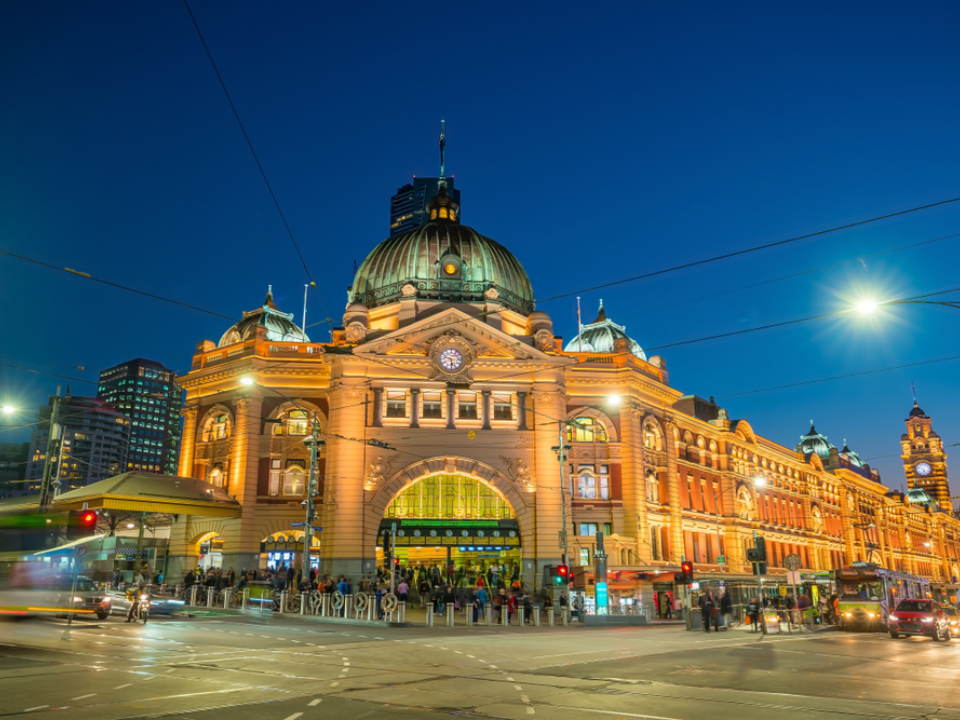
Flinders Street Station is Melbourne’s most famous landmark and a prime example of Victorian architecture. Completed in 1910, the station features a distinctive yellow facade, with a large dome and clock tower that have become iconic symbols of the city. The station’s design incorporates elements of both Renaissance and Baroque styles, with elaborate arches, columns, and intricate detailing.
Inside, the concourse is bustling with commuters, but its grand structure is impossible to overlook. The station’s central dome is particularly impressive, offering a panoramic view of the station’s interior. Over the years, Flinders Street Station has undergone various renovations to preserve its historical features while updating its facilities. Its location near Federation Square and the Yarra River makes it a central part of Melbourne’s cultural landscape.
Santa Fe Depot – San Diego, USA
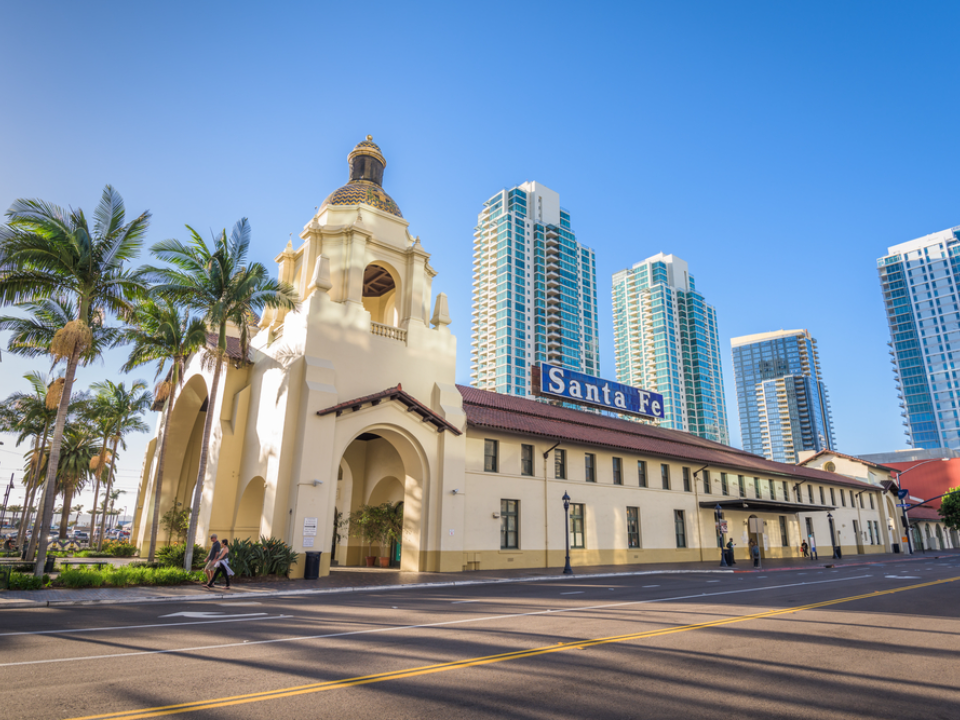
Santa Fe Depot in San Diego is one of the most historic and beautiful train stations on the West Coast. Opened in 1915, the station was designed by the architect William S. Hebbard in the Spanish Colonial Revival style. The station’s white stucco facade and red tile roof are complemented by its decorative arches and beautiful clock tower. Inside, the station features a grand waiting room with vaulted ceilings and intricate woodwork, making it feel both spacious and welcoming.
Santa Fe Depot is located near the waterfront, offering visitors views of the bay and easy access to downtown San Diego. The station’s historic charm makes it a popular spot for both train travelers and tourists exploring the area. Its restoration in the 1980s helped preserve its architectural beauty while ensuring that it could accommodate modern travel needs.
Mumbai Chhatrapati Shivaji Maharaj Terminus – Mumbai, India
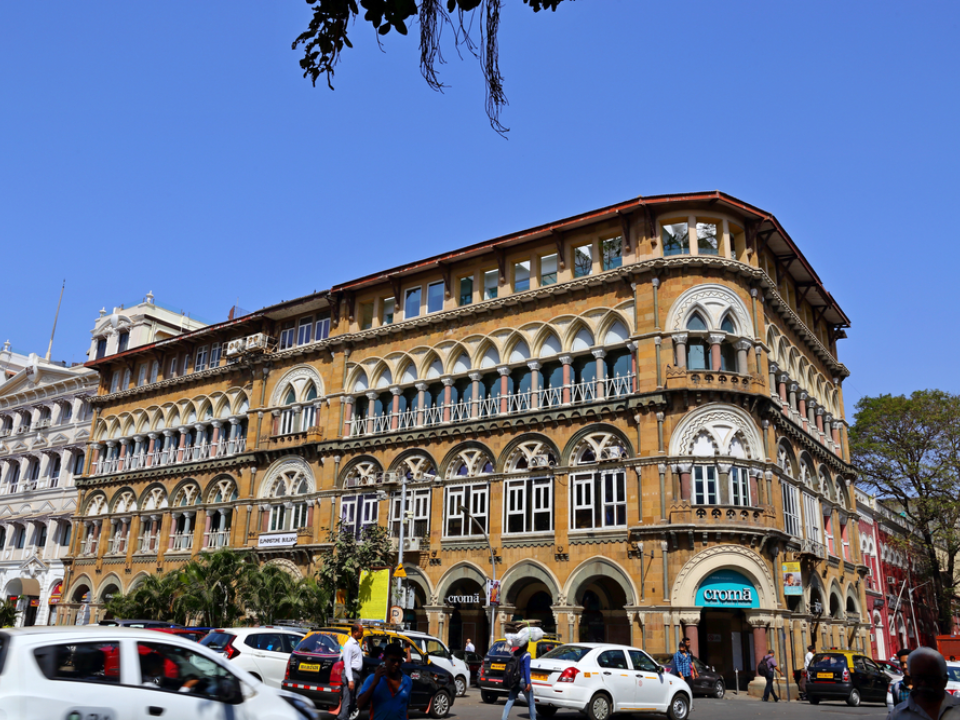
Chhatrapati Shivaji Maharaj Terminus is one of the most famous landmarks in Mumbai, India. Completed in 1887, the station’s Victorian Gothic architecture blends perfectly with Indian influences, creating a truly unique design. The building is made from a combination of sandstone and limestone, and it features intricate carvings and stunning arches.
The station’s clock tower stands as a symbol of the city’s history, while the detailed facade with its decorative elements represents the grandeur of the British colonial era. Inside, the station is bustling with travelers, yet its historical charm remains evident in the ornate woodwork and stained glass windows. The station has been declared a UNESCO World Heritage Site, further solidifying its significance in Mumbai’s cultural and architectural heritage. It is an essential stop for those exploring the city’s rich history and vibrant atmosphere.
Antwerp Central Station – Antwerp, Belgium
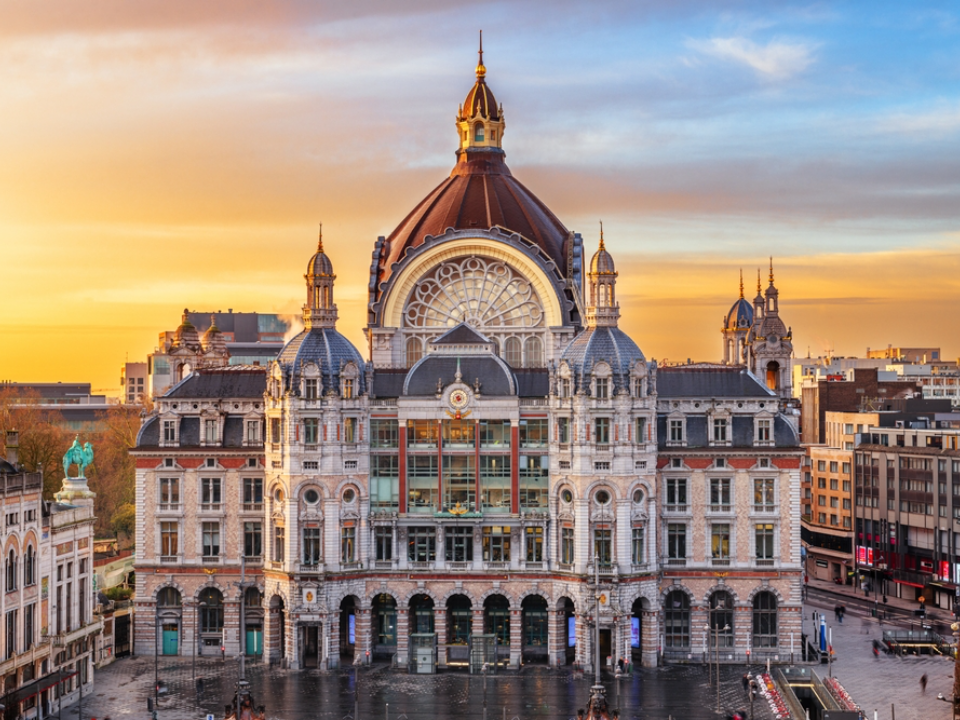
Antwerp Central Station is a masterpiece of railway architecture and one of the most beautiful stations in Europe. Opened in 1905, it was designed by architect Louis Delacenserie in a blend of Neo-Baroque and Art Nouveau styles. The station’s grand facade, with its intricate carvings and clock tower, makes a lasting impression. Inside, the central hall is dominated by a massive steel and glass dome, allowing natural light to flood the space.
The station’s marble floors, elaborate chandeliers, and decorative details add to the sense of elegance and grandeur. Antwerp Central Station has undergone several renovations to maintain its historic appeal while accommodating modern transportation needs. The station is often referred to as the “Railway Cathedral” due to its awe-inspiring design and size.
Oslo Central Station – Oslo, Norway
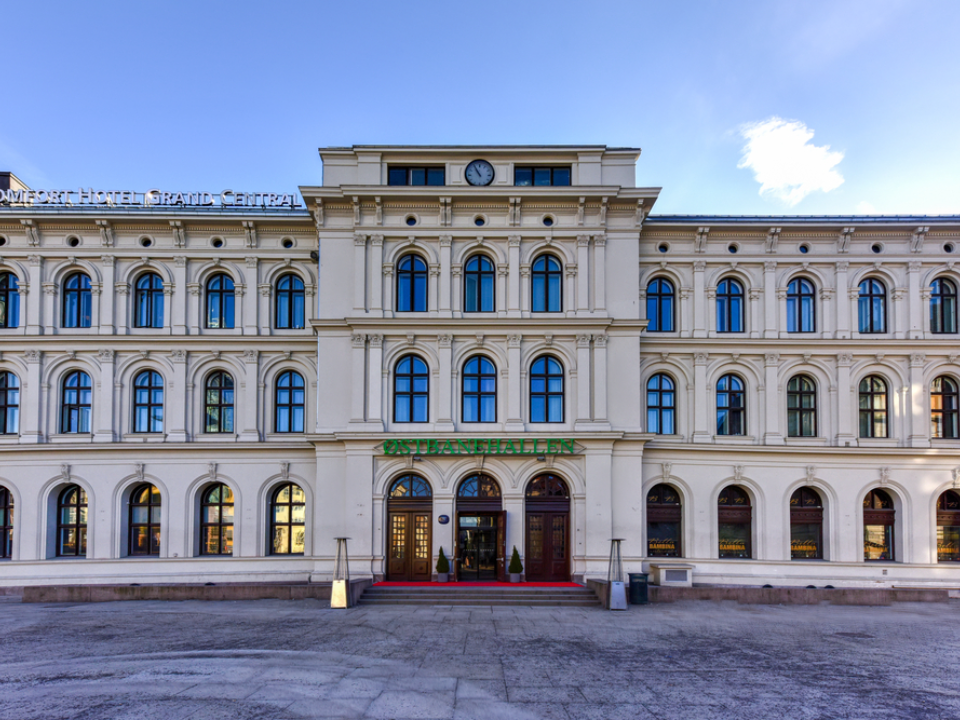
Oslo Central Station is Norway’s busiest and most important train hub, offering travelers a glimpse into the country’s architectural past. Opened in 1980, the station features a modern design with elements of classical Norwegian style. The building is made from steel and glass, with a spacious and open layout that provides ample natural light. Oslo Central Station is known for its large, circular hall, which serves as the focal point of the station.
While the station itself is modern, it still incorporates historic touches, including beautiful wooden floors and intricate tilework. The station’s location in the heart of Oslo makes it a key starting point for those exploring the city’s museums, parks, and waterways. Its clean, functional design makes it both an important transportation hub and an attractive landmark in Norway’s capital.
Rome Termini Station – Rome, Italy
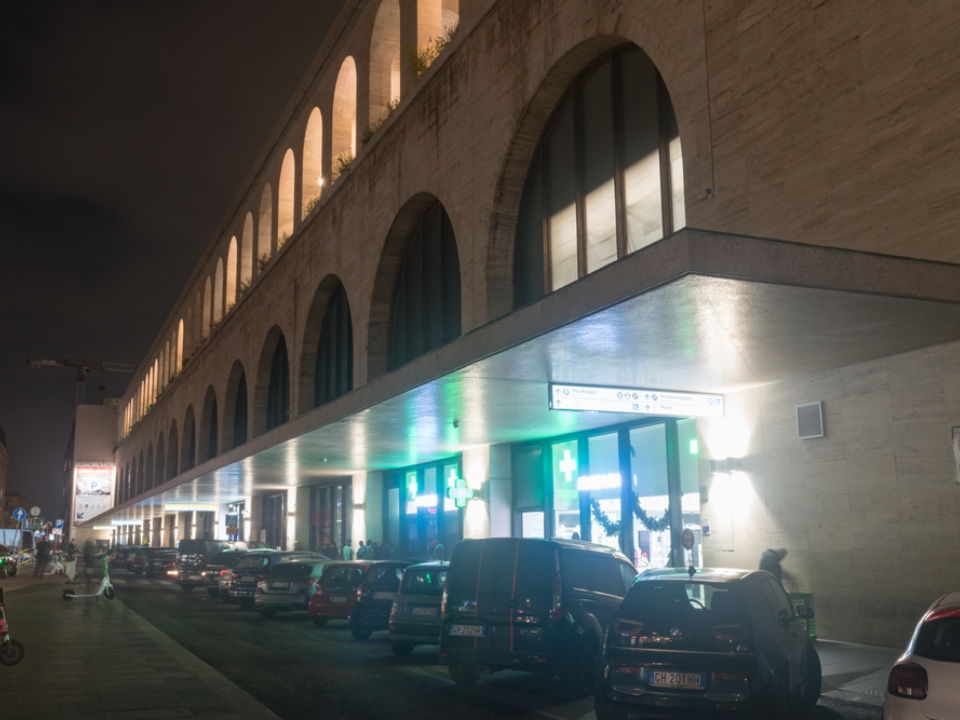
Rome Termini Station is not just a transportation hub, but an architectural landmark in Italy’s capital. Opened in 1867, the station’s design reflects Italy’s rich history and passion for classical architecture. The large, imposing facade with its grand columns and statues is a fitting introduction to the city’s most famous train station. Inside, the station features high ceilings, marble floors, and large, open spaces that give it a sense of grandeur.
Termini Station has undergone several renovations to accommodate modern trains while preserving its historic features. The station is not just a gateway to Rome, but also home to several shops, cafes, and restaurants. Its central location makes it easy for visitors to explore the city’s many ancient landmarks, such as the Colosseum and the Roman Forum.
Toronto Union Station – Toronto, Canada
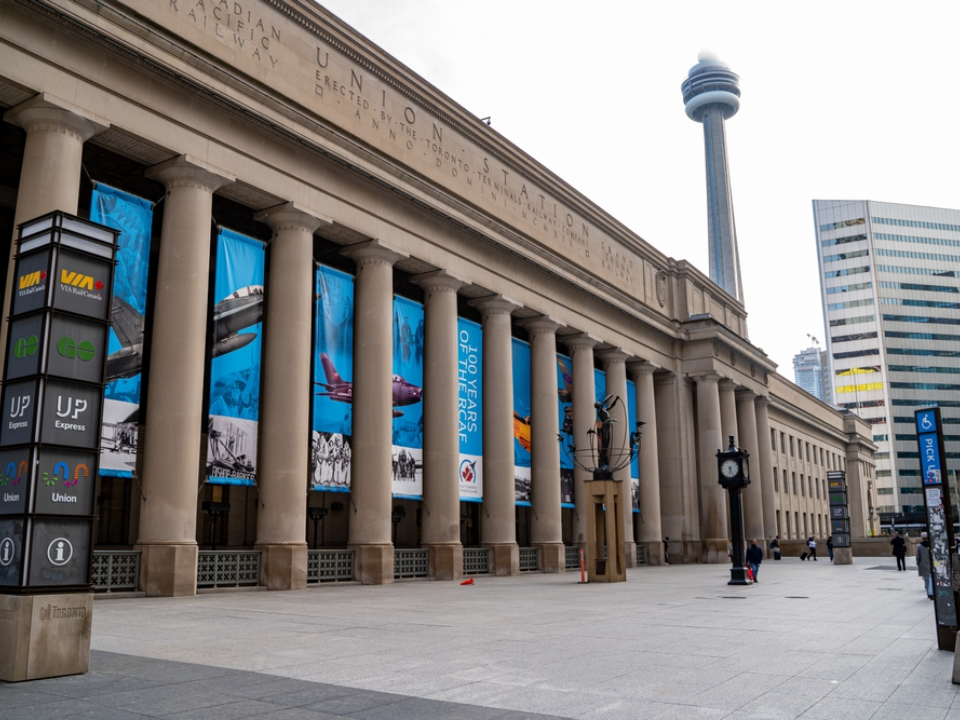
Toronto Union Station is an iconic building that combines historical grandeur with modern design. Completed in 1927, the station was designed in the Beaux-Arts style and is known for its monumental facade and large, imposing pillars. The station’s main concourse, with its high ceilings and ornate details, evokes the grandeur of a bygone era. Inside, the station boasts marble floors, decorative chandeliers, and intricate tilework, making it a visually stunning space.
The station has been undergoing extensive renovations to modernize the facilities while preserving its historical architecture. Union Station is one of the busiest transit hubs in Canada, serving both local and international passengers. Its strategic location in downtown Toronto makes it a popular stop for both travelers and city dwellers.
Helsinki Central Station – Helsinki, Finland
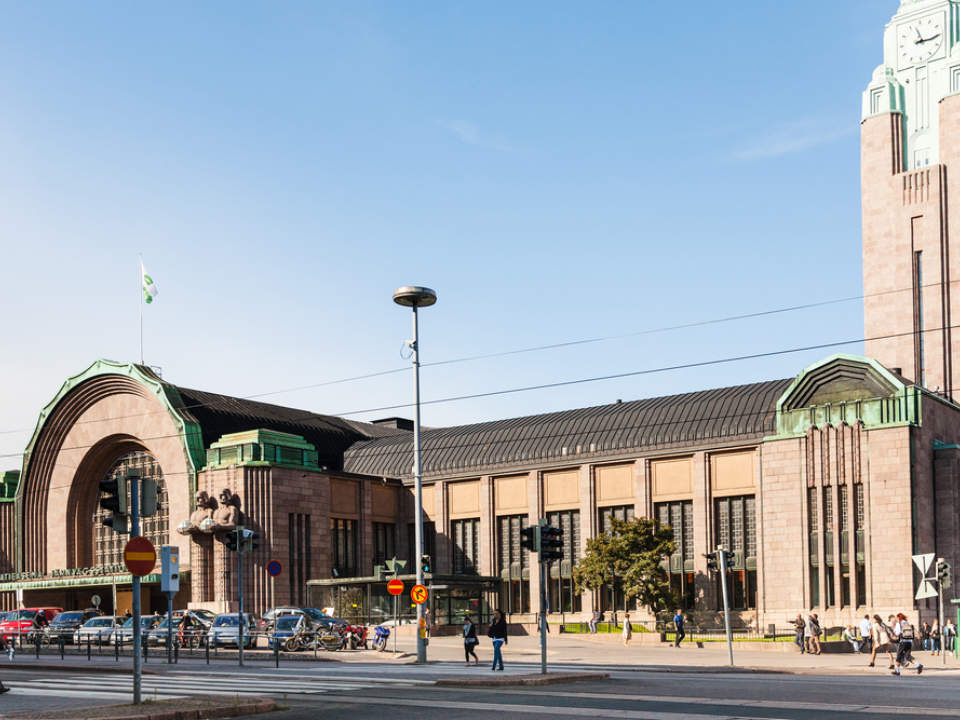
Helsinki Central Station is an exceptional example of early 20th-century design, blending Art Nouveau and National Romantic styles. Opened in 1919, the station was designed by architect Eliel Saarinen and features striking granite walls and a distinct copper roof. The station’s large clock tower and statues of two stone-faced figures holding lanterns are some of its most recognizable features. Inside, the station boasts large, open spaces with grand arches and stained glass windows.
The design creates a sense of both functionality and beauty, making it one of the most photographed buildings in Finland. Helsinki Central Station has been a vital part of the city’s transportation network for over a century, connecting passengers to both local and international destinations. The station’s elegant design and historical significance make it a must-visit for anyone in Helsinki.
Atocha Railway Station – Madrid, Spain
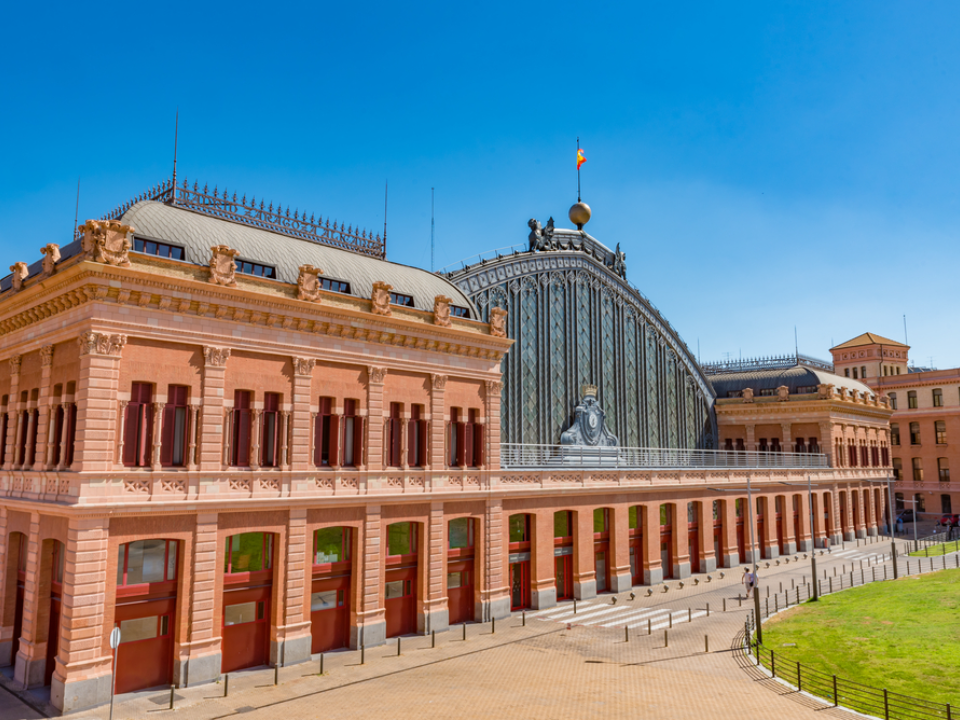
Atocha Railway Station in Madrid is a beautiful blend of old and new architecture. Opened in 1851, the station was originally built in a neoclassical style. However, it underwent a major renovation in the 1990s that added a massive indoor tropical garden to the station’s interior, making it one of the most unique train stations in the world.
The contrast between the historic brickwork of the original station and the modern glass structure of the new terminal creates a striking visual effect. The station’s massive glass roof allows natural light to flood the space, highlighting its architectural beauty. Atocha is also home to several sculptures and art pieces, adding to the cultural significance of the station. With its mix of history, nature, and modern design, Atocha is a must-see for architecture enthusiasts.
Montreal Central Station – Montreal, Canada
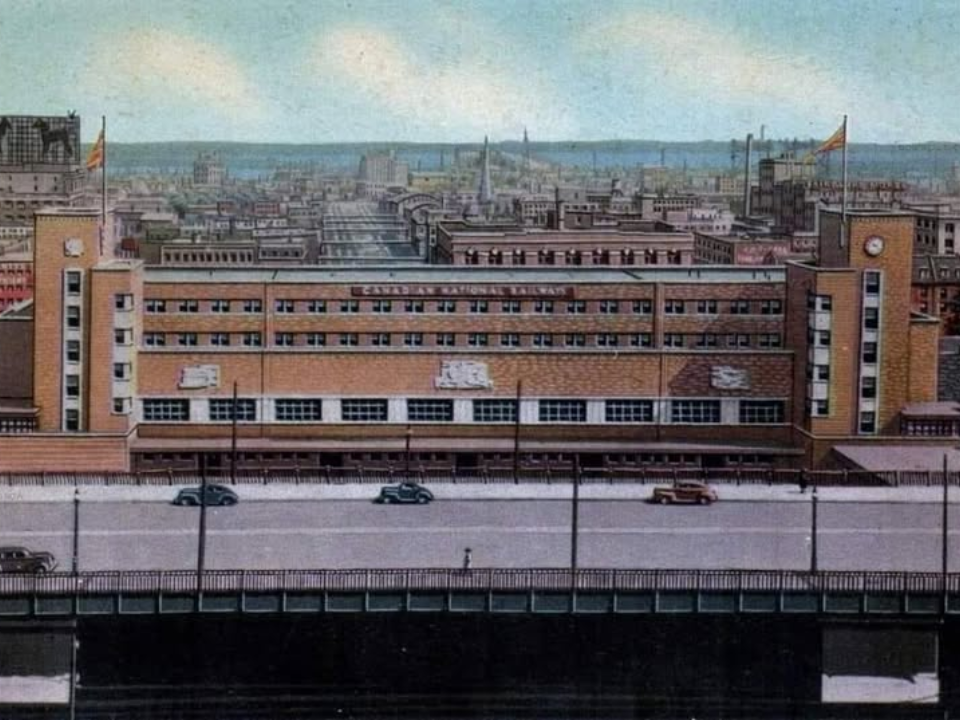
Montreal Central Station is a beautiful example of early 20th-century railway architecture. Opened in 1943, the station was designed in the Art Deco style with elements of Beaux-Arts and Neoclassical design. Its grand exterior features large arches and decorative stonework, making it a standout building in the city. Inside, the station’s main concourse is spacious, with high ceilings and grand columns that create a sense of openness.
The station also features a beautiful stained-glass dome and intricate tilework. Montreal Central Station has undergone several renovations to accommodate modern transportation needs while preserving its historical features. The station serves as a central hub for both local and international travel, connecting Montreal to cities across Canada and beyond.
Sao Paulo’s Estacao da Luz – Sao Paulo, Brazil
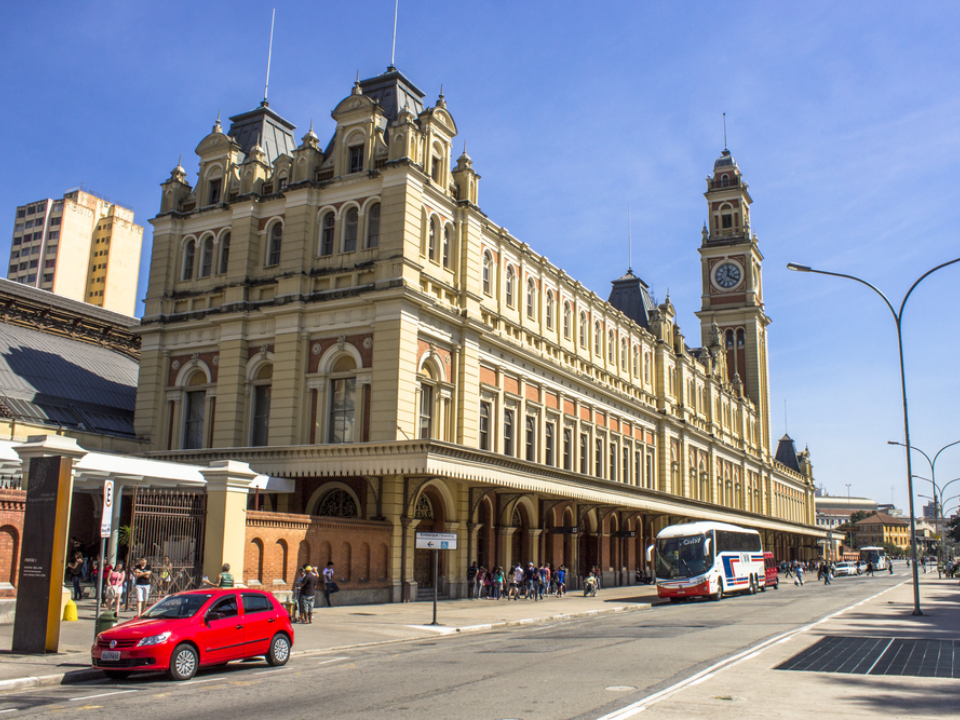
Estacao da Luz in Sao Paulo is a beautifully preserved piece of history. Built in 1901, the station was designed in a Victorian style with elements of English architecture. The station’s facade is adorned with intricate brickwork, and the large clock tower is one of the station’s defining features. Inside, the station’s expansive central hall features high ceilings, large windows, and elegant woodwork.
Estacao da Luz is known for its impressive ironwork and its large glass roof, which allows light to fill the space. Over the years, the station has been meticulously restored to maintain its historic charm while accommodating modern needs. Today, it serves as a key transit hub in Sao Paulo, connecting passengers to various parts of the city and beyond.
Chur Hauptbahnhof – Chur, Switzerland
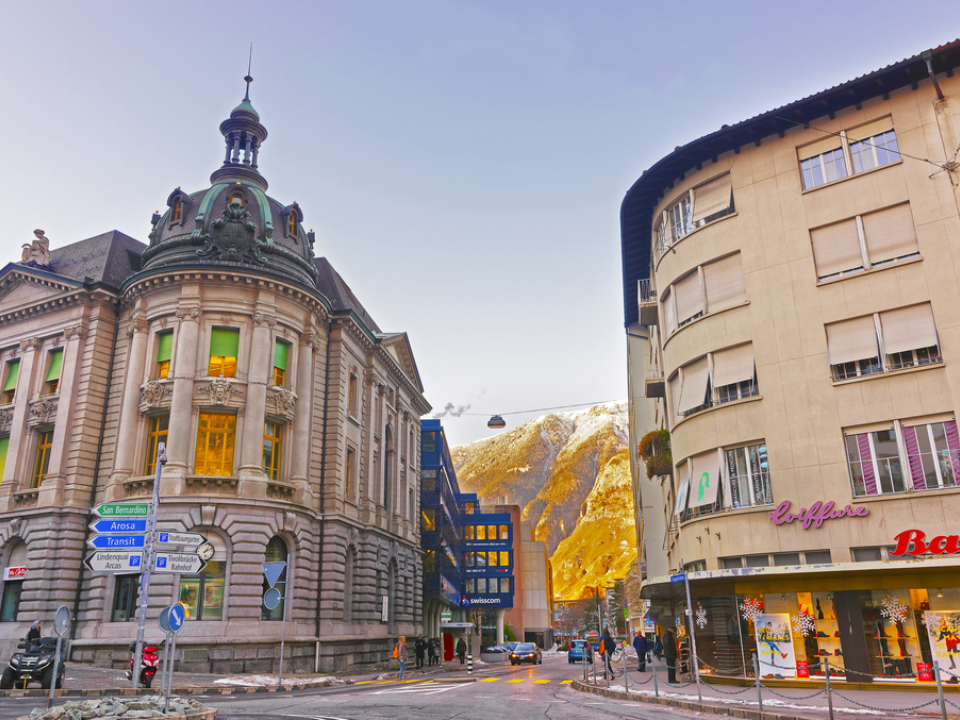
Chur Hauptbahnhof is Switzerland’s oldest railway station still in operation, dating back to 1850. Located in the scenic city of Chur, the station serves as a gateway to the Swiss Alps. The station’s charming Swiss-style architecture features wooden beams and detailed carvings, giving it a traditional and welcoming feel. Inside, the station’s main hall is modest yet functional, with large windows that allow natural light to brighten the space.
The station has been preserved and updated over the years to ensure it meets the needs of modern travelers while retaining its historic character. Chur Hauptbahnhof is particularly notable for its location, as it serves as the starting point for several scenic rail journeys, including the famous Bernina Express. The station’s quiet, picturesque setting makes it a peaceful stop for those traveling through Switzerland’s alpine landscapes.
This article originally appeared on Avocadu.