
15 Root Vegetables That Start Strong When Nights Stay Cold
As the temperatures drop and the nights get colder, many gardeners find that certain root vegetables thrive in these conditions, offering fresh, flavorful options long after the warm weather fades. These hardy crops not only survive the chill, but they also often improve in taste, becoming sweeter and more robust. Whether you’re looking for a hearty addition to your winter meals or hoping to extend your harvest into the colder months, these vegetables can handle the frost with ease. From carrots to parsnips, these root vegetables are known for their ability to grow strong, even when temperatures dip. They’re great for those who love the idea of harvesting fresh produce throughout the colder season. Growing these vegetables is a great way to make the most out of your garden, even when the seasons start to change.
This post may contain affiliate links, which helps keep this content free. Please read our disclosure for more info.
Carrots
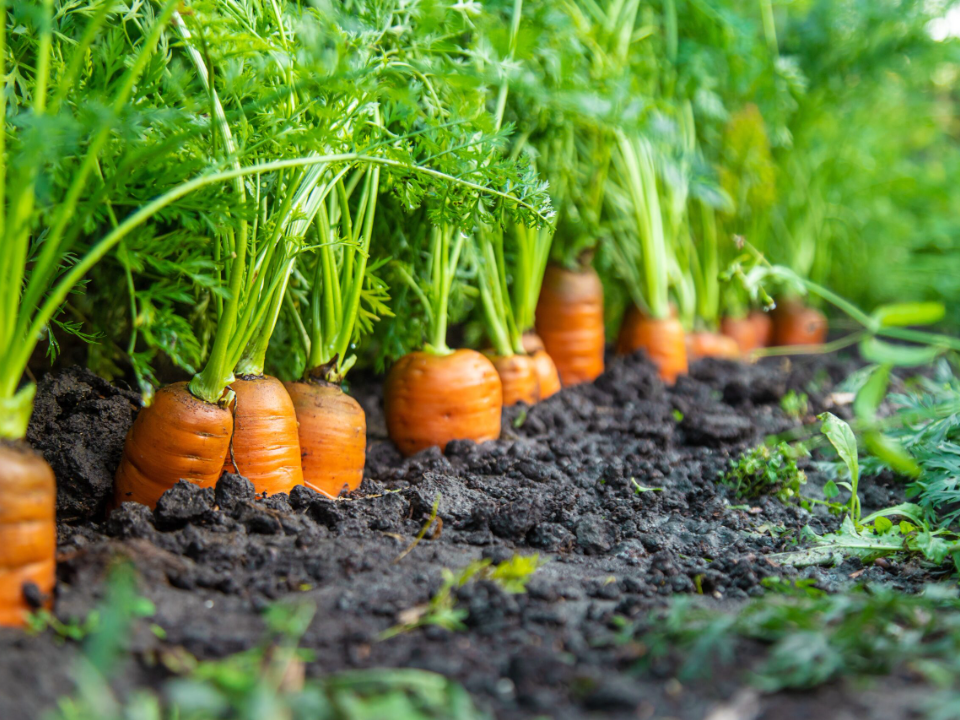
Carrots are one of the most popular root vegetables grown in colder climates. Their sweet and earthy flavor becomes even richer when the weather turns chilly. The cold temperatures help them develop a firmer texture, making them a perfect addition to soups and stews. Carrots are hardy enough to withstand light frosts, and their roots can continue to grow even in the cooler soil. They are easy to grow in the fall and early winter months.
These vegetables require well-drained, loose soil for optimal root development. Carrots can be harvested throughout the winter, but their taste is often sweeter after the first frost. This makes them a fantastic choice for anyone looking to harvest fresh vegetables well into the colder months.
Beets
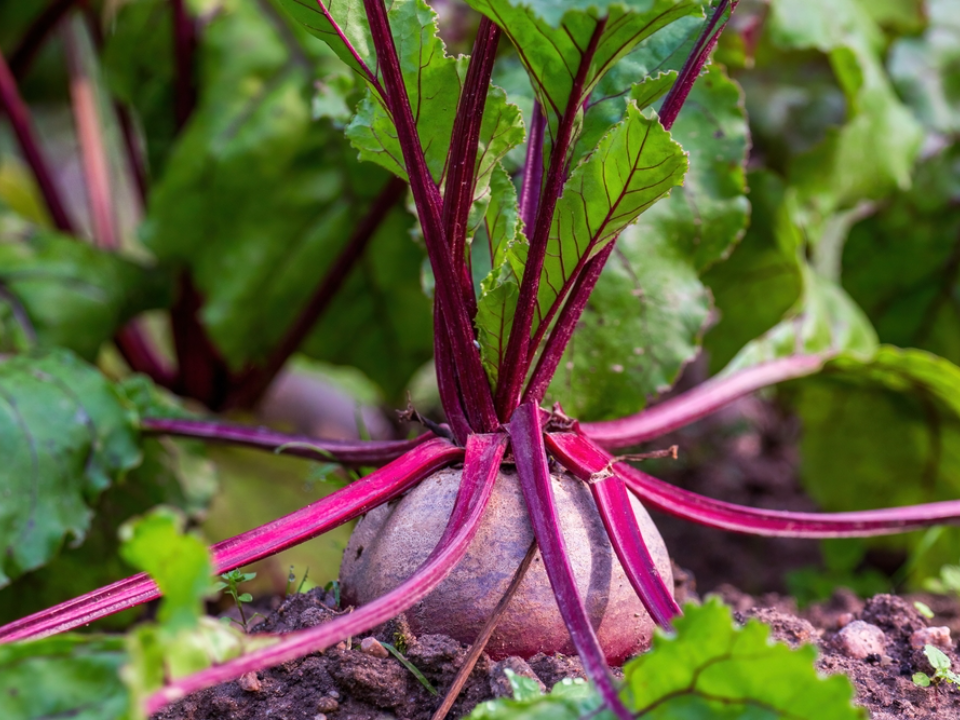
Beets thrive in cooler weather and are known for their vibrant color and earthy flavor. They can handle temperatures as low as 28°F, making them ideal for gardens where the temperature drops at night. Beets grow best in loose, well-drained soil and require regular watering to develop a healthy root.
Their rich, earthy taste is complemented by the crispness of their leaves, which can also be eaten. Beets are versatile and can be roasted, boiled, or eaten raw. The cold weather enhances their sweetness, making them perfect for roasting or adding to salads. These vegetables store well in the ground, so you can harvest them as needed throughout the colder months.
Rutabagas
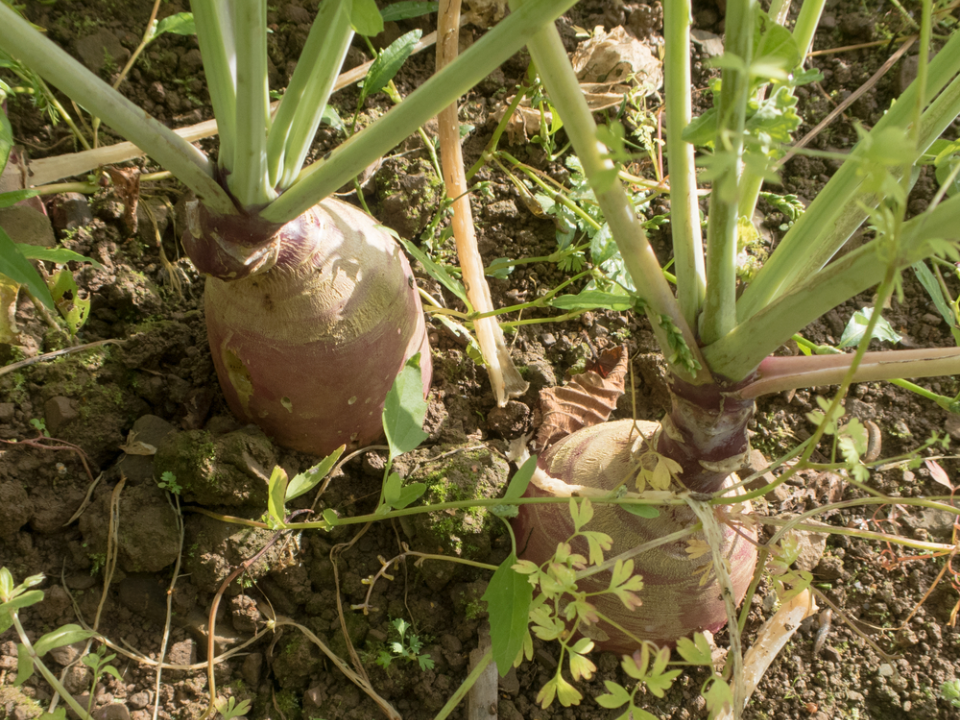
Rutabagas, often confused with turnips, are another root vegetable that flourishes in the cold. They are hardy plants, able to tolerate freezing temperatures and light frosts. Rutabagas require a long growing season, so planting them in late summer or early fall works best for winter harvesting.
Their dense, yellow flesh becomes sweeter and more flavorful when exposed to the cold. Rutabagas are versatile and can be mashed, roasted, or used in soups. They are rich in vitamin C and fiber, making them a nutritious addition to any meal. These vegetables need well-drained soil for healthy growth and will thrive even when the nights remain chilly.
Parsnips
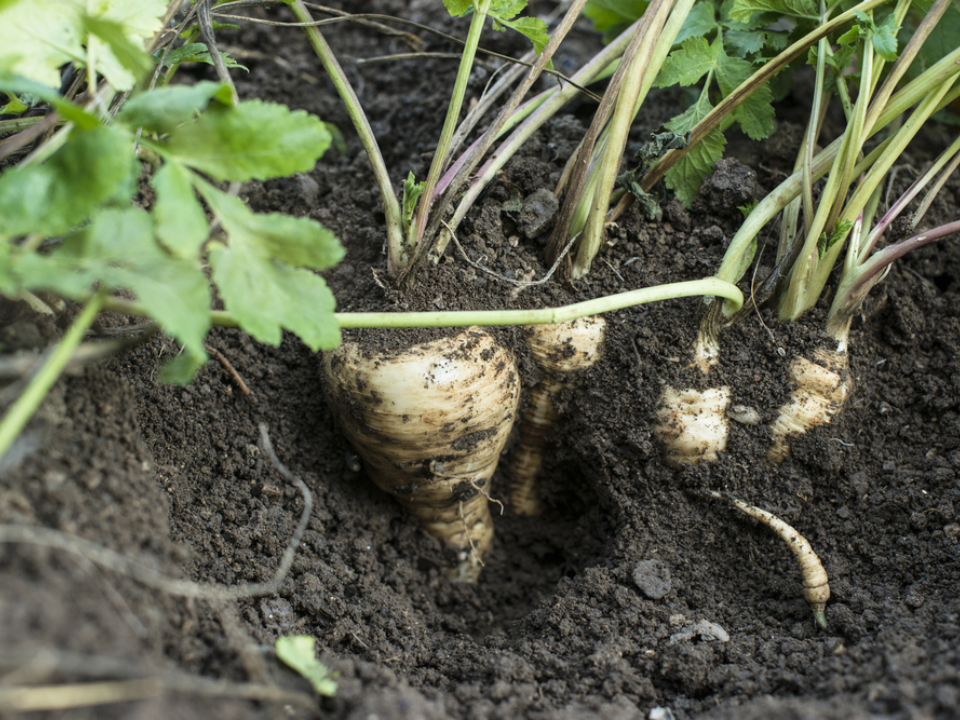
Parsnips are a cold-weather favorite that develops their sweetness after a frost. The plant itself is quite hardy, capable of surviving through harsh winter conditions. When exposed to cold, parsnips’ starchy roots convert some of their starches into sugars, making them taste sweeter. They are often left in the ground until the first frost, allowing their flavor to reach its peak.
Parsnips can be roasted, mashed, or added to stews, making them a versatile addition to winter dishes. These vegetables need deep, well-drained soil to grow properly and should be harvested after the frost for the best flavor. The long growing season of parsnips means they are an ideal crop for gardeners looking to have something to harvest even in colder months.
Turnips
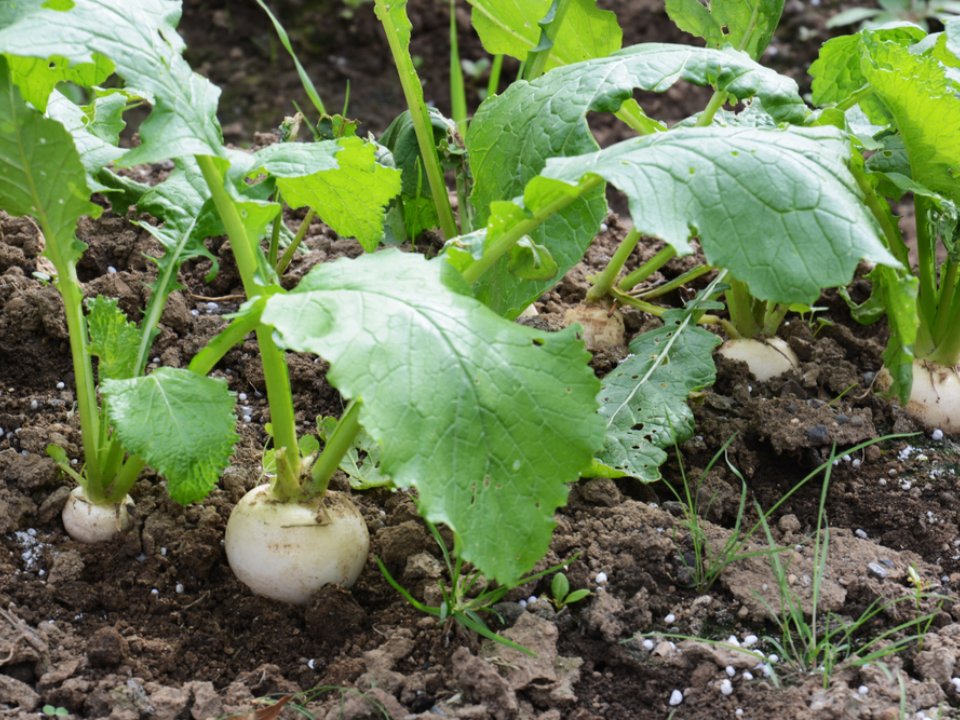
Turnips are an excellent choice for gardeners in cold climates, as they thrive in temperatures that are too harsh for other vegetables. These root vegetables have a mild, slightly sweet flavor, which becomes more pronounced after exposure to cold temperatures. Turnips are hardy enough to survive light frosts, and the roots continue to grow even in the colder months.
They grow quickly, with a short maturity period, making them perfect for late-season planting. Turnips are often used in soups, stews, and casseroles, where their soft texture can absorb the flavors of other ingredients. They are easy to grow in nutrient-rich soil and will continue to produce even when the nights remain chilly.
Sweet Potatoes
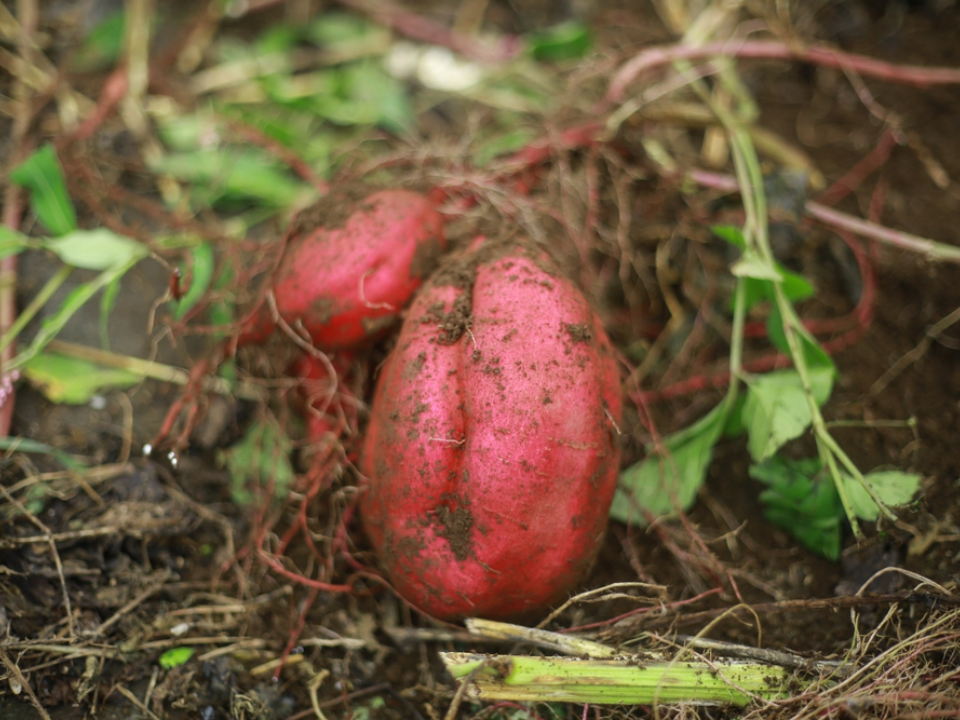
Sweet potatoes may be best known for their summer growth, but they can also be grown in the cooler months, especially in areas with mild winters. The cooler temperatures help these root vegetables develop a denser, sweeter flesh. Sweet potatoes grow well in well-drained, loose soil, which allows their roots to spread out and grow large. They require a long growing season but can be harvested in late fall or early winter.
Sweet potatoes are rich in vitamins and minerals and can be used in a variety of dishes, from pies to casseroles to soups. They store well, so even after harvest, they can last through the colder months. Cold nights encourage the natural sweetness of sweet potatoes, making them even more delicious.
Jerusalem Artichokes
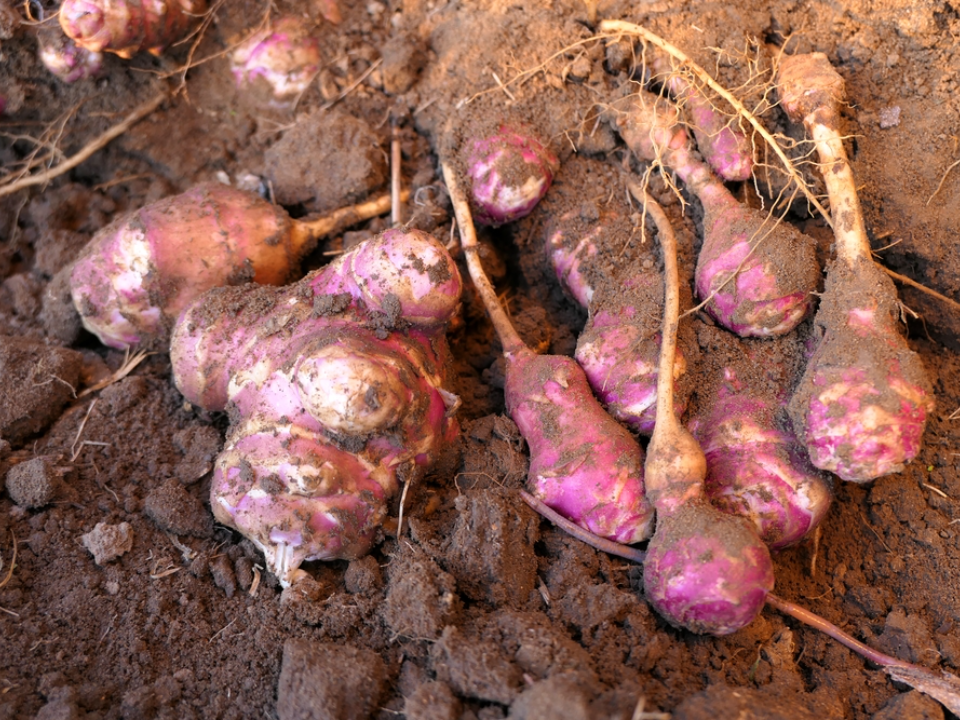
Jerusalem artichokes, also known as sunchokes, are a lesser-known root vegetable that excels in cold weather. These tubers grow best in loose, well-drained soil and can withstand light frosts. They are hardy plants, capable of continuing to grow even in freezing temperatures. Jerusalem artichokes have a nutty, earthy flavor that becomes richer as the weather cools.
These vegetables are rich in fiber and can be used in soups, roasted dishes, or eaten raw in salads. The cold weather allows them to develop a deeper flavor, making them perfect for those who appreciate their unique taste. Their ability to thrive in cold climates makes them a perfect choice for late-season harvests.
Kohlrabi
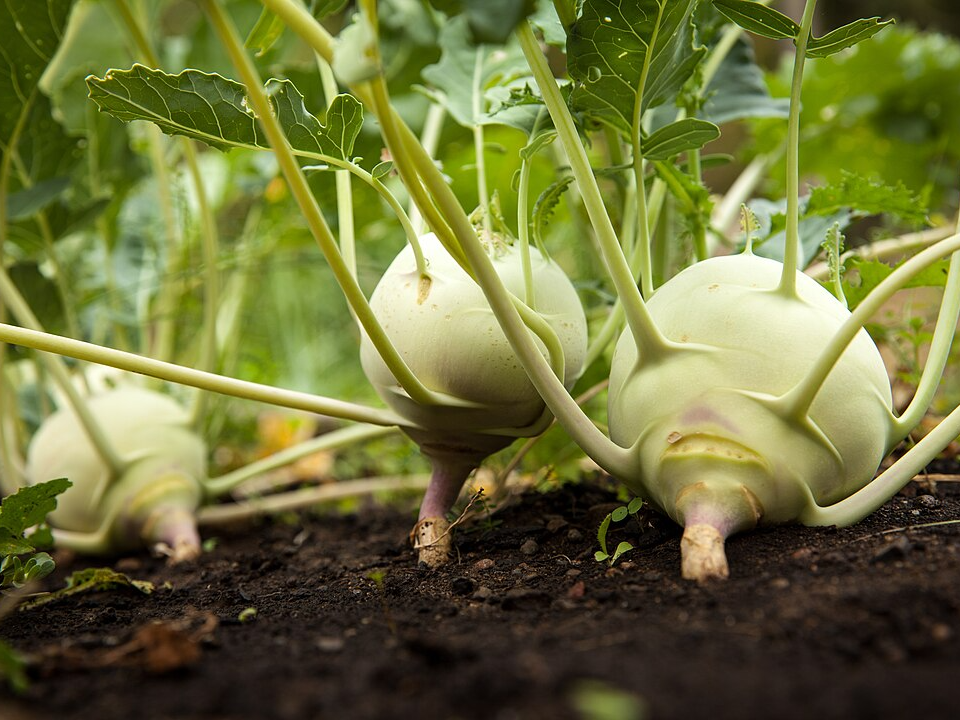
Kohlrabi is a versatile root vegetable that grows well in cold weather. It has a mild, sweet flavor with a slightly peppery kick. Kohlrabi is a cool-season crop that can handle light frosts, making it perfect for fall and winter gardens. Its round bulb grows above the soil, making it easy to harvest.
The cold temperatures enhance its flavor, making it a great addition to salads, soups, or stir-fries. Kohlrabi is rich in vitamin C and fiber, offering a nutritious option during the colder months. Its crisp texture and mild flavor make it a popular choice for people looking for a refreshing, crunchy vegetable during the winter.
Celeriac (Celery Root)
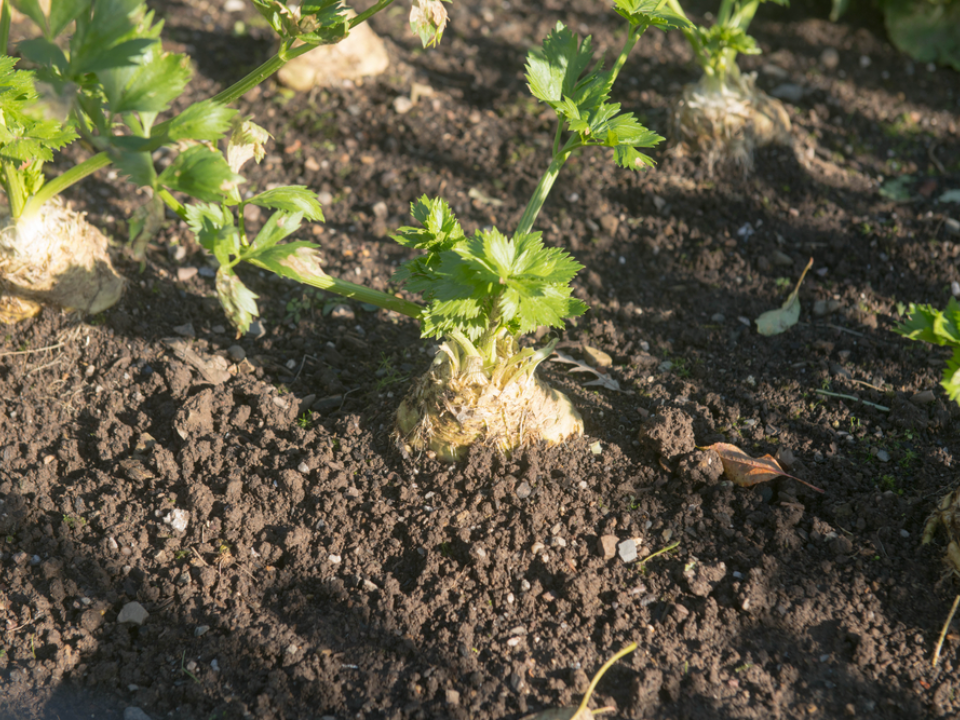
Celeriac, or celery root, is another root vegetable that thrives in the cold. This vegetable has a unique, nutty flavor with hints of celery and parsley. Celeriac is hardy and can survive light frosts, making it perfect for cold-weather gardening. It requires well-drained soil and ample water to develop its large, knobby root.
Celeriac is often used in soups and stews, where its flavor infuses the dish with a subtle, earthy taste. It can also be roasted or mashed, offering a comforting side dish during the colder months. This vegetable grows best when the weather stays cold, allowing the roots to develop their full flavor.
Salsify
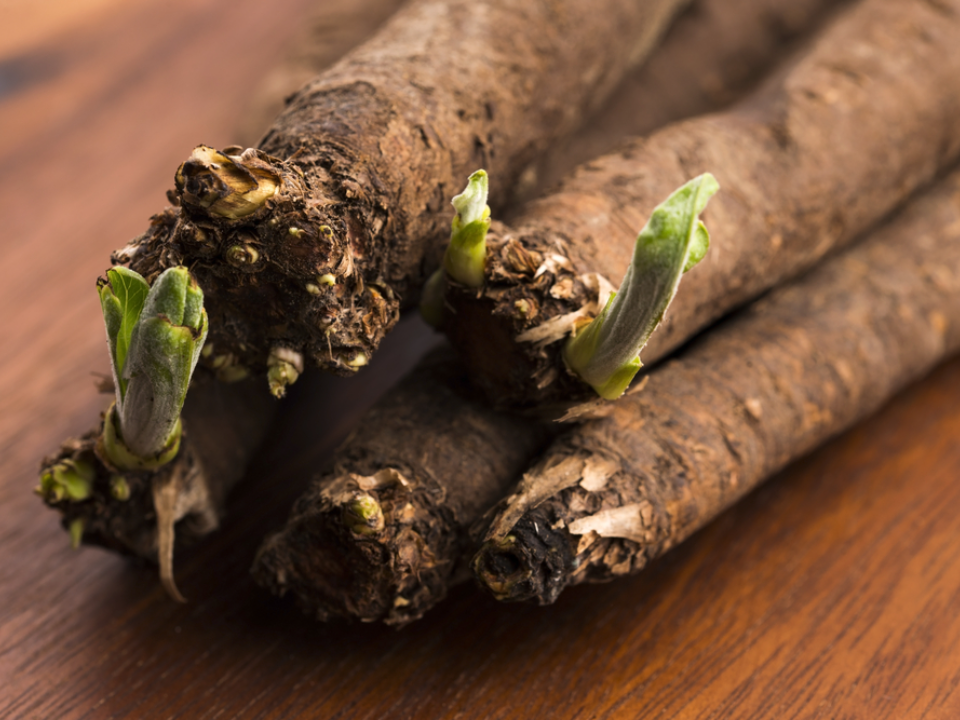
Salsify, often referred to as “oyster plant,” is a hardy root vegetable known for its unique, mild flavor. It grows well in cold temperatures, developing a creamy texture when cooked. Salsify’s flavor is often described as similar to oysters, with a subtle, earthy taste. It can handle light frosts, which helps enhance its flavor.
The roots grow best in loose, well-drained soil, where they have plenty of room to develop. Salsify is typically used in soups and stews, where its mild taste complements the other ingredients. It is also a versatile vegetable that can be roasted, mashed, or eaten in salads. The cold weather makes salsify a perfect option for late-season harvesting.
Horseradish
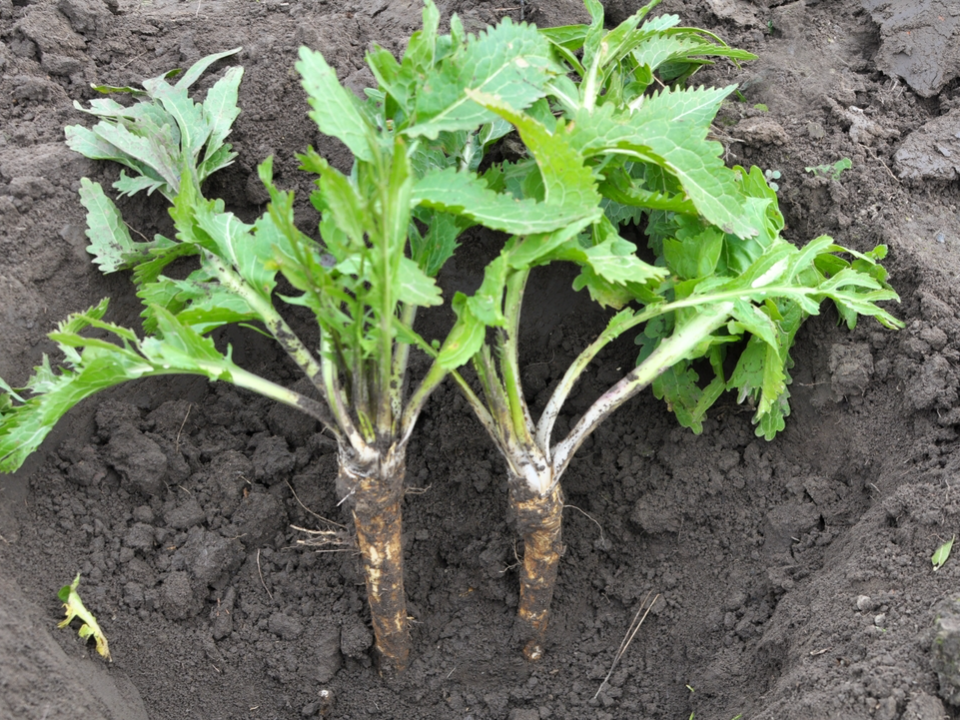
Horseradish is a root vegetable famous for its intense, spicy flavor. It thrives in cold weather and is often left in the ground over winter to enhance its taste. The cold temperatures help the root develop its pungent, peppery flavor, making it a popular ingredient in sauces and condiments. Horseradish grows well in rich, moist soil and requires little maintenance once established.
It is typically harvested in late fall or early winter, and its roots can be used fresh or prepared into sauces. The cold weather helps horseradish develop a stronger taste, making it a perfect addition to holiday meals and winter dishes. It is hardy enough to survive in cooler climates, making it ideal for gardeners looking for a strong-flavored root vegetable during the colder months.
Daikon Radish
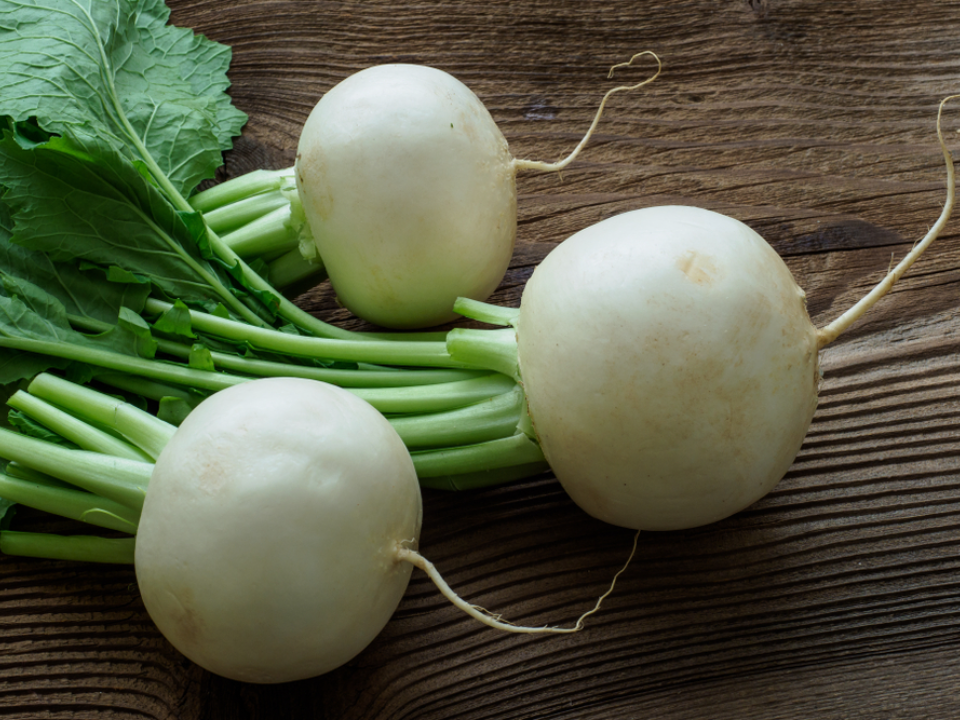
Daikon radishes are large, mild-flavored root vegetables that thrive in cooler weather. Unlike smaller, spicy radishes, daikon radishes have a subtle, slightly sweet taste, making them ideal for soups and salads. They are cold-hardy plants that can handle frost, and their flavor becomes even milder when exposed to the cold. Daikon radishes grow best in deep, loose soil where their large roots can expand.
These radishes are often used in Asian cuisine, especially in pickled dishes or as a garnish for sushi. They can also be roasted or added to stir-fries for a unique flavor. The cold temperatures encourage daikon radishes to grow large and tender, providing a refreshing crunch in winter dishes.
Sunchokes
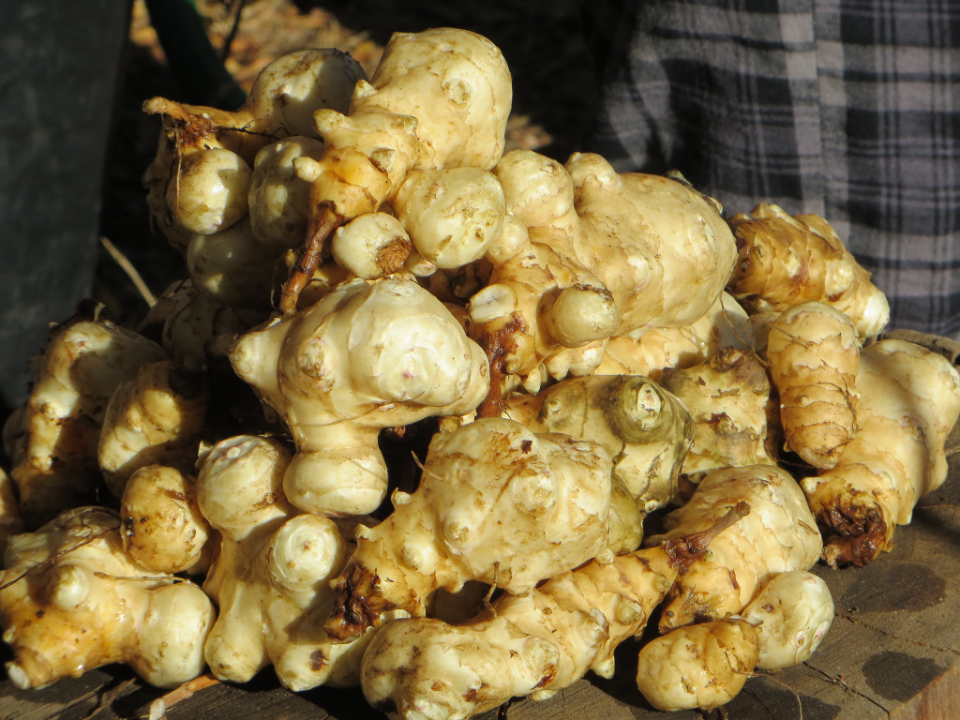
Sunchokes, or Jerusalem artichokes, are another cold-tolerant vegetable that thrives in low temperatures. These tubers have a sweet, nutty flavor that becomes more pronounced when exposed to frost. They are perfect for those looking for a hardy vegetable that will continue to grow through the winter. Sunchokes grow best in well-drained soil and require little care once established.
Their roots can be harvested throughout the winter, making them a reliable option for late-season harvests. Sunchokes can be roasted, boiled, or added to soups, where their nutty flavor adds richness to any dish. Their ability to thrive in cold weather makes them an excellent option for winter gardens.
Scorzonera
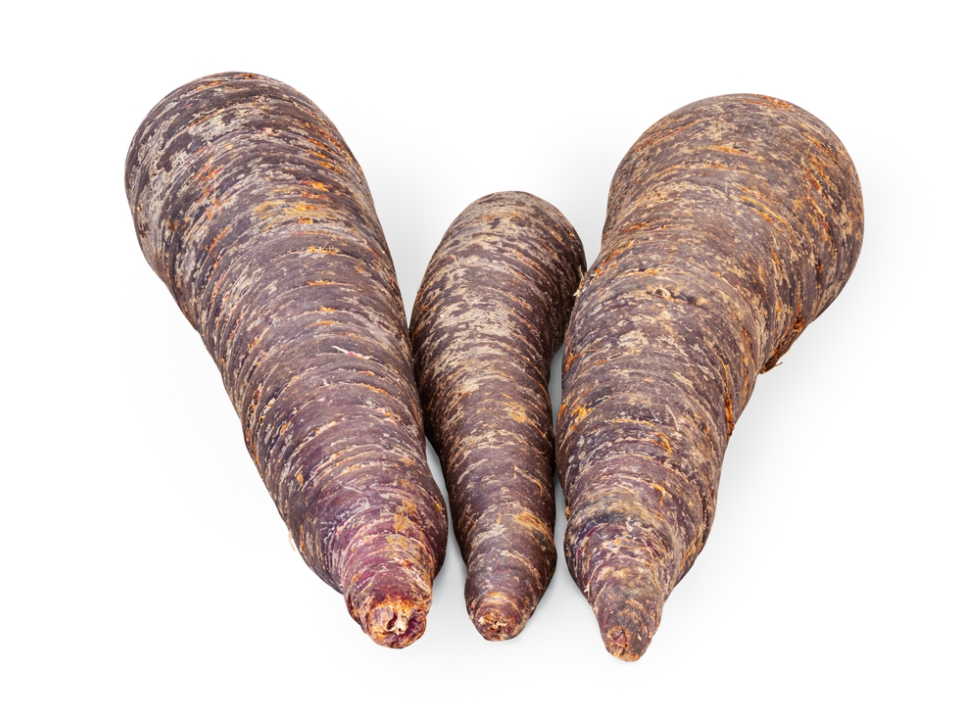
Scorzonera, also known as black salsify, is a root vegetable known for its long, dark roots. It is a hardy plant that thrives in cold weather, growing best in well-drained, loose soil. The flavor of scorzonera is similar to that of salsify, with a mild, nutty taste that becomes richer when exposed to cold temperatures. Scorzonera grows slowly, requiring a long growing season before it is ready to harvest.
It is often used in soups, stews, and casseroles, where its mild flavor complements the other ingredients. The roots can be harvested in late fall or early winter, making them perfect for gardeners looking to have a late-season vegetable crop. Scorzonera is also known for its health benefits, including its ability to support digestion and reduce inflammation.
Malanga
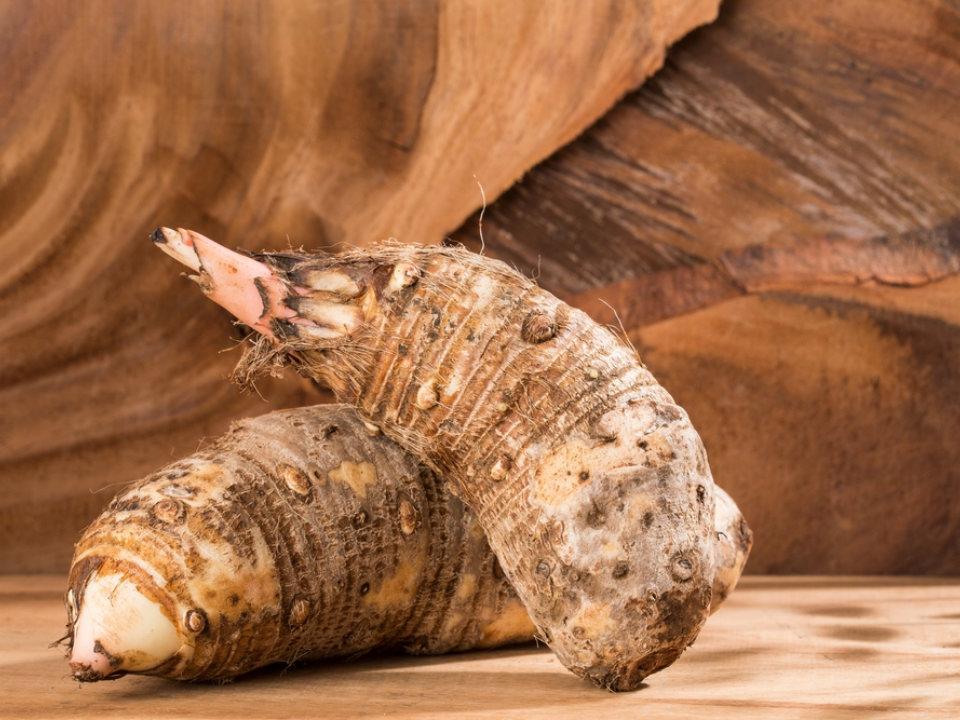
Malanga is a root vegetable native to the Caribbean and Central America, known for its earthy flavor and smooth texture. It grows well in cold climates, where it develops a hearty, starchy root. Malanga is similar in texture to taro and is often used in soups and stews, where its creamy consistency adds richness to dishes.
The vegetable can handle light frosts, allowing it to be harvested in the colder months. Malanga requires well-drained soil and plenty of moisture to thrive. When cooked, its mild flavor makes it an excellent substitute for potatoes in many dishes. Malanga is also rich in fiber, making it a healthy and filling addition to winter meals.
This article originally appeared on Avocadu.