
17 Hardy Perennials That Start Waking Up Before Spring Arrives
When the days start to lengthen and the chill of winter begins to fade, some hardy perennials are ready to spring into action. These resilient plants offer early signs of life, giving gardeners something to look forward to before the full bloom of spring. Their unique ability to survive the cold makes them valuable additions to any garden.
This post may contain affiliate links, which helps keep this content free. Please read our disclosure for more info.
Crocus
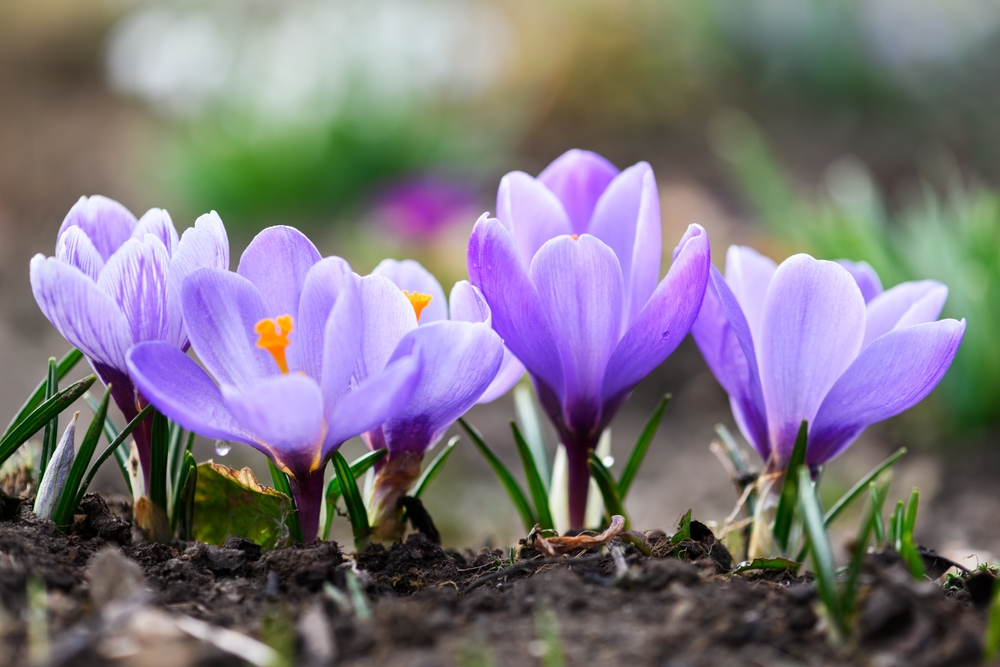
Crocus is one of the earliest perennials to bloom, often pushing through the soil while there’s still snow on the ground. To help them thrive, plant crocus bulbs in well-drained soil with plenty of sunlight. Water them lightly, but avoid overwatering, as their roots can easily rot in soggy soil. A light mulch around the base can protect them from late frosts and give them a healthy start.
For full bloom, ensure they get enough light in the early spring. These plants typically bloom in vibrant colors, adding cheer to your garden before most other plants are awake. Once blooming finishes, deadhead the flowers to encourage healthy growth. Crocus will naturalize over time, so be patient as they return year after year.
Snowdrop (Galanthus)
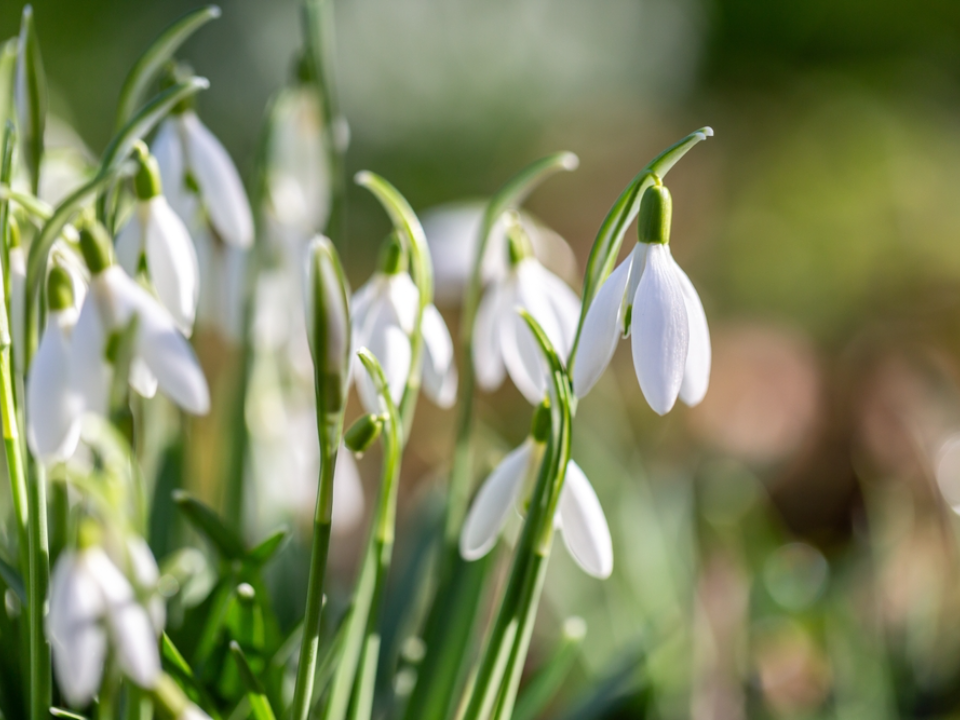
Snowdrops are known for pushing through the last remnants of winter, bringing delicate white flowers to your garden. These early risers need well-draining, slightly acidic soil and should be planted in a spot that receives both sun and shade. Keep the soil moist but not wet during their active growth phase. After blooming, let the foliage die back naturally, as this helps store energy for next season.
Snowdrops thrive with minimal care, but be sure to give them a light mulch to protect them during particularly harsh winters. They spread easily, so you may need to divide clumps every few years to keep them from overcrowding. Their graceful appearance and early bloom make them a favorite for gardens looking to bring a touch of spring before it officially arrives.
Hellebore (Lenten Rose)
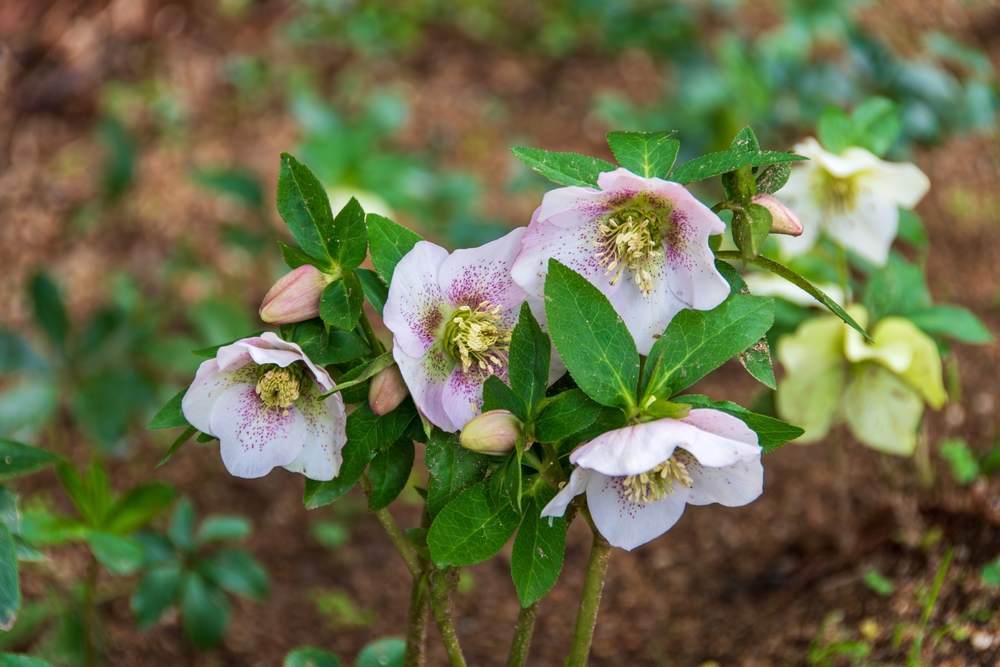
Hellebores are cold-hardy perennials that can bloom from late winter to early spring, offering striking flowers in shades of white, pink, and purple. To care for hellebores, plant them in well-drained soil in an area with partial to full shade. They prefer consistent moisture, so water them regularly, especially in dry periods. Adding organic matter to the soil will help improve the nutrient content and keep the roots healthy.
After the flowers fade, allow the leaves to stay intact, as they continue to feed the plant for the next season. Hellebores are low-maintenance but benefit from being divided every few years to encourage better airflow and growth. The beauty of their blooms combined with their early flowering habit makes them a standout in any garden.
Primrose (Primula vulgaris)
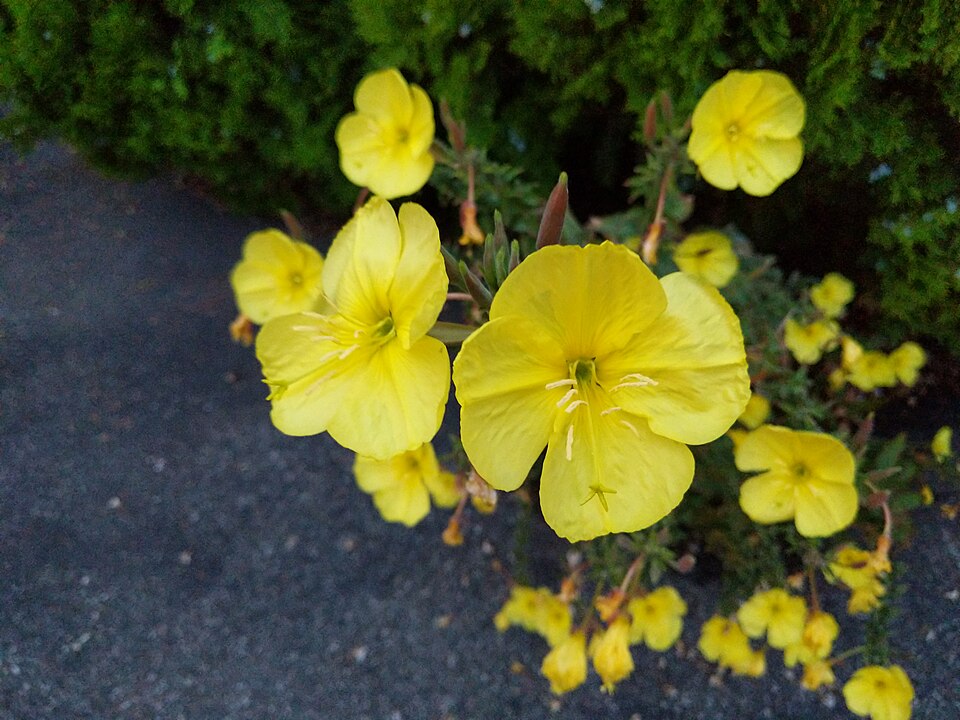
Primroses are one of the earliest perennials to bloom, often showing their colorful flowers in early spring. To encourage robust growth, plant them in slightly acidic, well-drained soil with partial shade, especially in warmer climates. Keep the soil consistently moist, as primroses do not like to dry out but do not overwater. A thin layer of mulch can help retain moisture and protect the roots during cold spells.
Primroses thrive with regular deadheading to encourage more blooms. These plants also benefit from being fertilized in early spring with a balanced, organic fertilizer. While they are generally low-maintenance, they appreciate being divided every few years to prevent overcrowding and to keep them healthy. Primroses make a wonderful addition to shaded garden beds and woodland areas.
Bleeding Heart (Dicentra Spectabilis)
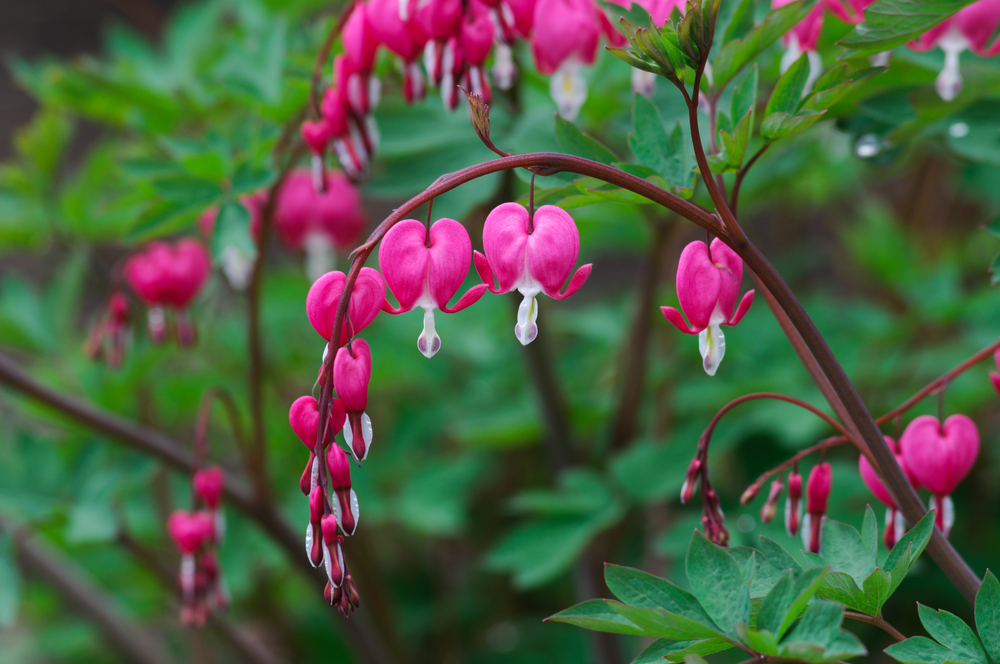
The Bleeding Heart is an early bloomer with unique, heart-shaped flowers that dangle gracefully from arching stems. For healthy growth, plant them in rich, well-draining soil with partial to full shade, and keep the soil consistently moist. Mulching around the base will help retain moisture and protect the roots from temperature fluctuations. Deadhead spent flowers to promote a tidy appearance, but leave the foliage until it naturally dies back in late spring.
In spring, give them a light feeding of organic fertilizer to encourage vibrant blooms. Bleeding Hearts can be quite large as they mature, so it’s important to space them adequately. After blooming, they will rest for the summer, so be patient as they continue their cycle. This perennial adds a beautiful and delicate touch to any shaded garden area.
Celandine Poppy (Stylophorum diphyllum)
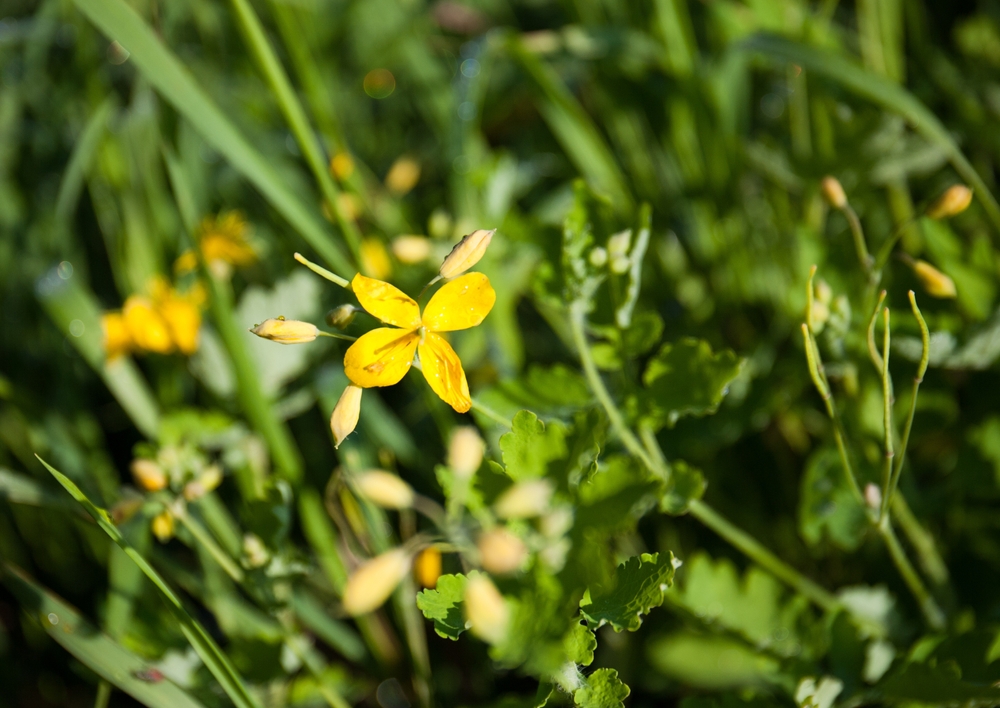
Celandine Poppy is a native plant that blooms early in spring with bright yellow flowers. Plant them in slightly moist, well-drained soil in a shady or woodland setting to mimic their natural habitat. These plants prefer consistent moisture, so be sure to water them regularly, especially as they establish their roots. Adding organic compost to the soil will improve its texture and nutrient content, supporting healthier plants.
After blooming, allow the foliage to die back naturally, which will help the plant store energy for the next year. Celandine Poppy tends to self-seed, creating a natural carpet of yellow blooms over time. It is an excellent choice for shaded garden areas where it can spread and add a vibrant pop of color. These plants are low-maintenance and thrive with minimal attention.
Lungwort (Pulmonaria)
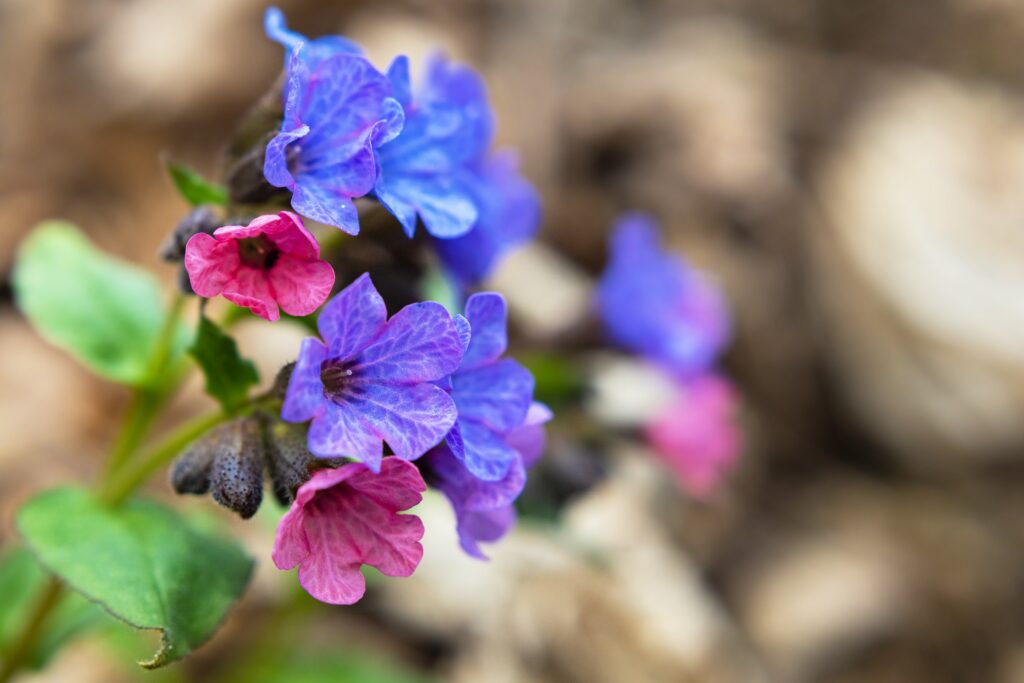
Lungwort is an early-blooming perennial known for its striking, speckled leaves and clusters of blue, pink, or purple flowers. To care for lungwort, plant it in moist, well-drained soil in partial to full shade. It’s essential to keep the soil consistently moist, especially during dry periods. A layer of mulch around the base can help maintain soil moisture and protect the roots from fluctuating temperatures.
After flowering, prune back any spent blooms to encourage the plant to focus on foliage growth. Lungwort thrives in woodland gardens, where its unique foliage and early flowers can brighten up shady spots. Divide the plants every few years to keep them healthy and ensure they don’t become overcrowded. With its early blooms and beautiful foliage, lungwort is a perfect addition to shaded garden beds.
Dutchman’s Breeches (Dicentra cucullaria)
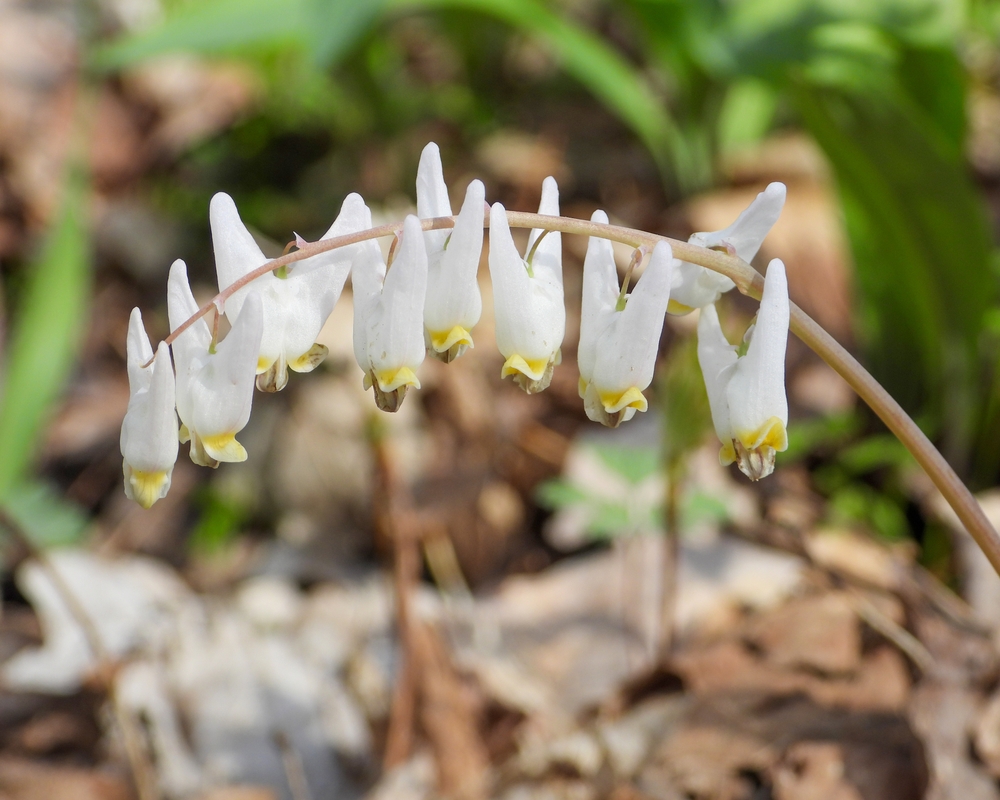
Dutchman’s Breeches is a delicate perennial that features small, white flowers shaped like upside-down pants, blooming in early spring. These plants thrive in rich, well-draining soil with partial to full shade. During their active growth period, keep the soil consistently moist but well-drained. Adding compost to the soil can enhance its texture and nutrient content, helping to keep the plants healthy.
Dutchman’s Breeches go dormant in the summer, so after they finish blooming, allow the foliage to naturally die back. They are perfect for woodland gardens or shaded areas, where their unusual flowers can add a touch of whimsy. These plants spread slowly by rhizomes, so they can naturalize over time. They are low-maintenance and require minimal care after they have established themselves.
Columbine (Aquilegia)
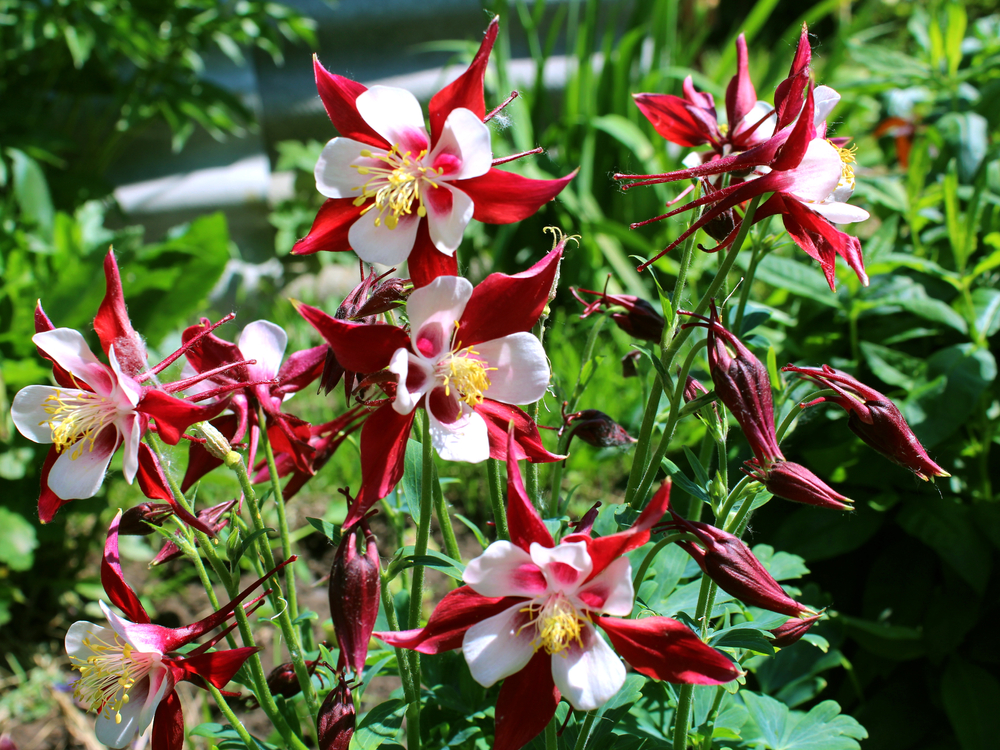
Columbine is an early bloomer that produces uniquely shaped flowers in a range of colors, from reds and yellows to blues and purples. To encourage healthy growth, plant them in well-drained, slightly alkaline soil with partial to full sun. Columbine plants need consistent moisture, but be careful not to overwater, as their roots do not like to stay soggy. A light mulch can help retain moisture and protect the roots during colder months.
This plant benefit from being deadheaded throughout the blooming period, as this encourages new blooms to form. These perennials are easy to grow in garden beds or along borders, adding height and color to your landscape. They are attractive to pollinators like bees and hummingbirds, which helps make your garden more lively. After blooming, let the foliage remain to help the plant store energy for the next season.
Jacob’s Ladder (Polemonium)
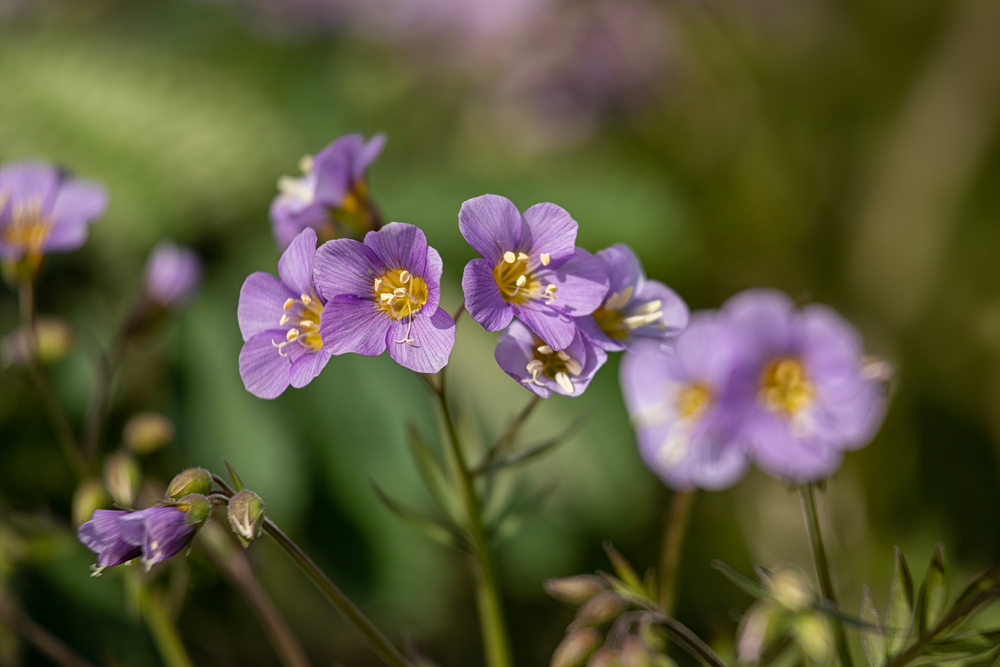
Jacob’s Ladder is a graceful perennial known for its cascading clusters of blue, bell-like flowers. These plants thrive in moist, well-drained soil with partial shade, and they prefer cooler climates. Ensure they have consistent moisture, especially during their growing season, to promote healthy blooms. Mulching around the base helps keep the roots cool and prevents soil from drying out too quickly.
After blooming, Jacob’s Ladder benefits from being deadheaded to promote additional flowering. The plants grow best in garden beds with rich, loamy soil that retains moisture but doesn’t stay soggy. They can also tolerate a light frost and often start waking up earlier than other plants. This perennial adds a lovely touch of color to shaded areas and is ideal for adding variety to your garden’s early spring look.
Virginia Bluebell (Mertensia virginica)
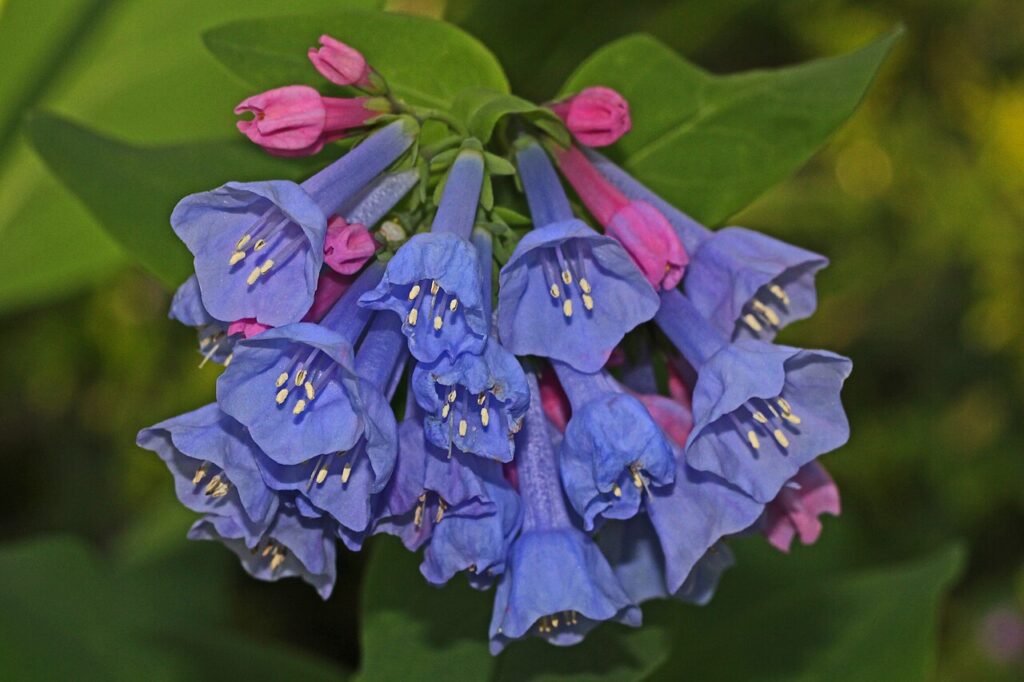
Virginia Bluebells are native to woodlands in North America, producing stunning clusters of bell-shaped blue flowers. These plants thrive in rich, moist, and well-drained soil, making them a great addition to any shaded or woodland garden. Best to plant them in early spring, as the blooms typically appear before the leaves on nearby trees fully emerge. Keep the soil moist during their active growth period, as Virginia Bluebells prefer consistent moisture.
Once the flowers fade, let the foliage die back naturally to avoid disturbing the roots. This plant prefers partial to full shade and does well in the cool temperatures of early spring. Virginia Bluebells spread over time, forming a lovely carpet of blue flowers in shaded garden spaces. Their early spring blooms are a favorite for gardeners looking to brighten up woodland areas.
Winter Aconite (Eranthis hyemalis)
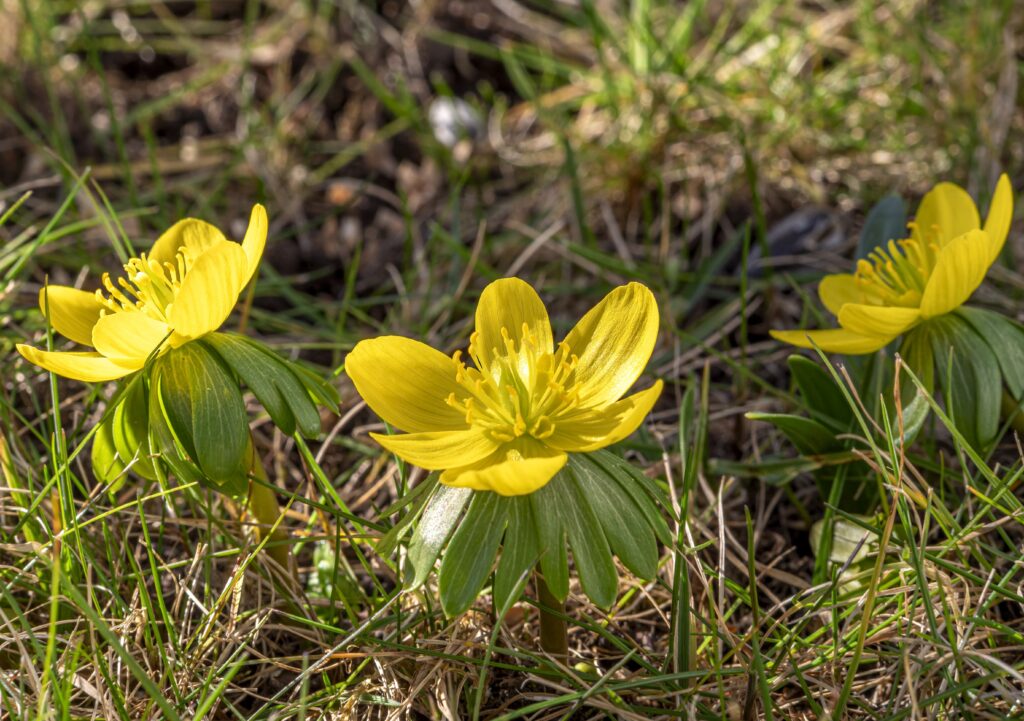
Winter Aconite is one of the earliest bloomers in the spring, producing yellow, cup-shaped flowers that brighten the garden. These plants do best in well-drained, humus-rich soil and can thrive in full sun or partial shade. To help them reach full bloom, plant them in an area where the soil is kept consistently moist, but not overly wet. They can be left undisturbed after blooming to naturalize and return year after year.
Though small, Winter Aconite plants create a cheerful display that signals the arrival of warmer weather. They can be grown in clusters to make the most of their striking yellow flowers. Mulching around the base in colder regions can help protect the plants from frost damage. Winter Aconites are great for adding early color to your garden, especially in areas where other plants are still dormant.
Hosta (Hosta spp.)
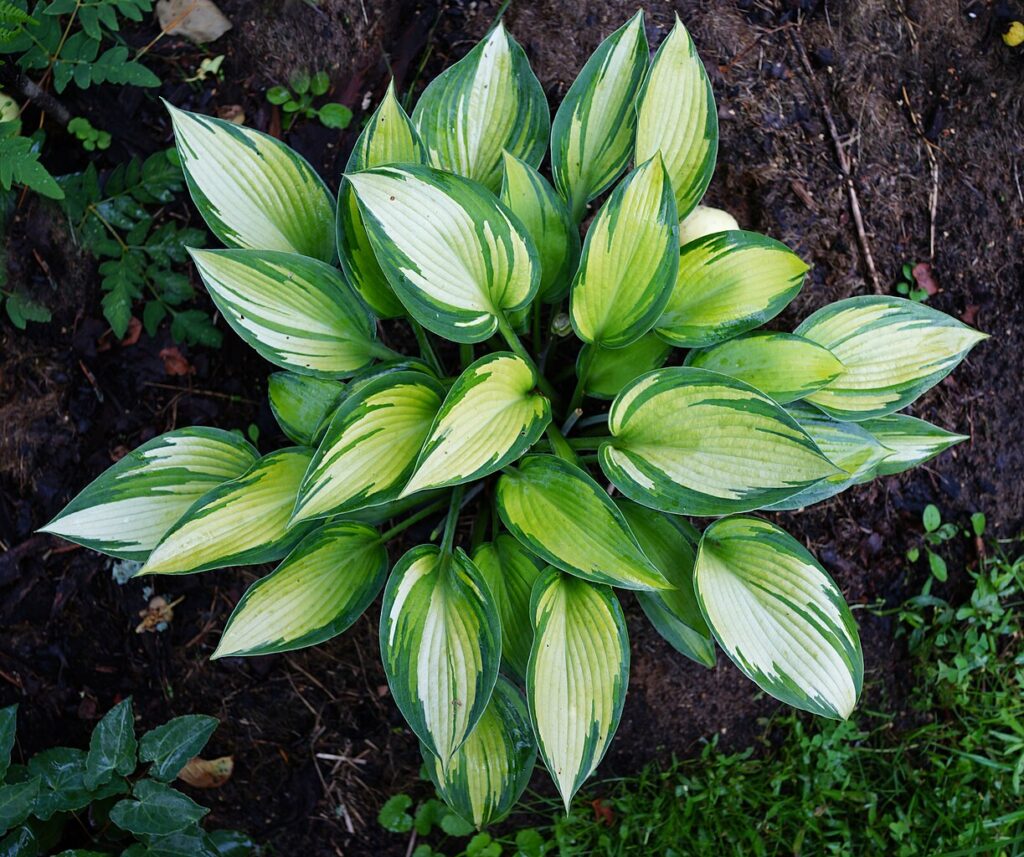
Hostas are known for their attractive foliage and late spring blooms, but many varieties begin emerging as early as March. They thrive in moist, well-draining soil and partial shade, making them ideal for shady spots in your garden. To encourage their growth, water regularly and keep the soil moist but not soggy. Hostas benefit from a layer of mulch, which helps retain moisture and keeps the roots cool.
While Hostas are best known for their foliage, some varieties also bloom in late spring with beautiful spikes of white or purple flowers. Once established, they are relatively low-maintenance and can be divided every few years to keep them healthy. Hostas are perfect for gardens with little sun and can tolerate a variety of soil types, provided they have consistent moisture. They are a great addition to shaded areas or garden beds where their foliage can thrive.
Glory-of-the-Snow (Chionodoxa)
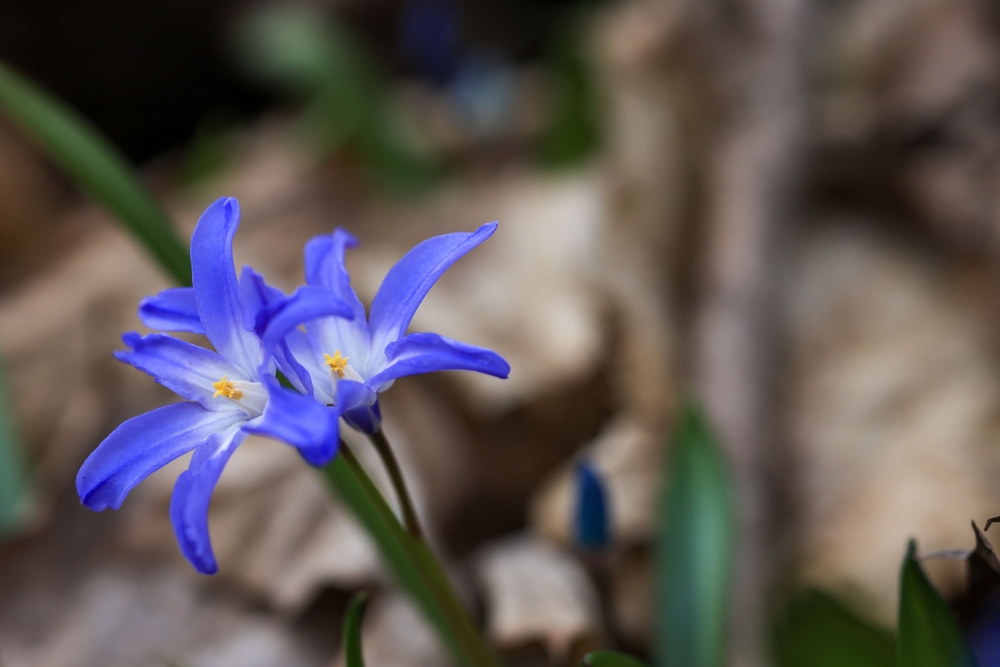
Chionodoxa, or Glory-of-the-Snow, is a small, early-blooming perennial that produces stunning blue or white star-shaped flowers. These plants thrive in well-drained, slightly alkaline soil and prefer full sun or partial shade. Plant them in early spring, as they are among the first to flower, creating a bright splash of color in your garden. Keep the soil evenly moist during their growth period to ensure healthy blooming.
These plants grow in dense clusters, which makes them perfect for mass planting in garden beds or along borders. Once their blooms fade, the foliage will begin to die back, so it’s important to let them rest until the next season. Chionodoxa can naturalize over time, slowly spreading to create a carpet of blue flowers in your garden. Their early blooms make them a popular choice for gardeners looking for a bit of color in the early spring.
Daphne (Daphne mezereum)
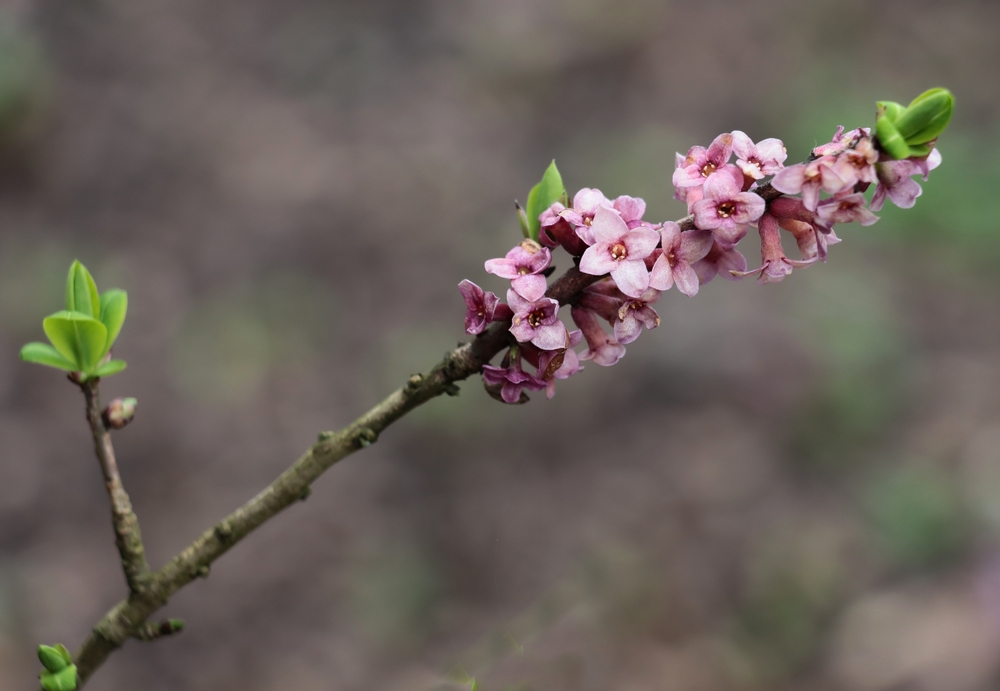
Daphne plants are prized for their early spring blooms, which range from pink to purple and fill the air with a lovely fragrance. To encourage these plants to thrive, provide them with well-draining, slightly acidic soil in a spot that receives partial shade. Water them regularly, but be sure the soil is not waterlogged, as this can lead to root rot. Mulching can help keep the soil moist and protect the roots during colder months.
These shrubs are relatively slow-growing and can be a bit temperamental, so be patient with them. Daphne plants do best when they are planted in an area where they can receive protection from harsh winds. Once established, they require little maintenance, but be sure to prune them after flowering to keep them looking neat. Their sweet-smelling blooms and early flowering make them a cherished addition to any garden.
Sedum (Sedum spp.)
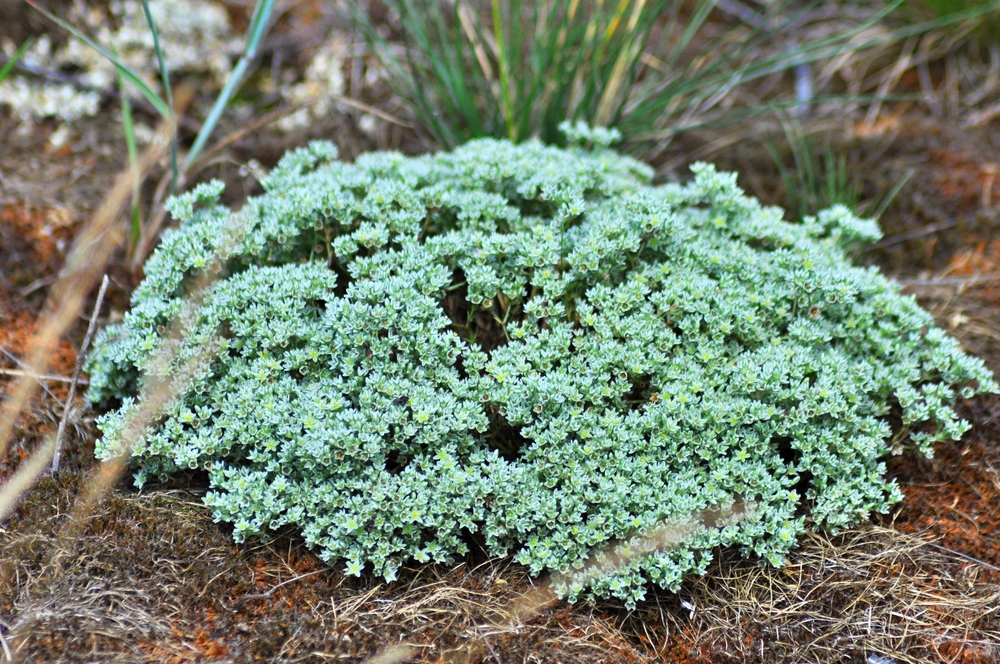
Sedums, or stonecrops, are tough, drought-tolerant perennials that start to show their growth early in spring. These plants thrive in well-drained soil and can handle full sun or partial shade. To care for sedums, water them regularly, especially during dry spells, but avoid overwatering as they are susceptible to root rot. Adding a bit of compost to the soil helps nourish the plant as it begins its growth cycle.
Sedums bloom in late summer and fall, providing a late-season burst of color when many other plants are winding down. These plants are perfect for rock gardens, borders, or containers, where their succulent foliage and unique flowers can be fully appreciated. Sedums are known for their ability to thrive in poor soil conditions, making them ideal for low-maintenance gardens. Their resilience and long-lasting blooms make them a favorite among gardeners.
Winter Jasmine (Jasminum nudiflorum)
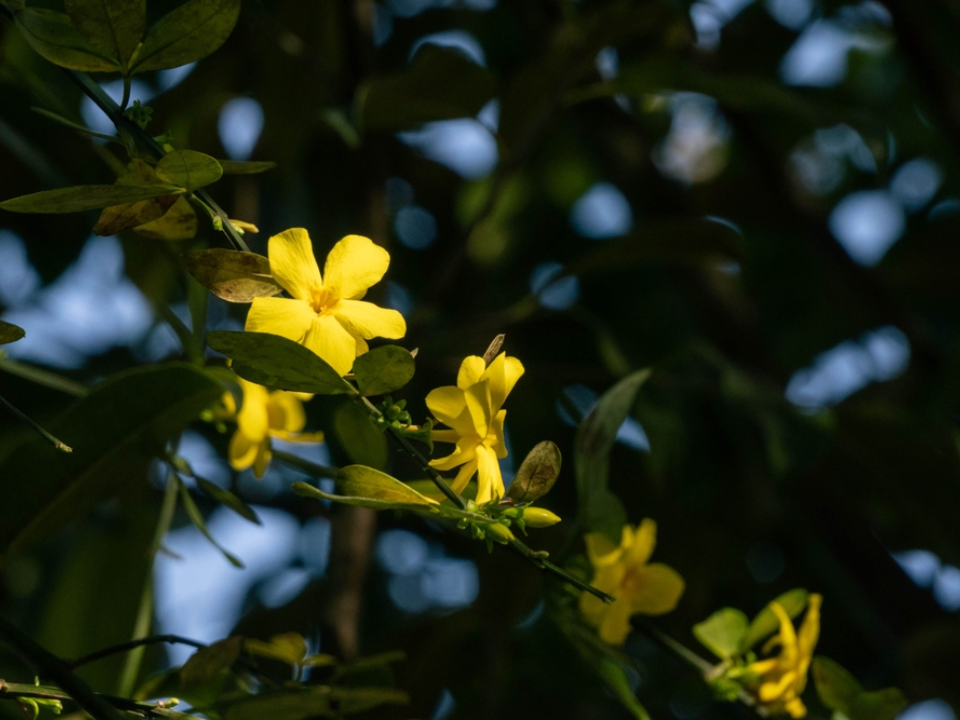
Winter Jasmine is one of the first plants to bloom in the winter, producing bright yellow flowers before the leaves appear. It thrives in well-drained, slightly acidic soil and can handle full sun or partial shade. Regular watering is important, especially during dry spells, but avoid overwatering, as it can lead to root rot. Winter Jasmine is relatively low-maintenance and can tolerate colder temperatures, making it a hardy addition to any garden.
This plant blooms early in the season, offering a burst of color when most other plants are still dormant. Once flowering is complete, prune back the stems to encourage healthy growth and maintain its shape. Winter Jasmine is often used as a ground cover or along fences, where its trailing habit can be admired. Its cheerful yellow flowers are a welcome sight in late winter or early spring.
This article originally appeared on Avocadu.