
13 Quick Winter Pruning Jobs That Help Plants Leaf Out Better
When the temperatures drop, it’s easy to forget about your plants, but winter pruning is essential for healthy growth. A few simple cuts now can help your plants thrive when the weather warms up. By removing dead or damaged branches, you’ll encourage fresh new growth in the spring. These small, quick tasks will go a long way toward healthier plants.
This post may contain affiliate links, which helps keep this content free. Please read our disclosure for more info.
Remove Dead or Damaged Branches
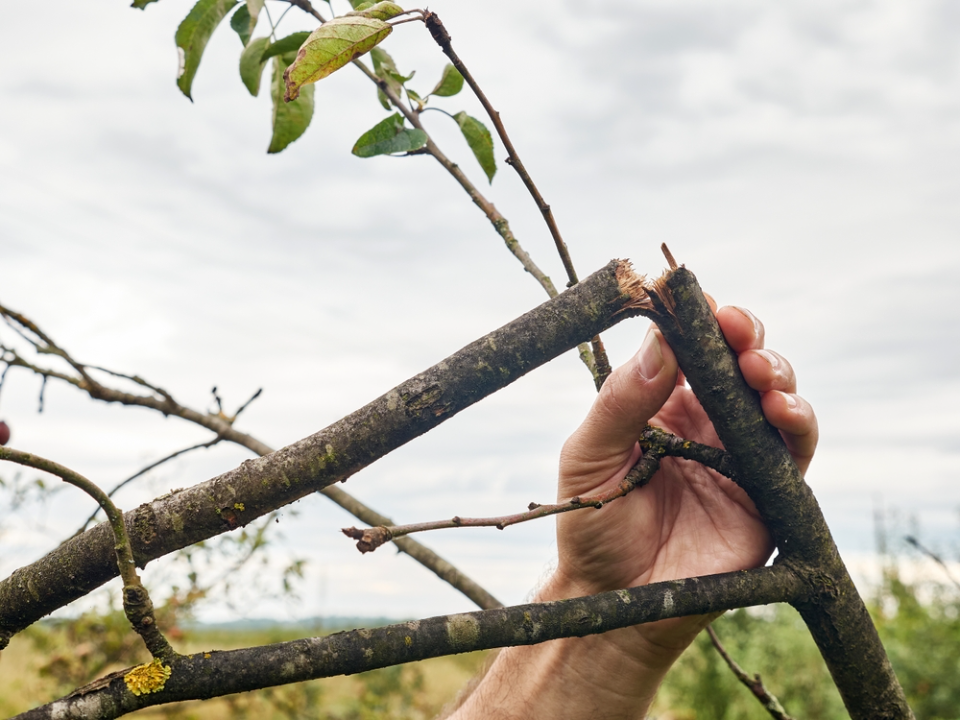
Winter is a crucial time for cleaning up plants, and removing dead or damaged branches should be a top priority. Over time, branches can become weak due to age, disease, or injury, and these branches can negatively affect the plant’s health. By cutting back these dead or diseased sections, you encourage the plant to put energy into fresh, healthy growth when the weather warms up. It’s also a preventive measure, as these damaged areas can become entry points for pests or diseases that can spread to the rest of the plant.
When performing this task, use clean and sharp pruning tools to avoid jagged cuts, which can invite pathogens. Focus on cutting back branches that are clearly dead or broken. These parts will often be dry and brittle, making them easier to remove. A clean, smooth cut helps the plant heal faster and prepares it for stronger growth in the spring. Remember, winter pruning is about preparing your plants for a better season ahead, and this simple task can make a significant difference.
Thin Out Dense Areas
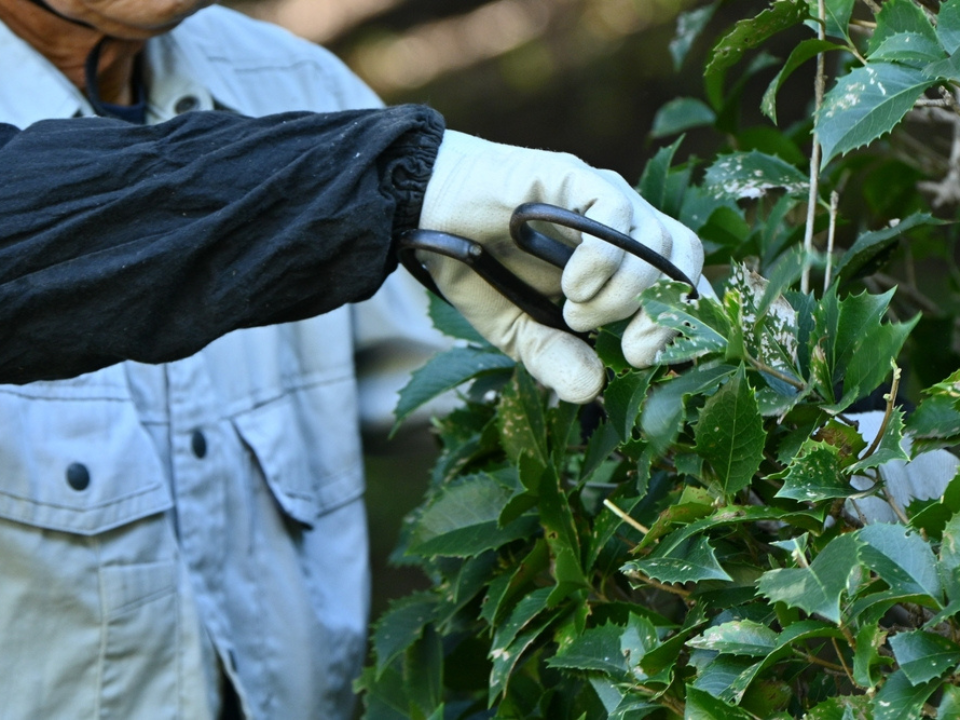
A common issue for many plants is overcrowding, which often leads to poor airflow and insufficient sunlight penetration. Thinning out dense areas during the winter months helps remedy this by allowing more light to reach the plant’s core and promoting better circulation. These conditions are crucial for the overall health of the plant. When you prune, focus on removing excess stems or branches that are crossing each other or growing inwards. This will help open up the plant’s interior and encourage new growth from the inside out.
Thinning out a plant also reduces the risk of fungal diseases and pests that thrive in overly damp, shady areas. It is important to strike a balance while removing just enough growth to provide space without over-pruning. Don’t remove too much, as your aim is to leave a healthy structure that supports the plant’s natural form. Once you’ve thinned out the plant, you’ll notice better growth in the coming season, as the plant can focus its energy on the healthiest branches.
Prune for Shape and Size
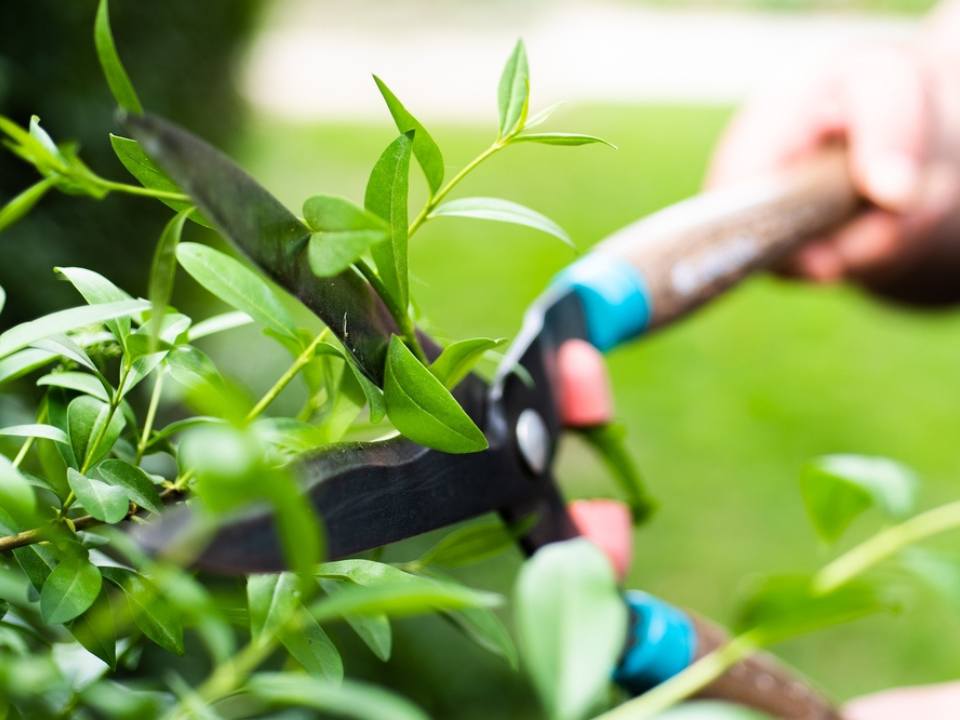
Maintaining the shape and size of plants is an essential part of winter pruning, especially for shrubs or trees that tend to grow larger than desired. If a plant has outgrown its space or has become unbalanced, winter pruning offers the opportunity to trim back overgrown or irregularly shaped areas. This helps to keep the plant in proportion and prevents it from overshadowing other plants in your garden. A well-pruned plant not only looks better but also performs better by directing energy to the strongest parts of the plant.
When pruning for shape and size, take care to focus on the outer branches that may be extending too far out. Always prune to an outward-facing bud, which encourages the plant to grow outward rather than inward, preventing the plant from becoming too dense. While trimming, be mindful of the plant’s natural shape to avoid cutting too much and disturbing its growth pattern. By doing this now, you’ll ensure that your plants stay healthy, vibrant, and well-shaped, setting them up for success when the growing season begins.
Trim Fruit Trees for Better Harvest
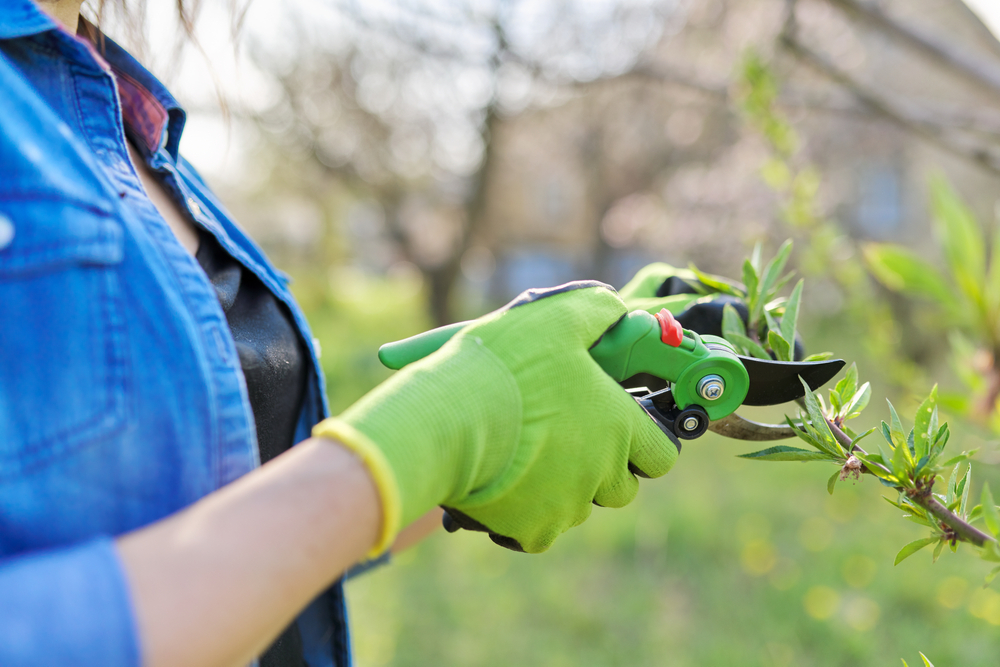
Pruning fruit trees during the winter months plays a vital role in promoting a better harvest come spring. The main goal is to remove any dead or broken branches, as well as any that are crossing or rubbing against each other. This ensures that the tree has a strong framework and can direct its energy into producing fruit rather than struggling to support weak branches. Cutting back excessive growth also allows more sunlight to reach the interior of the tree, encouraging healthy fruiting wood to develop.
Be mindful of the types of fruit trees you have, as each one requires specific pruning techniques. For example, apple and pear trees benefit from a different pruning style than peach or plum trees. Always prune according to the plant’s growth habit and structure. By doing so, you can help the tree focus on producing high-quality fruit rather than struggling to sustain weak growth. With proper winter pruning, your fruit trees will be better prepared for the coming season.
Prune Ornamental Grasses
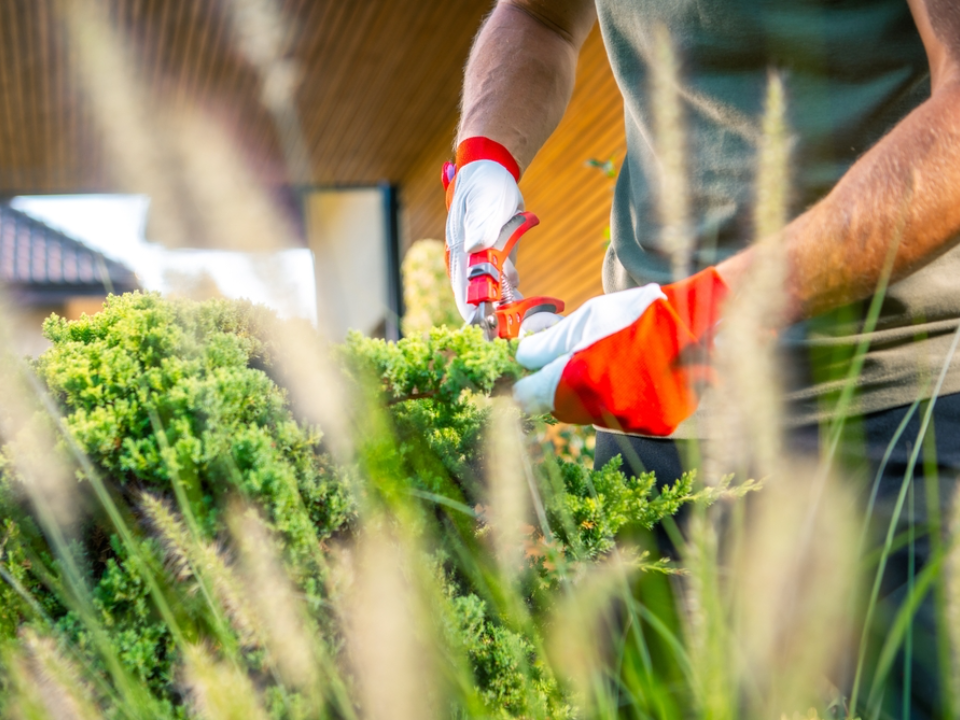
Ornamental grasses are a beautiful addition to any garden, but without proper pruning, they can become overgrown and unattractive. Winter is the perfect time to trim these grasses back to maintain their shape and promote new growth. Start by cutting back the old, dry growth to about 6 to 8 inches above the ground. This will prevent the plants from becoming too tangled and will allow space for fresh shoots to emerge when spring arrives.
While pruning ornamental grasses, be careful not to cut back too much, as you want to leave enough of the plant to protect its roots during the winter months. Trimming these plants also encourages them to grow in a dense, uniform manner, rather than becoming leggy or sparse. After pruning, consider adding a layer of mulch around the base to protect the roots from freezing temperatures. With these simple steps, your ornamental grasses will flourish in the spring, providing beauty and texture to your garden.
Shape Roses Before Spring Growth
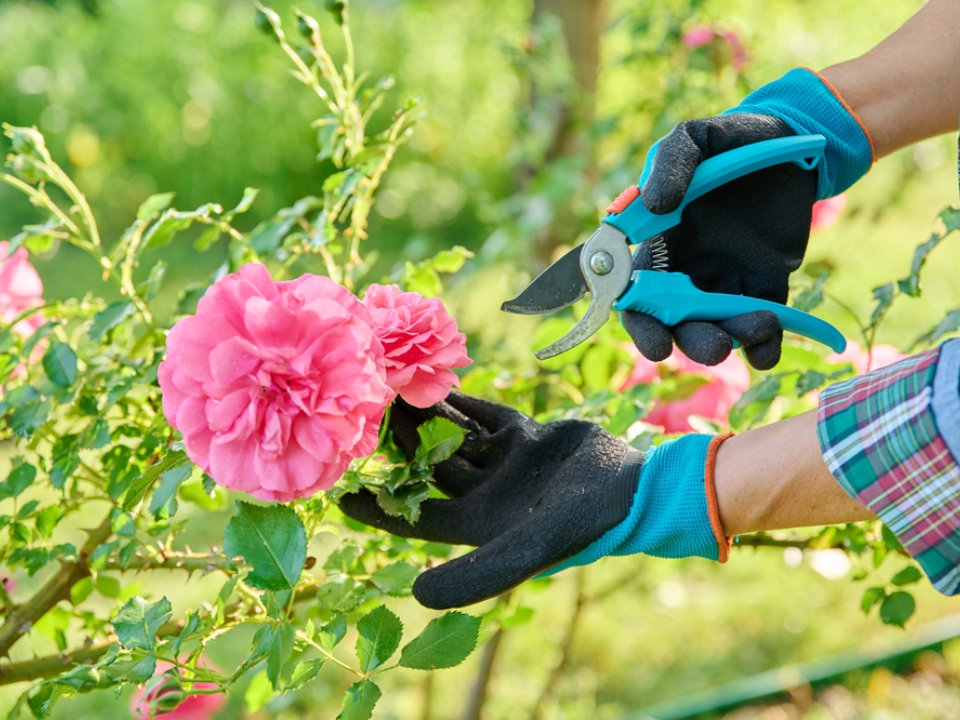
Roses benefit greatly from winter pruning to promote strong and healthy growth when spring arrives. By cutting back dead or damaged stems and removing any crossed branches, you help the plant maintain its structure and encourage better airflow. This reduces the risk of fungal diseases and ensures that the plant’s energy is directed toward new growth. When shaping roses, always prune just above a healthy bud, which will stimulate the plant to grow outward rather than inward.
When pruning roses, it’s important to avoid cutting back too much. Over-pruning can result in fewer flowers and slower growth. Aim to remove only about one-third of the plant, and focus on the dead or weak growth. By keeping your rosebushes shaped and healthy, you’ll be rewarded with a beautiful, vibrant display of blooms come spring.
Prune Evergreen Shrubs for Fullness
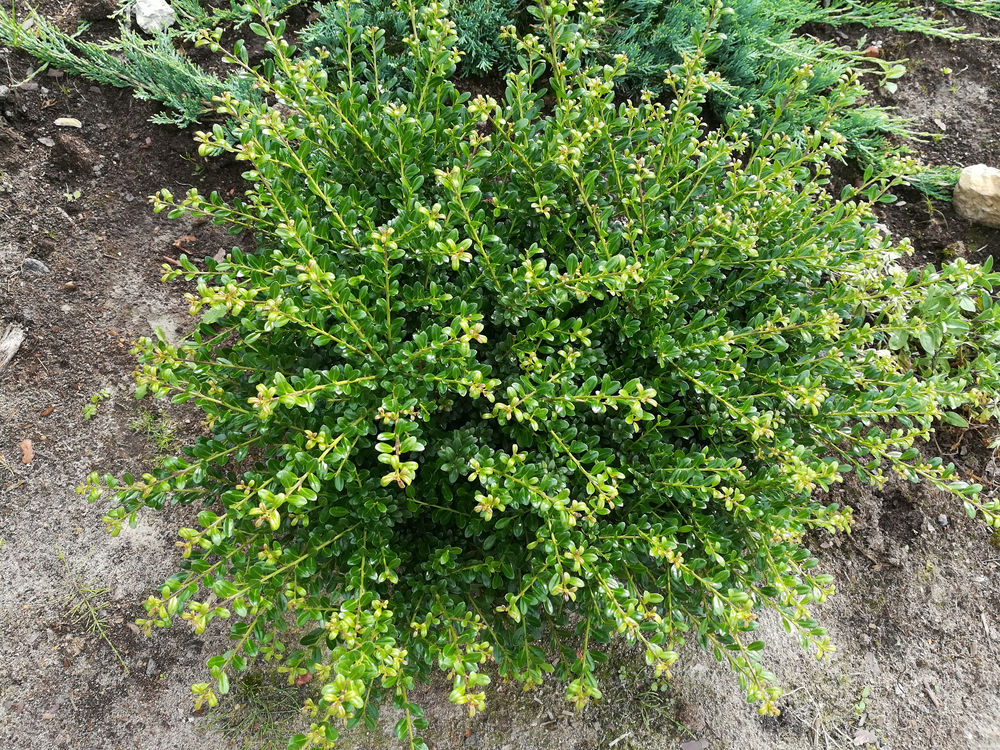
Evergreen shrubs need pruning to maintain their full, dense appearance and to promote strong growth. During the winter months, trim away any dead or damaged branches and any growth that is overly sparse. This ensures the shrub continues to grow evenly and does not become thin or patchy. By cutting back leggy or weak branches, you encourage the plant to produce healthier, more compact growth when spring arrives.
It is important to be gentle when pruning evergreen shrubs, as over-pruning can damage the plant. Focus on removing only the parts that are clearly dead or damaged, and leave enough healthy growth for the plant to maintain its vigor. Winter pruning also helps to open up the interior of the shrub, allowing better airflow and preventing disease. With just a few careful cuts, your evergreen shrubs will look fuller and more vibrant in the spring.
Trim Clematis Vines for Vigorous Growth
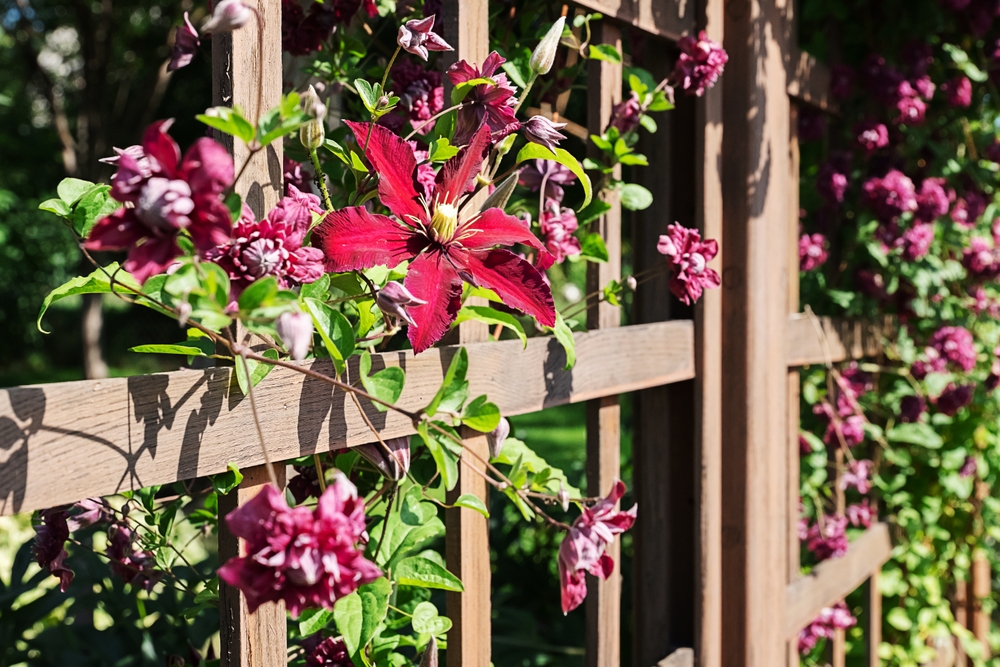
Clematis vines benefit from winter pruning, as it helps them grow vigorously and bloom beautifully. After the first frost, prune back any dead or damaged vines and remove any stems that are tangled or weak. This encourages the plant to focus on producing fresh, healthy growth when spring arrives. Be sure to cut back to a healthy bud or strong growth to ensure the vine has a solid foundation for the coming season.
When pruning clematis, remember that different varieties may require different approaches. Some varieties bloom on old wood, while others bloom on new wood, so adjust your pruning accordingly. Pruning these vines in winter helps maintain their shape and promotes abundant flowering when the weather warms up. With proper care, your clematis will return with a beautiful display of flowers that will enhance your garden.
Prune Blackberry and Raspberry Bushes
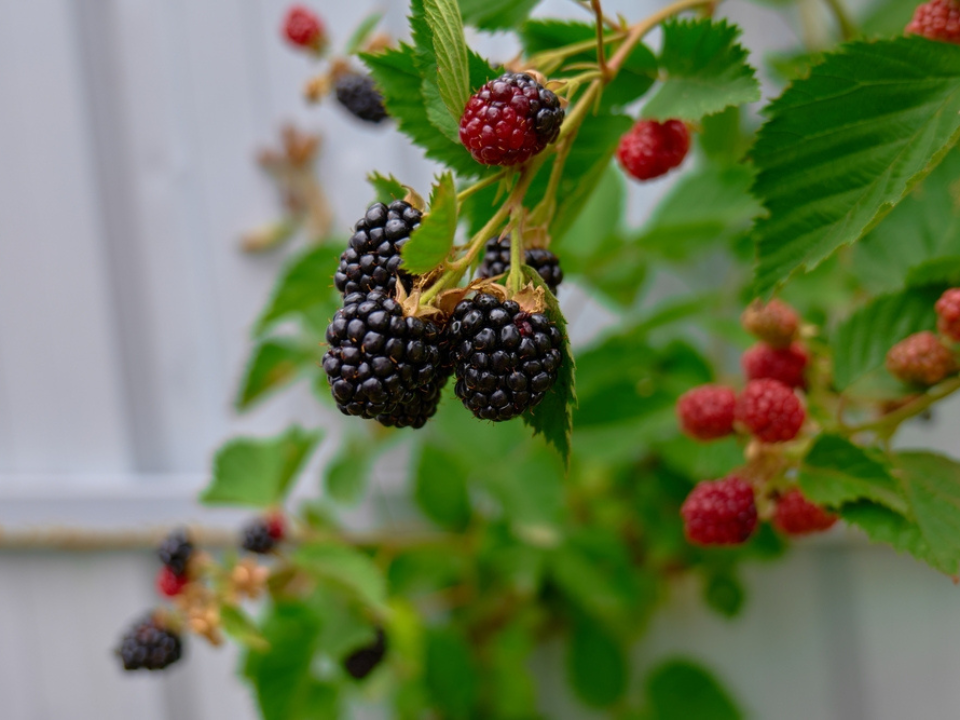
Blackberry and raspberry bushes require winter pruning to ensure they grow strong and produce bountiful fruit. Cutting back old, spent canes is essential for encouraging fresh, healthy growth that will bear fruit in the coming season. By removing the canes that have already fruited, you allow the plant to focus on producing new shoots for the next harvest. Be sure to leave the newer, younger canes, as these will bear fruit in the spring and summer.
When pruning these bushes, focus on cutting just above the base to encourage new growth. You may also need to trim any canes that are overcrowding the plant, ensuring that there is adequate space for air circulation. A well-pruned blackberry or raspberry bush is not only healthier but also easier to manage. Winter pruning gives these plants the best chance to produce a high yield when the season changes.
Prune Lavender for Healthier Growth
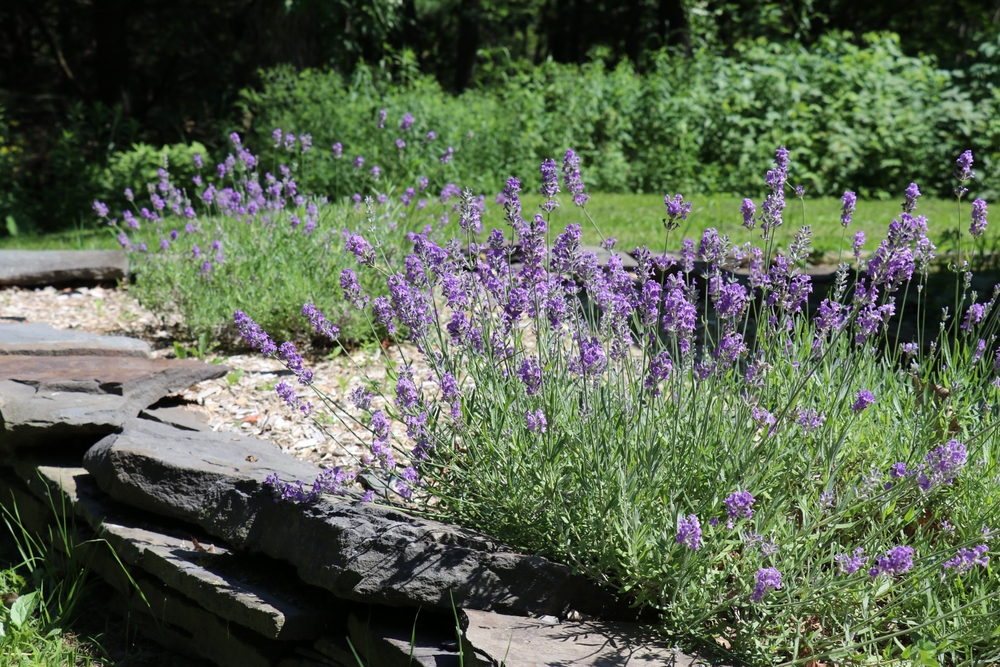
Lavender thrives with proper winter pruning, which helps the plant stay compact and healthy. After the blooms have faded, trim back the dead, woody stems to just above the green growth. This encourages new growth and ensures that the plant maintains a tidy shape throughout the season. A well-pruned lavender plant will be fuller and produce more vibrant flowers the following year.
Be careful not to cut too deeply into the woody stems, as lavender can be sensitive to harsh pruning. By trimming just the spent flower stalks and any overly woody growth, you create a healthier plant that will bounce back stronger in the spring. Adding a layer of mulch around the base will also help protect the roots from extreme temperatures, ensuring your lavender remains healthy and productive in the long run. Winter pruning is the key to maintaining a fragrant, thriving lavender patch.
Shape Hydrangeas for Better Blooms
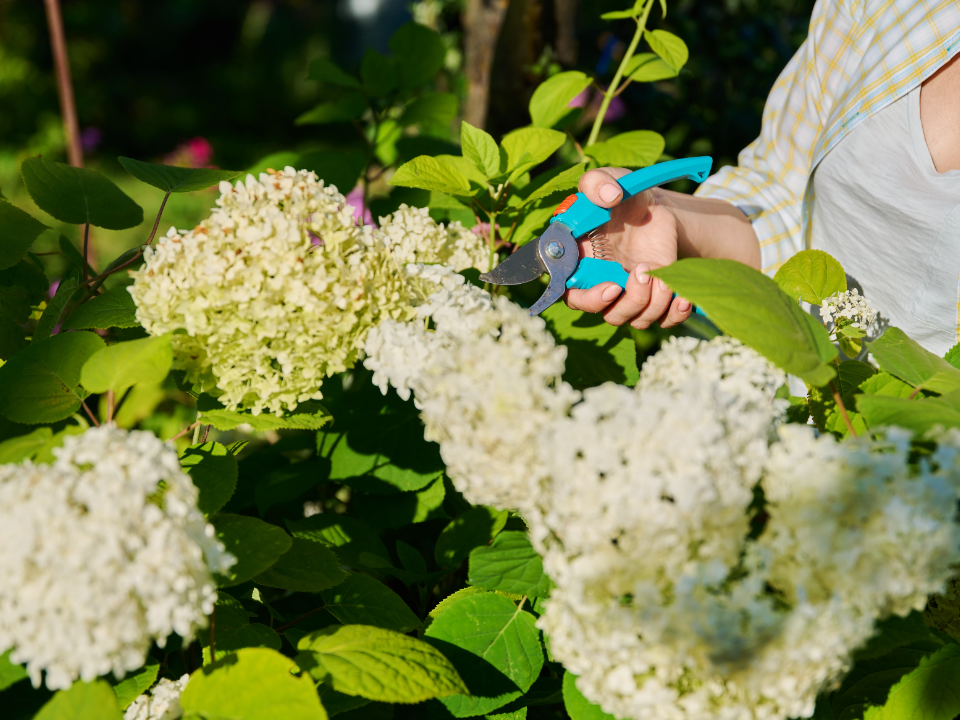
Hydrangeas require careful pruning to promote vibrant, healthy blooms in the upcoming season. Pruning them during the winter months allows you to remove any dead or damaged stems while shaping the plant to encourage more flowers. Focus on cutting back spent blooms and any weak, diseased branches. By doing this, you ensure that the plant can focus its energy on producing strong, healthy stems for the next round of flowers.
When trimming hydrangeas, always remember to cut just above a set of healthy buds to encourage better growth. Be mindful of the specific type of hydrangea you have, as some varieties bloom on old wood, while others bloom on new wood. By following the correct pruning methods, you can ensure your hydrangeas bloom at their best, with large, beautiful flowers that will add color and vibrancy to your garden. Winter pruning is an essential step to keeping your hydrangeas looking their best year after year.
Prune Grapevines for Stronger Growth
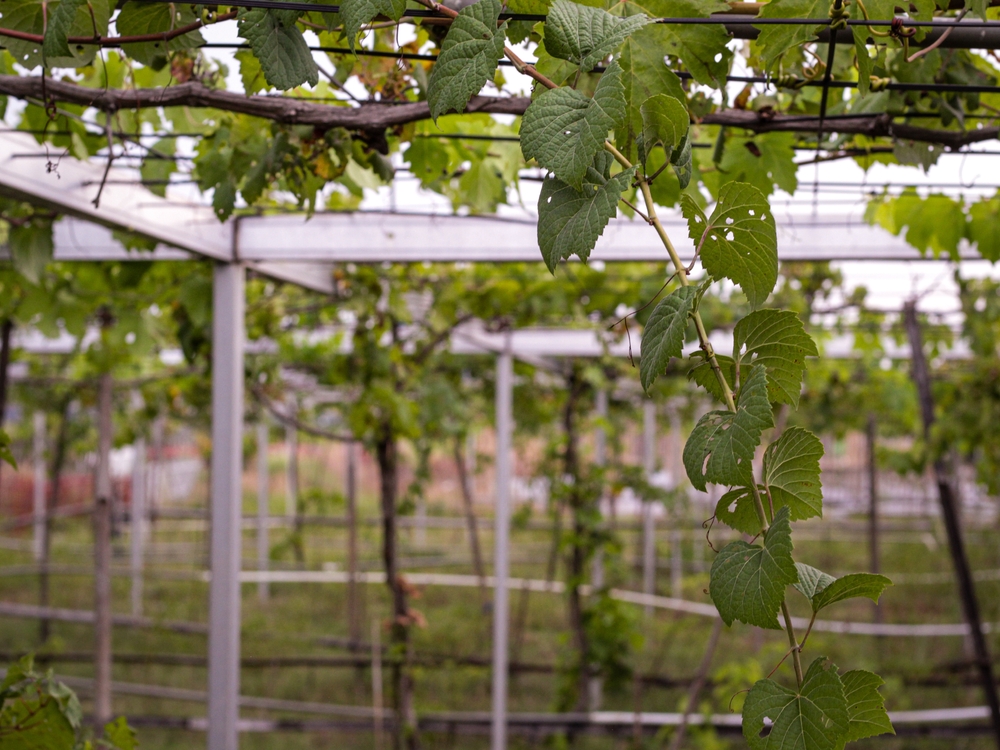
Winter is the ideal time to prune grapevines to ensure a strong and productive growing season. By cutting back the old wood and any overgrown canes, you encourage the plant to produce new growth that will bear more fruit. Pruning also helps to train the vine along a trellis or support system, which is important for keeping the vine healthy and manageable. This task helps prevent the vines from becoming too tangled or overcrowded, ensuring they have enough space to grow properly.
When pruning grapevines, focus on removing any wood that is more than two years old. The vine will produce the most fruit on younger wood, so cutting back older canes directs the plant’s energy into producing fresh growth. Be sure to leave a few strong, healthy canes for the new season’s growth. Pruning grapevines in winter not only improves fruit production but also makes it easier to manage the plant as it grows.
Prune Evergreen Conifers for a Healthier Shape

Evergreen conifers, such as pine, spruce, and fir, need winter pruning to maintain their shape and health. Removing dead or damaged branches ensures that the tree stays strong and vibrant, while thinning out crowded areas improves airflow and reduces the risk of disease. Pruning also allows you to shape the tree and encourage fuller growth, which can help the tree withstand harsh weather conditions. Be sure to trim branches that are growing too close together or in a direction that may disrupt the tree’s natural form.
When trimming evergreen conifers, it’s important to make the cuts carefully, as over-pruning can damage the tree. Always cut back to a lateral branch or bud to encourage the tree to grow in a controlled and healthy direction. Regular pruning during the winter months ensures that the tree will thrive and maintain its beauty throughout the year. By removing weak or unnecessary growth, you allow the plant to focus on developing strong, healthy branches that can handle both the cold winter months and the new growth that spring brings.
This article originally appeared on Avocadu.