
12 Late Winter Lawn Edges and Border Touch-Ups That Look Clean Fast
It’s that time of year when your lawn edges could use a little sprucing up. After months of winter, grass can creep into flower beds, making your yard look overgrown. A quick fix on your borders can restore structure and beauty to your garden. You’ll see how a little effort here and there can make a world of difference.
This post may contain affiliate links, which helps keep this content free. Please read our disclosure for more info.
Tidy Up Overgrown Grass Edges
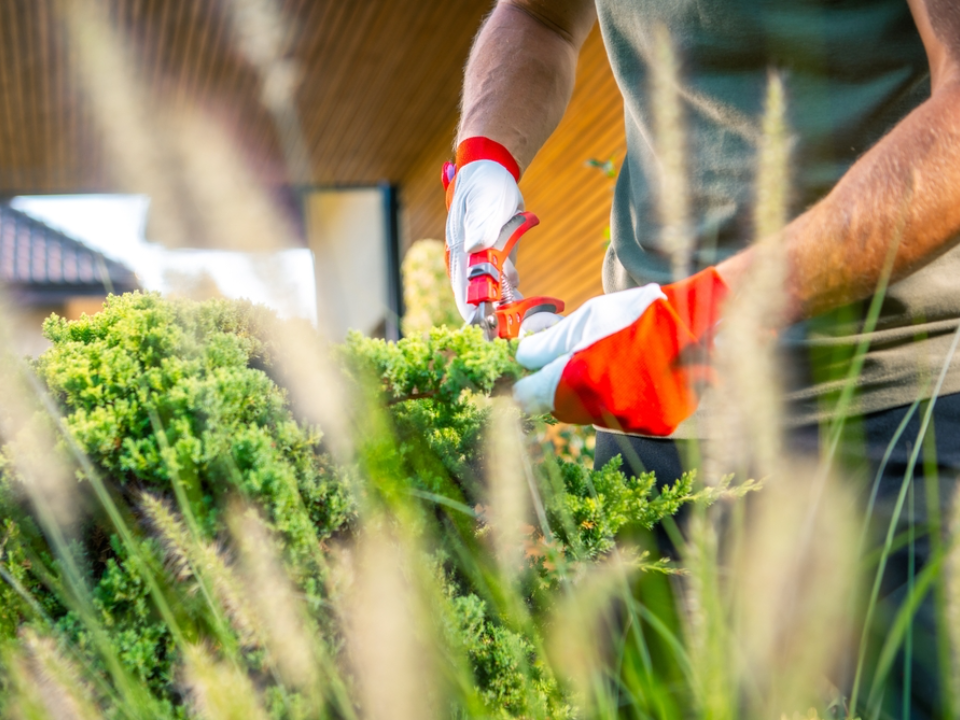
Late winter is the perfect time to take control of overgrown grass edges around your lawn. As grass encroaches into flower beds, walkways, or garden borders, it can create a disheveled appearance. To restore neatness, use a shovel or a straight-edged tool to cut back any grass that has spread past the intended boundaries. This simple step defines the shape of your lawn and brings order to the garden. It also creates a clear separation between your lawn and other elements, like flower beds or garden paths.
When cutting the edges, be mindful of the surrounding plants. You don’t want to damage the root systems or disturb any perennials. If your lawn is particularly large, using a string trimmer can speed up the process and give you a more precise cut. After trimming, the edges will look refreshed, providing an instant clean appearance. The contrast between the well-maintained grass and the trimmed borders will give your lawn a neat and professional finish.
Re-establish Mulch Borders
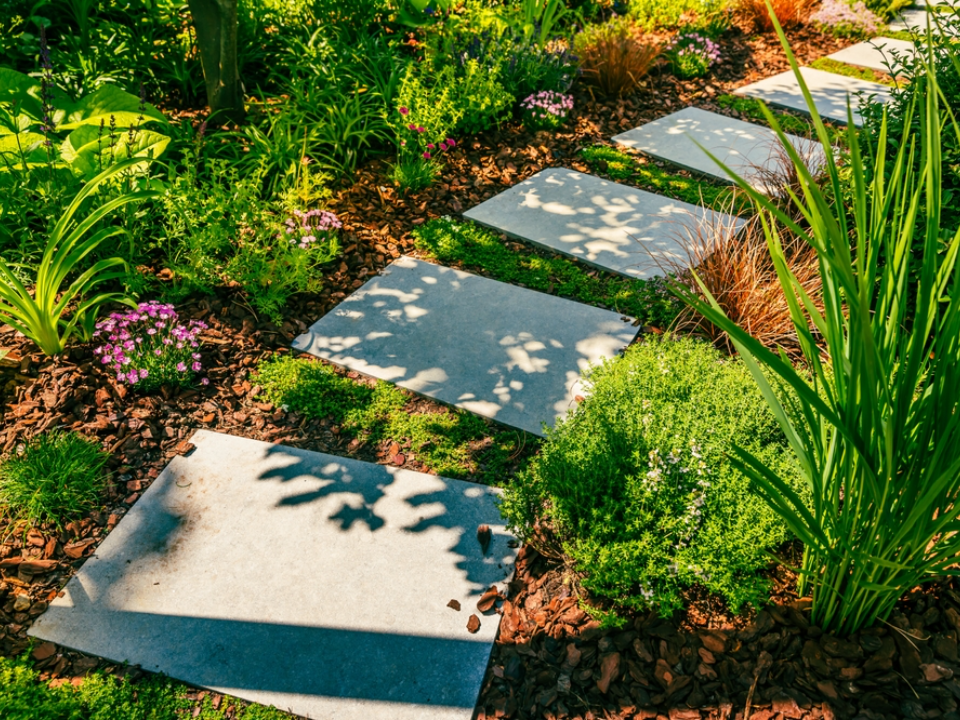
Mulch serves multiple purposes in the garden as it retains moisture, suppresses weeds, and improves the appearance of flower beds. However, after a season of weathering, mulch can become thin or uneven, losing its ability to maintain a clean look. Late winter is an excellent time to replenish the mulch along your garden borders. Adding a fresh layer of mulch will create an even, neat border that looks polished and well-cared-for. Moreover, mulch adds an extra layer of protection to the soil, keeping it insulated as temperatures fluctuate.
When replenishing your mulch, be sure to remove any debris or old mulch that has broken down or compacted. Spread the new mulch evenly, ensuring a layer that is about 2-3 inches thick. This not only helps with aesthetics but also promotes better plant health as the mulch helps regulate soil temperature. If you prefer a more natural look, shredded leaves or wood chips are great options. Once the mulch is in place, your flower beds will look defined and refreshed, with minimal effort.
Edge Your Walkways with a Spade
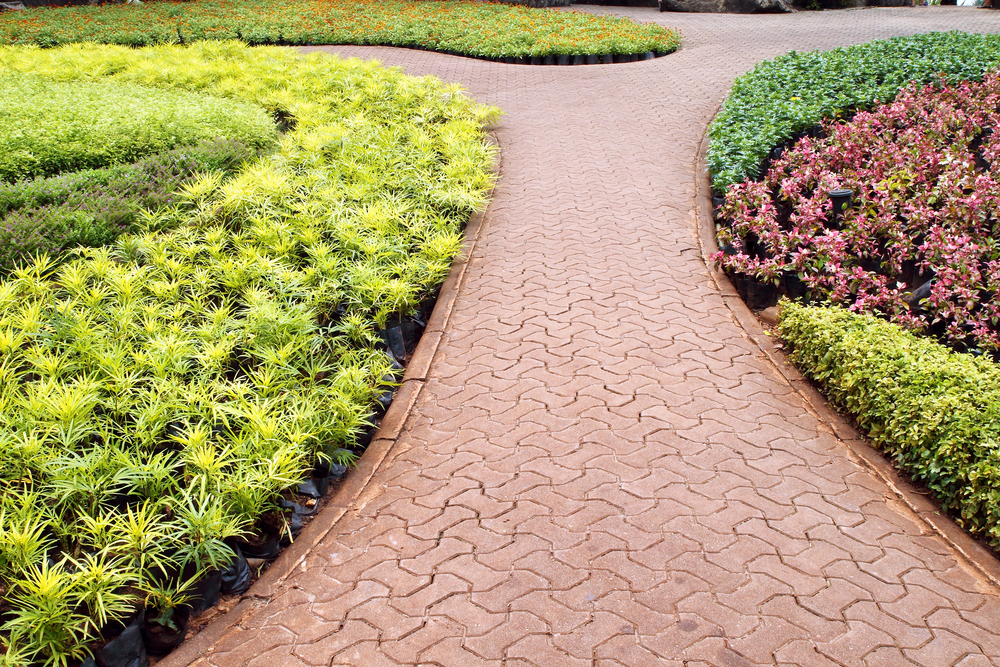
Walkways and paths in the garden are often surrounded by grass that grows into the edges, making them look untidy. Re-establishing clear lines along your walkways is an easy way to tidy up your garden in late winter. Using a spade, cut a straight line along the edge of your walkways to create a clean border. This helps define the shape of your paths and gives your garden a more organized appearance. The sharp edges between the grass and walkway will make the garden appear well-manicured, even if it’s a simple touch-up.
Be careful not to disrupt any ground cover or plants that might be growing near the edges. For curved paths, you can use a flexible edging tool to follow the natural flow of the path. After cutting the edges, remove any debris or grass clippings that may have gathered along the sides. Once completed, the walkways will stand out with sharp, defined borders, providing a fresh look to your lawn without the need for major renovations.
Prune Overhanging Branches
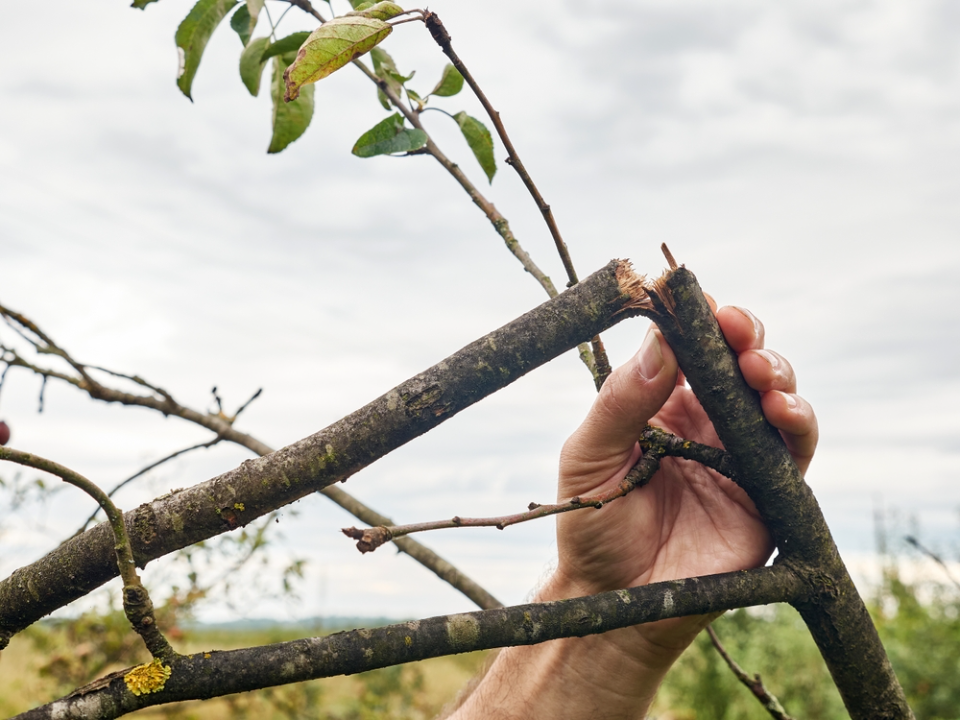
Winter weather often results in branches of trees and shrubs growing too close to the lawn’s borders. These overhanging branches can make the edges of your garden look cluttered or unkempt. Late winter is a good time to prune these branches, as the plants are still dormant and easier to manage. By removing dead, damaged, or overgrown branches, you not only improve the appearance of your borders but also encourage healthy new growth in the spring. Pruning back these branches allows light to reach the ground below, making space for fresh growth and preventing unwanted shade.
When pruning, use sharp, clean pruning shears to make clean cuts. Aim to remove any branches that are too low or that interfere with the structure of your garden. For larger branches, use a saw to make precise cuts without damaging the tree. Once completed, the edges of your garden will look neater, and your trees and shrubs will have room to grow in the coming months. This simple touch-up also improves the health of your plants by removing any diseased or damaged sections.
Trim Back Ornamental Grasses
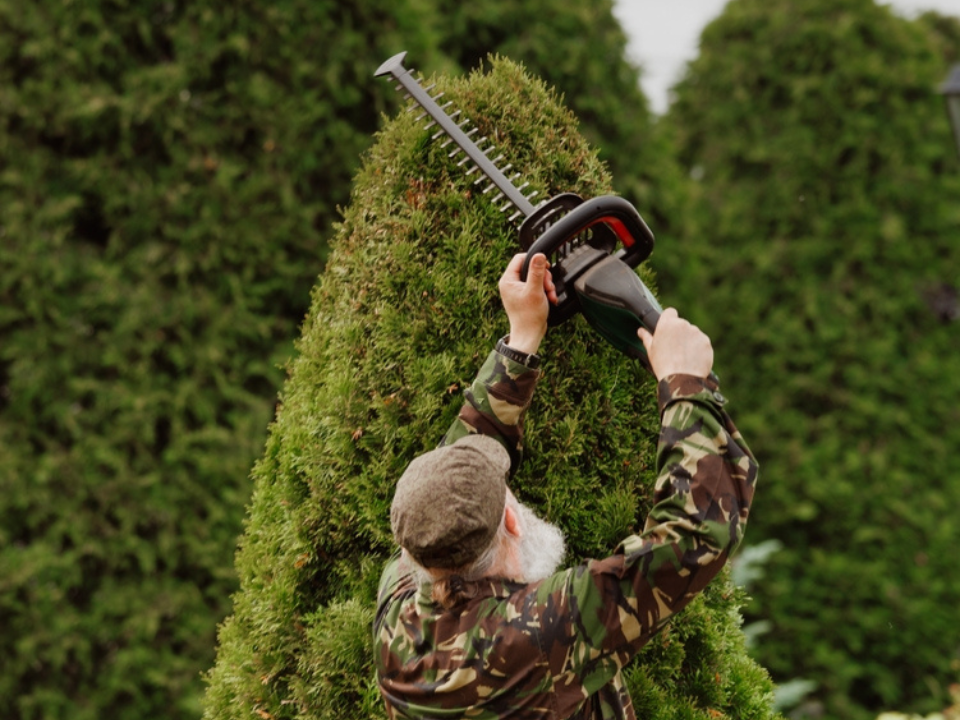
Ornamental grasses are an excellent way to add texture and movement to your garden, but they can look unkempt in late winter if not properly maintained. These grasses often grow in clumps and can become untidy as they die back in the colder months. Late winter is the best time to trim back ornamental grasses before the new growth begins in the spring. By cutting back the old foliage, you not only tidy up the edges of your garden but also promote new, healthy growth. Trimming back grasses helps them grow more vigorously and enhances their natural beauty as the season progresses.
When trimming, use sharp garden scissors or shears to cut the grasses down to about 4-6 inches above the ground. Be careful not to cut too far into the crown of the plant, as this could damage it. After trimming, your grasses will have a fresh, clean appearance that’s perfect for the early spring. Ornamental grasses are beautiful, but keeping them trimmed ensures they remain an attractive part of your garden throughout the year.
Remove Debris from Borders

Winter winds can leave behind a mess of leaves, sticks, and debris along your lawn’s edges. Removing this debris is an essential part of late winter maintenance, as it not only improves the look of your borders but also prevents mold and mildew growth. Start by raking up any fallen leaves, twigs, or branches that have gathered along your flower beds or garden paths. Once cleared, you can also use a blower to remove any lingering leaves or debris from harder-to-reach spots.
After clearing the borders, check for any remaining dead plant material or weeds that may have settled in. These can be easily pulled out by hand, ensuring that your garden edges stay clean and healthy. A clean, debris-free border makes your garden look more organized and inviting. This simple task can be completed in no time and provides a fresh, tidy look for your lawn as you head into spring.
Re-seed Bare Patches Along the Edges
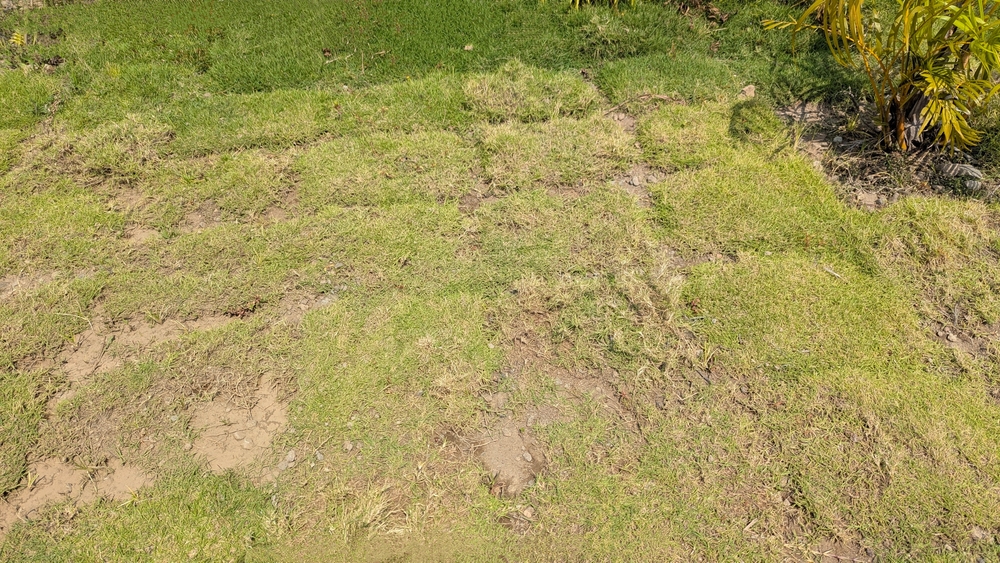
If the winter weather has left bare patches along the edges of your lawn, now is the time to re-seed them. Bare patches can make your lawn appear uneven and patchy, but filling them in with fresh grass seed will restore its lush appearance. For the best results, spread grass seed evenly over the bare spots and lightly rake it into the soil to ensure good seed-to-soil contact. Water the area after sowing to help the seeds settle and begin to germinate, and keep the soil consistently moist during the process.
Choosing the right type of grass seed is important for a seamless blend with your existing lawn. Be sure to pick a variety that matches the rest of your lawn’s grass type, so the patch blends in naturally. In the coming weeks, new grass will begin to grow, filling in the bare spots and giving your lawn an even, lush appearance. Re-seeding these areas ensures that your lawn looks full and healthy as spring approaches.
Edge Around Trees and Shrubs
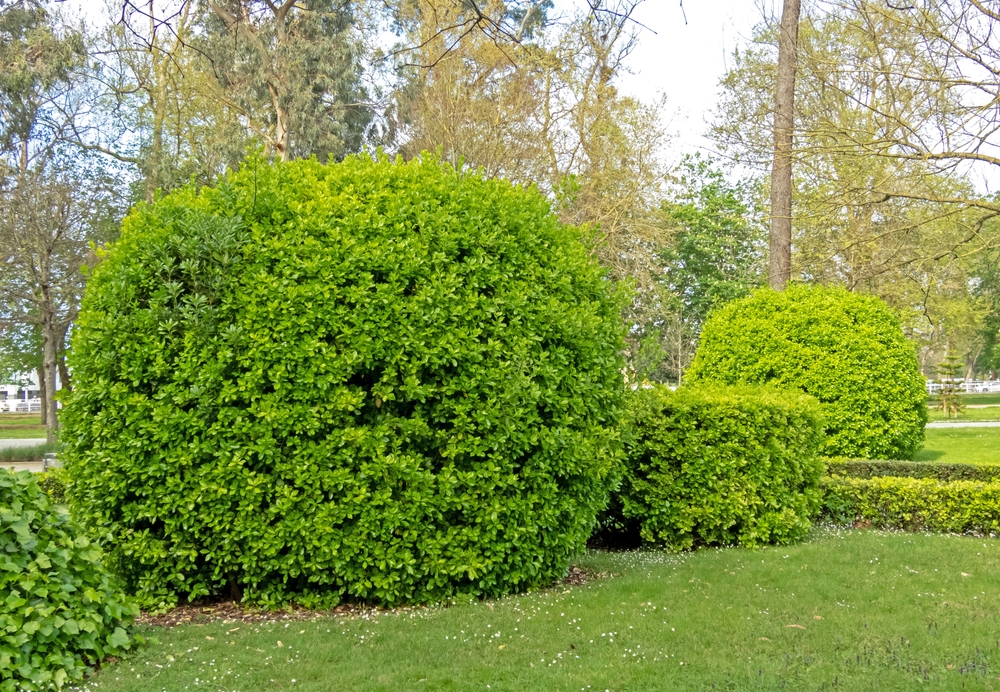
The edges around trees and shrubs can become blurry over time, with grass and weeds creeping into the base of the plants. Re-establishing a defined edge around trees and shrubs gives your garden a more polished look. Use a shovel or spade to carefully cut a clear line between the tree or shrub and the lawn. This helps prevent grass from spreading into the root zone and ensures that your plants receive the nutrients and space they need to thrive.
When trimming, be cautious not to damage the roots or bark of your trees and shrubs. A sharp, clean edge will make the plants stand out and highlight their natural beauty. This task is simple but effective, providing a crisp, neat look to the edges of your garden. With the right care, the boundaries around your trees and shrubs will remain defined throughout the season.
Re-shape Flower Beds

As the winter weather shifts, flower beds can lose their defined shape, causing the edges to appear uneven or overgrown. Re-shaping your flower beds in late winter restores their structure and sharpens the appearance of your garden. Using a shovel or garden edging tool, carefully cut around the bed to re-establish clean lines. This will make your flowers look more intentional and organized as they bloom in the spring.
For curved flower beds, follow the natural shape of the garden or create smooth, flowing lines. Once you’ve re-shaped the edges, remove any weeds or leftover plant debris. The freshly defined flower bed will make your plants stand out, offering a neat and polished appearance. It’s a quick task that creates a visually appealing result for your garden edges.
Clean and Repair Garden Borders
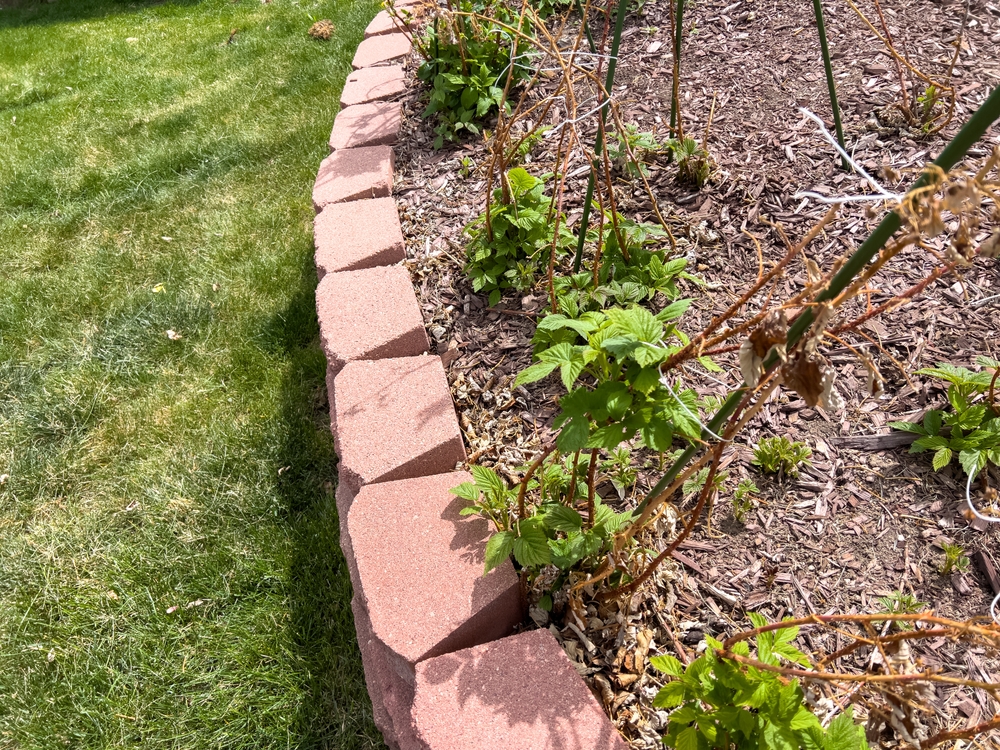
Over time, your garden borders can experience wear and tear from weather or shifting materials. Late winter is a great time to clean and repair these borders, ensuring they look fresh for the spring. If your borders are made of wood, consider sanding any rough spots and applying a fresh coat of treatment to preserve the wood. For stone or brick borders, check for any gaps or cracks and fill them with mortar or caulk.
Cleaning the surfaces of your garden borders removes dirt, moss, or algae that might have accumulated, helping them look sharp. Repairing any broken sections or replacing worn pieces ensures that your garden stays well-maintained. This simple touch-up not only improves the look but also extends the lifespan of your garden borders, keeping your landscaping in top shape year after year.
Trim Back Overgrown Hedges
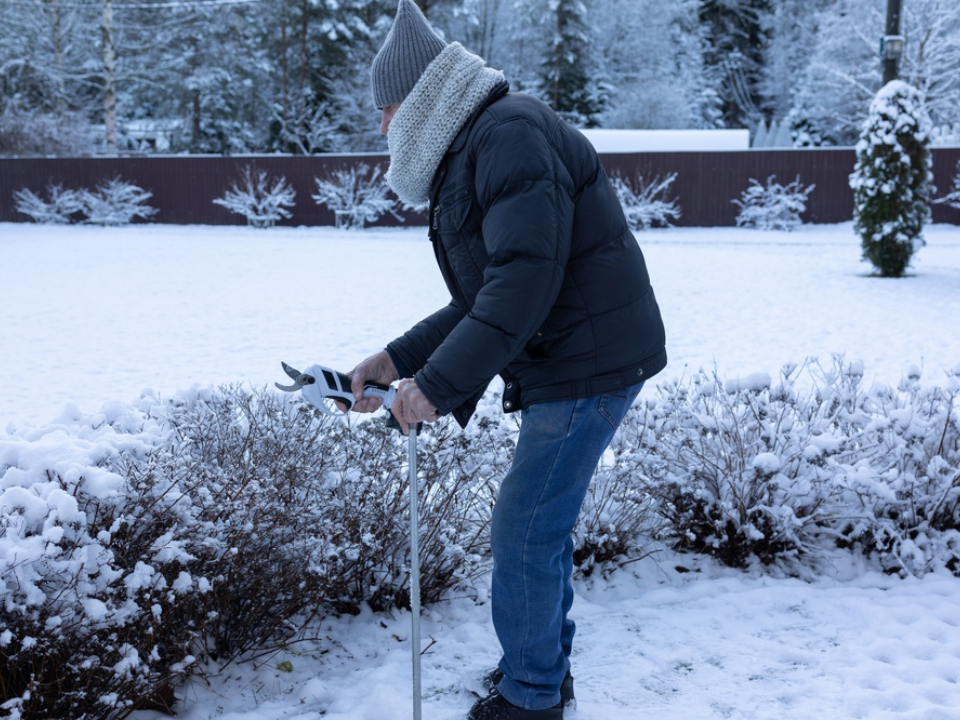
Hedges can sometimes grow beyond their boundaries, especially after the winter months, and they may begin to spill over onto your lawn or garden beds. Late winter is the best time to trim these overgrown hedges, as the plants are still dormant, making it easier to manage their shape. Using hedge trimmers, cut back any overgrown or dead branches, leaving the plants with a tidy, uniform look. Regular trimming promotes healthy growth and keeps the plants from becoming too wild.
When trimming, aim for clean, straight lines that follow the natural shape of the hedge. Avoid cutting too deeply into the branches, as this can damage the plant. Trimming hedges not only gives your garden edges a more structured appearance but also helps maintain the health and appearance of the shrubs. It’s a fast, effective way to create a polished look while encouraging new growth for the upcoming season.
Refresh Garden Path Edging with New Gravel or Sand
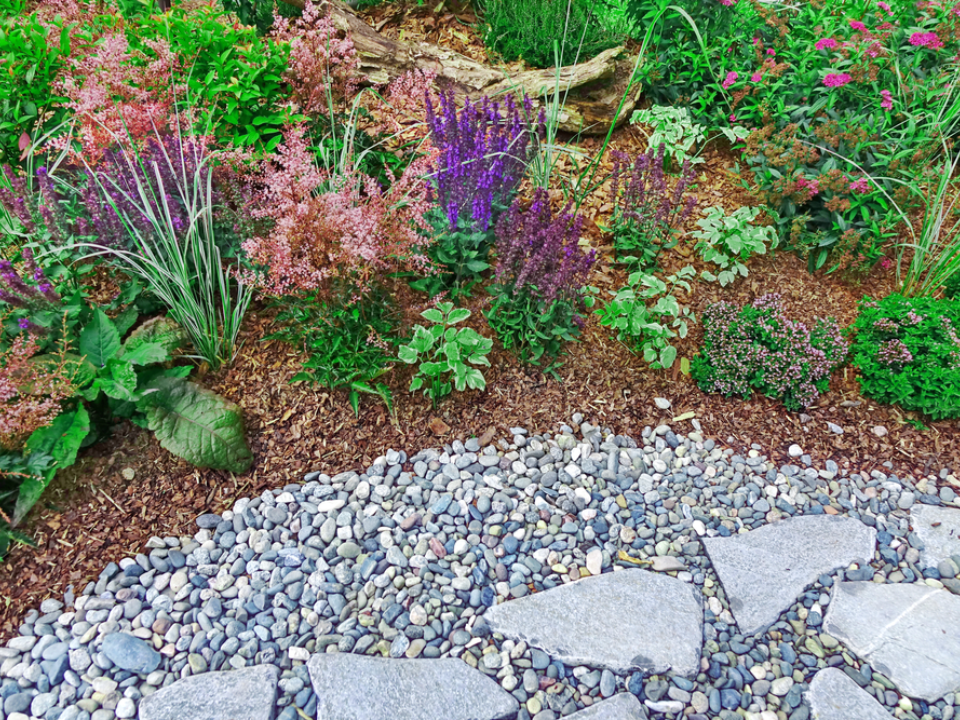
Garden paths can often look worn or uneven after the winter, with gravel or sand shifting out of place. Refreshing the edges of your garden paths with new gravel or sand helps restore a clean and tidy look. Simply remove any old, displaced material and replace it with fresh gravel or sand along the borders. This simple update enhances the visual appeal of the path and keeps it functional by preventing grass from growing into the walkway.
When adding gravel, choose a size and color that complements the rest of your garden’s aesthetic. Use a rake to spread the material evenly, ensuring it sits flush with the edge of the path. Not only will this touch-up make your garden look well-maintained, but it will also improve the path’s stability and durability. It’s an affordable fix that will leave your paths looking fresh and clearly defined.
This article originally appeared on Avocadu.