
15 Rare Butterflies With Incredible Color Tricks
The natural world is full of wonders, and butterflies with shifting colors are among the most fascinating. Their wings change hues depending on the angle of light or the environment. These stunning creatures rely on clever tricks to make themselves stand out or blend in. Let’s uncover the secrets behind these beautiful color-shifting butterflies.
This post may contain affiliate links, which helps keep this content free. Please read our disclosure for more info.
Glasswing Butterfly (Greta oto)
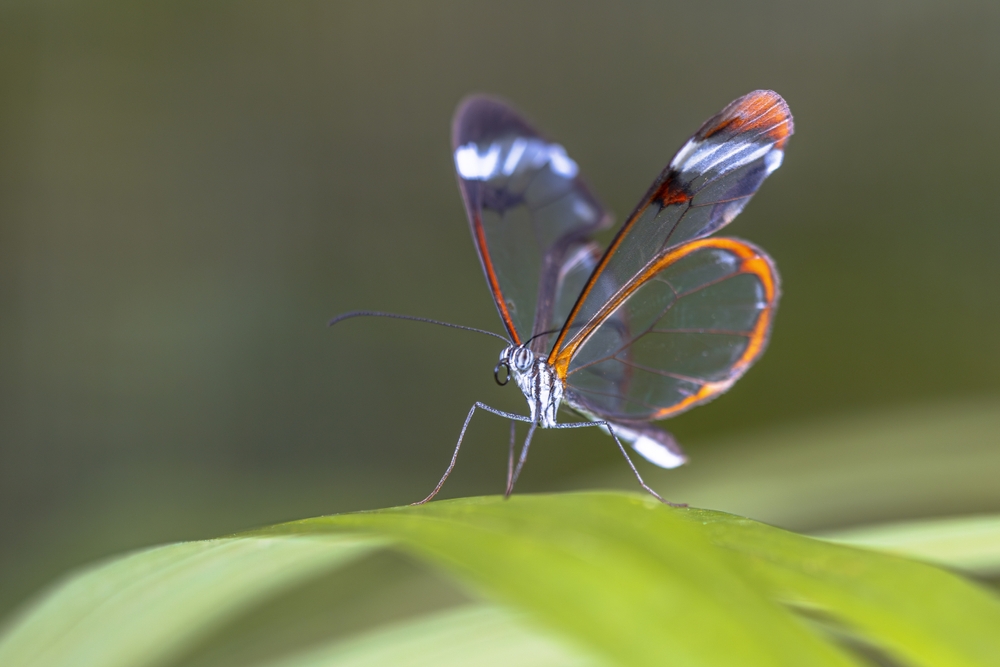
Native to Central America, especially Costa Rica and Panama, the Glasswing Butterfly is famous for its almost transparent wings. These delicate wings allow the butterfly to blend into its surroundings, making it rare and hard to spot. Its wings are bordered with brown, but the central part is clear, creating a stunning illusion of invisibility. Although rare, the Glasswing Butterfly is still present in its native habitats.
The transparency of its wings is an incredible color trick that helps it avoid predators. As it flies, its near-invisibility is enhanced by how light interacts with its wings. It thrives in tropical forests, where it feeds on the nectar of various flowers. Conservation efforts are important for preserving this unique species.
Blue Morpho Butterfly (Morpho menelaus)
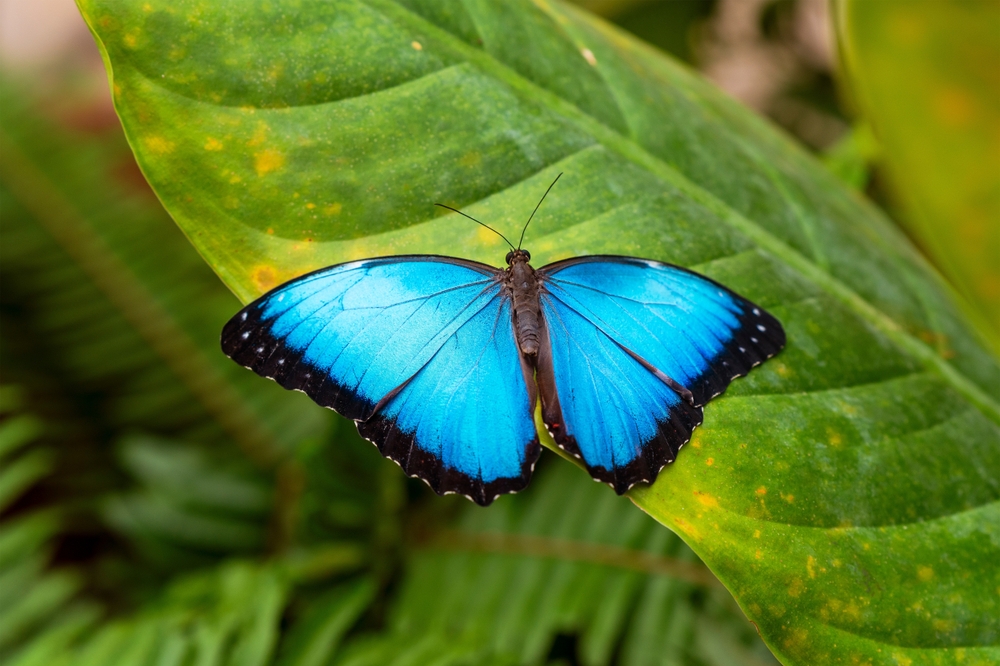
The Blue Morpho Butterfly, found in the rainforests of South and Central America, is one of the most striking butterflies with its iridescent blue wings. Its wings shimmer with brilliant hues, thanks to tiny microscopic scales that reflect light. These butterflies are rare due to their elusive nature and limited distribution in specific areas. Though still extant, the Blue Morpho faces some challenges due to habitat loss.
What makes this butterfly so captivating is its ability to change the shade of blue depending on the angle of light. The contrast between the bright blue and black edges of its wings is a defense mechanism to confuse predators. The butterfly is often seen near the forest floor, where it feeds on plants. Protecting its environment is crucial for maintaining its population.
The Madagascan Sunset Moth (Chrysiridia rhipheus)
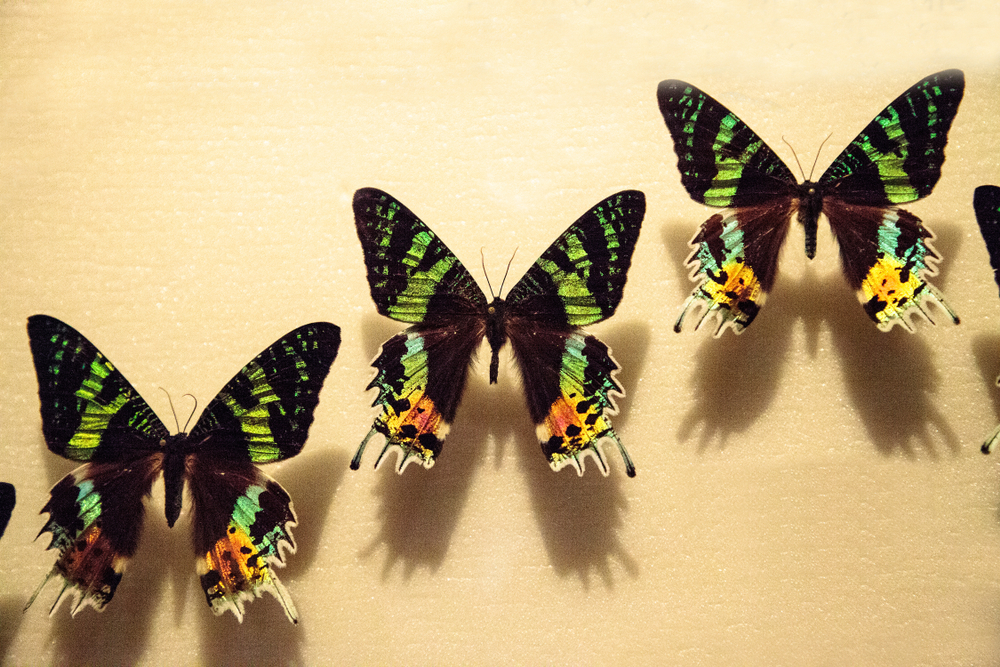
Endemic to Madagascar, the Madagascan Sunset Moth boasts a range of vibrant colors including iridescent greens, yellows, and reds. This moth is rare because its striking colors are the result of unique, light-reflecting structures on its wings. The scales on its wings shift light, creating an effect that seems to change as it moves. Thankfully, the Madagascan Sunset Moth is still found in its natural habitat, though it faces some conservation challenges.
Its incredible color tricks come from the way light interacts with its microscopic scales, producing a radiant glow. The moth’s ability to reflect light helps it stand out in the dense Madagascar forests. It is primarily found in areas with abundant vegetation and flowers for feeding. Ongoing conservation efforts are crucial to protect its delicate environment.
Purple Emperor Butterfly (Apatura iris)
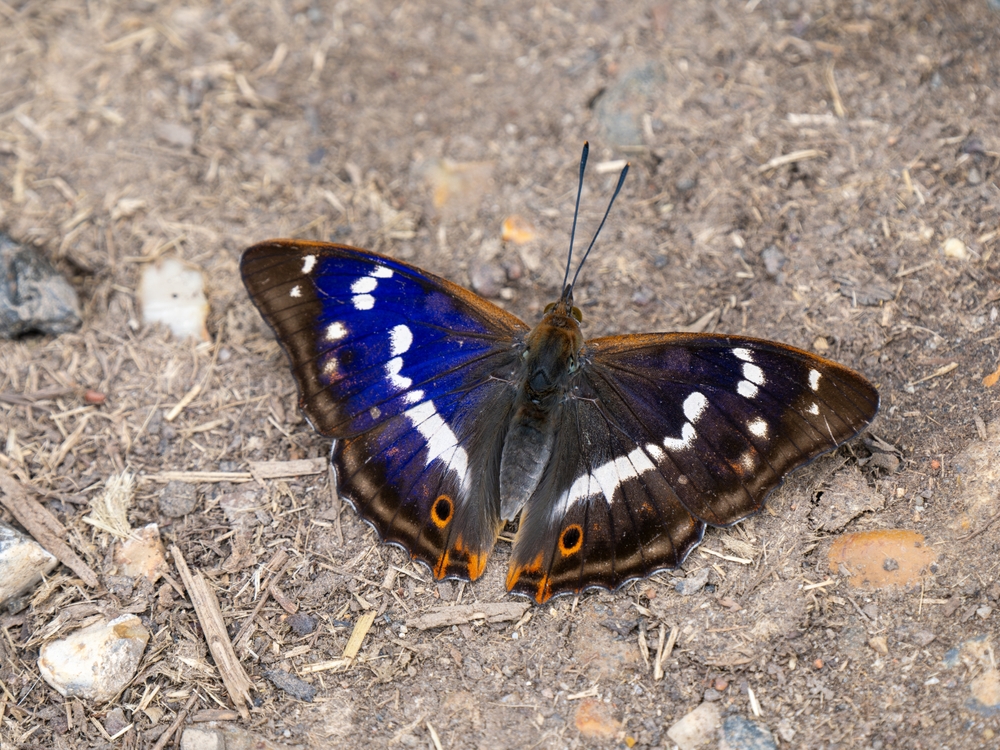
The Purple Emperor Butterfly, native to parts of Europe, is rare due to its brilliant purple wings, which appear only at certain angles. These wings create an almost magical effect when they shimmer in the sunlight, making the butterfly hard to miss. However, their habitat is under threat, leading to a decline in sightings. While not extinct, the Purple Emperor is considered vulnerable in some regions.
The deep purple coloration of its wings is a form of camouflage that allows it to blend into the tree canopy. The wings’ shimmering effect changes depending on how the light strikes them, adding a dramatic visual impact. This butterfly is most commonly found in woodland areas with plenty of sunlight. Conservation measures are essential to ensure its survival in these regions.
Albatross Butterfly (Appias libentina)
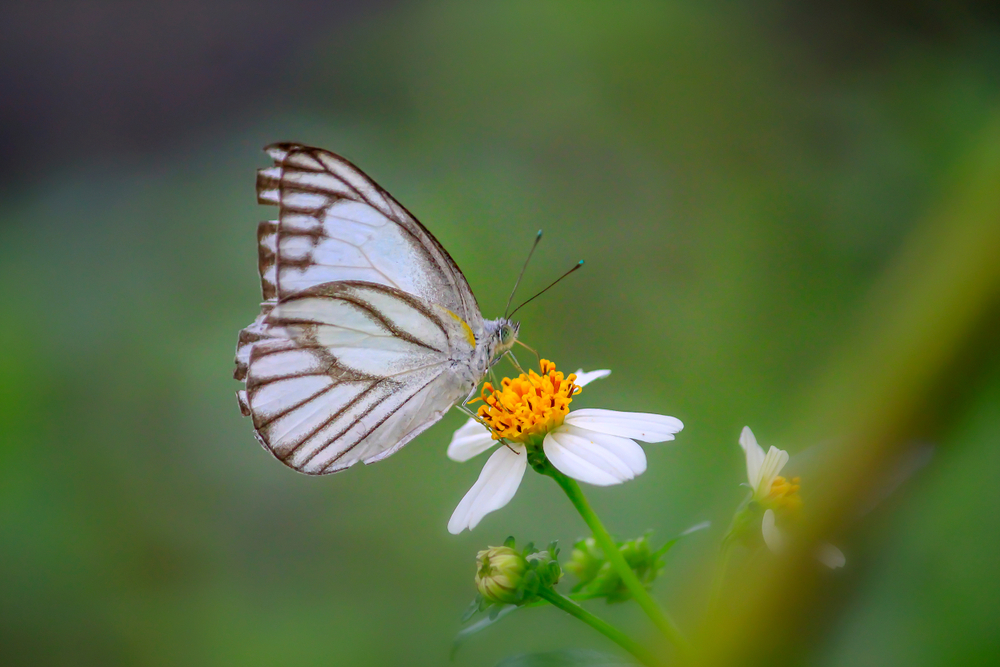
Found in Southeast Asia, especially in Thailand and Malaysia, the Albatross Butterfly is recognized for its distinctive white wings with dark tips. Its rare status comes from the butterfly’s ability to reflect light, giving its wings a shimmering, almost glowing quality. The wings help it blend into its environment, making it difficult to spot. The Albatross Butterfly still exists but is increasingly threatened by changes to its environment.
The white wings appear almost translucent at certain angles, giving the butterfly an ethereal appearance. Its ability to reflect light helps it avoid predators by making it blend in with its surroundings. It can often be seen fluttering near forest edges and open fields. Its rarity makes it a special species for enthusiasts to encounter.
Luna Moth (Actias luna)
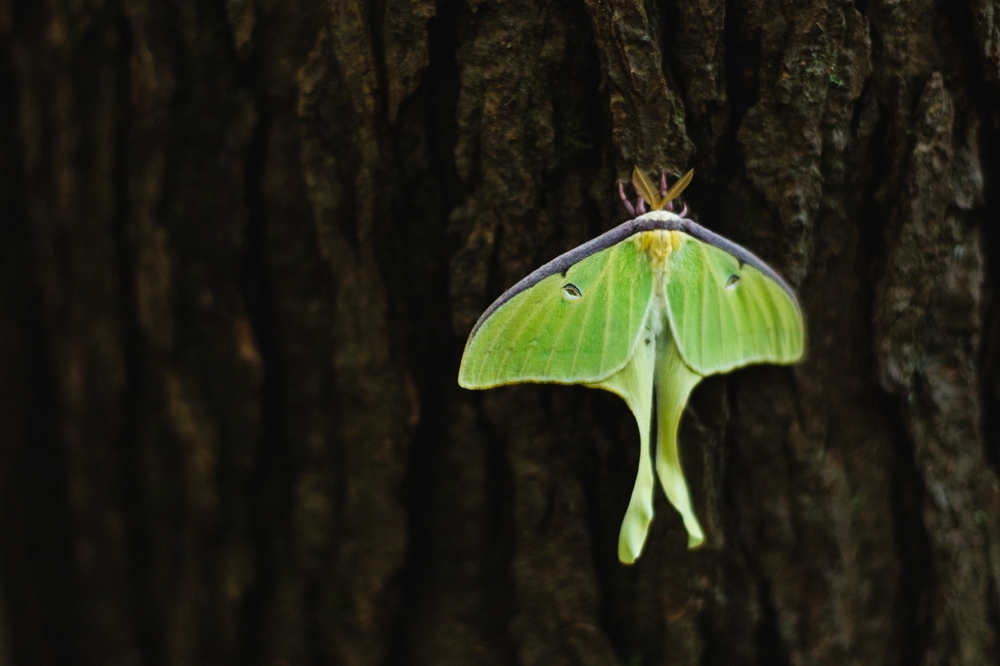
The Luna Moth is a striking insect found across North America, recognized for its pale green wings with long tails. Its rarity is due to its limited flight range and short lifespan, as well as the decreasing number of trees it depends on. The moth is still present but faces challenges from habitat loss and light pollution. The long, elegant tails on its wings are part of what makes it so unique.
The moth’s green wings have a soft, delicate appearance that shimmers under the right lighting, adding to its otherworldly appearance. Its long tails give it a graceful flight pattern, and its color helps it blend in with its leafy environment. The Luna Moth is most often seen in areas with plenty of trees. Protecting its environment is essential for the survival of this magical creature.
Great Purple Hairstreak Butterfly (Atlides halesus)
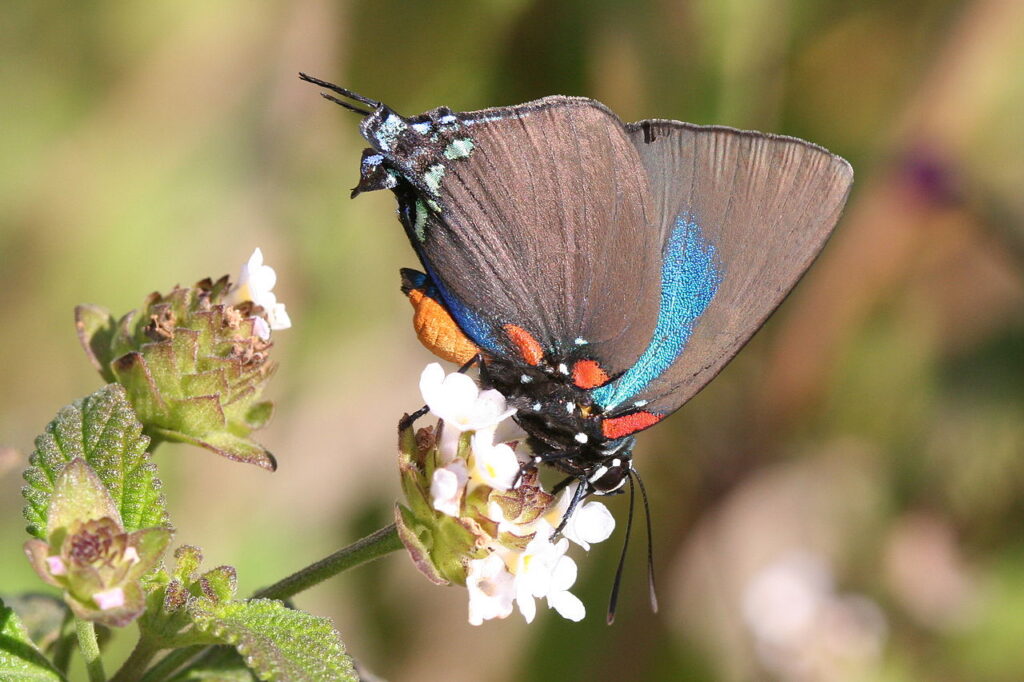
Native to Central America, the Great Purple Hairstreak Butterfly is rare due to its striking purple hue and limited distribution. Its wings are adorned with iridescent purple, blue, and silver markings that shimmer when caught in sunlight. This butterfly is not extinct but faces environmental threats that have reduced its population. It is found in tropical forests where it feeds on various plant species.
The butterfly’s dazzling colors are a result of the way light reflects off the surface of its wings. The unique combination of purple, blue, and silver creates a stunning visual effect when the butterfly flutters through the forest. It can be spotted in the forest’s upper levels, where it seeks out nectar-rich plants. Efforts to preserve the tropical forests are vital for this butterfly’s continued survival.
Himalayan Blue Butterfly (Parnassius patala)
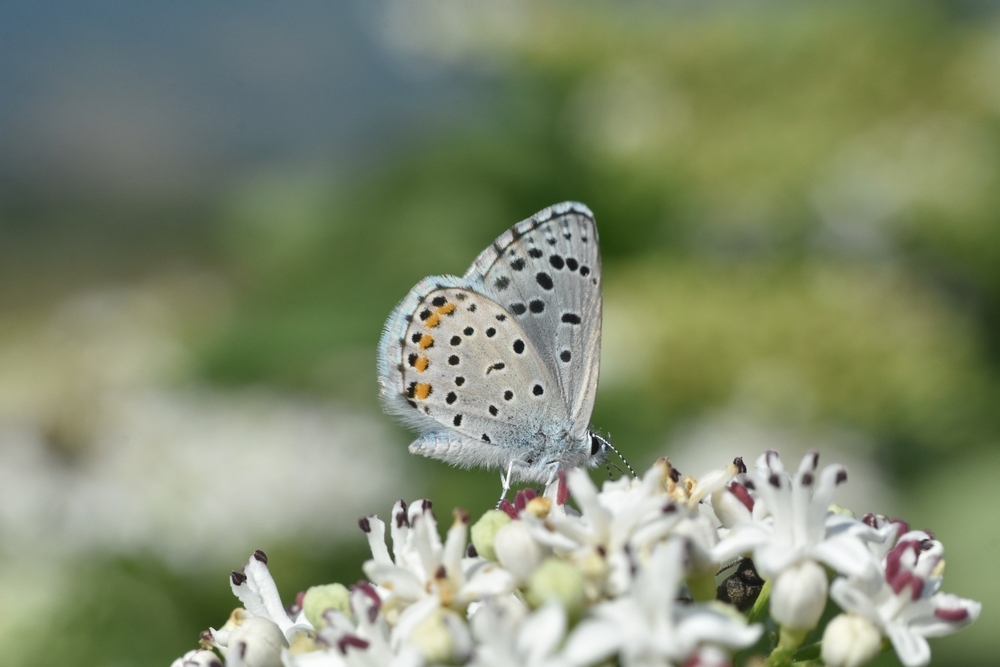
The Himalayan Blue Butterfly is found at high altitudes in the Himalayas, making it rare and elusive. Its wings are a brilliant blue with black markings that appear to shimmer as it moves. This butterfly’s rarity comes from the remote locations where it lives, making it hard to study. The Himalayan Blue Butterfly still exists but is endangered due to habitat loss and climate change.
The wings of this butterfly reflect light in such a way that they appear to change colors as it moves. Its iridescent blue wings make it one of the most stunning butterflies in the region. This butterfly is typically found in alpine meadows and rocky slopes. Conservation efforts are crucial for protecting its delicate ecosystem.
Pale Swallowtail Butterfly (Papilio garamas)
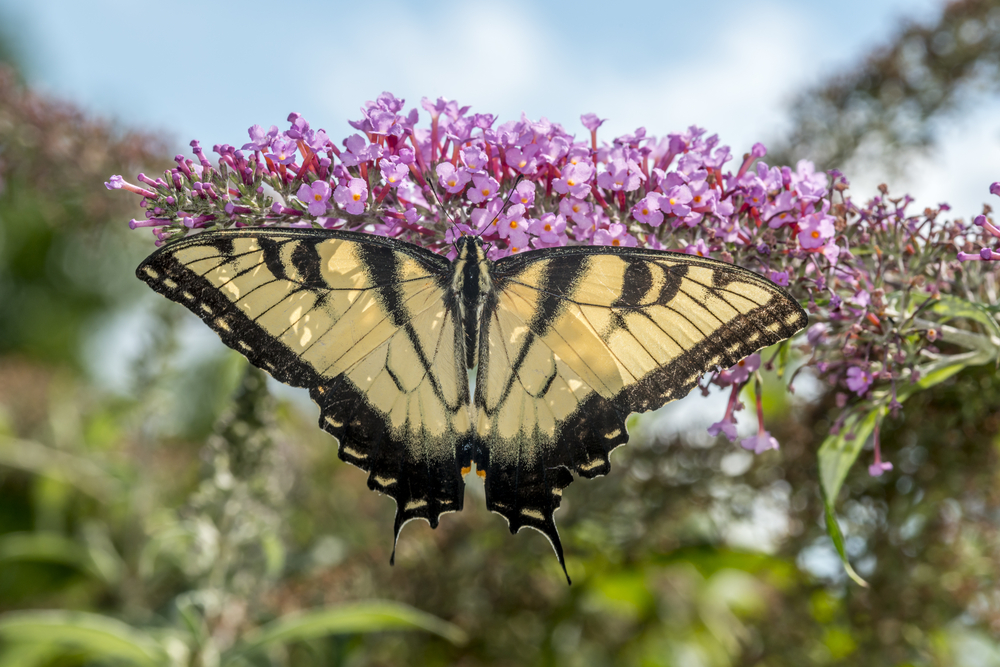
The Pale Swallowtail, found in parts of North and South America, is known for its pale yellow wings with dark edges. Its rarity comes from its preference for specific plant species, which limits its range. The butterfly is still present but faces habitat challenges that have made it less common in certain areas. It is a rare sight in some regions due to its declining population.
The wings of the Pale Swallowtail are a soft yellow with darker patterns, giving it an almost translucent appearance. Its long tails help it stand out from other swallowtail species, making it an eye-catching sight. These butterflies are often seen fluttering around specific plants that provide nectar. Preservation of these plants is essential to the butterfly’s survival.
Zebra Swallowtail Butterfly (Eurytides marcellus)
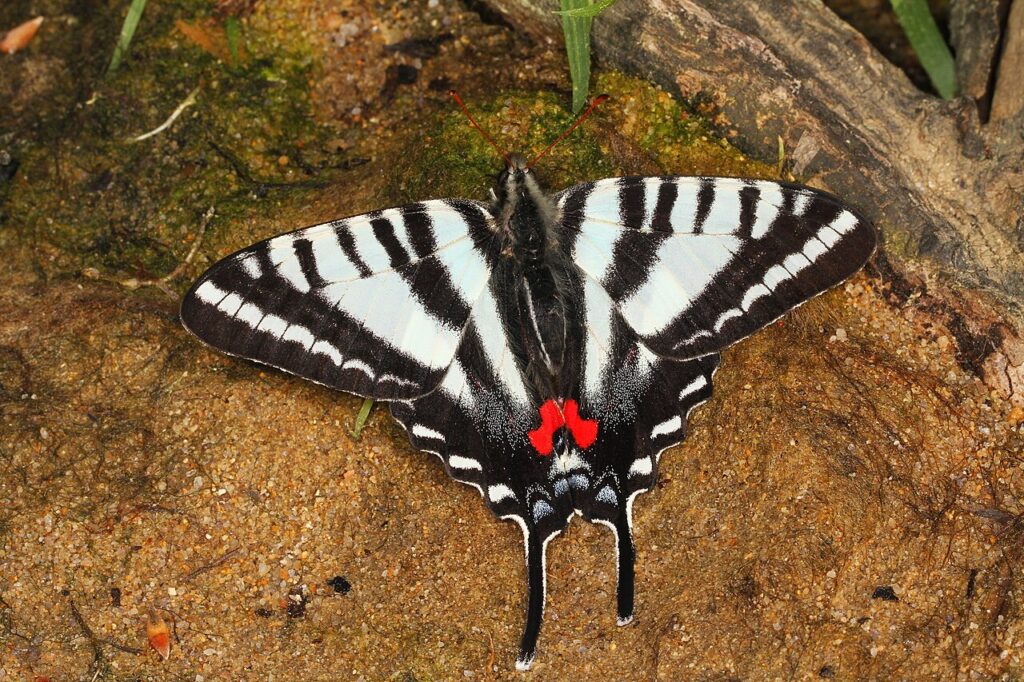
Found in parts of the southeastern United States, the Zebra Swallowtail Butterfly is rare due to its declining habitat. Its wings are black and white striped, resembling the patterns of a zebra, which makes it easy to identify. Although not extinct, the Zebra Swallowtail faces threats from habitat loss and environmental changes. It is most often seen in areas where its host plant, the pawpaw tree, grows.
The black and white stripes on its wings create a striking contrast, allowing it to stand out. These butterflies have long tails that add to their distinctive appearance, making them easily recognizable. They are often found in forest clearings and near rivers where pawpaw trees are abundant. Protecting these areas is key to ensuring the butterfly’s continued presence.
Golden Swallowtail Butterfly (Papilio garamas)
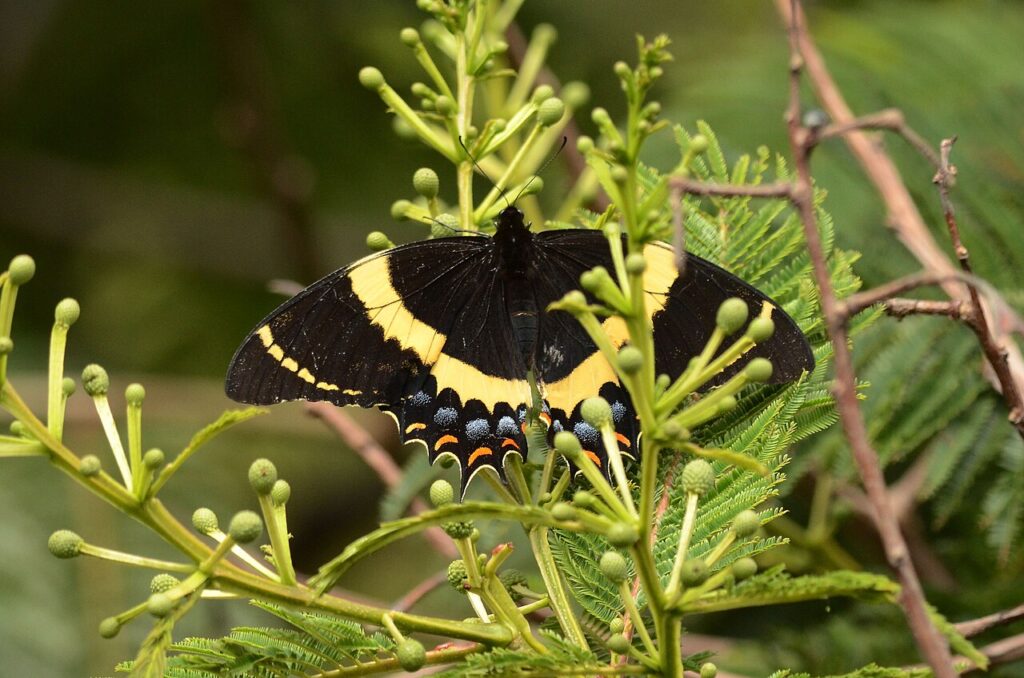
Found in parts of Southeast Asia, the Golden Swallowtail Butterfly is rare because of its shimmering gold wings. The wings have a reflective quality that creates an almost glowing effect when the butterfly flies. This butterfly is not extinct but is rare due to its limited distribution. The Golden Swallowtail is mostly seen in areas with abundant flowers and specific plant species.
Its golden wings are a result of how light interacts with microscopic scales on its wings. The reflective effect helps it catch the light in dazzling ways, making it one of the most beautiful butterflies in its region. The long tails on its wings further add to its elegant appearance. Protecting its environment is key to maintaining its populations.
Cabbage White Butterfly (Pieris rapae)
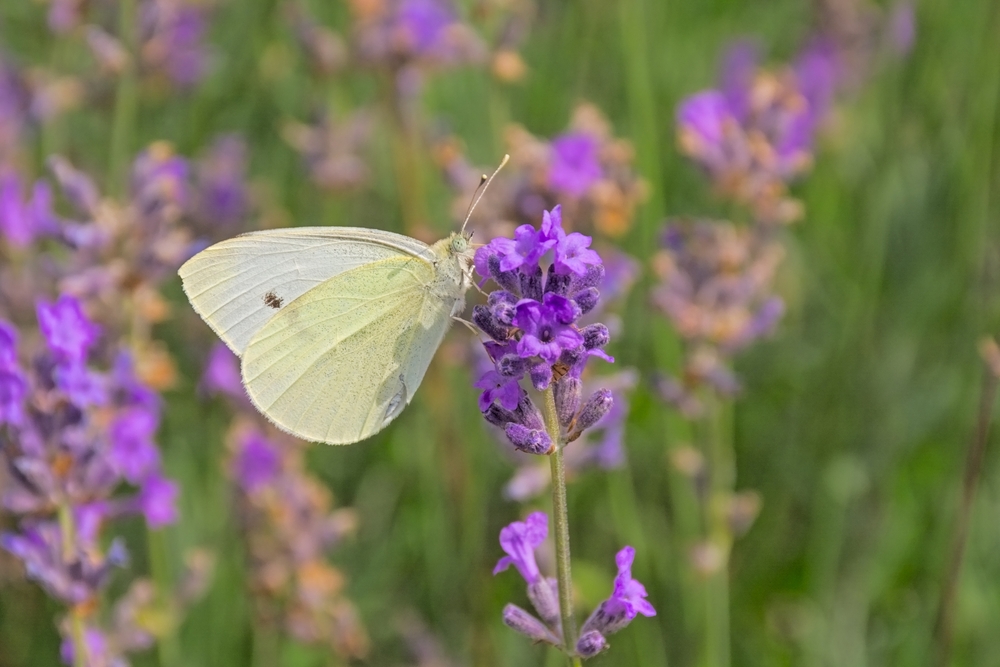
Native to Europe, Asia, and North America, the Cabbage White Butterfly is known for its white wings with black markings. While it is common in some areas, its population has been declining in others due to pesticide use. The butterfly is still present but is becoming rarer in places where chemical use is high. It is often seen in gardens and fields where cabbage plants grow.
Its white wings help it blend into the environment, while the black spots provide contrast. The butterfly’s simple yet effective wing pattern makes it one of the most recognizable species. The Cabbage White is typically seen around crops, where it lays its eggs. Conservation of its natural environment is crucial for its survival.
Scarlet Swallowtail Butterfly (Papilio rumanzovia)
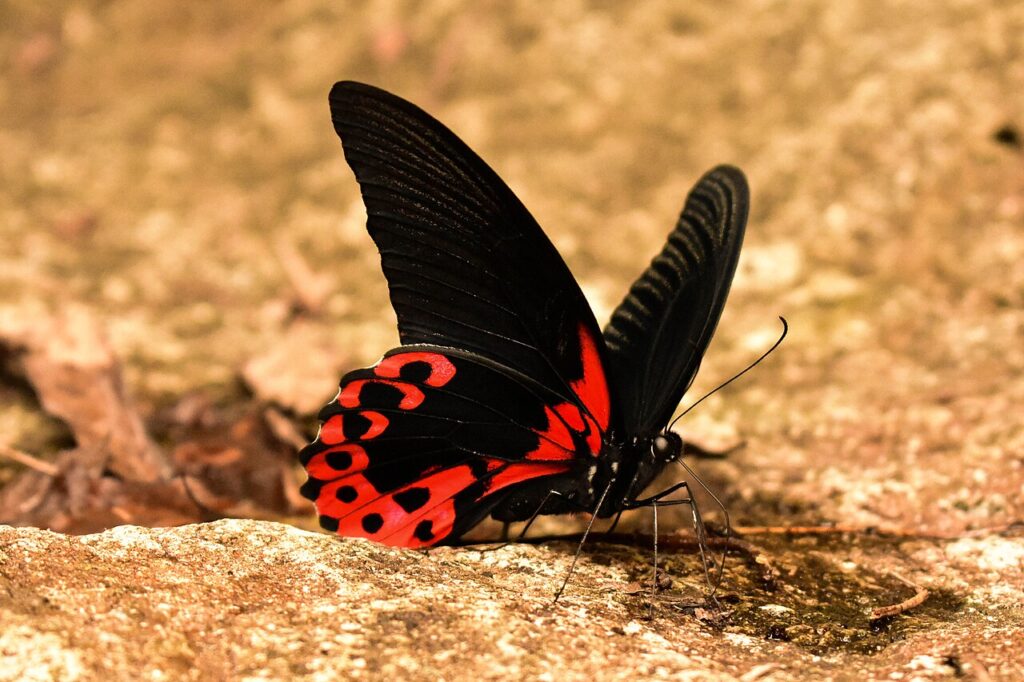
The Scarlet Swallowtail Butterfly is found in parts of tropical Asia, where it is rare due to its brilliant red and black wings. The vibrant red stripes on its wings are its most striking feature, making it stand out. This butterfly is not extinct but is rare due to habitat loss. Its stunning coloration makes it a prized butterfly for collectors.
The red and black pattern on its wings serves as both camouflage and a warning to predators. The long tails on its wings help it glide gracefully through the air, adding to its beauty. It can be found in tropical forests, where it feeds on nectar. Its rarity and vibrant colors make it a fascinating species to observe.
Lime Swallowtail Butterfly (Papilio demoleus)
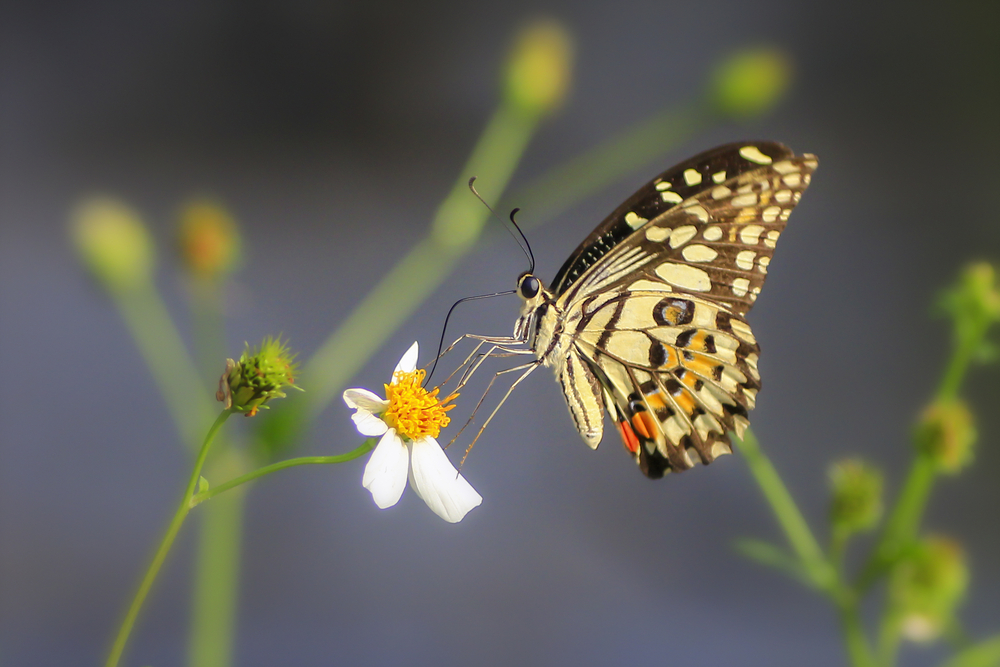
The Lime Swallowtail Butterfly is found across parts of Asia and Africa, recognized for its bright green wings. The wings have unique patterns that help the butterfly blend in with its environment while still showing off vibrant hues. This butterfly is rare in some areas due to habitat destruction and changing climate conditions. Despite its challenges, it remains a striking example of nature’s beauty.
The lime green color of its wings acts as a camouflage, especially on lime trees where the butterfly lays its eggs. Its ability to stay hidden while still displaying vibrant colors is one of the butterfly’s most fascinating characteristics. These butterflies thrive in tropical climates with an abundance of citrus plants. Protecting their natural habitat is crucial for maintaining their populations.
The Glassy Tiger Butterfly (Parantica sita)
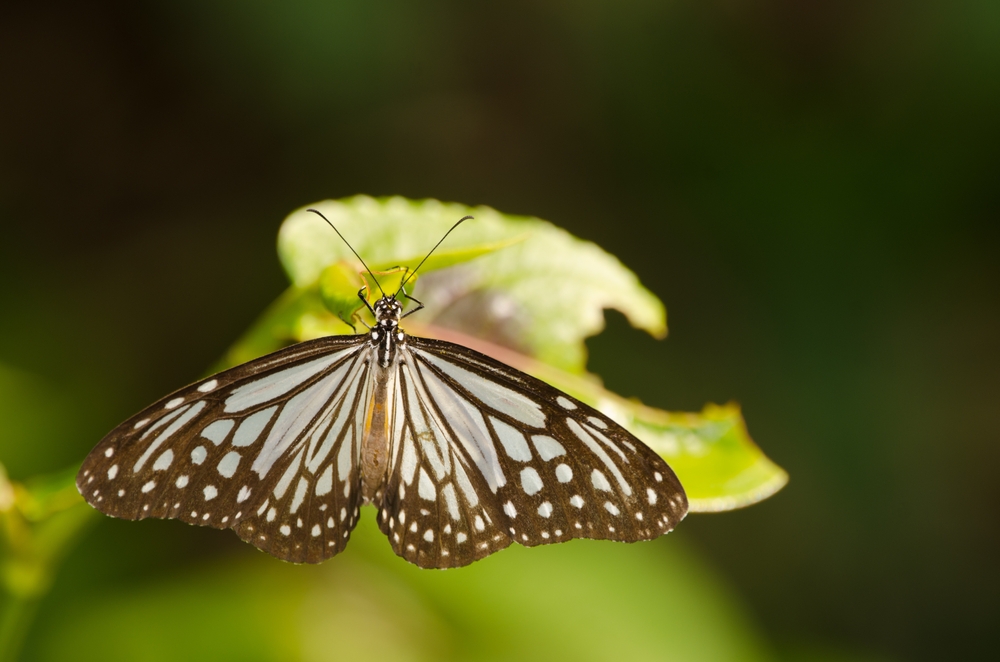
The Glassy Tiger Butterfly is a stunning insect found in parts of Asia, known for its glass-like, translucent wings. The pattern on its wings, combined with the transparent effect, makes this butterfly difficult to spot in its natural habitat. It is rare and increasingly threatened by deforestation and human activity. The Glassy Tiger Butterfly can still be found in the wild, though its population is dwindling.
Its wings have an iridescent quality, which changes depending on the angle of light, creating an almost otherworldly effect. The transparency of the wings helps the butterfly blend into its surroundings, enhancing its survival chances. It is often seen fluttering through forests and woodlands where it feeds on nectar. Preserving these areas is essential to ensure the survival of this delicate species.
This article originally appeared on Avocadu.