
15 Backyard Herbs with Strong Scents You Only Get When They Are Fresh Cut
This post may contain affiliate links, which helps keep this content free. Please read our disclosure for more info.
Basil
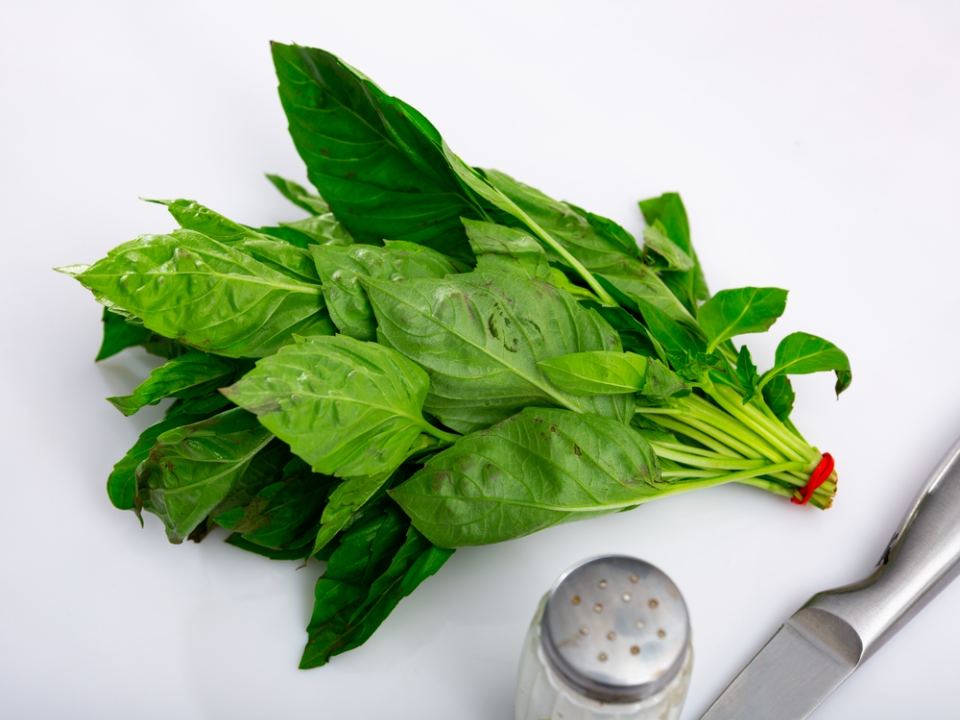
Basil is a herb that truly shines when freshly cut from the garden. Its aromatic, sweet scent can instantly fill the air with a rich, earthy fragrance. When you cut it, you get an intense hit of its spicy, slightly peppery aroma, which is different from the more subtle scent you get when it has dried. Basil leaves release essential oils upon cutting, and these oils are responsible for the herb’s bold scent.
This herb is commonly used in Italian and Mediterranean dishes, bringing its sharp and savory qualities to meals like pasta, pizza, and salads. When growing basil, it is best to cut it just before the plant starts to flower for the most intense scent. Fresh basil can also be added to drinks like cocktails or lemonades, where its scent can elevate the refreshing nature of the drink. Additionally, the fresh-cut leaves can be rubbed between your fingers for a delightful burst of fragrance.
Mint
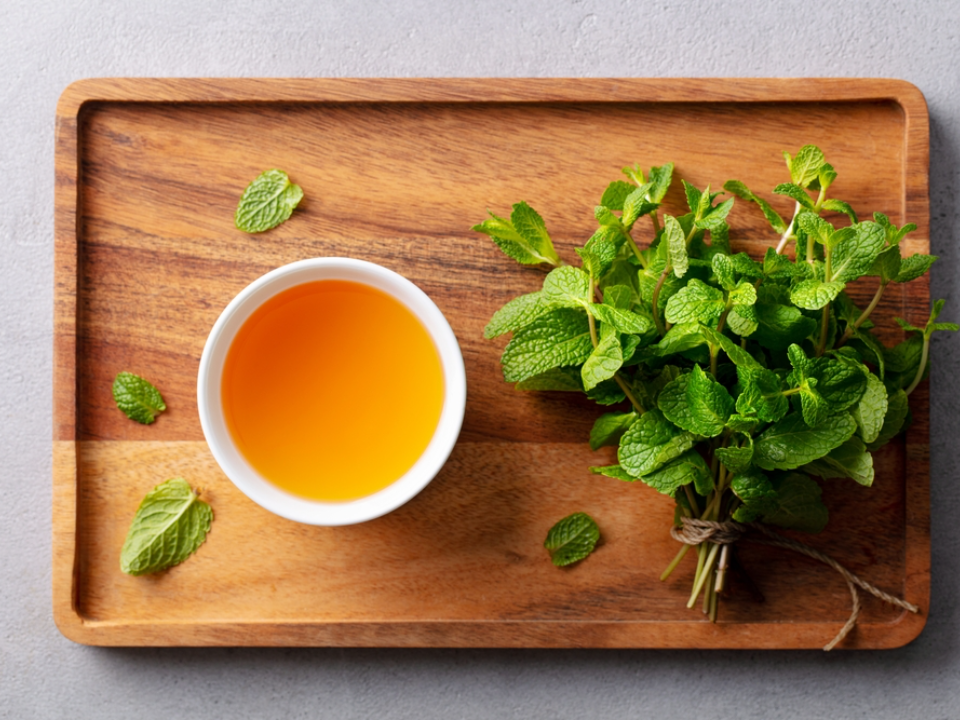
Mint is a herb that has a refreshing, cooling scent you can only truly appreciate when it’s freshly cut. The strong menthol fragrance fills the air with a crisp and clean feeling, especially after you trim the plant. Cutting the mint leaves releases oils from its glands, and the aromatic oils are at their peak when the plant is freshly harvested.
You may notice that mint leaves are much more potent when they are still green and alive, compared to when they are dried or wilted. It can be used in everything from beverages like mojitos and iced teas to culinary dishes such as lamb or Middle Eastern dips. As an easy-to-grow herb, mint spreads quickly in the garden, rewarding you with an abundance of leaves to harvest. Fresh mint can also be used to make aromatic oils or homemade lotions, where its scent can bring a calming effect to the senses.
Rosemary
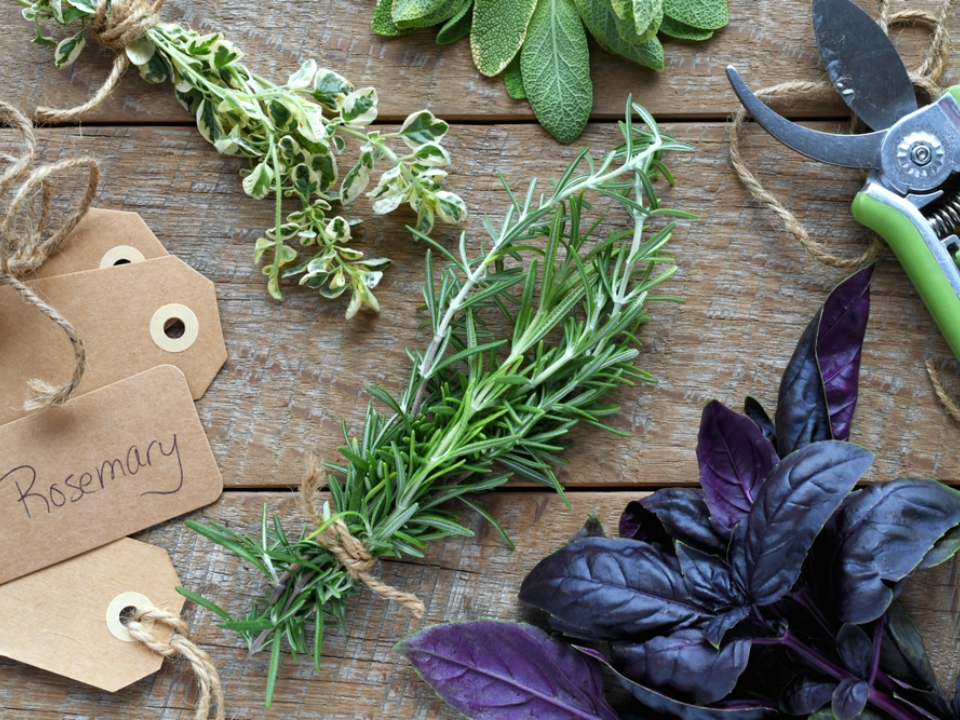
Rosemary is a herb that fills the garden with a pine-like fragrance when you cut it fresh. It has a strong, woody, and slightly citrusy scent that is distinct and unmistakable. The essential oils in rosemary release their full aromatic potential once the leaves are cut, creating a fresh, energizing scent that is perfect for cooking. Rosemary is often used in roasted meats, especially lamb and chicken, and its fresh scent adds an extra layer of flavor to these dishes.
Aside from cooking, the fresh-cut rosemary sprigs can be used in crafting, like in homemade sachets or potpourri, where its scent lasts for weeks. The plant itself has needle-like leaves that, when crushed, release even more of its sharp, invigorating scent. Rosemary thrives in a well-drained garden and can be harvested year-round to add a fresh touch to both your kitchen and your garden.
Thyme
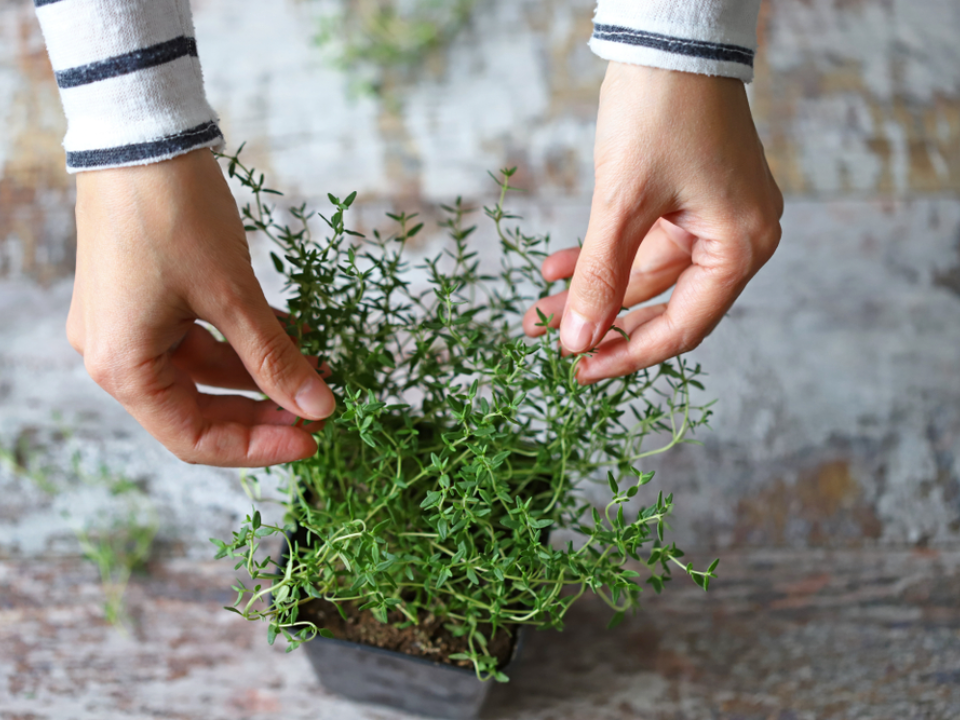
Thyme is a subtle yet highly fragrant herb that truly comes alive when freshly cut. Its earthy, woodsy scent with hints of lemon can be incredibly powerful when you snip off a few sprigs. Unlike some herbs that lose much of their aroma when dried, thyme’s scent becomes richer and more intense when it is freshly harvested. It is commonly used in stews, roasted vegetables, and meats, where it complements other strong flavors without overpowering them.
Thyme also works wonderfully in Mediterranean and French dishes, where the fresh, woody notes elevate the dish to another level. The fresh-cut thyme can also be used in herbal teas, where its soothing properties can help calm and relax. It is a perennial herb that thrives in sunny spots with good drainage, and its leaves, when cut, release more of the aromatic oils that give it its characteristic fragrance.
Sage
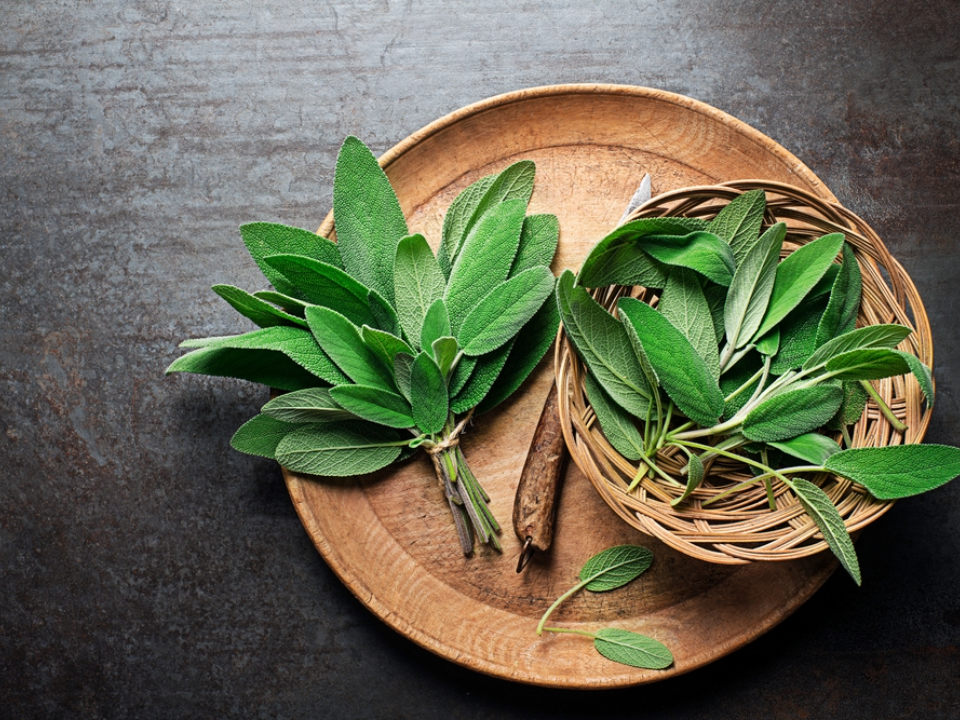
Sage is a fragrant herb known for its rich, earthy aroma that is intensified when freshly cut. The strong scent, with its slightly peppery and woody undertones, is distinctive and can immediately fill the air after you snip a few leaves. Sage is commonly used in cooking, particularly in rich dishes like stuffing, sausages, and roasted meats, where its intense fragrance adds depth and flavor.
Freshly cut sage leaves release oils that offer a more robust scent compared to dried sage. It is a hardy herb that can survive through colder months, and cutting it fresh brings out the best of its flavor profile. The scent of fresh sage also makes it a great addition to herbal teas and infusions, where its fragrance can help promote relaxation. When you grow sage in your garden, make sure to prune it regularly to keep the leaves fresh and potent.
Lavender
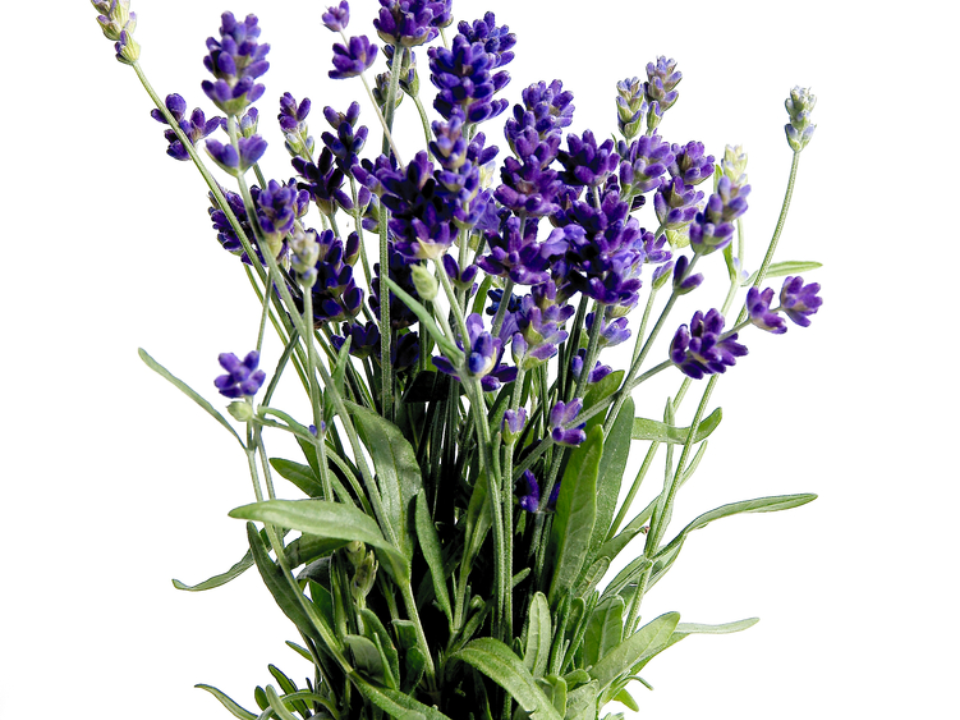
Lavender is widely known for its sweet, floral scent, but it is when freshly cut that you truly get the depth of its fragrance. The oils in lavender flowers release their most powerful scent when they are freshly snipped, and the aroma is incredibly soothing and calming. Fresh lavender can be used in a variety of ways, from culinary uses like adding to cakes and cookies to relaxing remedies like lavender sachets for the home.
Its strong floral scent can fill a room, making it a popular herb for making homemade bath salts or oils. Unlike its dried counterpart, fresh lavender offers a lively, vibrant fragrance that is a bit more intense. Lavender is a versatile herb that thrives in well-drained soil and plenty of sunlight, offering a beautiful fragrance with just a simple trim. The fresh flowers can also be used to make lavender lemonade, where its calming scent adds a touch of luxury to the drink.
Oregano
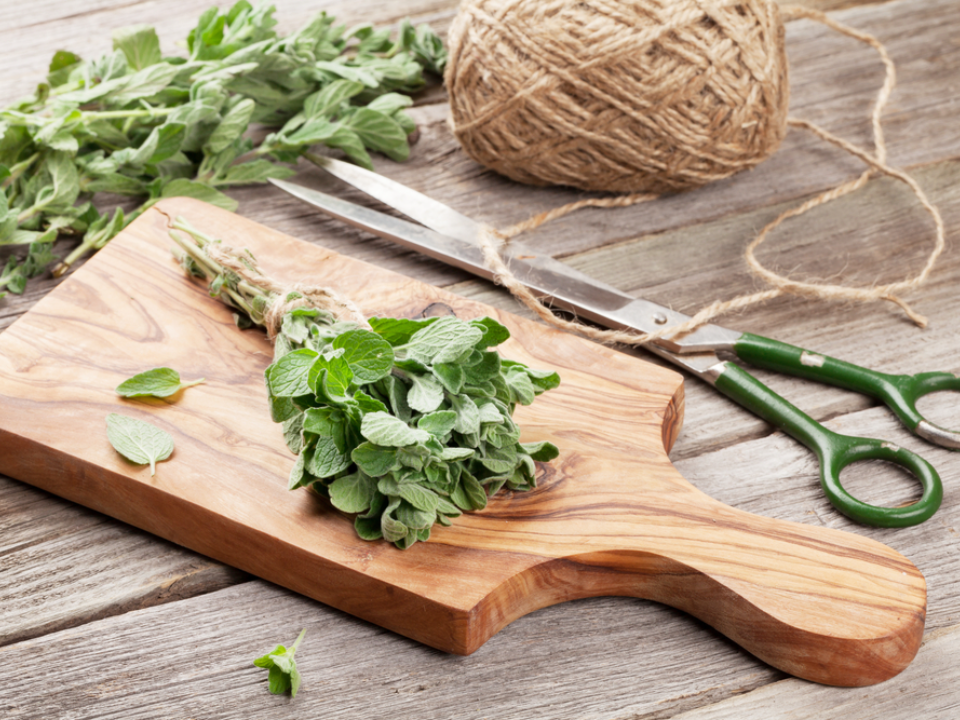
Oregano has a pungent, savory scent that is enhanced when you cut it fresh. Unlike the dried version, fresh oregano has a strong, slightly spicy, and aromatic fragrance that immediately fills the air when cut. This herb is commonly used in Mediterranean and Italian cooking, where its robust flavor pairs well with tomato-based sauces, grilled meats, and salads. When fresh, the leaves release oils that contain compounds that give it its characteristic peppery and herbal scent.
Cutting fresh oregano can give your dishes an extra punch of flavor and scent that dried oregano cannot match. It is a hardy perennial herb that can be grown in many climates, thriving in sunny gardens with good drainage. Fresh oregano is also used in homemade oils or as a garnish for dishes, where it contributes both to the appearance and fragrance of the meal.
Lemon Balm
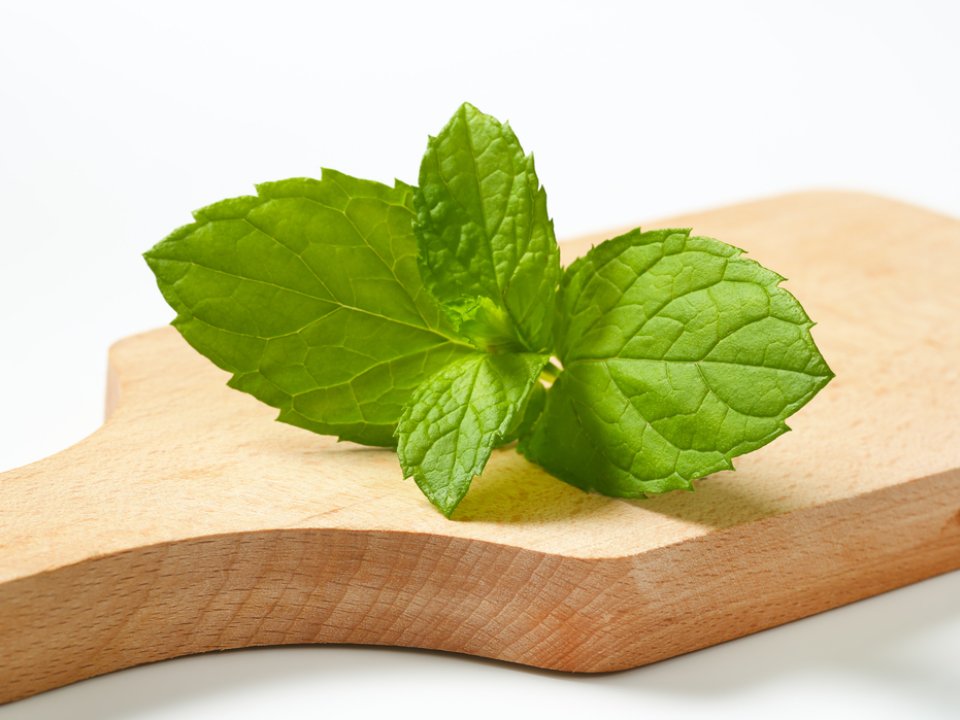
Lemon balm is a lemon-scented herb that becomes even more aromatic when freshly cut. The leaves release an intense citrusy fragrance that is uplifting and refreshing. It is a member of the mint family, but with a milder, sweeter lemon aroma. Lemon balm is great for making herbal teas, where the fresh scent infuses the water, creating a calming and relaxing drink.
The fresh leaves are also commonly used in desserts and salads, where their lemony freshness brightens up the dish. The herb grows easily in most gardens and can be cut for fresh use throughout the growing season. When you cut lemon balm, you get a scent that is far more vibrant than dried leaves, giving your recipes an added layer of natural fragrance.
Tarragon
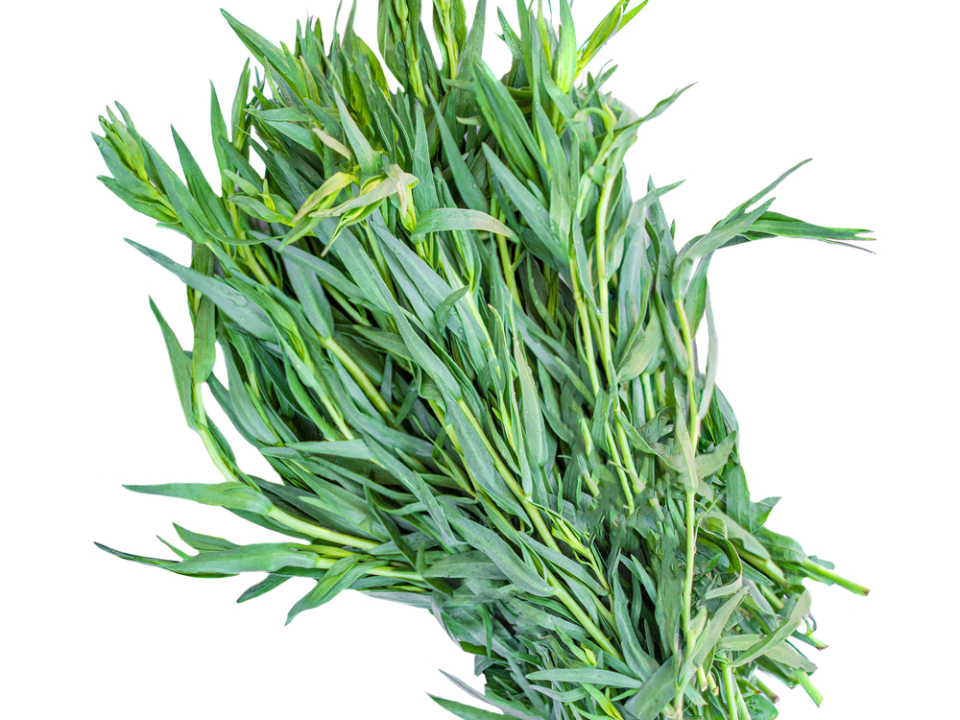
Tarragon has a distinct, anise-like fragrance that is enhanced when freshly cut. When you cut tarragon, its sweet, slightly licorice scent fills the air, offering a fresh, herbal aroma that is perfect for summer dishes. Tarragon is commonly used in French cooking, particularly in sauces like béarnaise or in dishes with chicken or fish.
The scent of fresh tarragon is much more pronounced than dried tarragon, making it a key ingredient in recipes that require a burst of aromatic flavor. When you snip off a few sprigs, you will immediately notice the intense fragrance, which is both sweet and savory. Tarragon thrives in well-drained, sunny areas and can be harvested regularly to keep its fresh scent intact. The fresh leaves can also be used in homemade vinaigrettes or infused oils for an aromatic touch to your meals.
Chives
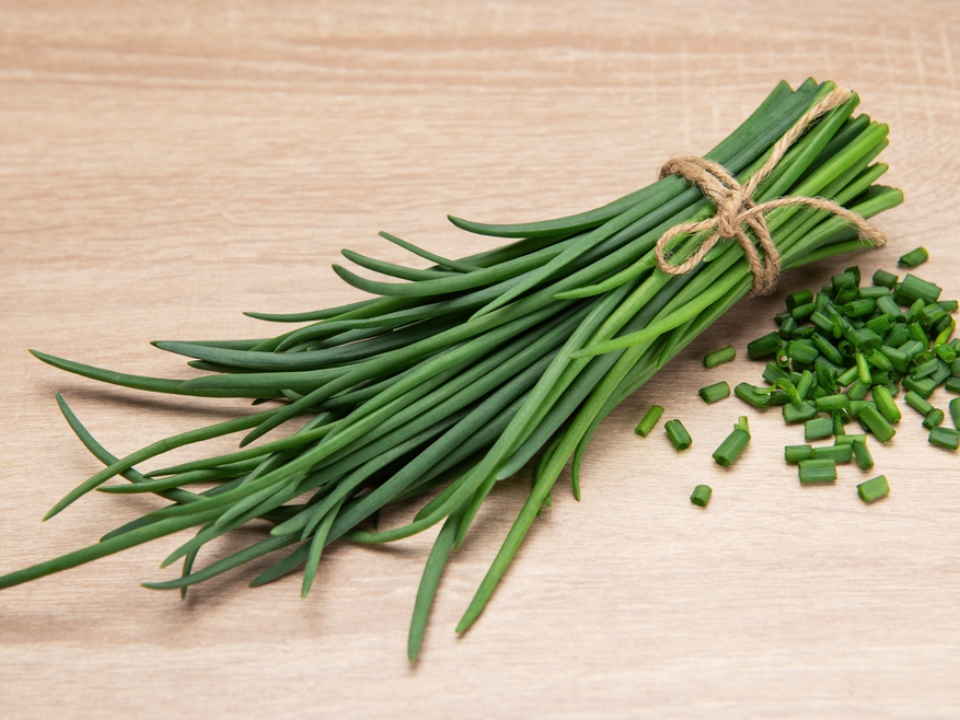
Chives are a delicate herb with a mild onion-like fragrance that becomes more prominent when freshly cut. The scent of freshly cut chives is fresh, grassy, and slightly tangy, making it a great addition to many dishes. The leaves of chives release their aromatic oils when they are cut, offering a fresh, green scent that adds brightness to your cooking.
Chives are commonly used as a garnish for salads, soups, and baked potatoes, where their fresh fragrance brings a burst of flavor. They can also be chopped into herb butter or blended into sour cream for a fresh dip. This perennial herb grows easily in gardens and pots, providing fresh leaves for harvesting all year round. Freshly cut chives are far more flavorful than their dried counterpart, making them an essential herb to have in your garden.
Dill
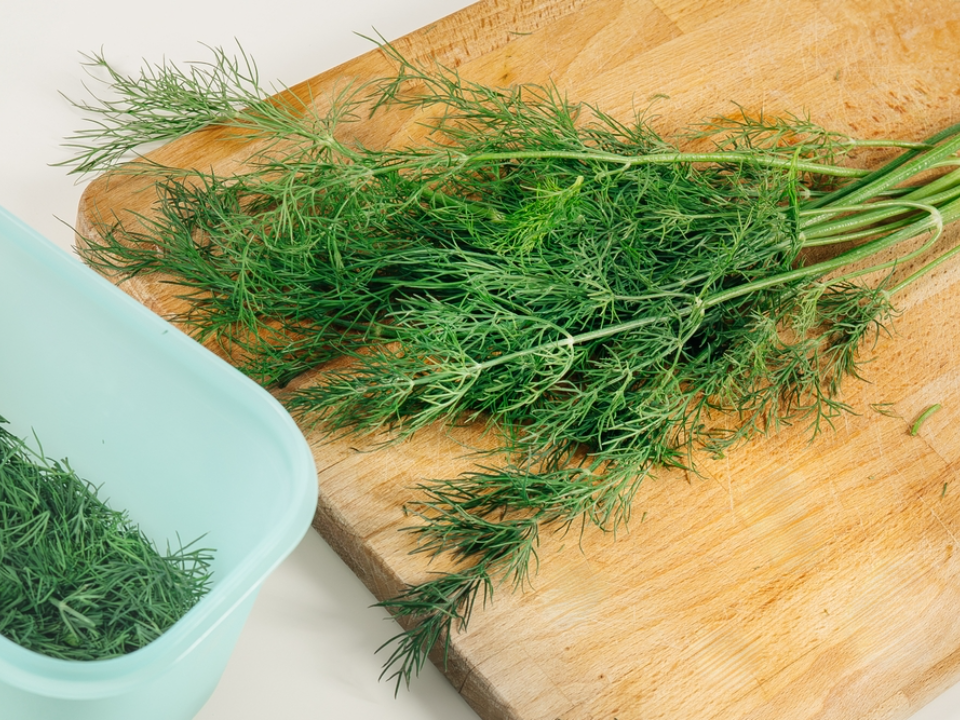
Dill is an aromatic herb that exudes a clean, sharp scent when freshly cut. Its delicate fragrance, with a touch of citrus and anise, fills the air when you trim the leaves. The fresh scent of dill is far more vibrant than its dried form, making it an essential herb in cooking, especially in pickles, fish dishes, and salads.
Dill pairs beautifully with vegetables and seafood, and its fresh aroma can elevate any dish it accompanies. The herb thrives in full sun and well-drained soil, rewarding you with its strong, fresh scent throughout the growing season. Fresh dill leaves are tender, and when cut, they release their oils, which provide a stronger, more aromatic presence than dried dill. The scent is soothing and uplifting, perfect for brightening up any recipe.
Marjoram
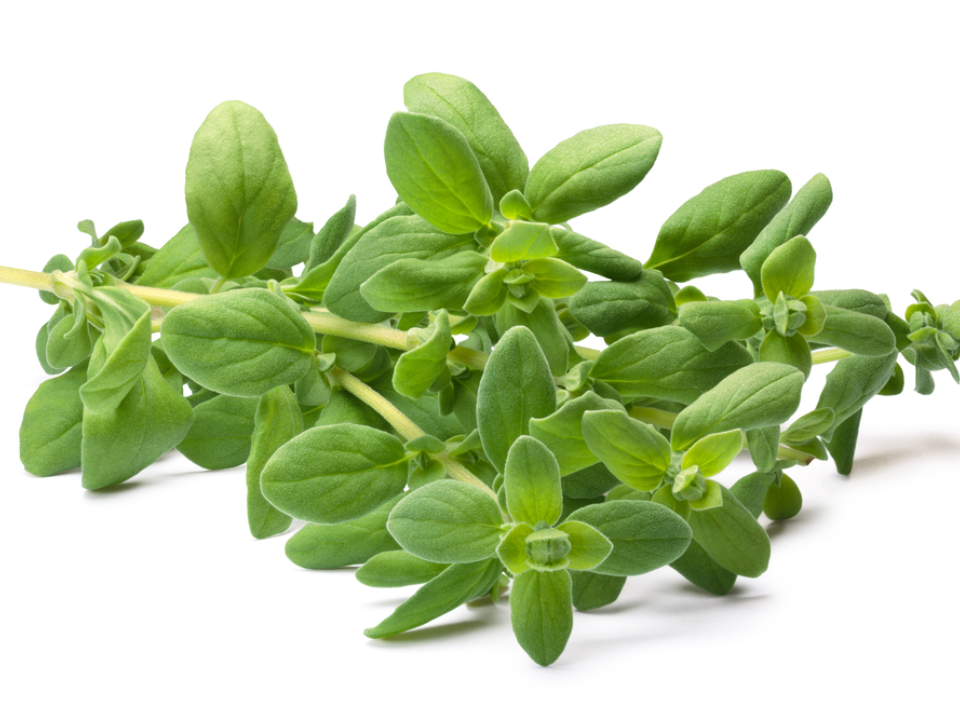
Marjoram has a subtle yet distinctive fragrance, especially when it is freshly cut. The scent is warm, woody, and slightly sweet, with hints of citrus and pine. Fresh marjoram offers a more delicate, floral aroma than dried marjoram, which can often be quite muted. The herb is used in a variety of dishes, from Mediterranean to Middle Eastern cuisine, where its fresh scent pairs well with meats, poultry, and sauces.
Marjoram is a perennial herb that thrives in sunny, well-drained areas. Cutting marjoram fresh gives you a strong burst of its pleasant aroma, perfect for seasoning stews, soups, and vegetable dishes. The fresh leaves are tender, and their fragrance can last long after harvesting, making them a valuable addition to your herb garden.
Bay Leaves
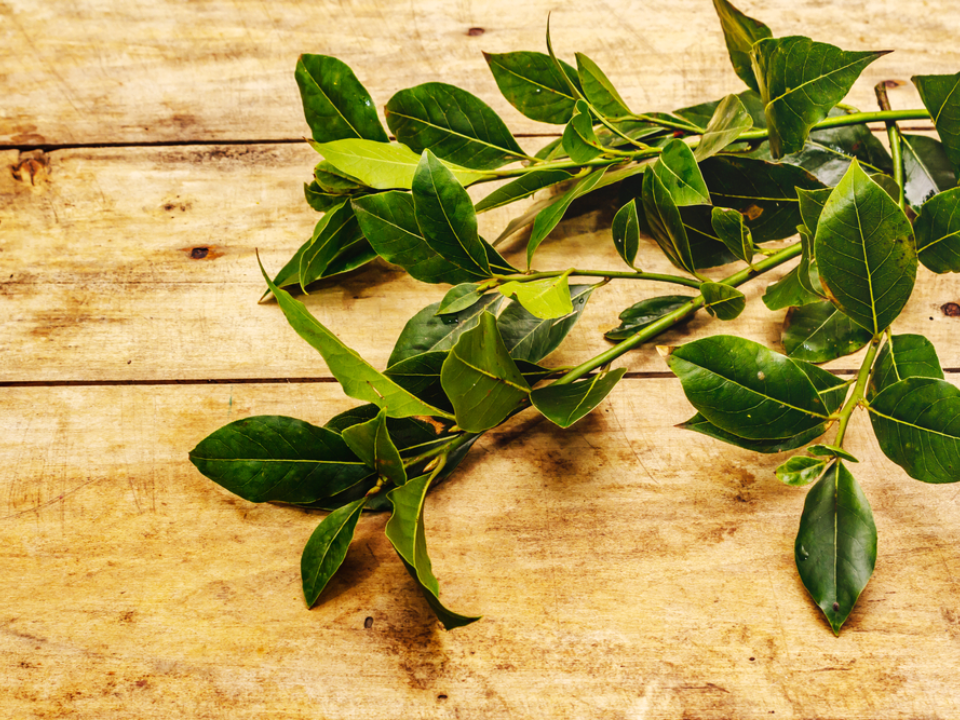
Bay leaves, when freshly cut, release a potent, herbal fragrance that is stronger than when dried. The leaves have a distinctive, slightly bitter and spicy aroma that makes them a favorite for slow-cooked dishes like soups, stews, and braises. Fresh bay leaves offer a more vibrant scent compared to their dried version, making them a great addition to any dish that needs an extra layer of herbal depth.
The oils in bay leaves are activated when they are cut, and this release of oils gives the leaves their aromatic kick. Bay trees thrive in mild climates and can be grown in gardens or pots, with fresh leaves ready for harvesting year-round. Fresh bay leaves have a more pronounced flavor and scent, adding an earthy richness to your meals. They are perfect for making herb bundles or infusions.
Lemon Verbena
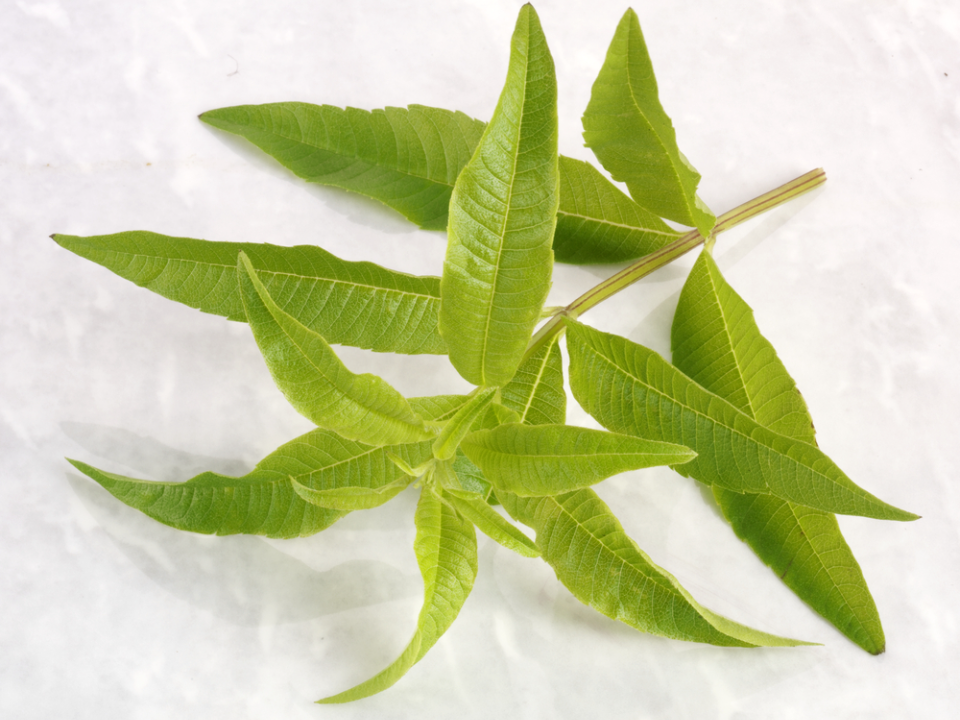
Lemon verbena is a citrus-scented herb that is known for its bright and uplifting aroma when freshly cut. The strong lemon fragrance is much more pronounced in the fresh leaves than when dried, making it a refreshing herb to have in your garden. The leaves release their essential oils when cut, offering a sweet and tangy scent that instantly enhances any dish.
Lemon verbena is commonly used in herbal teas, baked goods, and fruit salads, where its fresh, zesty flavor shines. In addition to culinary uses, fresh lemon verbena can be used to make fragrant oils or added to homemade cleaning products for a natural citrus scent. It grows easily in sunny gardens and can be harvested regularly to enjoy its full, fresh fragrance. The fresh-cut leaves can also be used to make a refreshing lemon verbena lemonade or as a garnish for summer cocktails.
Coriander (Cilantro)
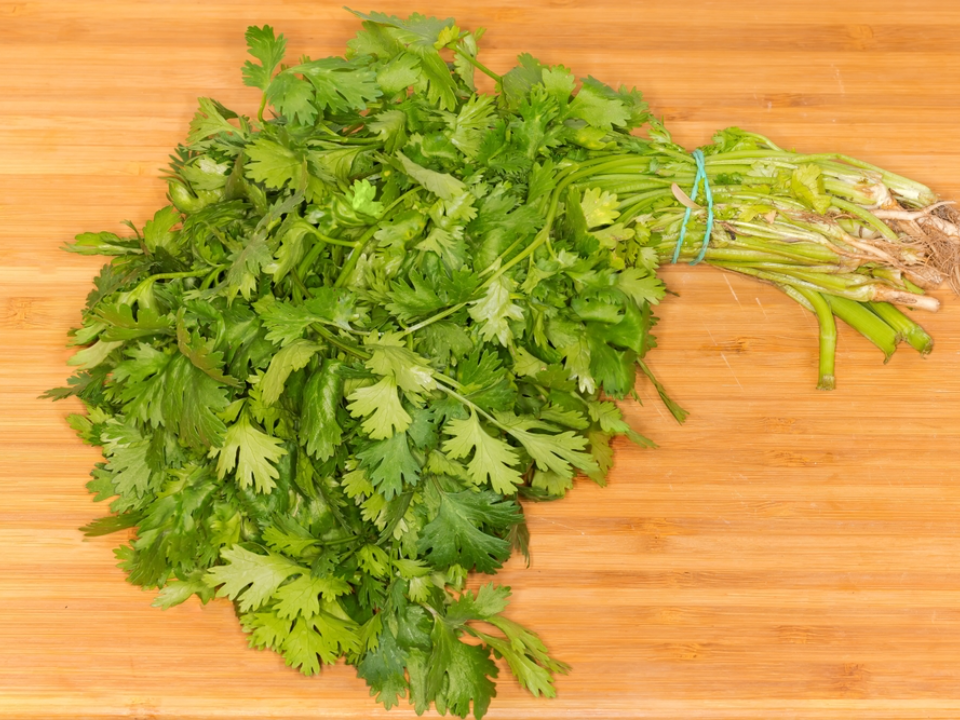
Coriander, also known as cilantro, is a herb that has a unique fragrance when freshly cut. Its strong, citrusy aroma, with a touch of earthiness, is much more intense when you snip the leaves. Coriander is commonly used in Latin American, Middle Eastern, and Asian cuisines, where its fresh, zesty scent brightens up dishes like salsas, curries, and salads.
The leaves release their oils upon cutting, making the fresh scent stronger and more vibrant than dried coriander. Fresh coriander is often used to garnish dishes, adding both flavor and fragrance. The herb thrives in warm, sunny environments, and its leaves can be harvested regularly to enjoy the fresh scent. For a stronger fragrance, coriander should be cut just before it flowers, when its leaves are at their most aromatic.
This article originally appeared on Avocadu.