
14 Bird-Friendly Backyard Add-Ons for the End of Winter
As temperatures rise, your backyard can become a vital spot for birds looking to recharge. Simple, bird-friendly additions are a great way to give them a helping hand. You don’t need to overhaul your garden, as small, thoughtful changes can create a more inviting environment. Birds will appreciate a place to rest, eat, and shelter during the last cold spells of winter.
This post may contain affiliate links, which helps keep this content free. Please read our disclosure for more info.
Bird Feeder Stations
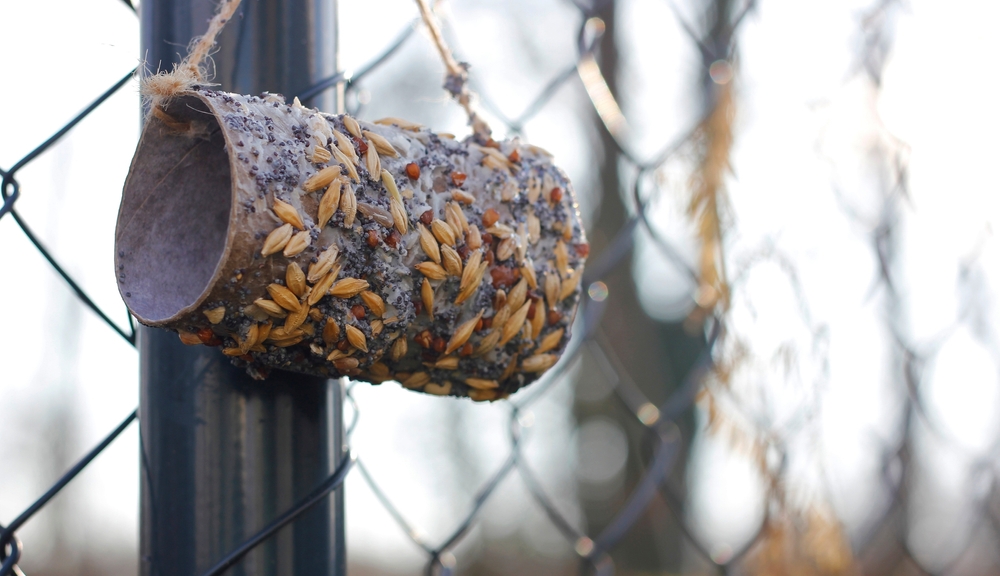
Adding bird feeder stations to your backyard is one of the easiest ways to attract birds during the end of winter. Choose a variety of feeders, including tube feeders, suet cakes, and platform feeders, to cater to different bird species. Fill them with a mix of seeds, such as sunflower seeds, millet, and thistle, to ensure a range of birds are drawn to your yard. Clean the feeders regularly to avoid mold or bacteria buildup, ensuring that birds stay healthy.
Birds will appreciate the constant food supply as they search for nourishment in the colder months. If possible, position the feeders near trees or shrubs to provide shelter from predators. This simple addition can also provide a wonderful opportunity for birdwatching right from your window. It’s a win-win for both you and the local bird population.
Birdbath with Heated Water
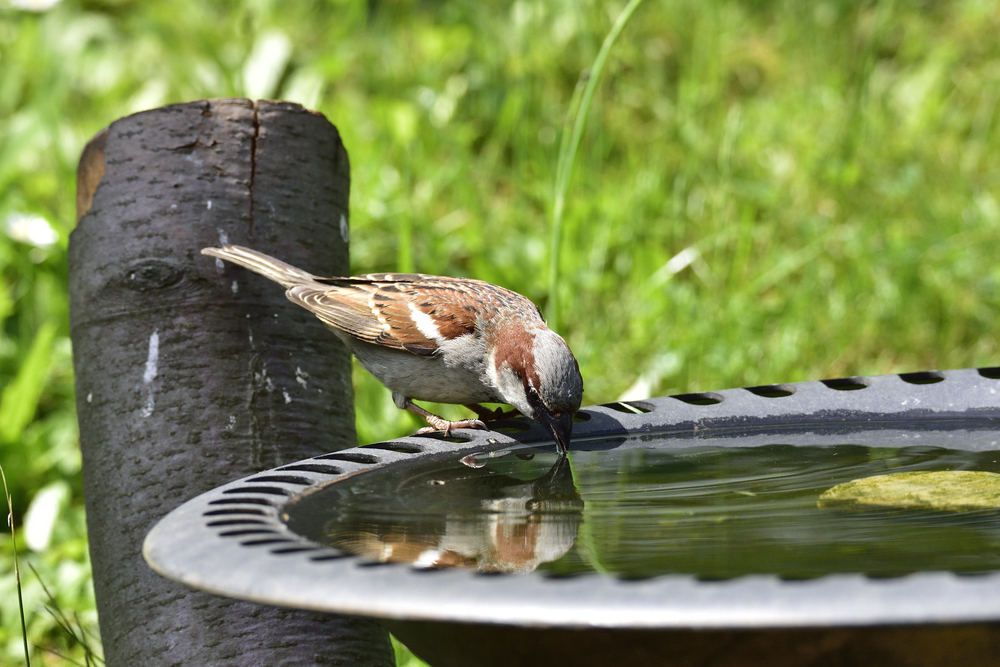
Birds need fresh water to drink and bathe, especially when natural sources are frozen. A heated birdbath can provide them with water even in the coldest temperatures, making it a perfect addition to your backyard. Choose a birdbath with a built-in heating element that keeps the water from freezing overnight. This will ensure that birds have access to clean water throughout the day, even as winter winds down.
In addition to hydration, a birdbath offers birds an opportunity to clean their feathers and stay healthy. Make sure the birdbath is positioned in a safe, sheltered location, away from areas where predators might lurk. Adding pebbles or stones to the basin can help small birds perch and bathe more easily. A heated birdbath is a thoughtful way to support your feathered friends as they transition into the warmer months.
Nesting Boxes
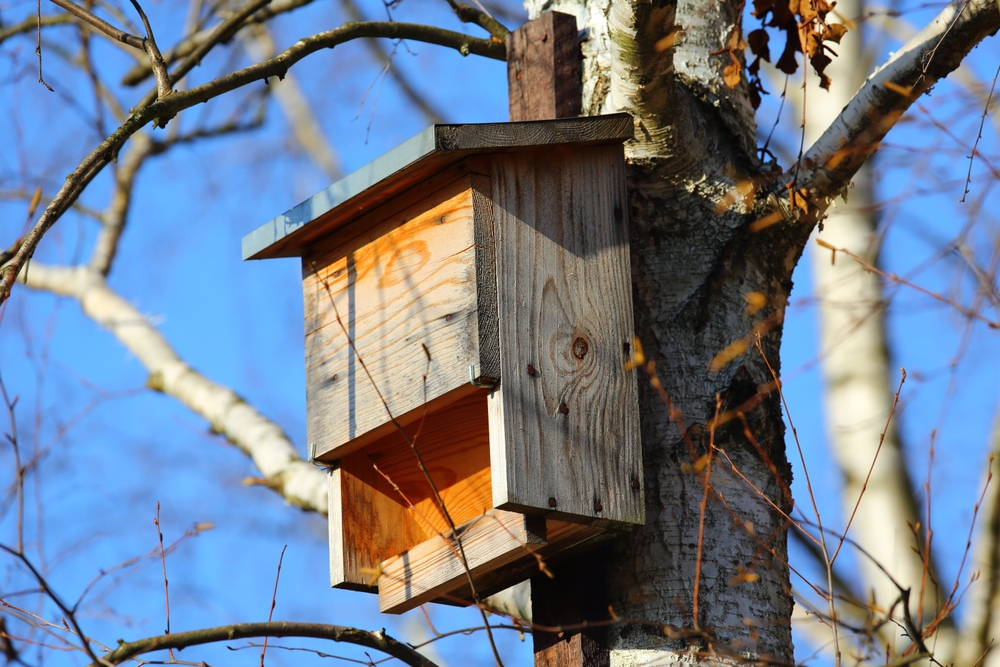
As winter draws to a close, many birds begin searching for a place to build their nests. Installing nesting boxes can provide a safe and cozy home for birds looking to settle down. Be sure to choose the right size and type of nesting box based on the bird species in your area. You can also add natural nesting materials like twigs, moss, and leaves to encourage birds to move in.
Position your nesting boxes in a quiet, undisturbed area of your yard, preferably mounted on a pole or attached to a tree. Make sure the entrance hole is the right size for the birds you’re trying to attract. It’s important to clean out old nests at the end of each season to keep the boxes inviting and healthy. These boxes offer shelter during the nesting season and keep birds safe from predators.
Birdhouses with Proper Ventilation
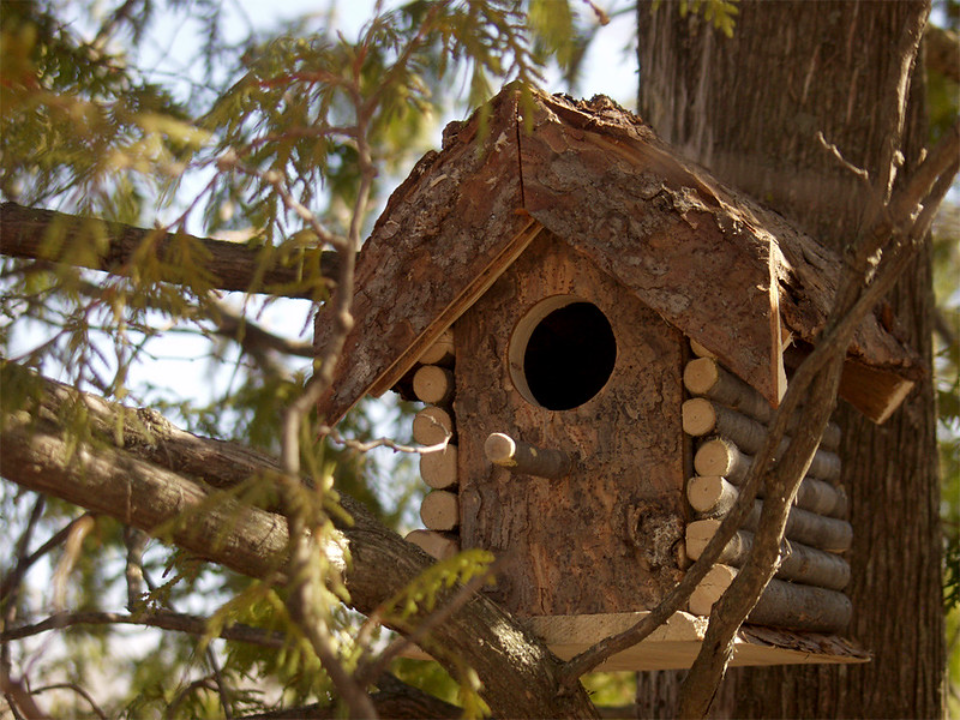
Birdhouses provide essential shelter for many species, especially during the colder months. When choosing a birdhouse, make sure it has proper ventilation to keep the interior dry and comfortable. Vent holes near the roof allow air circulation, while a raised floor can help prevent moisture from accumulating inside. This will ensure that birds have a safe and cozy place to rest during the chilly days of late winter.
Position birdhouses at varying heights to attract different types of birds. Be mindful of predators, placing the house in a location that’s hard to reach. If you live in an area with cold winters, consider adding a small entrance hole to keep larger birds out, giving smaller species a chance to nest. A well-placed birdhouse can help birds survive through the final weeks of winter and prepare for the spring season.
Windbreaks for Shelter

Windbreaks can help protect birds from the harsh winter winds that make it difficult to survive. Planting trees or installing fences can create a barrier that reduces wind speed and offers birds a safe place to rest. Evergreen trees are particularly useful, as they provide year-round protection. You can also build a simple windbreak using tall shrubs or dense hedges around your yard’s perimeter.
Providing birds with shelter from wind not only helps them conserve energy but also gives them a space to rest during storms or chilly days. A windbreak also offers protection for your feeders and birdbaths, ensuring that these resources stay accessible even during rough weather. This simple addition can make a huge difference in the comfort and safety of the birds in your yard.
Planting Native Trees for Food and Shelter
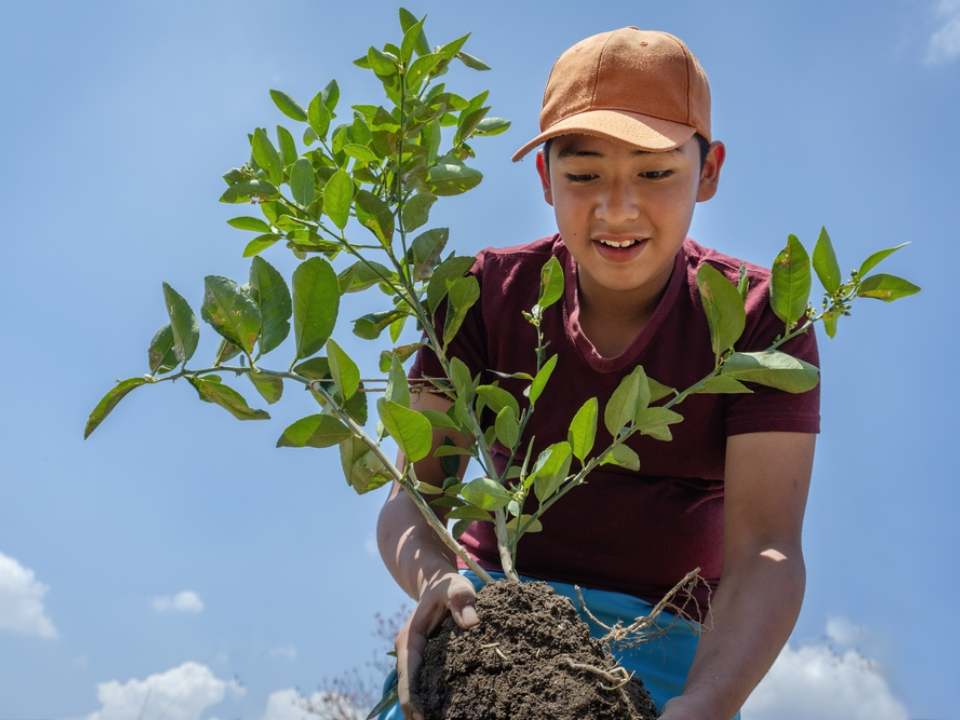
Native trees are a fantastic addition to any backyard, offering both food and shelter for birds. Many birds rely on tree seeds, fruits, and insects for nourishment, so planting species like oaks, maples, and dogwoods can create a natural food source. These trees also provide shelter and a place for birds to build nests. Native trees are well-adapted to your local climate, making them easier to care for while also benefiting wildlife.
By planting a variety of trees, you can ensure year-round benefits for birds. Deciduous trees offer great cover in the warmer months, while evergreen trees provide shelter during the winter. Additionally, many native trees attract insects, which are an important food source for insect-eating birds. Adding a few well-chosen trees will make your backyard more welcoming for birds at the end of winter.
Seed Blocks and Suet Cakes
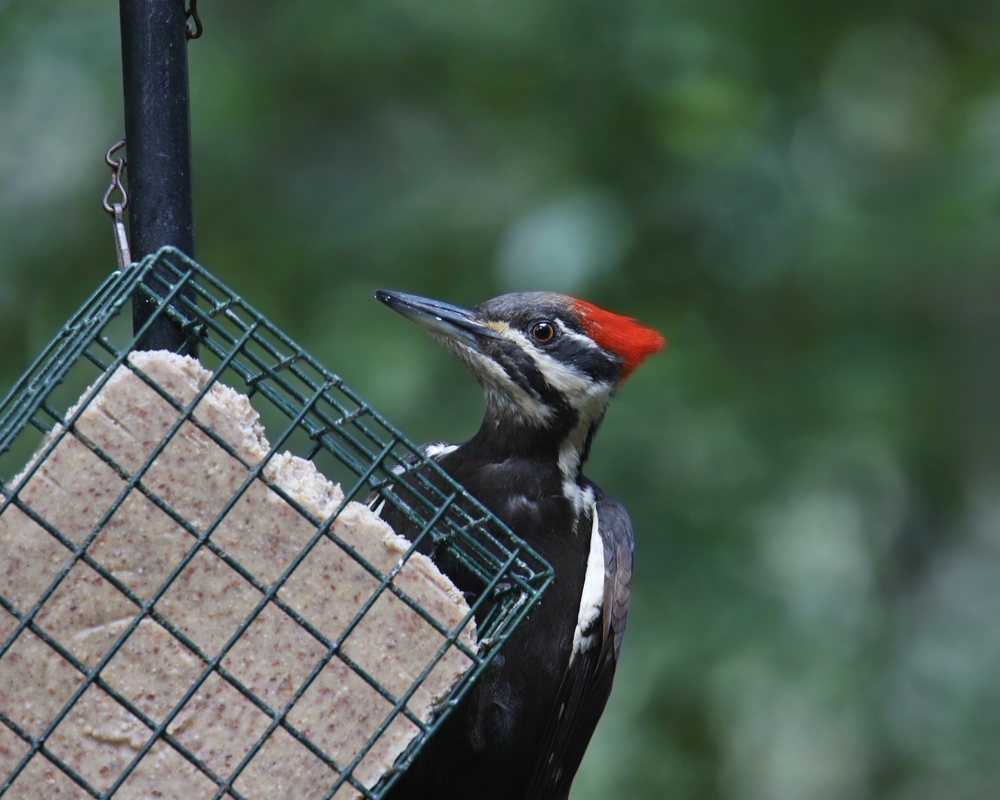
Seed blocks and suet cakes are an excellent way to provide energy-rich food for birds during the final stretch of winter. These food sources are especially useful for smaller birds or those needing extra calories to stay warm. Place them in feeders or hang them from trees for easy access. Suet cakes, in particular, are packed with fats, making them ideal for fueling birds through the colder months.
Birds are likely to visit these food sources more frequently as they contain the nutrients and energy they need to survive. Look for seed blocks or suet cakes made with high-quality ingredients like sunflower seeds, peanuts, and dried fruit. These treats are easy to store and can be replenished throughout the season. Offering these food sources ensures that birds have the strength they need to endure until warmer weather arrives.
Tree Stumps and Logs for Perching
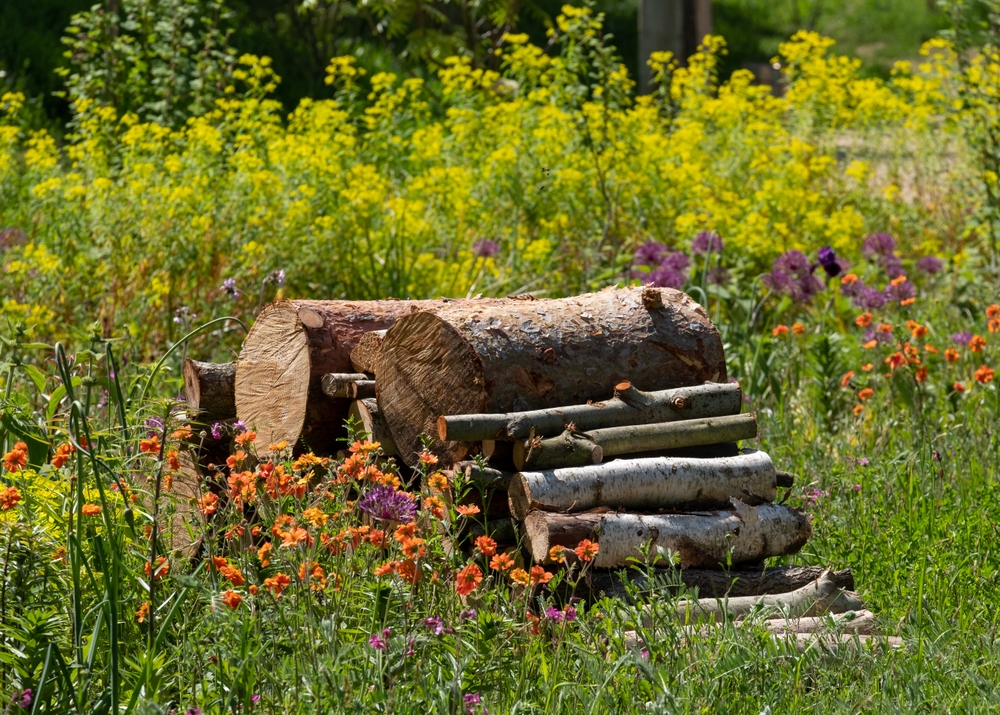
Placing tree stumps or logs in your backyard creates natural perches for birds. Birds love to sit on elevated spots to survey their surroundings and rest between feeding. A simple log or stump can also act as a base for birdbaths or feeders, providing easy access for birds to hop onto. These natural features blend well into the landscape and give your backyard a rustic, natural look.
Logs and stumps also provide a home for insects, which attract insect-eating birds. Consider positioning the logs in areas where birds are likely to feel safe, such as near shrubs or low-traffic zones. Over time, these logs may attract birds looking for places to perch during the colder months. They offer a practical and environmentally friendly way to improve your bird-friendly backyard.
Wildflower Patch for Food and Habitat
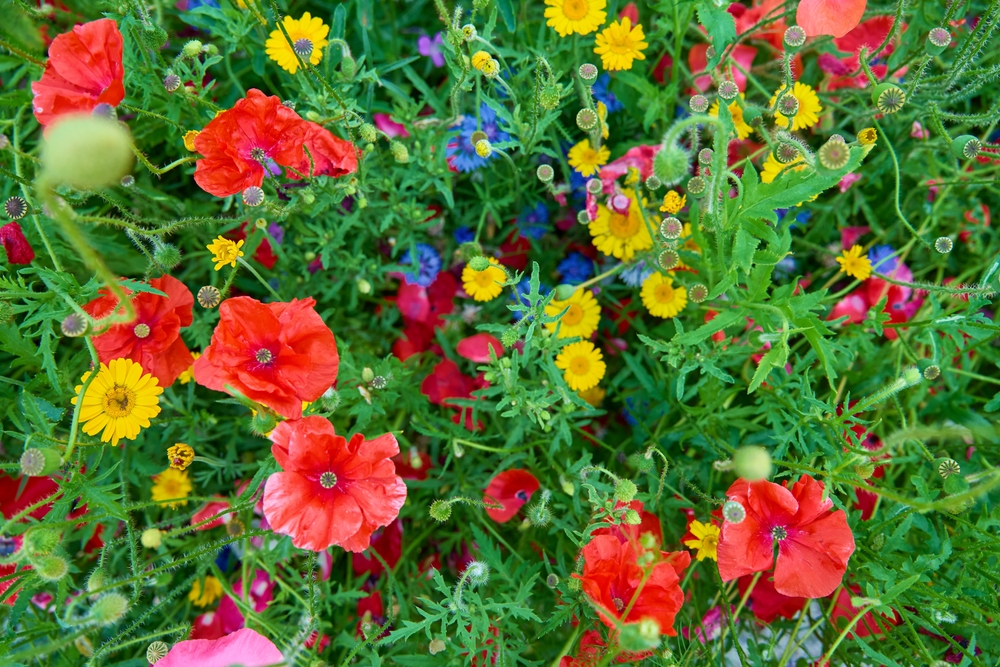
A wildflower patch is a great way to bring vibrant colors and variety to your backyard while also supporting birds. Wildflowers attract insects, which are a key food source for many birds, especially during spring. Some wildflowers also produce seeds, which birds will eat when they’re ripe. Choose native wildflowers that are suited to your climate to ensure they thrive and draw in local bird species.
In addition to providing food, wildflowers create a habitat that helps with bird nesting and shelter. A patch of wildflowers offers a beautiful and natural backdrop for birdwatching. The variety of colors and textures can also enhance the aesthetic of your garden. By planting these flowers, you’re not just helping birds survive the end of winter—you’re setting the stage for a thriving ecosystem come spring.
Birdwatching Station
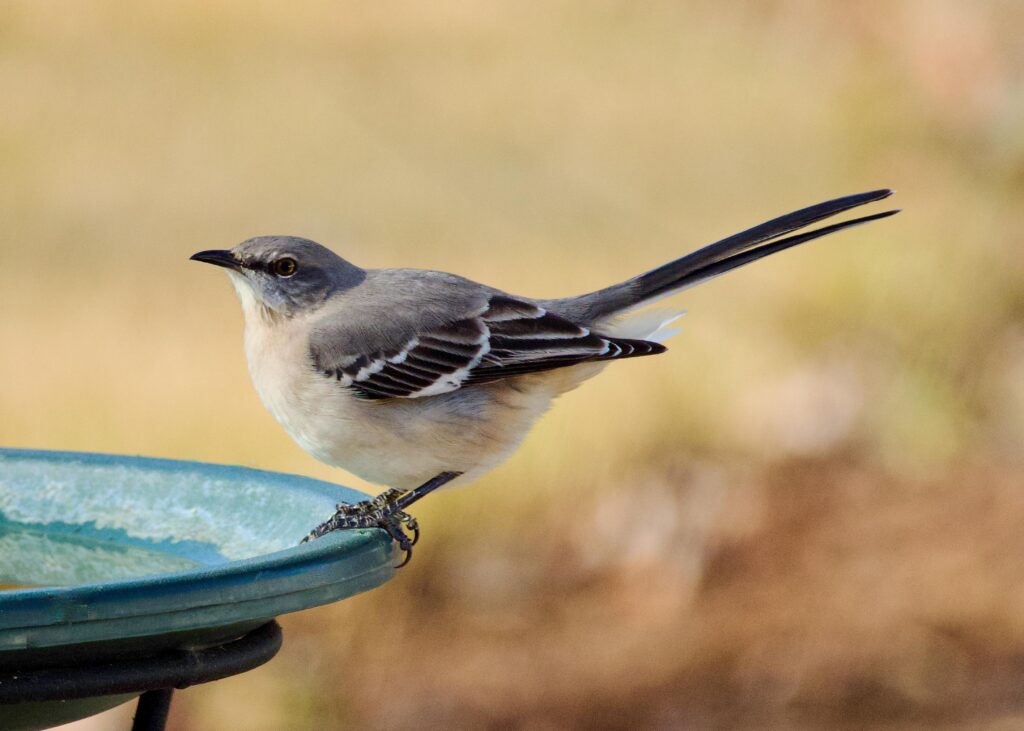
Setting up a birdwatching station is a great way to enjoy the presence of birds in your backyard while offering them support. A station can include feeders, birdbaths, and shelters, all placed near a quiet area where you can sit and observe. Use comfortable seating and binoculars to watch birds in their natural habitat, and be mindful to stay as undisturbed as possible. Keeping your distance helps birds feel safe and encourages them to stay longer.
This setup also provides a great opportunity to learn more about the different species visiting your yard. You can even keep a journal or make notes about the birds you see. A birdwatching station can be a relaxing way to connect with nature and support local wildlife during the colder months. It encourages mindfulness and appreciation for the beauty of birds in their environment.
Hanging Plants for Additional Shelter
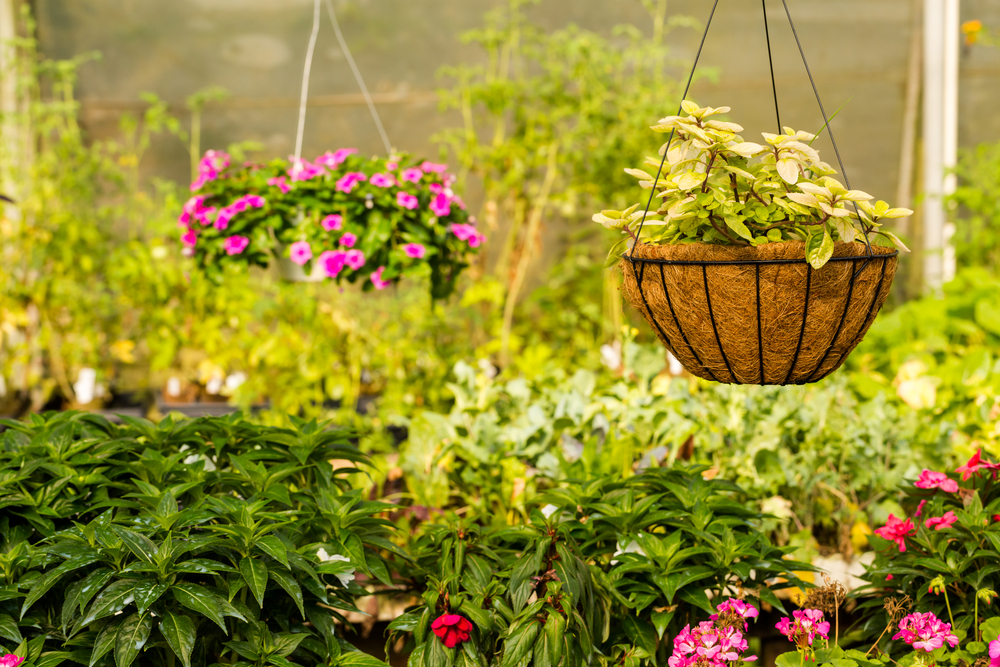
Hanging plants can add beauty and provide shelter for birds during the end of winter. Opt for hanging planters that feature trailing plants or vines that can offer cover for birds. These plants act as natural windbreaks, keeping birds sheltered during harsh weather. Some birds may even seek out the plants as places to hide or perch.
You can choose a variety of plants for these hanging spaces, from evergreen vines to blooming flowers in the spring. Be sure to select plants that are suitable for your local climate and that can tolerate the colder temperatures. This addition not only supports birds but also adds aesthetic value to your backyard. It’s an easy and effective way to blend functionality with beauty.
Mulch for Ground Cover
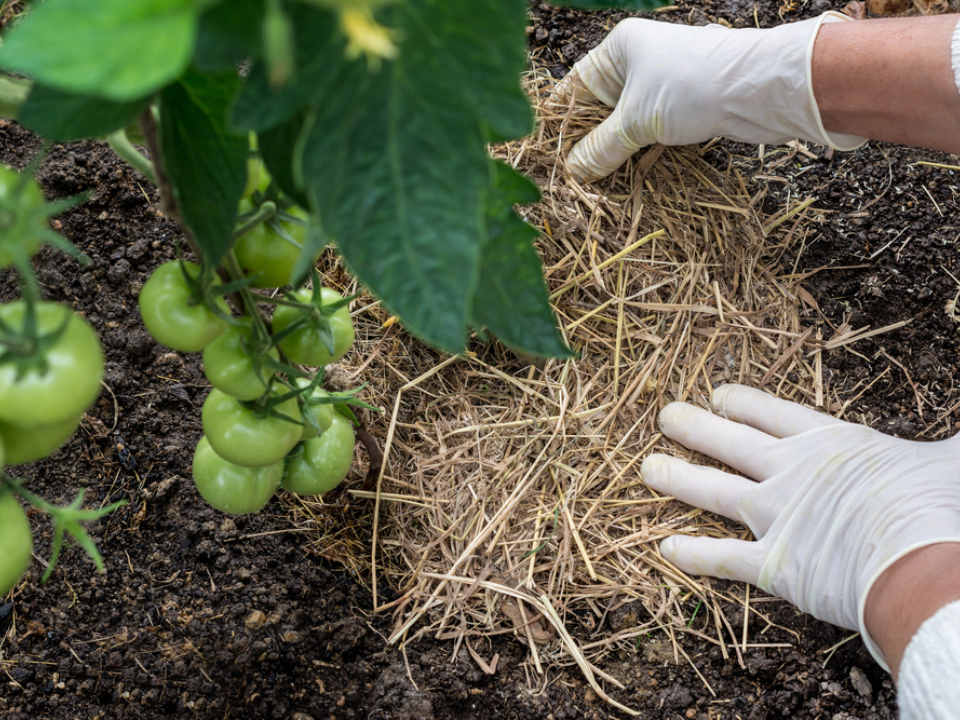
Mulching your garden beds provides a soft, insulated surface for birds to forage and rest. Mulch also helps to protect the soil from freezing, keeping ground insects active during the colder months. Birds like to scratch through mulch in search of seeds and bugs, making it an excellent addition to your bird-friendly space. Organic mulch made from leaves, bark, or straw is ideal for creating a natural environment.
Consider adding a layer of mulch around shrubs and trees where birds can easily access it. The mulch provides warmth and protection for both birds and plants, helping them thrive as the weather changes. A well-maintained mulch bed offers a quiet, sheltered spot where birds can feel safe from predators. It’s a simple yet effective way to support wildlife during the end of winter.
Bird-Safe Pruning
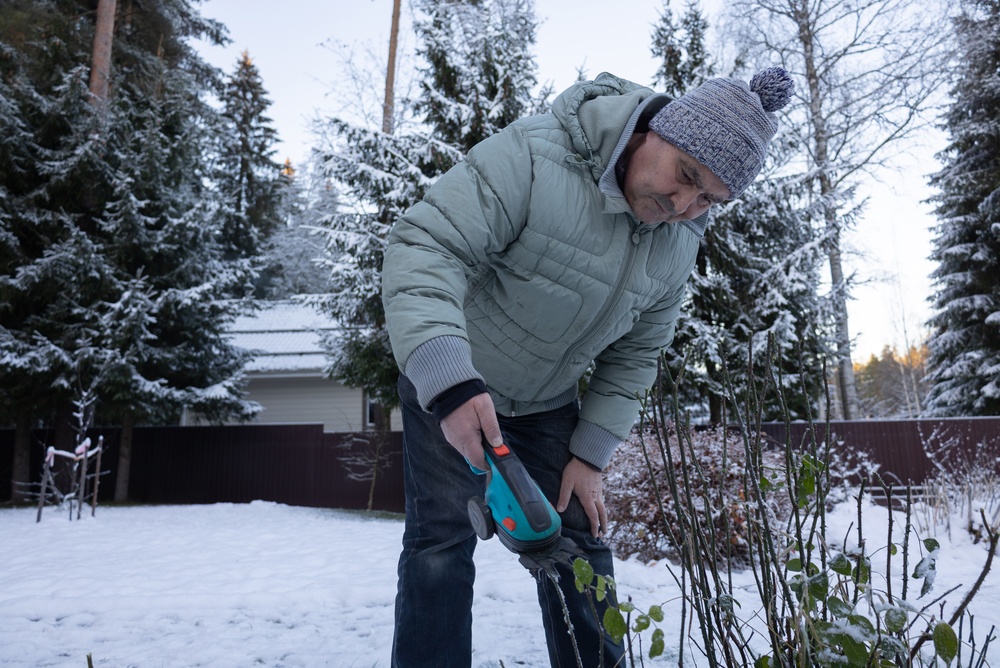
Pruning trees and shrubs before the end of winter ensures that birds have access to healthy branches for shelter and nesting. Make sure to remove dead or damaged branches, but avoid cutting too much, as birds rely on these areas for resting spots. Pruning also helps maintain the overall health of your trees and bushes, ensuring that new growth will attract more birds in the spring. Trim back any overgrown foliage to improve the overall shape and accessibility for birds.
Proper pruning can also prevent branches from becoming too heavy and breaking under the weight of snow or ice, ensuring that your yard remains safe for birds. Remember to prune in early winter or late winter, avoiding the spring nesting season. This allows birds to find their perfect nesting spots without disrupting their habitat. A well-pruned yard offers shelter, safety, and comfort for birds as they transition into the warmer months.
Compost Pile for Insect-Eating Birds
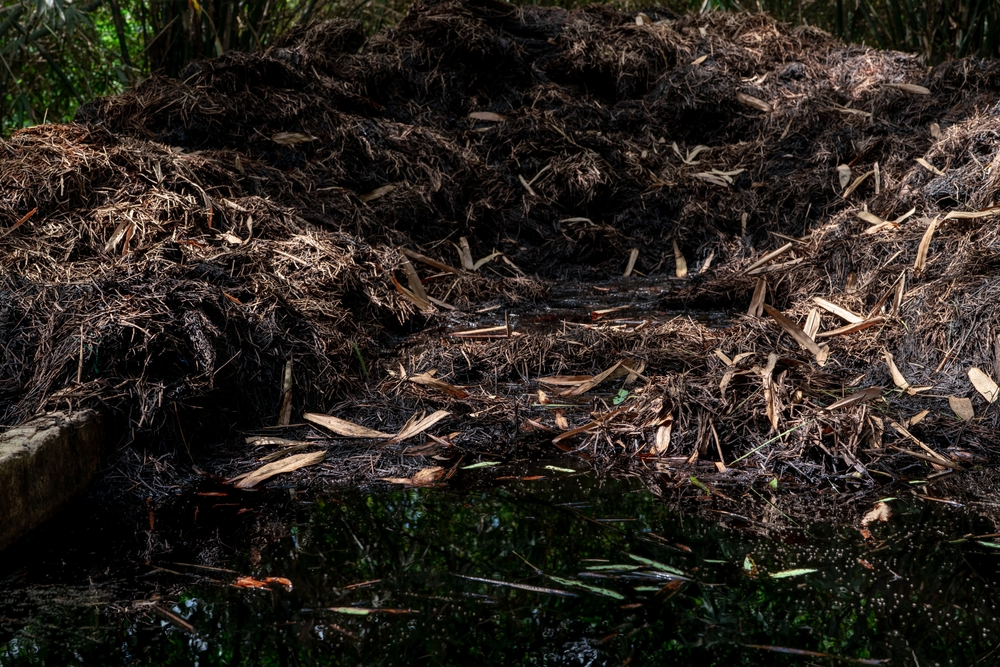
A compost pile is an excellent way to provide food for insect-eating birds. As organic material breaks down, it attracts insects such as worms and beetles, which are a natural food source for many birds. Position your compost pile in a secluded area of the yard, away from the main activities, to keep it undisturbed. Birds like robins and bluebirds will visit regularly to forage for bugs.
To make your compost pile even more bird-friendly, include vegetable scraps, leaves, and small branches. This adds variety to the insects available while also enriching the soil for future gardening. A compost pile provides birds with a reliable food source while also helping you recycle organic waste in your yard. It’s a sustainable and natural way to support local wildlife.
This article originally appeared on Avocadu.