
14 Easy Pollinator Prep Tasks You Can Do Before Flowers Bloom
The right prep work before flowers bloom can set the stage for a pollinator-friendly garden. Simple tasks like cleaning up garden debris and adding plants that attract pollinators can make a big impact. It’s a great way to support local bees, butterflies, and other essential insects. Preparing now will help your garden thrive once the growing season begins. Here’s a look at easy ways to prepare your garden for pollinators before the blooms arrive.
This post may contain affiliate links, which helps keep this content free. Please read our disclosure for more info.
Clean Up Garden Debris
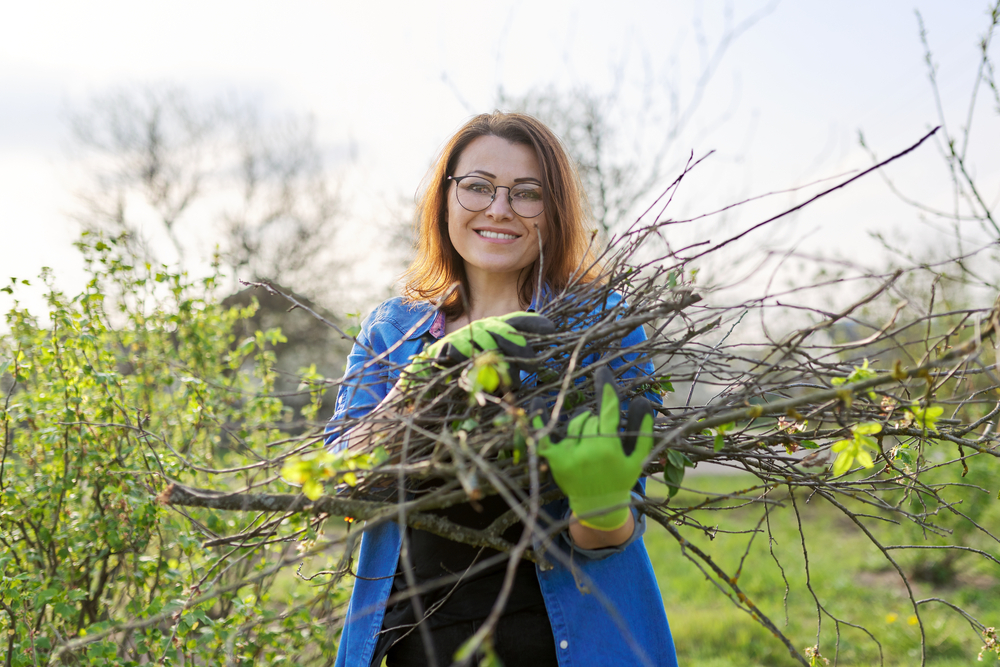
Before the flowers bloom, it’s important to clean up your garden and remove any leftover leaves or dead plants from last season. This not only improves the appearance of your garden but also makes it easier for pollinators to access the fresh blooms when they arrive. Pollinators like bees and butterflies need clear, open spaces to forage and find food. By removing old debris, you create a clean and inviting environment for them to thrive in when flowers start to appear.
Additionally, leftover plant material can often harbor pests or diseases, which could affect your garden’s health. Cleaning up helps reduce the chance of these issues spreading. It also provides more space for new plants to grow and attract pollinators. This small task will set the stage for a healthy, welcoming garden in the upcoming growing season.
Plant Early Blooming Flowers
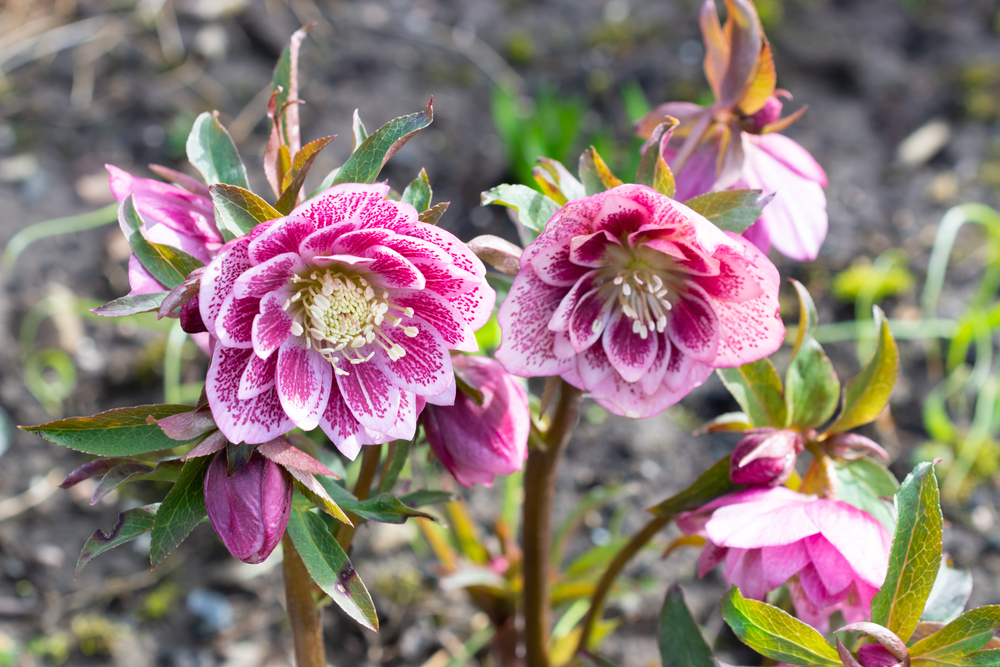
One of the best ways to attract pollinators is by planting flowers that bloom early in the season. Flowers like crocus, hellebores, and primroses are some of the first to show up, providing much-needed nectar for hungry bees and butterflies emerging from winter. Having early blooms is crucial because they provide an important food source when other plants have not yet flowered. By getting these plants in the ground now, you’ll be supporting local pollinators as soon as they start flying.
Not only do early-blooming flowers support pollinators, but they can also give your garden a beautiful early-season color boost. Choose plants native to your region, as they will be the most familiar and attractive to local pollinators. Be sure to plant in clusters to make it easier for pollinators to find the nectar. This simple task can help bring life and energy to your garden in the early months of spring.
Provide Water Sources
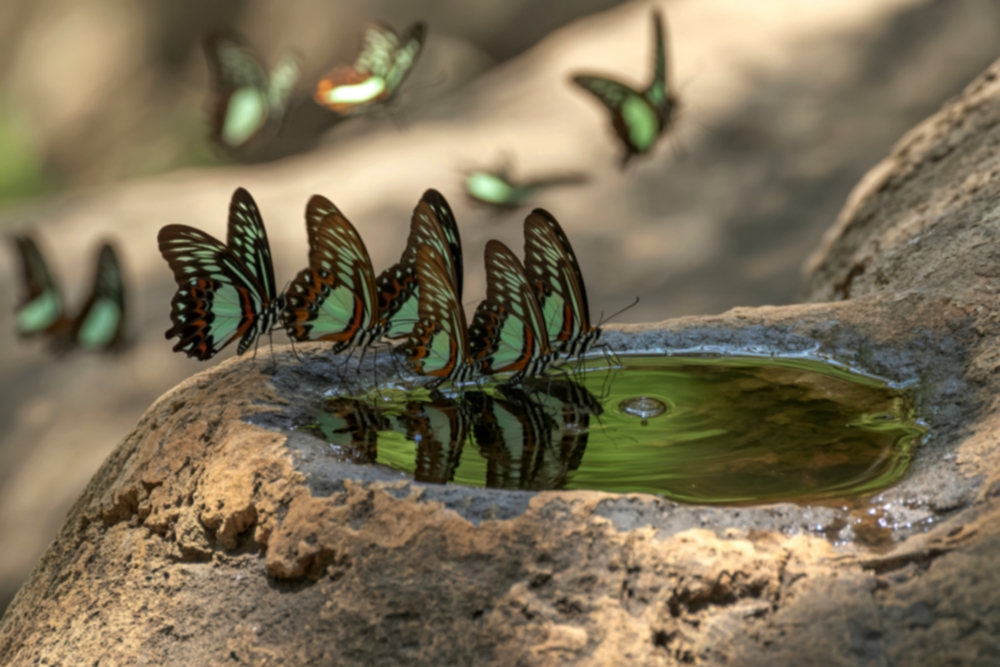
Pollinators, just like any other creature, need water to survive. Setting up small water sources, like a shallow birdbath or a small pond, can help attract pollinators to your garden. Make sure the water is not too deep, as pollinators can get trapped. Adding stones or sticks to the water will give them a safe spot to land and drink from. A clean water source is a key resource that supports pollinators through the warmer months.
Remember to change the water regularly to prevent mosquitoes from breeding and to keep the water fresh. A good water source is especially important during dry spells, as it ensures pollinators have access to what they need. By providing water, you’re not only helping pollinators, but you’re also enhancing your garden’s ecosystem. This simple task requires minimal effort and can make a big difference.
Build a Bee Hotel
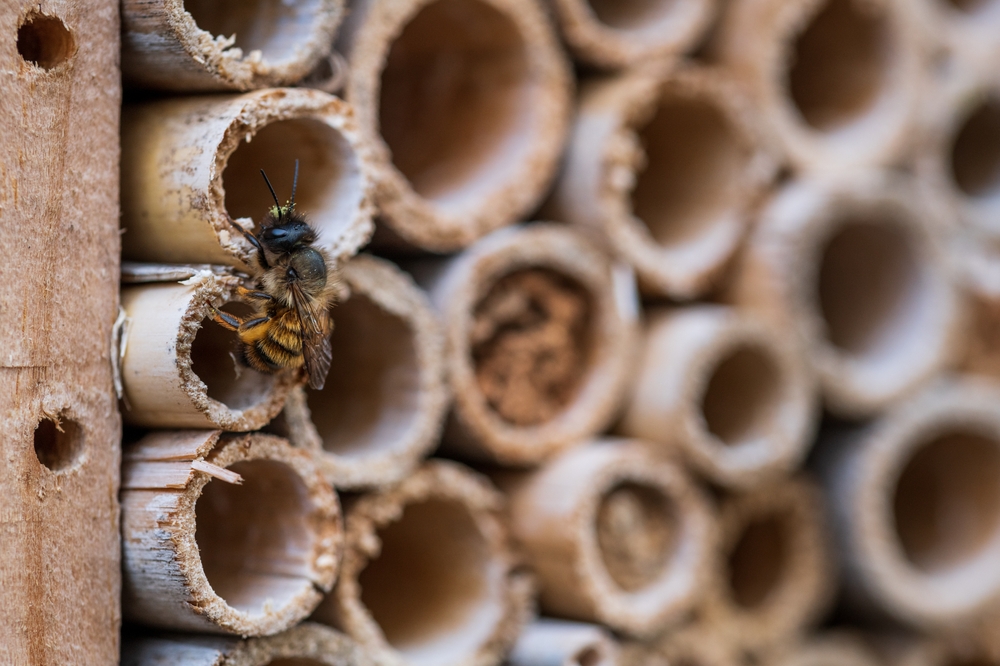
A bee hotel is a great way to support solitary bees that do not live in colonies but still play a vital role in pollination. These bees will nest in hollow stems, wood, or specially created structures. You can build a simple bee hotel using natural materials like bamboo, hollow reeds, or even wood blocks with holes drilled into them. Place the hotel in a sunny spot where bees are likely to find it.
Bee hotels help provide safe spaces for bees to nest and lay their eggs. It’s a small, eco-friendly project that can have a huge impact on your local pollinator population. You don’t need to be a carpenter to create one, as there are plenty of easy DIY ideas online. Having a bee hotel will encourage these beneficial insects to stay in your garden and help pollinate your flowers.
Avoid Using Harmful Pesticides
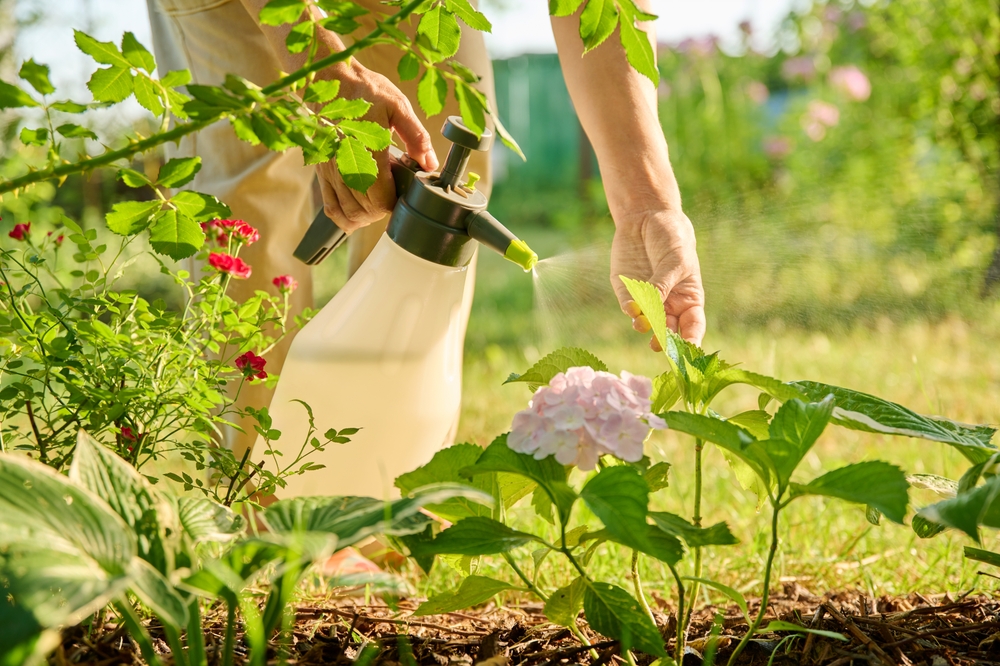
Pesticides are often harmful to pollinators, as they can kill beneficial insects like bees and butterflies. Consider using natural or organic alternatives when it comes to pest control in your garden. There are many non-toxic products available that can help keep pests in check without harming pollinators. If you must use a pesticide, try to apply it in the evening when pollinators are less active.
Avoiding harmful chemicals is crucial for the health of your garden and its pollinators. You can also use companion planting to naturally repel pests, which reduces the need for chemical solutions. By making this change, you create a safer environment for bees and other pollinators to thrive. This small decision will have a lasting positive effect on the ecosystem in your garden.
Mulch Your Garden
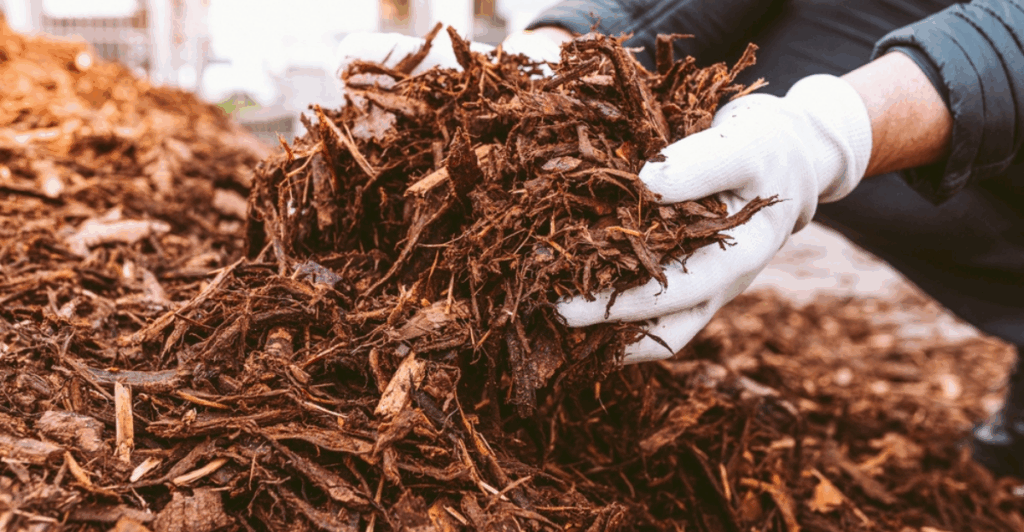
Mulching is a great way to help your garden retain moisture during the early season, but it also benefits pollinators. A layer of mulch provides shelter for insects and other small creatures, offering them a place to hide from predators and harsh weather. This is especially important in early spring when the weather can still be unpredictable. A good mulch layer can also help prevent weeds from competing with your flowering plants.
Using organic mulch, such as shredded leaves or wood chips, will break down over time, enriching the soil. As it decomposes, it attracts earthworms and other beneficial insects that help pollinators. It’s an easy way to promote a healthy and vibrant ecosystem in your garden. Just be sure to apply it correctly, leaving some space around plant stems to prevent rot.
Plant Pollinator-Friendly Herbs
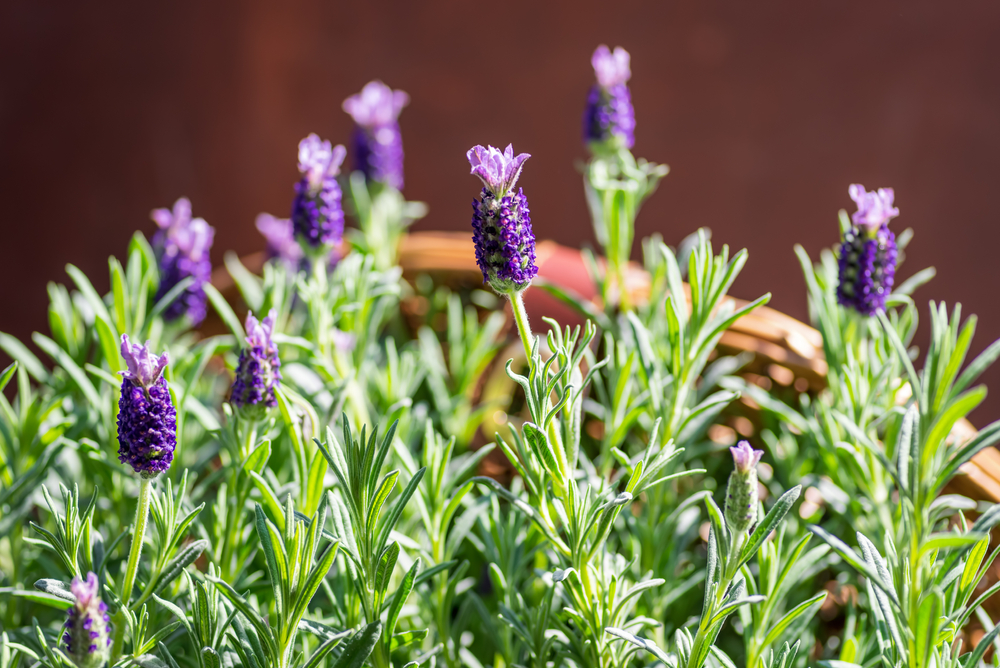
Herbs are a fantastic addition to any garden, and many are particularly attractive to pollinators. Plants like lavender, rosemary, thyme, and basil are not only useful in the kitchen but also provide much-needed nectar for bees and butterflies. Herbs often have a longer flowering period, meaning they can keep pollinators fed throughout the growing season. You can plant herbs in containers, along garden borders, or in garden beds for easy access.
Additionally, many herbs are low-maintenance and can thrive in a variety of soil types. By adding these plants, you are supporting local pollinators while also enjoying fresh herbs for cooking. These plants also attract other beneficial insects like ladybugs, which help control pests. It’s an easy and rewarding way to help your garden bloom while supporting pollinator populations.
Create Pollinator Pathways
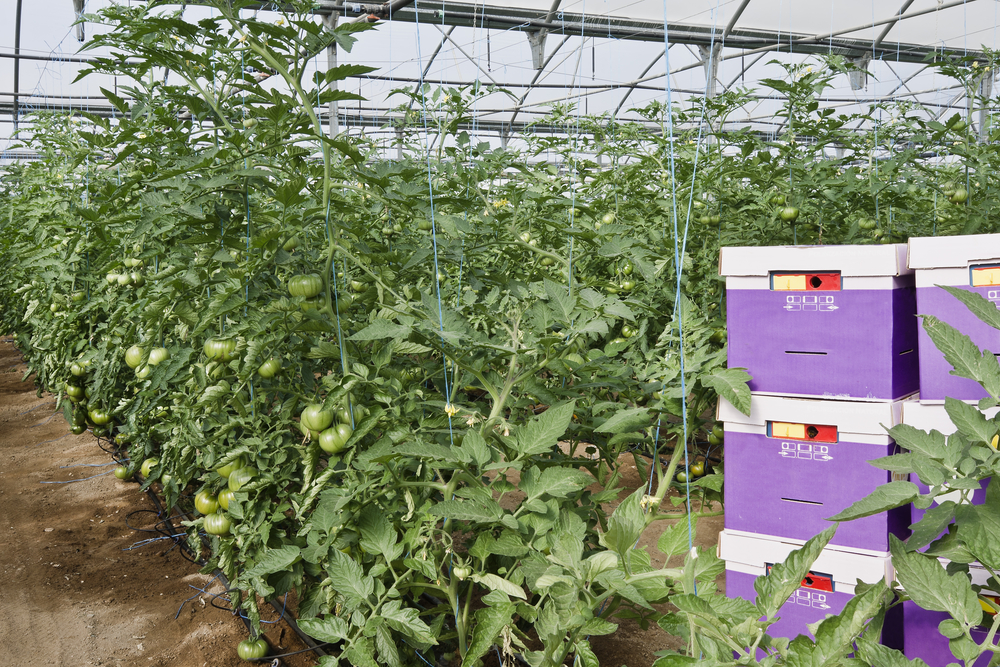
Creating pollinator pathways means planting a series of plants that bloom at different times, ensuring that pollinators always have access to nectar. This is a great way to encourage pollinators to stay in your garden throughout the growing season. By selecting a variety of plants that flower in succession, you’ll create a continuous food source. This will keep bees, butterflies, and other pollinators happy and well-fed.
You can design these pathways along the edges of your garden or in areas that receive a lot of sunlight. Choose native plants, as they are better suited to local pollinators and provide the food they need. Pollinator pathways are easy to create and require minimal upkeep, making them a great option for any garden. The result will be a garden that supports pollinator populations while creating a beautiful landscape.
Support Native Plant Species
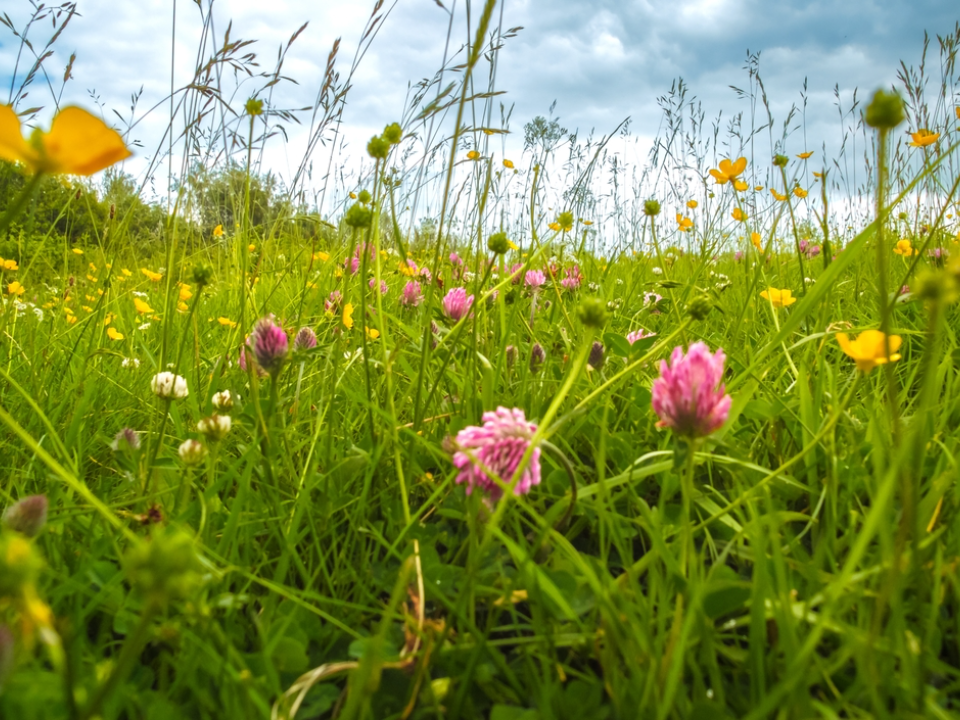
Native plants are crucial for pollinators, as they have evolved alongside them over thousands of years. These plants provide the most suitable habitats and food sources for local pollinators. When selecting plants for your garden, prioritize native species to give pollinators the best chance of thriving. Local pollinators, including bees and butterflies, are most attracted to native plants because they recognize the plants and their flowers.
Native plants also require less maintenance and water, as they are adapted to the local climate. They also attract a wide range of beneficial insects, contributing to a balanced garden ecosystem. By planting native species, you not only support pollinators but also help conserve the environment. This simple step can have a profound effect on the health of your garden and local wildlife.
Avoid Over-Pruning
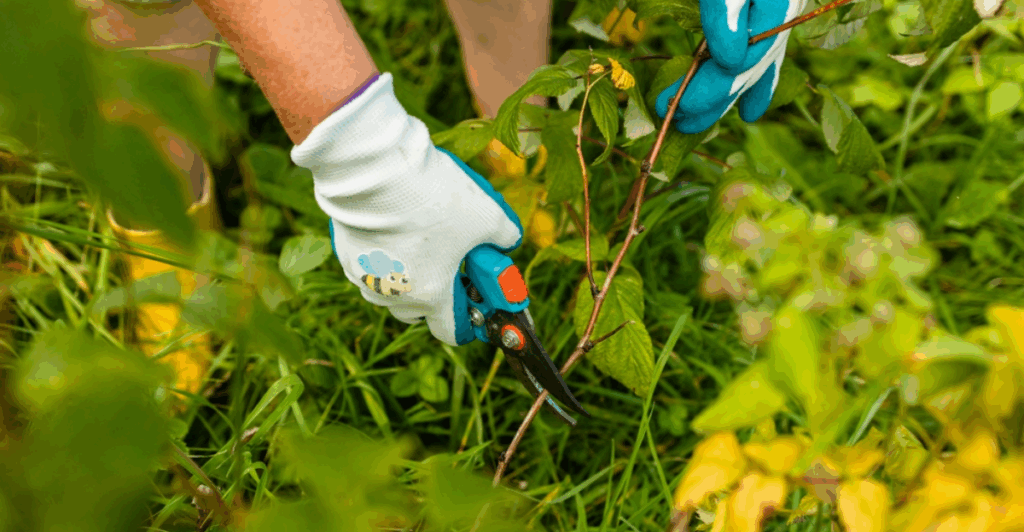
Pruning is a common garden task, but over-pruning can harm pollinators by destroying their habitats. While it’s important to trim dead or damaged plants, try to avoid cutting back too much. Many pollinators, including bees and butterflies, use plant stems, branches, and leaves as places to rest or hide. By leaving some plants intact, you provide shelter for these creatures when they need it most.
Over-pruning can also delay the growth of flowers that pollinators rely on. Instead, focus on light pruning to maintain the health of your plants without disturbing their structure. Allowing plants to grow naturally offers more opportunities for pollinators to find shelter and food. This simple task helps maintain a healthy garden environment for both plants and pollinators.
Remove Invasive Species
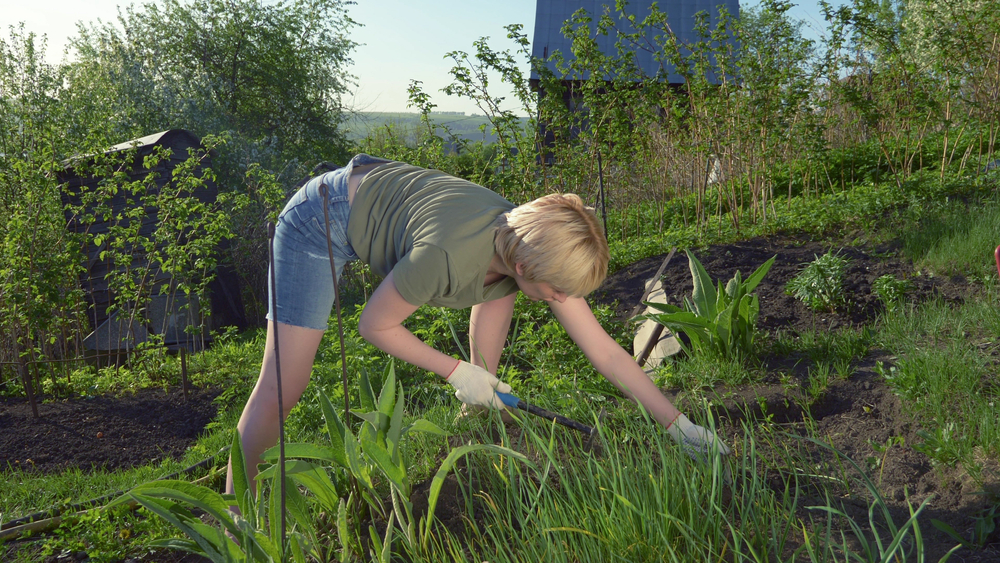
Invasive species can harm local ecosystems by outcompeting native plants and reducing available food sources for pollinators. Take the time to remove any invasive plants in your garden and replace them with native options that support pollinators. Common invasive species like kudzu and Japanese knotweed can quickly take over, leaving little room for native plants to grow. By eliminating these invaders, you’ll help maintain a healthy balance in your garden.
When removing invasive species, it’s important to follow proper disposal methods to prevent them from spreading. Some invasive plants have deep roots that can regrow if left behind, so make sure to dig them up completely. Replacing them with native plants will not only help pollinators but will also encourage biodiversity in your garden. This step supports the entire ecosystem and contributes to the health of your garden.
Prepare for Pollinator Habitat Restoration

If you have a larger space, consider preparing an area for pollinator habitat restoration. This might involve removing lawn or non-native species and replacing them with a mix of native plants that attract pollinators. By restoring pollinator habitats, you create a long-term solution that benefits both your garden and the local ecosystem. You can start by researching the best plants for your area and planning where to place them.
Restoration can take time, but the benefits are immense. It provides pollinators with a natural, sustainable environment to thrive in year after year. By including a mix of plants, trees, and shrubs, you provide shelter, food, and nesting sites. Pollinator habitat restoration is a powerful way to make a lasting difference in supporting local wildlife.
Use Companion Planting
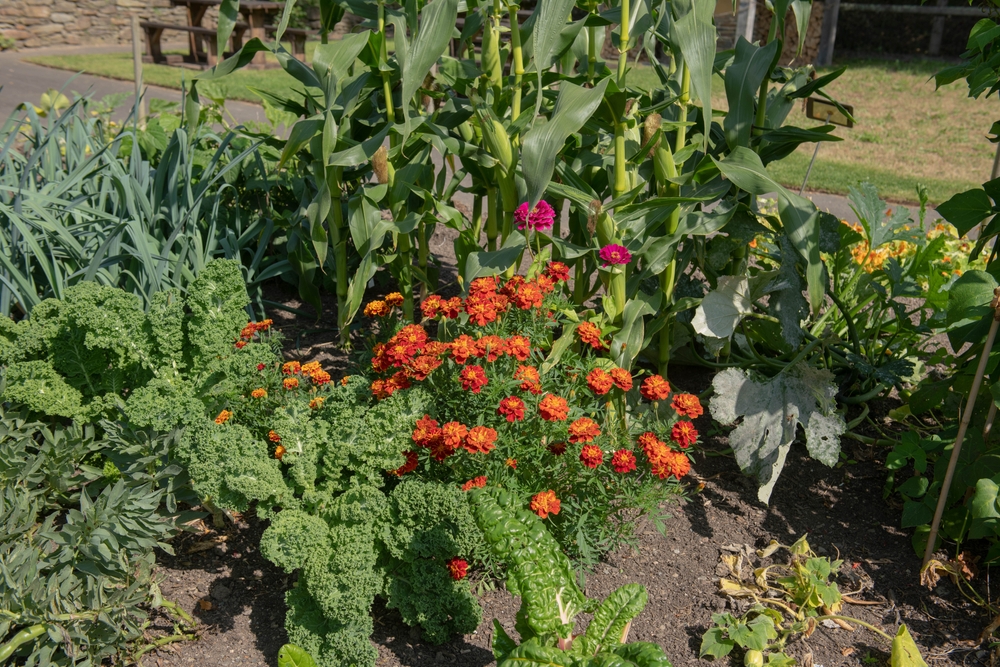
Companion planting is a natural method of planting two or more plants together that benefit each other. Certain combinations of flowers, herbs, and vegetables can help attract pollinators to your garden. For example, planting marigolds near tomatoes can attract bees and other pollinators while helping to repel pests. By strategically planting compatible species, you can enhance your garden’s ability to support pollinators.
This method also helps improve the health of your plants by encouraging natural pest control and better pollination. Companion planting is a simple, effective way to maximize the space in your garden while supporting pollinators. It’s an eco-friendly practice that reduces the need for chemicals and promotes a more balanced garden ecosystem. This task is an easy, natural way to help your pollinator population grow.
Educate Yourself About Pollinator Needs

Understanding the needs of pollinators is a crucial step in preparing your garden for them. Spend some time researching which species are native to your area and the specific plants they prefer. Pollinators, including bees, butterflies, and hummingbirds, each have unique requirements. By learning about these needs, you can tailor your garden to support them effectively.
Knowledge is the first step in becoming a successful pollinator advocate. You can visit local gardens, talk to experts, and even participate in community projects to expand your understanding. The more you know, the better you can support these important creatures. This preparation will pay off as you see a thriving pollinator population in your garden come spring.
This article originally appeared on Avocadu.