
14 Heritage Honey Types with Tasting Notes That Change by Season
Honey is not just a sweet treat; it tells the story of the seasons, the land, and the flowers in bloom. Each variety has its own unique flavor that shifts depending on the time of year, offering a delightful experience for the taste buds. As the seasons change, so does the honey, reflecting the differences in weather, flower availability, and nectar sources. Whether you are tasting a rich, dark honey or a light, floral variety, each one brings its own distinct notes and personality. For honey enthusiasts, the flavors that develop throughout the year add an exciting layer to this natural sweetness. From the first bloom of spring to the late harvest of fall, these honeys provide a wonderful way to explore the changing landscape and flavors.
This post may contain affiliate links, which helps keep this content free. Please read our disclosure for more info.
Buckwheat Honey
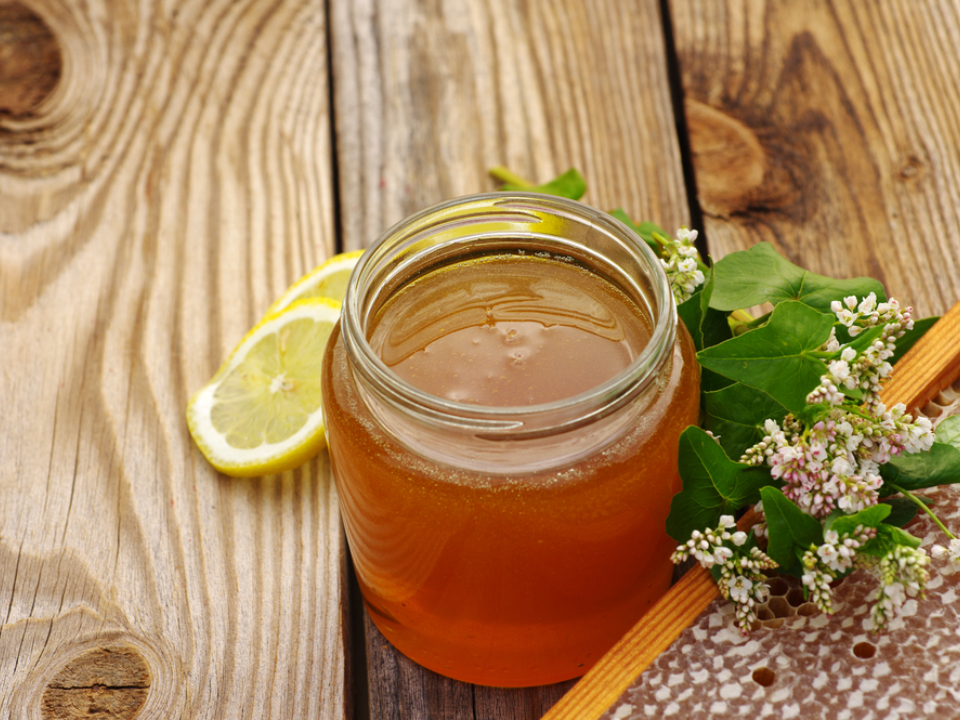
Buckwheat honey is known for its bold, dark color and rich, molasses-like flavor. This honey is harvested from the nectar of buckwheat flowers, which bloom in late summer and early fall. During the warmer months, this honey offers an earthy, almost spicy profile that is much stronger than lighter varieties. Its taste is robust, with hints of malt and sometimes a slight tang.
Buckwheat honey tends to be thicker than other types, with a smooth yet grainy texture. The deep flavor of this honey makes it perfect for pairing with strong cheeses or drizzling over hearty breads. As the season shifts to cooler temperatures, its flavor deepens, offering more intense notes of caramel and roasted coffee. The consistency also becomes firmer, especially as it crystallizes over time.
Clover Honey
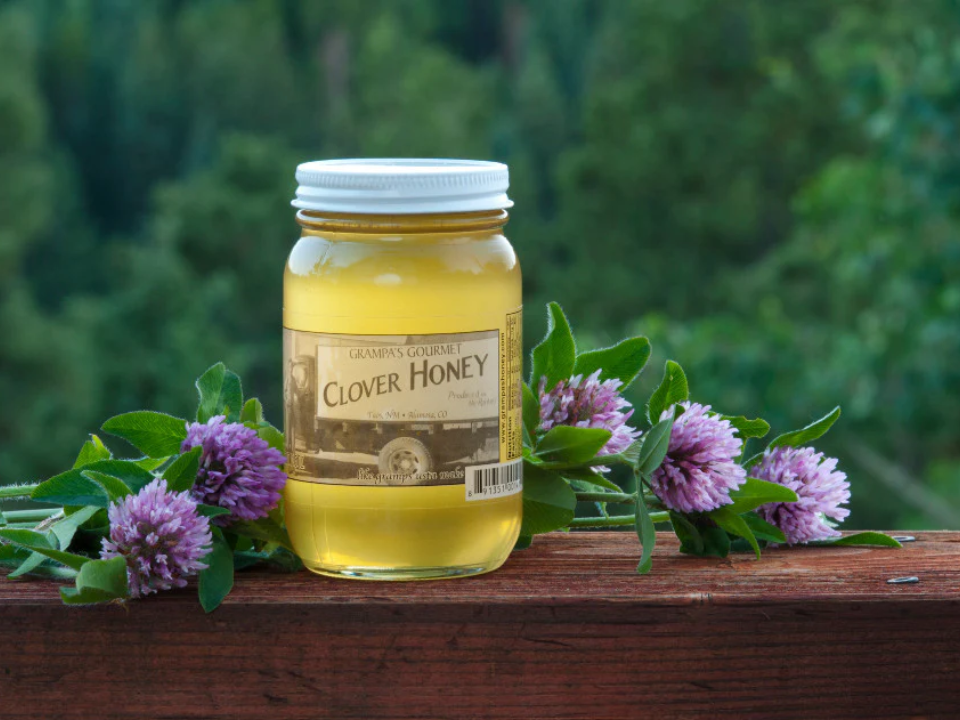
Clover honey is one of the most popular types, offering a mild, sweet taste that many people find comforting. This honey is produced by bees that gather nectar from clover flowers, which bloom in spring and early summer. During the height of its season, clover honey has a light golden color and a delicate floral flavor with just a hint of vanilla. As the summer progresses and temperatures rise, the taste tends to mellow, giving way to a slightly buttery finish.
Clover honey is versatile, commonly used in baking, as a sweetener in drinks, or simply spread on toast. It has a smooth, creamy texture, making it easy to spread or mix into various dishes. Its mild nature also allows it to pair well with a wide range of foods, from fruit to yogurt. By fall, clover honey’s flavor is noticeably more subdued, and its consistency may thicken as it crystallizes.
Lavender Honey
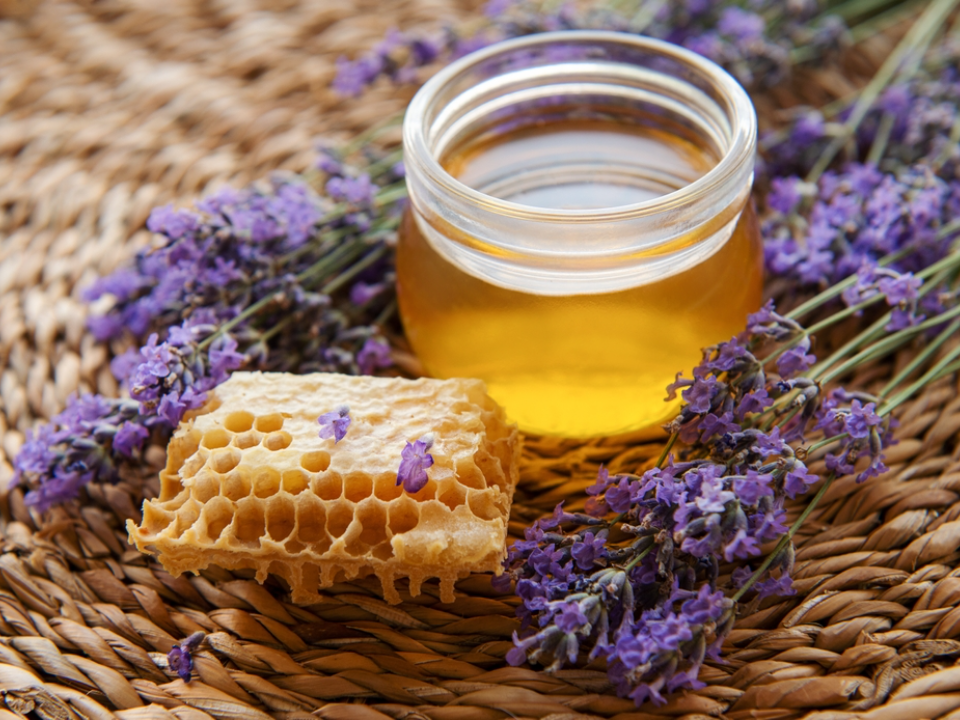
Lavender honey is a fragrant honey made from the nectar of lavender flowers, which bloom in the late spring and early summer. This honey has a light amber color and a floral, herbal flavor that is unmistakably aromatic. The taste has a refreshing, slightly citrusy edge that makes it unique. The lavender undertones are subtle, offering a balance between sweetness and a hint of floral perfume. As the season transitions from summer to fall, lavender honey’s flavor becomes slightly more robust, with the herbal notes becoming more pronounced.
The texture remains smooth and runny, but it can crystallize over time, giving it a more granular consistency. Lavender honey pairs wonderfully with baked goods, cheeses, and even in cocktails for a touch of floral sweetness. It also serves as a calming ingredient in teas, where its floral scent and soothing properties enhance the experience.
Orange Blossom Honey
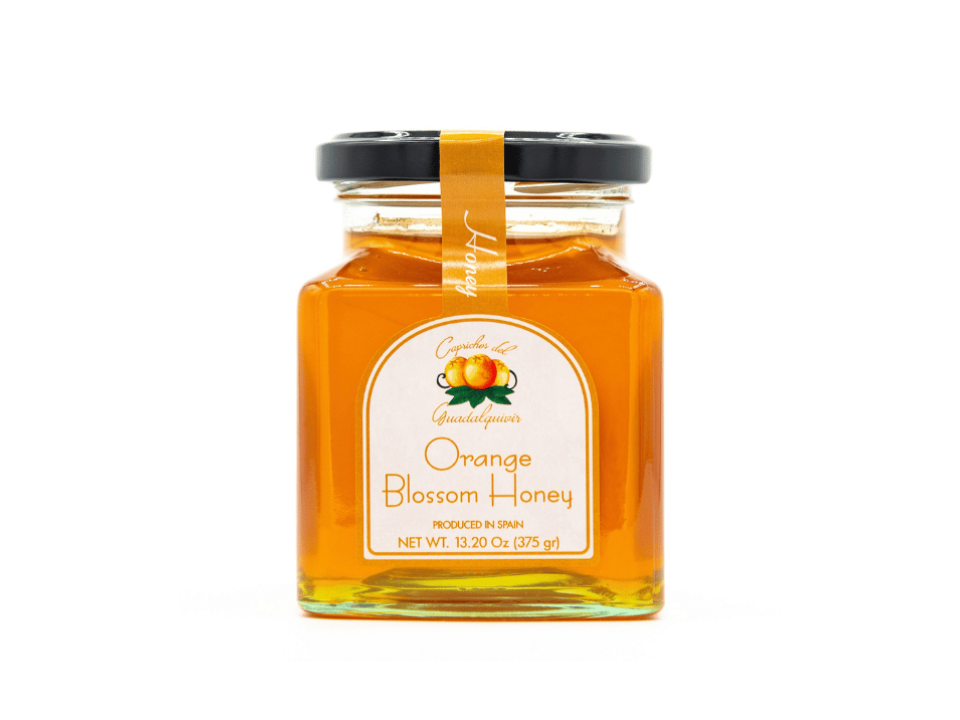
Orange blossom honey is made by bees that gather nectar from orange tree flowers, typically in late spring. This honey has a light, golden hue and a flavor profile that is both sweet and mildly fruity. The citrus notes are immediately apparent, providing a refreshing, clean taste with just a touch of tang. In the warmer months, orange blossom honey is at its peak, offering a bright and fragrant sweetness.
As the season progresses into autumn, the honey’s flavor becomes more subdued, and the citrusy zing becomes less pronounced. The texture is smooth, and the honey is usually light and liquid, making it easy to pour over fruit or use in salad dressings. Orange blossom honey is especially popular for adding a touch of sweetness to yogurt or ice cream. Its gentle citrus profile makes it a delightful addition to both sweet and savory dishes.
Thyme Honey
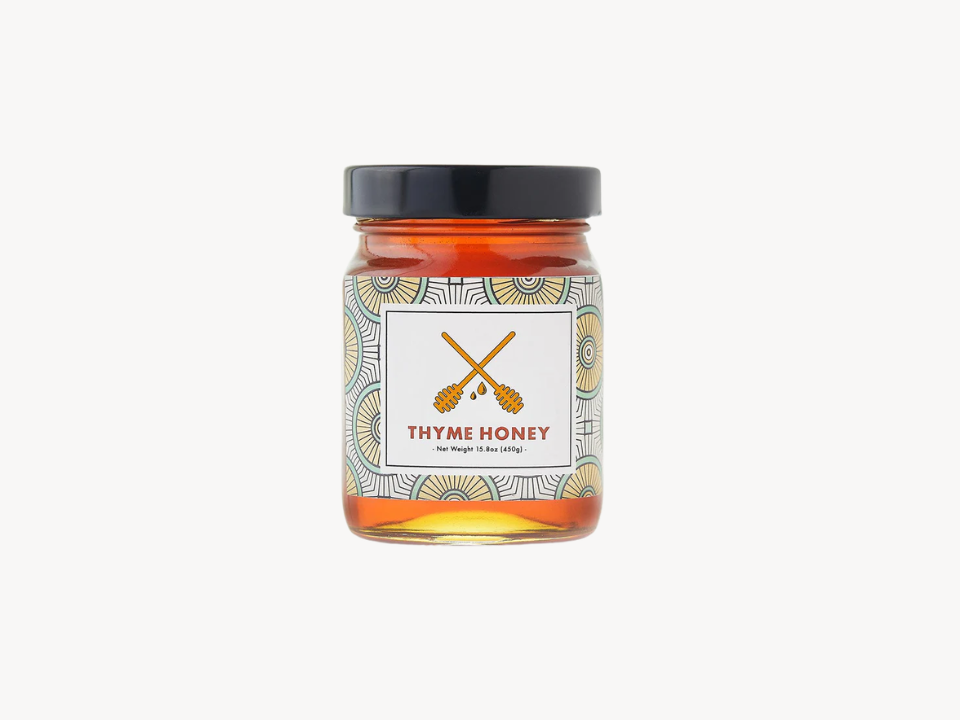
Thyme honey is produced from the nectar of thyme flowers, which bloom in late spring and summer. This honey is typically darker, ranging from amber to deep brown, with a complex flavor that includes earthy and herbaceous notes. It has a slightly pungent taste that can be described as savory, with hints of medicinal herbs. The flavor of thyme honey becomes more intense as the season progresses, with a deeper, almost balsamic sweetness that pairs well with roasted meats or sharp cheeses.
The honey’s texture is smooth, and it remains liquid throughout its harvest period. It is an excellent honey for those who prefer a more savory and bold flavor in their honey, and it can even be used in marinades or glazes. As fall arrives, thyme honey’s herbal qualities become more noticeable, offering a savory-sweet flavor that is perfect for autumn recipes. It can also be used to sweeten hot beverages or teas, where it complements the earthy flavors of herbs and spices.
Acacia Honey
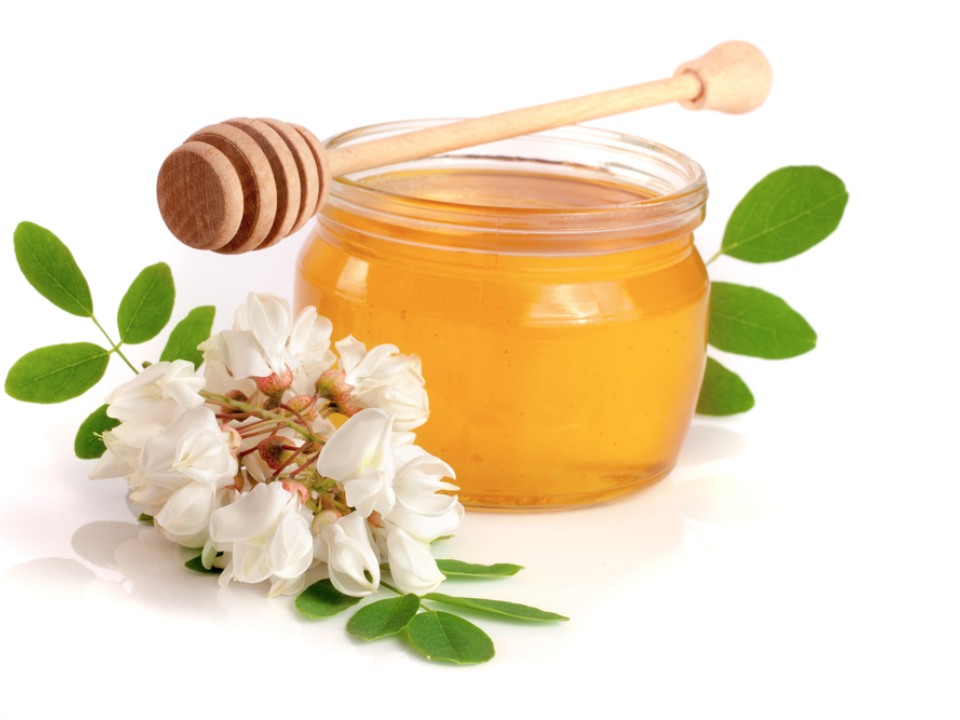
Acacia honey is made from the nectar of acacia tree flowers, which bloom in spring. This honey is known for its light color, ranging from nearly clear to pale gold, and its delicate, mild sweetness. The flavor of acacia honey is floral and slightly fruity, with a subtle taste of vanilla and a hint of almond. It is one of the lightest honeys in terms of both color and flavor, making it ideal for those who enjoy a less intense honey experience.
The texture is thin and runny, making it easy to drizzle over pancakes, waffles, or fresh fruit. As the season progresses into summer, the honey’s sweetness becomes more pronounced, and the floral notes become more intense. By late summer, acacia honey begins to crystallize, giving it a slightly grainy texture. This crystallization can also alter its flavor, making it richer and more complex, while retaining its light floral notes.
Eucalyptus Honey
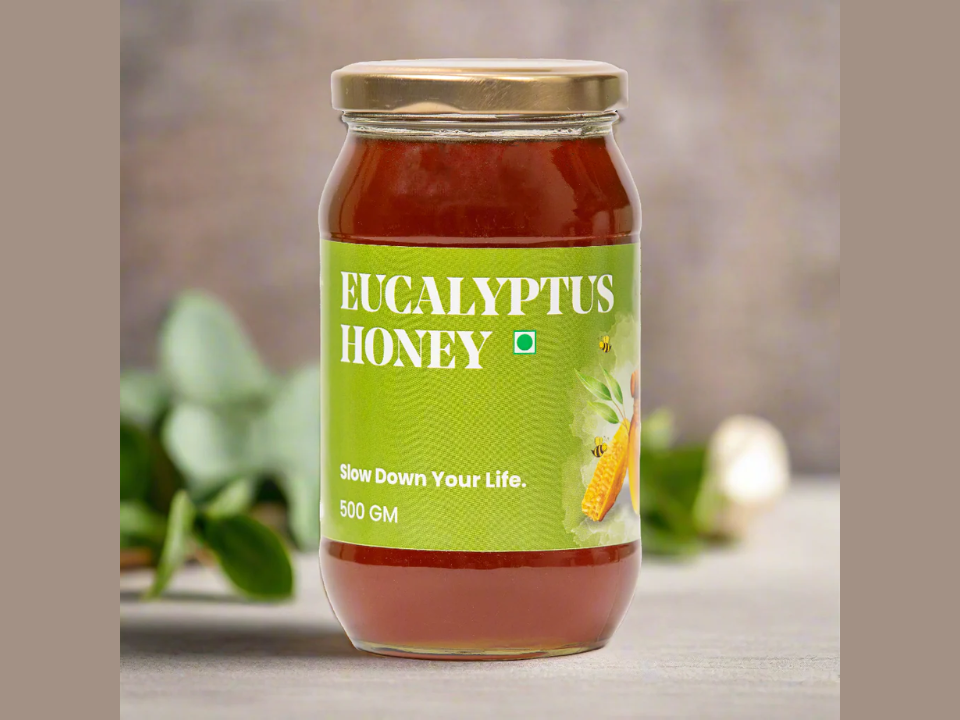
Eucalyptus honey is produced by bees that gather nectar from eucalyptus trees, which bloom in late summer and early fall. This honey is darker, with a rich amber color, and its flavor is bold and slightly medicinal, with herbal and menthol-like qualities. The taste is often described as robust, with an underlying sweetness that balances the herbal bitterness.
As the warmer months progress, eucalyptus honey’s flavor becomes more intense, offering a strong, earthy profile. In cooler months, it mellows out, and the sharp herbal notes subside, leaving behind a smoother, milder sweetness. The honey’s texture is thick, and it can crystallize over time, making it a bit grainy. Eucalyptus honey pairs wonderfully with herbal teas, where its strong flavor enhances the natural herbal notes. It can also be used in savory dishes, such as marinades for meats or in salad dressings.
Raspberry Blossom Honey
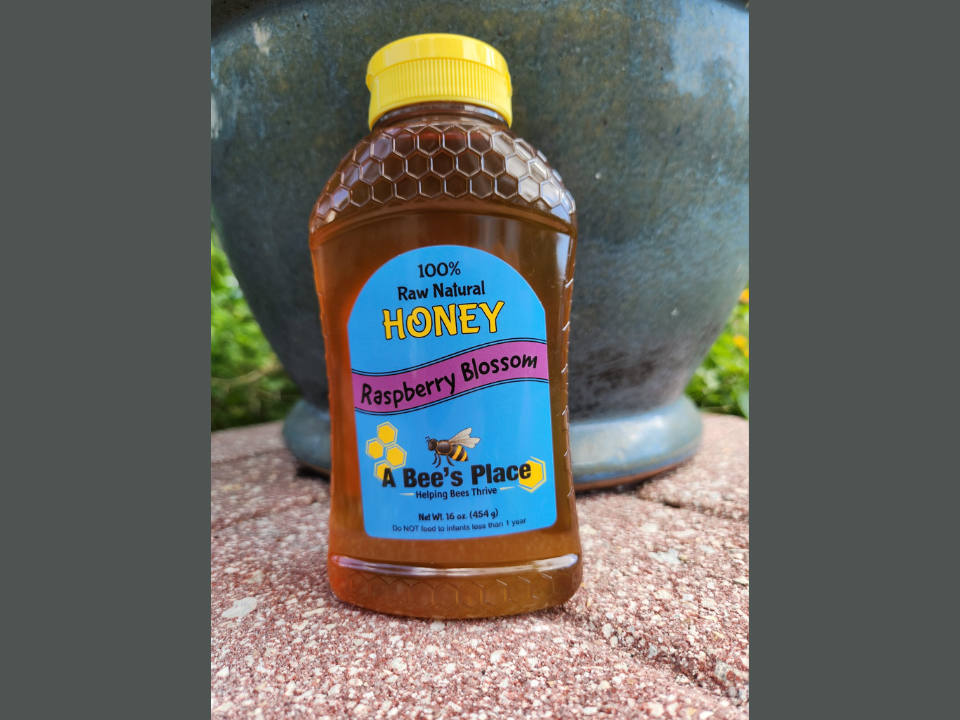
Raspberry blossom honey is made by bees that collect nectar from raspberry flowers, which bloom in early summer. This honey has a light amber color with a delicate, fruity flavor profile that mirrors the taste of fresh raspberries. The honey offers sweet, berry-like notes with a subtle tartness, making it a refreshing addition to both sweet and savory dishes. As the summer season advances, raspberry blossom honey’s fruity taste becomes richer and more pronounced, and its sweetness intensifies.
The texture is light and runny, making it perfect for drizzling over fresh berries or yogurt. By late summer, as the nectar source changes, the honey becomes smoother and less tangy, with a more rounded sweetness. Raspberry blossom honey is also great for mixing into lemonade or iced tea, where it complements the bright, citrusy flavors of summer drinks.
Sage Honey
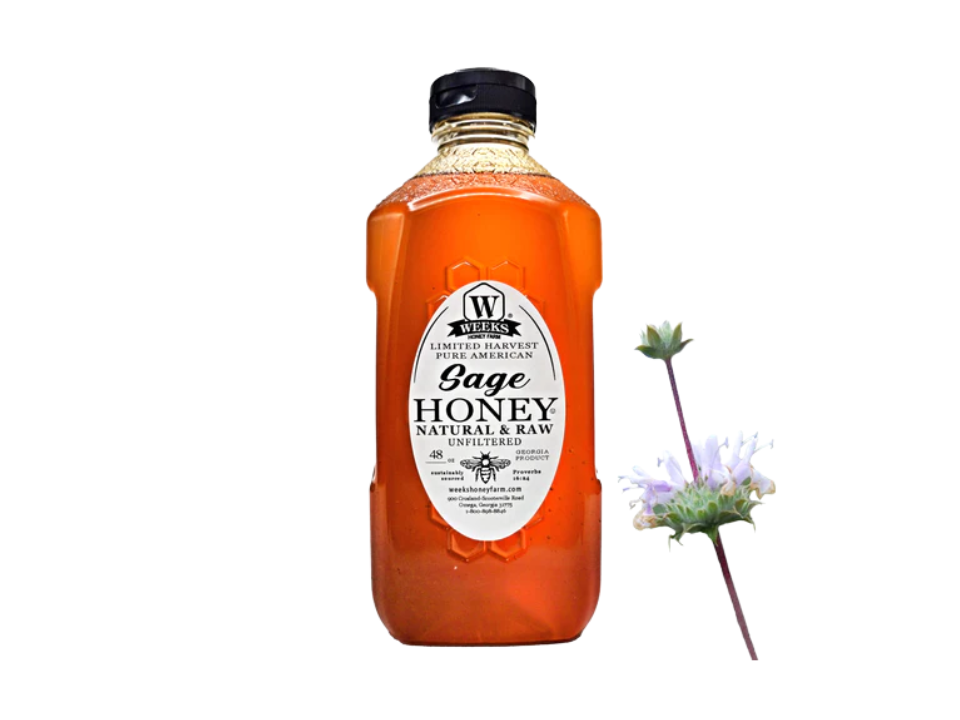
Sage honey is made from the nectar of sage flowers, which bloom in late spring and early summer. This honey has a light, golden color and a mild flavor that is subtly herbal, with a touch of mint and eucalyptus. The taste is sweet but not overpowering, with hints of earthy herbs and a gentle floral undertone. As the season progresses into summer, sage honey becomes smoother and a bit sweeter, with the herbal notes becoming more subtle.
By the time fall arrives, the honey’s herbal qualities are more noticeable, offering a more complex and savorier flavor. The honey’s texture is smooth and liquid, and it crystallizes easily over time, resulting in a grainier texture that intensifies its flavor. Sage honey is perfect for pairing with roasted vegetables, meats, or cheeses, and it also makes a great addition to teas, where its mellow flavor enhances the experience.
Linden Honey
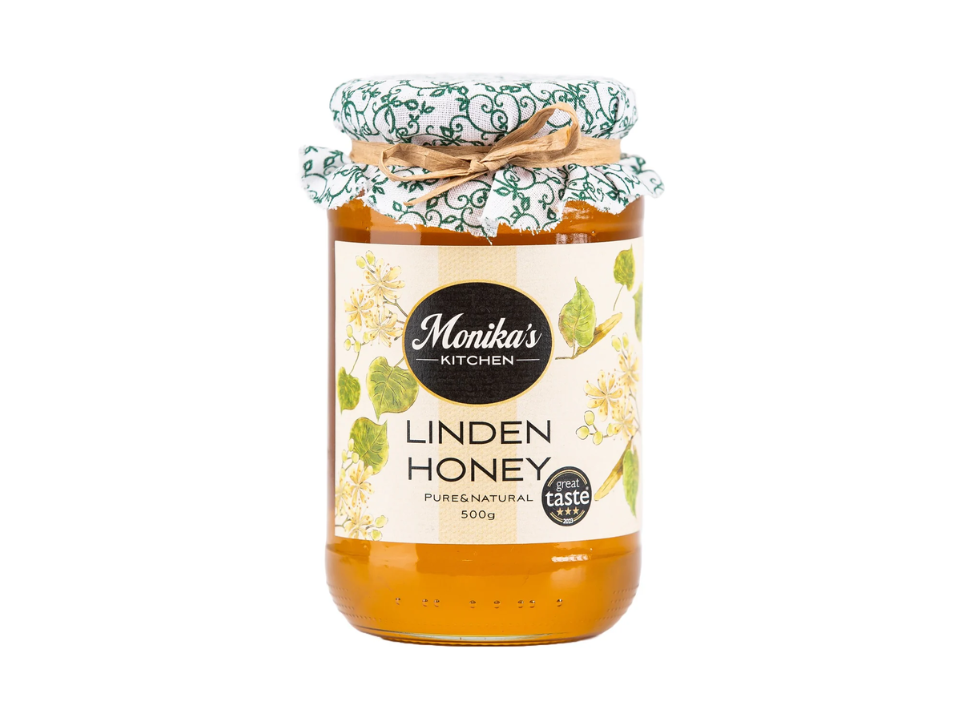
Linden honey is made from the nectar of linden tree flowers, which bloom in early summer. This honey is light in color, ranging from pale yellow to golden, and has a distinct, floral flavor that is both sweet and slightly citrusy. The taste of linden honey is refreshing, with delicate notes of lime and a mild herbal undertone. During its peak season, linden honey offers a complex, yet subtle sweetness that makes it perfect for pairing with a variety of foods, including fruits and cheeses.
As the summer progresses and the weather heats up, the flavor of the honey becomes more mellow, with a smooth, rounded sweetness. The honey’s texture is thin and runny, making it ideal for drizzling over fresh fruit or stirring into tea. Linden honey can also crystallize over time, giving it a thicker consistency that makes it more suitable for spreading on toast or mixing into baked goods.
Manuka Honey

Manuka honey is produced by bees that collect nectar from the manuka bush, which is native to New Zealand and parts of Australia. This honey is well-known for its unique, earthy flavor and strong medicinal properties. Its color ranges from dark amber to brown, and the taste is rich with deep, herbal notes and a slight bitterness.
Manuka honey is especially valued for its high antibacterial properties, which make it a popular choice for skincare and wound care. During its peak season, the honey is thick and rich, with a pungent flavor that can be an acquired taste. As the season progresses, the honey’s flavor becomes more mellow, with the herbal bitterness softening. The texture is smooth, and it tends to crystallize slowly, preserving its rich flavor. Manuka honey is ideal for mixing into tea or for using as a natural remedy for sore throats and digestive issues.
Alfalfa Honey
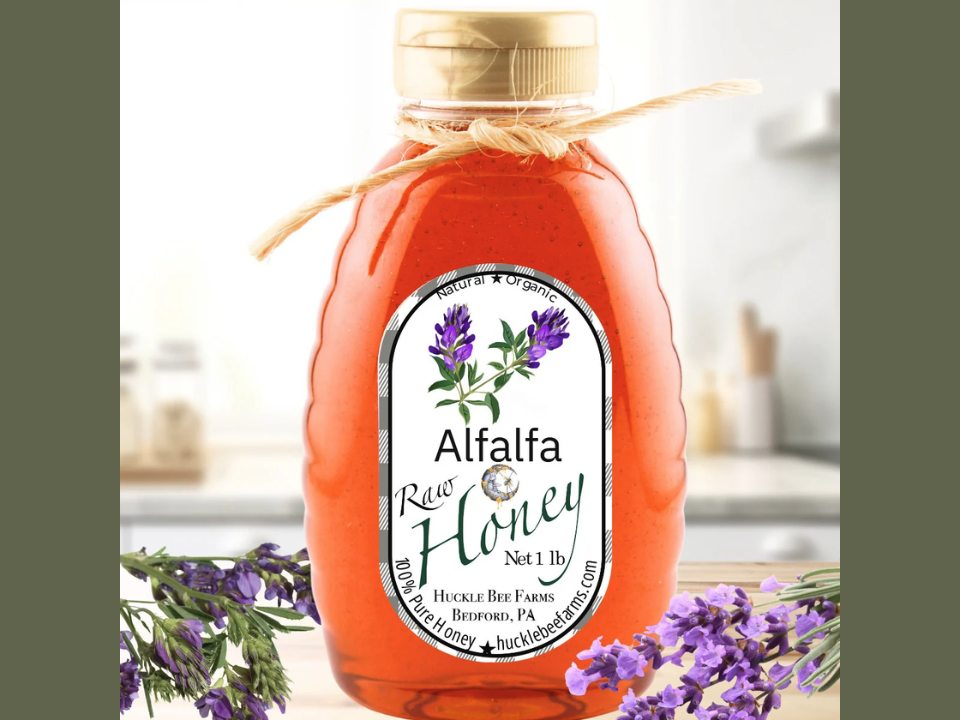
Alfalfa honey is produced from the nectar of alfalfa flowers, which bloom during the late spring and early summer. This honey is light in color, ranging from pale yellow to golden, and has a mild, sweet flavor that is slightly grassy. The taste is delicate and subtly floral, with a smooth, almost creamy texture. During the early summer, when the flowers are in full bloom, alfalfa honey offers a clean, refreshing sweetness with a hint of vanilla.
The texture of alfalfa honey is liquid, making it perfect for use in smoothies, drizzled over pancakes, or mixed into yogurt. It also makes a great sweetener for herbal teas, where it adds a mild, natural sweetness. Over time, it can crystallize, developing a slightly granular texture that is still pleasant to use.
Chestnut Honey
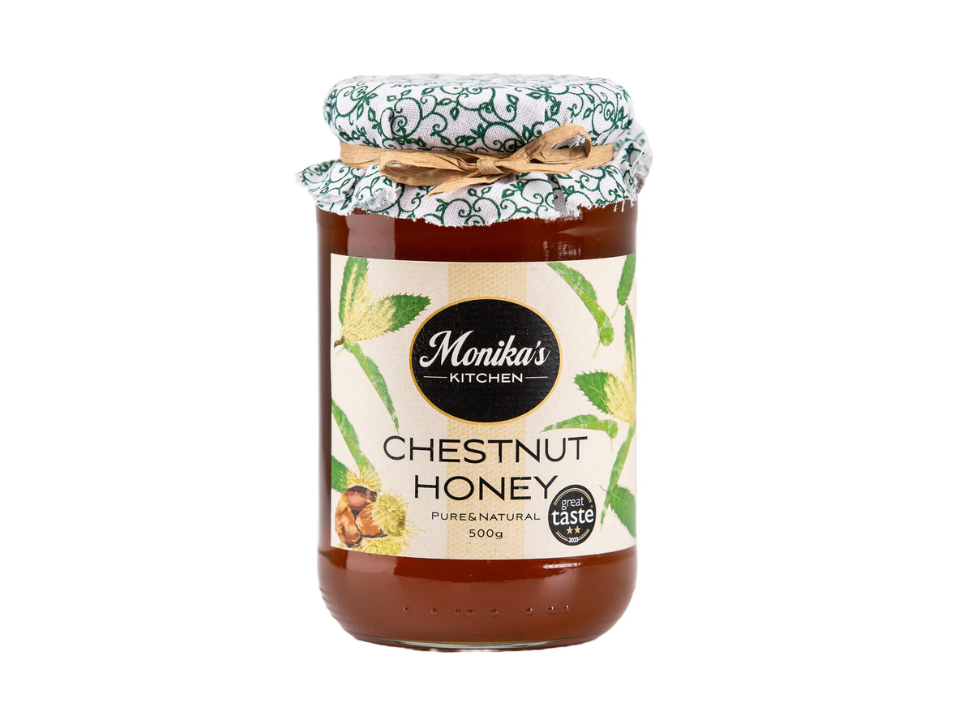
Chestnut honey is made from the nectar of chestnut tree blossoms, which bloom in late spring and early summer. This honey is dark, ranging from amber to deep brown, and has a strong, robust flavor that sets it apart from lighter varieties. It offers a slightly bitter taste with earthy, woody undertones, making it ideal for those who enjoy a more intense honey flavor.
During the peak of the chestnut flower bloom, this honey is at its most flavorful, with deep, smoky notes that can complement both sweet and savory dishes. The texture of chestnut honey is thick and sticky, making it perfect for spreading on toast or using in marinades. It also crystallizes slowly, maintaining its smooth texture for longer periods of time. Chestnut honey pairs well with bold cheeses, meats, or even in desserts where its earthy flavor can shine.
Dandelion Honey
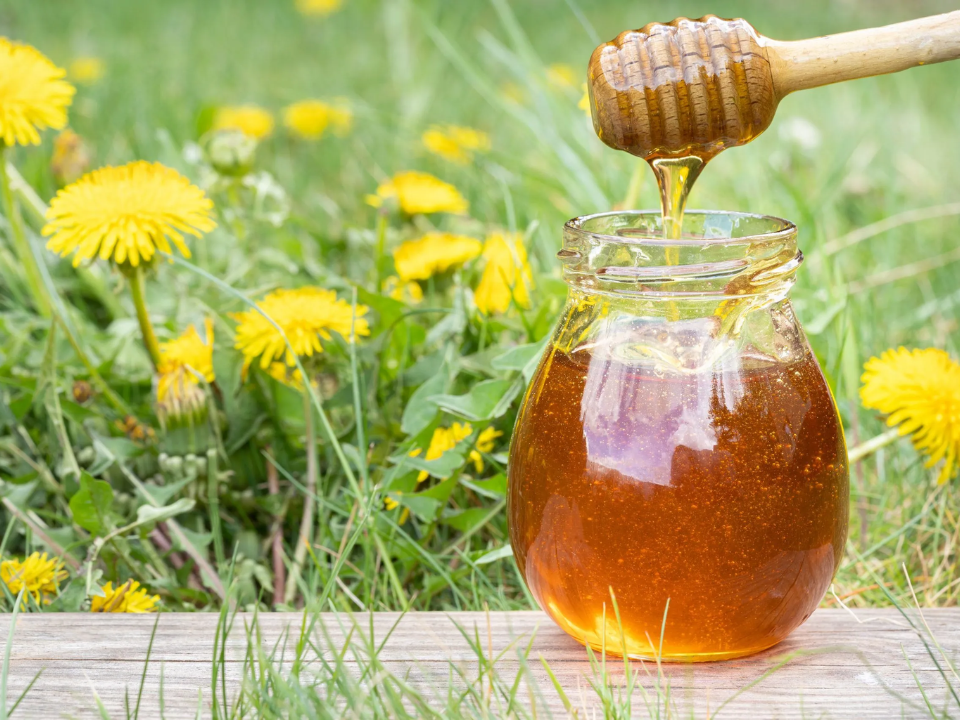
Dandelion honey is produced from the nectar of dandelion flowers, which bloom in early spring. This honey is light in color, typically pale yellow or golden, and has a mild, slightly floral flavor with subtle grassy notes. The taste is delicate, with hints of fresh herbs and a light, natural sweetness that is perfect for those who prefer a less intense honey.
During the peak spring season, dandelion honey offers a fresh, almost green taste, with a crispness that pairs well with lighter dishes. The texture is typically smooth, and it remains liquid for a long time, although it can crystallize over time. Dandelion honey is often used in teas or as a sweetener for light salads and desserts. Its delicate flavor also complements cheeses and fruits, making it versatile in the kitchen.
This article originally appeared on Avocadu.