
13 Best Late Winter Trips With Frozen Falls And Icy River Views
On cold mornings near the end of winter, frozen falls and icy river views can make a short trip feel like a small adventure. Quiet overlooks, steam rising from open water, and glittering cliffs turn simple walks into something memorable. Many inns, lodges, and cabins welcome visitors at this time, often with fewer crowds and a slower pace.
This post may contain affiliate links, which helps keep this content free. Please read our disclosure for more info.
Plitvice Lakes National Park, Croatia
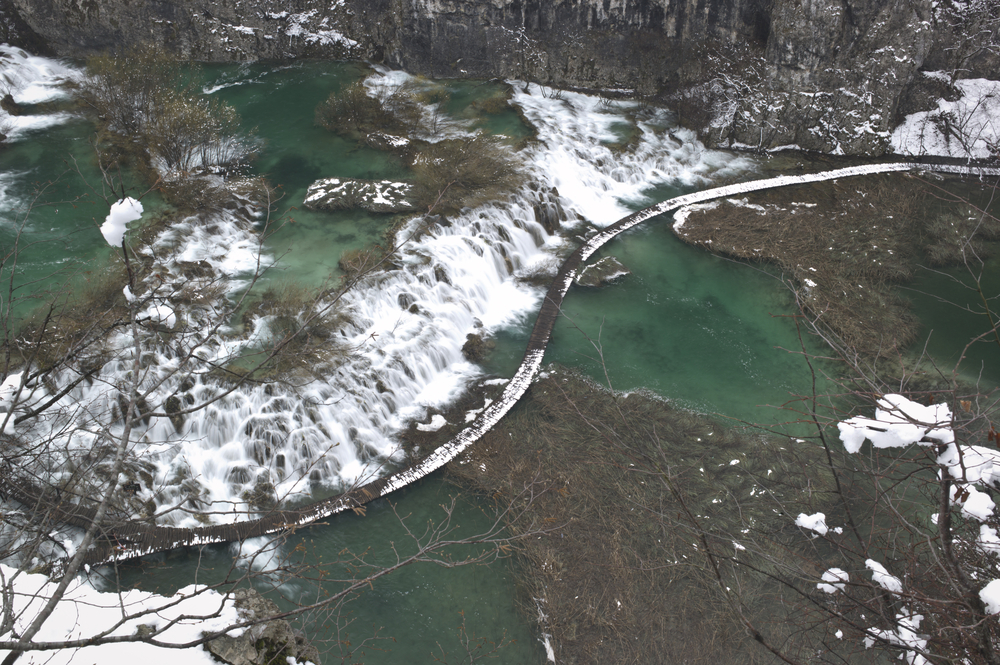
In central Croatia, Plitvice Lakes National Park changes into a quiet winter world once temperatures drop. Waterfalls that link the turquoise lakes freeze into pale blue and white shapes, while wooden boardwalks pass through snow-covered forest. Late February can still bring cold days that keep the ice in place before the spring thaw begins. The calmer foot traffic at this time helps the park feel peaceful compared with busy summer months.
Visitors can follow marked paths and view the frozen cascades from several angles. Snow-coated trees form a soft frame around each waterfall and make every viewpoint feel special. The park’s position between Zagreb and coastal cities makes it suitable for a short road trip. Travelers who arrive in winter should bring waterproof shoes and plenty of warm clothing.
Niagara Falls, New York and Ontario
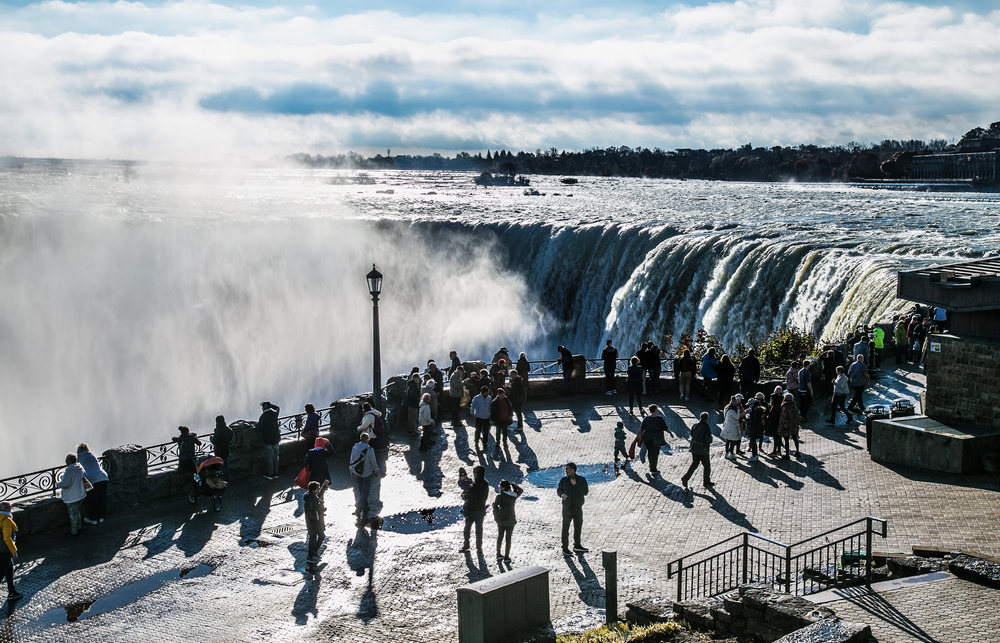
Straddling the border of the United States and Canada, Niagara Falls turns into a dramatic ice scene as winter lingers. The American Falls and Bridal Veil Falls often freeze along the edges while mist builds thick icicles on railings and trees. Late February usually brings fewer visitors, which makes it easier to enjoy the overlooks without heavy crowds. Snow covered paths in Niagara Falls State Park create a calm setting around the roaring water.
During this time of year, the mix of flowing water and frozen spray creates a striking contrast that feels almost unreal. Hotels on both the New York and Ontario sides stay open, so it is simple to plan a comfortable stay close to the river. The icy surface below the falls gives photographers bold, dramatic scenes, especially at sunrise and sunset. Warm layers and sturdy boots make walking between viewpoints much more pleasant.
Minnehaha Falls, Minneapolis, Minnesota
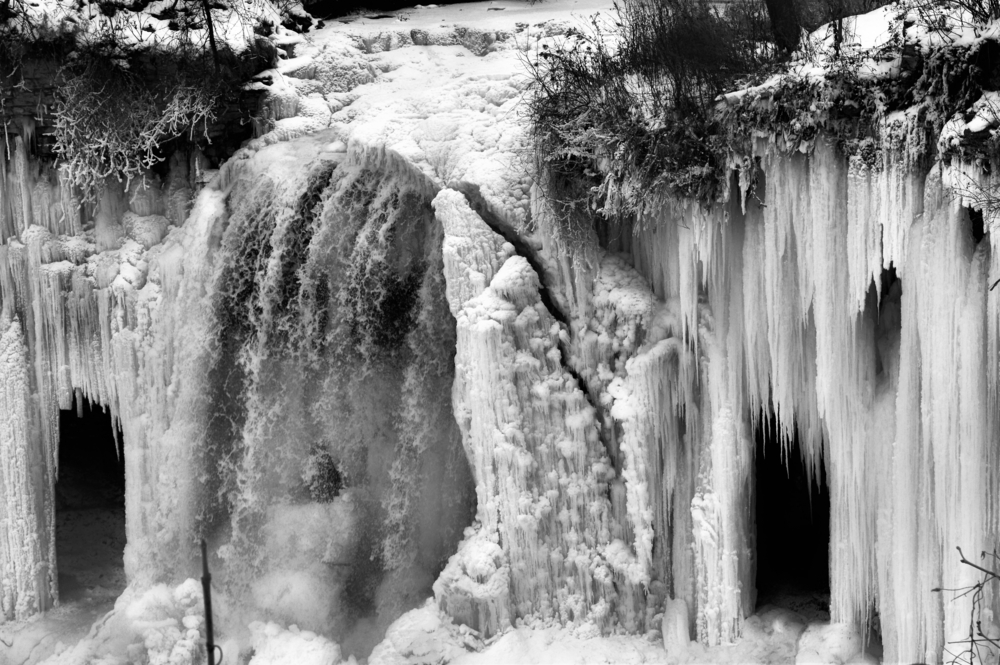
Within the city of Minneapolis, Minnehaha Falls turns into a towering sheet of ice during the coldest weeks. The 53 foot drop becomes a giant icy curtain while water still flows behind the frozen surface. Late February often keeps this formation thick while offering slightly longer days for exploring. The surrounding Minnehaha Park adds snow lined paths and tree covered river views.
From the main overlook, visitors can see the frozen waterfall glowing in pale shades of blue and white. The nearby Mississippi River often shows ice clinging to its banks, which adds even more winter detail. Because the waterfall sits inside the city, it is easy to pair a short hike with warm indoor stops and local food. A brief walk from the parking area keeps this outing manageable even in strong cold.
Abraham Lake, Alberta, Canada
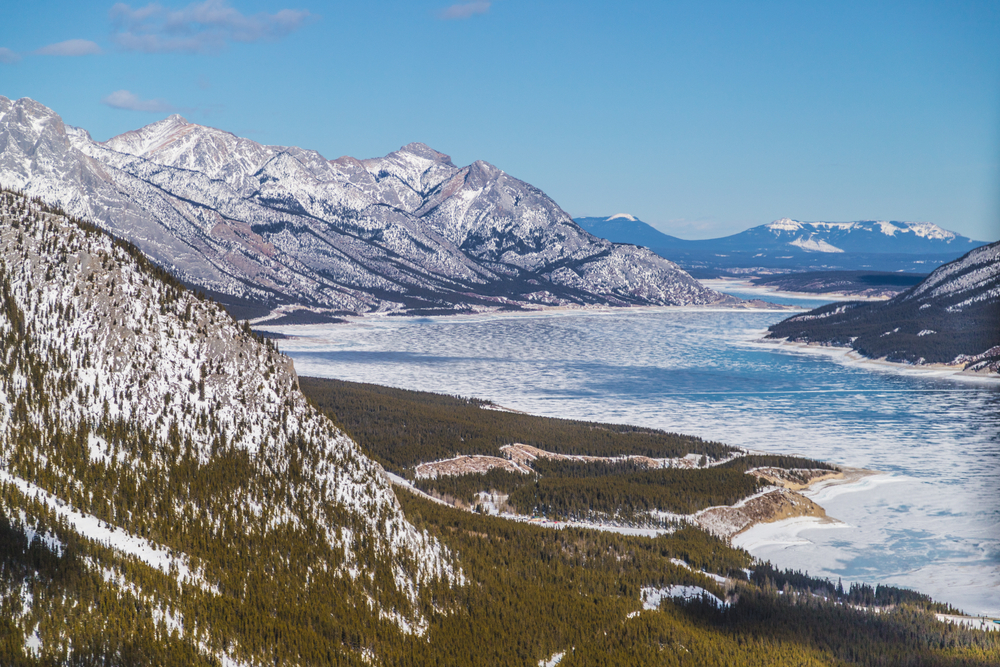
High in western Alberta near the Canadian Rockies, Abraham Lake becomes famous each winter for its frozen methane bubbles caught under clear ice. Around the shoreline, small waterfalls and river inlets freeze into delicate shapes backed by snowy peaks. Late February commonly offers stable cold and clear views of these icy patterns. The wide open water and surrounding mountains create powerful scenes for photographs.
Along the frozen edges, people can see layers of ice that change color with each shift in daylight. The icy channels that feed the lake bring moving water into an otherwise quiet surface. Abraham Lake lies along the David Thompson Highway, which connects easily to larger towns such as Banff or Calgary. Thick gloves, insulated boots, and attention to ice safety help keep this visit comfortable.
Gullfoss Waterfall, Iceland
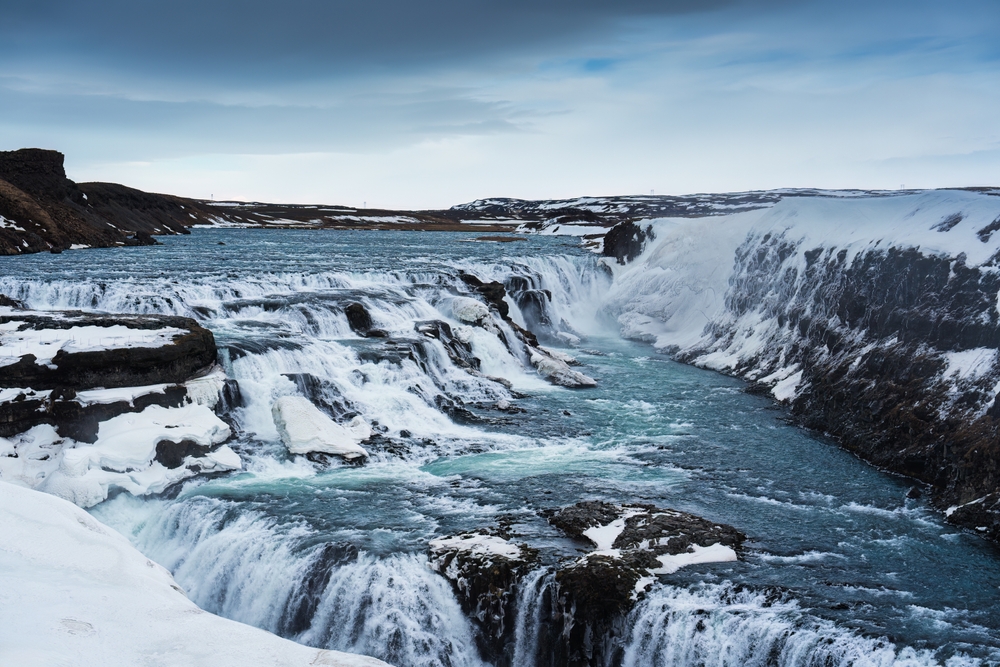
In southwest Iceland, Gullfoss shows a different side during winter months. Parts of the powerful cascade freeze along the canyon walls while water continues to surge through the gorge. Late February brings longer daylight while still holding enough cold for strong ice around the falls. Snow often blankets the surrounding hills and adds soft texture to the view.
From the viewing paths, visitors can watch mist turn into frozen crusts on railings and rocks. The Hvítá River below runs between icy ledges, which creates striking contrast between dark water and white banks. Roads in this part of Iceland generally stay open, though winter driving skills and local conditions always matter. Many travelers join guided day tours from Reykjavík to reach the site safely.
Multnomah Falls, Oregon
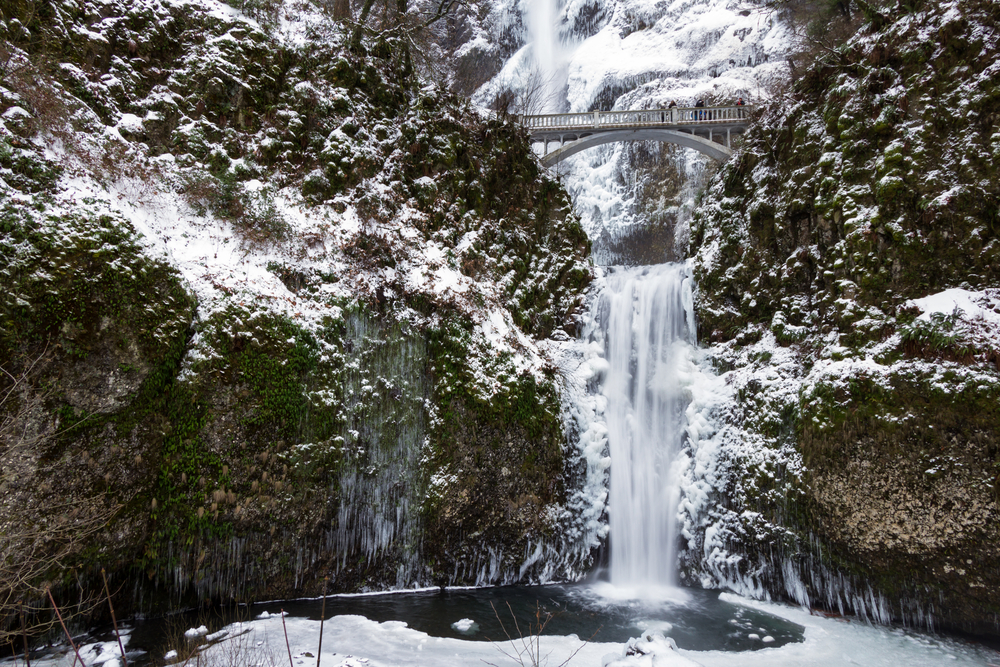
In the Columbia River Gorge near Portland, Multnomah Falls takes on a magical look once deep cold arrives. The tall two tiered waterfall sometimes forms thick ice pillars, while water still streams behind the translucent surface. Late February can bring frosty mornings that keep the ice in place, followed by clearer afternoons. The nearby Columbia River often shows mist rising above chilly water.
Benson Bridge, which crosses between the upper and lower sections, appears striking when framed by snow and ice. Visitors can walk short, paved paths from the parking area to reach several viewpoints. Multnomah Falls lies close enough to Portland that it fits easily into a single day outing. Careful steps and winter footwear are important, because some paths can turn slick.
Starved Rock State Park, Illinois
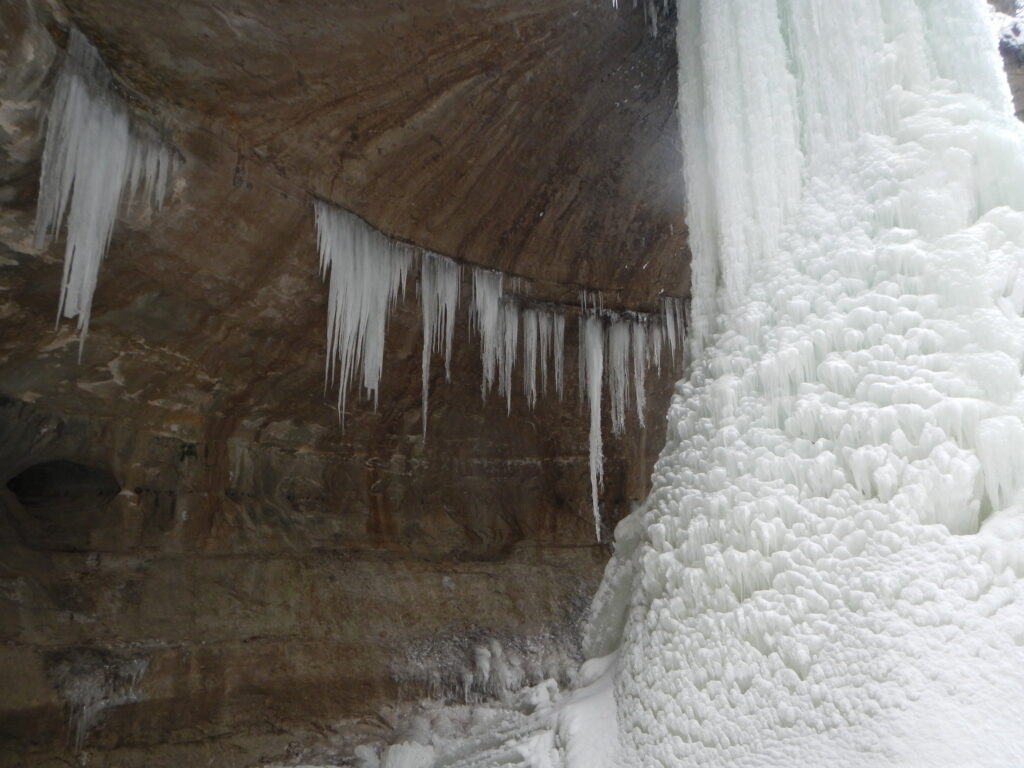
Along the Illinois River, Starved Rock State Park turns its sandstone canyons into ice galleries during winter. Waterfalls in French Canyon, LaSalle Canyon, and other side ravines often freeze into long translucent curtains. Late February can still hold these formations while offering somewhat gentler weather than deep midwinter. The river below the bluffs shows ice in wide, slowly moving sheets.
Hiking trails remain open, and visitors can follow marked routes to reach several canyon viewpoints. Snow on the rock walls and forest floor makes the icicles stand out against darker stone. The park sits within a reasonable drive of Chicago, so it works well for a weekend trip. The lodge and nearby inns give travelers warm places to rest after cold hikes.
Yosemite National Park, California
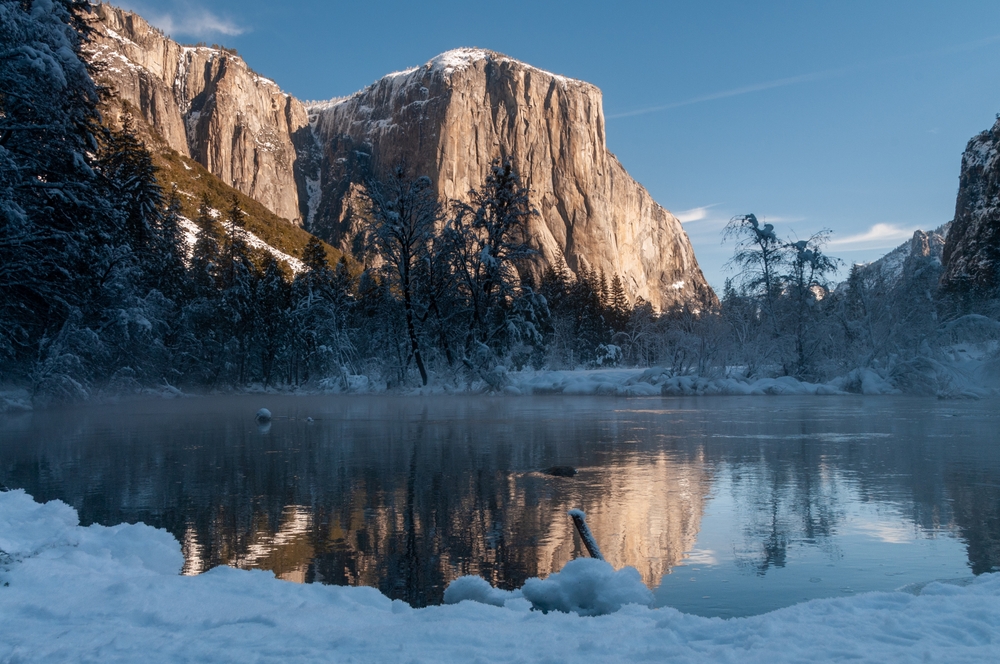
In California’s Sierra Nevada, Yosemite National Park presents famous waterfalls and granite cliffs in a quieter winter setting. Yosemite Falls, Bridalveil Fall, and smaller cascades can form ice along their rims while water continues to drop from impressive heights. Late February still brings snow in the valley while roads and services begin to feel more manageable. The Merced River winds between snow covered meadows and reflects the pale winter light.
Walking along the valley floor, visitors can see icy river edges, frost on grasses, and mist rising from the water. Viewpoints that feel crowded in warmer seasons often feel open and calm. Lodging both inside and near the park stays available, although reservations remain wise. Warm layers and careful planning help visitors move safely between viewpoints in chilly conditions.
Johnston Canyon, Banff National Park, Canada
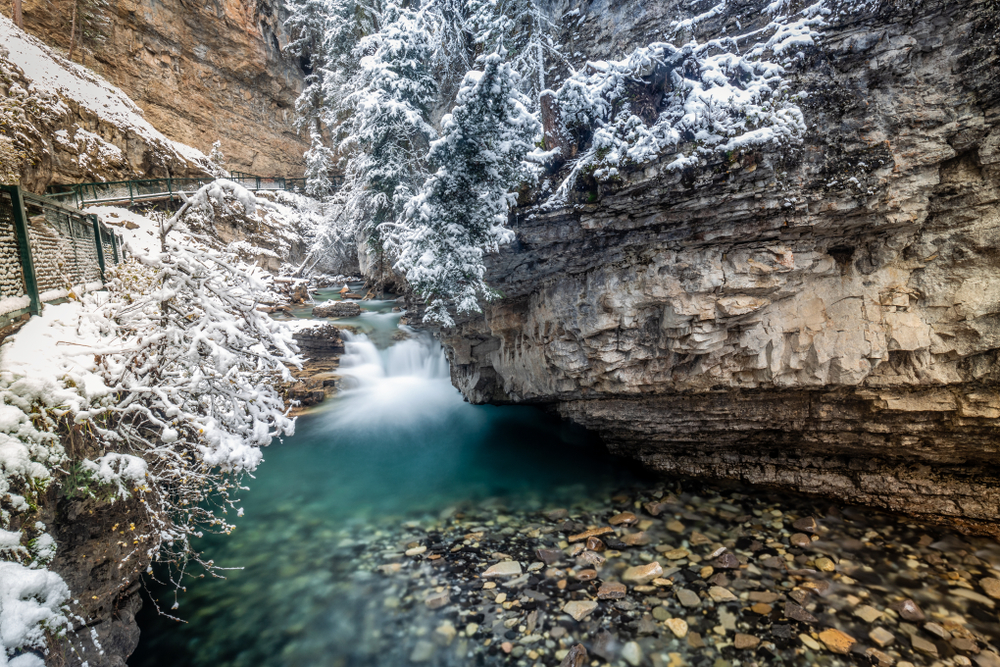
In Alberta’s Banff National Park, Johnston Canyon turns into a corridor of frozen waterfalls. Narrow rock walls frame blue and white ice curtains that draw visitors all winter. Late February usually offers solid ice formations along with well trodden paths for guided walks. The nearby Bow River adds wide snowy banks and mountain views.
Wooden catwalks attached to the canyon wall give safe passage above the icy stream. Guided tours provide gear like ice cleats and share information about the canyon’s geology and winter conditions. Snow covered peaks around Banff give this outing a classic mountain feel. Visitors who bring insulated boots and hand warmers tend to enjoy the walk much more.
Montmorency Falls, Quebec City, Canada
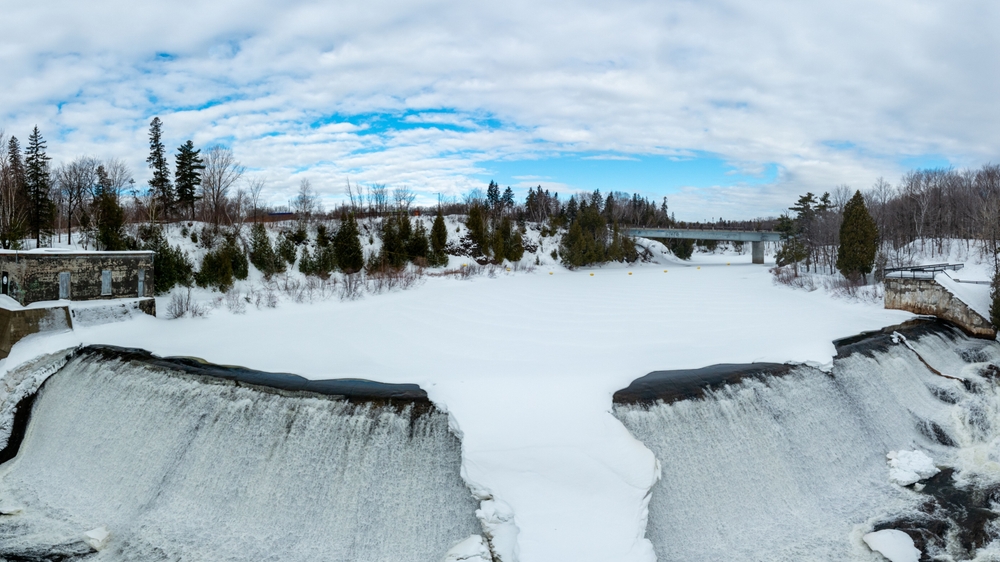
Just outside Quebec City, Montmorency Falls puts on a striking winter display. The tall waterfall forms a huge ice cone at its base while spray coats nearby cliffs and paths in white. Late February generally keeps this ice cone intact while festival events and winter activities continue nearby. The broad St Lawrence River adds frozen shorelines and cold, bright views.
From the suspension bridge above the falls, guests see both the frozen cone and flowing water from high overhead. Stairways and paths below lead to additional viewpoints closer to the river. After time in the cold, visitors can return to Quebec City’s historic streets and warm cafes. This pairing of frozen nature and charming city life gives the trip a nice balance.
Shoshone Falls, Idaho
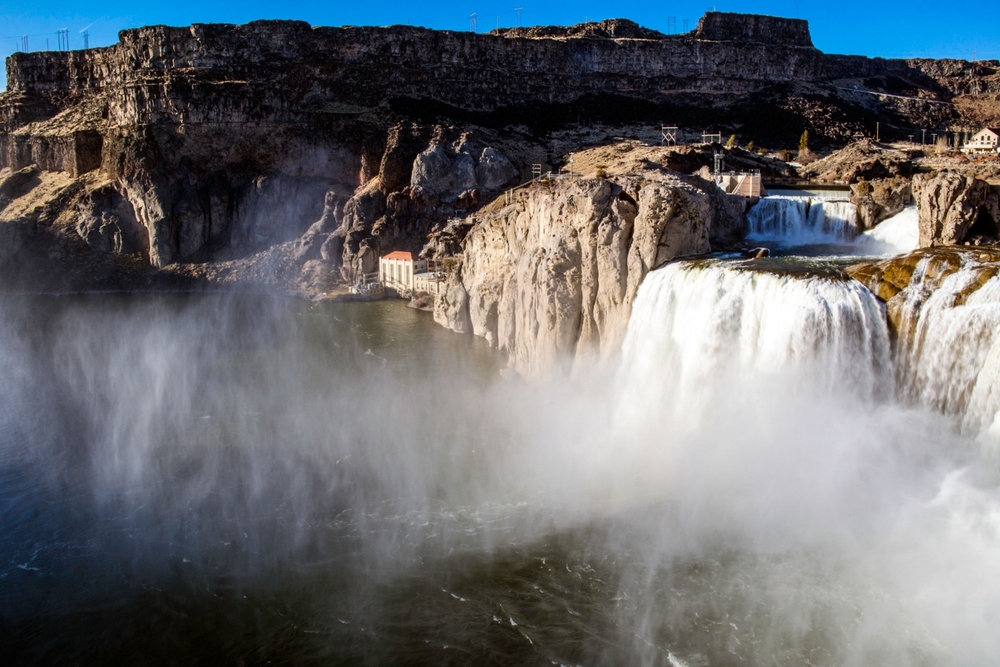
Near the city of Twin Falls, Shoshone Falls shows why some people call it the Niagara of the West. The wide curtain of water drops into the Snake River, and in winter the cliffs around it gain layers of ice. Late February often keeps patches of ice on the rock walls while letting visitors move around more comfortably than in midwinter storms. Snow along the canyon rim adds bright contrast against the darker stone.
From viewing platforms, people can see ice clinging to ledges and mist forming halos around the falls. The Snake River below carries chunks of ice and reflects the pale sky. Fewer travelers in this season make it easier to linger at the overlooks. Because the area is open and exposed, good windproof clothing makes a big difference.
Silver Falls State Park, Oregon
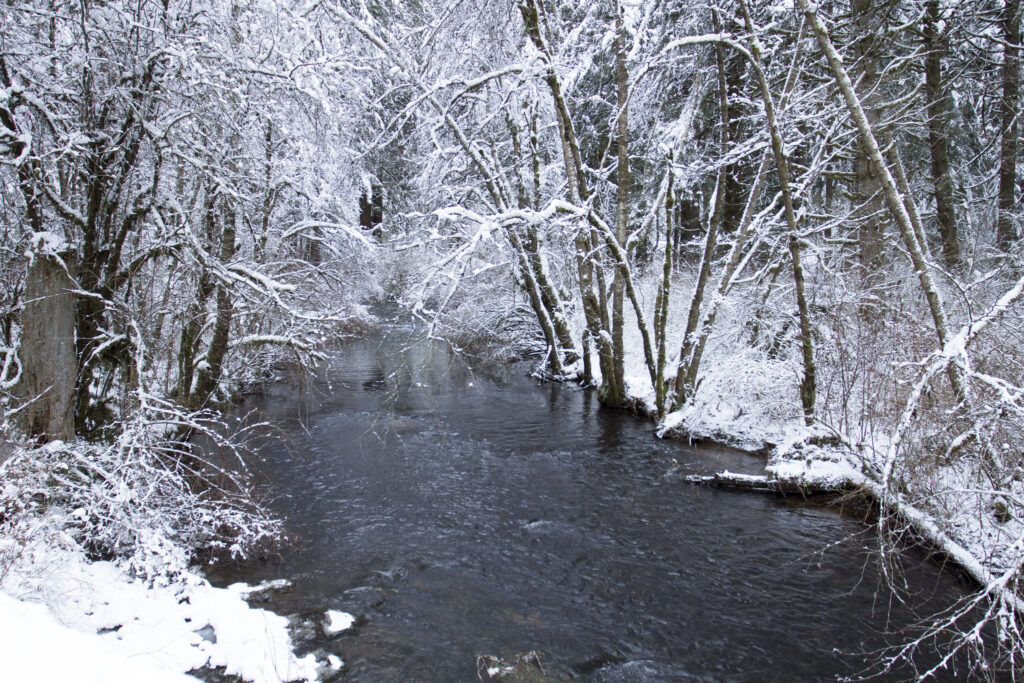
In western Oregon, Silver Falls State Park offers a famous loop trail that passes near or behind several waterfalls. During winter, many of these falls build icicles along rock ledges while water continues to pour over them. Late February often preserves these icy details while offering cool yet manageable hiking conditions. Evergreen trees and rocky gorges frame the water in rich greens and grays.
Walking the Trail of Ten Falls during this time feels calm thanks to lighter visitor numbers. Creeks and the main river show clear, cold water with ice along their edges. The park sits within an easy drive of Salem and Portland, which makes it a convenient day trip or short stay. Hikers who bring waterproof boots and simple traction devices usually feel safer on the slick sections.
Snoqualmie Falls, Washington
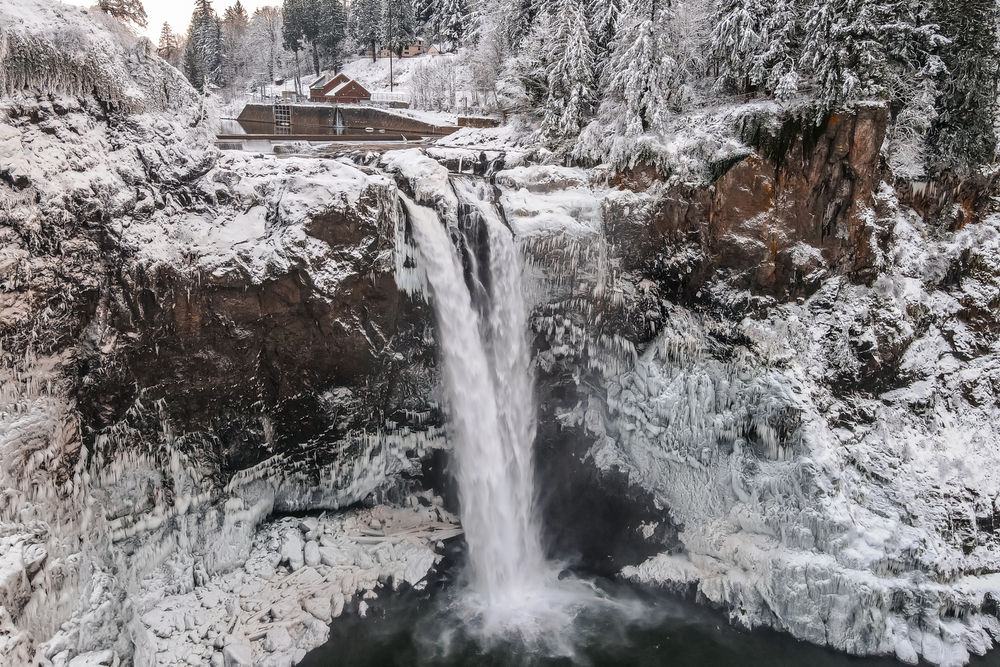
East of Seattle, Snoqualmie Falls turns into a dramatic winter sight when cold air settles in the valley. The 268 foot waterfall often freezes along its sides, with mist coating nearby trees and rocks in layers of ice. Late February can mix freezing mornings with clear afternoons, which gives visitors varied views of the falls and river. The Snoqualmie River below shows icy edges and swirling dark water.
Observation decks near the lodge provide wide views of the drop and the frozen sections. The surrounding valley and forests gain a quiet, muted look under winter light. Because the falls lie only a short drive from Seattle, this outing works well as a quick escape from the city. Warm clothing and steady shoes help visitors stay comfortable while they take in the cold air and roaring water.
This article originally appeared on Avocadu.