
11 Stargazing Trips For February With Big Sky Views
If you’re looking for the best stargazing experiences in February, you’re in luck. The dark skies of remote locations make it easy to see distant stars and constellations. Don’t let the cold keep you from the beauty of the night sky-warm layers will keep you cozy.
This post may contain affiliate links, which helps keep this content free. Please read our disclosure for more info.
Mauna Kea, Hawaii
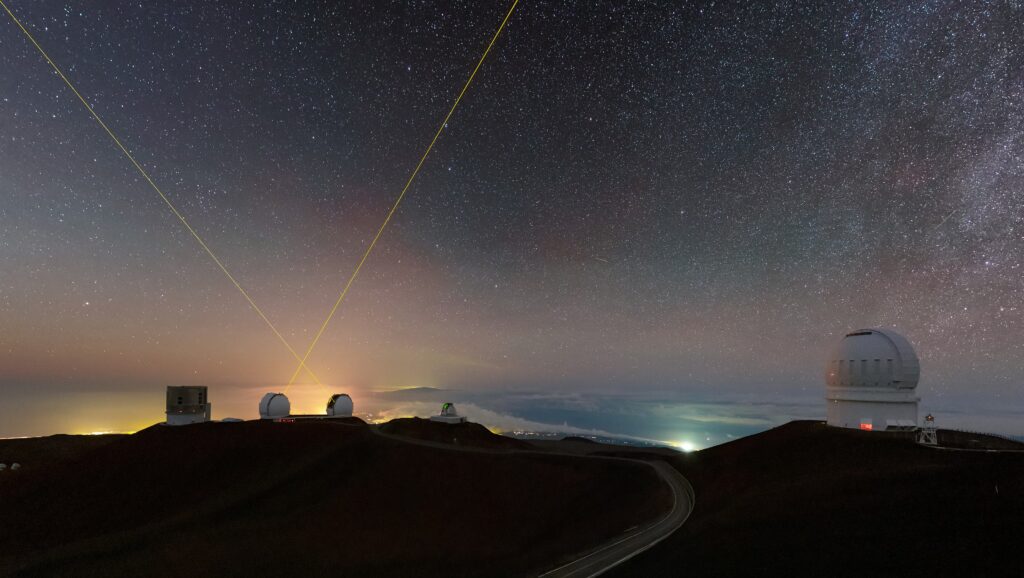
Mauna Kea on the Big Island of Hawaii is one of the best places in the world to view the stars. Its high altitude and remote location mean light pollution is minimal, offering an exceptional view of the night sky. Sundays are the best days to visit, with clear skies and fewer crowds. You can either drive to the summit or take a guided tour to reach the top and enjoy stargazing at its peak.
The summit provides stunning views of the stars, planets, and distant galaxies. The cold temperatures make warm layers essential for a comfortable experience. This is an ideal spot for both amateur and seasoned stargazers. The drive up the mountain offers scenic views, adding to the trip’s appeal.
Death Valley National Park, California
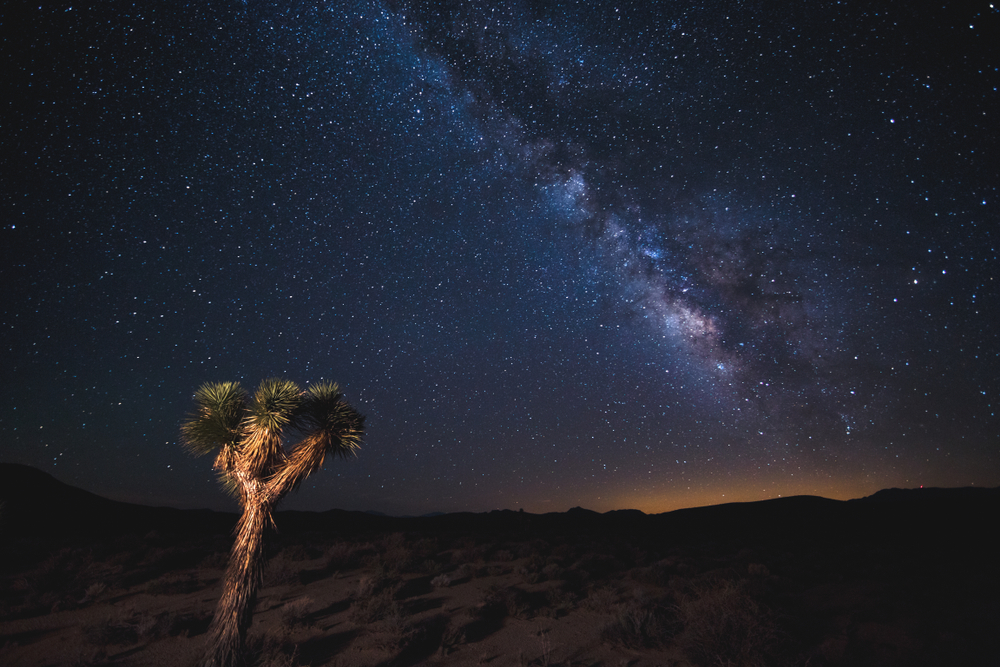
Located in southeastern California, Death Valley National Park is known for having some of the darkest skies in the U.S. The park’s vast desert landscape offers an incredible stargazing experience. Thursday evenings are best, as the weather is clear, and the area is less crowded. While there is no hiking required, you can walk a few short trails for an even closer view of the stars.
Death Valley is an International Dark Sky Park, making it an excellent choice for stargazing. The dry desert air ensures a crisp, clear view of the night sky. Visitors can easily stargaze from the parking areas or venture along the trails. The warmth of the desert climate makes it easy to enjoy stargazing with just a few layers.
Bryce Canyon National Park, Utah
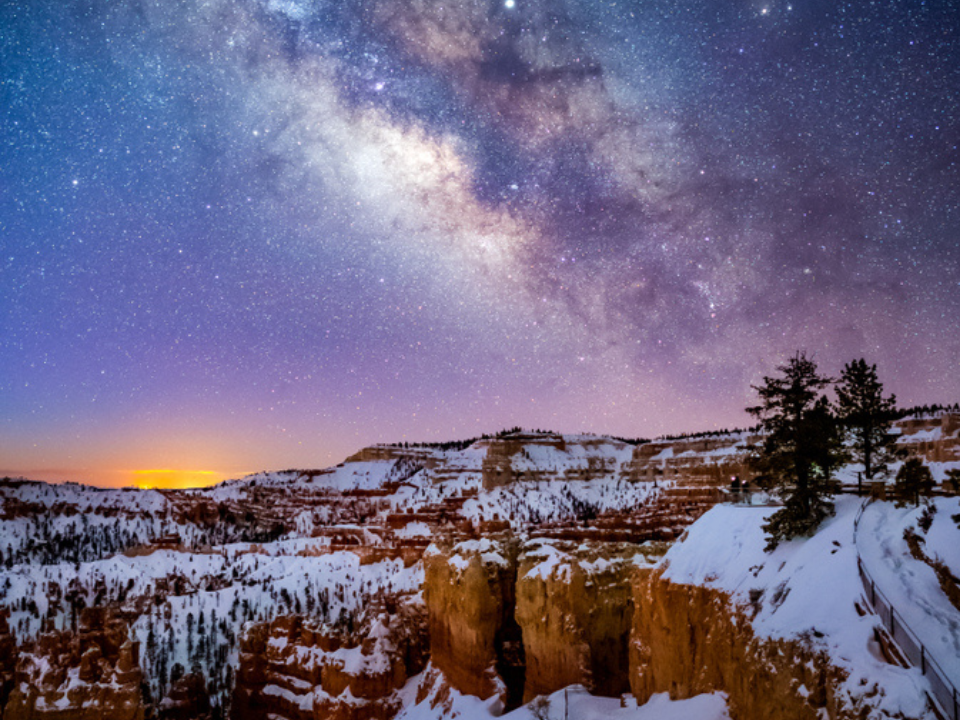
Bryce Canyon in southern Utah is known for its stunning starry skies and unique rock formations. The park’s high elevation ensures excellent visibility for stargazing, especially during winter. Weekends are the busiest, but the skies remain clear and ideal for starwatching. You can enjoy the views directly from the parking area or take a short hike along the Rim Trail.
The park offers a variety of stargazing programs throughout the winter months. The hoodoos, or spire-shaped rock formations, provide a beautiful contrast against the starry sky. The cold winter nights make warm layers a must, but the views are worth the chill. Bryce Canyon’s remoteness helps keep light pollution to a minimum.
Big Bend National Park, Texas
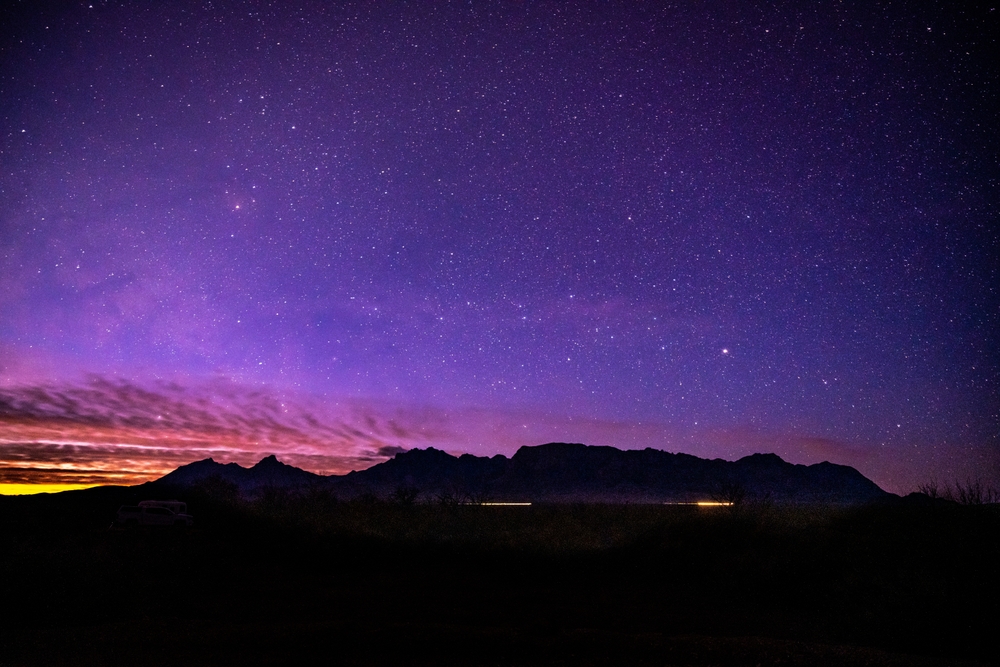
Big Bend National Park, located in far southwest Texas, is a designated International Dark Sky Park. Its remote location ensures some of the darkest skies in the U.S., making it a top spot for stargazing. Fridays are the best day for stargazing, offering clear skies and a serene environment. You can enjoy the night sky from various viewpoints without the need for a long hike.
The park’s location along the Rio Grande provides a unique stargazing experience, with the mountains and desert offering stunning backdrops. Big Bend is also known for its wildlife and quiet atmosphere, adding to the peace of the experience. While hiking is optional, there are plenty of accessible areas where visitors can set up for stargazing. The winter temperatures make warm clothing essential for comfort.
Acadia National Park, Maine
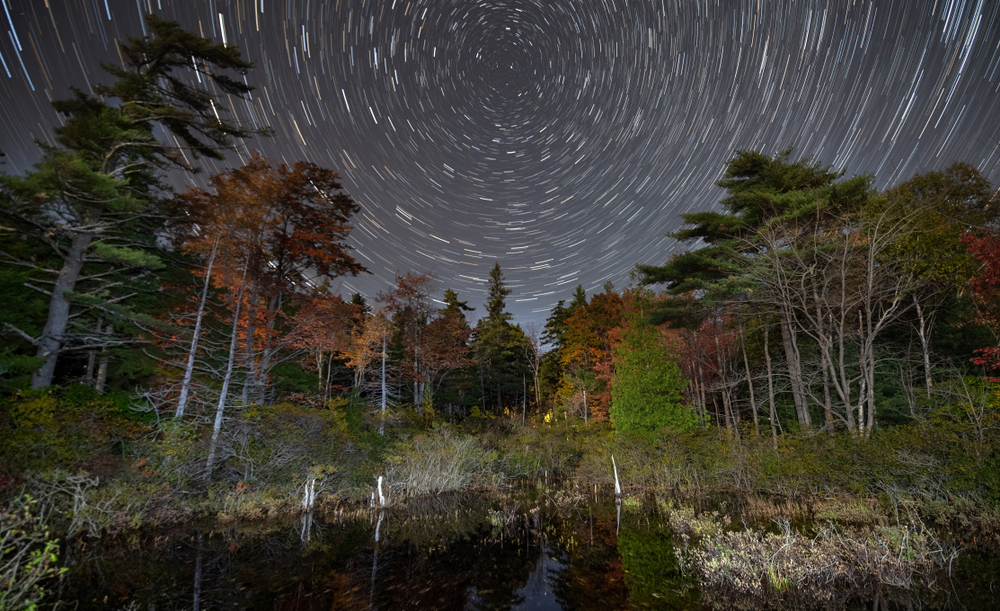
Acadia National Park, located on the coast of Maine, offers fantastic stargazing opportunities in February. Cadillac Mountain provides a perfect vantage point for clear views of the night sky. Weekdays, especially Tuesdays, are ideal for avoiding crowds and enjoying the peaceful surroundings. You can drive to the summit of Cadillac Mountain for an easy access view of the stars.
The park’s coastal location adds a unique charm to stargazing, with the stars shining brightly over the ocean. Acadia is known for its clear air and minimal light pollution, making it one of the best places for stargazing on the East Coast. You don’t need to hike for great views, but there are a few trails that offer scenic routes for stargazing. Warm layers are necessary to stay comfortable on the chilly evenings.
Grand Teton National Park, Wyoming
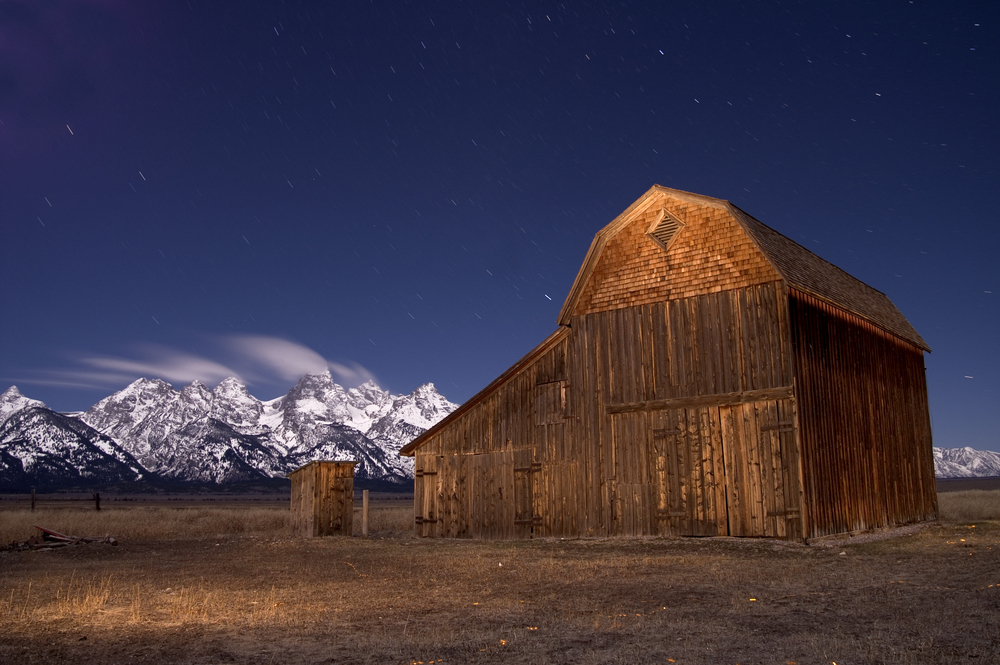
Grand Teton National Park in Wyoming offers breathtaking views of the night sky, with the Teton Range providing a dramatic backdrop. The park’s high elevation and remote location make it perfect for stargazing. Saturdays are the most popular, but early evenings offer the best chance for clear skies. Visitors can enjoy stargazing directly from designated parking areas or take a short hike to a scenic overlook.
The stark contrast between the dark sky and the snow-covered peaks makes for a truly magical experience. Grand Teton is a great spot for both beginner and experienced stargazers. While some hiking is available, the best stargazing spots are easily accessible by car. The cold weather requires warm clothing, especially during the evenings.
Joshua Tree National Park, California
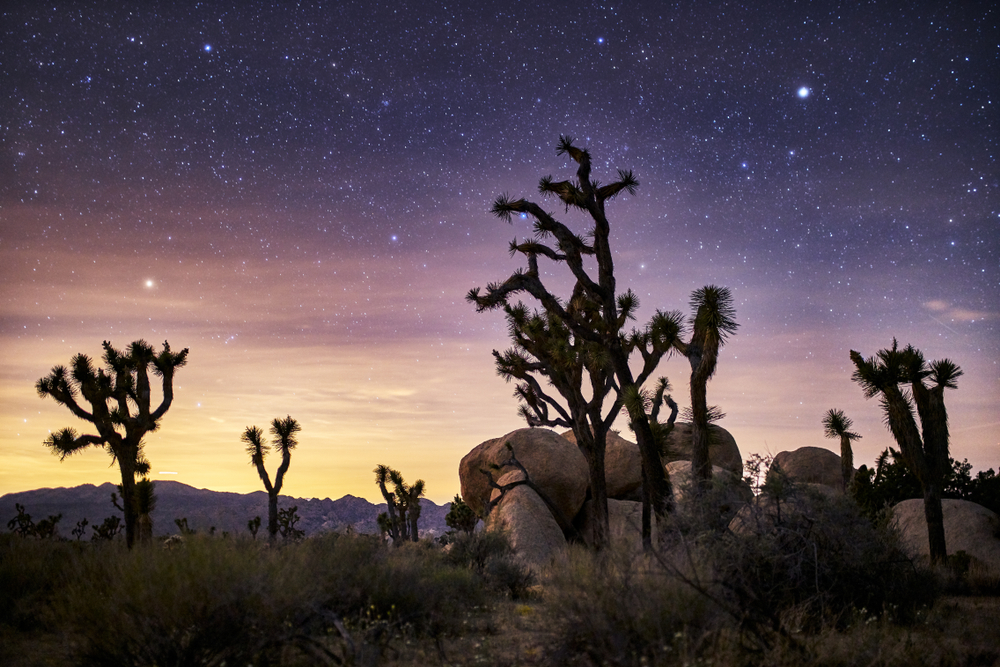
Joshua Tree National Park in southern California is famous for its stunning desert landscapes and clear skies. The park is one of the best places to see the stars, with its low light pollution and high desert altitude. Fridays are the best days for stargazing, as the skies tend to be clear and calm. Visitors can enjoy the night sky from various points, with no hiking required to experience the best views.
The park’s iconic Joshua trees add a unique silhouette against the starlit sky. The desert climate is mild in February, making it easy to enjoy stargazing without the intense summer heat. While there are many hiking opportunities in Joshua Tree, you can easily enjoy the stars from accessible areas. Warm layers are recommended to stay comfortable during the chilly evenings.
Lassen Volcanic National Park, California
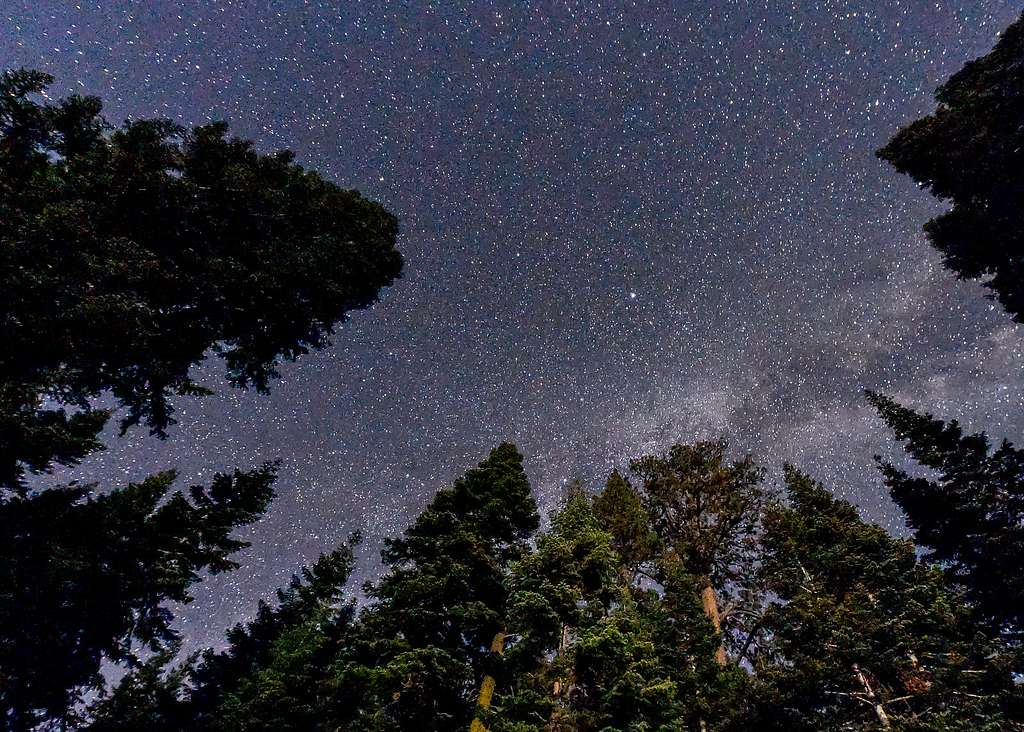
Lassen Volcanic National Park, located in northern California, offers an incredible opportunity for stargazing in February. The park’s volcanic terrain provides unique landscapes, and its remote location ensures dark skies for optimal viewing. Thursdays are the best day for clear skies and fewer crowds. While you can easily enjoy stargazing from various accessible points, there are also short trails that lead to stunning views.
The park’s elevation and absence of light pollution make it a prime location for spotting constellations and celestial events. The night air can get cold, so warm clothing is necessary for a comfortable experience. Lassen offers a combination of stargazing and natural wonders, making it a must-visit for outdoor enthusiasts. No challenging hikes are needed to enjoy the park’s starry skies.
Capitol Reef National Park, Utah
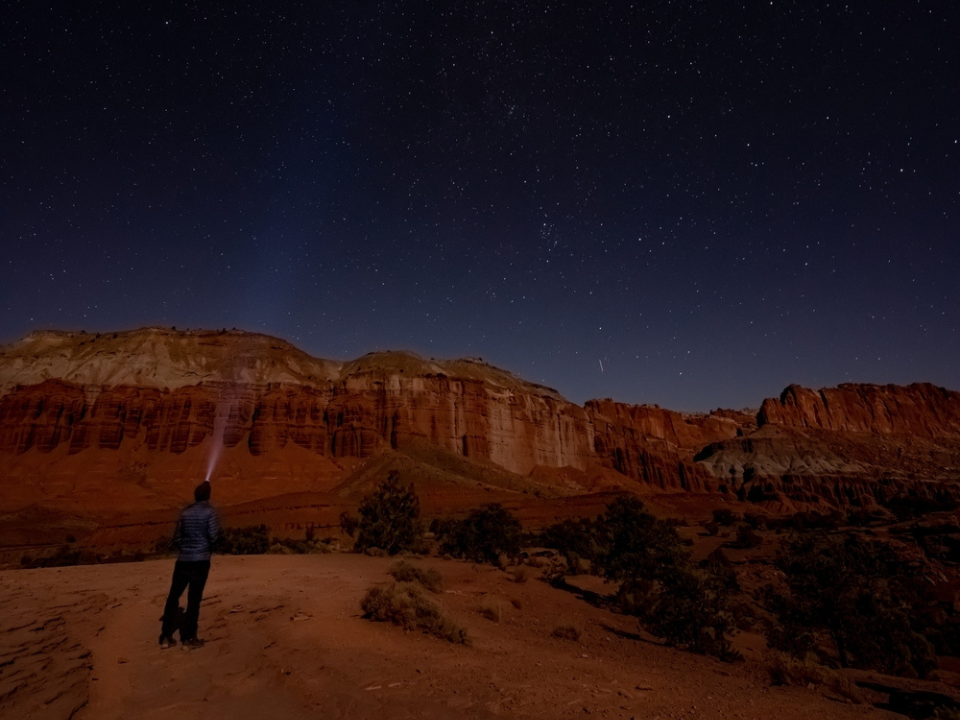
Capitol Reef National Park in southern Utah is known for its dark skies and dramatic landscapes, making it an excellent destination for stargazing. The park’s remote location minimizes light pollution, allowing for stunning views of the Milky Way. Saturdays are ideal for stargazing, as the skies are typically clear and the park is less crowded in the early evening. Visitors can enjoy stargazing from the parking areas or opt for a short hike to a viewpoint.
The park’s unique rock formations, known as the Waterpocket Fold, add an interesting dimension to the night sky. Capitol Reef’s clear air and high elevation create a perfect environment for stargazing. While hiking is optional, the best views can be enjoyed from easily accessible locations. The winter temperatures call for warm layers, but the stargazing experience is worth it.
Mount Hood National Forest, Oregon
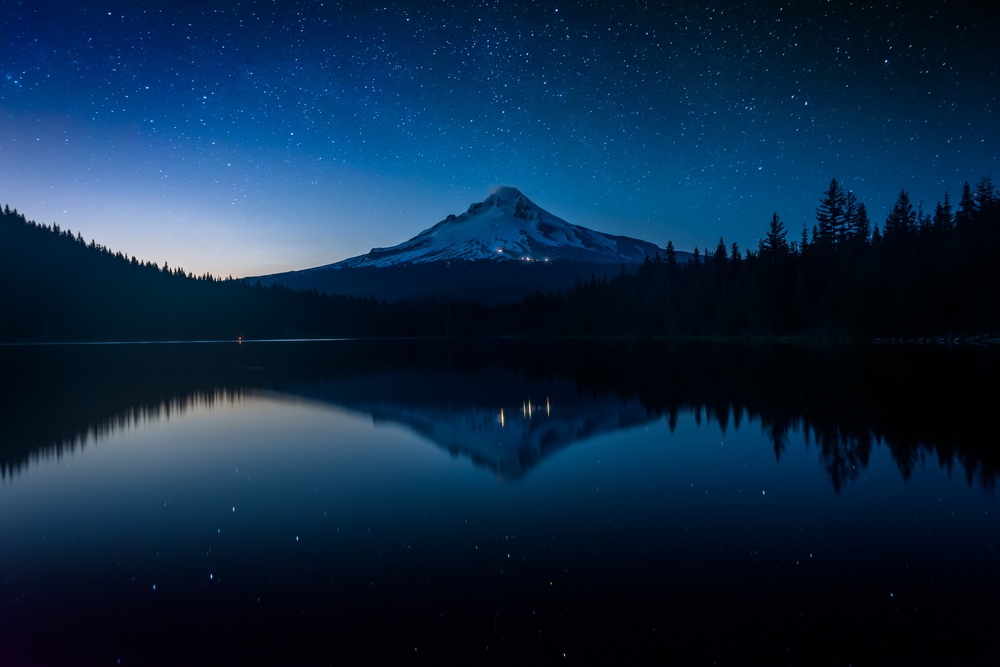
Mount Hood National Forest in Oregon offers a tranquil stargazing experience, especially in February. The park’s high elevation and remote location provide some of the darkest skies in the Pacific Northwest. Mondays are the best time to visit for clear skies and minimal crowds. While hiking is optional, there are several accessible viewpoints along the way for great stargazing opportunities.
The snowy peaks of Mount Hood create a beautiful contrast against the dark night sky. This area is perfect for those looking for a peaceful, secluded stargazing experience. You don’t need to hike far to enjoy the stars, but a short walk can enhance the experience. Warm clothing is essential to stay comfortable in the chilly mountain air.
Denali National Park, Alaska
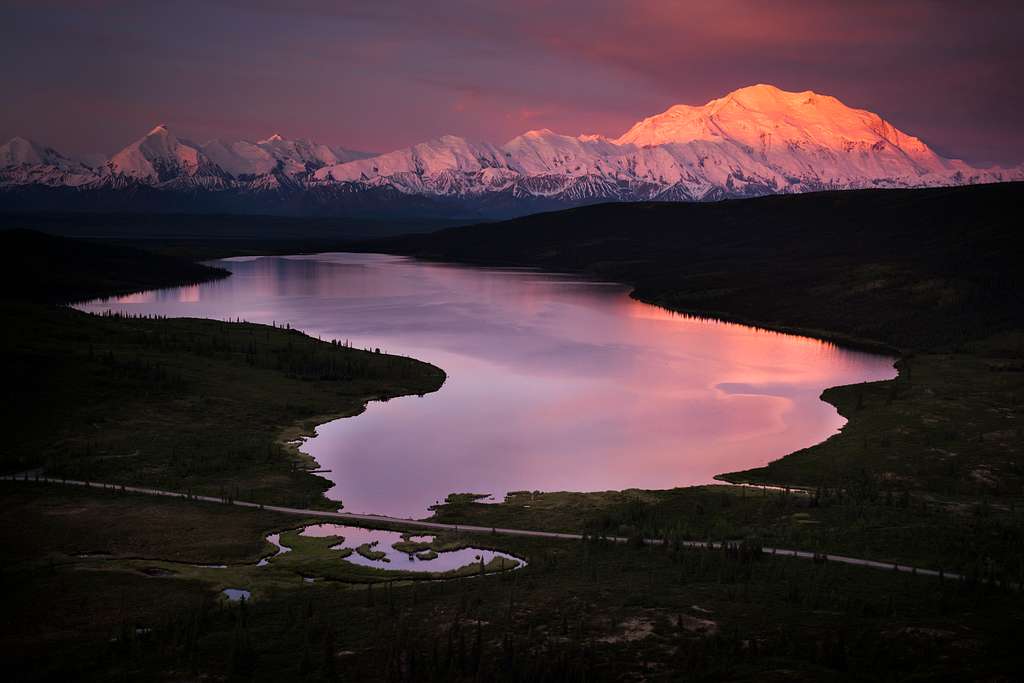
Denali National Park offers an exceptional stargazing experience, especially in winter. Located in Alaska, the park’s remote location provides pristine dark skies and incredible views of the stars. Wednesdays are the best day for stargazing, as the park is quieter and the skies tend to be clearer. Visitors can enjoy stargazing from designated areas or take a short hike to an elevated spot for an even better view.
The snowy landscape of Denali, combined with the clear winter nights, creates a magical atmosphere for stargazing. While hiking is optional, the park offers plenty of spots where you can set up and enjoy the stars without the need for a long hike. Cold temperatures require warm layers, but the stunning views make it worth the effort. Denali’s high elevation ensures excellent stargazing conditions.
This article originally appeared on Avocadu.