
15 Ancient Grains That Make Homemade Bread Taste Better
Ancient grains have been around for thousands of years, and their rich, nutty flavors can transform even the simplest bread. These grains bring more than just taste to the table; they add texture and nutritional benefits that modern grains often lack. Whether you’re baking at home or picking up a loaf from your local bakery, incorporating these grains into your bread can make each bite feel more satisfying. From the earthy richness of spelt to the subtle sweetness of quinoa, each grain offers something unique. Many of these grains are also packed with fiber, protein, and essential vitamins, making your bread not only delicious but also a healthier choice.
This post may contain affiliate links, which helps keep this content free. Please read our disclosure for more info.
Spelt
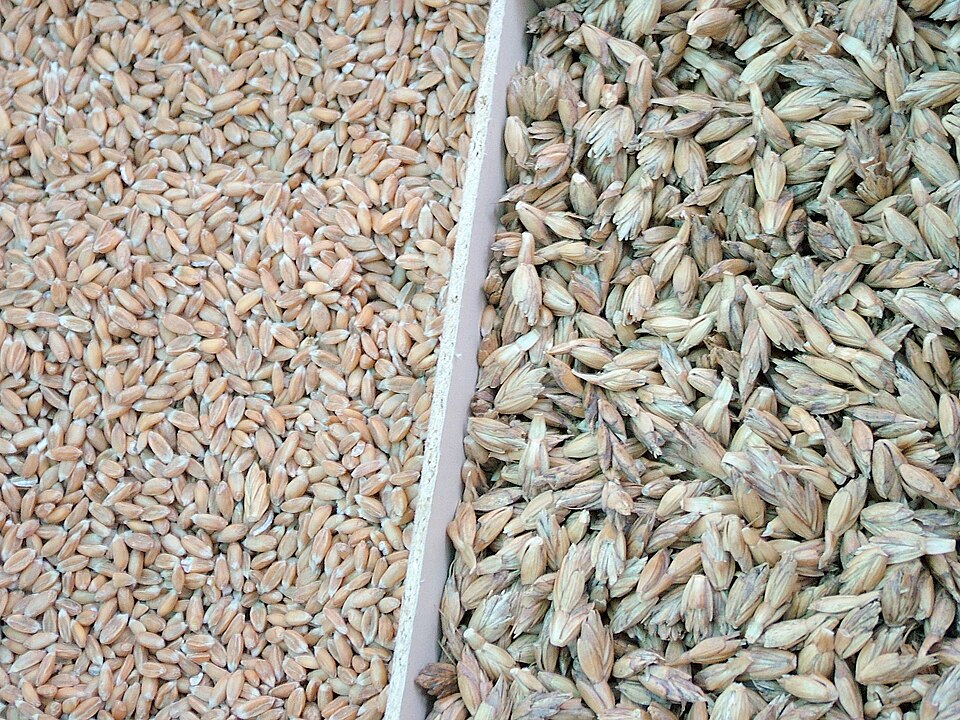
Spelt is an ancient grain that has a mildly nutty and slightly sweet flavor. It is an early relative of wheat, but with a distinct texture and richer nutritional profile. The grain has a chewy consistency, making it perfect for bread with a hearty bite. When ground into flour, spelt creates a bread that is both soft and slightly nutty in taste. Its rich fiber content helps to keep you fuller for longer and supports digestive health.
Spelt also contains more protein and essential vitamins compared to modern wheat. Due to its slightly sweet flavor, spelt bread pairs well with both savory and sweet toppings, adding versatility to any meal. Its use in bread dates back to ancient civilizations, making it a timeless choice for those looking for a more nutritious and flavorful option.
Emmer
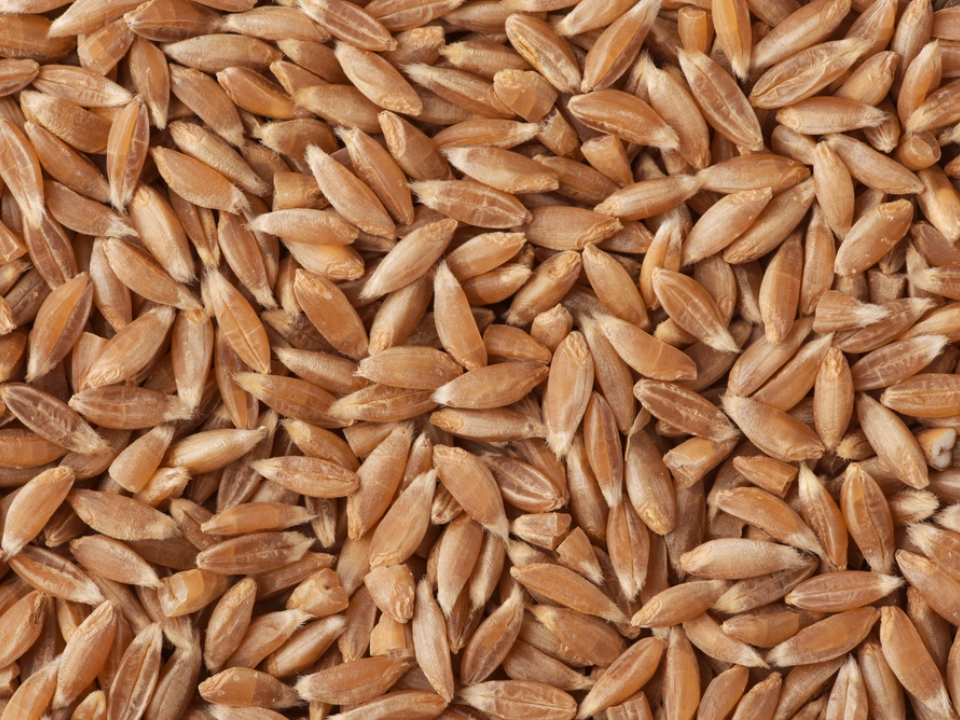
Emmer, one of the oldest cultivated grains, has a unique nutty flavor that shines through in bread. It is an ancient form of wheat that was widely grown by the Egyptians and Romans. The grain is smaller and harder than modern wheat, but once ground into flour, it produces a dense and hearty loaf. Emmer’s nutty taste can be a delightful addition to any bread recipe, offering a subtle yet rich flavor profile.
The grain is high in protein, fiber, and important minerals like magnesium and iron, contributing to a healthier bread option. Due to its low gluten content, emmer flour can create a denser, chewier texture, which many people prefer in their bread. This ancient grain helps to promote a feeling of fullness, making it an excellent choice for anyone looking to incorporate more whole grains into their diet.
Farro
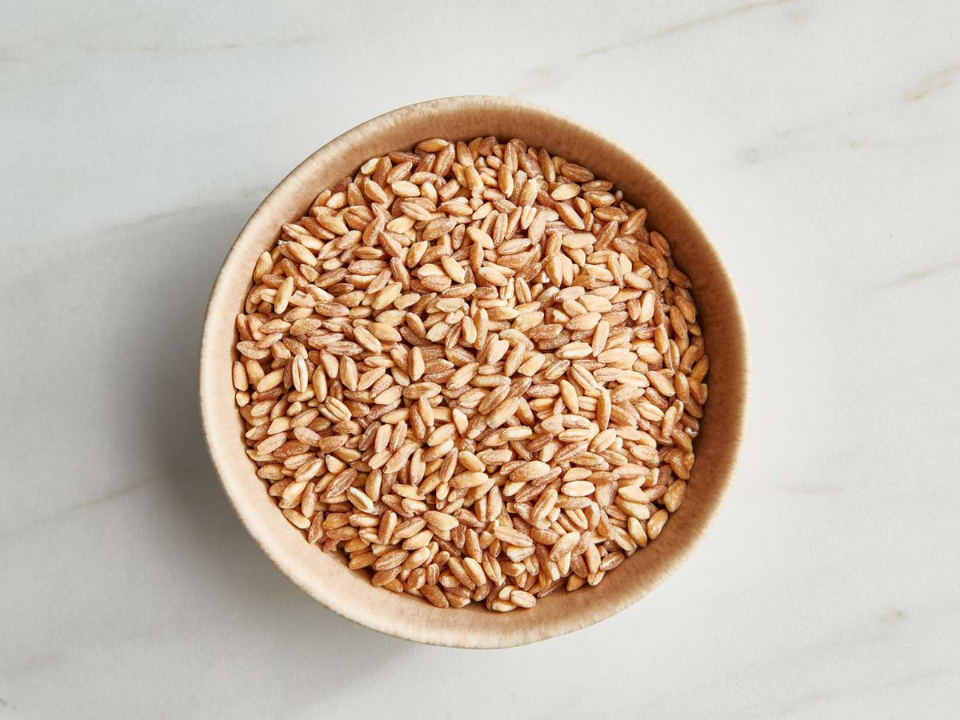
Farro is another ancient grain with a nutty, earthy flavor that enhances the taste of simple bread. It has been cultivated for thousands of years in the Mediterranean region and remains a staple in many traditional recipes. The grain has a chewy texture that stands out in breads, providing both flavor and a pleasant bite. Farro flour makes for a slightly denser loaf compared to regular wheat, and its earthy, slightly sweet taste adds depth to bread.
It is rich in protein and fiber, making it a great option for those looking to boost the nutritional value of their baked goods. Farro bread is also high in antioxidants, which help fight inflammation and promote overall health. The hearty texture of farro makes it perfect for rustic-style loaves, adding both flavor and satisfaction to each bite.
Teff
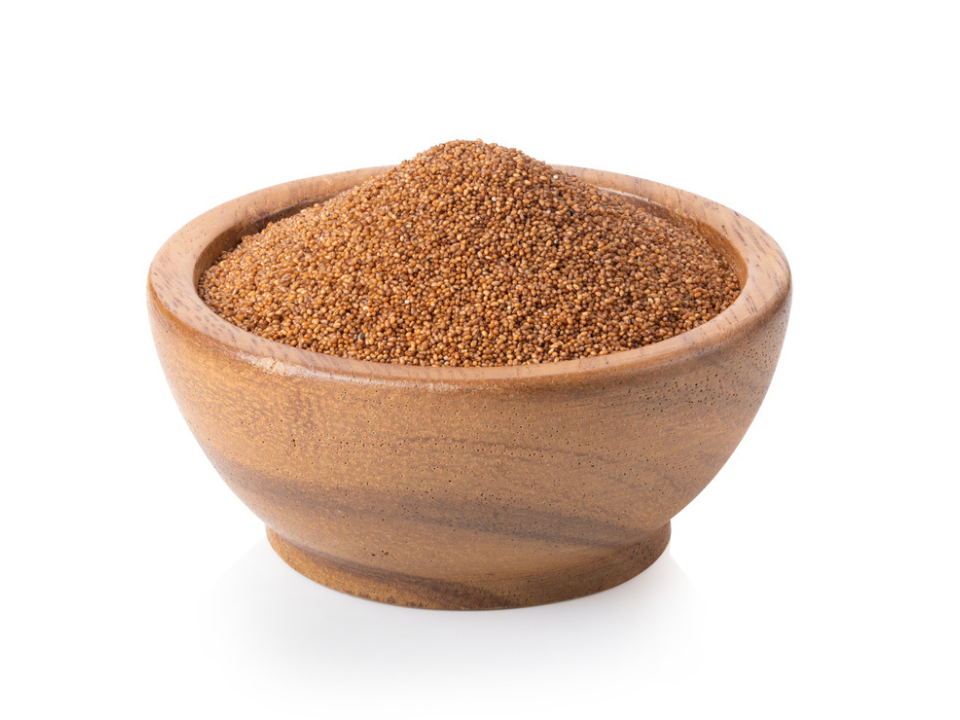
Teff, a tiny grain native to Ethiopia, offers a mild nutty flavor and is packed with nutrients. It is most commonly known for being the primary ingredient in injera, an Ethiopian flatbread, but it also adds an intriguing flavor to more conventional bread. The grain has a slight sweetness and a nutty profile, perfect for enhancing simple bread recipes.
Teff flour creates a soft yet dense loaf that holds moisture well, resulting in bread that stays fresh longer. The grain is high in iron and calcium, essential nutrients that contribute to bone health and energy levels. Teff also contains resistant starch, which is beneficial for gut health and helps in regulating blood sugar levels. Its high fiber content helps with digestion, making it a great choice for anyone seeking a wholesome and flavorful bread option.
Quinoa
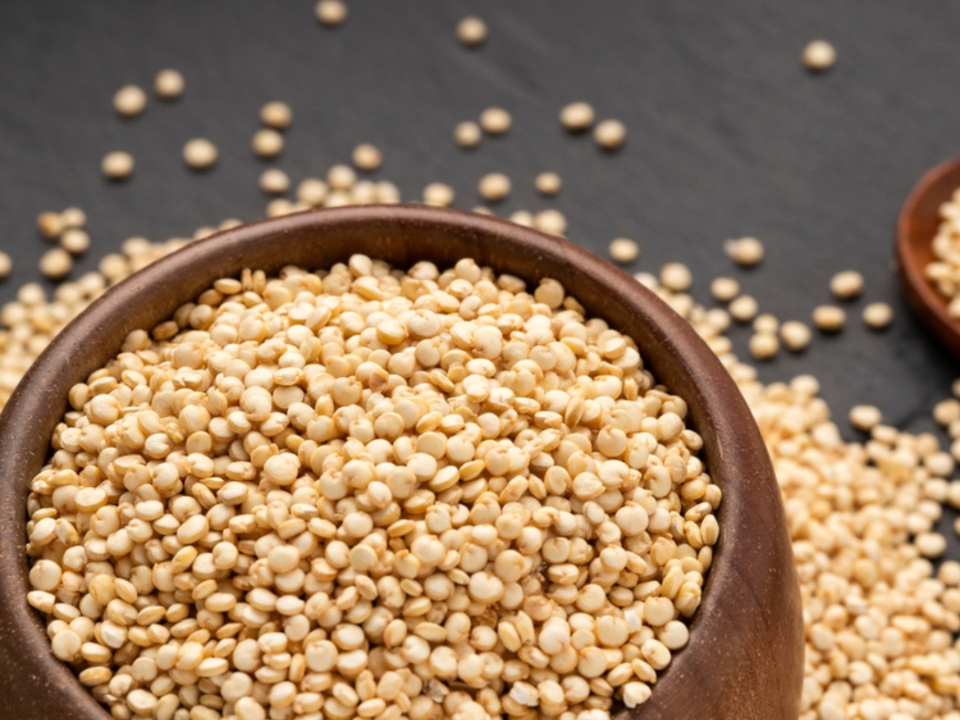
Quinoa, although technically a seed, is often used like a grain in baking, and it offers a nutty flavor that pairs beautifully with simple bread recipes. It is native to the Andes Mountains and has been a staple for thousands of years. When ground into flour, quinoa lends a slightly earthy taste with a mild nuttiness, making it a perfect addition to bread.
Quinoa is also known for being a complete protein, containing all nine essential amino acids, which makes it an excellent choice for vegetarians and vegans. The flour’s high fiber content makes it beneficial for digestion and overall gut health. Quinoa bread tends to have a light, slightly crumbly texture that contrasts nicely with its nutty flavor. It is also rich in antioxidants, which help protect the body from harmful free radicals.
Millet
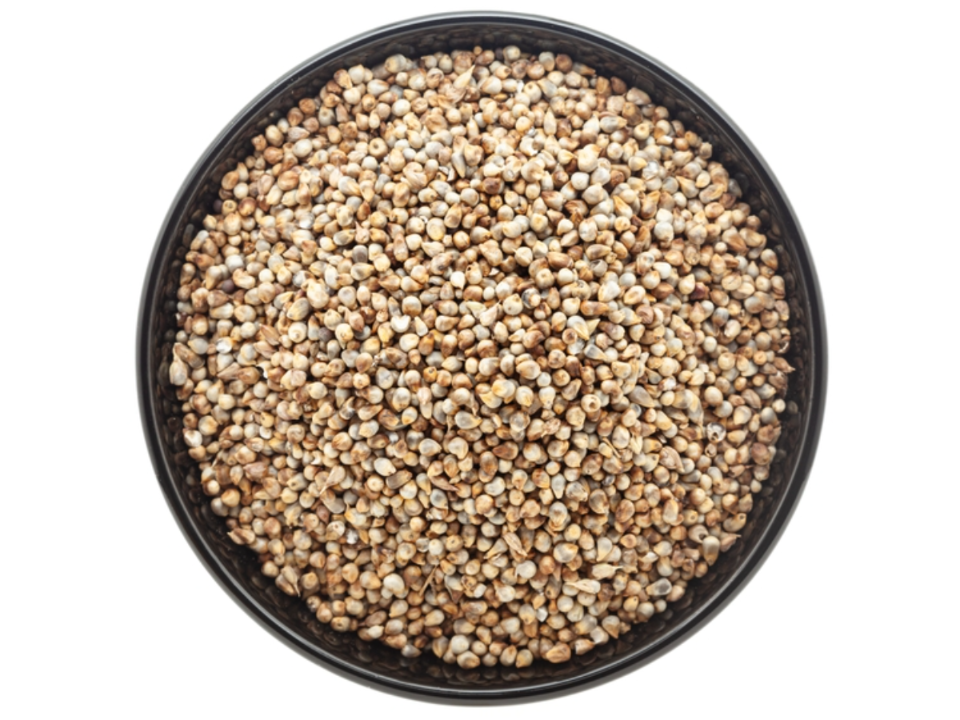
Millet is an ancient grain that has a mild, nutty taste that adds richness to simple bread. This tiny, round grain is one of the oldest cultivated crops and has been used for thousands of years in a variety of cultures. Millet has a slightly sweet flavor, making it a perfect complement to bread recipes. The texture of millet flour results in a light and fluffy loaf, while still offering a satisfying nutty bite.
Millet is rich in essential minerals like magnesium, phosphorus, and manganese, which are important for bone and cardiovascular health. Its high fiber content also helps promote healthy digestion. Millet bread is often a great gluten-free option for those who are sensitive to wheat, making it both a nutritious and versatile choice.
Rye
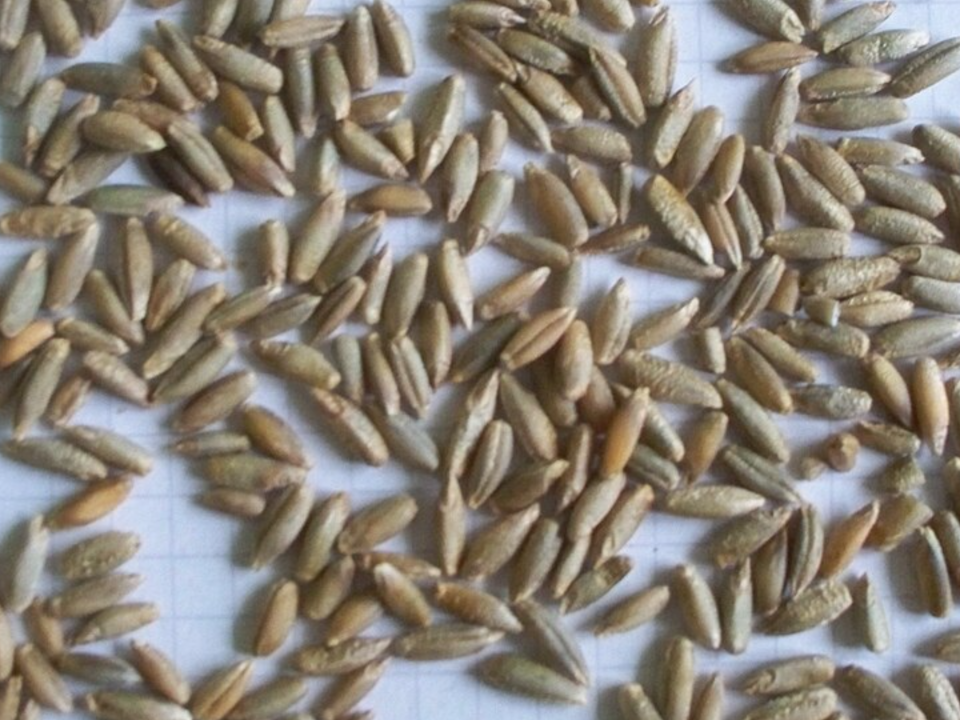
Rye is a well-known ancient grain that contributes a robust and slightly nutty flavor to bread. It has been a staple in European baking for centuries, known for its rich, earthy taste. Rye flour creates a dense, hearty loaf with a slightly tangy bite that is ideal for those looking for a bread with more character.
The nutty flavor of rye pairs well with a variety of ingredients, from savory spreads to sweet toppings. Rye is also a great source of soluble fiber, which helps with digestion and reduces cholesterol levels. Its high antioxidant content helps to protect the body from oxidative stress and inflammation. Rye flour adds a distinctive texture to bread, making it both chewy and satisfying.
Buckwheat
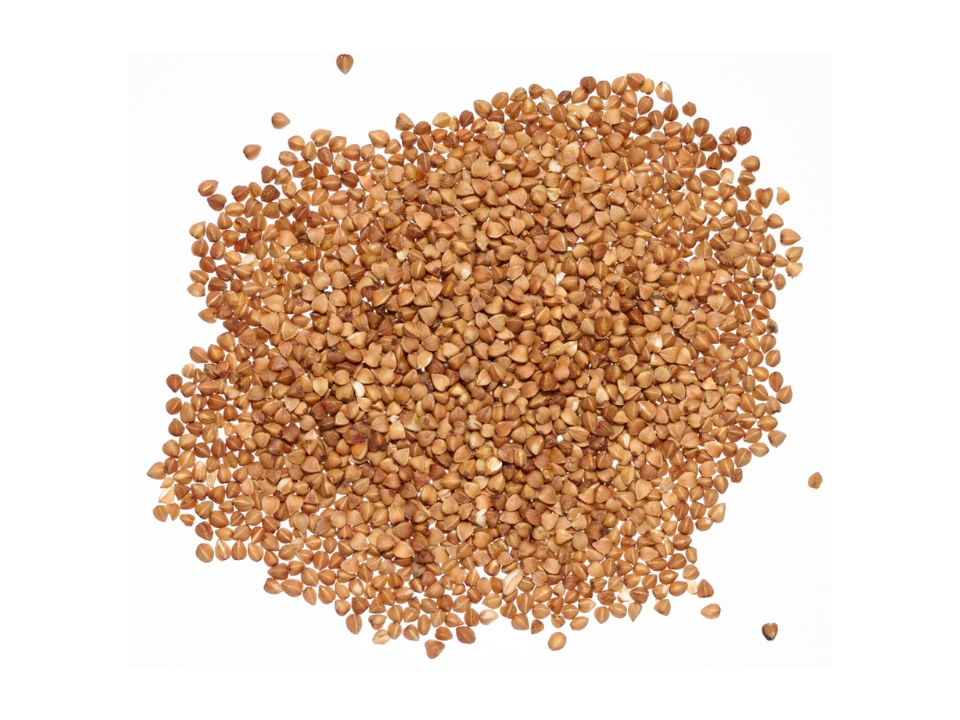
Buckwheat, despite its name, is not a wheat but a pseudocereal that has a mildly nutty flavor and works wonderfully in bread. It has been used for centuries in Europe and Asia, known for its unique taste and health benefits. When used in bread, buckwheat flour imparts a rich, earthy flavor with a hint of nuttiness. It produces a dense, moist loaf that is packed with nutrients, including protein, fiber, and a range of essential minerals.
Buckwheat is gluten-free, making it a suitable choice for those who avoid wheat-based products. It also has a low glycemic index, which means it is less likely to cause a spike in blood sugar levels. The grain is also high in antioxidants, which help to protect the body from damage caused by free radicals.
Amaranth
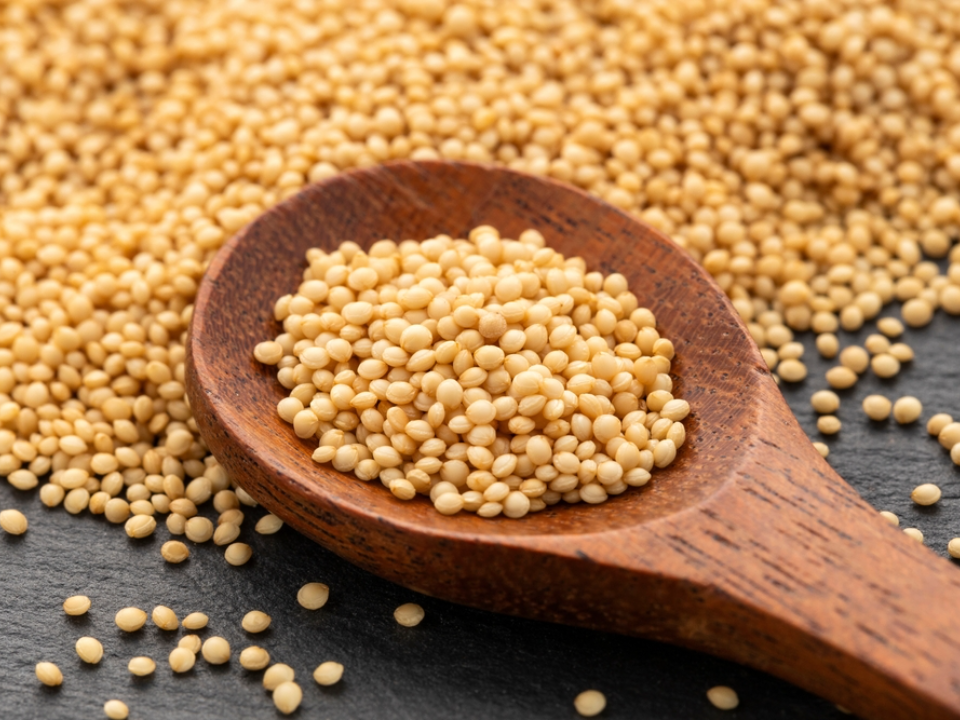
Amaranth is an ancient grain that has a mildly nutty flavor and a chewy texture, which makes it an excellent addition to bread. It was a staple food for ancient civilizations like the Aztecs and Incas. Amaranth flour creates a soft, slightly dense loaf with a rich, nutty flavor that pairs well with both savory and sweet toppings.
The grain is a complete protein, containing all nine essential amino acids, which makes it an excellent option for vegetarians and vegans. Amaranth is also high in fiber, which aids in digestion and helps regulate blood sugar levels. It is also rich in iron, calcium, and magnesium, supporting overall health and energy. The slightly sweet and nutty flavor of amaranth helps to elevate the taste of any simple bread recipe.
Barley
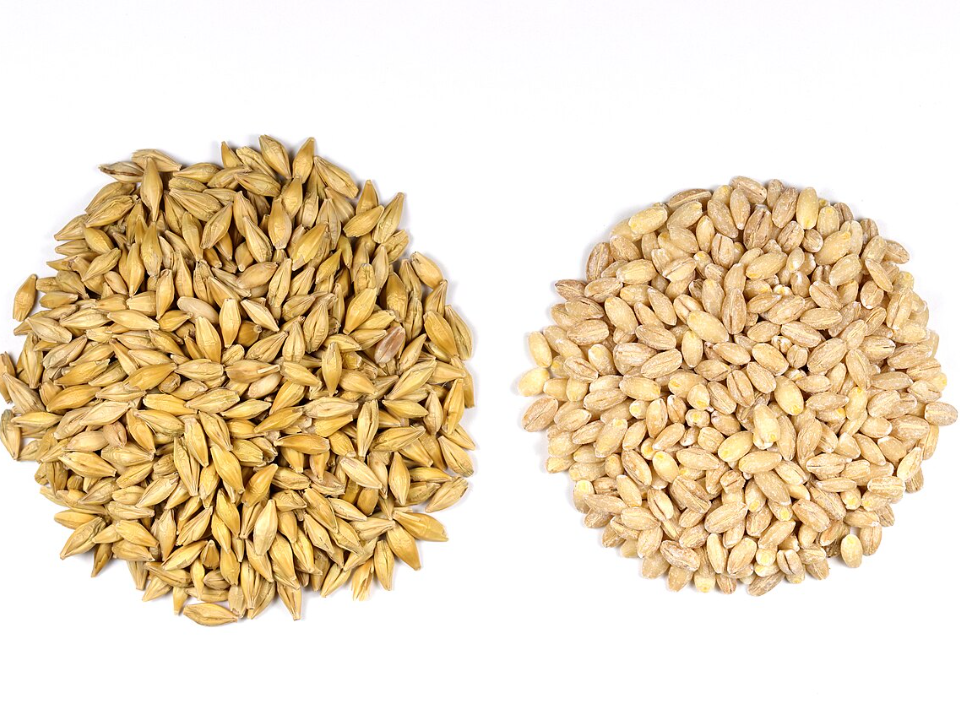
Barley is a versatile ancient grain that provides a mild, nutty flavor to bread. It is one of the earliest cultivated grains and has been used for thousands of years, particularly in the Middle East. Barley flour gives bread a dense, hearty texture with a rich, slightly sweet taste. It is a great source of fiber, which helps promote digestive health and keeps you feeling full longer.
Barley is also rich in vitamins and minerals, including B vitamins, iron, and magnesium, which are essential for overall well-being. The grain’s soluble fiber content helps to lower cholesterol levels and support heart health. The nutty flavor and chewy texture of barley make it a perfect choice for anyone looking for a flavorful and nutritious bread.
Kamut
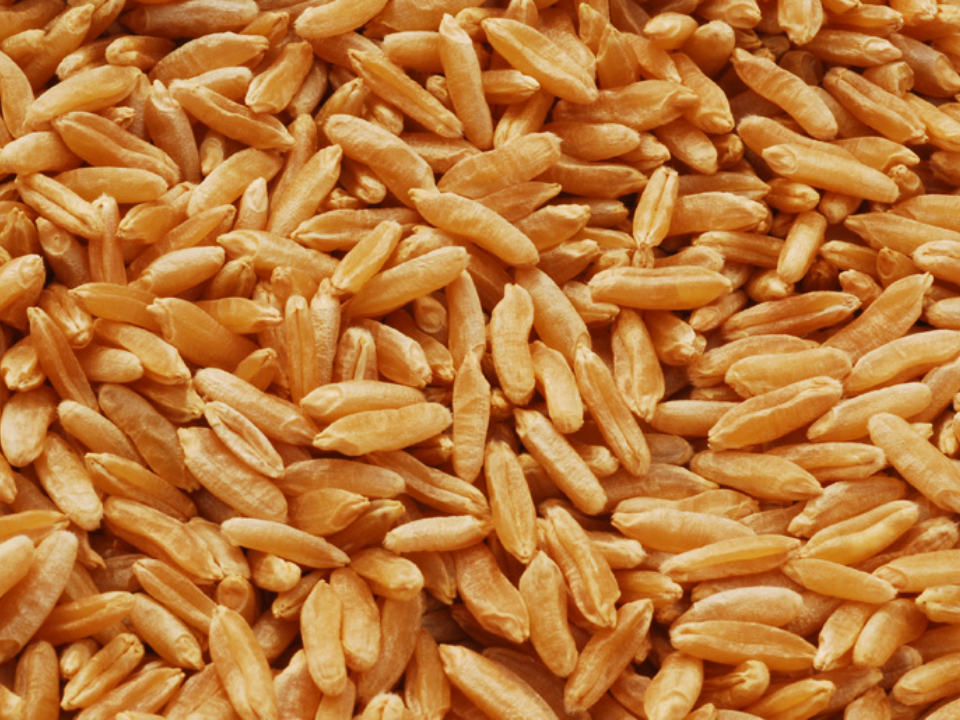
Kamut, also known as khorasan wheat, is an ancient grain with a rich, nutty flavor that adds depth to bread. It is larger than modern wheat and has a chewy texture that contributes to a hearty loaf. Kamut flour creates a dense, slightly sweet bread that has a full-bodied flavor, making it a perfect choice for those seeking a more substantial bread option. This ancient grain is known for its higher protein content, offering a better nutritional profile than regular wheat.
Kamut is also packed with minerals like selenium, magnesium, and zinc, which are important for immune health and overall well-being. The nutty taste of Kamut pairs well with both savory spreads and sweet toppings, offering versatility in your baking. Its rich flavor and nutritional benefits make Kamut an excellent addition to any bread recipe.
Oats
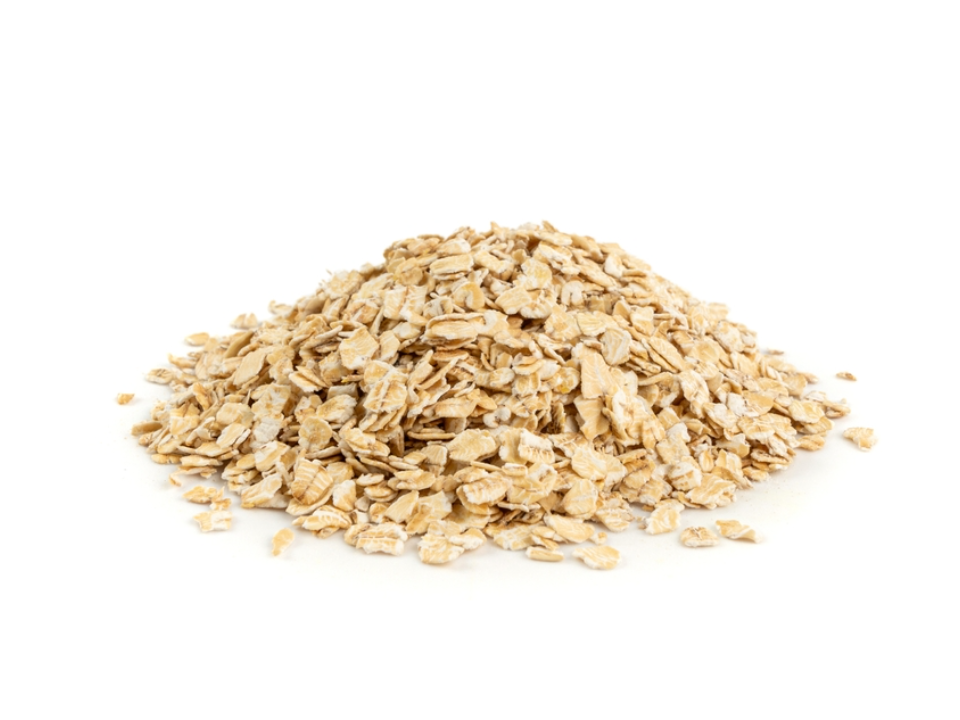
Oats are a popular ancient grain that provides a mild, nutty flavor to bread. While oats are often associated with breakfast, they also work wonderfully in baking, adding texture and flavor. Oat flour produces a soft, moist loaf with a slightly sweet, nutty taste that is perfect for a variety of bread types.
Oats are rich in beta-glucan, a type of soluble fiber that supports heart health and helps lower cholesterol levels. They also provide a good amount of protein, iron, and B vitamins, contributing to overall energy and immune support. Oat-based bread has a slightly crumbly texture, and its mild flavor makes it ideal for both savory and sweet toppings. The grain’s high fiber content makes oat bread a filling and nutritious option for any meal.
Triticale
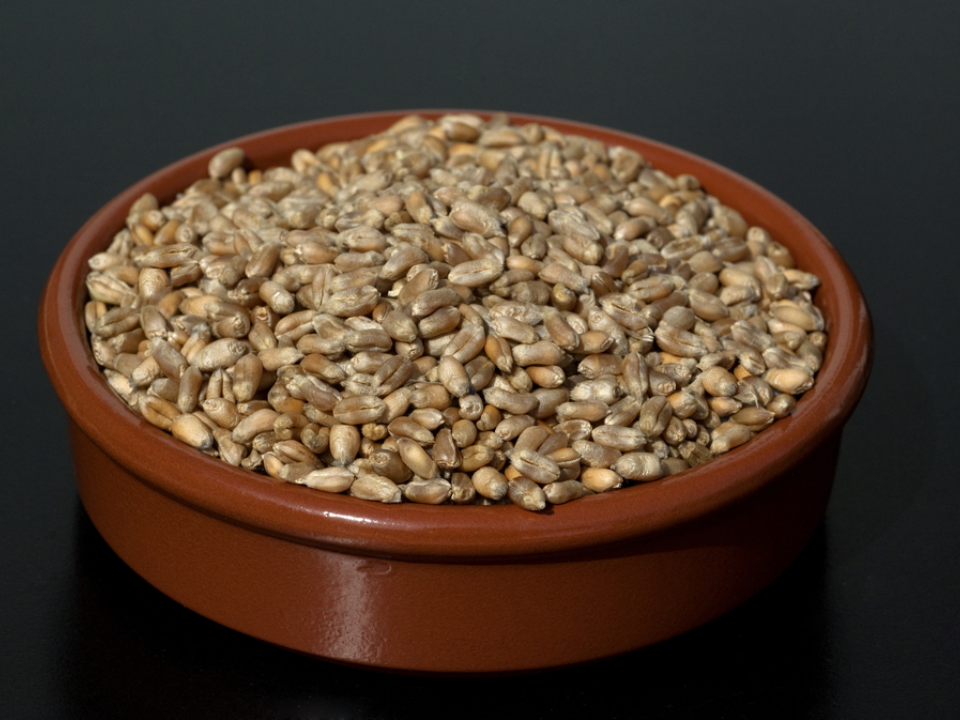
Triticale is a hybrid grain that combines the hardiness of rye and the smooth texture of wheat. It has a mild, nutty flavor that shines through in bread. When used in baking, triticale flour creates a bread that is soft with a slightly chewy texture and a rich, nutty taste. This ancient grain is an excellent source of protein and fiber, helping to support muscle growth and digestive health.
Triticale also contains a wide range of essential vitamins and minerals, including B vitamins, folate, and iron. The nutty flavor of triticale adds depth to bread, making it a great choice for a hearty loaf. It is also considered more environmentally sustainable compared to other grains due to its drought-resistant properties.
Red Fife Wheat
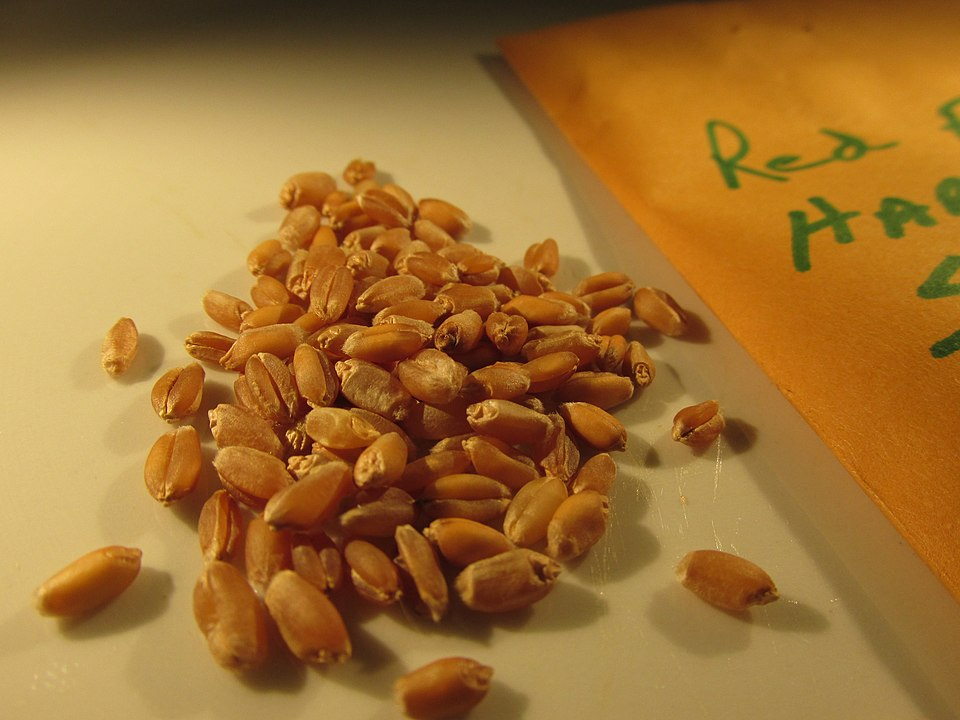
Red Fife wheat is an heirloom variety of wheat known for its deep, nutty flavor and hearty texture. It was first introduced to Canada in the 19th century and has since become a favorite among bakers who appreciate its rich, rustic taste. When ground into flour, Red Fife wheat creates a bread that is slightly denser than regular wheat but full of flavor. The grain’s nutty bite adds complexity to simple bread recipes, making it a perfect choice for rustic-style loaves.
Red Fife wheat is also high in protein and fiber, contributing to its nutritional value. The flour is packed with essential minerals such as manganese and phosphorus, which support bone health and energy levels. Red Fife’s rich flavor makes it an ideal choice for anyone looking to create a more flavorful and nutritious bread.
Einkorn
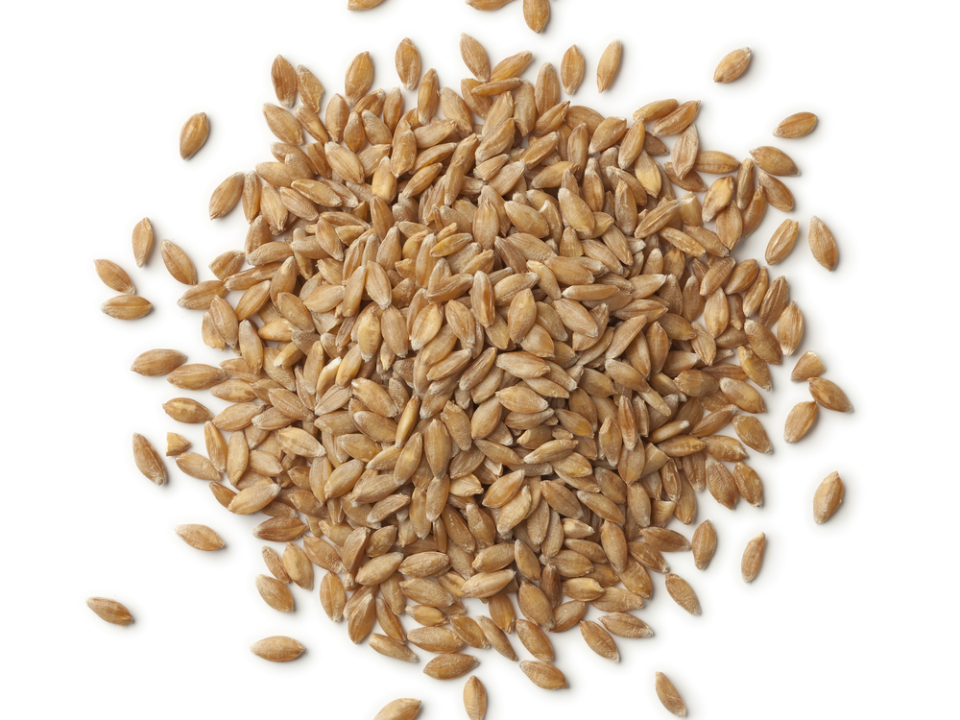
Einkorn is one of the earliest cultivated grains, with a mild nutty flavor and a slightly sweet taste that enhances simple bread. It has been used for thousands of years, and its use in bread results in a soft, light loaf with a subtle nutty bite. Einkorn is considered more digestible than modern wheat due to its lower gluten content. This ancient grain is rich in protein, fiber, and essential vitamins such as B6 and vitamin A.
Einkorn flour creates a bread that is slightly denser than wheat bread but still light and flavorful. It is also packed with antioxidants, helping to protect the body from oxidative stress. The grain’s unique flavor profile and nutritional benefits make it a great choice for those seeking a healthier bread option.
This article originally appeared on Avocadu.