
12 Roses To Prune Feed And Mulch Before March
Preparing your roses for the growing season is essential for healthy growth and abundant blooms. Pruning, feeding, and mulching before March helps remove any winter damage, prevent diseases, and ensure your roses have the nutrients they need to thrive. This early spring maintenance also helps regulate soil temperature, conserve moisture, and promote strong root development. With the right care, your roses will be ready to bloom beautifully throughout the year.
This post may contain affiliate links, which helps keep this content free. Please read our disclosure for more info.
Hybrid Tea Roses

Pruning Hybrid Tea Roses before March ensures healthy, strong growth as they are sensitive to frost damage. These roses benefit from a careful trim of dead or damaged wood, which prevents disease spread and allows the plant to focus its energy on fresh growth. Pruning also improves air circulation, reducing the risk of fungal infections, which are common in humid spring weather. Feeding with a balanced fertilizer helps provide essential nutrients for the upcoming bloom cycle, encouraging vigorous growth. Mulching around the base with organic material will help retain moisture and regulate the temperature of the soil, preventing it from freezing during colder spells.
Feeding Hybrid Tea Roses before the growing season begins boosts their strength to produce long, beautiful stems and large blooms. Proper mulching before March protects the roots from harsh temperatures and helps keep weeds at bay. A thick layer of mulch will also promote soil health by breaking down into rich, nourishing compost. By completing this maintenance in early spring, you ensure your Hybrid Tea Roses have the best start for the growing season, resulting in stunning, vibrant flowers throughout the year.
Floribunda Roses

Floribunda Roses require pruning before the end of winter to remove any dead, damaged, or weak growth that could hinder their health. Pruning helps the plant channel its energy into strong, healthy canes that will produce an abundance of blooms. These roses benefit from light pruning to maintain a rounded shape and promote better airflow, which reduces the risk of disease. A good feed with a slow-release fertilizer encourages healthy root development and strong canes, setting the stage for robust blooms. Mulching these roses before March helps maintain a stable soil temperature, preventing freeze-thaw cycles that can damage the roots.
Feeding and mulching Floribunda Roses in early spring gives them the necessary nutrients to withstand the demands of flowering. Mulch acts as a protective barrier, conserving moisture and protecting the soil from the drying effects of early spring winds. Floribundas thrive in well-fed, well-mulched soil, which allows them to flourish and produce clusters of bright, colorful blooms. This late winter care is essential for ensuring these roses bloom profusely throughout the warmer months.
Climbing Roses

Climbing Roses need pruning in late winter or early spring to remove any tangled, broken, or diseased canes. Pruning helps direct the plant’s energy into healthy canes that will grow vigorously throughout the season. These roses benefit from pruning to encourage lateral growth, which is essential for an abundant flowering display. A balanced fertilizer helps feed the roots and supports the formation of strong canes, which are crucial for heavy blooms. Applying mulch around the base of Climbing Roses provides insulation for the roots and helps retain moisture as the growing season begins.
Feeding Climbing Roses before March prepares them for the demands of spring growth. The right amount of mulch around the base will ensure they have the nutrients needed to thrive, especially in areas with fluctuating temperatures. Proper mulching also helps prevent weeds from competing for resources and minimizes the risk of soil erosion. This maintenance will allow your Climbing Roses to grow vigorously, producing stunning, cascading blooms that add beauty to any garden.
English Roses

English Roses require pruning before the end of February to shape them and remove any damaged or dead wood. This encourages the plant to focus its energy on healthy new growth, ensuring a strong start to the spring season. English Roses are known for their abundant blooms, but proper care is needed to maintain their full potential. Feeding them with a balanced rose fertilizer in early spring boosts their nutrient levels and supports the development of large, fragrant blooms. Applying mulch around the base helps protect the roots from temperature fluctuations and keeps the soil consistently moist.
Feeding English Roses before March prepares them for the growth spurt that will come with warmer temperatures. Mulching provides a layer of protection against the elements, reducing the risk of frost damage and drying out. This late winter maintenance is crucial for ensuring your English Roses are strong and ready to bloom in full force as soon as the weather warms up. Well-pruned and well-fed roses will provide a spectacular display of lush blooms all season long.
Grandiflora Roses

Grandiflora Roses need to be pruned before March to maintain a tidy, healthy shape. Pruning removes dead or diseased wood that could potentially spread disease to the rest of the plant. By cutting back on older growth, you encourage the plant to focus its energy on newer, stronger canes that will produce large, showy blooms. Feeding Grandiflora Roses with a slow-release fertilizer ensures the plant has the nutrients it needs for a productive growing season. Mulching around the base helps protect the roots from frost and supports moisture retention as temperatures rise.
Feeding these roses before the spring growth begins ensures they are well-nourished and ready to produce large blooms. The mulch will also serve to protect the roots from temperature extremes, making it essential in climates with cold winters. By completing this pruning, feeding, and mulching before March, your Grandiflora Roses will be prepared for the best possible bloom season.
Knock Out Roses

Knock Out Roses are known for their hardy nature, but even they require proper care in late winter. Pruning before early March ensures the plant retains its shape and removes any damaged wood caused by winter conditions. This helps the rose focus its energy on fresh growth and more vibrant flowers. Knock Out Roses thrive with a good feeding in early spring, which provides the nutrients necessary for strong growth and a colorful bloom display. Mulching helps protect the roots from cold weather and conserves moisture as the season changes.
Pruning Knock Out Roses before the growing season gives them a chance to bounce back stronger than ever. By applying a balanced fertilizer and a layer of mulch, you ensure that they have the resources needed for healthy growth. The combination of pruning, feeding, and mulching helps Knock Out Roses maintain their signature vibrant color and long-lasting blooms.
Bourbon Roses
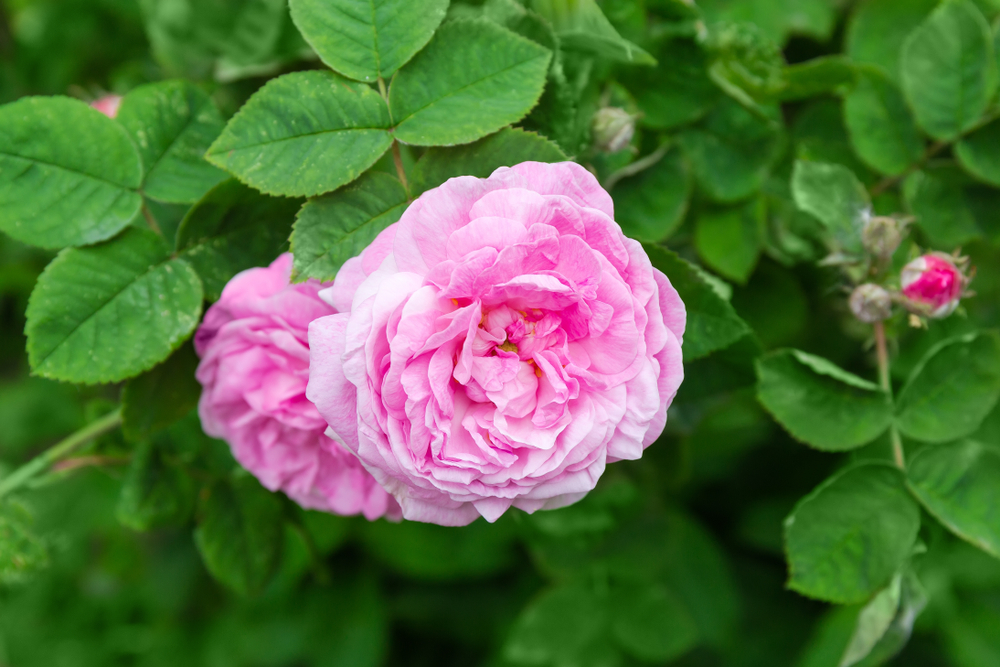
Bourbon Roses are known for their rich fragrance and large blooms. Pruning them before March allows you to remove any damaged or dead wood, which helps the plant focus on healthy new growth. These roses benefit from light pruning to maintain their shape and to prevent disease. Feeding them with a slow-release fertilizer gives them the nutrients they need to produce their large, fragrant blooms. Mulching around the base ensures the soil stays warm and moist, which is essential for healthy root development.
By feeding and mulching Bourbon Roses before the season begins, you prepare them for an abundant spring bloom. Proper mulching keeps the roots insulated and protected from temperature fluctuations, allowing the plant to thrive. This late winter maintenance ensures that your Bourbon Roses have the best possible start for a season of fragrant, colorful flowers.
Miniature Roses

Miniature Roses require pruning to remove any dead or diseased growth, especially after winter. Pruning encourages fresh, healthy growth, ensuring that the plant can produce a large number of small, beautiful blooms. Miniature Roses benefit from feeding in early spring, which helps to replenish nutrients in the soil and supports strong canes. Mulching around the base is essential to maintain soil moisture and regulate temperature as the weather warms. This is particularly important for smaller varieties, as they are more sensitive to fluctuating temperatures.
Feeding Miniature Roses before March ensures that the plant has the nutrients it needs to produce an abundance of blooms. Mulching helps protect the delicate roots from the cold and prevents moisture loss. With proper care, Miniature Roses will bloom beautifully, adding a colorful and fragrant touch to your garden.
Tea Roses
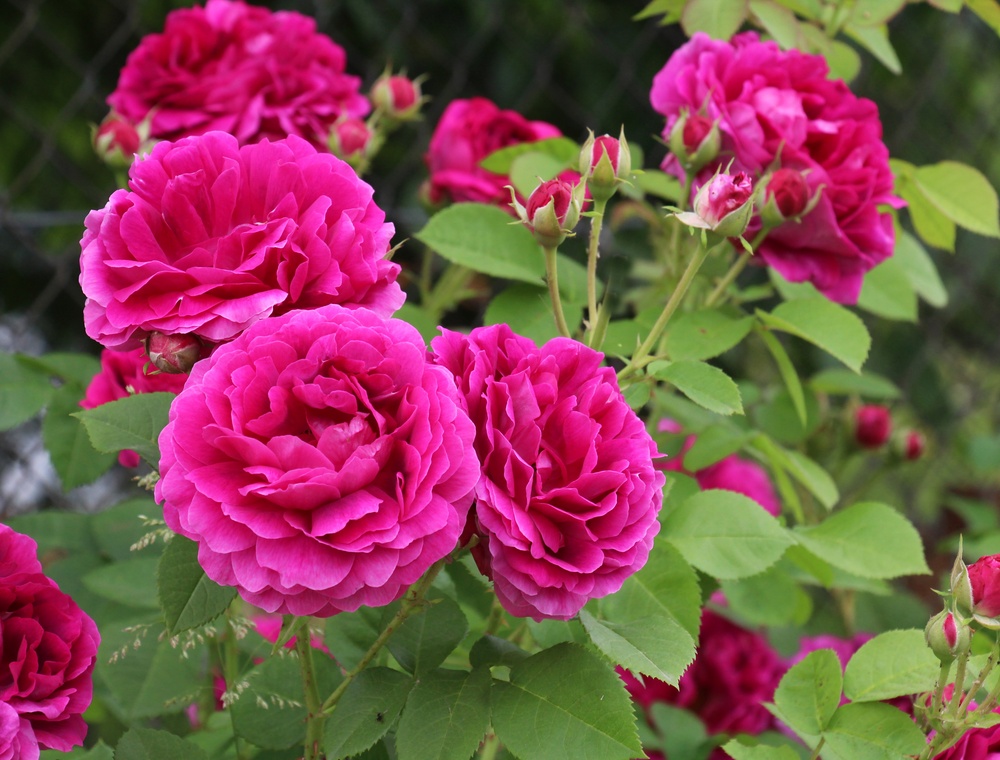
Tea Roses, like their hybrid cousins, require pruning to remove any old or damaged wood before the spring growth begins. This keeps the plant healthy and allows it to focus on producing strong new canes. Feeding these roses before March ensures they have the necessary nutrients to support vigorous growth and large, fragrant blooms. Applying a layer of mulch around the base of the plant helps regulate soil temperature and moisture levels, which is crucial as the weather fluctuates during early spring.
Pruning and feeding Tea Roses before the growing season gives them the best possible start for abundant blooms. The mulch also helps protect the roots from frost damage and keeps the plant hydrated during drier periods. These steps will result in a healthy, vibrant Tea Rose bush that blooms beautifully throughout the season.
Rambler Roses

Rambler Roses require pruning to control their growth and remove any dead or damaged canes. These roses are vigorous growers, and pruning helps manage their size while encouraging strong, healthy growth. Feeding them with a balanced fertilizer in early spring supports the development of strong canes and abundant flowers. Mulching around the base keeps the roots insulated from temperature extremes and helps retain moisture, which is vital as the growing season begins.
Feeding and mulching Rambler Roses before March prepares them for an active growing season. This maintenance is essential for promoting the lush, vibrant flowers these roses are known for. The proper care ensures that Rambler Roses will thrive and produce a profusion of beautiful blooms.
Groundcover Roses
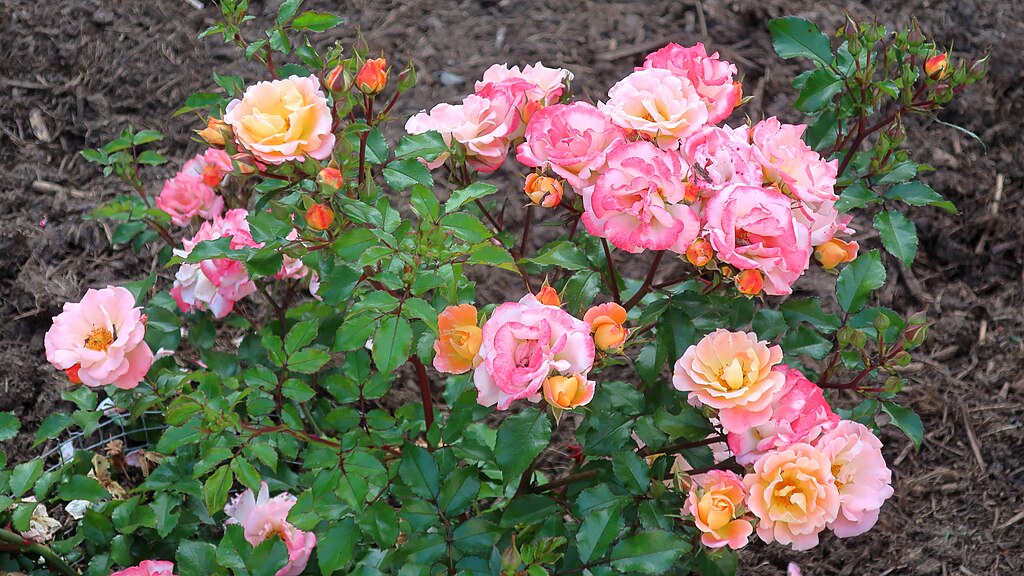
Groundcover Roses require pruning in late winter to remove any dead, broken, or diseased growth. This ensures the plant can focus on producing fresh, healthy canes. These roses benefit from a light trim to maintain their shape and encourage dense growth, which is key to covering the ground with flowers. Feeding with a balanced rose fertilizer in early spring provides the necessary nutrients for healthy growth. Mulching helps maintain moisture levels in the soil and keeps the roots protected during colder weather.
Pruning and feeding Groundcover Roses before March ensures they will have a strong start to the growing season. Mulch helps prevent the roots from freezing and protects the plant from temperature fluctuations. This maintenance allows Groundcover Roses to spread and fill the garden with vibrant, colorful blooms.
Polyantha Roses
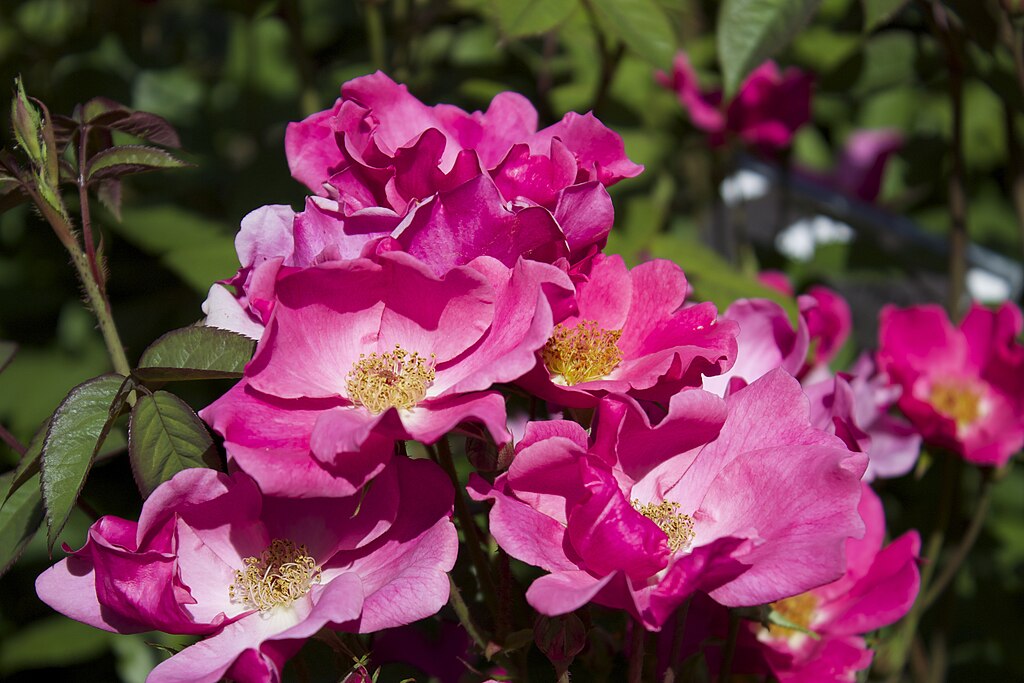
Polyantha Roses are small but mighty, producing dense clusters of flowers. Pruning them before early spring removes any dead or damaged wood, encouraging new, healthy growth. These roses benefit from feeding in early spring, which supports the development of strong canes and vibrant flowers. Mulching around the base helps retain moisture and regulates the temperature of the soil, which is crucial as the weather warms.
Feeding Polyantha Roses before March ensures they have the necessary nutrients to produce abundant clusters of flowers. Proper mulching helps keep the soil moist and protects the roots from temperature fluctuations. With proper care, Polyantha Roses will thrive and bloom profusely.
This article originally appeared on Avocadu.