
10 Historic Train Junctions With Model Shops And Short Hops
Discover the charm of historic train junctions, where 19th-century architecture blends with active rail tourism and model shops. These iconic stations offer a unique glimpse into the past, featuring preserved buildings and scenic short-hop train rides. Whether you’re a rail enthusiast or simply looking to experience local history, these destinations provide an unforgettable journey through time.
This post may contain affiliate links, which helps keep this content free. Please read our disclosure for more info.
Abilene and Smoky Valley Railroad in Kansas (1887)
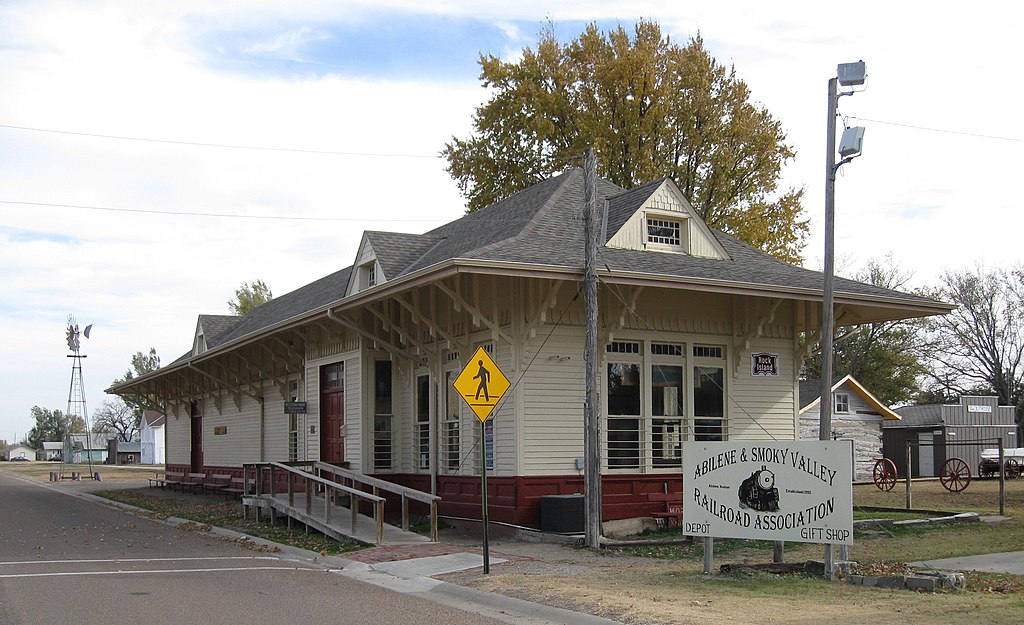
The Abilene and Smoky Valley Railroad serves as a crucial historical site, where the junction became integral to the transport of cattle and crops. The station’s original 1887 building remains, showcasing the elegant brickwork and wooden detailing typical of late 19th-century railroads. Visitors can walk through the restored depot and experience the preserved atmosphere of a busy cattle town, complete with period-appropriate signage, displays, and artifacts.
Nearby, model railroad shops bring the region’s history to life in miniature form. The shops feature detailed layouts depicting Kansas’ vast prairies, rail lines, and the evolution of steam trains. These models allow enthusiasts to appreciate the development of rail in the region. Short hops aboard restored steam and diesel engines give visitors the chance to travel along the same tracks that were once used to transport cattle and goods, immersing them in the rich history of the Smoky Valley and offering a unique view of the beautiful Kansas landscape.
Black Hills Central Railroad in South Dakota (1880)
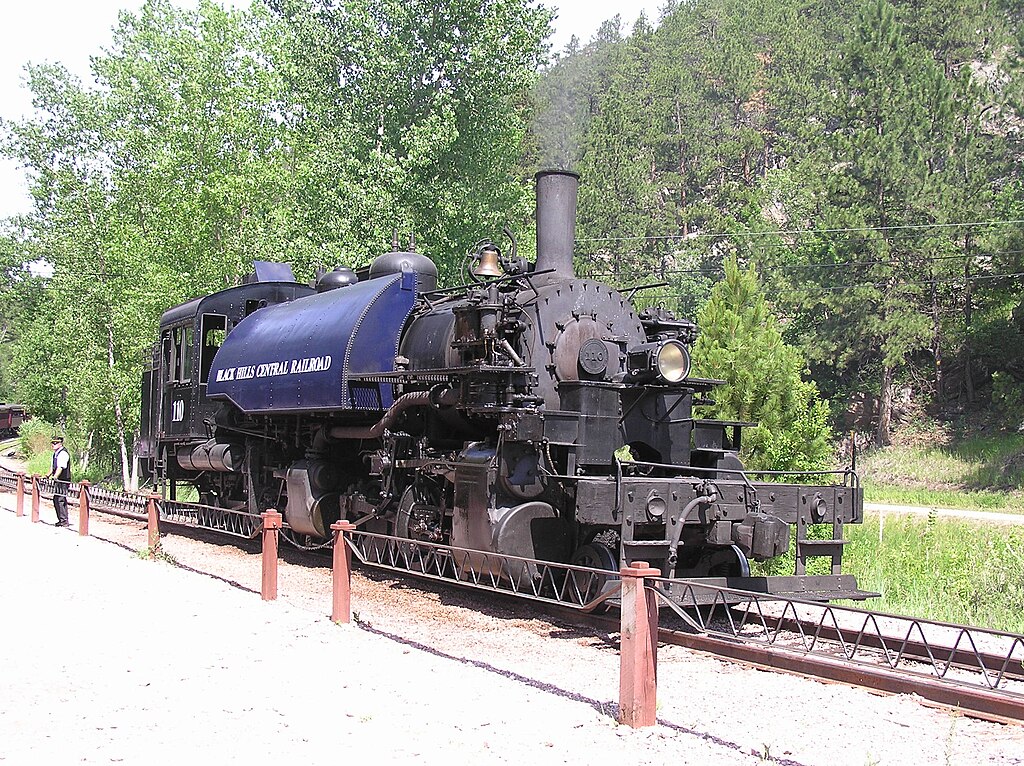
The Black Hills Central Railroad’s station in Hill City remains a remarkable example of the late 19th-century railway architecture. The depot stands as a testament to the challenges of building a railroad through rugged, mountainous terrain. The original wooden structures, including the waiting rooms and freight areas, are meticulously preserved, offering a glimpse into the past when rail was the lifeblood of communities in the Black Hills.
Adjacent to the station, hobbyists can find model shops that specialize in creating miniature versions of the Black Hills region’s mountain railroads. These intricate model trains reflect the unique features of the narrow gauge lines and the difficult paths they had to follow, including the famous steep grades and trestle bridges. Visitors can enjoy short hops aboard historic trains, taking in the breathtaking views of the Black Hills. As they travel along winding tracks through pine forests and rugged mountains, they connect with the very same scenery that shaped the history of the region.
Union Station in Denver, Colorado
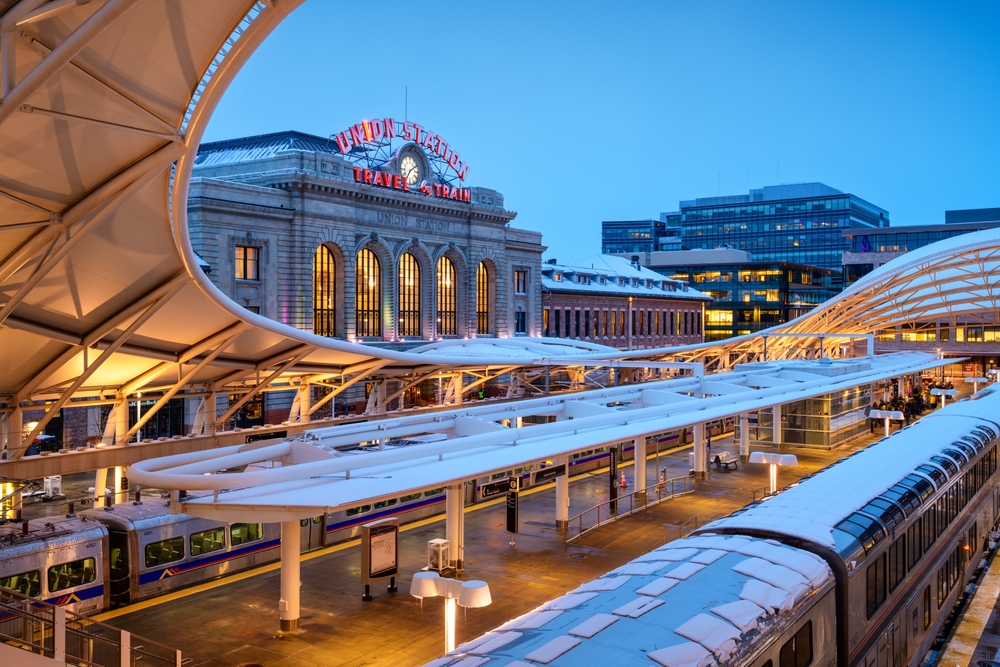
Union Station in Denver serves as one of the most iconic examples of railway junctions in the American West, linking trains coming from both the plains and the mountains. Opened in 1914, the station is renowned for its Beaux-Arts style, characterized by its grand arched windows, detailed stonework, and expansive waiting areas. Its design reflects the ambition of early 20th-century railroad expansion and is a focal point of Denver’s architectural heritage.
In and around the station, hobby shops offer visitors the opportunity to explore a variety of train models depicting not only Denver’s rail history but also the famous routes to the Rockies. These models capture the essence of Denver’s historic role in connecting the Midwest and the West. Short hops on modern commuter trains or historic tours offer a chance to experience rail travel through the station’s hub. Whether traveling to the suburbs or enjoying a quick excursion, the ride gives passengers a sense of the connectivity that made Union Station a vital link in the region’s transportation network.
Chicago Union Station in Illinois
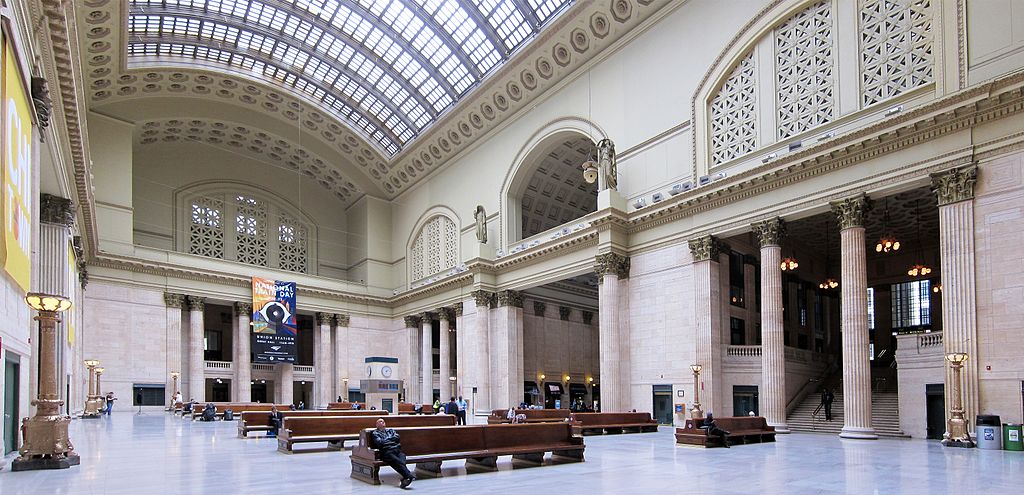
Chicago Union Station, completed in 1925, stands as an architectural marvel with its stunning neoclassical design. It has long been a central hub for railroads coming from all directions, connecting the city to major cities like New York, Los Angeles, and St. Louis. The station’s massive Great Hall, with its vaulted ceilings and marble floors, continues to impress visitors with its grandeur, preserving the early 20th-century optimism surrounding American railroad expansion.
Nearby, model shops cater to the diverse interests of train enthusiasts, showcasing intricate layouts that highlight Chicago’s storied history as a rail hub. These models bring to life the significance of Chicago’s role in the railway system, featuring famous Chicago-based railroads and the complex interconnections that fed into the city. Visitors can hop aboard short, historic train rides that circle the station or take a trip along iconic routes like the Southwest Chief. These short excursions allow travelers to see the city’s railroads up close, connecting the grandeur of Union Station with the real-world experience of today’s rail systems.
Durango and Silverton Narrow Gauge Railroad in Colorado
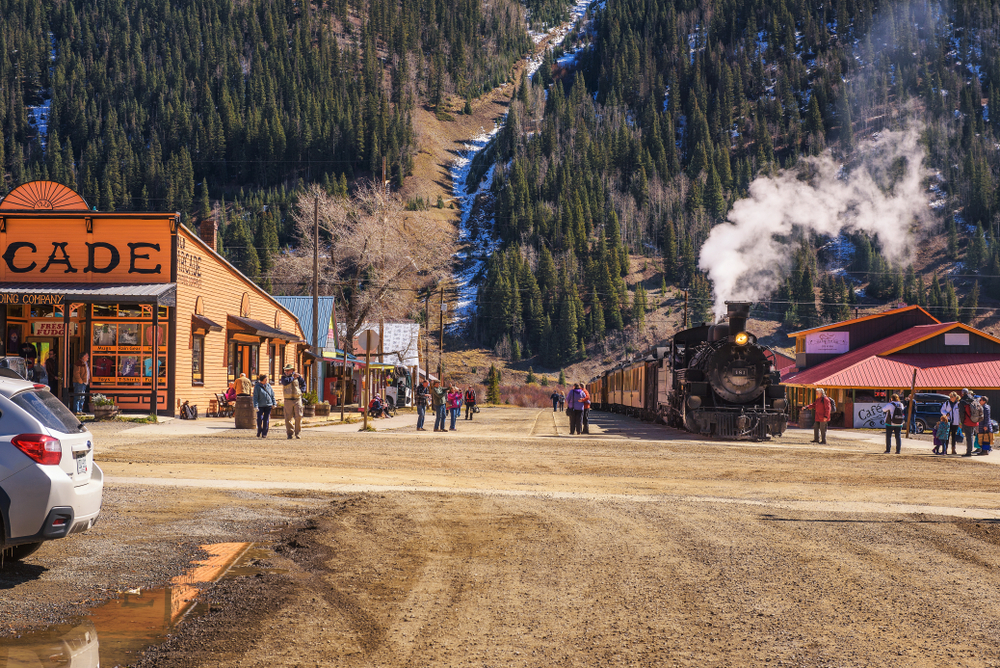
The Durango and Silverton Narrow Gauge Railroad is a celebrated site in Colorado’s rail history, stretching through the rugged San Juan Mountains. The railroad’s original depot, built in 1882, has been carefully preserved, with its wood siding, pointed roofs, and historic signage offering a glimpse into the area’s bustling mining era. Visitors can explore the old freight and passenger areas of the station and feel the weight of the railroad’s contribution to the region’s development.
Local model shops bring to life the narrow gauge railroads that climbed into the mountains, with scale trains reflecting the terrain, trestle bridges, and tunnels that make this line so unique. The short hops offered on vintage steam engines allow visitors to follow the tracks up to Silverton, passing through picturesque mountain landscapes and historic mining towns. These rides link the past and present, offering a thrilling opportunity to relive the days when rail was the lifeblood of the region’s economy.
Strasburg Rail Road in Pennsylvania
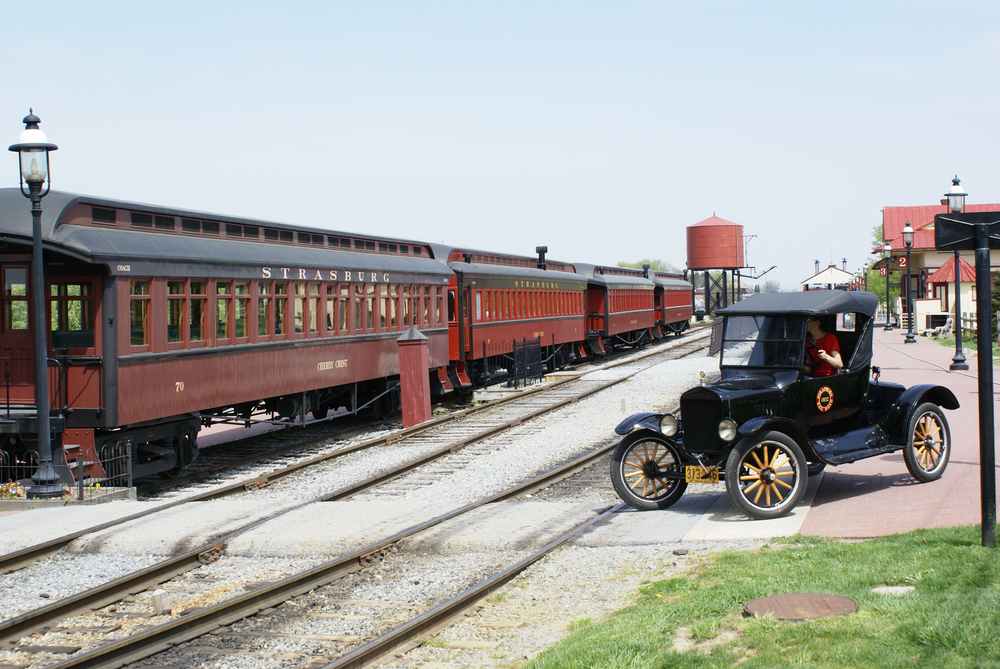
Strasburg Rail Road is America’s oldest continuously operating railroad, founded in 1832, and it remains a prime example of nineteenth-century railroading. The station and depot buildings, constructed in the mid-1800s, still retain their original charm with wooden beams, high ceilings, and a classic train station layout. The station serves as a hub for rail fans and tourists, offering a glimpse into how rail travel operated in the heart of Pennsylvania’s Amish Country.
Model shops around the station showcase detailed depictions of Strasburg’s scenic rail route, featuring Amish farms, wooden barns, and rolling hills. These models allow hobbyists to immerse themselves in the peaceful, pastoral settings of the region that Strasburg trains have traversed for over a century. Visitors can enjoy short hops on steam-powered trains that take them along the Lancaster County countryside, offering a unique view of rural America as it was in the 1800s. Each short ride reconnects tourists with the historical significance of rail in an area where the past and present come together.
Cass Scenic Railroad in West Virginia
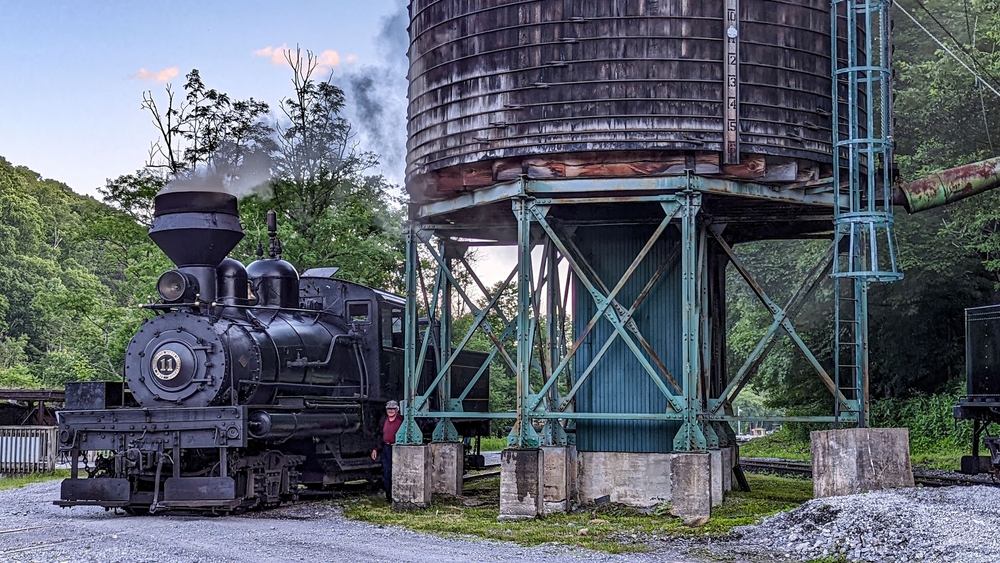
Cass Scenic Railroad, located in the Appalachian Mountains, serves as a reminder of the logging industry that once thrived in the region. The historic depot, dating back to 1901, has been preserved, and its rustic appearance reflects the rough and tough nature of early 20th-century logging railroads. The station’s layout and historic locomotives show visitors the integral role that railroads played in transporting timber from the mountains to sawmills.
Model shops in the nearby area focus on the logging railroad theme, offering detailed models of narrow-gauge trains and the dense forests that served as the backdrop for this historic line. Short hops on the trains take visitors up to Bald Knob, the highest point on the railroad, where they can see the stunning natural beauty of the Appalachian Mountains. The preserved station, coupled with the exhilarating short hop experiences, offers a complete immersion into a bygone era when rail was central to logging and mountain life.
Grand Canyon Railway in Arizona
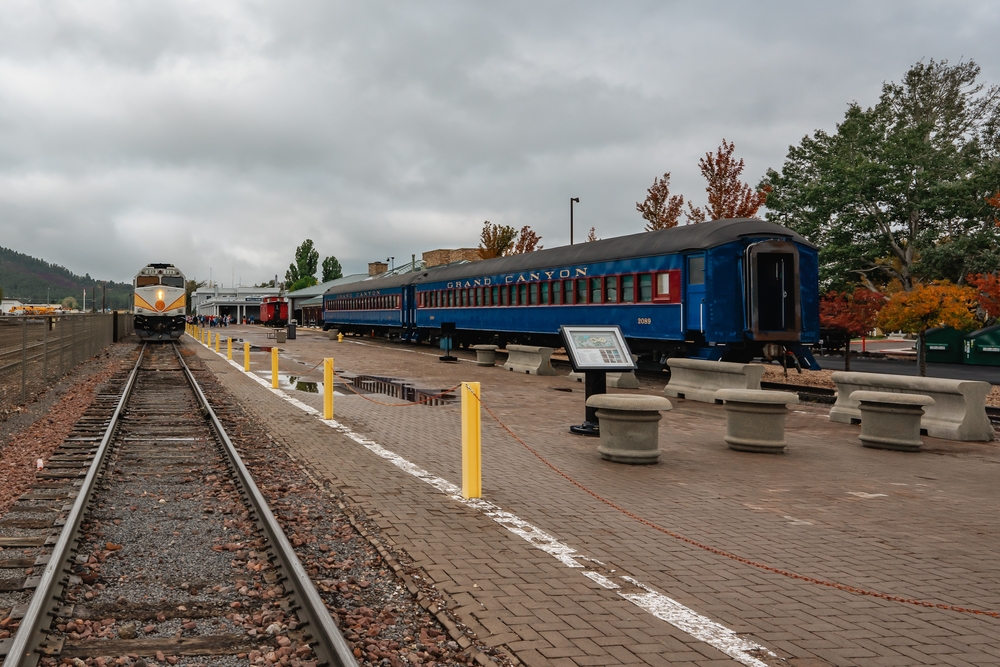
Grand Canyon Railway’s station at Williams has long been a critical stop for travelers visiting one of the world’s natural wonders. The station, built in 1908, reflects the early 20th-century rail travel that connected people to the Grand Canyon. Its adobe-style architecture and spacious platforms stand as a welcoming point for passengers embarking on their iconic journey to the canyon.
Model shops in Williams focus on the history of the railroad and the surrounding landscape, with displays of vintage trains that reflect the early days of the Grand Canyon Railway. Short hops on the train offer visitors the chance to experience a bit of the route leading up to the Grand Canyon, allowing them to take in the vast Arizona desert before reaching one of the most stunning natural sights in the world. These rides blend both the railroad’s historical significance and its current role as an active rail tourist destination.
Skagway, White Pass, and Yukon Route in Alaska
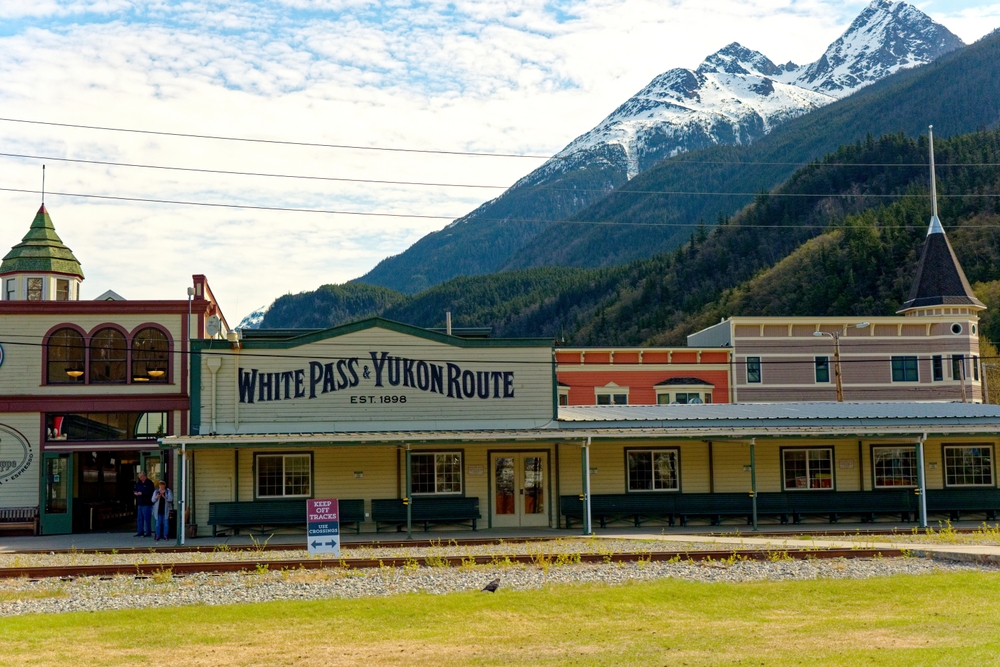
Skagway is the northern terminus of the White Pass and Yukon Route, a railroad that was built in 1898 to serve the Klondike Gold Rush. The station and its associated structures reflect the hardships and triumphs of building a railroad through challenging, mountainous terrain. These historic buildings, still standing today, provide a snapshot of the dramatic journey many prospectors and travelers made in search of riches.
The nearby model shops showcase the rugged terrain of the White Pass with intricate models of the railroad’s narrow gauge engines and steep grades. Short hops on the trains allow visitors to experience the landscape that once challenged early travelers, passing through tunnels, trestle bridges, and snow-capped mountains. The railroad’s preservation as a working tourist attraction allows visitors to understand the legacy of the railroad in helping shape the region’s growth.
Verde Canyon Railroad in Arizona
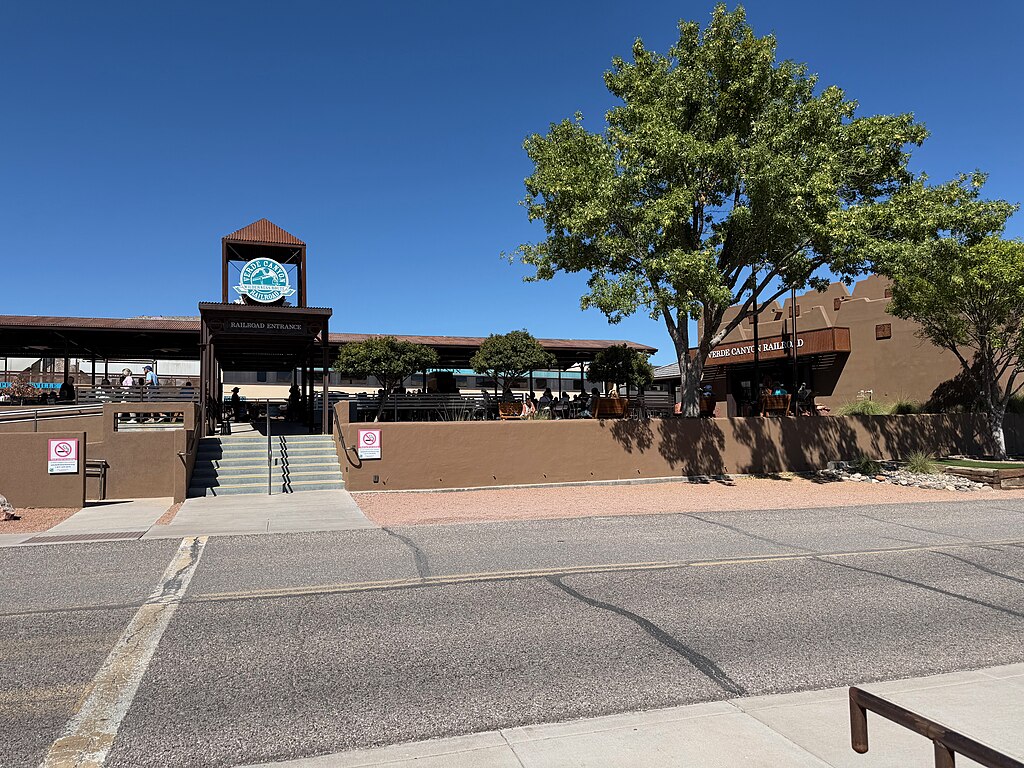
Verde Canyon Railroad’s depot at Clarkdale is a vibrant reminder of Arizona’s mining past, dating back to the late 1800s. The station, with its rustic charm and period architecture, serves as the starting point for an unforgettable journey through the heart of the Verde Valley. The depot’s design echoes the style of railroads that once connected towns for mining and agricultural purposes.
Hobby shops in Clarkdale bring the Verde Valley’s history to life, showcasing models of steam-powered trains and the desert landscapes that were the heart of early rail travel. Short hops on the restored trains take visitors through picturesque canyons, alongside the Verde River, and past red rock formations, offering travelers an intimate look at Arizona’s wild beauty. These excursions capture the timeless appeal of rail travel while preserving the region’s rich railroad heritage.
This article originally appeared on Avocadu.