
11 Places To Find Model Trains Without Wrong-Scale Mixups
Finding the right model train scale is crucial for building a realistic and functional layout. Whether you’re a seasoned collector or just starting, sourcing trains from reputable retailers and specialized platforms helps avoid costly mix-ups. From local hobby shops to dedicated online stores, there are plenty of places to find accurate models that match your specific scale. This guide highlights the best spots to ensure your model train collection stays on track and perfectly sized.
This post may contain affiliate links, which helps keep this content free. Please read our disclosure for more info.
Local Hobby Shops
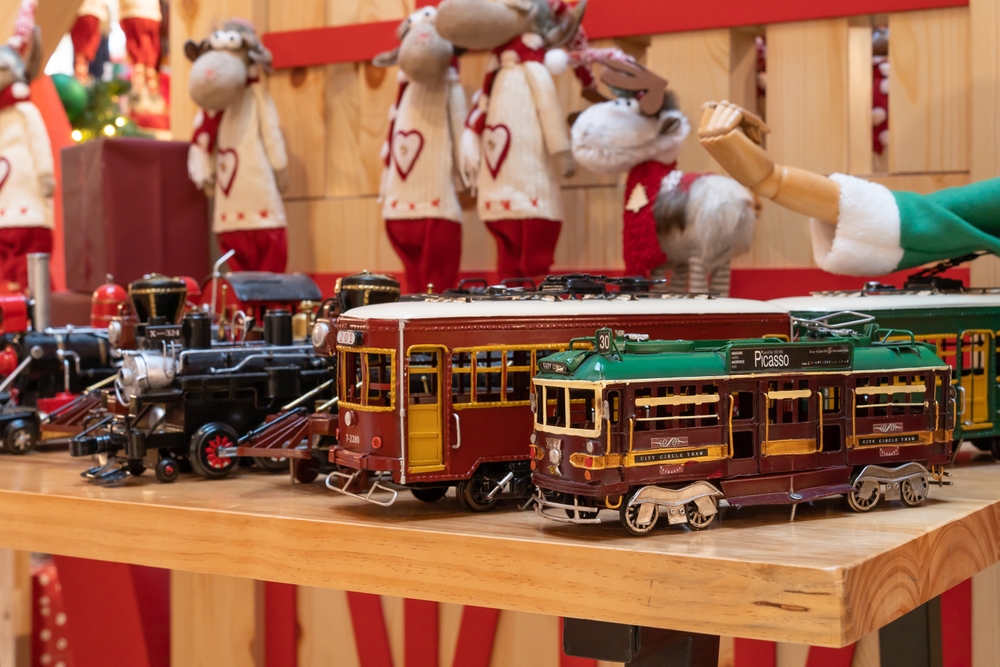
Local hobby shops focus on model railroading as a main interest, which means they tend to carry trains grouped by scale. The staff in these shops usually know the difference between scales and can help you check parts and rolling stock so you do not mix HO with N or O right in the store. The atmosphere in a small shop makes it easier to ask questions and verify that what you are buying matches your layout plans.
Shopping in these stores also provides a chance to look closely at the products before purchase. This reduces the risk of picking up a train that looks fine online but turns out to be the wrong scale. Vendors in these shops are less likely to mix scales because their reputation depends on satisfied hobbyists returning with clear, scale-matching collections.
Model Train Shows
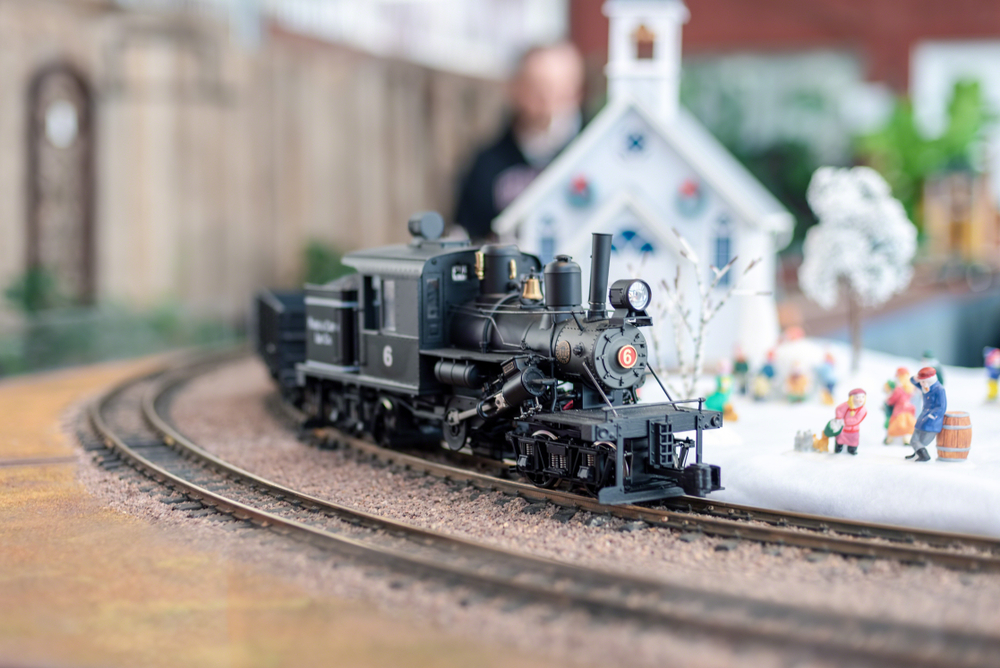
Model train shows bring together many vendors who specialize in trains and accessories. Because these sellers know they are in front of dedicated collectors and builders, they organize their stock by scale and label items carefully. That makes it simple to browse without worrying about N gauge trains showing up in a catalogue of HO items.
At a train show, you can also talk with dealers and other collectors about scale questions before you buy. Other attendees can confirm whether the seller has a good record of scale accuracy or if you should look for another stand. This face-to-face interaction can save time and money by keeping your purchases aligned with your layout’s requirements.
Organized Swap Meets
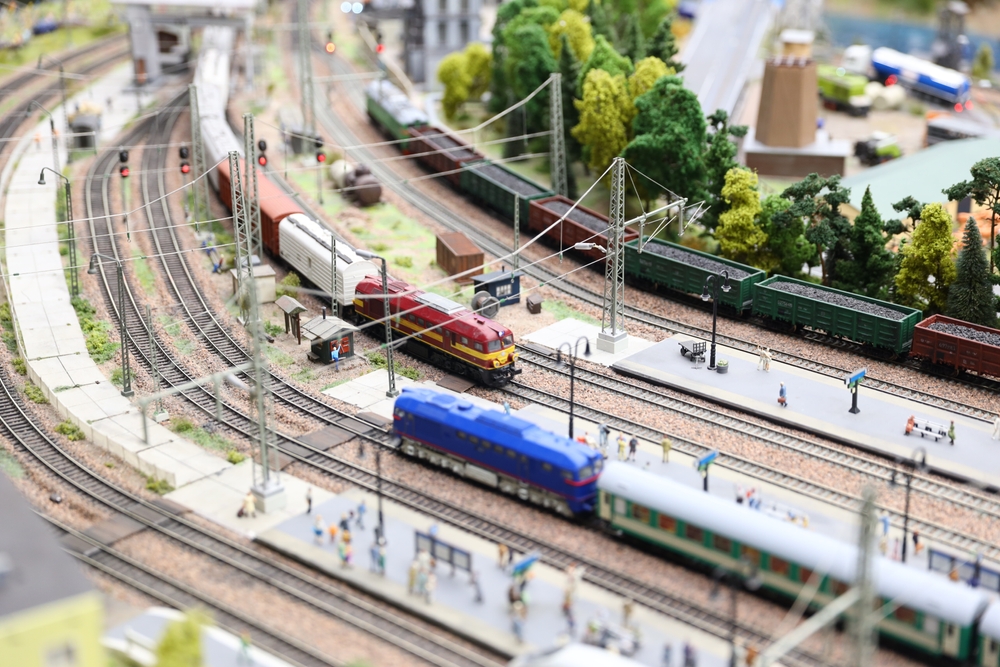
Swap meets for hobbyists are gatherings where people trade or sell items with others who share their interests. These events usually have informal checks by organizers who watch for obvious mislabeling. Members who sell there have a strong interest in keeping fair exchanges, which helps you avoid buying an item that does not fit your scale.
Another advantage is that experienced hobbyists often attend swap meets. They can share their knowledge about identifying the correct scale and spotting scale mismatches. The presence of these community members encourages sellers to be honest about scale information so buyers feel confident in their trades and purchases.
Dedicated Online Model Train Retailers
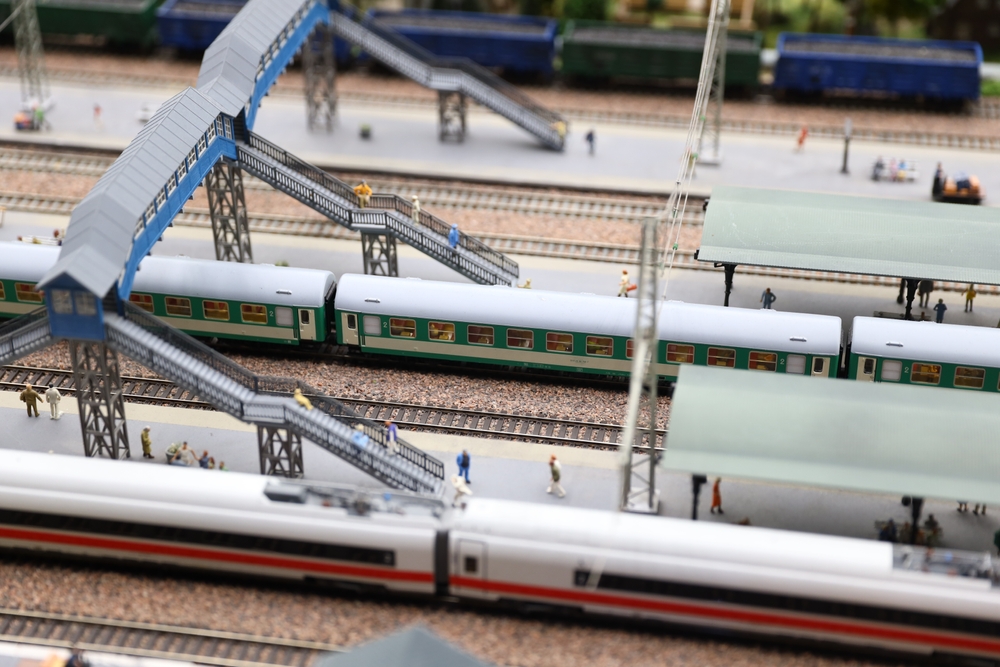
Online retailers that specialize in model trains often have detailed filters for scale types. You can narrow down your search to only show N, HO, O, or other grades so that items outside your selection are hidden. This reduces the risk of accidentally choosing the wrong size when you scroll through hundreds of listings.
These shops often include clear scale labels and close‑up images to support buyers who want to be sure before they click purchase. Sellers who focus on railroad models build their catalog with consistency, which protects buyers from scale errors that happen more often on generic selling platforms. Reliable service also means you can ask questions about a product’s measurements or compatibility.
Railway Enthusiast Clubs
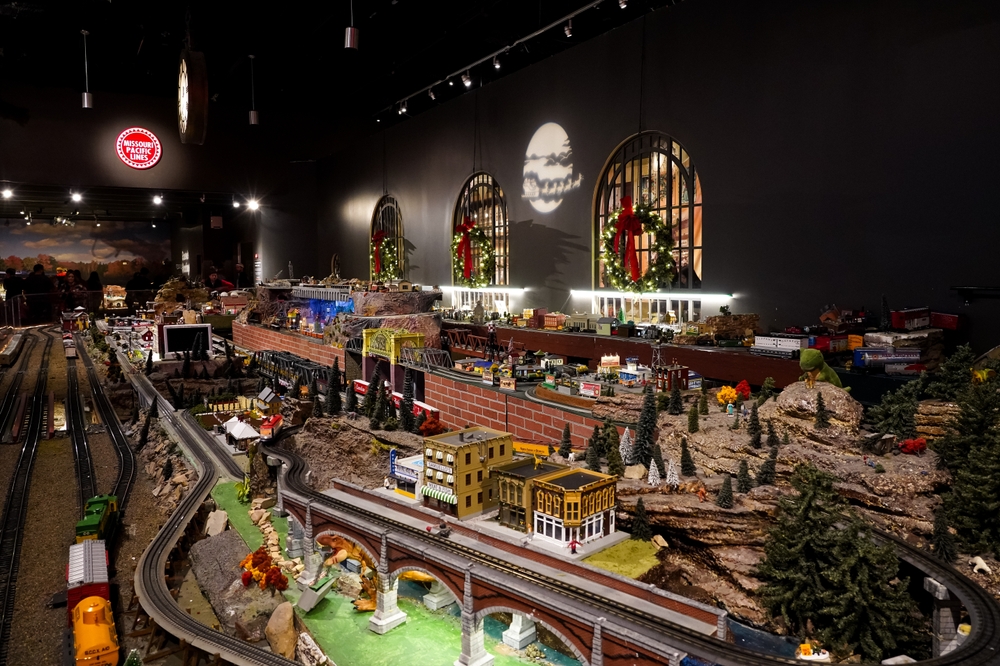
Joining a railway enthusiast club connects you with people who care about correct scales and proper modeling. Members often buy and trade with each other because they share a common set of expectations for accuracy. When a club organizes a sale or exchange, the items offered are usually grouped by scale so everyone can find what fits their project.
These clubs can also educate newcomers about differences in scale and gauge. Learning from others who have worked with many types of models makes it easier to spot subtle scale mislabelling. This helps you avoid costly mistakes that might happen if you were browsing without guidance in a generic venue.
Specialized Auction Houses
Auction houses that list model trains exclusively often vet their items before acceptance. This means scales are checked and documented, rather than left to be guessed from a blurry photo. A specialized auction gives buyers a level of confidence because the auctioneer builds trust with a community that values correct scale identification.
You can also review past auctions and seller reputations to see if their descriptions match what arrives in reality. There is a social check on scale accuracy that comes from many buyers watching the same item. This shared oversight makes it less likely that a wrong‑scale mix-up slips through.
Manufacturer Direct Stores
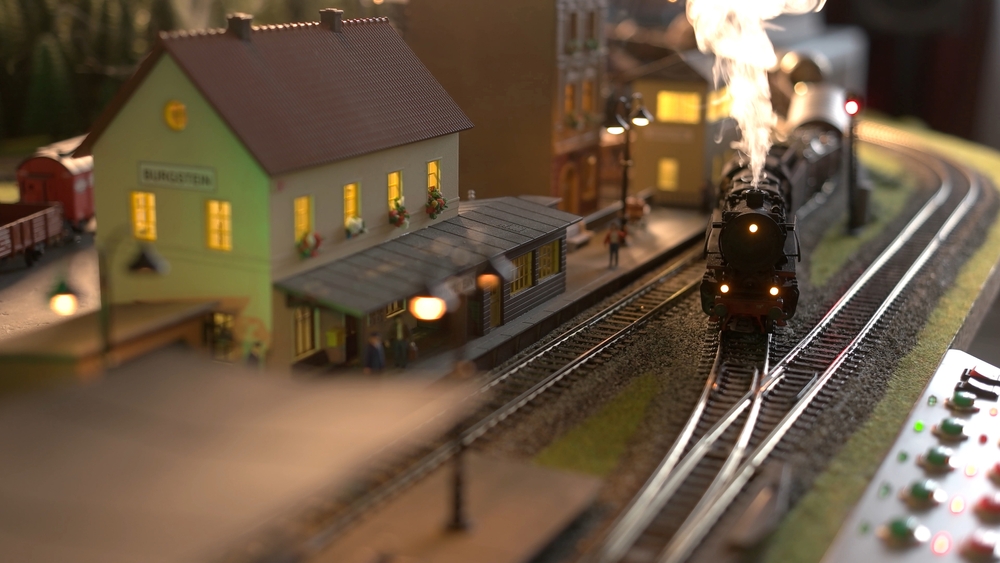
Buying directly from a train manufacturer’s online store or showroom reduces the chance of scale mismatches. Manufacturers list their products in catalogs with official specifications because they create the original items. This direct source means you can be certain that the scale is exactly what you see in the product listing.
Another benefit is access to technical support from the producer. If you have questions about compatibility with other parts of your layout, the manufacturer can give accurate answers. This direct access helps you avoid frustration and incorrect purchases that happen when the scale is unclear on third‑party sites.
Model Train Forums

Online forums dedicated to model railroading connect enthusiasts who can share accurate information about scale. Members often post reviews, measurements, and comparisons that help you know exactly what to expect from a piece before you buy it. These discussions build a collective knowledge that can save you from ordering the wrong size.
Forum members also trade and sell items among themselves with clear labeling. A seller who takes time to post images and dimensions is more likely to honor scale information. This makes these community boards better than general marketplaces, where items are listed without deep context or verification.
Local Collectors
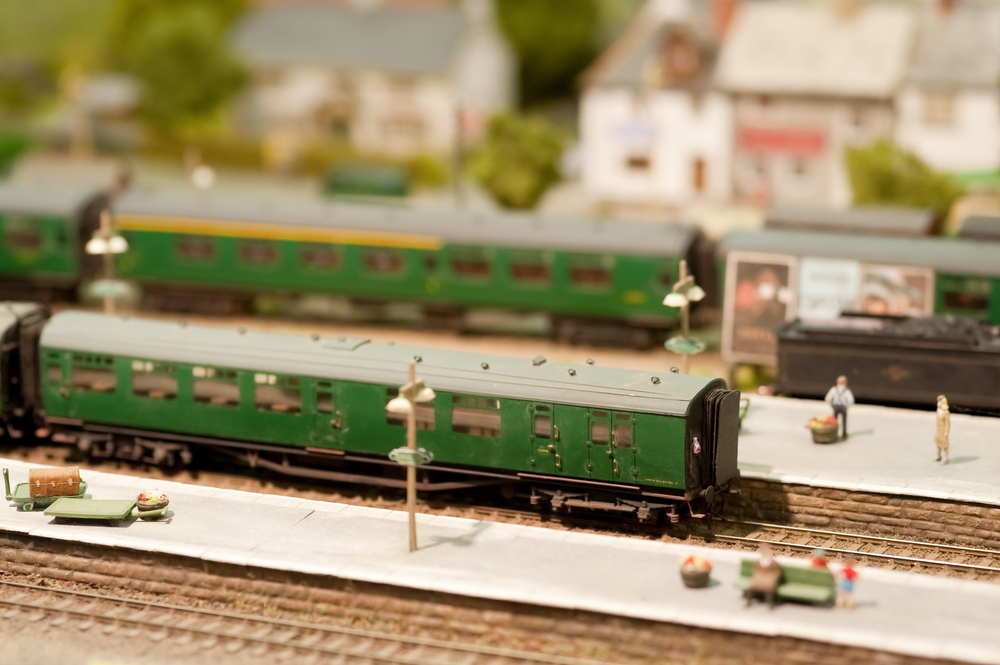
Reaching out to local collectors in your area can yield trustworthy sources for scale‑accurate trains. Collectors understand the importance of matching scales because they build layouts and save pieces over many years. When they part with items, they are usually careful to state the correct scale and condition.
You can even inspect the model in person before handing over money. This makes it easier to check wheels, couplers, and proportions against known standards. A private sale with a knowledgeable collector cuts down the guesswork that comes with online auctions or mass marketplaces.
Regional Train Conventions
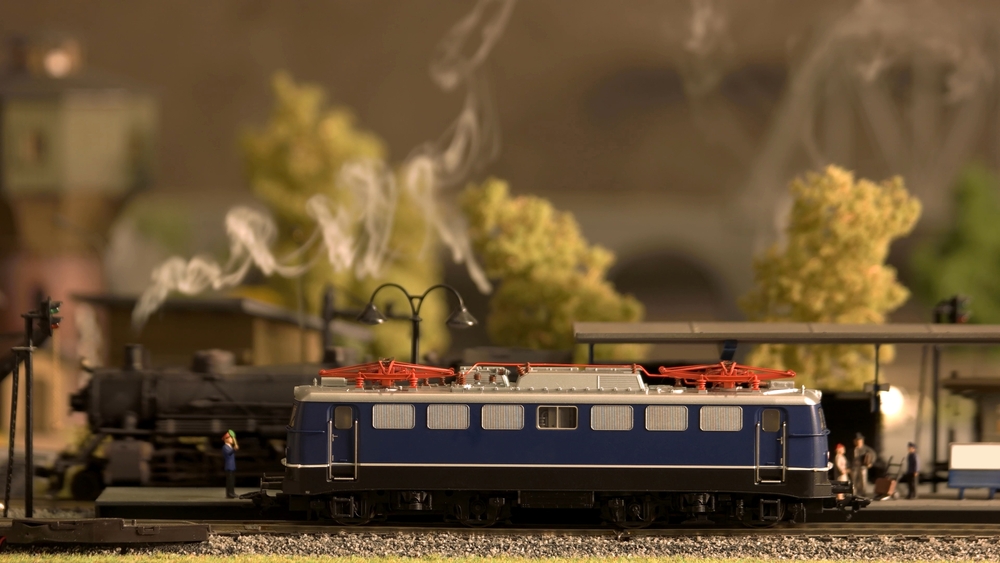
Large regional conventions draw vendors from a wide area, each bringing a range of model trains. These events often have sections grouped by scale so buyers can walk through a hall and see all HO in one place, all N in another, and so on. This physical organization prevents cross‑scale confusion that happens when items are mixed in one long list online.
At these conventions, you can also view operating layouts that demonstrate how items look at actual scale. This makes it easier to judge proportions and spot any item that does not fit your expectations. Seeing models in a working setting supports clearer decisions than looking at flat images on a generic marketplace.
Specialty Model Train Shops Online
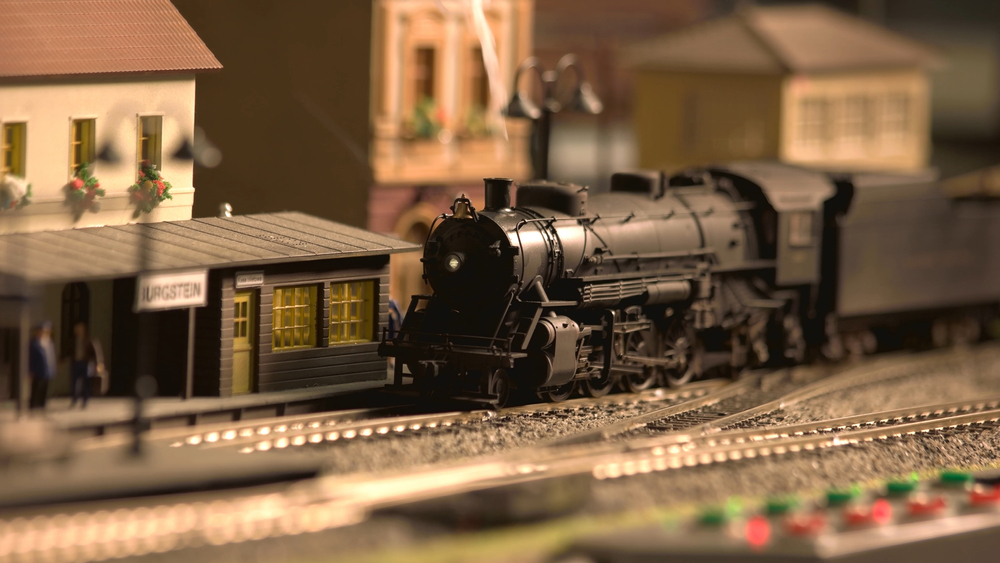
There are online stores that sell only locomotives, cars, and accessories. These shops list every item with clear scale tags and often with comparison charts next to each product line. This level of detail matters when small differences in size make a big difference on a layout.
These shops may also provide guides that explain how to check the scale with measurements of wheel base, track gauge, and body length. This helps amateur buyers feel more confident when confirming compatibility. It is rare to find a wrong‑scale item in these stores because their inventory is managed with scale as a priority.
This article originally appeared on Avocadu.