
13 Indoor Herb Prep Steps That Make Outdoor Growing Easier
Preparing herbs indoors can make your outdoor growing season more successful. It allows you to get a jump on the growing process, giving your herbs a head start before being planted outside. By following simple steps, you can ensure they thrive once the weather warms up.
This post may contain affiliate links, which helps keep this content free. Please read our disclosure for more info.
Start With Quality Seeds or Starter Plants
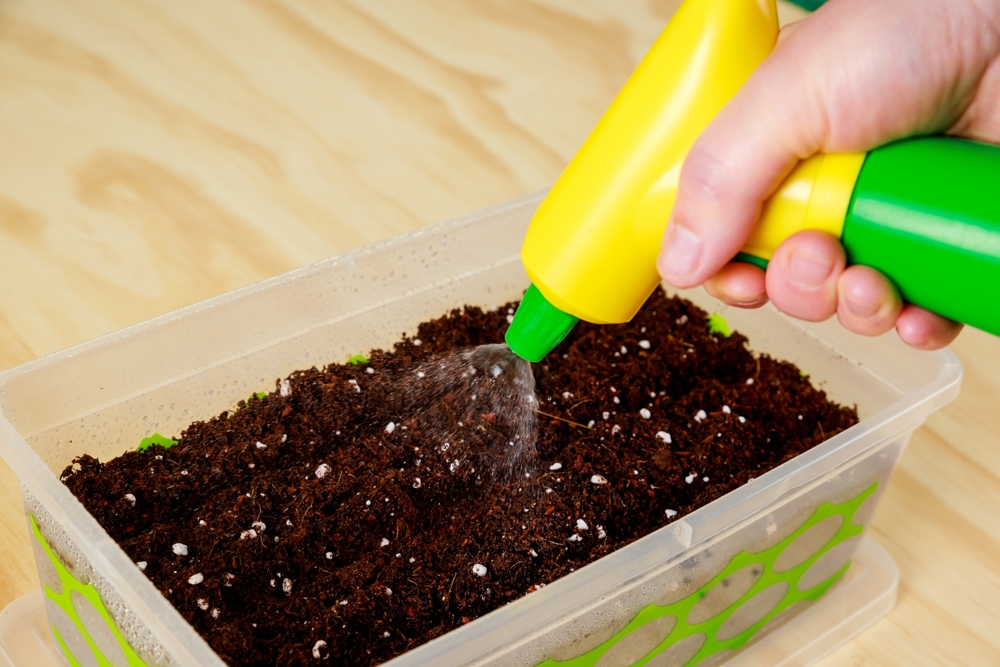
Using high-quality seeds or starter plants is essential for successful herb growth. When you begin with healthy seeds or young plants, they are more likely to thrive when transferred outdoors. Choose seeds from a reputable source to ensure you are getting the best possible start for your herbs. It’s always a good idea to choose varieties that are suited for your specific climate and growing conditions.
Starter plants can also be a great option if you want a head start in the growing process. These plants are often more established and can be transferred to the outdoors with less risk of damage. You’ll have more time to focus on maintaining them indoors before they’re ready to face the elements. Plus, by starting with a plant, you can avoid the uncertainty that comes with growing from seed.
Use the Right Containers
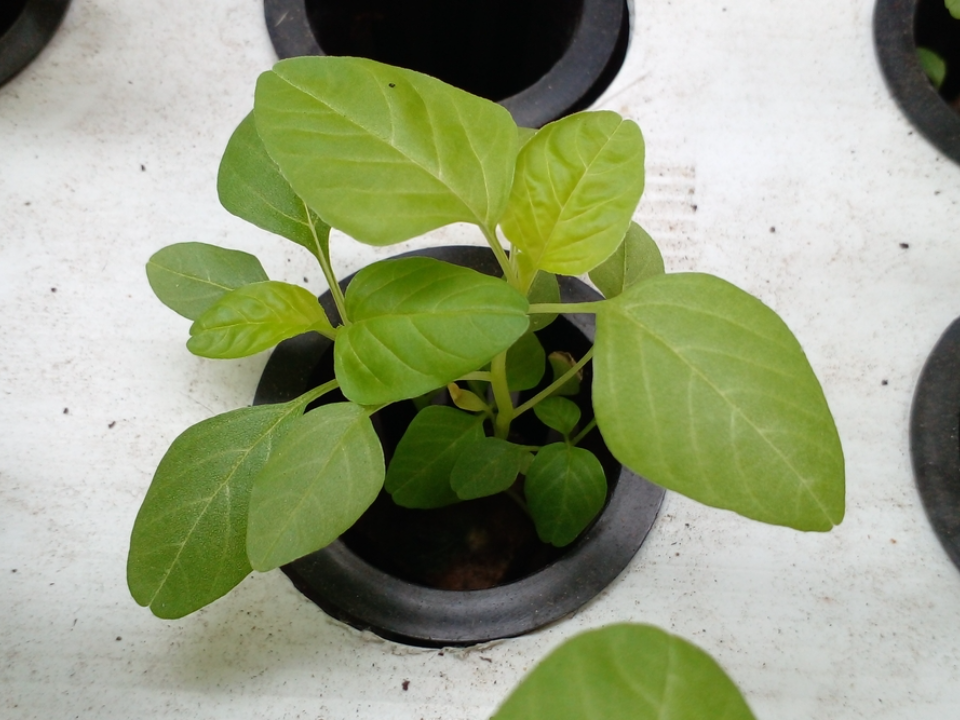
Selecting the proper container for your indoor herbs is crucial to their success. Make sure the containers you choose have proper drainage to prevent root rot, which is a common problem for herbs grown indoors. Pots with holes at the bottom allow excess water to escape, keeping the soil from becoming waterlogged. It’s also important to select containers that are the right size for your herbs, providing enough space for roots to grow.
When choosing containers, opt for materials like terracotta or ceramic, which offer better breathability than plastic. These materials help regulate the moisture levels within the soil, preventing herbs from becoming too dry or too wet. If you’re growing multiple herbs, ensure each one has its own container to reduce overcrowding and competition for nutrients. Properly sized containers will promote strong root systems, ensuring a successful outdoor transition.
Provide Adequate Light
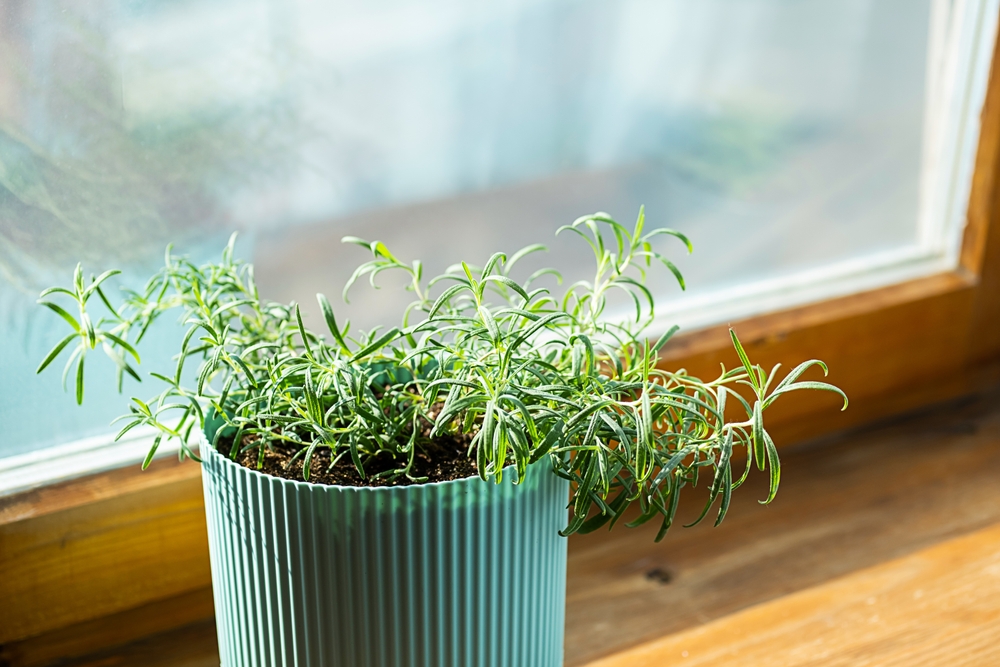
Indoor herbs need plenty of light to grow strong and healthy. Ideally, place your herbs near a south-facing window where they can receive the maximum amount of sunlight. If natural light is insufficient, you can supplement it with grow lights to ensure your herbs get the exposure they need. Grow lights are especially helpful in the winter when daylight hours are shorter, and they provide a consistent light source.
Be mindful of how much light your herbs are receiving to avoid overcrowding or leggy growth. Herbs like basil and rosemary thrive in full sunlight, while others, such as mint, may do well with a little less direct exposure. Adjust the placement of your plants to suit their light needs, making sure they get at least 6 hours of bright, indirect light each day. Proper lighting indoors will make a big difference when it comes time to move your herbs outdoors.
Maintain Consistent Watering
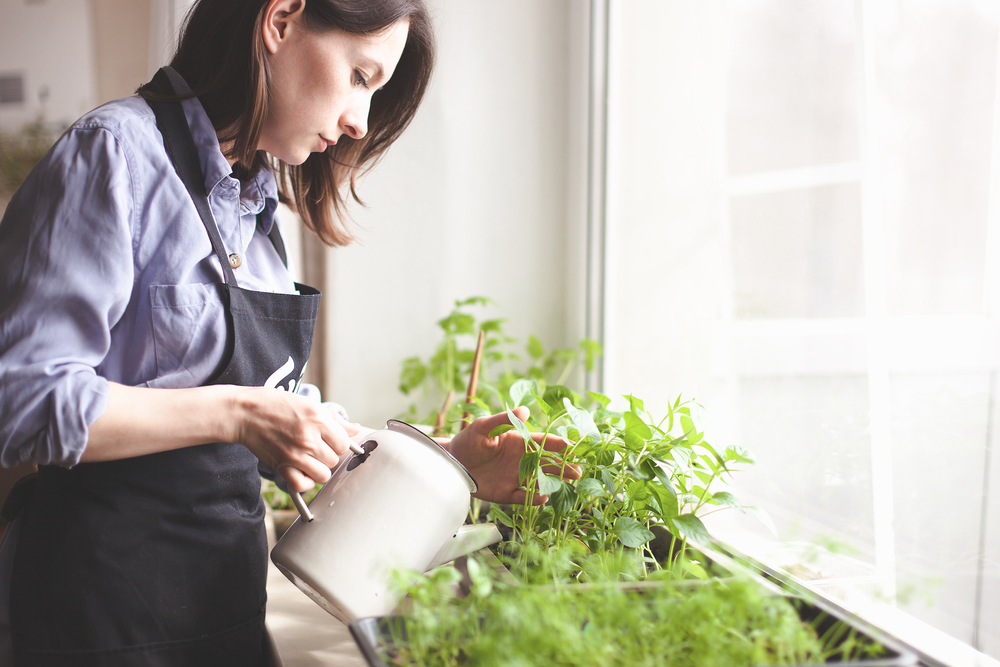
Consistent watering is key to healthy indoor herb growth. While herbs prefer well-drained soil, they still need to be watered regularly to keep the roots hydrated. A good rule of thumb is to water when the top inch of soil feels dry to the touch. Be sure to water thoroughly, allowing the water to drain out of the bottom of the pot.
It’s important to avoid overwatering, as this can lead to root rot. Ensure that your pots have good drainage and that the soil doesn’t stay soggy. Adjust your watering schedule depending on the season, as herbs generally need more water during the warmer months and less during the cooler months. Keeping a consistent watering routine helps herbs grow strong and ready for outdoor planting.
Prepare the Soil
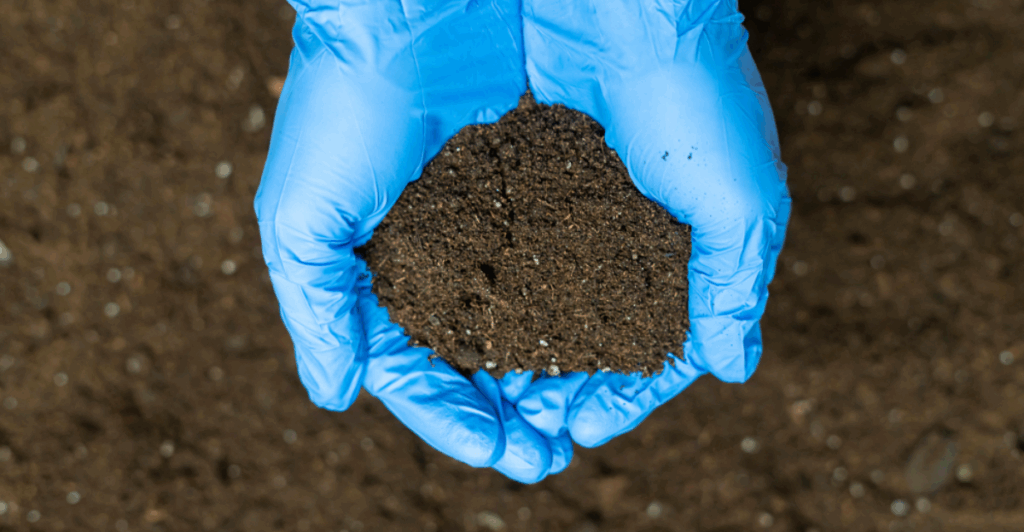
Preparing the right soil mix for your indoor herbs is essential for their growth. A well-draining soil mix allows the roots to grow and breathe freely while providing the necessary nutrients. Most herbs thrive in a mix of potting soil with added perlite or sand to increase drainage. You can also add some organic compost to enrich the soil, helping to provide nutrients as your herbs grow.
Before planting, check the pH level of the soil to ensure it’s within the range that herbs prefer. Most herbs do well in slightly acidic to neutral soil, with a pH between 6.0 and 7.0. Regularly aerating the soil by gently loosening it with a small fork or hand tool can help prevent compaction, allowing the roots to spread easily. Healthy soil will prepare your herbs for a smooth transition when they’re moved outdoors.
Fertilize Wisely
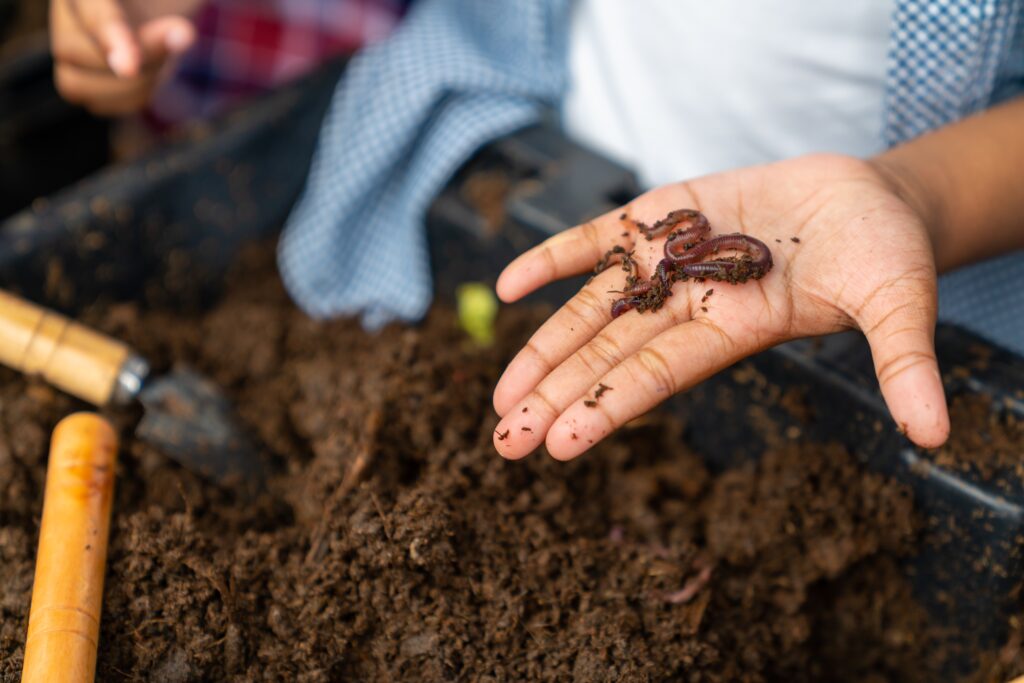
Herbs require nutrients to grow strong and healthy, and fertilizing them indoors is one way to ensure they’re getting what they need. Choose a balanced, slow-release fertilizer that provides essential nutrients like nitrogen, phosphorus, and potassium. Avoid over-fertilizing, as this can result in excessive leaf growth and weaker flavor in your herbs.
If you prefer organic options, compost or organic fertilizer can also be effective. You can also use fish emulsion or seaweed extract for a natural nutrient boost. Be sure to follow the manufacturer’s instructions when applying fertilizer to avoid damaging the plants. A well-fertilized herb will have stronger growth, ensuring that it thrives once it’s transferred outdoors.
Prune Regularly
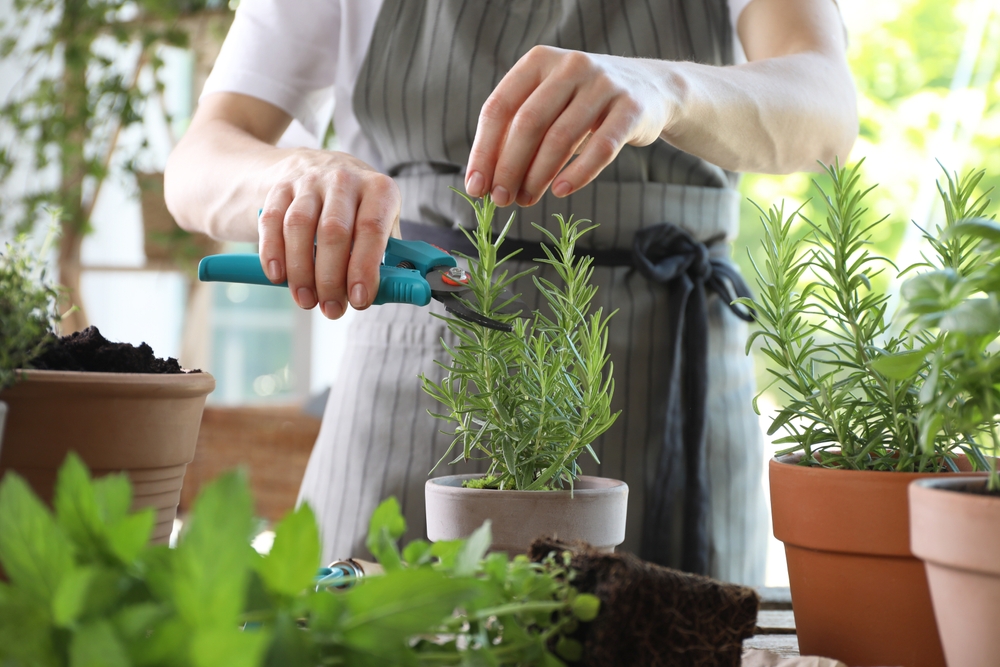
Regular pruning is essential for healthy herb growth, both indoors and outdoors. Pruning encourages new growth by cutting back the older, less productive stems. This helps your herbs become bushier and more productive. Pinch off the tips of your herbs to encourage branching, which will result in a fuller, more robust plant.
Be sure to remove any dead or yellowing leaves, as they can attract pests or disease. If your herbs begin to flower, remove the flower buds to prevent the plant from putting too much energy into blooming rather than growing. Pruning regularly also helps prevent your herbs from becoming too leggy and weak. A well-pruned herb is more likely to transition successfully to outdoor growth.
Monitor for Pests
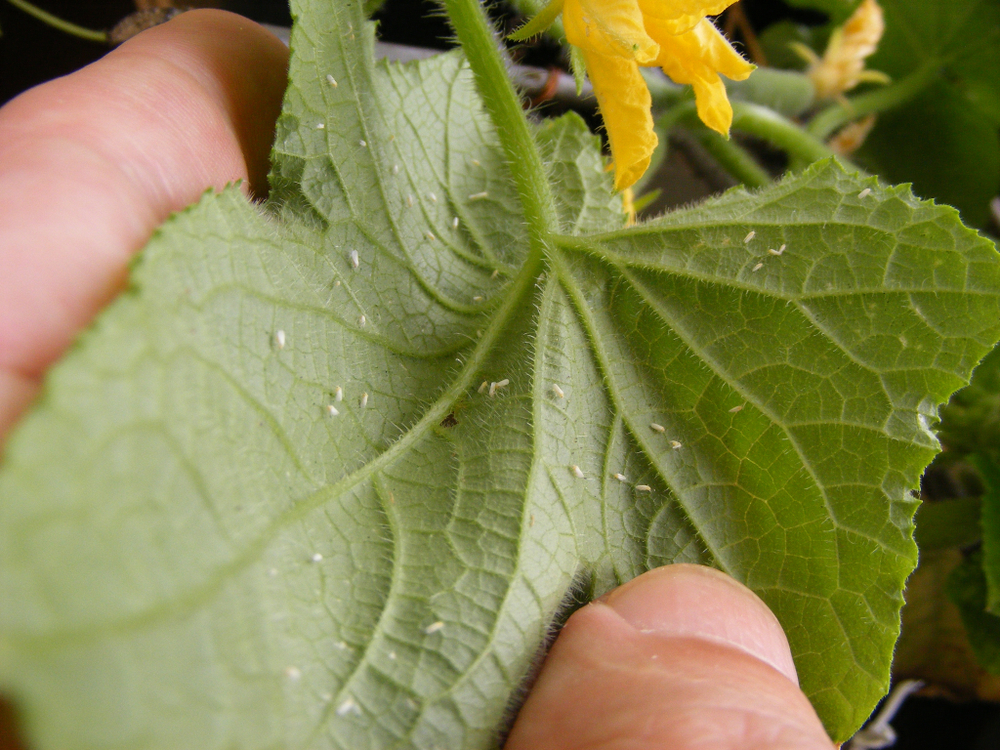
Indoor plants are susceptible to pests, just like outdoor plants, so it’s important to monitor your herbs regularly for any signs of infestations. Common indoor pests that affect herbs include aphids, spider mites, and whiteflies. If you notice tiny bugs on your plants or sticky residue on the leaves, it could be a sign of a pest problem. Early detection is key to preventing pests from spreading.
If you find pests, try using natural remedies like insecticidal soap or neem oil to treat your plants. These options are safe for most herbs and will help eliminate pests without harming your plants. Regularly cleaning the leaves and keeping the surrounding area free of debris can also help reduce pest problems. Taking action early will help ensure your herbs stay healthy and strong for outdoor planting.
Acclimate Your Herbs Gradually
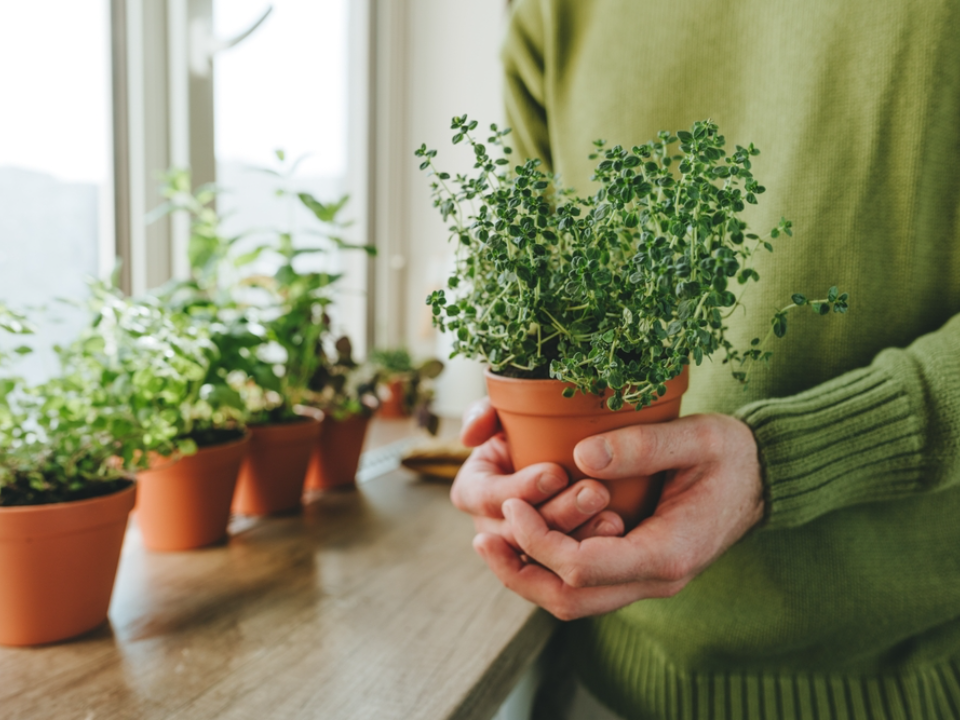
Before moving your herbs outdoors, it’s important to acclimate them to the outdoor conditions gradually. Sudden exposure to direct sunlight or fluctuating temperatures can shock your plants. Start by placing them outside for a few hours each day, gradually increasing the time they spend outdoors. This process is called hardening off, and it helps your herbs adjust to outdoor conditions without stress.
Begin the hardening-off process about one to two weeks before the last frost date in your area. Ensure they are protected from harsh winds and direct midday sun during the first few days. After a week or so, your herbs will be ready to handle full sunlight and the elements. A smooth transition will result in stronger, healthier herbs that thrive outdoors.
Keep Indoor Temperature Consistent

Herbs grow best in a consistent temperature range, so it’s important to keep your indoor environment stable. Most herbs thrive at temperatures between 60°F and 70°F. Avoid placing your herbs in spots that experience drastic temperature fluctuations, such as near radiators, vents, or drafty windows. Stable conditions allow your herbs to grow at a steady pace, reducing stress.
During colder months, keep your home at a comfortable temperature to prevent the herbs from going dormant. Be mindful of nighttime temperatures as well, since drops in temperature can affect your plants’ growth. A consistent temperature will help your herbs grow strong and ready for the transition to the outdoors. Herbs that grow in stable environments will be more resilient when exposed to outdoor conditions.
Use Companion Planting for Indoor Herbs
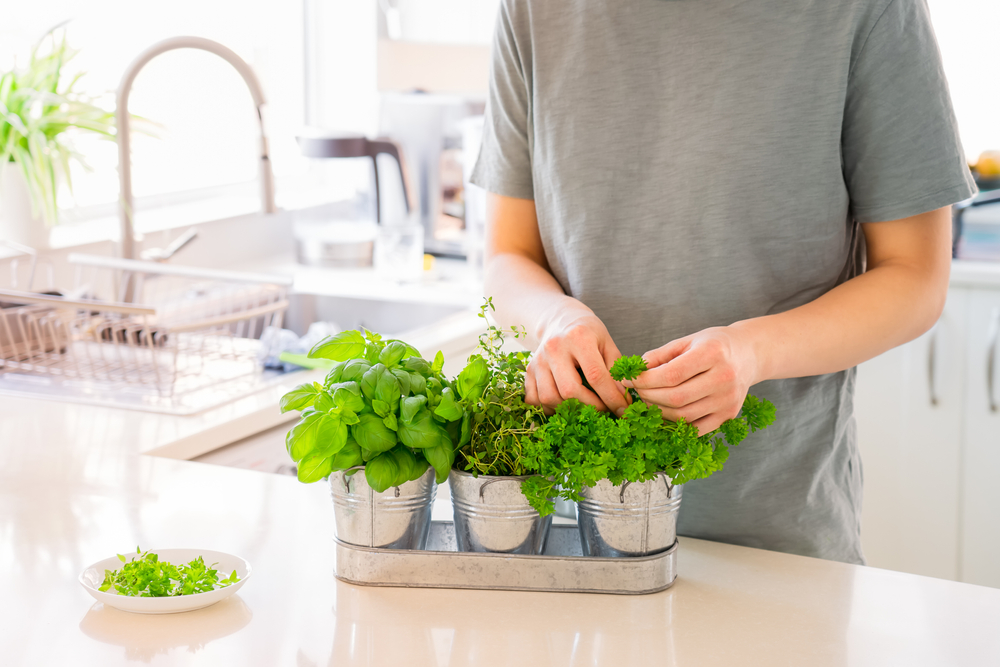
Companion planting is not just for outdoor gardens, as it can also benefit your indoor herbs. Some plants work well together and can help improve each other’s growth. For example, planting basil and oregano together can enhance their flavors and make them less susceptible to pests. Use companion planting indoors to create a more harmonious environment for your herbs.
Grouping compatible herbs together can also save space and improve air circulation. Additionally, companion planting can attract beneficial insects or improve the overall health of your plants. By using this strategy indoors, you can create a natural, healthy growing space that makes your herbs more resilient when they are moved outside. Companion planting is a simple way to boost indoor herb care.
Harvest Leaves Regularly
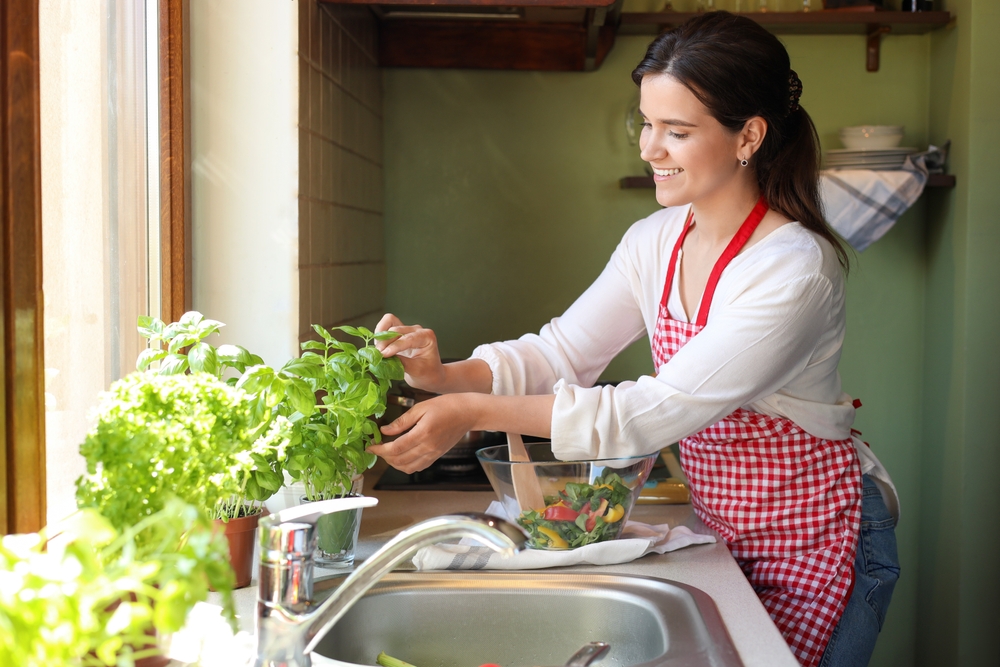
Harvesting your herbs regularly helps promote new growth and prevents the plants from becoming leggy. Take leaves as needed, but make sure not to remove more than a third of the plant at a time. This encourages the herbs to grow back fuller and stronger. Harvesting is especially important when you want to enjoy fresh herbs in the kitchen.
By removing the outer leaves and stems, you allow the plant to focus its energy on producing fresh leaves. Be sure to use sharp scissors or pruning shears to avoid damaging the plant. Regular harvesting ensures that your herbs will stay productive and healthy, both indoors and outdoors. It also allows you to enjoy the fruits of your labor while they’re still growing indoors.
Avoid Overcrowding
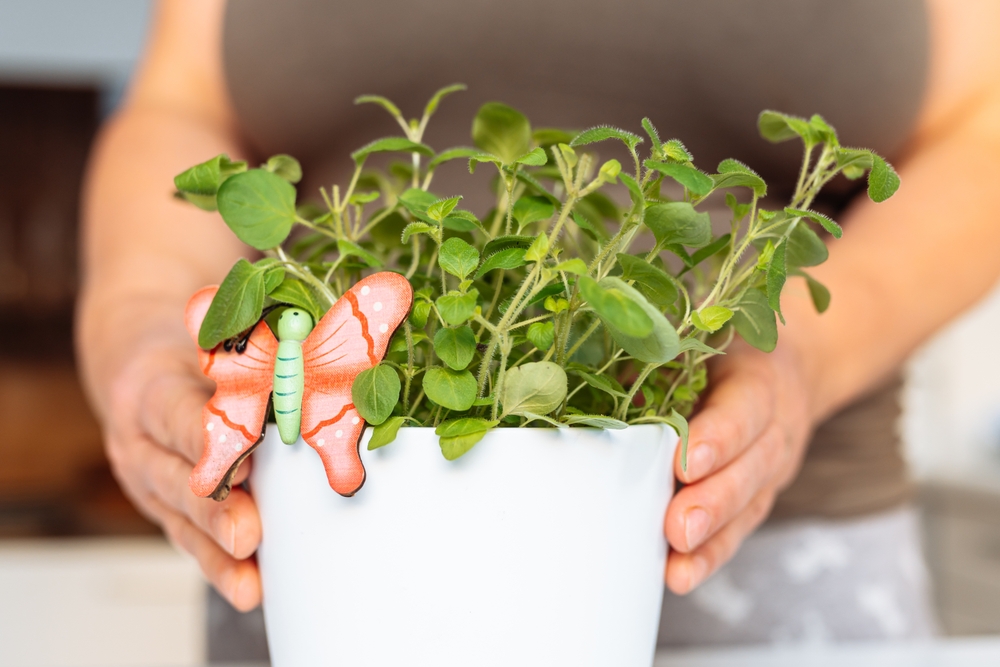
Overcrowding can stunt the growth of your herbs and cause them to compete for sunlight, water, and nutrients. When planting your herbs indoors, make sure each one has enough space to grow. If you’re using containers, choose ones large enough to accommodate the roots of each plant. Space your herbs out to ensure proper air circulation and prevent diseases.
If you notice that your herbs are becoming too crowded, it’s a good idea to transplant them into larger containers. Thinning out your plants will not only improve their overall health but also reduce the risk of pest infestations. A little extra space goes a long way in helping your herbs thrive, both indoors and once they’re planted outdoors. Proper spacing makes all the difference in the long-term success of your herbs.
This article originally appeared on Avocadu.