
11 February Compost Troubleshooting Tips for Odor Control and Faster Composting
Composting can be a rewarding part of your garden routine, but sometimes the process can get a little smelly. If you’re looking to freshen things up and speed up your composting, there are simple fixes you can try. Adding the right materials and making a few adjustments can make a world of difference. In the colder months, the balance in your compost can shift, causing odors and slow breakdowns. With just a few tweaks, you can enjoy a cleaner, faster composting process all season long.
This post may contain affiliate links, which helps keep this content free. Please read our disclosure for more info.
Turn the Pile Regularly
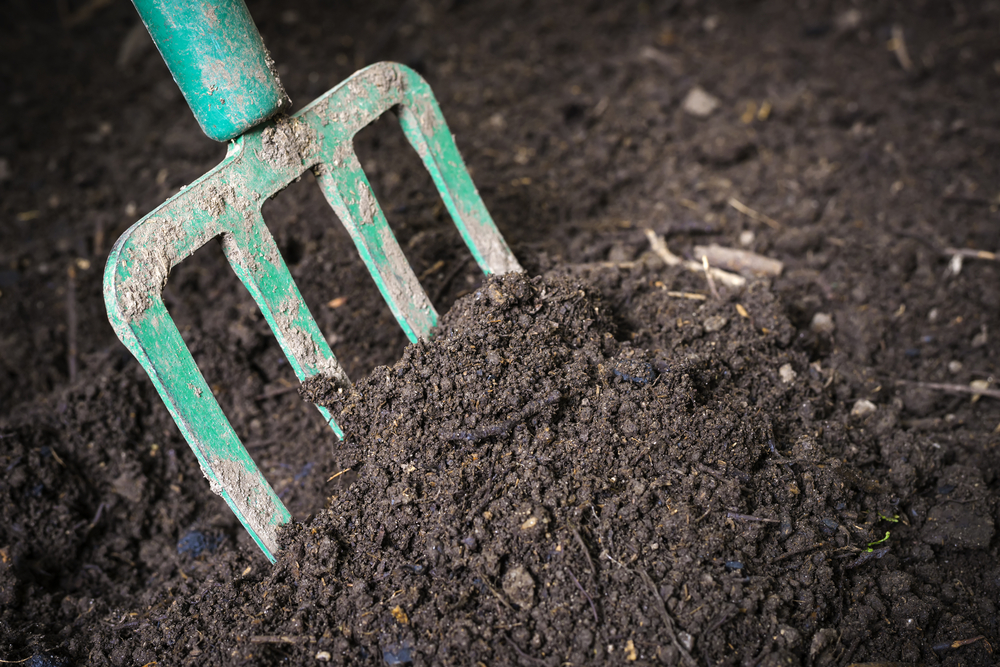
One of the best ways to speed up composting is to turn your pile regularly. This process helps aerate the compost, which is essential for the microorganisms that do the work. Turning it also redistributes moisture and breaks up clumps, which improves airflow and cuts down on odors. During the cooler months of February, turning the compost helps prevent it from becoming too compact and slow.
Aim to turn your compost every week or two to keep the process moving. If you don’t have a compost tumbler, use a garden fork or shovel to mix up the materials. By turning the pile often, you’ll create an environment that promotes faster decomposition and prevents smelly anaerobic conditions. This simple action can make a huge difference in the quality of your compost.
Monitor the Moisture Level
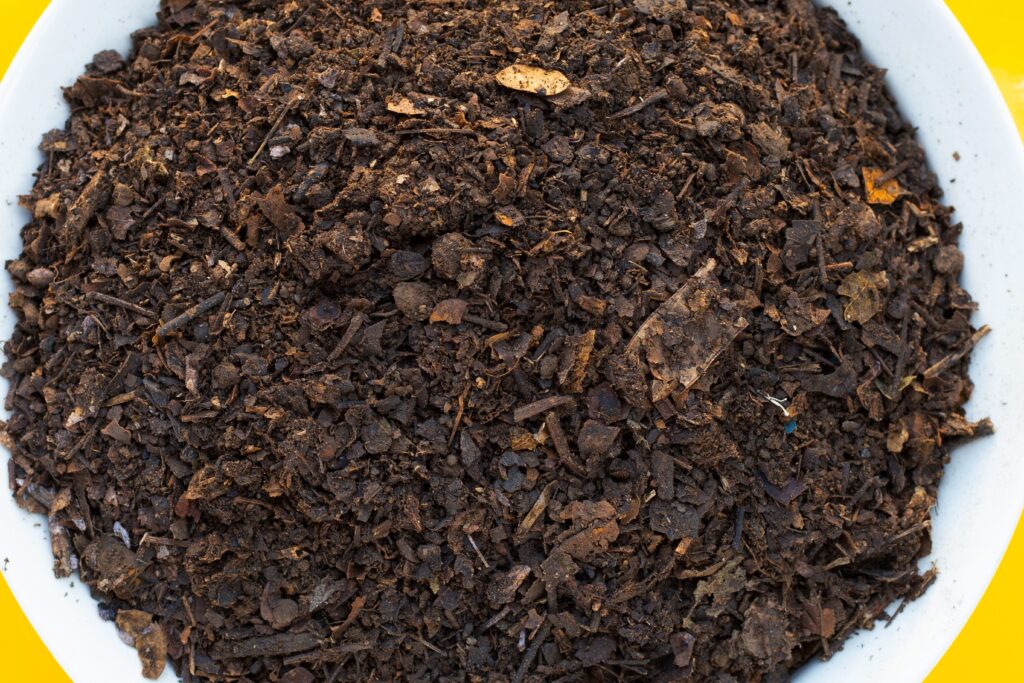
If your compost is too wet, it will develop a strong, unpleasant smell. Over-watering or adding too many wet materials can cause the pile to become soggy and smelly. To fix this, simply add dry brown materials like shredded paper or wood chips to absorb the excess moisture. If it’s too dry, you can spray the pile lightly with water or add some moist kitchen scraps to get things moving again.
In February, moisture levels can fluctuate, so it’s important to check your compost regularly. Too much moisture can lead to a slimy texture, while too little will slow down the breakdown process. By keeping a close eye on moisture levels, you can maintain the right balance for healthy compost and avoid odors. Proper moisture is key to a successful compost pile that breaks down quickly and smells fresh.
Use a Compost Bin with Proper Ventilation
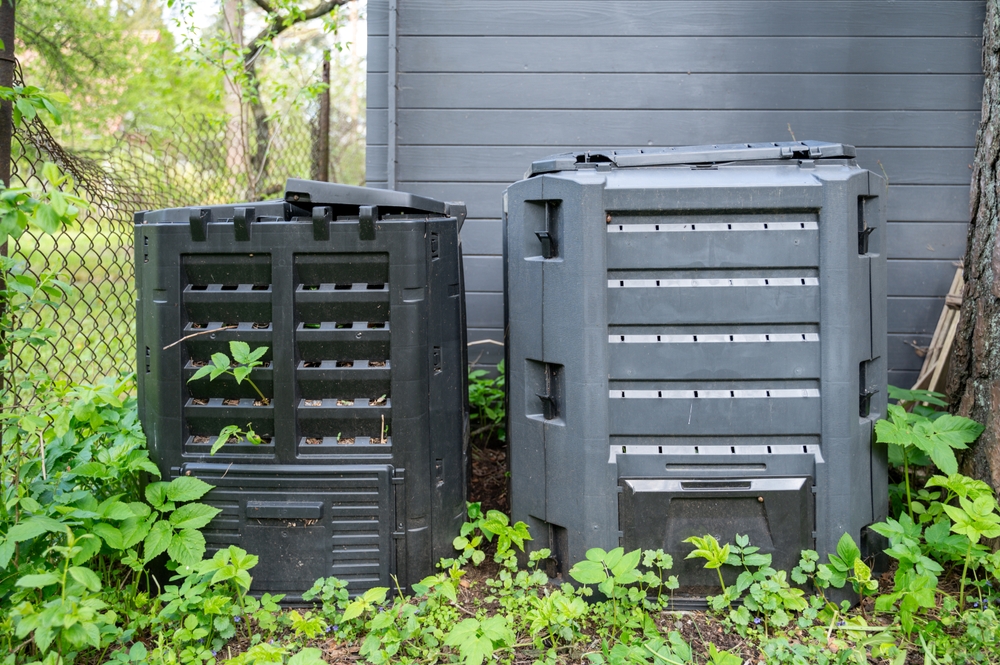
If you’re composting outdoors in colder months, it’s crucial to use a compost bin that allows for proper ventilation. A well-ventilated bin helps oxygen flow through the compost, which is necessary for aerobic decomposition. Without ventilation, your compost is likely to become compacted and create unpleasant odors. February’s cold weather can slow down the process, but a well-ventilated bin will help keep it active and cut down on smells.
Look for bins with holes or slats that allow air to flow freely through the pile. If you use a plastic bin, consider drilling additional holes to improve airflow. Regularly turning the compost inside the bin will further help prevent odor buildup. Ventilation is key to maintaining a healthy, efficient compost pile, especially when temperatures dip.
Chop or Shred Larger Materials
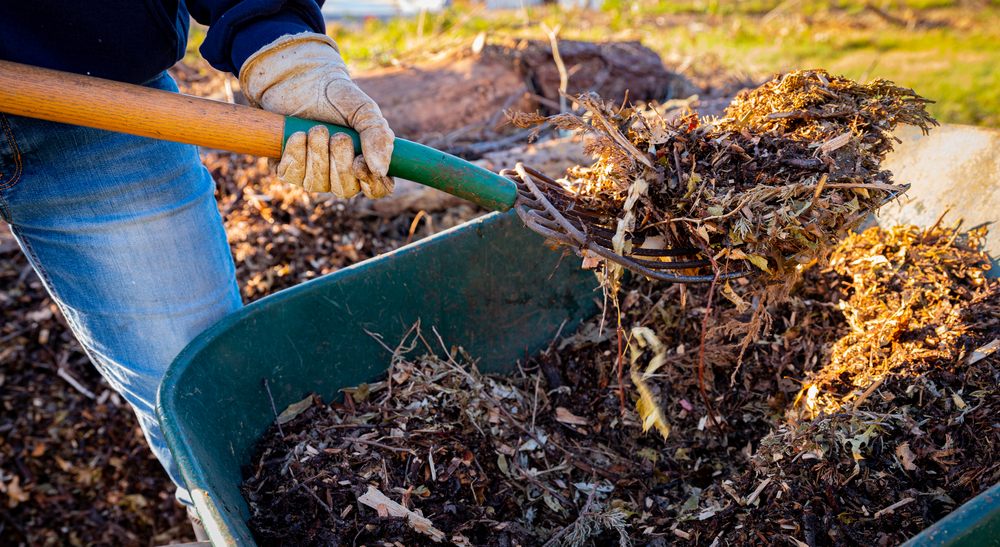
Large, bulky materials like branches or thick plant stems can slow down the composting process. By chopping or shredding these items, you can speed up their breakdown and help keep your compost pile from smelling. Smaller pieces decompose faster and are less likely to become compacted, which can create anaerobic conditions. In February, when decomposition tends to slow down, shredding or chopping materials can keep the process active and efficient.
Use a garden shredder or hand tools like pruners to break down larger materials before adding them to the pile. Shredding materials also improves airflow in the compost, which helps reduce odors and encourages the growth of beneficial microbes. The more you shred, the faster your compost will break down, and the cleaner it will stay. This simple fix will make your composting process run more smoothly.
Maintain the Right Temperature
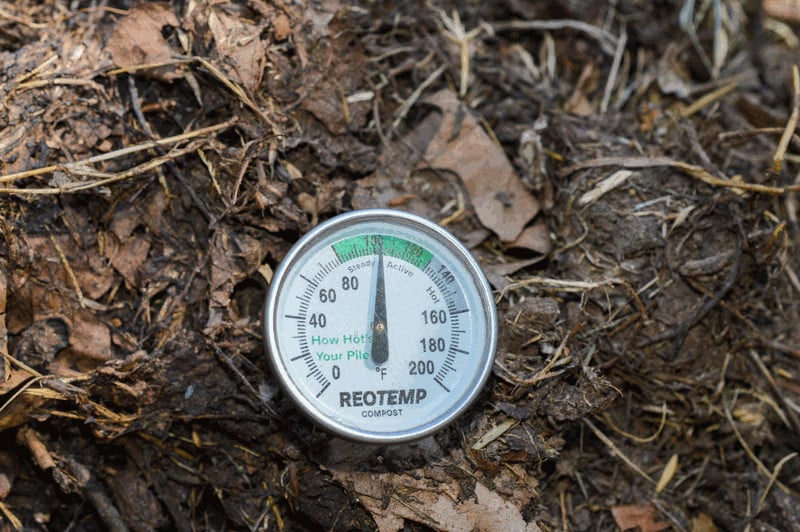
Composting works best when the pile reaches the right temperature, typically between 130°F and 160°F. During February, it can be challenging to maintain this warmth, but there are ways to help. Insulating your compost pile with straw or covering it with a tarp can help trap heat. If your compost pile cools too much, it will decompose more slowly, which can lead to unpleasant odors.
You can also monitor the temperature of your compost pile with a compost thermometer. If it’s too cool, try turning the pile or adding more green materials to help increase the temperature. Keeping the pile at the optimal temperature will not only speed up decomposition but also reduce smells by promoting the growth of the right microbes. A well-maintained compost temperature is key to achieving a healthy and odor-free pile.
Add Worms to Your Compost
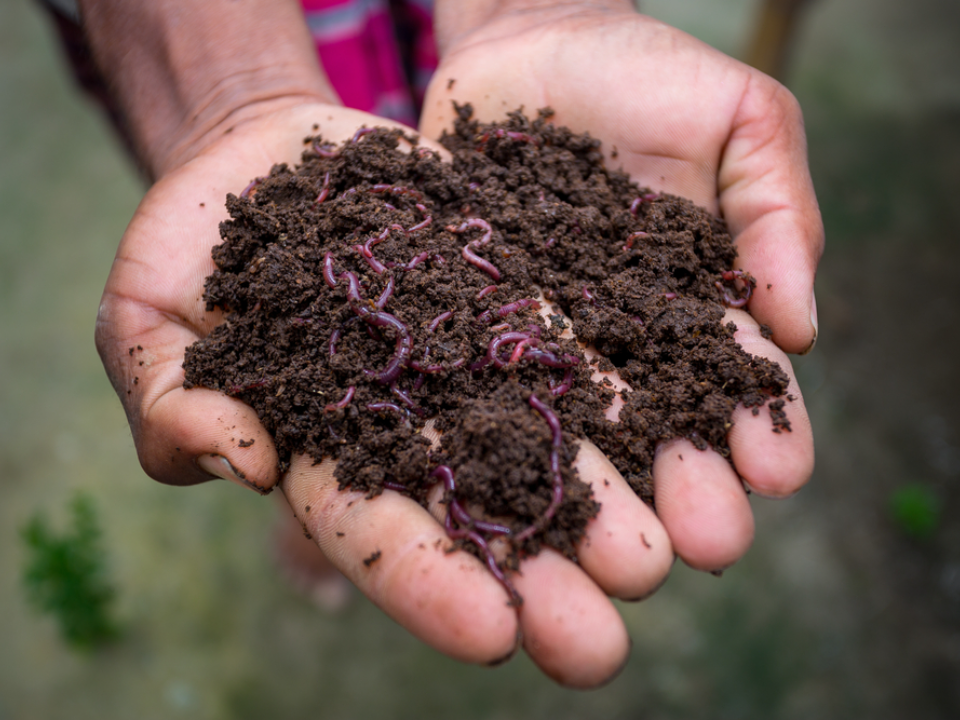
Worms are natural composting experts, breaking down materials and turning them into rich, healthy compost. Adding worms to your compost bin can help speed up decomposition and reduce bad smells. They help aerate the pile, making it easier for air to flow through, which also reduces odors. In February, when decomposition can slow, adding worms can make a noticeable difference.
Red wiggler worms are commonly used for composting because they thrive in organic material. By adding worms to your compost pile, you’re introducing natural decomposers that can handle tougher materials like kitchen scraps. Make sure to maintain the right conditions to keep the worms happy, as moist, dark, and well-ventilated. Worms will help keep the process running smoothly and your compost smelling fresh.
Balance the Nitrogen-Rich Ingredients
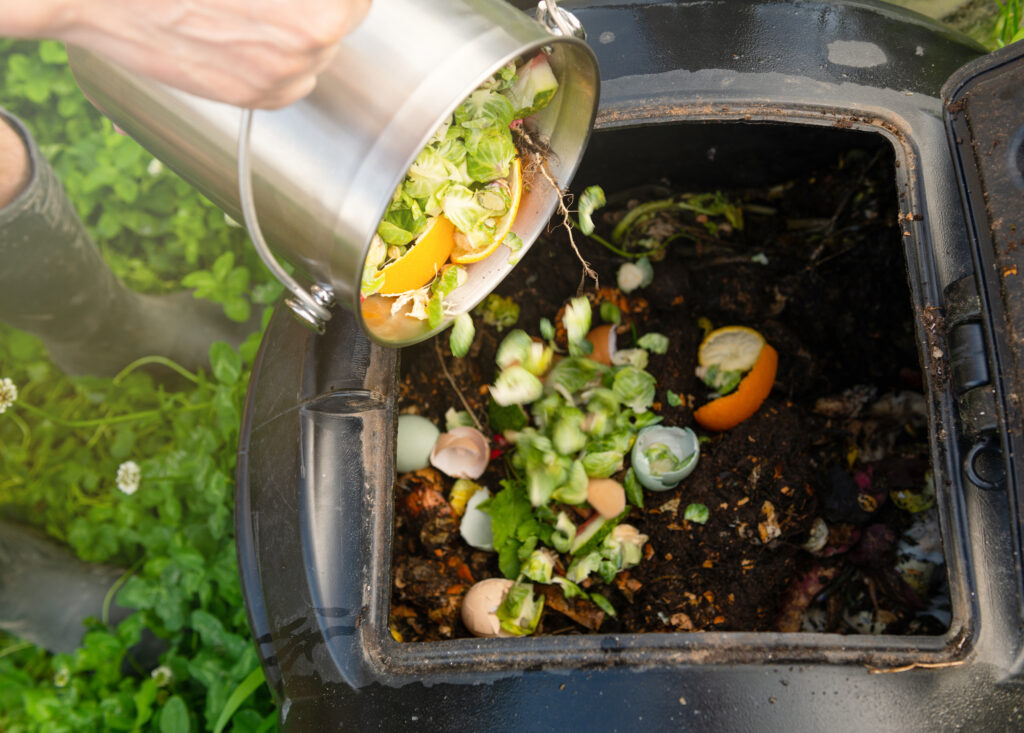
Too much nitrogen in your compost pile can lead to strong, unpleasant smells, often resembling ammonia. This typically happens when there’s an overabundance of nitrogen-rich materials such as kitchen scraps, especially vegetable peels, coffee grounds, and grass clippings. When the nitrogen level becomes too high, the composting process can become inefficient, leading to odors that make the composting experience unpleasant. To fix this, it’s important to balance these nitrogen-rich materials with brown materials like straw, dried leaves, cardboard, or sawdust. These brown materials are rich in carbon, which helps absorb excess nitrogen and provides structure to the pile, ensuring proper airflow.
When the nitrogen-to-carbon ratio is off, the compost pile can become compacted and smelly, slowing down decomposition. You’ll want to aim for a 3:1 carbon-to-nitrogen ratio to achieve the best results. Adding the right balance of materials encourages the decomposition process to work efficiently, preventing the buildup of unpleasant smells. Another tip is to monitor the moisture level in the pile, as too much moisture can exacerbate the problem of nitrogen overload. By adjusting the ratio of nitrogen to carbon, your compost will break down more efficiently, smell fresher, and be ready for use in your garden much sooner.
Cover the Pile in Cold Weather
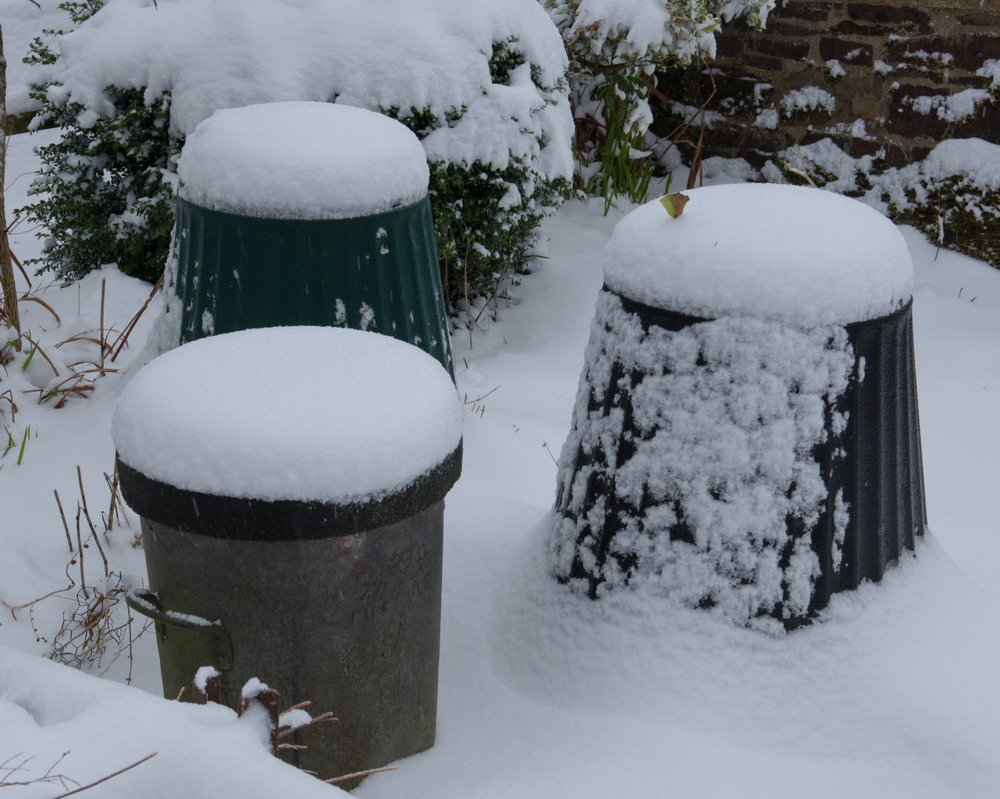
During the cold month of February, composting can be a bit trickier. The low temperatures can slow down microbial activity, making it harder for your compost pile to break down organic material efficiently. One of the best ways to counteract this is by covering the compost pile with a tarp or composting blanket. This simple fix helps trap heat and moisture, which are essential for maintaining the microbial activity needed for decomposition. By insulating the pile, you keep the pile warm enough to keep working, even when temperatures dip below freezing.
A well-covered compost pile not only retains heat but also helps maintain proper moisture levels, which prevents the pile from drying out or becoming too soggy. This is particularly important in February when cold weather can lead to inconsistent moisture levels. Additionally, covering your pile reduces the chance of odors because it helps prevent excess moisture from leaching out into the surrounding area. Just make sure the cover allows for some airflow, as too much sealing could stifle the decomposition process. A simple tarp, old blankets, or a composting-specific cover are effective tools to keep your compost pile moving and odor-free during winter months.
Mix in Fresh Manure
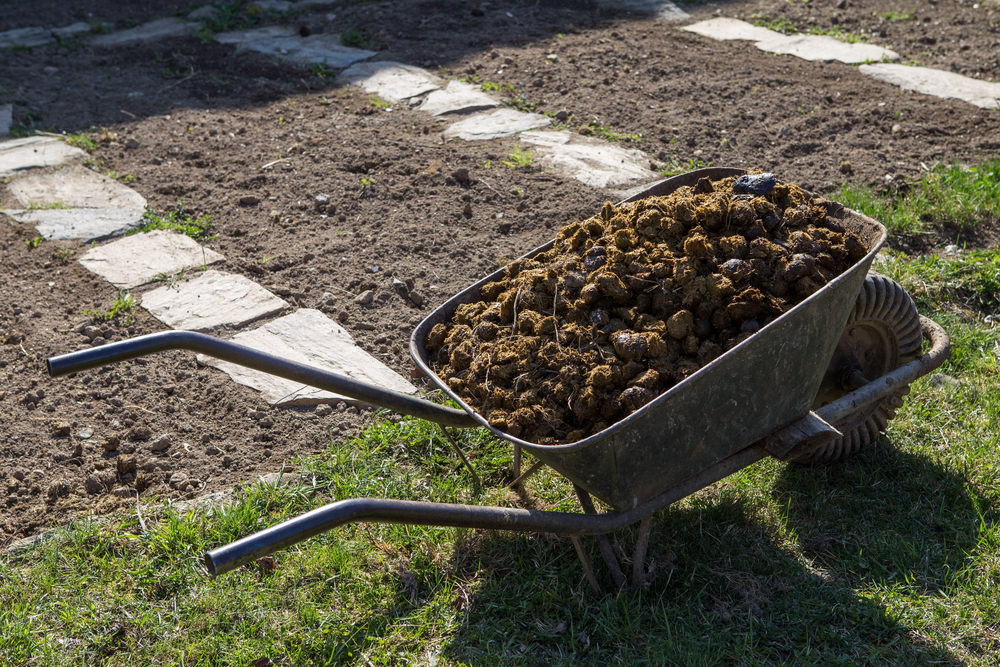
Fresh manure is an excellent way to add nitrogen to your compost pile, helping to jumpstart the breakdown of organic materials. The nitrogen in manure speeds up decomposition by providing the microbes in your compost with an extra boost of food. Additionally, manure contains beneficial microorganisms that help with the composting process, improving the overall health and speed of your pile. Chicken, horse, cow, and rabbit manure are all great options, but it’s important to make sure that the manure is fresh and not overly aged, as this can lead to imbalances in your pile. Fresh manure adds vital nutrients that can help your compost break down quickly and efficiently.
However, be cautious about overloading the pile with too much manure, as it can lead to an overly wet pile or cause odors if not balanced with enough brown materials. A good rule of thumb is to mix fresh manure into the pile gradually, making sure to add plenty of dry carbon-rich materials like leaves or shredded paper. The additional nitrogen from manure can help reduce the smell of compost piles, especially in February when the cold can slow down the microbial activity. By carefully managing the amount of manure you add, you can enhance the decomposition process and reduce unpleasant smells, ensuring your compost stays healthy and odor-free.
Use Finished Compost as a Starter
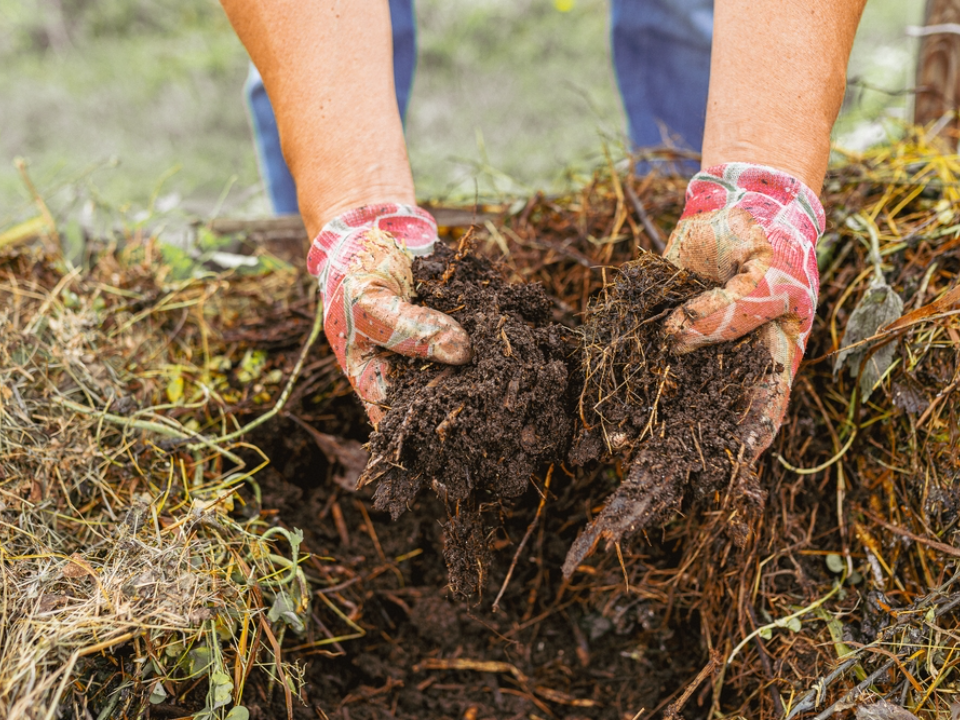
When your compost pile is sluggish or not breaking down as expected, adding a bit of finished compost can provide a quick solution. Finished compost is rich in the beneficial microorganisms that are essential for breaking down organic materials. These microbes help decompose the materials in your pile faster and more efficiently. By adding a few handfuls of finished compost to your pile, you are introducing a healthy population of microorganisms that jump-start the decomposition process. This not only speeds things up but also helps reduce any bad odors by encouraging the growth of beneficial bacteria and fungi.
To make the most of this fix, mix the finished compost thoroughly throughout the pile, ensuring that it’s evenly distributed. This will help spread the microorganisms across the entire pile, accelerating the breakdown of tougher materials. If you don’t have finished compost on hand, you can buy it from garden centers or use some from a well-established compost bin. Using finished compost as a starter is a simple, natural way to restore balance and encourage healthier, faster composting. It also helps maintain an odor-free compost pile, as it reintroduces the right microbes to keep things running smoothly.
Keep the Pile Aerated

Good airflow is essential to a healthy compost pile. Without sufficient oxygen, the decomposition process can become anaerobic, which leads to foul-smelling conditions. Aerating your compost regularly helps maintain proper airflow, ensuring that beneficial aerobic microbes have the oxygen they need to break down the organic materials in your pile. Turning the pile every week or two promotes better circulation, speeds up decomposition, and reduces the likelihood of bad smells. Aerating helps keep the pile loose, allowing it to break down more evenly and avoiding the formation of compacted, smelly clumps.
You can aerate your pile by using a garden fork, shovel, or a compost turner. Another effective method is to poke holes in the pile with a long stick or rod to allow air to reach the center of the compost. Regularly turning the pile and poking holes also helps redistribute moisture, ensuring an even balance that is neither too wet nor too dry. In February, when temperatures drop, the pile’s ability to generate heat naturally decreases, so it’s even more important to maintain airflow to keep things moving. Proper aeration not only speeds up the composting process but also keeps it free from unpleasant odors.
This article originally appeared on Avocadu.