
11 Wildlife-Friendly Garden Ideas For Hungry Birds In Late Winter
Late winter is one of the most challenging times for backyard birds, as natural food sources dwindle and cold weather increases their daily energy needs. Small changes in the garden can make a real difference by offering reliable food, clean water, and safe shelter during this stressful period. Leaving seed heads, planting berry-producing shrubs, and helping high-energy food birds stay strong until spring arrives. A thoughtful garden setup during late winter supports local bird populations when they need it most.
This post may contain affiliate links, which helps keep this content free. Please read our disclosure for more info.
Leave Coneflower Seed Heads Standing
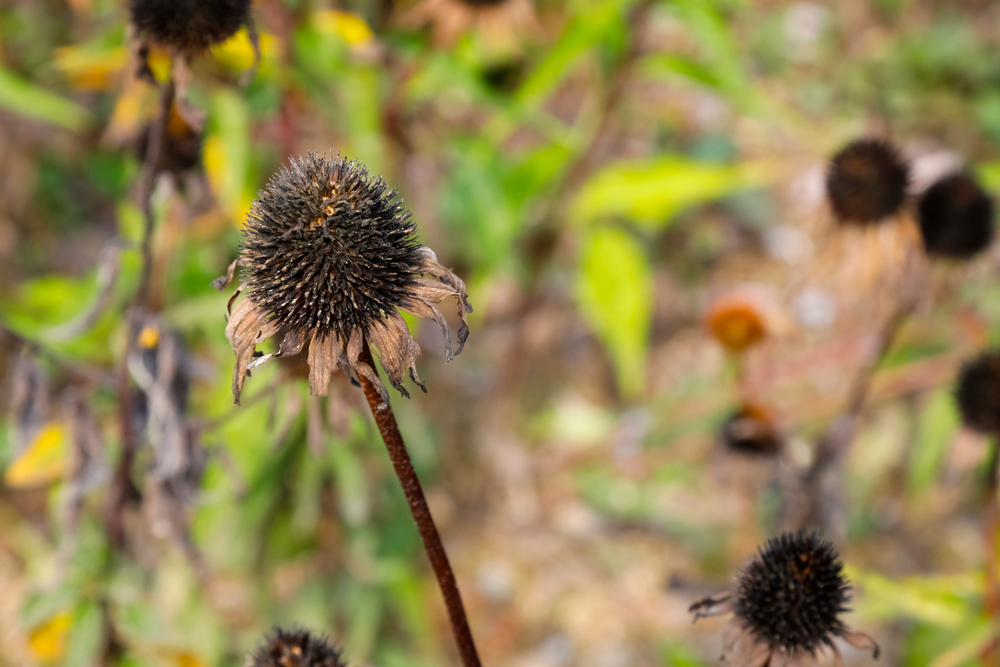
Coneflower seed heads are an excellent source of food for many bird species in late winter. These seed-filled heads provide a natural feeding spot for finches, sparrows, and chickadees when other food sources have dwindled. By leaving them standing through the winter, you allow birds to feed at their own pace, reducing the need for constant searching for food. This is especially critical during harsh cold spells when birds need to conserve energy.
In addition to food, the tall, rigid stems of coneflowers offer a measure of protection from predators. Birds can cling to the seed heads or perch on the tall stems, which also keeps them visible and safe from ground predators. Snow often falls lightly on coneflower heads without covering them entirely, allowing easy access for the birds. Leaving these plants uncut until spring not only supports birds but also contributes to a more sustainable, wildlife-friendly garden.
Keep Sedum Flower Heads Intact
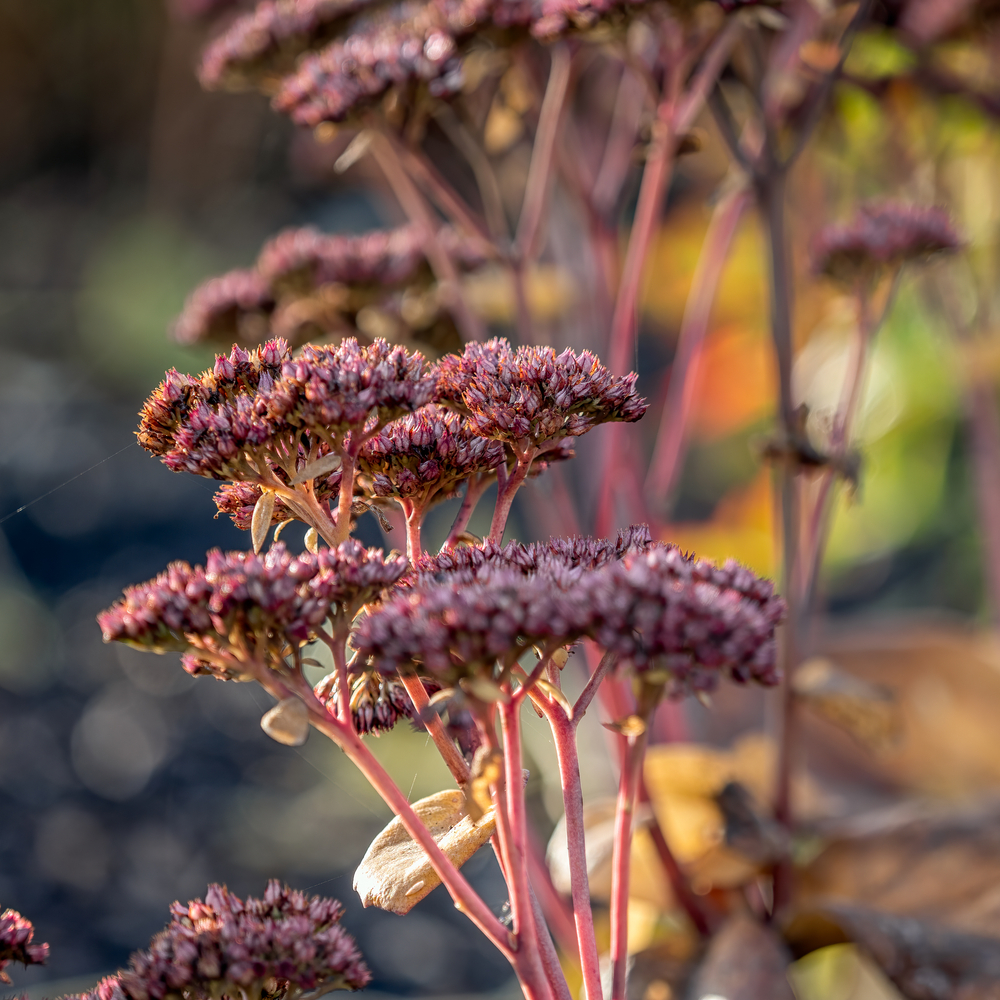
Sedum, commonly known as “autumn joy,” produces dense clusters of seeds that persist through the winter months, providing essential nutrition when other food sources are scarce. Birds like chickadees, juncos, and sparrows rely on these dry flower heads as a consistent food source. By allowing the flower heads to remain intact, you ensure a steady supply of food that supports bird survival during the coldest months.
Sedum’s upright stems also act as natural windbreaks and shelters. The flowers and stems trap snow, which helps to insulate the soil beneath, keeping it warmer and more stable. This natural shelter is vital during winter storms, giving birds a safe place to rest and feed without being exposed to the harsh winds. The tough stems resist breaking under snow and ice, so they continue to stand tall and provide food and cover for birds throughout the winter.
Plant Holly Shrubs for Winter Berries
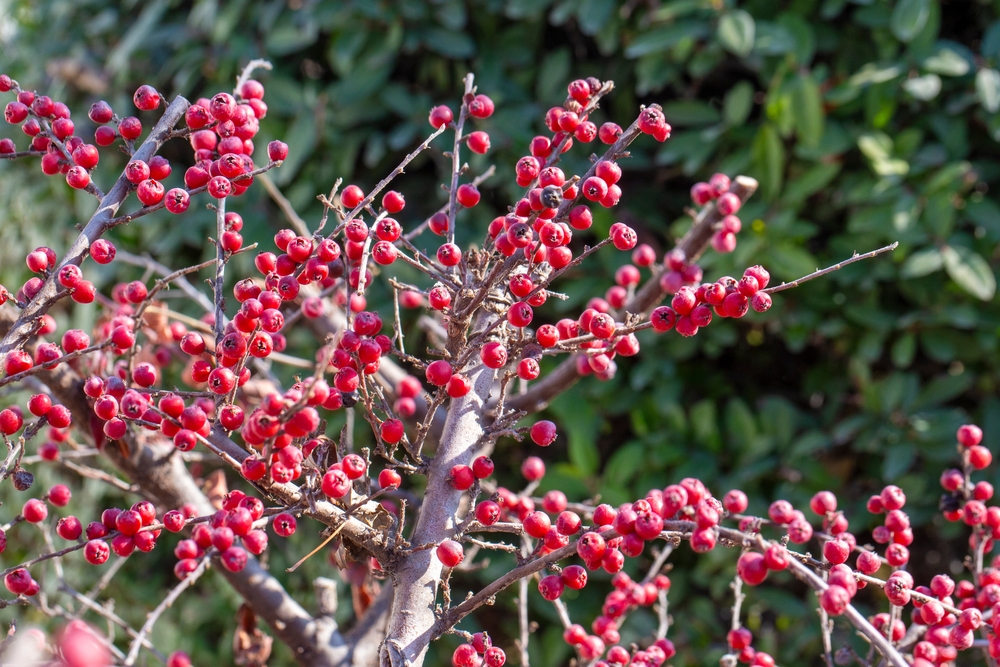
Holly shrubs are an excellent addition to any wildlife-friendly garden, especially in late winter when food is most scarce. Holly berries remain on the plant well into the season, offering high-energy food for birds such as thrushes, robins, and cedar waxwings. The bright red berries stand out against the winter landscape, making them easy for birds to find when other natural food sources have run out.
Beyond providing a food source, holly shrubs offer dense cover and protection from wind and predators. Birds often use these thick branches to hide, rest, and shelter during winter storms. When planted near other shrubs and trees, holly creates a supportive habitat for birds, offering both food and security. Planting a variety of berry-producing shrubs like holly ensures birds have reliable resources during the late winter months when they need them most.
Add Red Twig Dogwood for Food and Cover
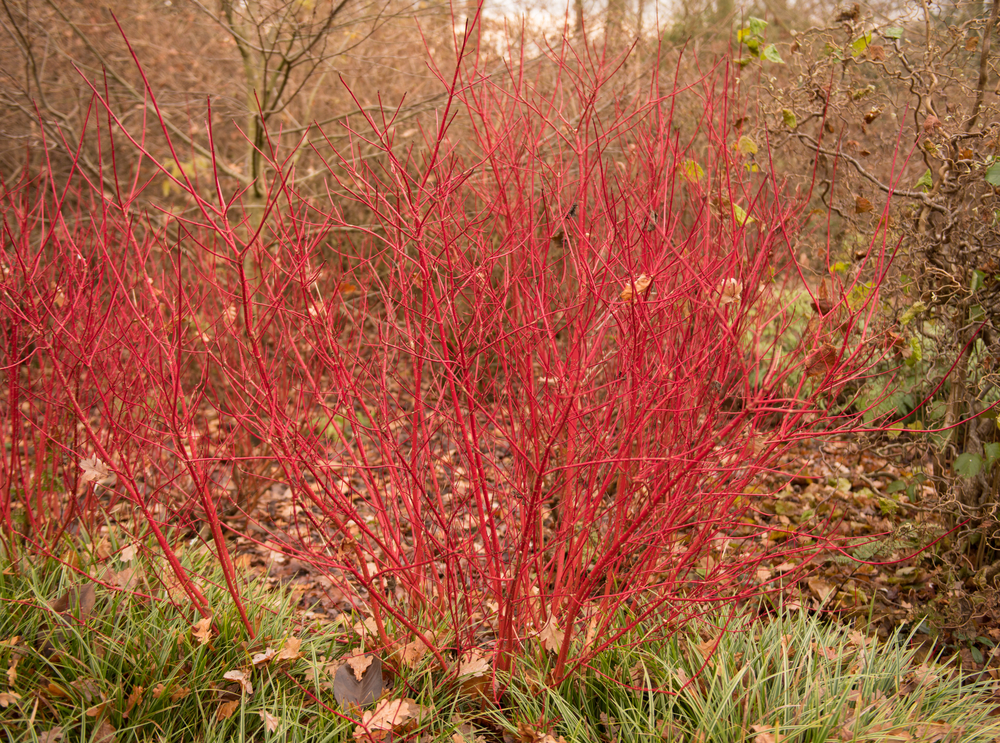
Red twig dogwood is a versatile plant that not only provides a reliable food source but also creates an ideal habitat for birds. The berries of the dogwood shrub remain on the plant long into the winter, attracting birds like robins, bluebirds, and woodpeckers. The bright red stems are a visual asset in the winter landscape, making the shrub a key feature in any wildlife-friendly garden.
In addition to its berries, red twig dogwood offers important shelter. Its dense branches provide a refuge for birds during extreme weather, offering protection from the cold and predators. When positioned near feeders or other food sources, dogwood shrubs provide easy access to both food and cover, ensuring that birds have everything they need for survival during the late winter months.
Grow Winterberry for Late Season Feeding
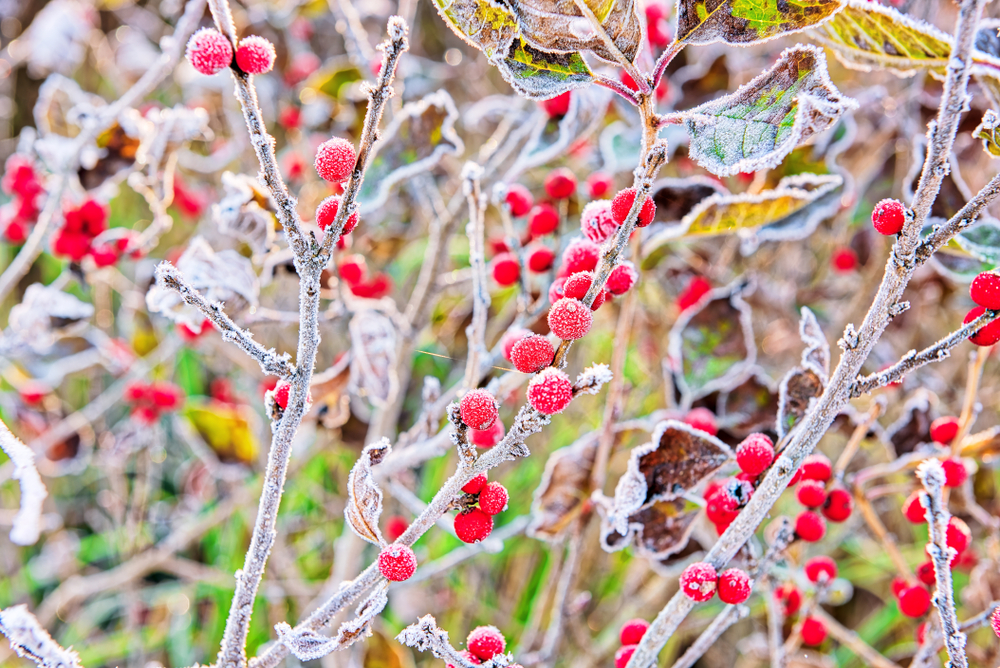
Winterberry is another berry-producing shrub that provides critical food for birds during the colder months. Its bright red berries are high in fat and sugars, essential for birds to maintain energy and stay warm through freezing temperatures. Birds such as woodpeckers, cardinals, and northern flickers rely heavily on these berries when other food sources are no longer available.
The dense branches of the winterberry shrub also offer shelter for birds, creating a safe space for them to rest and hide from predators. These shrubs thrive in wet soils, making them perfect for low-lying areas or near ponds. By planting winterberry, you not only provide an important food source but also support the overall health of your garden’s ecosystem by attracting and nurturing a variety of wildlife.
Offer Suet for High Energy Needs
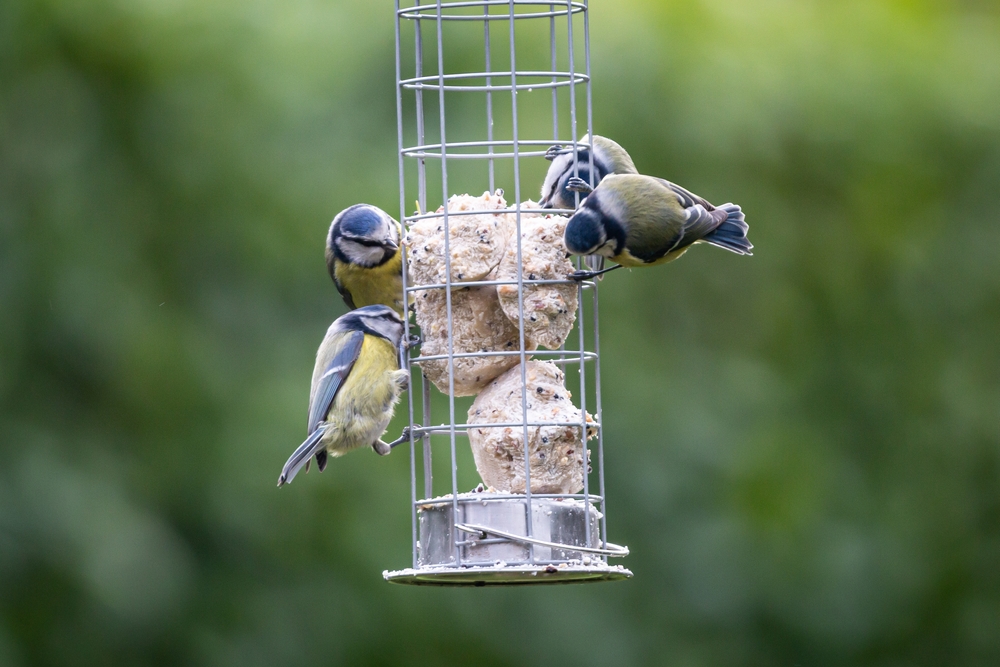
Suet is one of the best high-energy foods you can offer to hungry birds in late winter. It provides much-needed fat, which helps birds maintain body heat during long, cold nights. Woodpeckers, chickadees, nuthatches, and even wrens are drawn to suet feeders, which supply a concentrated source of nutrition. This is particularly important when natural food sources, like insects, are absent during the winter months.
Suet feeders should be placed in shaded areas to prevent the fat from melting during warmer spells. Mesh or cage-style feeders work best to limit access to larger animals, ensuring that only small birds can feed. Regularly replacing suet ensures a continuous food supply. By offering suet, you create a critical resource for birds, helping them stay nourished and energized until the warmer months return.
Provide Nyjer Seed for Small Birds
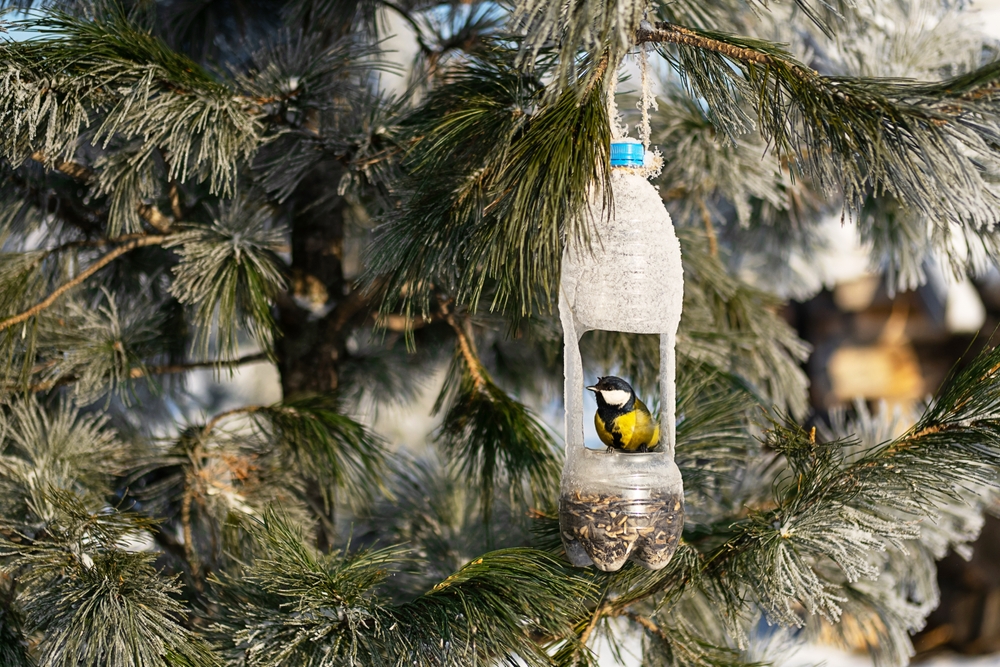
Nyjer seed, also known as thistle seed, is a favorite of many small songbirds, including goldfinches and pine siskins. This high-oil seed provides essential fats and calories that help birds survive the cold, energy-draining winter months. Nyjer feeders, often in tube or sock form, allow small birds to feed without much competition from larger species, ensuring they get their share of food.
Nyjer seed is best kept dry and fresh, so it’s important to clean feeders regularly and replace seeds that have become wet or spoiled. Placing nyjer feeders near protective shrubs or trees allows birds to quickly retreat if needed. Offering nyjer seed gives small birds a reliable food source, helping them thrive during late winter when food is in limited supply.
Keep Fresh Water Available Daily
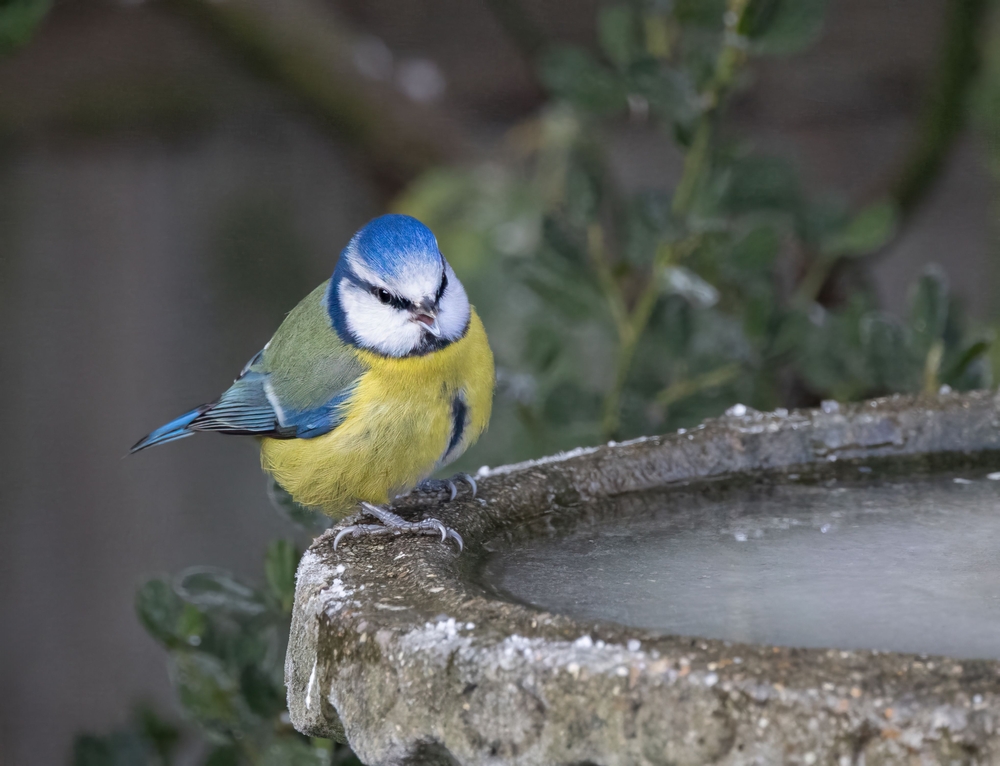
Fresh water is essential for birds in late winter, as dehydration can be just as dangerous as hunger. Birds need water to stay hydrated and to keep their feathers in top condition for warmth. During freezing temperatures, natural water sources often become ice-covered, so it’s important to provide an accessible and unfrozen water source in your garden.
Using a heated birdbath is one effective way to ensure water stays liquid even during the coldest days. If a heated birdbath is not an option, regularly refilling a birdbath can also work, just make sure the water does not freeze overnight. Birds will visit the water source regularly, not only to drink but also to bathe, keeping their plumage clean and properly insulated. Providing fresh water is an easy yet critical way to support birds through winter’s harshest weeks.
Use Evergreens as Wind Breaks
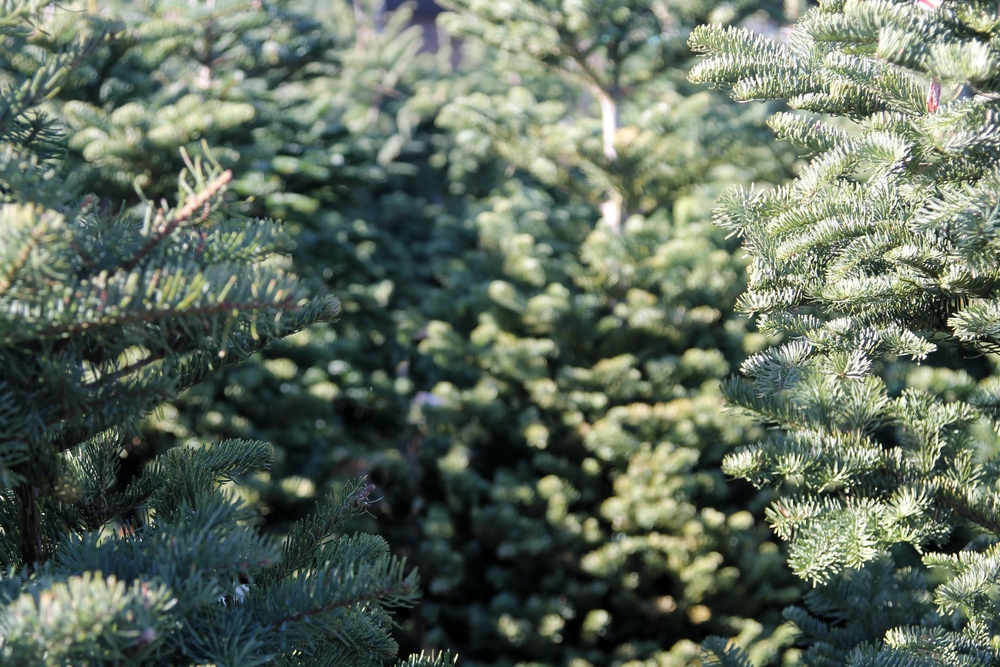
Evergreen trees and shrubs are vital for providing shelter to birds during late winter. Their dense foliage offers a windbreak, which reduces the chill that birds experience in open areas. Birds use evergreens as safe havens to rest, hide from predators, and even sleep during cold nights. Species like chickadees, woodpeckers, and finches flock to these trees when the weather turns harsh.
Evergreens also provide a source of cover when snow piles up on the ground, giving birds a place to stay hidden and protected. These trees hold their needles throughout the winter, ensuring that birds have consistent cover. Planting evergreens in your garden adds both winter beauty and practical support for local wildlife.
Let Leaf Litter Remain Under Shrubs
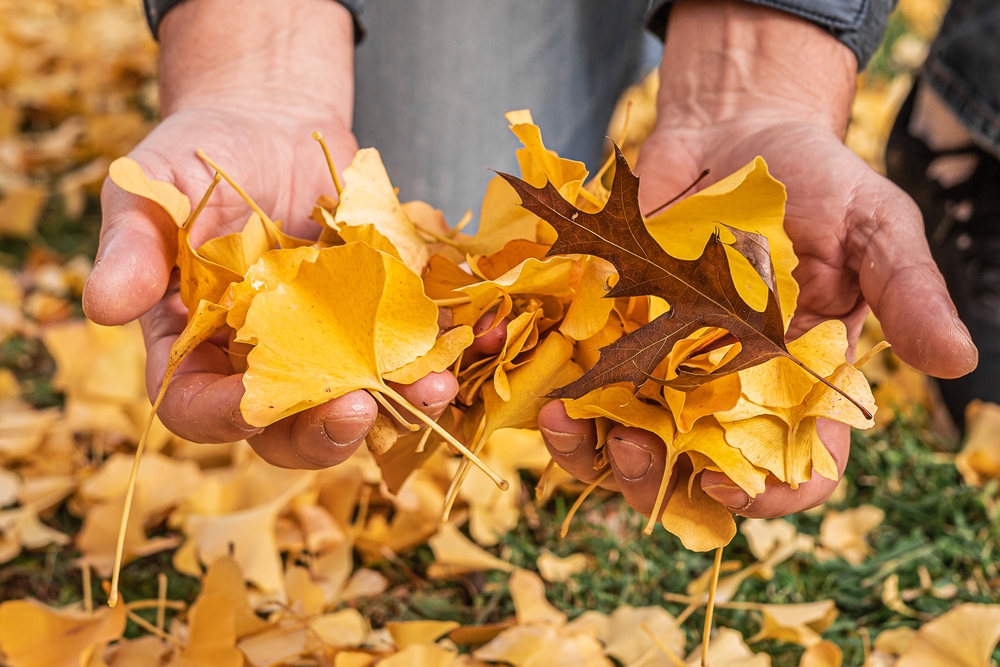
Leaf litter is often overlooked as a food source, but it plays a key role in late winter survival for birds. The decaying leaves shelter insects, which birds like sparrows and wrens feed on. By allowing the leaves to remain under shrubs, you give birds access to a natural food source that they would otherwise miss.
Additionally, the layer of leaf litter insulates the soil and provides warmth to both the roots of plants and the wildlife within it. Birds use the sheltered areas under shrubs as feeding grounds, reducing the need for them to expose themselves to the elements. By keeping leaf litter in place, you create a sustainable environment that nurtures both the plants and wildlife in your garden.
Create Dense Hedgerows

Hedgerows provide much-needed shelter and security for birds during late winter. By planting a mix of native shrubs and trees, you create a living barrier that offers both protection from the cold and a safe space to feed. The dense structure of hedgerows provides an essential haven for birds, especially during storms or when the wind chill sets in.
These natural corridors also act as refuges from predators, allowing birds to travel between feeding and resting areas without exposure. The thick foliage ensures that birds stay hidden and safe while they search for food. Hedgerows become a vital lifeline during the harshest months, making them a must-have for any wildlife-friendly garden.
This article originally appeared on Avocadu.