
11 Top Places To Find Retro Board Games Without Missing Tokens
Finding retro board games that still include every token, card, and piece can be harder than it looks. Many used copies look complete at first glance, yet small parts often go missing over time. Buying from sellers who inventory and check the contents helps avoid frustration and wasted money. Knowing where collectors and specialists sell fully checked games makes the search much easier.
This post may contain affiliate links, which helps keep this content free. Please read our disclosure for more info.
Dedicated vintage board game retailers
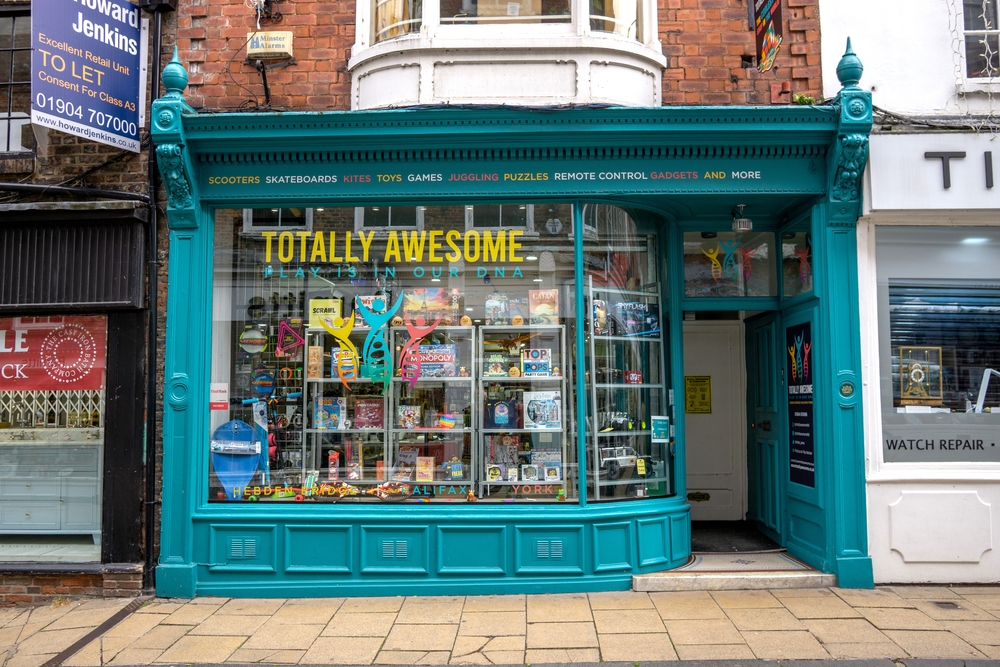
Stores that focus on older tabletop games usually have staff who know what should be inside each box. They will open the game, count tokens, check decks for missing cards, and confirm that any punchboards are fully used. Many also note common problem pieces, like tiny chits or unique dice that are hard to replace. You are paying for the time it takes to verify every part.
These shops often grade condition in a consistent way, so you can judge wear before you buy. They will call out torn corners, warped boards, stained rulebooks, or replacement bits. Good sellers photograph the contents laid out, not just the cover. That level of documentation makes missing pieces less likely.
Specialists used game shops and hobby stores with a verified pre-owned section
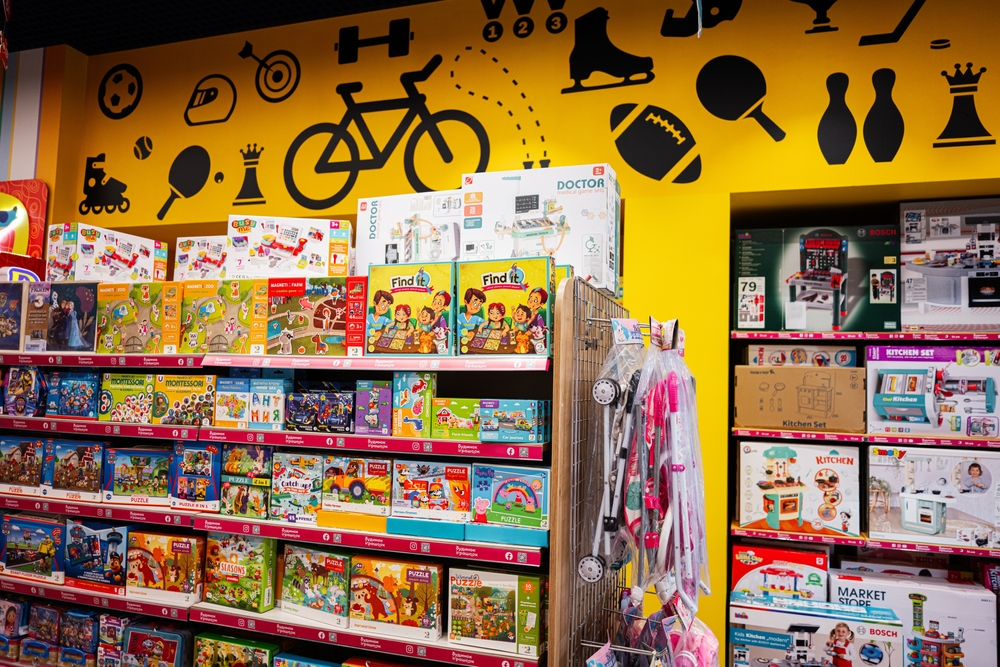
Some local game stores take trade-ins and resell older titles, and the better ones check parts before putting them on the shelf. Employees who play games tend to notice when a set is missing a single pawn or when a deck looks short. Many stores also keep spare bits from broken sets, which helps with quick replacements. That makes them a strong option for complete copies.
Ask whether the store does a piece count and whether they mark the box as complete. The best stores will have a checklist behind the counter or a note on the price tag. They may also separate bags for tokens, cards, and miniatures so you can verify on the spot. Buying in person lets you open the box and confirm everything yourself.
Board game consignment stores
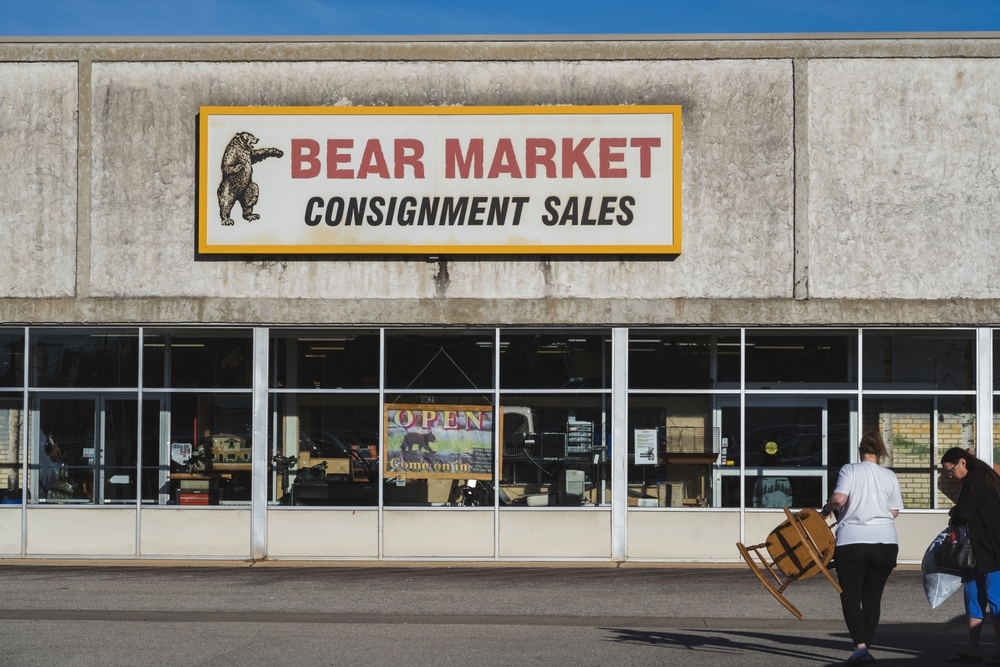
Consignment shops that specialize in tabletop games often act as a gatekeeper before a game is listed. Since the store’s reputation matters, they tend to reject incomplete sets or clearly label them. They also handle the sorting and bagging, so the game stays organized through display and sale. This reduces the chance that loose pieces vanish after it hits the floor.
Many consignment sellers include a condition grade and a completeness statement. Some will list exact counts, like how many money bills, resource tokens, or character standees are included. If something is replaced, they often note it as a substitute. That level of honesty is what you want when you care about every token.
Vintage toy stores that inventory board games
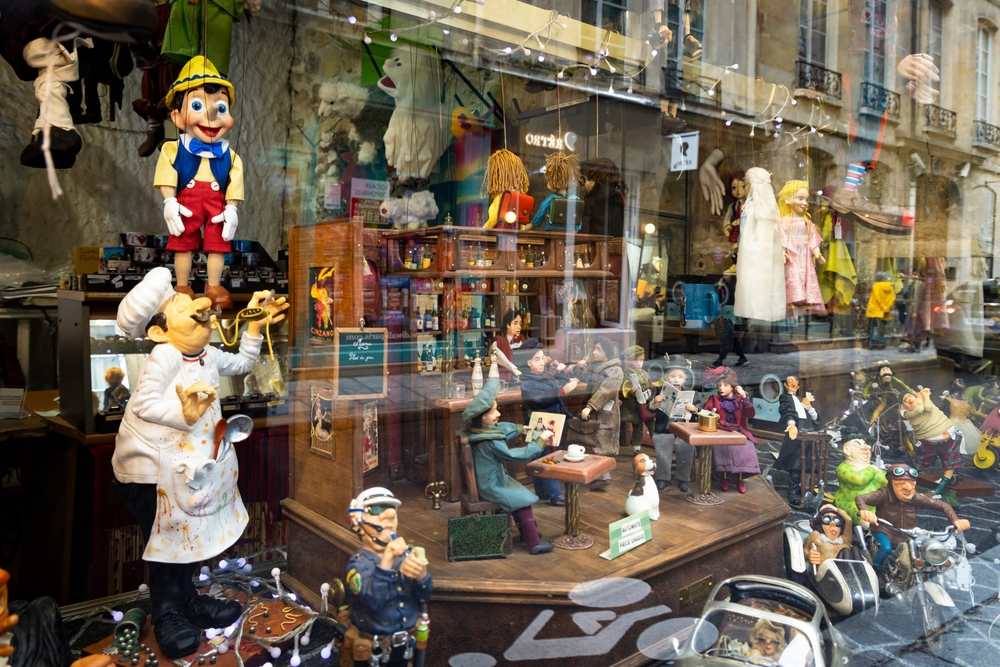
Toy stores that deal in older items often treat board games like collectibles, not just used goods. That usually means they check the contents and price based on completeness and condition. Since many retro games have fragile bits, they may store pieces in labeled bags or small boxes. The result is a cleaner, more reliable set.
A good vintage toy store will tell you if a game has original parts or replacements. They may also keep the game behind the counter to prevent pieces from being lost in open browsing. Some stores offer a short return window if you find a missing part at home. That policy signals they take inventory seriously.
Curated online marketplaces for board games with seller grading standards

Some marketplaces focus on tabletop items and push sellers to describe condition and completeness clearly. Listings often include a graded condition for the box, board, cards, and pieces. Many sellers in these spaces know that vague descriptions lead to disputes, so they lay everything out in photos. That makes it easier to spot missing tokens before you buy.
Look for listings that mention a full component check and show the parts arranged in groups. The best sellers upload the rulebook page that lists components, then show matching piles of pieces. If a game has known counterfeits or common missing parts, trusted sellers will mention it. That is what separates a random listing from a carefully verified one.
BoardGameGeek Marketplace

BoardGameGeek has a long-running community of buyers and sellers who care about details. Many listings include notes on completeness, wear, and whether anything is replaced. Since seller feedback matters, people tend to be careful with descriptions and photos. That culture makes it easier to find games that have been counted and confirmed.
You can message sellers and ask specific questions about tokens, cards, and unique bits. Good sellers will answer quickly and may even recount parts if you ask. Many also store components in zip bags and note if punchboards were used properly. You are buying from someone who likely understands why one missing chit matters.
Facebook buy-sell, trade groups focused on board games

Large buy-sell trade groups often have experienced members who know how to verify a game properly. Sellers in these groups often state complete or list what is missing to avoid public callouts. Photos are usually more detailed than a casual listing because buyers will ask for proof. This helps when you need a set with every card and token.
These groups also tend to have clear rules about honesty and disputes. Some allow public feedback threads, which push sellers to check content before posting. You can also find local transactions, which let you open the box during pickup. That is one of the simplest ways to avoid surprises.
Reddit communities like r/boardgamesexchange
Trading communities on Reddit often attract hobbyists who treat used games carefully. Sellers commonly describe whether the game is complete, sleeved, sorted, or played once. Because transactions rely on trust and reputation, many people do a piece count to avoid problems. That makes it a solid place for verified retro titles.
You can request photos of the component layout and ask about any replacements. Many sellers are willing to show the contents next to the rulebook component list. If a rare token is missing, they will usually say so up front. Clear communication is the main advantage here.
Discord servers for board game trading and collecting

Many Discord servers have dedicated trade channels where collectors buy and sell directly. The best servers encourage detailed listing formats, including completeness notes and clear photos. Since the audience is knowledgeable, sellers know they will be asked about token counts and card totals. That pressure leads to better listings.
Discord also makes it easy to have a quick back-and-forth about specifics. You can ask for a live photo of the pieces spread out or a quick count of a particular token type. Some servers keep a feedback system that tracks reliable sellers. That helps you stay focused on people who verify content.
Auction sites, when you target top-rated sellers who document contents

Auction sites can be risky, but they also have sellers who treat older games like collectibles. The good ones photograph every bag of pieces, the rulebook, and the box corners. They often write a clear statement about completeness because it reduces returns. When you stick with sellers who consistently do this, you can find excellent complete copies.
Look for listings that show the inside of the box with organized components and close-ups of cards. A seller who only shows the lid is not doing the work you need. Read recent feedback for phrases like complete, counted, or all pieces included. That is a quick way to filter for sellers who inventory properly.
Etsy vintage sellers who specialize in board games

Etsy has many vintage sellers, and some focus on board games and puzzles as a niche. Those sellers often write detailed condition notes and include multiple photos of the contents. Because buyers expect accuracy, the better sellers check pieces and describe any missing items. That attention helps when you want a complete retro set.
You can message sellers for a component check and ask for a photo of the pieces grouped by type. The serious sellers already have that photo ready because it helps their sales. Many also package components carefully so nothing falls out during shipping. Good packaging matters for games with tiny tokens.
This article originally appeared on Avocadu.