
13 Seed Starting Mistakes People Make In February And Easy Fixes
Starting seeds indoors feels rewarding, though early setbacks are very common. February conditions often expose mistakes that stay hidden later in the season. From uneven sprouting to slow growth, there are clear causes behind these patterns. Recognizing them early helps plants stay on track.
This post may contain affiliate links, which helps keep this content free. Please read our disclosure for more info.
Starting Seeds Too Early Indoors
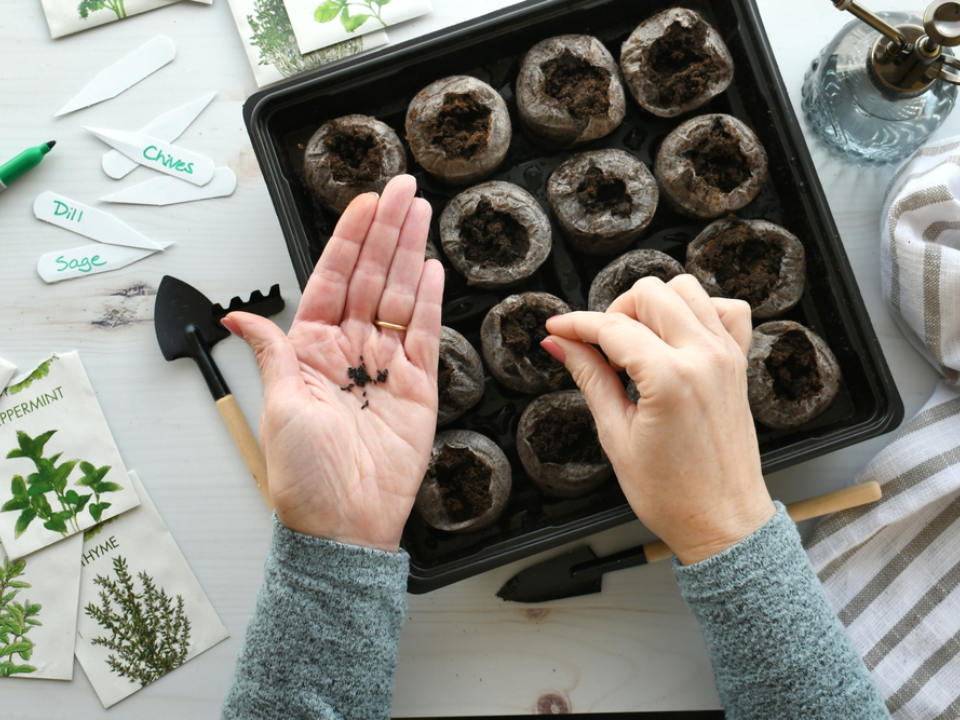
Many gardeners begin seed starting in February with excitement and good intentions, yet planting too early often causes seedlings to outgrow their indoor space long before outdoor conditions are safe. When seedlings remain inside for too long, they tend to develop tall, weak stems and shallow roots that struggle once they face wind, sun, and temperature shifts outside. This extended indoor period can make plants more vulnerable to stress, slowing their recovery after transplanting. The problem usually starts with timing rather than care.
Checking seed packets and matching indoor start dates to your local frost window helps prevent this issue before it begins. Counting backward from the expected last frost gives a clearer planting schedule. If seedlings have already grown too large, reducing indoor heat and improving light exposure can help slow their pace. Proper timing keeps growth controlled and plants better prepared for outdoor conditions.
Using Weak or Inconsistent Light
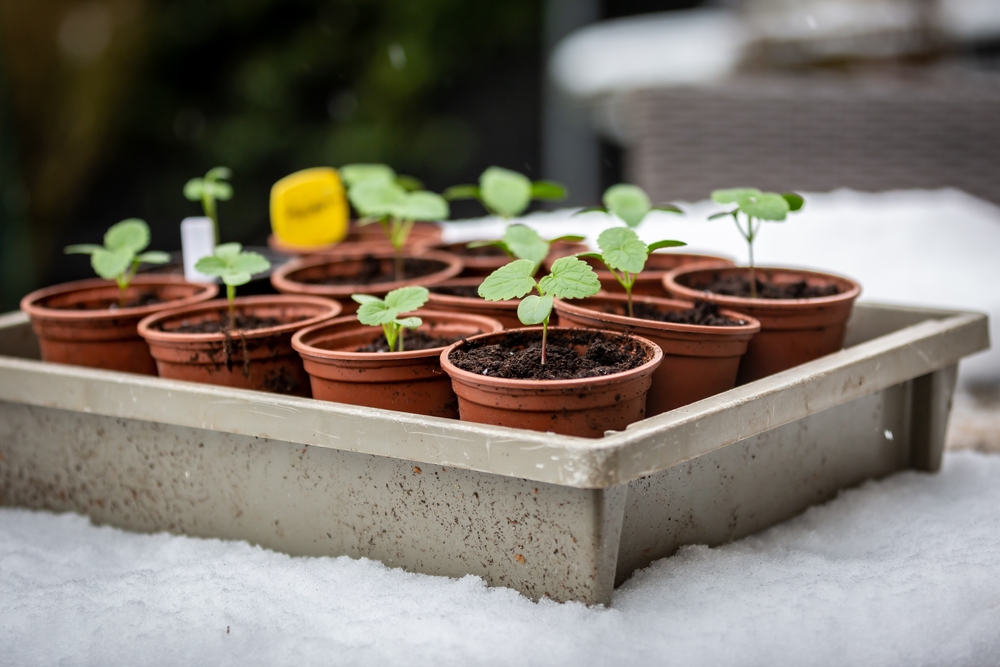
February daylight is often far weaker than many gardeners expect, especially when seedlings rely on windows that only provide partial exposure for a few hours each day. When light levels remain low or uneven, young seedlings naturally stretch toward the brightest area available, which leads to long, thin stems that struggle to support leaves as they develop. This stretching weakens plants at an early stage, making them more likely to bend, topple, or fail later during transplanting. Many gardeners do not realize how quickly insufficient light affects seedling strength and overall structure.
Providing a steady and consistent light source placed close to seedlings creates a much more stable growing environment during late winter. Keeping lights on for extended daily periods helps compensate for short days and limited sun angles. Adjusting the light height as seedlings grow prevents renewed stretching as stems lengthen. Reliable lighting from the start encourages thicker stems and more balanced growth.
Overwatering Seed Trays
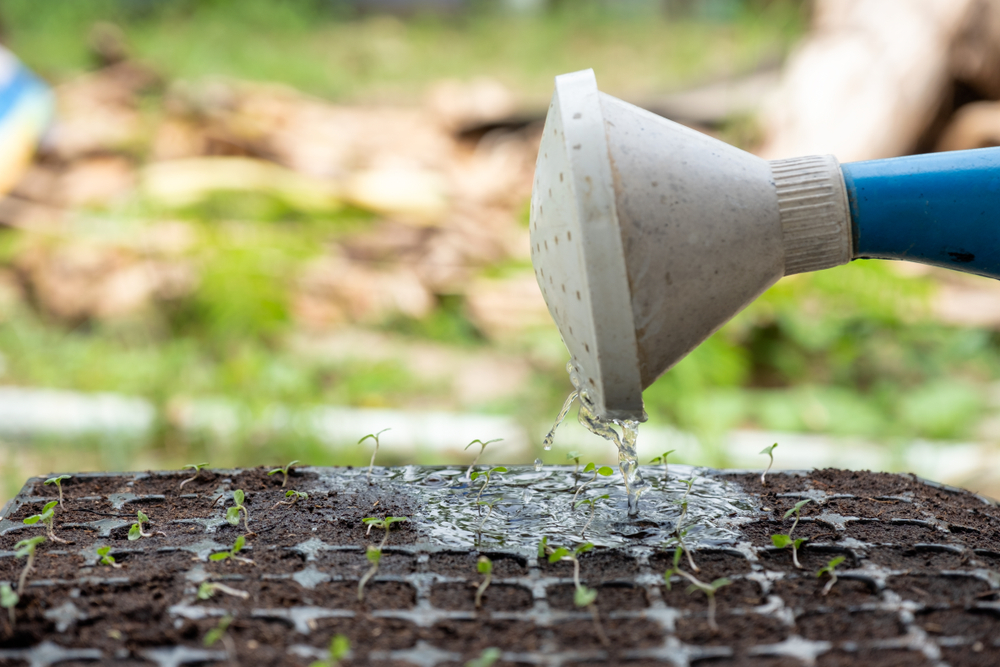
It is very common to believe that young seedlings require constant moisture to grow properly, especially during early stages when roots are just beginning to form. In reality, soil that stays overly wet limits airflow around developing roots, which slows their ability to function and expand. Excess moisture also creates ideal conditions for mold, algae, and rot to appear indoors. February growing conditions often make this issue more noticeable due to lower temperatures and slower evaporation.
Allowing the soil surface to dry slightly between watering encourages roots to grow downward in search of moisture. Bottom watering helps soil absorb water evenly without soaking tender stems or compacting the soil surface. Drainage holes play a critical role by preventing water from collecting beneath roots. A balanced watering routine supports healthier root systems and steadier seedling growth.
Using Poor Quality Seed Starting Mix
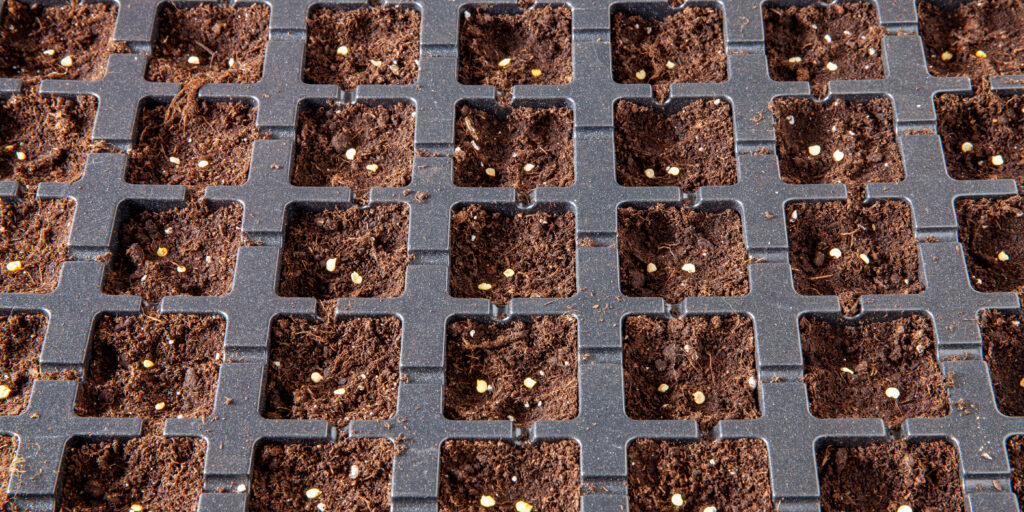
Using garden soil or old potting mix indoors often introduces hidden problems that affect seedlings from the very beginning. Heavy soil compacts easily in small containers, holding excess moisture while limiting oxygen near delicate roots. Seedlings grown in these conditions may appear slow, uneven, or weak despite careful watering and lighting. Many early struggles can be traced back to soil choice rather than surface care.
A fresh seed starting mix made specifically for early growth keeps soil loose and breathable. These mixes allow water to drain properly while still holding enough moisture for germination. Filling containers gently without pressing the soil preserves its structure and prevents compaction. Healthy soil conditions make it easier for roots to spread and support strong early development.
Skipping Air Circulation
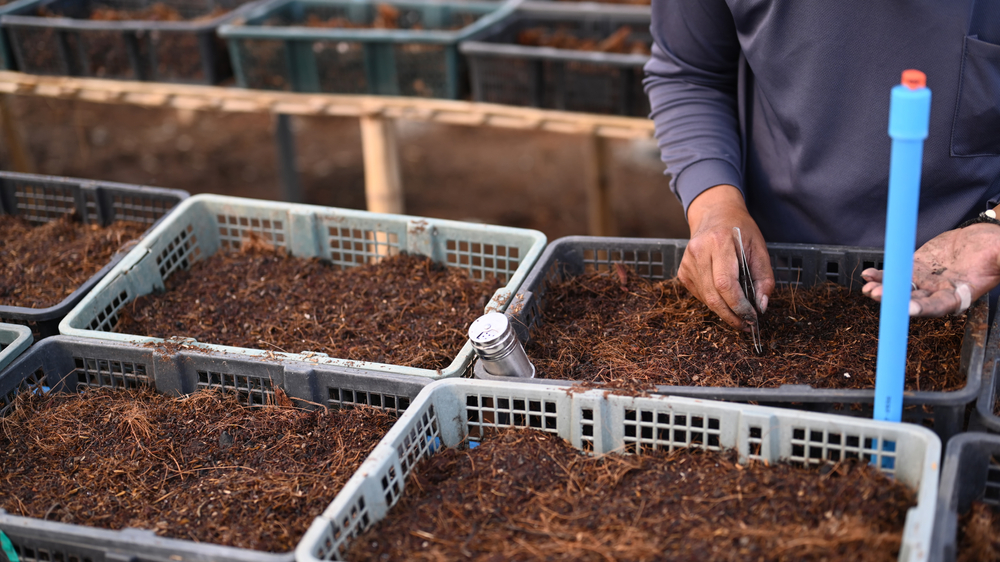
Indoor seedlings grown in still, unmoving air often develop soft stems that struggle to support their own weight as the plants increase in height. Without any gentle movement, seedlings miss the natural resistance that helps them build supportive tissues inside their stems, which later makes them more vulnerable to bending or collapse. Damp and stagnant air also creates favorable conditions for mold and surface fungus, especially when soil stays moist for long periods. This problem is easy to miss during winter seed starting because seedlings may look fine at first.
Introducing gentle air movement nearby helps create conditions that better resemble what plants will face later outdoors. A small fan set on a low setting encourages stems to gradually grow thicker and stronger over time. Air circulation also helps excess moisture dry more evenly across the soil surface, reducing the risk of mold. This simple adjustment supports healthier early growth without adding extra work to daily care.
Planting Seeds Too Deep
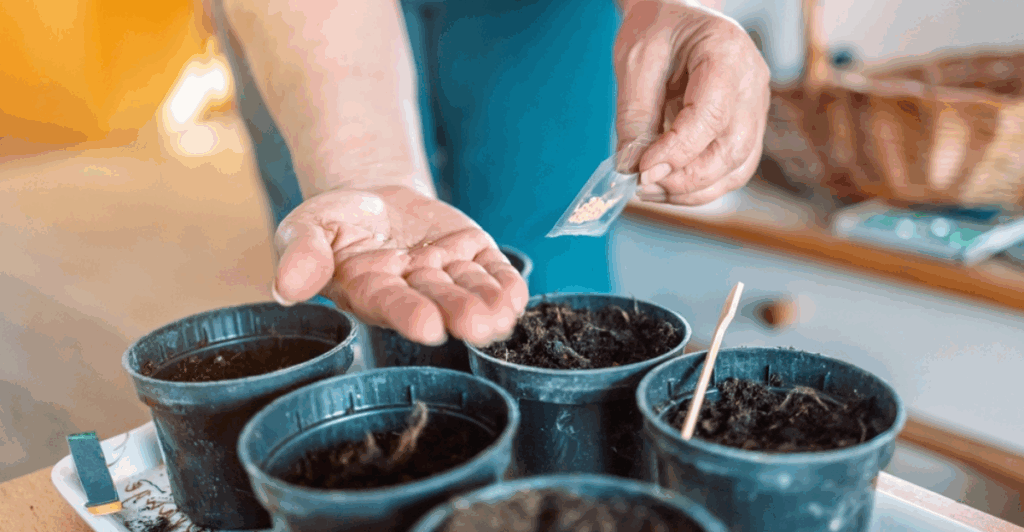
Seed depth plays a larger role in germination success than many gardeners expect, particularly when working with smaller seeds that carry limited stored energy. When seeds are planted too deeply, they often use up that energy while trying to reach the soil surface, leaving little strength for actual growth. This can result in weak sprouts, uneven emergence, or seeds that never break through at all. Many gardeners assume deeper planting offers protection, even though it frequently leads to delays or failure.
Following depth instructions listed on seed packets helps avoid this common mistake. Some seeds require light to germinate and should remain on the surface with only gentle soil contact. Pressing seeds lightly into the soil improves contact without burying them. Correct planting depth supports quicker, more even germination and stronger early growth.
Ignoring Temperature Needs
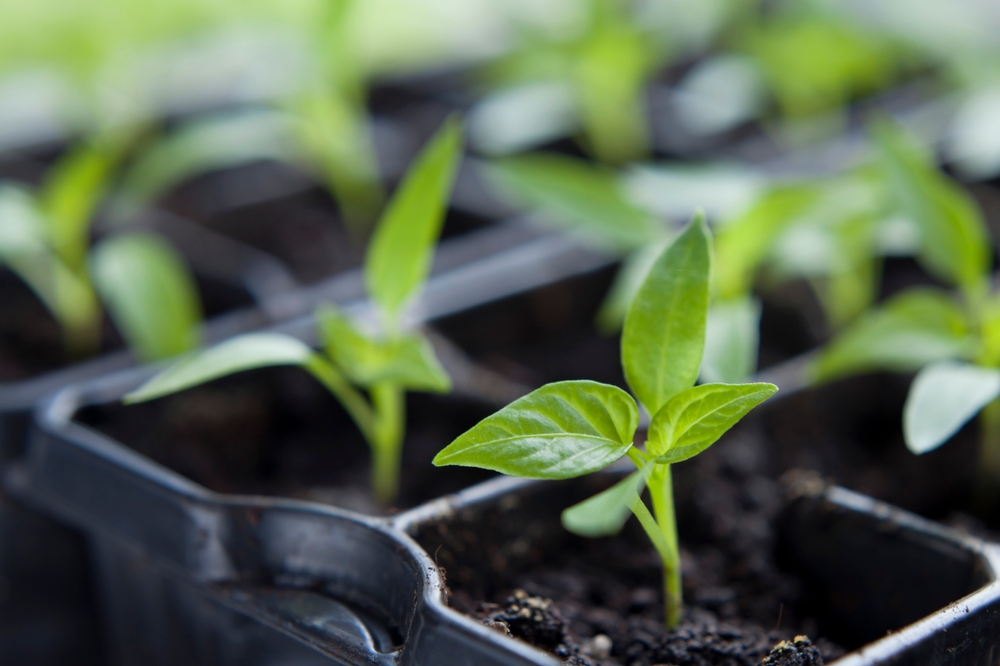
Indoor temperatures during February often shift more than expected, especially when seed trays sit near windows, exterior walls, or drafty areas. Cool soil slows germination and weakens early root development even when light and watering habits are correct. Some seeds may fail entirely if soil temperatures remain too low for long periods. These temperature swings often lead to uneven trays with delayed or patchy sprouting.
Using a heat mat beneath seed trays helps maintain a steady soil temperature where seeds actually grow. Warmth at the root level matters far more than the temperature of the surrounding room during germination. Moving trays away from cold surfaces at night further reduces fluctuations. Stable soil warmth supports even sprouting and stronger early development.
Crowding Too Many Seeds Together
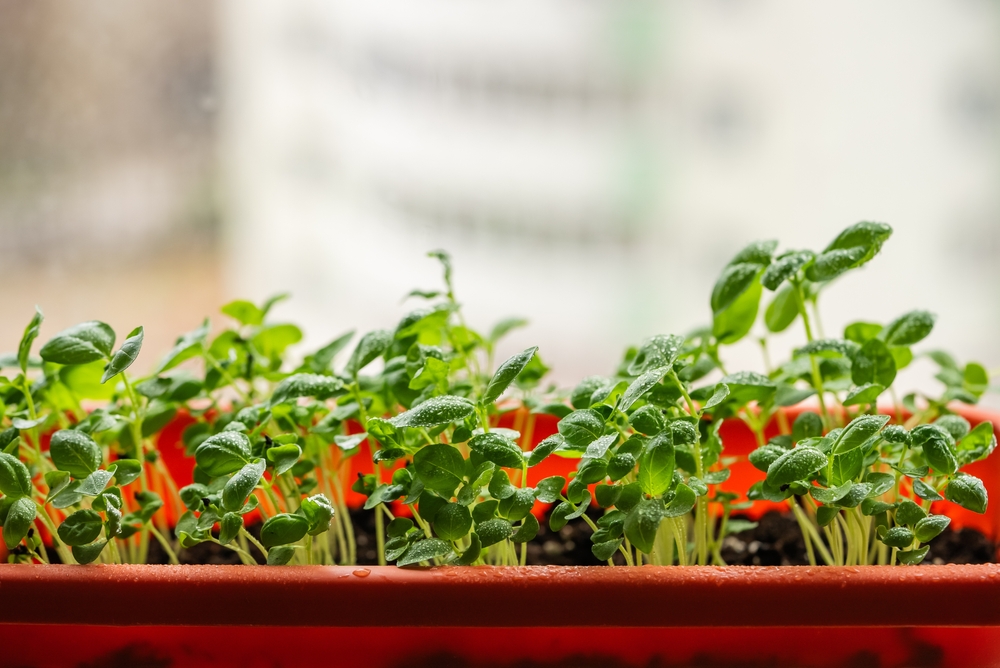
Planting several seeds in a single cell may seem efficient at first, yet crowding creates problems almost as soon as seedlings emerge. Young plants begin competing for light, moisture, and space right away, which leads to uneven growth and weaker stems. Roots tangle early in crowded cells, making thinning stressful and often damaging to remaining plants. This competition lowers the overall success of seed trays.
Planting fewer seeds per cell gives each plant the space it needs to develop properly. Thinning early prevents roots from becoming tightly intertwined. Cutting extra seedlings at the soil line rather than pulling them helps protect remaining roots. Proper spacing leads to healthier and more balanced growth.
Forgetting to Label Trays
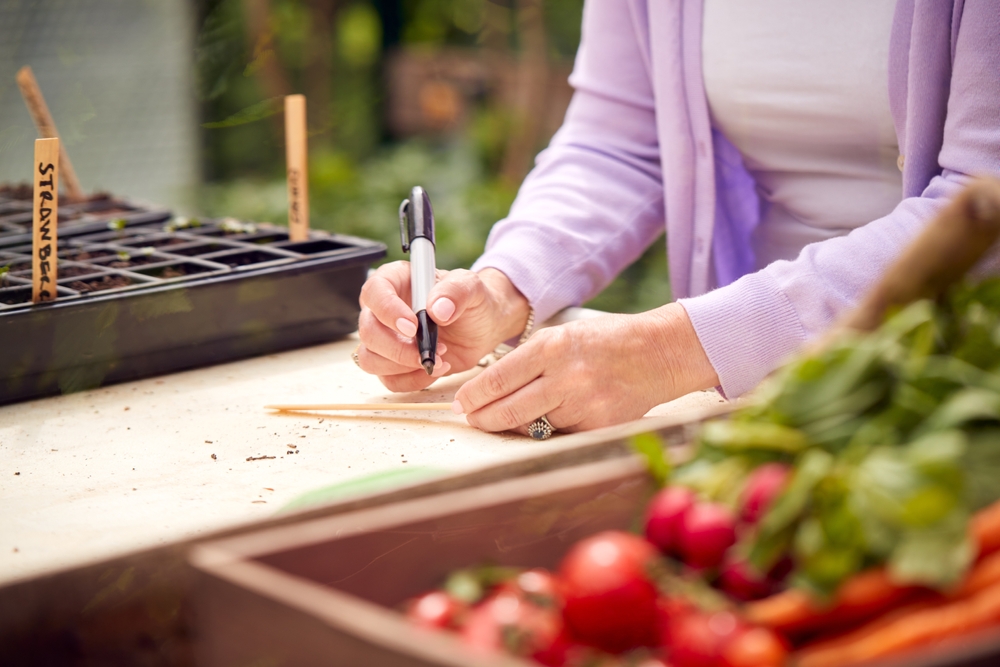
Early seedlings often appear nearly identical, especially during the first few weeks before true leaves begin to form and visible differences emerge. Without labels in place, tracking plant varieties or planting dates becomes increasingly difficult as trays fill and growth progresses, which often leads to confusion during daily care. This uncertainty can affect watering routines, light placement, transplant timing, and spacing decisions later in the season. Many gardeners only recognize the importance of labeling after seedlings grow large enough that mistakes can no longer be corrected.
Labeling trays immediately after planting removes guesswork and helps keep everything organized from the start. Including both plant names and planting dates creates a clear reference that supports consistent care. Waterproof markers or weather resistant labels help keep information readable through frequent watering. Clear labeling allows gardeners to respond accurately to each plant’s needs as seedlings continue to develop.
Using Old or Low Quality Seeds
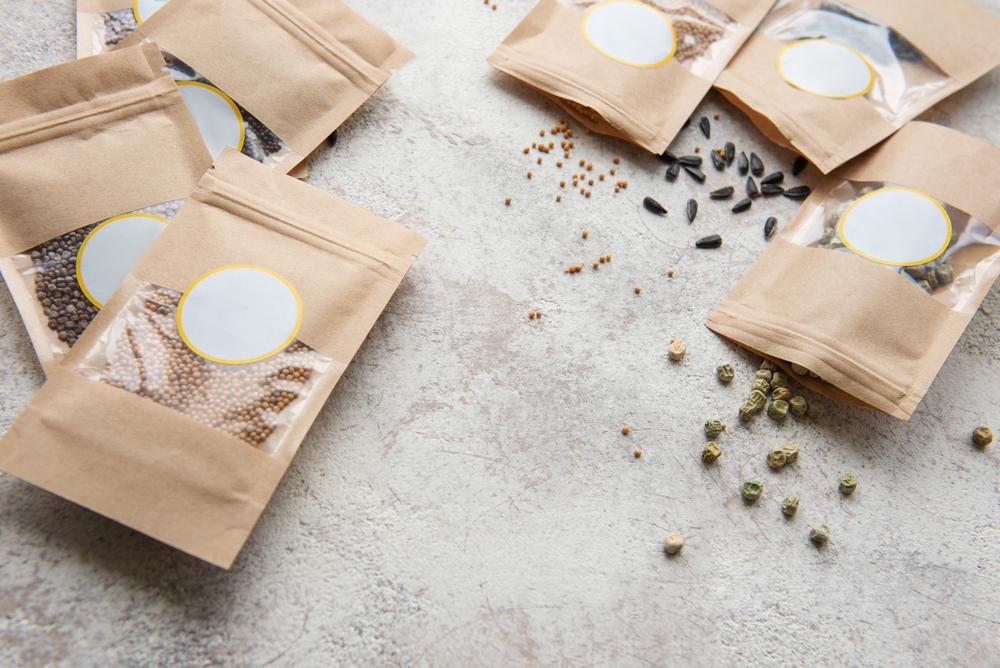
Seeds naturally lose strength over time, especially when stored in warm, humid, or poorly sealed conditions that shorten their lifespan. February planting often relies on leftover packets from previous seasons, which may no longer germinate as expected. Weak germination leads to empty cells, uneven growth, and delays that affect the entire planting schedule. This situation wastes valuable tray space and early season effort that could have been avoided.
Checking seed dates before planting helps set realistic expectations about germination success. Storing seeds in cool and dry locations slows natural decline and preserves viability. Testing a small sample before planting full trays provides useful insight into seed quality. Fresher seeds usually lead to more consistent and dependable results.
Skipping Hardening Off Planning
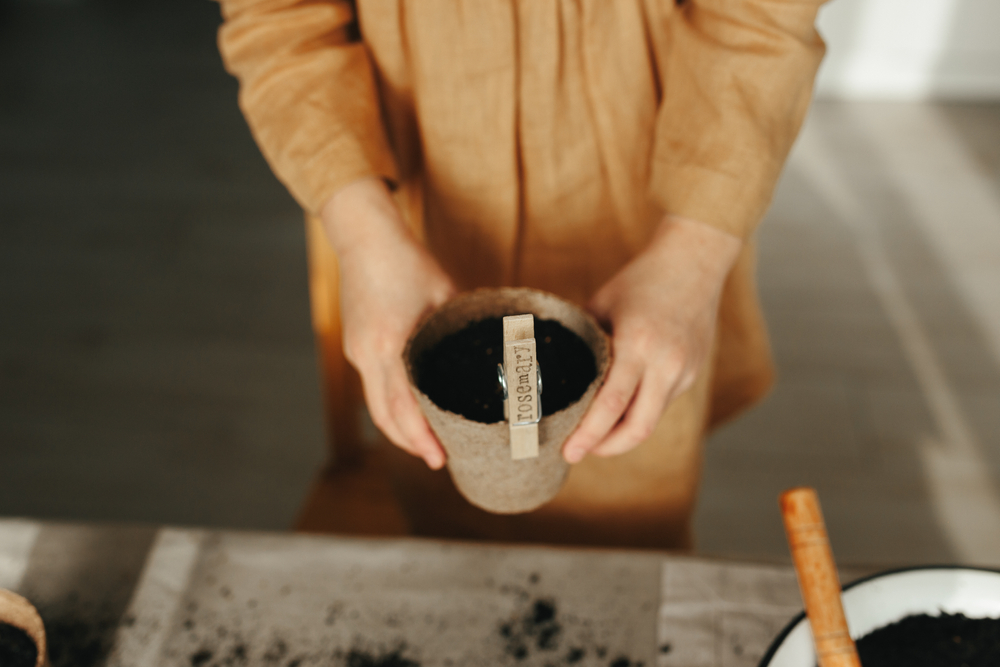
Indoor seedlings grow in stable conditions without wind, temperature changes, or direct sunlight, which makes them sensitive to sudden outdoor exposure. Moving plants outdoors too quickly often causes stress that appears as scorched leaves, drooping growth, or slowed development. February planning commonly overlooks this step because it happens later in the season. Damage can occur quickly once seedlings face real outdoor conditions without preparation.
Gradual outdoor exposure allows seedlings to adjust at a manageable pace. Starting with short periods in shaded areas helps reduce shock. Slowly increasing both light exposure and outdoor time builds strength and tolerance. This gradual transition prepares plants for long term success after transplanting.
Using Containers Without Drainage
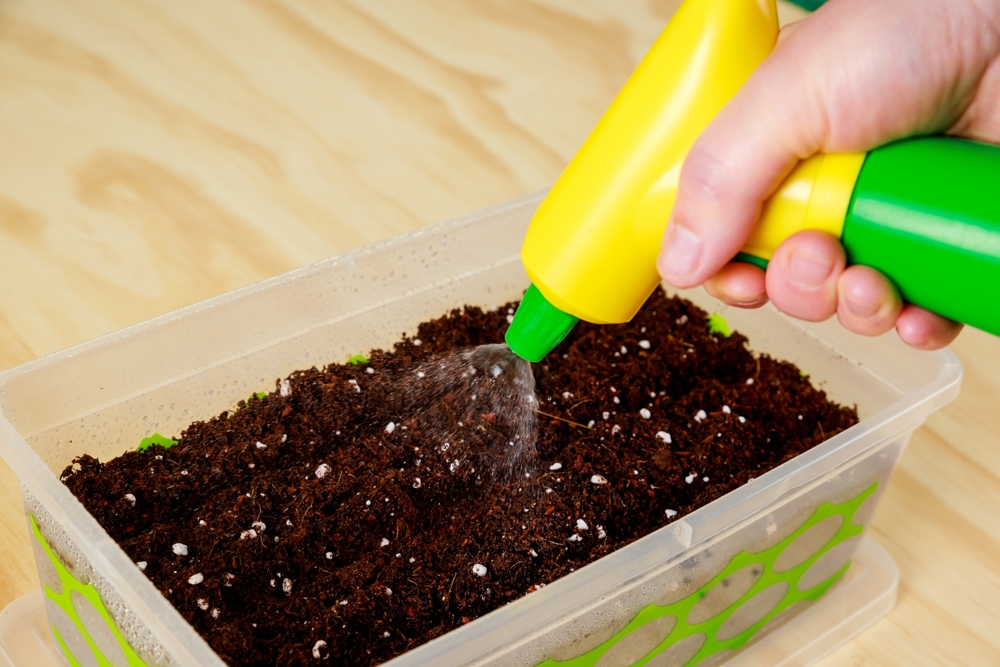
Decorative containers are often chosen for convenience or appearance, yet many of them lack proper drainage holes, which creates serious hidden problems during seed starting. When water has nowhere to escape, it collects at the bottom of the container and slowly reduces oxygen around developing roots, even when watering seems careful and controlled. Over time, this lack of airflow causes roots to weaken, struggle, or begin to fail, leading to slow growth or sudden decline that feels confusing to many gardeners. This issue often remains unnoticed until seedlings show clear signs of stress, such as yellowing leaves or stalled development.
Selecting containers with proper drainage from the start prevents water from lingering where roots cannot access air. Adding holes before planting improves container safety and supports healthier root systems throughout early growth. Elevating trays slightly allows excess water to move away instead of pooling underneath. Consistent drainage plays an important role in keeping roots active and plants stable.
Feeding Too Early
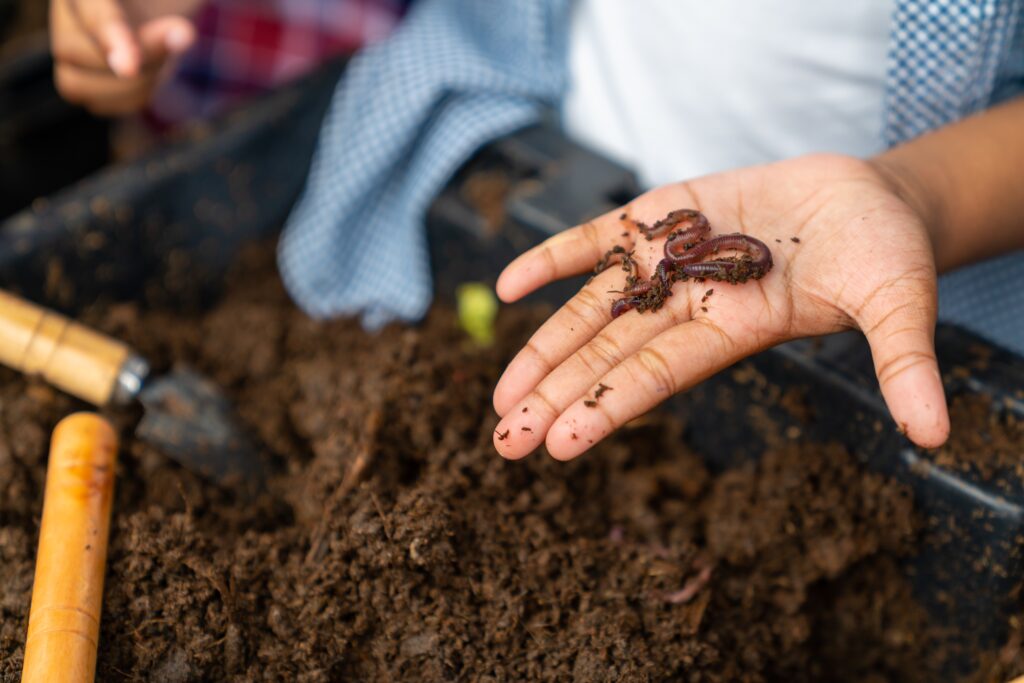
Seedlings begin life with stored energy inside the seed itself, which supports early growth during the first stages of development. Applying fertilizer too soon introduces nutrients that young roots are not yet prepared to absorb, often leading to root damage rather than improved growth. Instead of helping, early feeding can cause stress that slows development and weakens seedlings at a critical stage. This mistake usually comes from concern and eagerness rather than an actual need for nutrients.
Waiting until true leaves appear gives seedlings time to develop stronger root systems that can handle added nutrients. Using diluted liquid fertilizer at that stage supports growth without overwhelming young plants. Light feeding allows nutrients to be absorbed gradually. Allowing seedlings to grow at their natural pace leads to stronger and more stable plants.
This article originally appeared on Avocadu.