
13 Rare Ant Species People Keep In Formicariums
Ant keeping can get really interesting once you move past the common starter species. Some ants have unusual looks, strange hunting styles, or colony behaviors that feel almost unreal when you watch them up close. This list highlights rare ant species that hobbyists sometimes keep in formicariums, along with a few notes on what makes each one stand out.
This post may contain affiliate links, which helps keep this content free. Please read our disclosure for more info.
Dracula Ant (Amblyopone spp.)
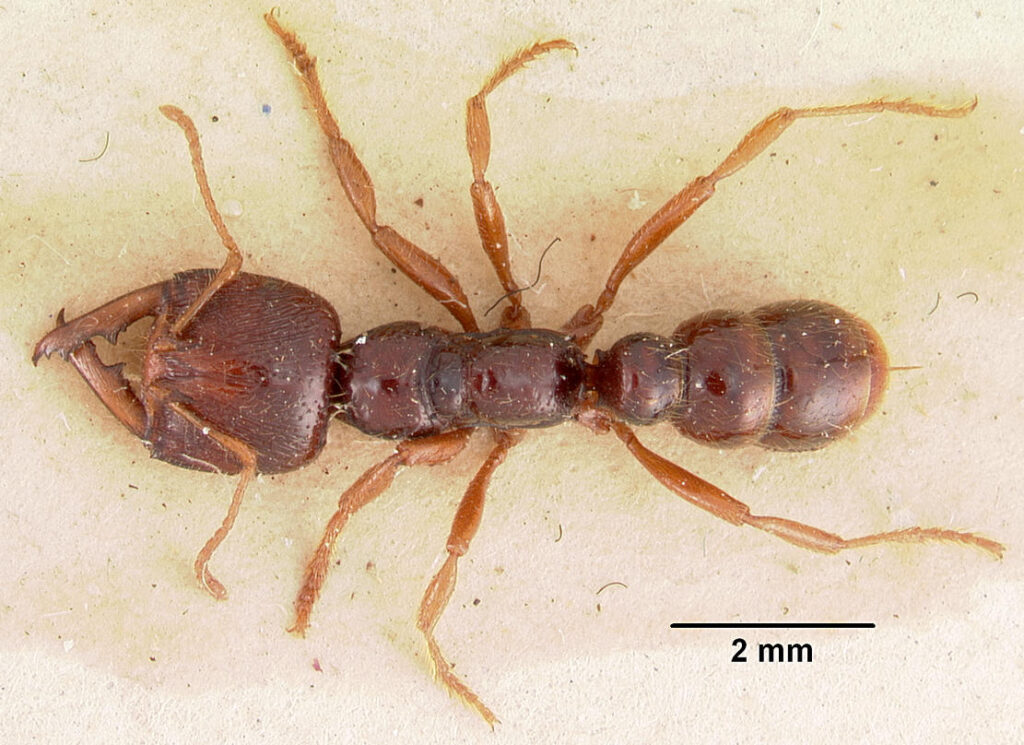
Dracula ants look low key at first, but their behavior is what makes them famous among ant keepers. Workers can feed on their own larvae in a way that does not kill them, which is why people call them “Dracula.” They do best in darker setups with moist soil, tight tunnels, and steady humidity. If the nest dries out, they tend to slow down fast and you will see less activity.
They are also more picky than most beginner ants, especially about food and conditions. Small soft bodied insects usually go over better than dry foods, and fresh water matters. Many keepers run them at room temperature, but they still like a stable range without big swings. Availability can be limited, so people often get them through specialized local sources where they are legal.
Asian Needle Ant (Brachyponera chinensis)
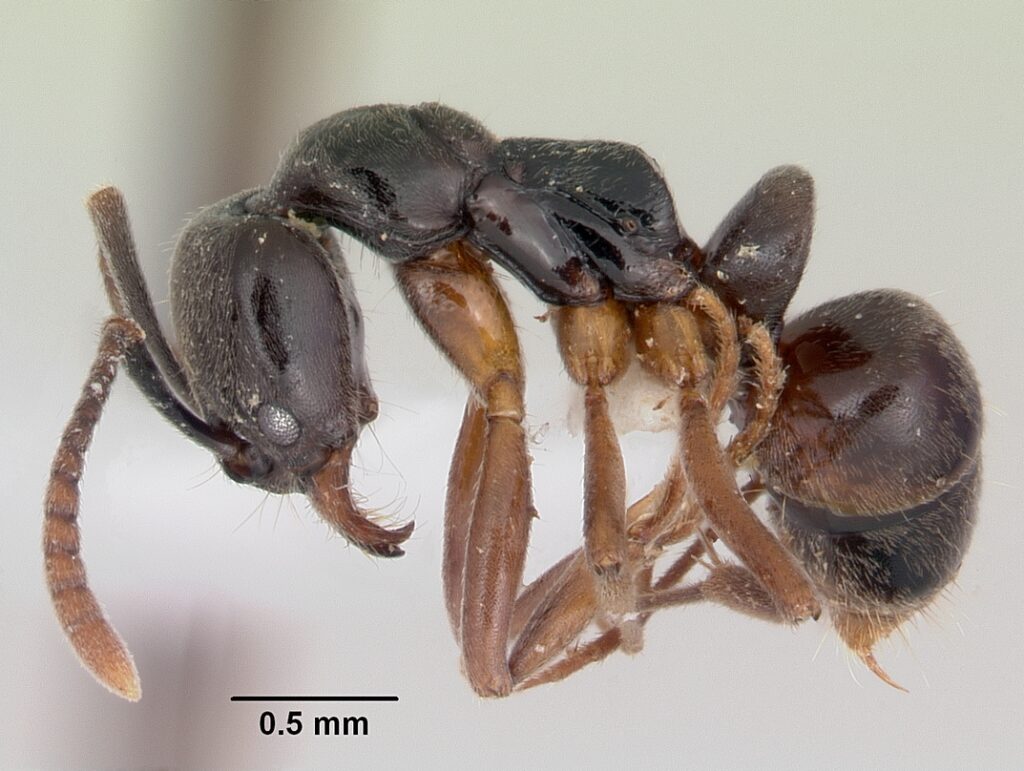
Asian needle ants are small, tough, and surprisingly active once a colony settles in. They are known for a painful sting, so they are a hands off species in a formicarium. They do well in simple, humid nests and they forage readily for insects. A secure lid and escape barrier are not optional, because they can move fast when disturbed.
One big caution is that this species is invasive in some regions, so rules matter a lot. If it is legal where you live, keepers usually focus on tight containment and careful feeding routines. Protein drives growth, so roaches, flies, or crickets cut to size are common. They can be fun to watch, but they are not a good first pick for anyone who likes frequent handling.
Trap Jaw Ant (Odontomachus spp.)
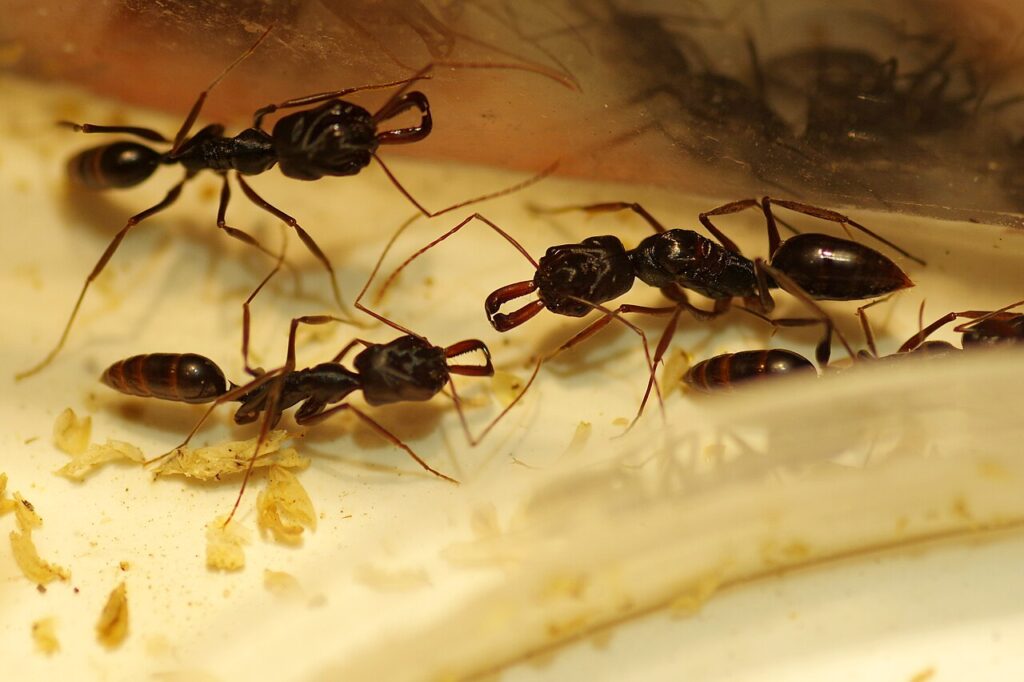
Trap jaw ants are the ones people show their friends, because the jaws are dramatic. They can snap shut extremely fast, and that action helps them hunt and defend. In a formicarium they often prefer soil, leaf litter, and a nest area that stays evenly moist. They are also strong, so every seam and port needs to be tight.
Feeding them is fun because they respond quickly to live or freshly killed insects. They can jump or flick themselves using their jaws, so opening the nest should be done with care. Some species can sting, and even the non stinging ones can pinch hard. They usually grow at a moderate pace, so you get time to learn their rhythm before the colony gets large.
Snap Jaw Ant (Anochetus spp.)
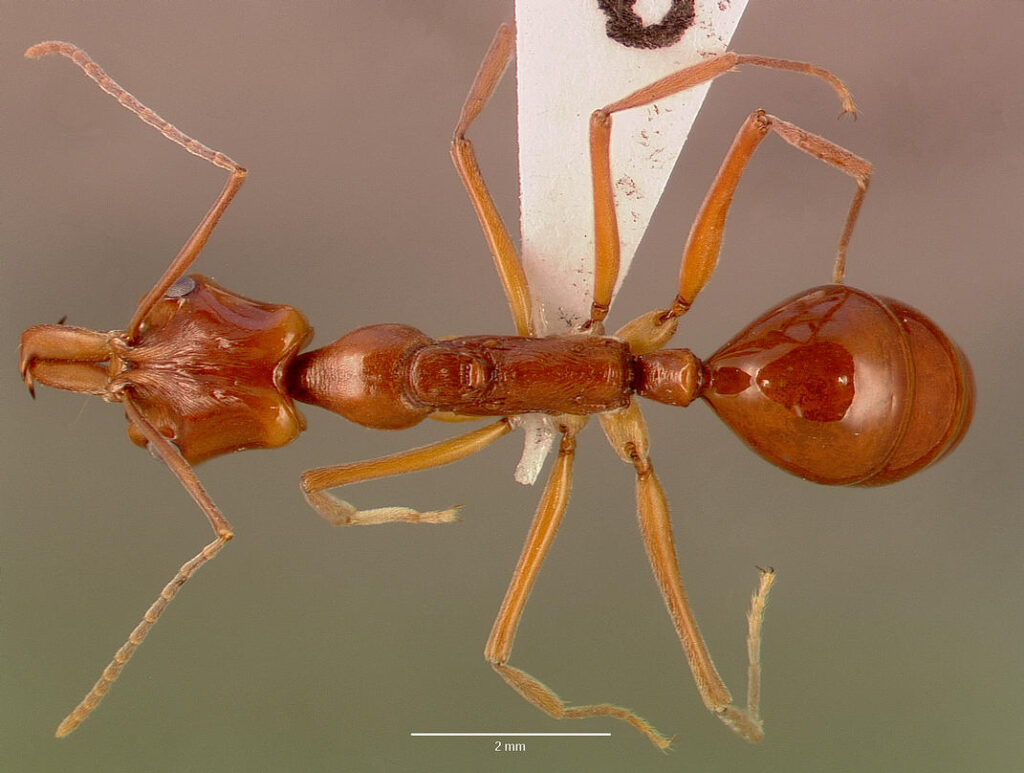
Anochetus ants look like close cousins of trap jaw ants, but they often behave a little differently. Many species are smaller and more secretive, so you may see more night activity than daytime movement. They do best with a humid nest and a darker cover, and they seem to settle faster when the setup is quiet. Once they establish trails, their hunting style is easy to notice.
They usually take small insects, and variety helps keep them interested. Because they can be skittish, quick vibrations or bright light can make them freeze or retreat. A shallow outworld with hiding spots tends to reduce stress. If you like subtle behavior and patient observing, they are a rewarding choice.
Leafcutter Ant (Atta spp.)
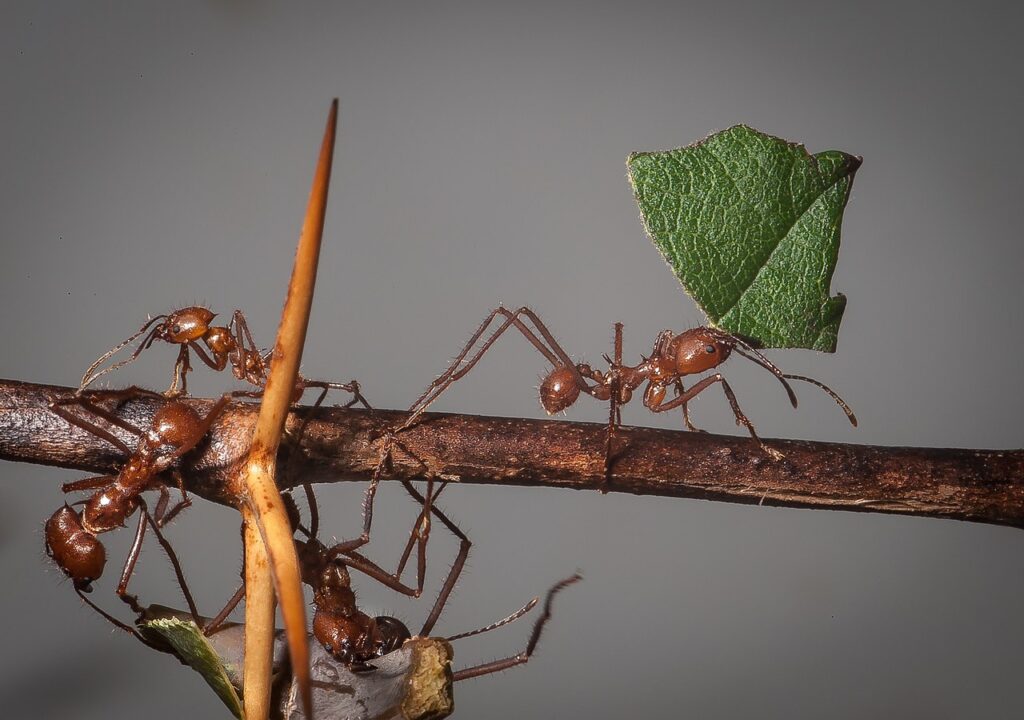
Leafcutter ants are a whole different level because you are not just keeping ants, you are keeping their fungus too. Workers cut plant material and feed it to the fungus, then the fungus feeds the colony. That means the setup needs stable humidity, steady airflow, and clean habits, because mold problems can wipe out the garden. When it works, the activity is constant and the leaf carrying is hard to stop watching.
They also take a lot of space, even when the colony is still young. You will be feeding fresh leaves and flowers often, and you have to learn what plants they accept. Many people keep them only if they can commit to frequent maintenance and strict containment. They are impressive, but they are better for experienced keepers with time and room.
Slender “Twig” Ant (Pseudomyrmex spp.)
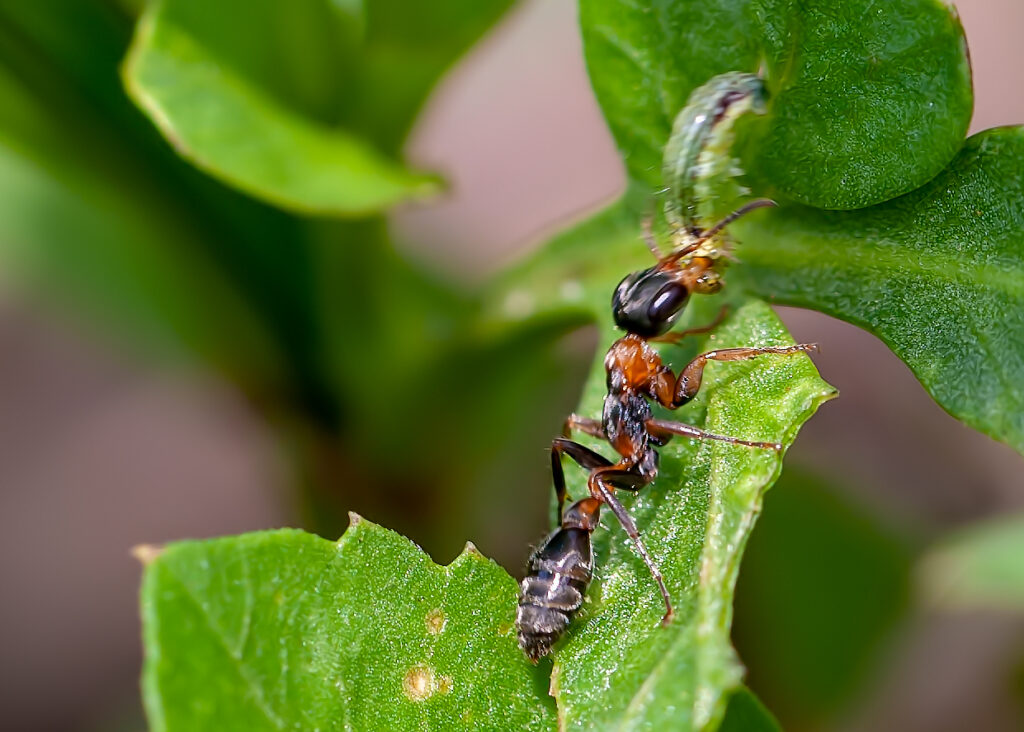
Twig ants have a slim body and long legs, and many species live in hollow twigs or plant stems in the wild. They can look elegant in motion, especially when they patrol the outworld. In captivity they often do well with narrow nesting chambers or natural wood tubes that mimic their usual spaces. Because many are arboreal, vertical layout and branches can make a big difference.
Some Pseudomyrmex species can sting, so they are another hands off ant. They tend to like small insects and sweet liquids, and they may ignore food that sits too long. Colonies are often smaller than big ground nesting ants, which keeps the formicarium manageable. If you enjoy ants that are always on the move, twig ants can be a good fit.
Weaver Ant (Oecophylla smaragdina)
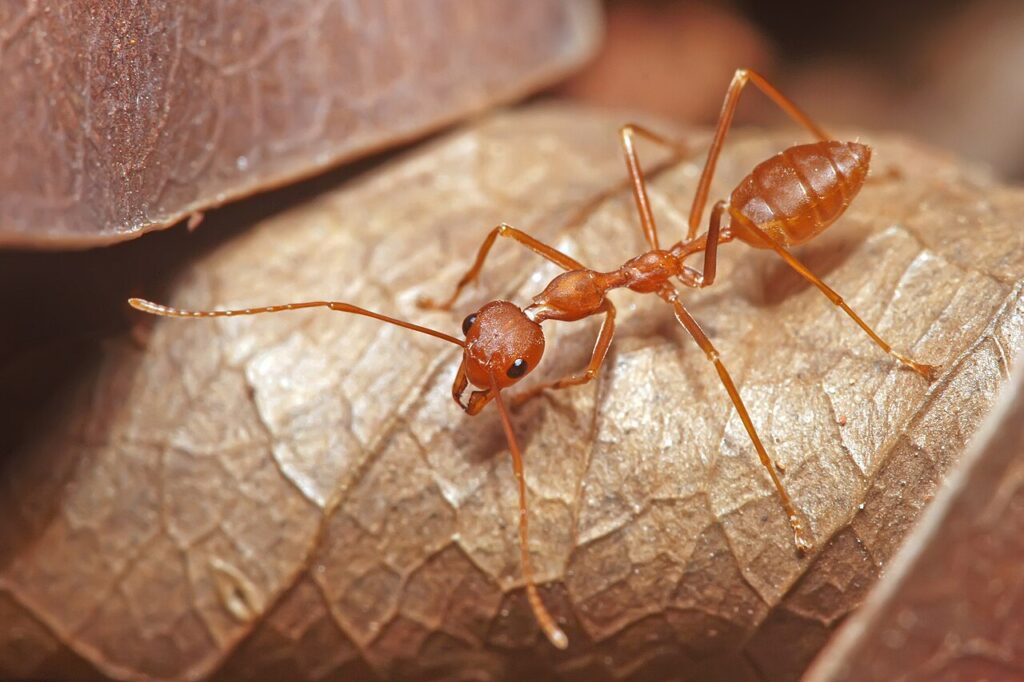
Weaver ants are famous for making nests by pulling leaves together and using larvae to produce silk. In a formicarium, that means they need plant material, climbing space, and places to anchor their “weaving.” They are also extremely active and very defensive, so they are best viewed, not handled. When they get going, their teamwork is one of the coolest things you can watch in an ant setup.
They thrive on sugar and protein, and they will quickly recruit nestmates to a food source. A warm, stable environment helps them stay active, but airflow still matters to avoid stagnant humidity. Because they can escape quickly, the outworld needs strong barriers and careful feeding routines. In some places they are restricted, so legality and sourcing are a major part of the decision.
Giant Forest Ant (Camponotus gigas)
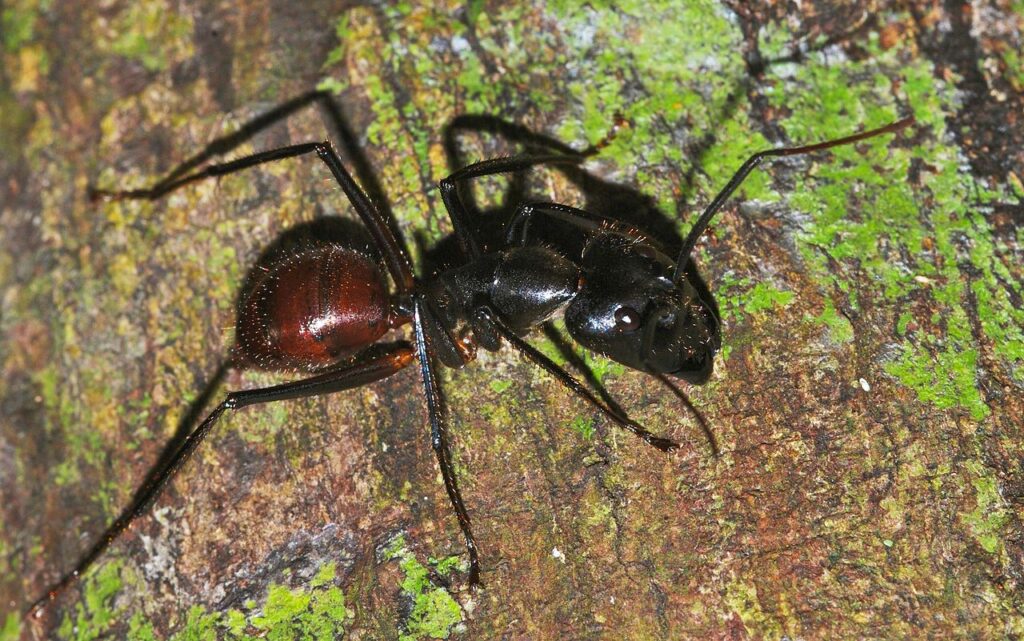
Camponotus gigas is one of the largest carpenter ants people talk about, and the size alone makes it a bucket list species. Workers can look almost unreal next to common ants, especially when they march through a tube. They typically prefer a humid nest with wood like textures and plenty of darkness. Since they are big, they also need larger entrances and room to turn around comfortably.
They usually accept common feeder insects, and you will notice they can drag surprisingly heavy prey. Sweet liquids matter too, since carpenter ants often rely on sugars for energy. Colony growth is not instant, so patience is part of keeping them. People also pay close attention to ventilation and moisture balance, because overly wet nests can cause problems.
Blood Red Ant (Formica sanguinea)
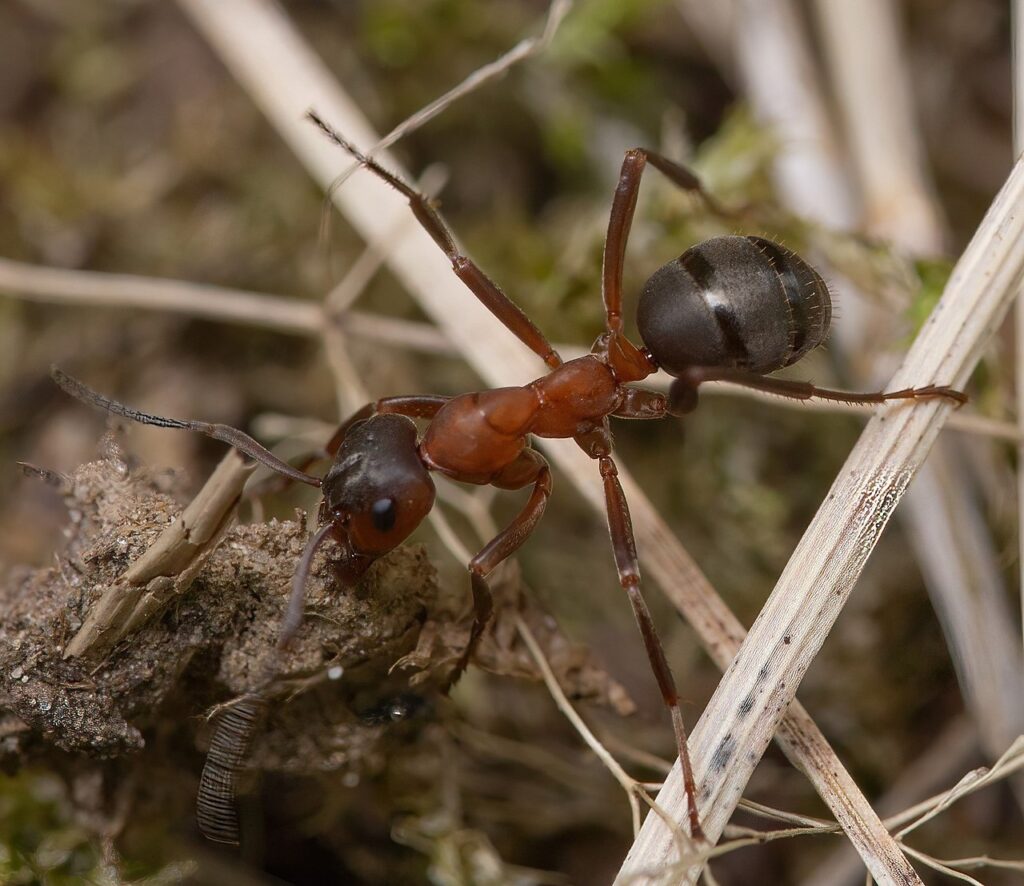
Formica sanguinea is known as a “slave making” ant, which sounds intense because it is. In nature they raid other Formica colonies and bring back pupae, and those new workers then live in the sanguinea colony. That behavior is fascinating, but it also makes care more complex than a typical species. In a formicarium, people often keep them only if they can provide the right host species where it is legal.
When they are established, their foraging can look very organized and fast paced. They tend to like cooler to moderate temperatures and a nest with moisture that does not swing wildly. Protein is important during growth, and they will usually take insects without much fuss. If you are looking for an advanced project with unusual behavior, this is one of the classic choices.
Bulldog Ant (Myrmecia spp.)
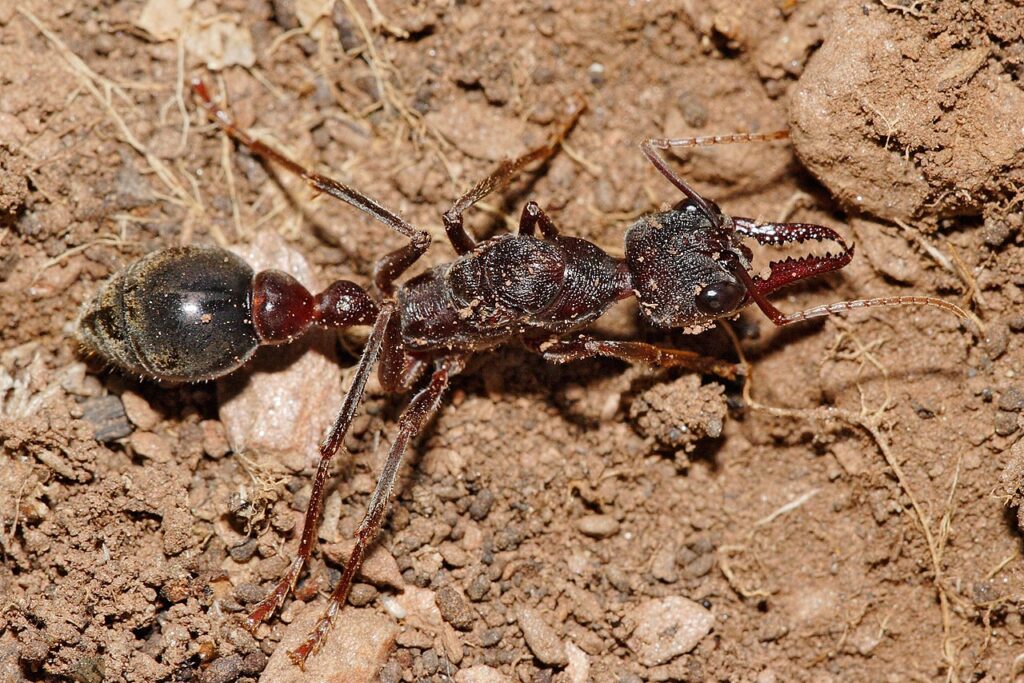
Bulldog ants are iconic for their big eyes, long legs, and confident hunting style. Many species are solitary hunters and they can sting, so most keepers treat them with a lot of respect. They often do best in setups that mimic natural soil nests with a deep, humid zone and a dry upper layer. Their movement is very visible and direct, which makes them easy to follow with your eyes.
They tend to take insects readily, and some will also accept sweet liquids. Colonies are usually smaller and growth can be slow, so you are often caring for a modest group for a long time. Because queens can be difficult to raise and regulations can be strict, they are not available everywhere. If you like watching individual hunters rather than huge swarms, they can be very satisfying.
Army Ant (Eciton spp.)
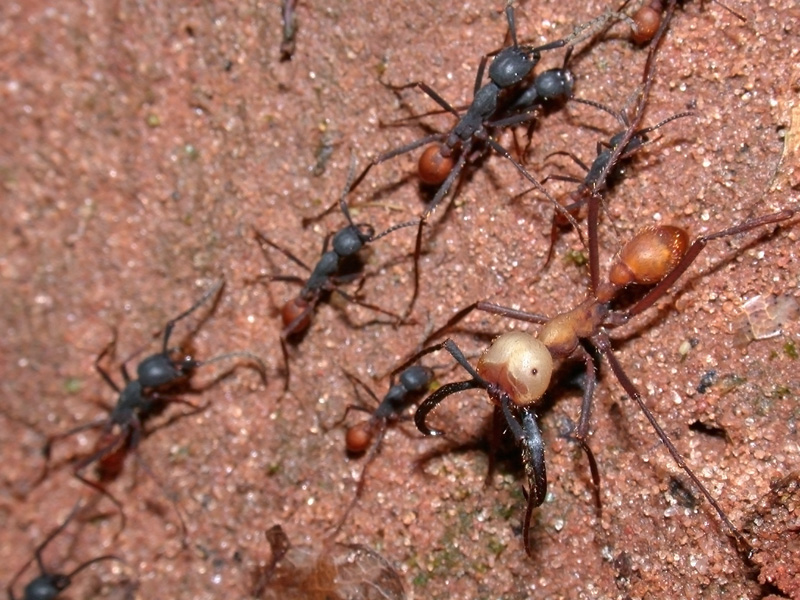
Army ants are legendary, but they are also one of the hardest groups to keep in captivity. Many species are nomadic and do not form a permanent nest the way most ants do. They also rely on large scale raiding and constant access to prey, which is difficult to provide safely and ethically. For most hobbyists, they are more of a dream species than a realistic one.
Even experienced keepers often avoid them because the care demands are intense and failure is common. Containment is a huge issue, since raids involve thousands of moving workers. In many places they are not legal to keep or transport, and collection can damage wild colonies. If you want the “army ant” vibe, watching documentaries or visiting a museum display is usually the better route.
Honey Pot Ant (Myrmecocystus spp.)
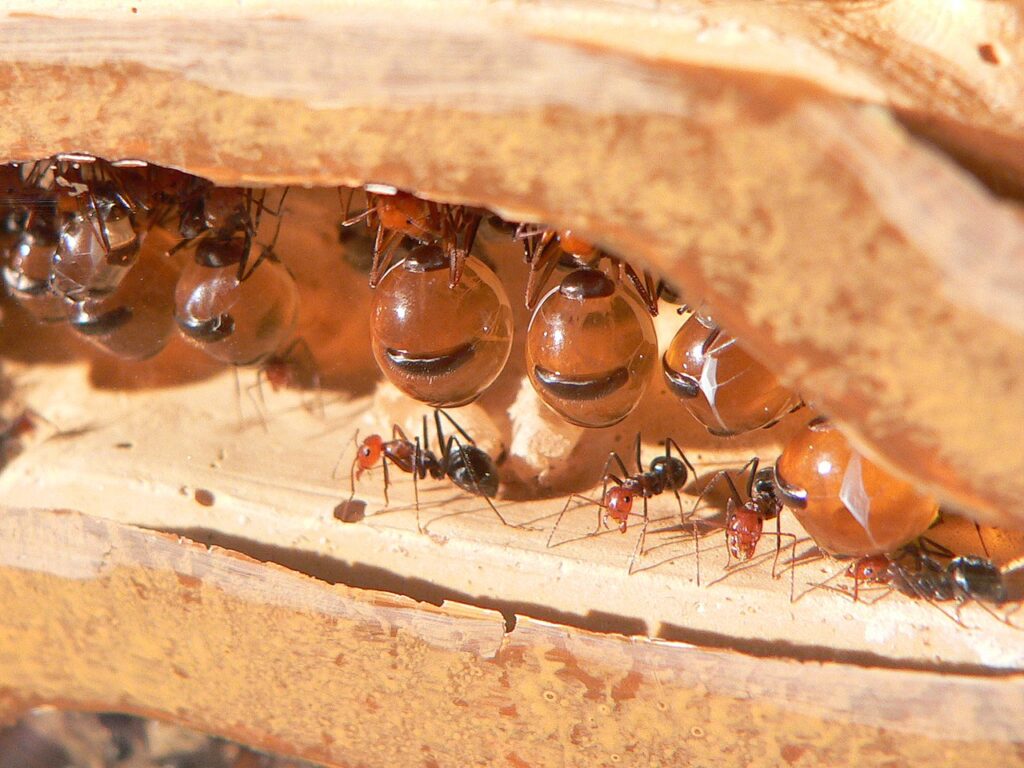
Honey pot ants are famous for their repletes, which are workers that store liquid food until their abdomens swell like grapes. In a formicarium, people love seeing those living storage tanks hanging in chambers. They are desert ants, so they often prefer drier nests with a humid corner, rather than constant moisture everywhere. Too much humidity can stress them, especially over long periods.
They do well with sugar water or nectar style foods, and they still need insects for protein. Because they come from arid regions, temperature and dryness matter more than they do for forest ants. Many keepers use sand or sandy soil and keep the nest stable, without frequent soaking. Once the colony gets comfortable, the repletes can become a real highlight of the setup.
Turtle Ant (Cephalotes spp.)
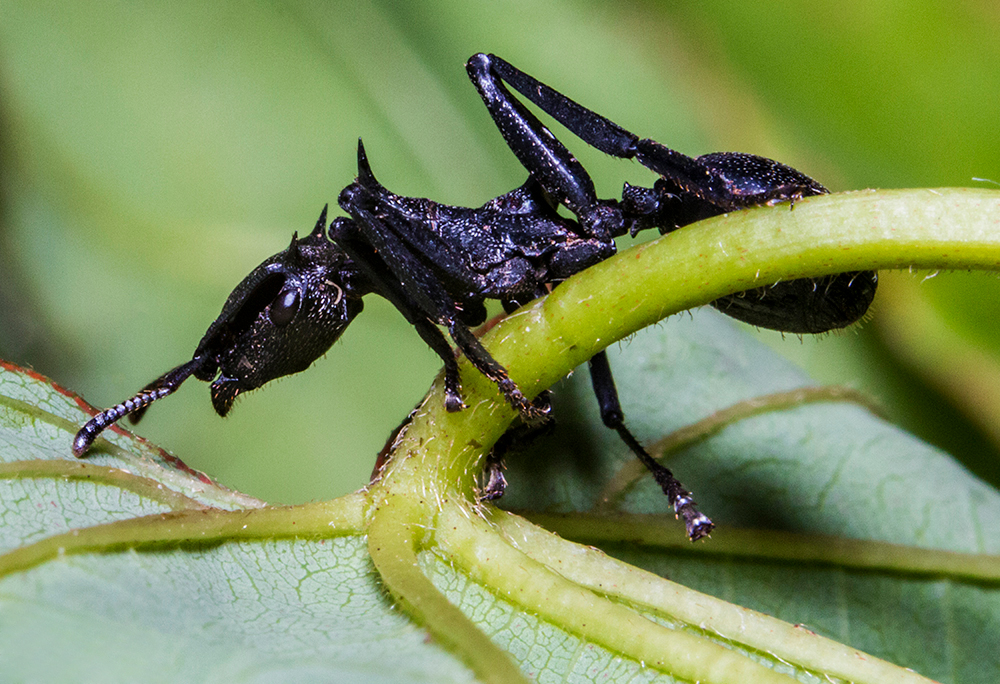
Turtle ants have a chunky, armored look, and some species have workers with heads shaped like shields. They are arboreal and often nest in small cavities in wood, so they like vertical space and snug chambers. They can be slower moving than very aggressive ants, but their body shape makes them fun to watch up close. A setup with branches, bark, and tight entrances can help them feel at home.
Their diet can be a little different from typical ground ants, with a strong interest in sweet liquids and softer foods. Insects still matter, but smaller prey often works better. They can be sensitive to drying out, so a stable humidity zone is important, even if the outworld stays more airy. If you like unusual anatomy and calmer pacing, turtle ants are a great conversation starter.
This article originally appeared on Avocadu.