
15 Rare Insects Kept As Pets In Some Countries
Keeping insects as pets can be a fun way to learn about small creatures up close. Some species are calm enough to handle, while others are best enjoyed by watching how they move, eat, and build shelters. This list covers rare insects that people keep in certain countries, along with a few basics to think about before bringing one home.
This post may contain affiliate links, which helps keep this content free. Please read our disclosure for more info.
Giant African Millipede (Archispirostreptus gigas)
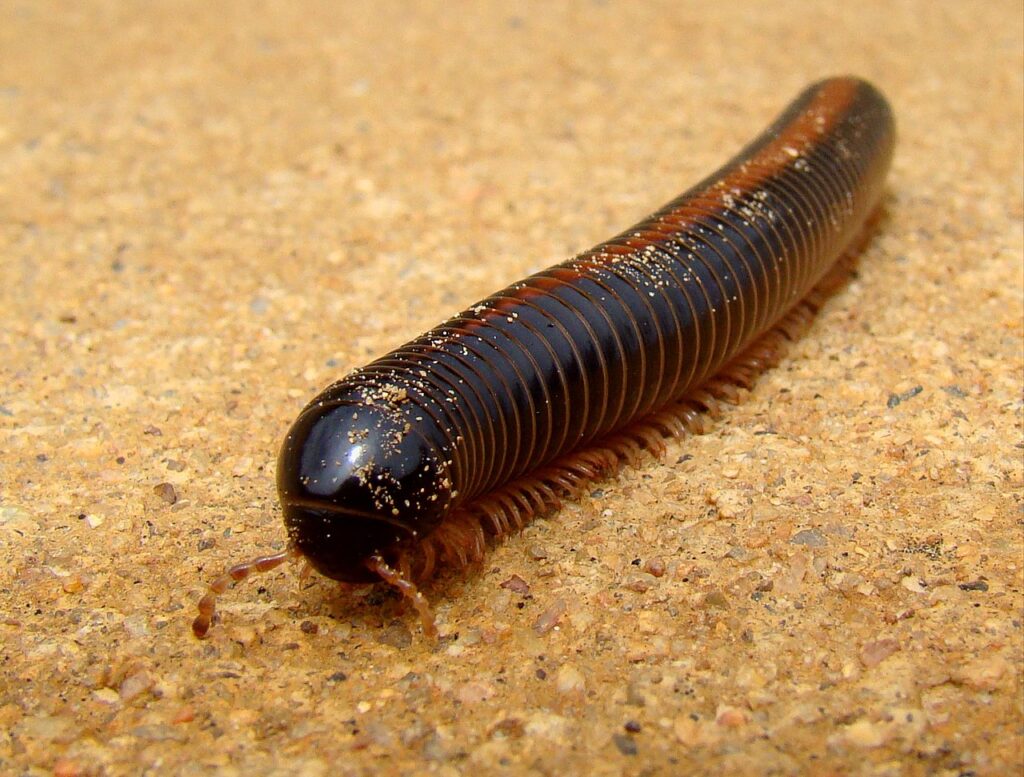
This millipede is a slow, gentle pet that spends a lot of time cruising along the soil like a tiny living train. It does best in a warm, humid enclosure with deep substrate for burrowing and pieces of bark to hide under. When it feels safe, it will explore at night and nibble on soft foods like cucumber, melon, and leafy greens. Handle it with clean, dry hands and move slowly, because it can startle easily even though it is not aggressive.
Keep the bedding slightly damp, not soggy, so it can breathe and tunnel without drying out. A tight lid matters, since these big climbers can surprise you with how far they can reach. You may notice a mild smell sometimes, especially if old food sits too long, so quick cleanup helps a lot. They can live for years with steady care, which makes them more of a long-term pet than many people expect.
Madagascar Hissing Cockroach (Gromphadorhina portentosa)
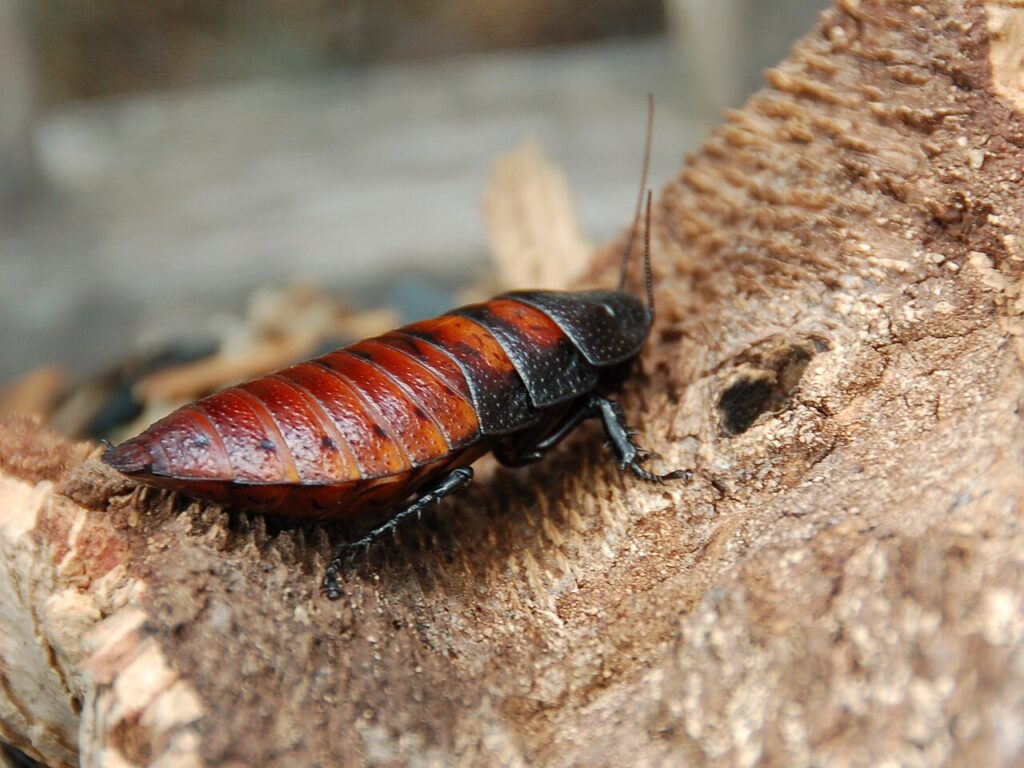
These roaches are popular in many countries because they are sturdy, easy to feed, and oddly charming once you watch them for a while. They hiss by pushing air through little openings on their body, and you will hear it most during handling or when they are startled. A simple setup with egg cartons, warm temperatures, and decent airflow keeps them comfortable. They eat fruits, vegetables, and dry roach or fish food, which makes feeding pretty simple.
They are usually calm in the hand, but they grip with their feet, so they can feel stronger than you expect. If the enclosure gets too damp or dirty, odors can build up fast, so dry bedding and regular spot cleaning are your friend. Females can reproduce without much fuss, so separate sexes if you do not want surprise babies. They do not bite, but it is still smart to wash your hands after handling any insect.
Giant Burrowing Cockroach, also called the Rhinoceros Cockroach (Macropanesthia rhinoceros)
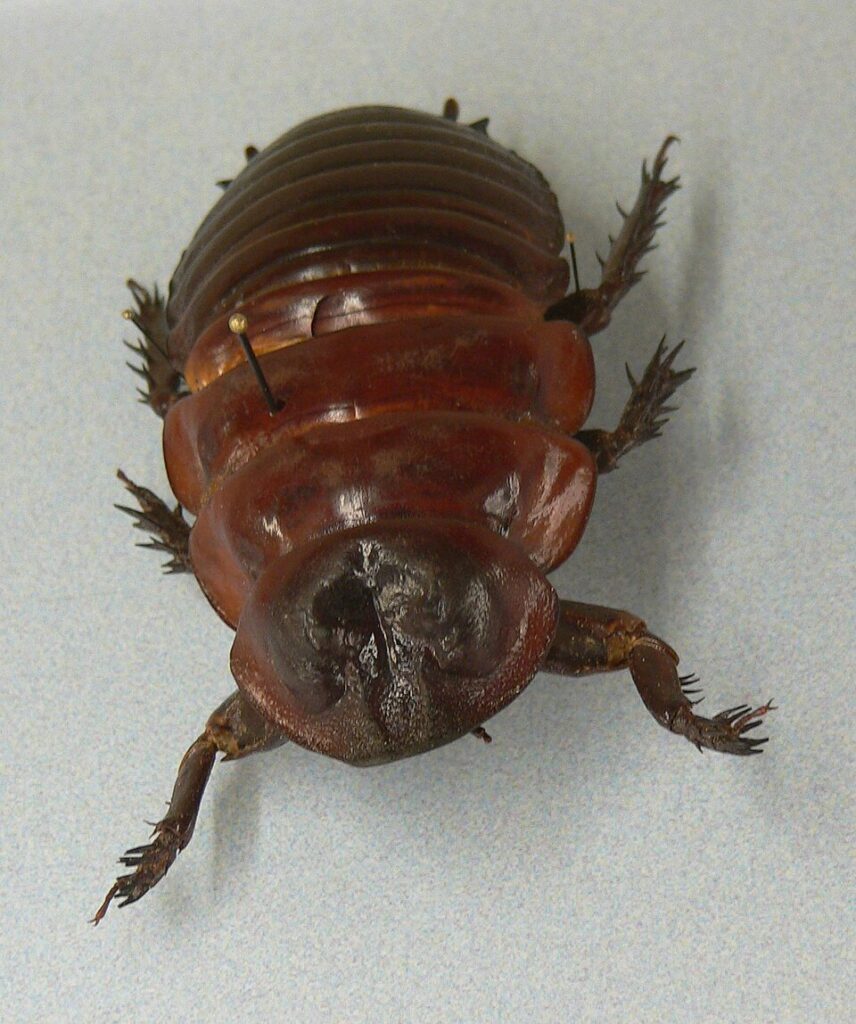
This species is a heavy, slow-moving roach that spends much of its time digging and hiding, which is part of the fun if you like a more natural setup. It needs deep soil, leaf litter, and rotting wood, because that is what it eats and uses for shelter. In the right conditions it can live a long time, so it is more like a small commitment pet than a short-lived bug. People often keep it as a display animal since it is not very active in bright light.
Because it burrows, the tank should be tall enough for a thick substrate layer, not just a thin sprinkle on the bottom. It likes stable warmth, and it does not do well if the enclosure dries out completely. You will probably only see it out and about at night, especially if you keep lighting low. If you do handle it, support its body fully and keep the movements gentle, since a drop can hurt it.
Indian Stick Insect (Carausius morosus)
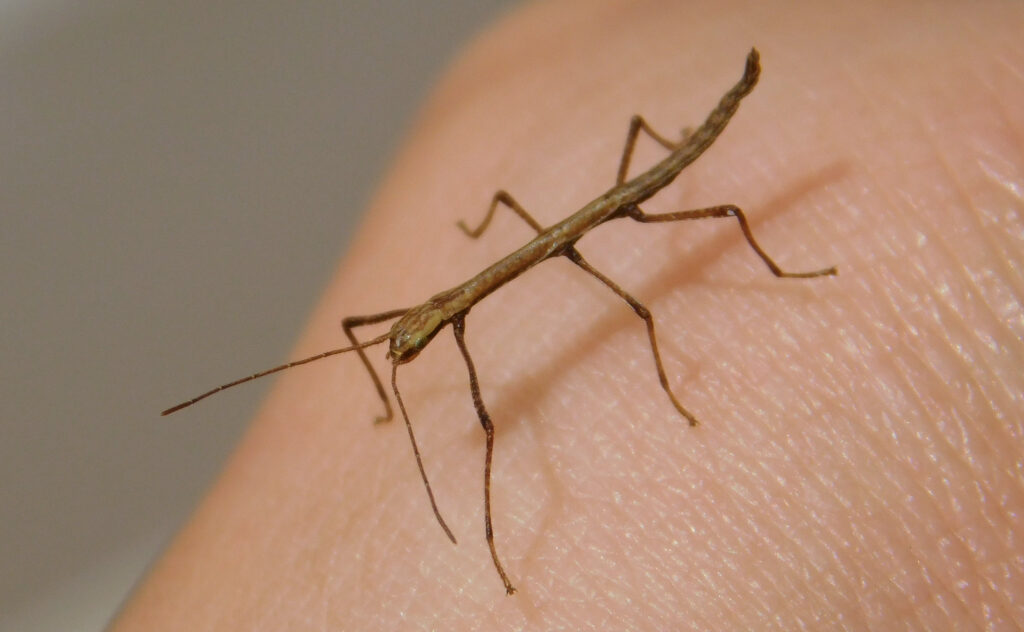
Stick insects are great if you want something calm that looks like it belongs on a tree branch. They do best in a tall enclosure with good ventilation and plenty of fresh leafy food like bramble, raspberry leaves, or ivy depending on what is safe in your area. Watching them eat is oddly relaxing, especially when they line up along a stem and chew with slow little mouthparts. They are usually easy to handle, but they can be fragile, so a soft touch matters.
Most keepers keep them more for observation than interaction, since they prefer quiet and do not like being crowded. You will want to replace leaves often so mold does not start, and a clean feeding jar setup helps a lot. If conditions are right, they can lay eggs regularly, and you may end up with more than you planned. Their slow pace makes them perfect for a calm desk-side pet, as long as you keep the enclosure away from drafts and direct sun.
Giant Prickly Stick Insect (Extatosoma tiaratum)
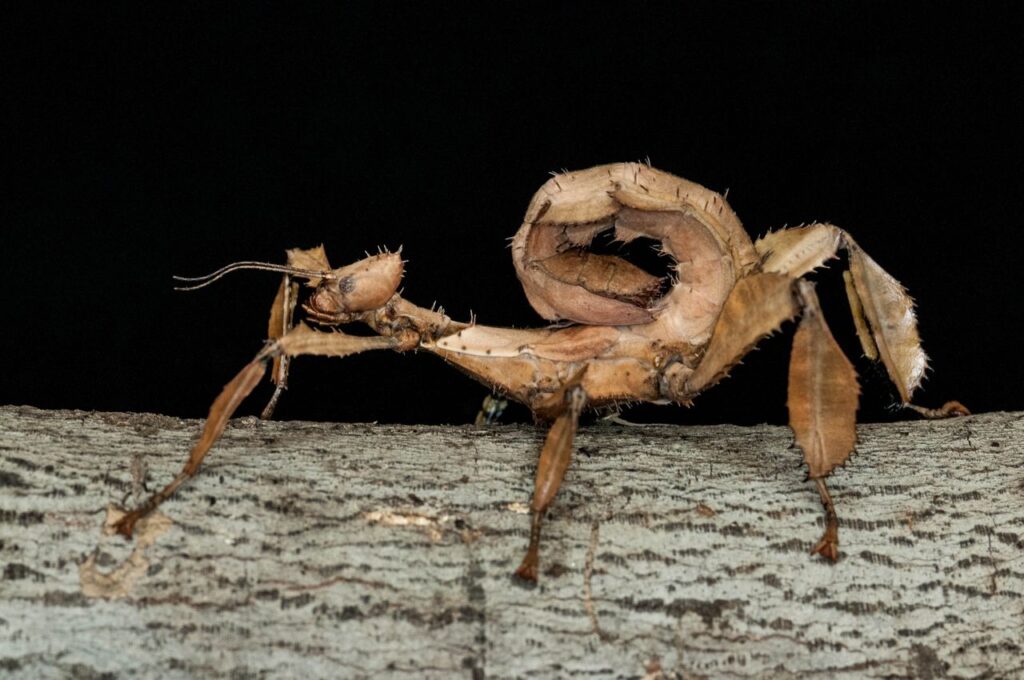
This is one of the most dramatic-looking stick insects, with a rough, spiky body that helps it blend in with twigs and dead leaves. It likes a warm enclosure with airflow, and it needs tall space so it can hang freely during molting. Many keepers feed it bramble, rose, or other safe leaves, and it will usually eat most in the evening. It can sway gently as it walks, which makes it look even more like a moving bit of brush.
Molting is the big moment with this species, so do not disturb it when you notice it getting ready. If the humidity is too low, a molt can go wrong, and that is when problems happen. Handle adults carefully, because their legs can catch on fabric and they can drop a limb if startled. When cared for well, it becomes a cool display pet that looks almost unreal without needing complicated feeding.
Leaf Insect (Phyllium species)
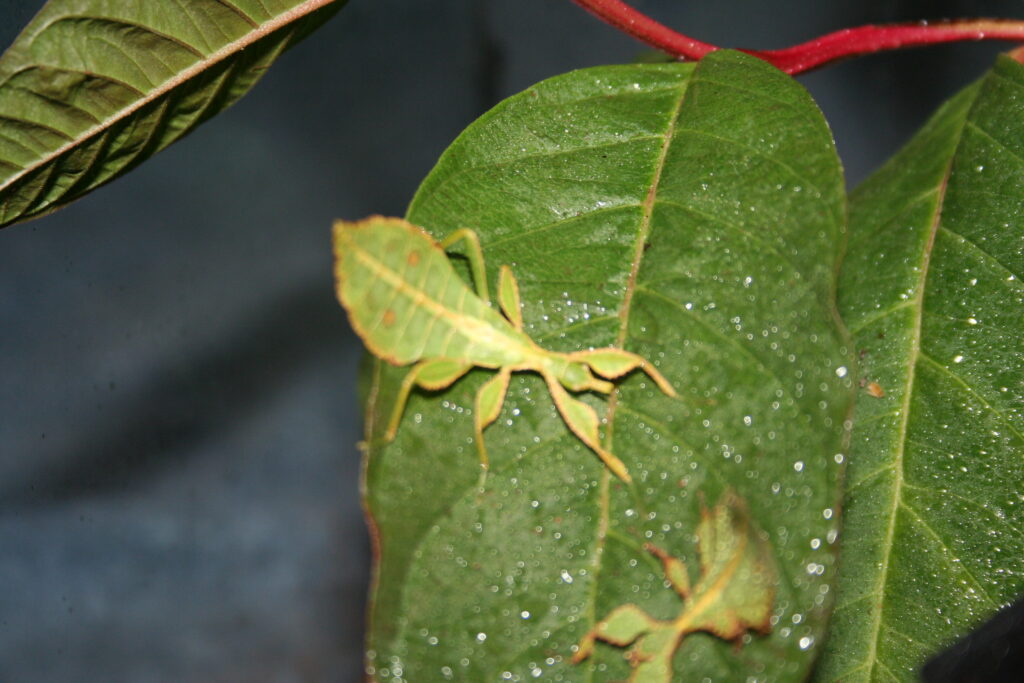
Leaf insects are a favorite in places where invertebrate keeping is common, mostly because they look like a perfect leaf with legs. They need warmth, gentle humidity, and a steady supply of fresh leaves like bramble or guava depending on the species. Their camouflage is so good that people often lose track of them in the enclosure, especially after they shed. When they walk, they can rock side to side like a leaf moving in the breeze, which is both cute and convincing.
They are not a hands-on pet, since handling can stress them and their bodies are delicate. A clean, well-ventilated setup matters because stagnant air can lead to mold and health issues. Give them vertical sticks and broad leaves so they can choose comfortable resting spots. If you keep them quietly and feed them consistently, you will get to see slow, natural behavior that feels like having a tiny jungle scene in a tank.
Orchid Mantis (Hymenopus coronatus)
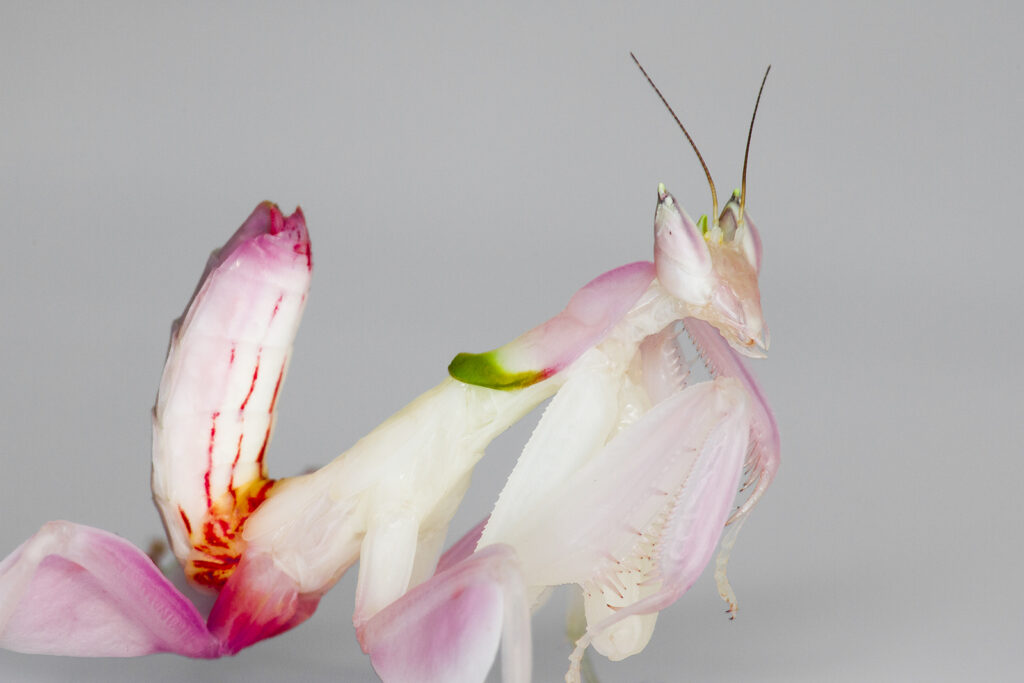
This mantis is famous for its flower-like look, and it is one of the showiest pet mantises people keep. It needs warm temperatures and good humidity, plus plenty of perches so it can hang upside down and molt safely. Most keepers feed it small flying insects like fruit flies when young, then move up to larger prey as it grows. It often sits still for long stretches, then snaps into action in a split second when food comes close.
Even though it looks delicate, it can be a strong hunter, so the enclosure should be sized so prey does not bump it constantly. A clean setup is important because leftover feeders can stress a mantis or even bother it during a molt. It is best viewed rather than handled, since falls can injure it and stress can shorten its life. If you want a pet that feels like a tiny nature documentary, this one delivers with very little effort once the habitat is stable.
Ghost Mantis (Phyllocrania paradoxa)
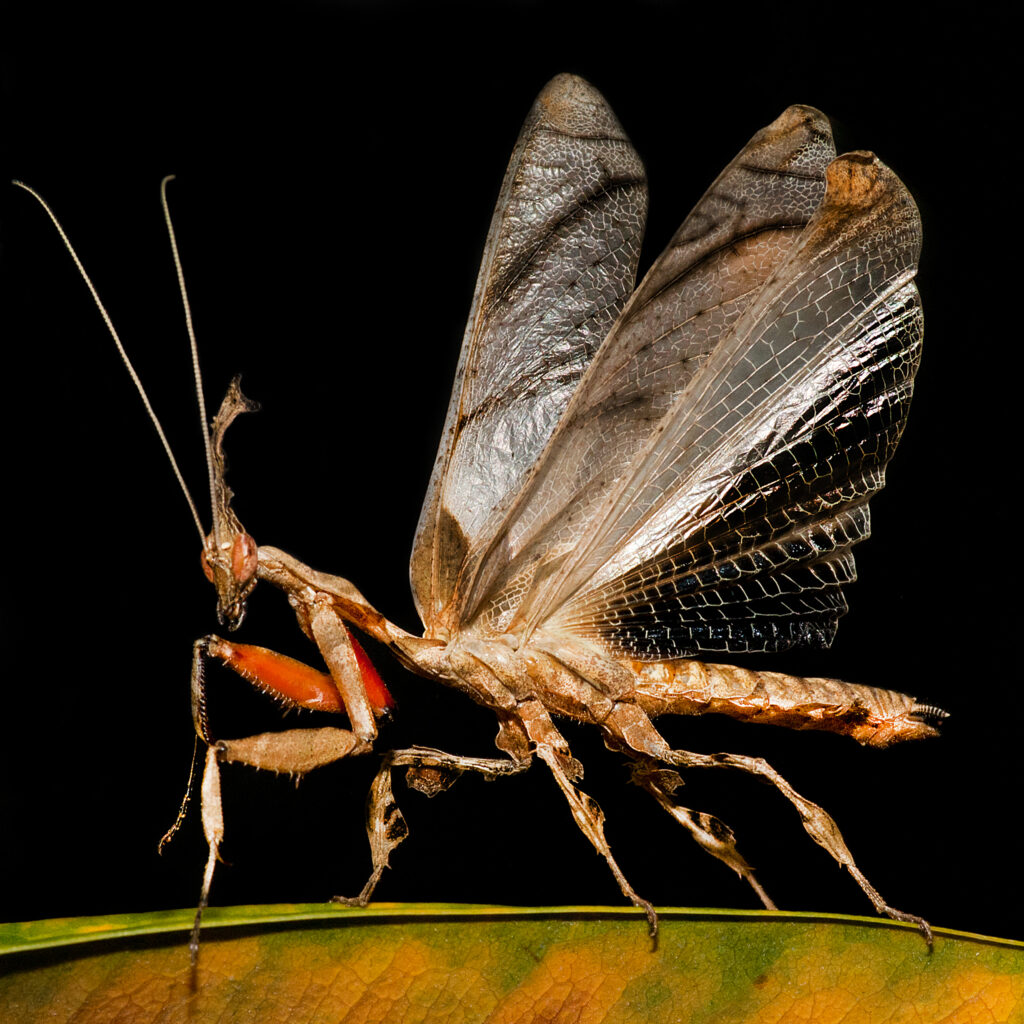
Ghost mantises have a dry leaf look, with a little “helmet” shape on the head that makes them look extra strange and cool. They are usually pretty hardy for a mantis, and they do well with moderate warmth and light misting. A few branches and textured surfaces help them climb and find a good molting spot. They tend to move in short, cautious steps, and sometimes they sway like a leaf to stay camouflaged.
Feeding is straightforward, and many will take flies, small roaches, or crickets depending on their size. Keep an eye on humidity, because too much dampness can cause problems, but too little can make molts risky. They do not need a big enclosure, but they do need height, since mantises molt hanging down. This is a great pick if you want something unusual that still feels manageable for a newer keeper.
Giant Asian Mantis (Hierodula species)
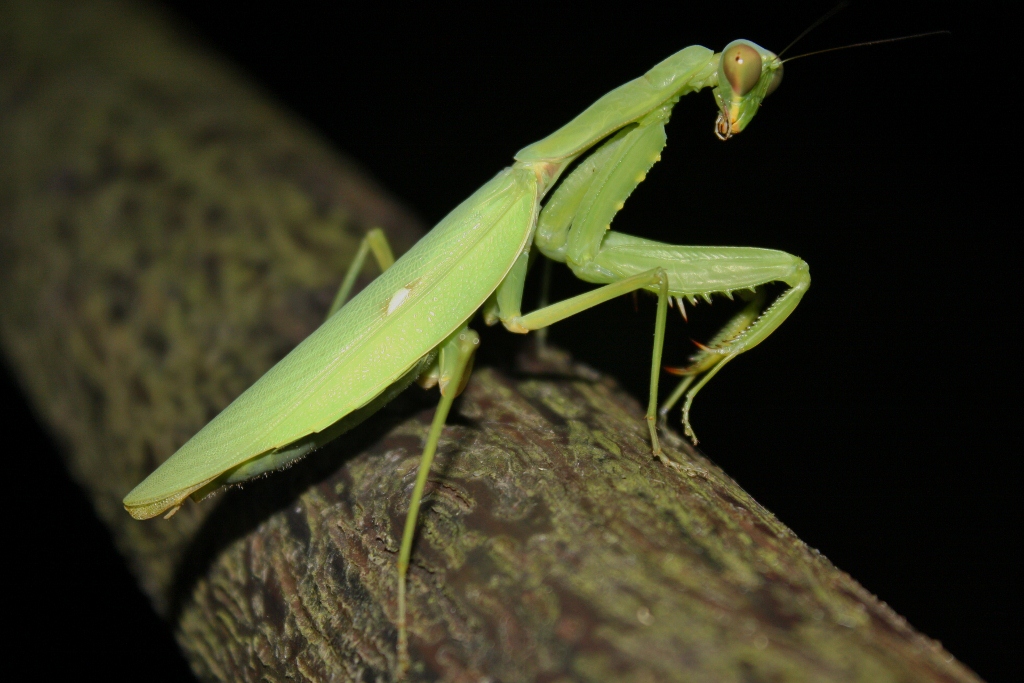
This is a larger mantis that is often calmer than people expect, and it has a strong appetite that makes feeding time interesting. It likes warm temperatures, decent humidity, and a tall enclosure with branches for climbing. Many individuals will watch you from inside the tank, turning their head in a way that feels almost curious. They grow quickly on a steady diet of insects, so you see changes fast compared to slower pets.
Because it can be bold, choose feeder insects that are the right size so it does not get stressed or scratched. Give it enough space to molt safely, since cramped enclosures cause trouble with legs and wings. Handling is possible, but it is safer to let it step onto your hand from a perch rather than grabbing it. If you keep the habitat steady and feed on a simple schedule, it becomes a strong, entertaining display pet.
Giant Asian Forest Scorpion (Heterometrus species)
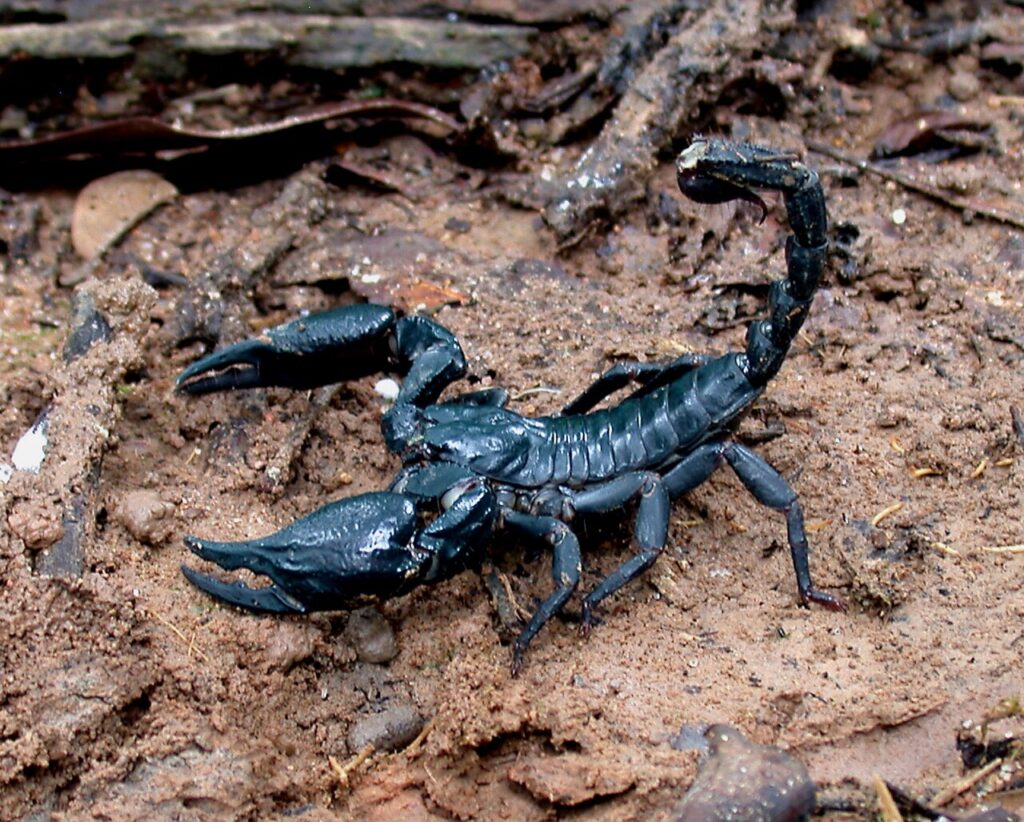
Even though it is not an insect, many people group it with bug pets, and it is a common choice in countries where scorpion keeping is popular. It is usually a shy, burrowing species that prefers a dark hide, deep soil, and a warm, slightly humid setup. You will not see it moving around much during the day, but at night it may come out to explore or sit near the entrance of its hide. Feeding is simple, since it takes roaches or crickets and can go a while between meals.
These scorpions are best as look-only pets, because handling is risky and not worth it. A secure lid is important, and so is a thick layer of substrate so it can dig naturally. If the enclosure dries out completely, it can stress the scorpion, but overly wet soil can cause mold and mites. With steady care, it can live for years and becomes a calm, spooky tank resident you mostly enjoy after dark.
Emperor Scorpion (Pandinus imperator)
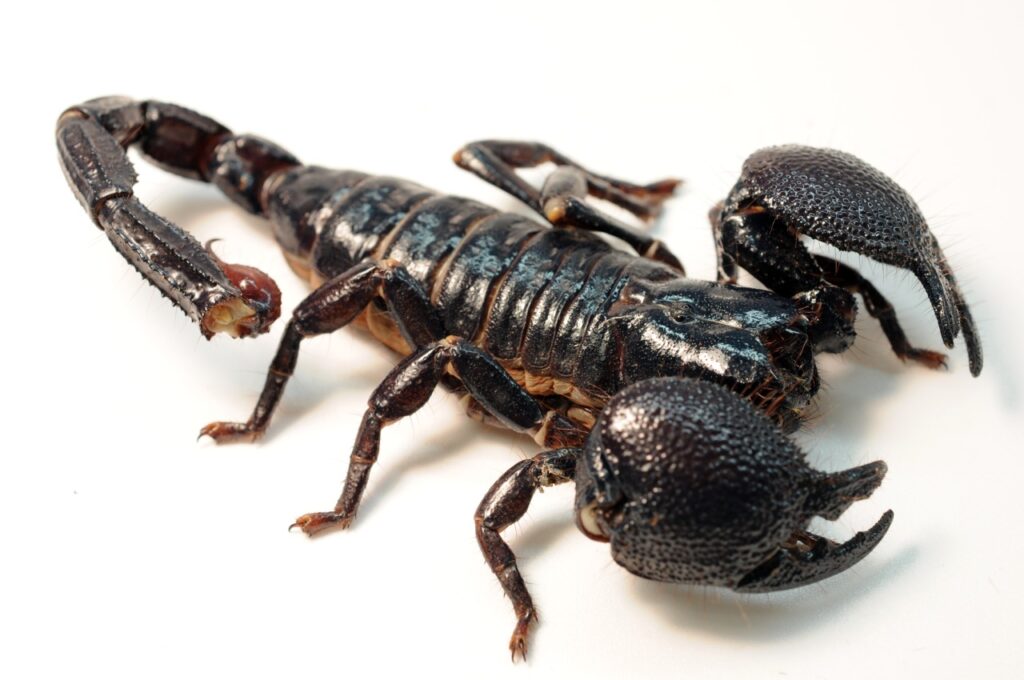
The emperor scorpion is one of the most well-known scorpions kept as a pet, and its size makes it impressive in a display tank. It likes warmth, humidity, and deep substrate for burrowing, plus at least one snug hide. Most of the time it stays tucked away, but it may come out at night to patrol slowly around the enclosure. Feeding is usually easy, and many do well with crickets or roaches offered once or twice a week.
It is often described as calmer than many scorpion species, but it is still not a safe handling pet. Use long tongs for feeding and for any tank work, and avoid sudden vibrations that can make it defensive. Keep the enclosure clean, because leftover prey can bother it during rest periods. If you keep it quiet and stable, it becomes a great choice for someone who likes observing nocturnal behavior.
Asian Forest Centipede (Scolopendra subspinipes)
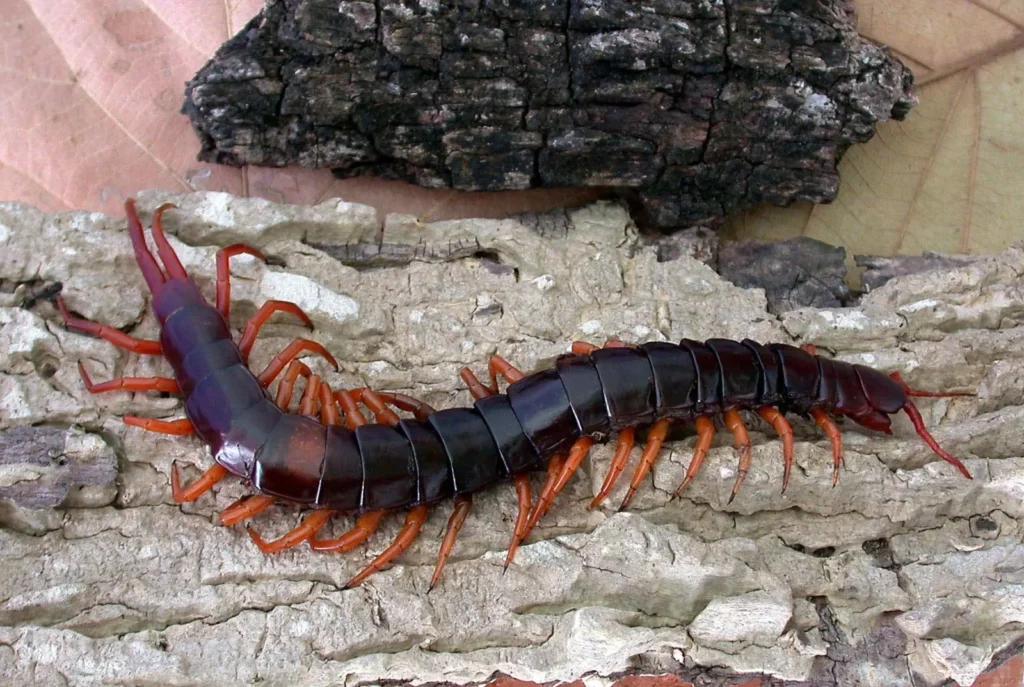
This centipede is fast, intense, and definitely more of a “look but do not touch” pet. It needs a secure, escape-proof enclosure, because it can climb and squeeze through small gaps. Deep substrate, bark hides, and a warm, slightly humid environment help it feel safe and reduce stress. It may spend days hidden, then suddenly appear at night and zip around like it owns the place.
Feeding can include roaches or crickets, and it usually strikes quickly when prey gets close. Handling is a bad idea, since bites can be painful and the animal can move too fast to control safely. Because it is sensitive to drying out, light misting helps, but the enclosure should still have airflow to avoid stale dampness. If you enjoy keeping something wild and watchable, this is a dramatic species that feels like a tiny predator in a tank.
Giant Water Bug (Lethocerus species)
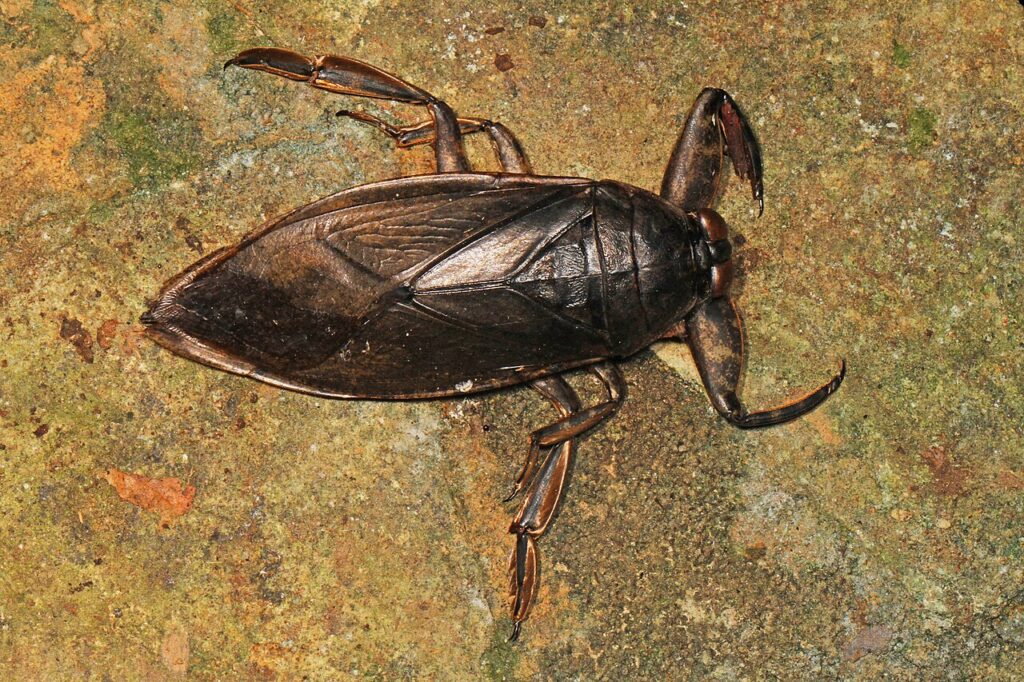
Giant water bugs are fascinating if you like aquatic setups, since they are strong swimmers and ambush predators. They need clean, dechlorinated water, places to cling near the surface, and some form of gentle filtration. Many keepers offer small fish, tadpoles, or insects depending on local rules and what is safe and legal where they live. They can fly as adults, so a secure lid is a must even if the tank looks like it has high walls.
They are not a handling pet, since they can bite, and the bite is no joke. Watching one sit motionless like a leaf, then grab prey instantly, is the main reason people keep them. Keep an eye on water quality, because leftover food can foul the tank quickly. If you keep the setup stable, they become a very active and interesting aquatic display animal.
Goliath Beetle (Goliathus species)
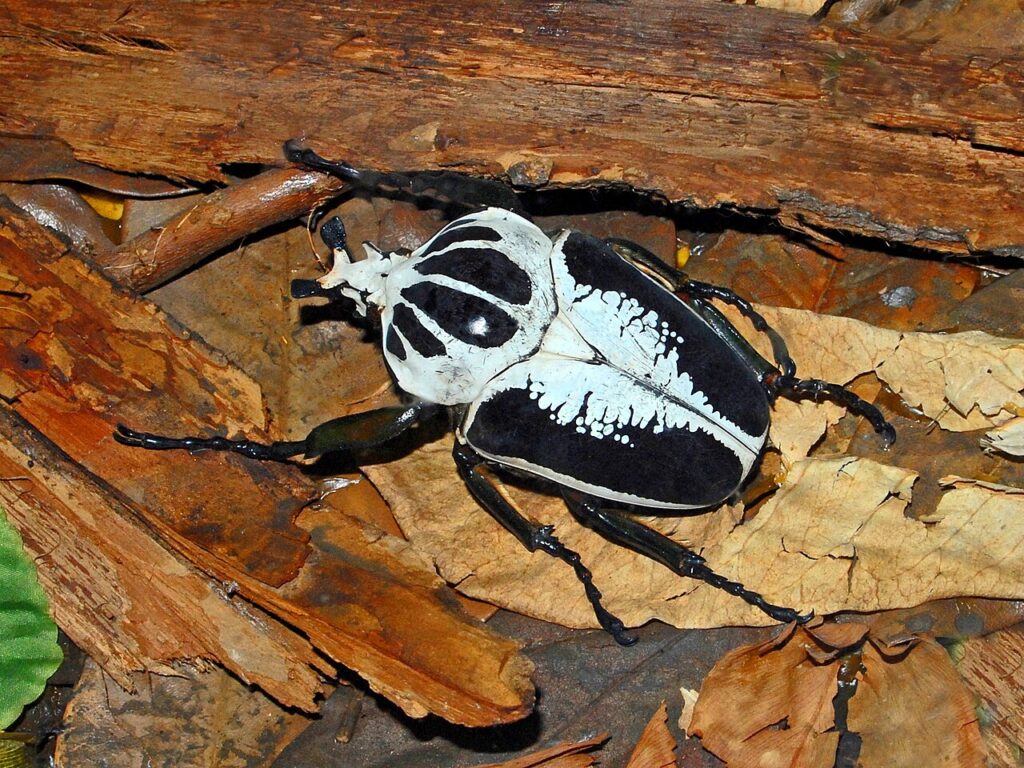
Goliath beetles are big, heavy beetles that people keep as a rare showpiece in some countries. Adults often eat sweet foods like fruit or beetle jelly, and they like a warm environment with decent humidity. They can be surprisingly strong, and you will hear them scrabble around if they get active at night. A roomy enclosure with good airflow helps, since stagnant conditions can lead to mold in the substrate.
The larvae are part of the appeal for some keepers, because they grow large and need rich substrate and steady warmth. Adults can be handled gently, but it is smart to do it low over a soft surface because a fall can harm them. They may not live very long as adults compared to some insects, so the life cycle is something to keep in mind. If you want a pet insect that looks like a tiny tank, this one is hard to beat.
Atlas Moth (Attacus atlas)
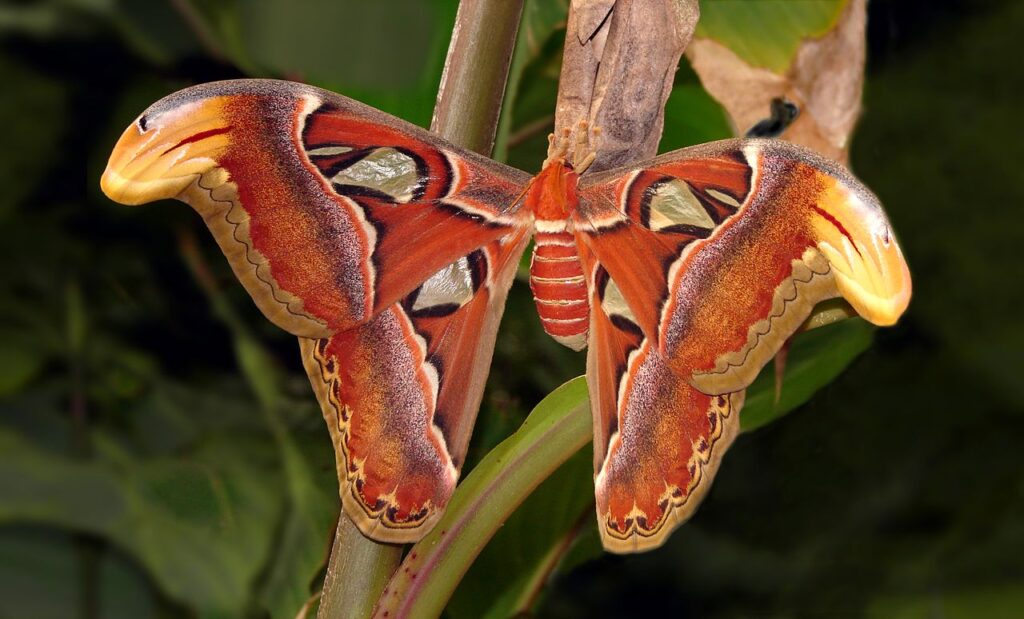
Atlas moths are often kept in countries where giant silk moths are raised, and they are famous for their huge wings and calm nature. Many people raise them from caterpillars, which need fresh host leaves and a clean space to grow safely. Adult moths do not usually eat, so their main job is to rest, mate, and lay eggs, which means the adult stage is short. Even so, seeing a freshly emerged atlas moth dry its wings is one of those moments that feels pretty special.
The caterpillars are the longer part of the experience, and they can be chunky, colorful, and fun to watch as they eat. You will want to keep the rearing area clean, because caterpillars produce a lot of waste and mold can start fast. Adults should be handled as little as possible, since wing scales rub off easily and the wings can crease. If you like the idea of raising a living “giant butterfly” type insect, this is a classic choice in the hobby.
This article originally appeared on Avocadu.