
11 Rare Bonsai Tree Species That Are Hard To Find In Nurseries
The beauty of bonsai lies in the diversity of its species and the art of shaping them. While common varieties can be found in many nurseries, others are incredibly hard to track down. These rare bonsai species require persistence and often a keen eye for sourcing.
This post may contain affiliate links, which helps keep this content free. Please read our disclosure for more info.
Ficus Retusa
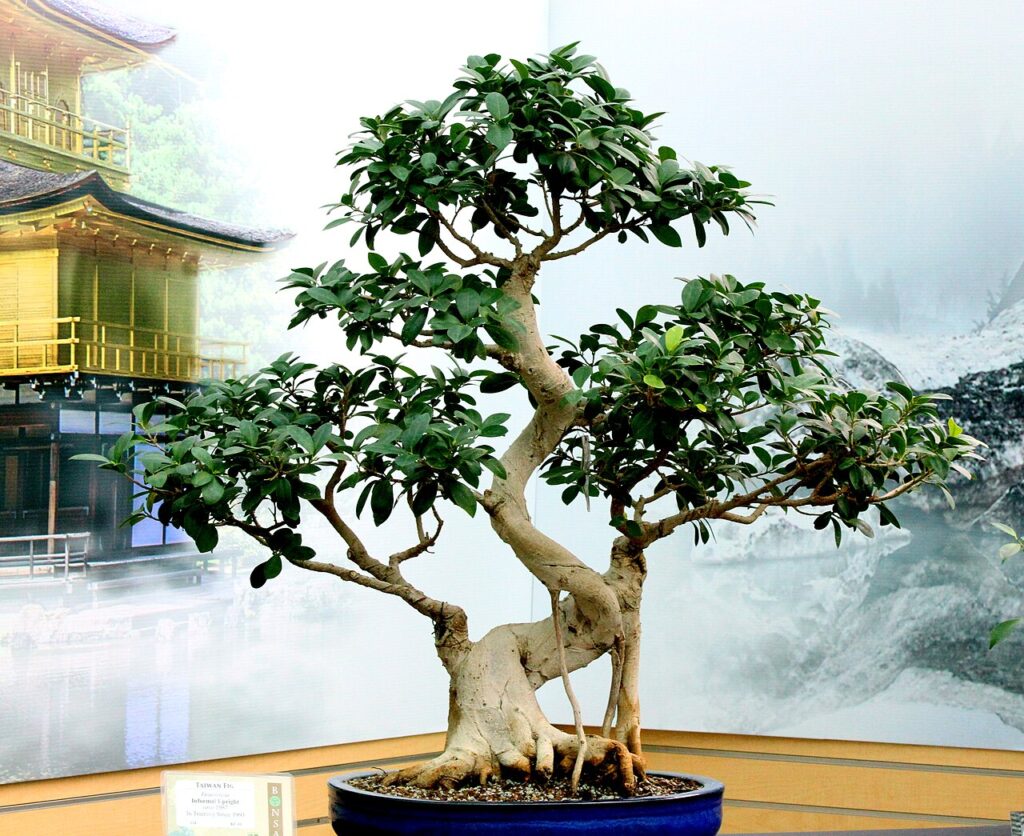
Ficus Retusa stands out for its thick, robust trunk and glossy, dark leaves. This species, native to tropical regions, is difficult to find outside of specialized nurseries because it requires specific temperature and humidity conditions. Its rarity can be attributed to how hard it is to maintain the ideal climate for the tree’s growth in non-tropical environments. To care for this bonsai, place it in a warm, sunny spot and water regularly, ensuring the soil remains consistently moist but not soggy.
A well-drained potting mix is key to the health of Ficus Retusa. This bonsai does well in bright, indirect light, making it a perfect indoor plant. Regular pruning is essential to keep its shape and encourage new growth. With proper care, this tree will develop into a striking specimen over time.
Japanese White Pine (Pinus Parviflora)
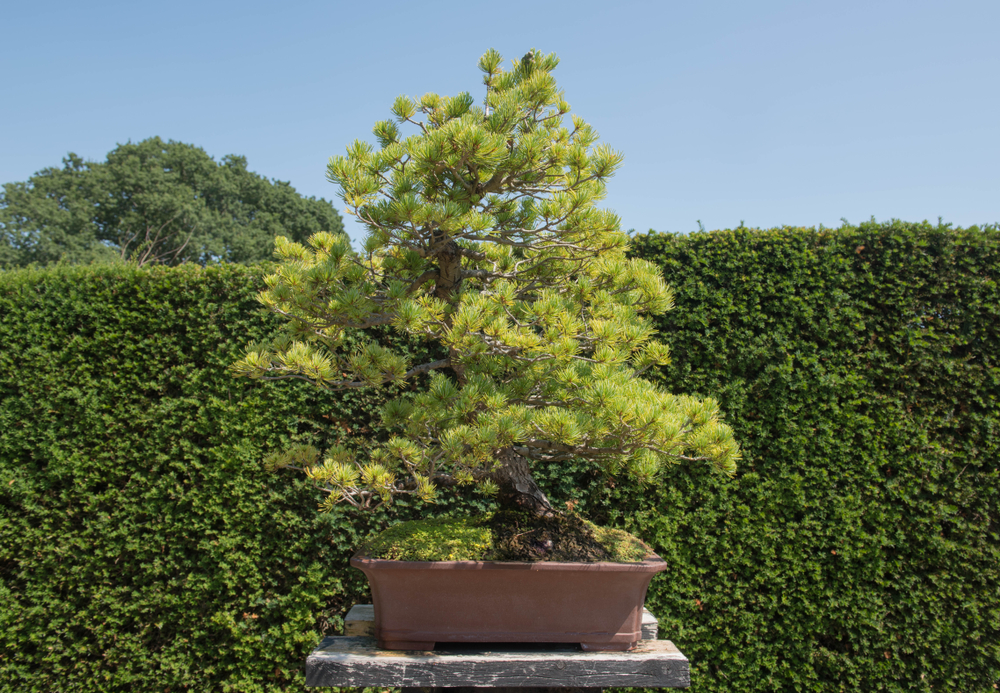
The Japanese White Pine is renowned for its stunning blue-green needles and compact growth. Its rarity stems from the precise care it requires, including cool temperatures, acidic soil, and ample sunlight, making it difficult to find in local nurseries. The difficulty in replicating its native conditions outside its natural habitat contributes to its scarcity. To care for this tree, plant it in well-draining soil and provide plenty of sunlight.
This species thrives in cooler environments and should be kept outdoors in temperate climates. It needs regular pruning to shape it and promote the desired compact look. Avoid over-watering and ensure that the soil dries out between waterings. When properly cared for, the Japanese White Pine becomes a beautifully formed and prized bonsai tree.
Shimpaku Juniper (Juniperus Chinensis)
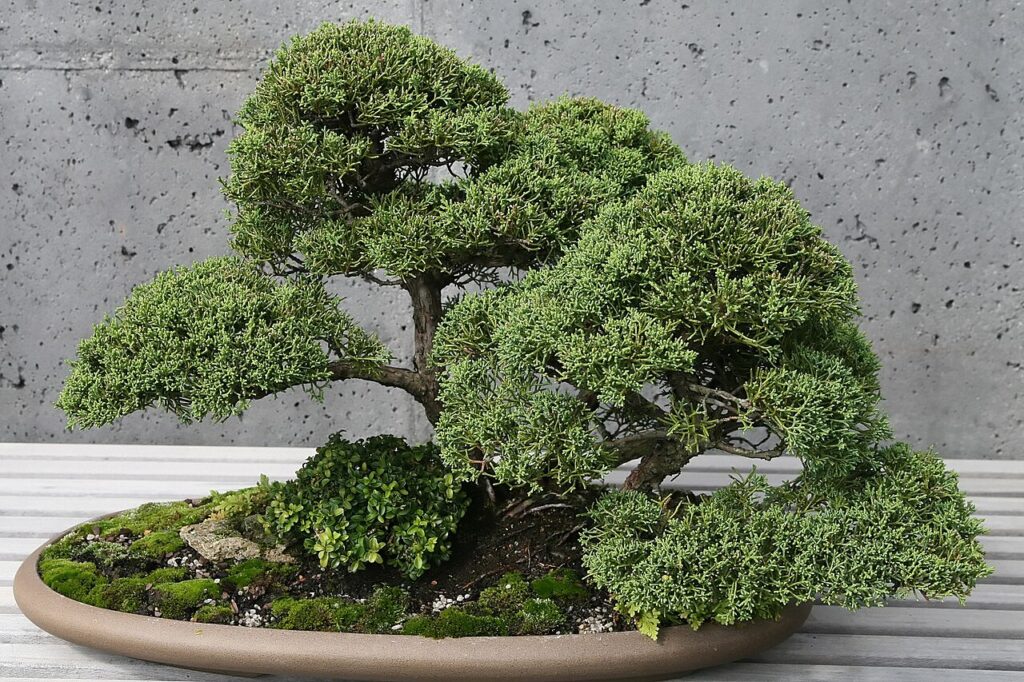
Known for its twisting branches and dense, vibrant foliage, the Shimpaku Juniper is a favorite among bonsai enthusiasts. This species is rare because it is native to Japan and China, making it difficult to source in other parts of the world. The tree’s rarity arises from the difficulty in cultivating it outside of its natural habitat, where the right climate and soil conditions are essential. When caring for this bonsai, provide it with full sunlight and allow the soil to dry out between watering sessions.
It is also important to prune and wire this tree regularly to shape it. The Shimpaku Juniper does well in outdoor environments, thriving in temperate climates. Protect it from extreme weather and frost. With consistent care, this bonsai will develop its signature gnarled look and become a stunning addition to any collection.
Sargent Juniper (Juniperus Sargentii)
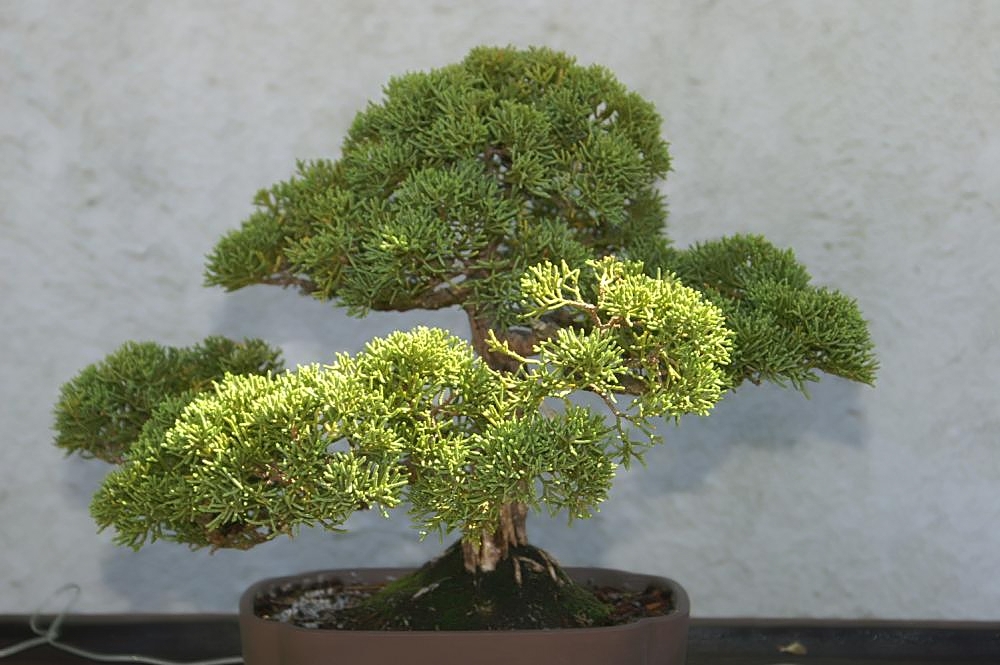
The Sargent Juniper is a slow-growing tree known for its resilient branches and unique growth habit. It is rare in bonsai form because it requires a very specific environment and is hard to cultivate in nurseries due to its slow growth rate and precise care needs. Because this tree thrives in cooler, temperate zones, finding it outside of these areas can be a challenge. Ensure it receives full sunlight and is planted in well-draining soil to maintain its health.
Water the Sargent Juniper regularly but avoid over-watering, as the roots should not sit in water for extended periods. Pruning should be done annually to maintain its shape and encourage fresh growth. This tree is best grown outdoors, where it can handle the seasonal shifts in temperature. With proper attention, the Sargent Juniper will thrive and make an eye-catching bonsai specimen.
Chinese Elm (Ulmus Parvifolia)
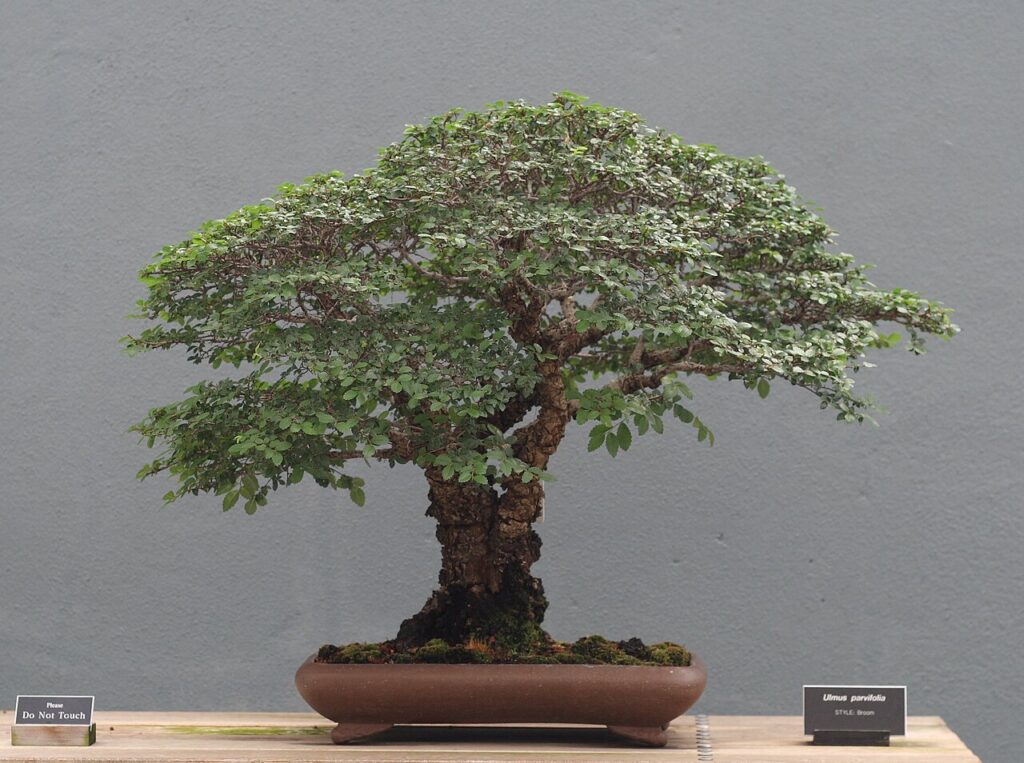
The Chinese Elm is a versatile bonsai species admired for its elegant form and tiny leaves. It is rare in nurseries due to its need for consistent care, especially as it is sensitive to temperature fluctuations. Despite being a hardy tree, it requires a very specific environment and care to maintain its health, making it difficult to find in many locations. This bonsai thrives in bright, indirect sunlight and needs regular watering, but be sure to allow the soil to dry out slightly between waterings.
This species benefits from periodic pruning and shaping to maintain its compact form. While it can be kept both indoors and outdoors, it is important to avoid sudden temperature changes, as they can stress the tree. With proper care, the Chinese Elm will flourish and develop into a beautiful, sought-after bonsai tree.
Black Pine (Pinus Thunbergii)
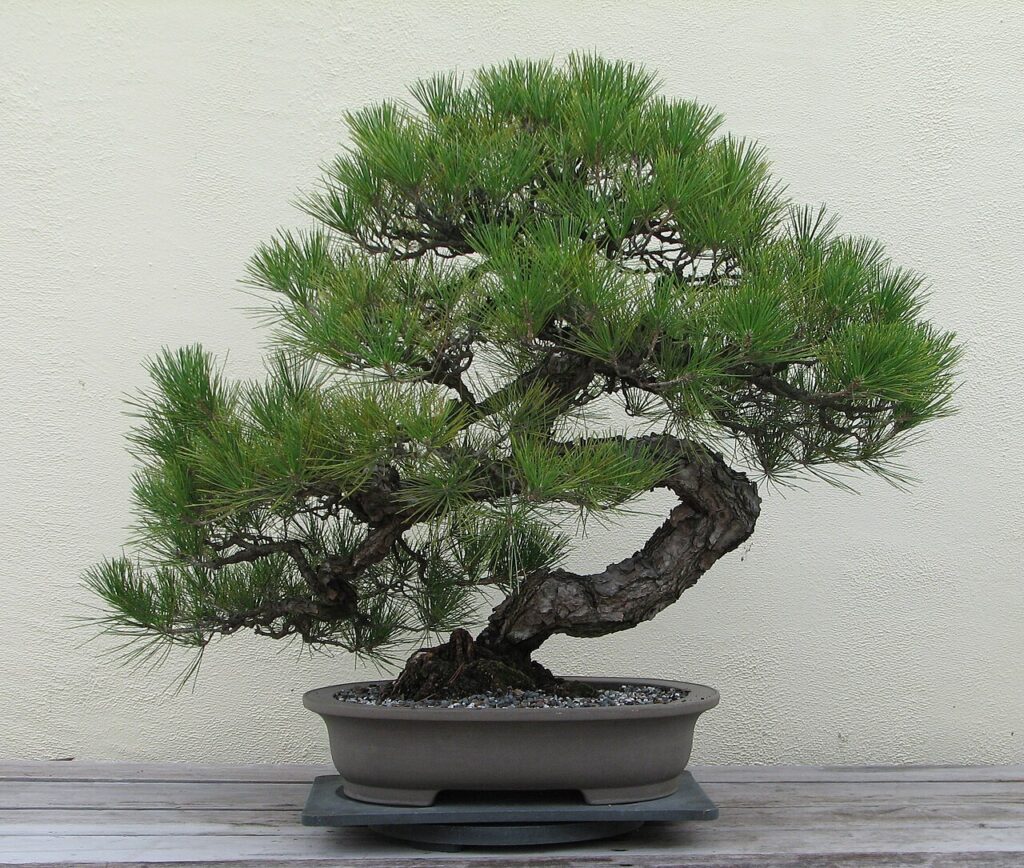
Black Pine is a striking tree with dark green needles and a bold, upright growth. It is considered rare in nurseries due to its slow growth and the time it takes to mature as a bonsai. The Black Pine requires a specific environment, including well-draining soil and plenty of sunlight, which makes it harder to find outside of specialized bonsai nurseries. To care for this tree, provide it with regular watering and ensure that the soil is well-drained.
Pruning is essential to maintain the Black Pine’s shape and size. It does well in temperate climates and should be kept outdoors in a location with plenty of sunlight. Protect it from frost and extreme temperatures, as these conditions can hinder its growth. With patience and care, the Black Pine bonsai will develop into a stunning specimen.
Korean Hornbeam (Carpinus Coreana)
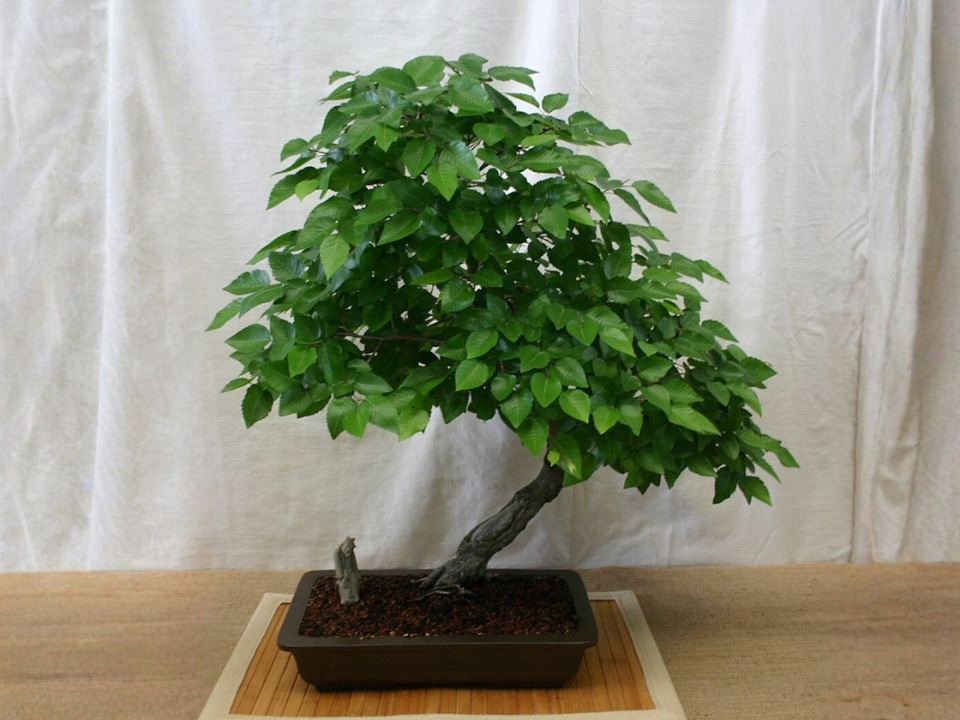
The Korean Hornbeam is a rare and elegant tree with finely serrated leaves and smooth bark. It is difficult to find in nurseries due to its slow growth and specific climate requirements. This species is rare because it needs a temperate climate and the right soil conditions, which makes it challenging to cultivate outside of its native environment. To care for this bonsai, ensure it is placed in well-draining soil and receives plenty of sunlight.
Pruning the Korean Hornbeam regularly helps maintain its graceful form. It thrives in moderate temperatures and should be protected from extreme weather conditions. Although it grows slowly, with proper care, this bonsai will develop into a stunning and rare addition to any collection.
Mugho Pine (Pinus Mugo)
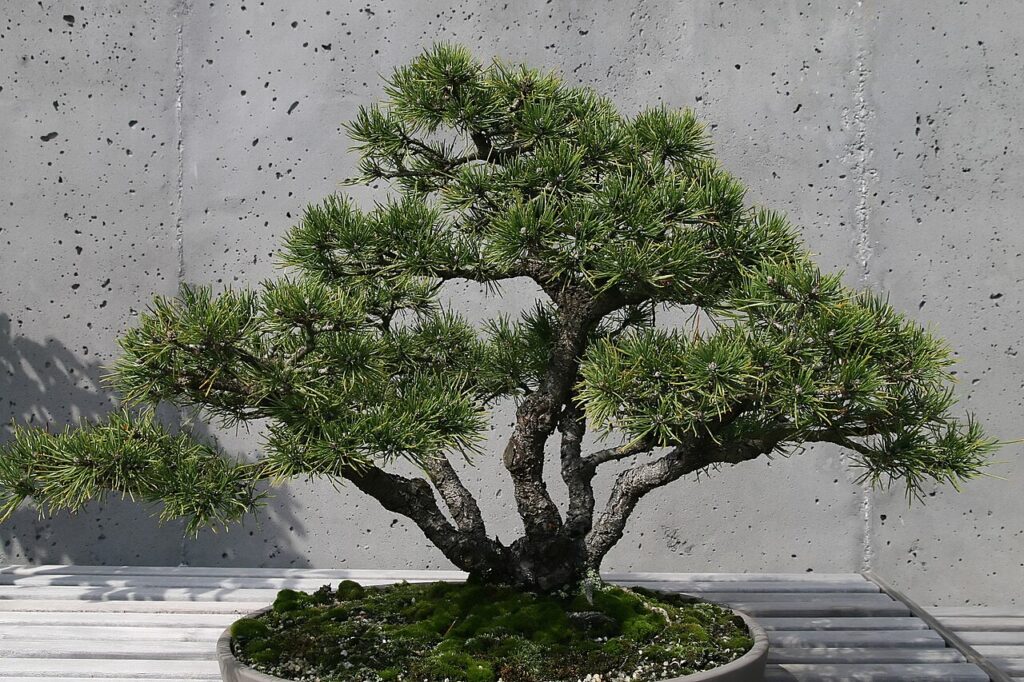
Mugho Pine is a hardy species known for its compact size and dense foliage. It is rare in bonsai form because it requires a specific environment and slow growth rate, which makes it difficult to find in nurseries. This species is not as commonly grown as other pine varieties, which contributes to its scarcity. To care for a Mugho Pine, ensure it gets plenty of sunlight and is planted in well-draining soil.
Regular pruning is essential to maintain its compact size and shape. Mugho Pine does well in cooler climates and should be protected from extreme temperatures. Avoid over-watering, as it can lead to root rot. With the right care, this pine species can become a striking bonsai tree.
European Hornbeam (Carpinus Betulus)
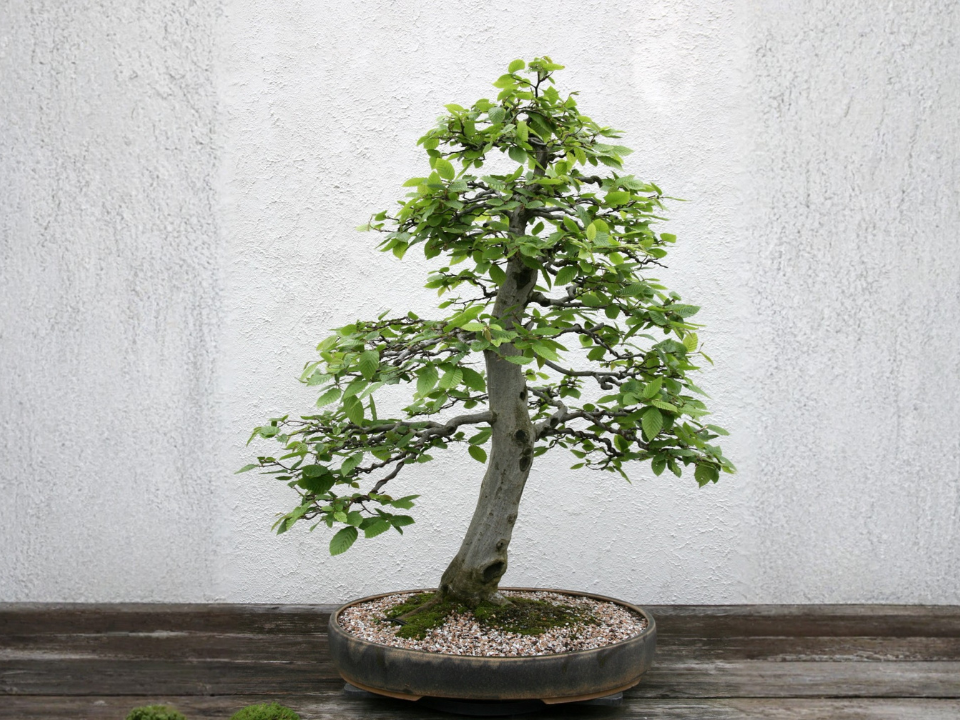
The European Hornbeam is an elegant tree that is difficult to find as a bonsai due to its slow growth and specific care needs. Its rarity comes from the time it takes to mature and the precise environmental conditions it requires. This species is not often carried by nurseries, making it a treasure for those who are willing to put in the effort to cultivate it. To care for this tree, plant it in slightly acidic soil and ensure it gets enough sunlight.
This bonsai thrives with regular pruning to maintain its compact form. It should be watered regularly but not over-saturated, as this can lead to root rot. Protect it from extreme weather conditions, as the European Hornbeam prefers moderate climates. When well cared for, this species becomes a striking bonsai with a graceful, natural form.
Bald Cypress (Taxodium Distichum)
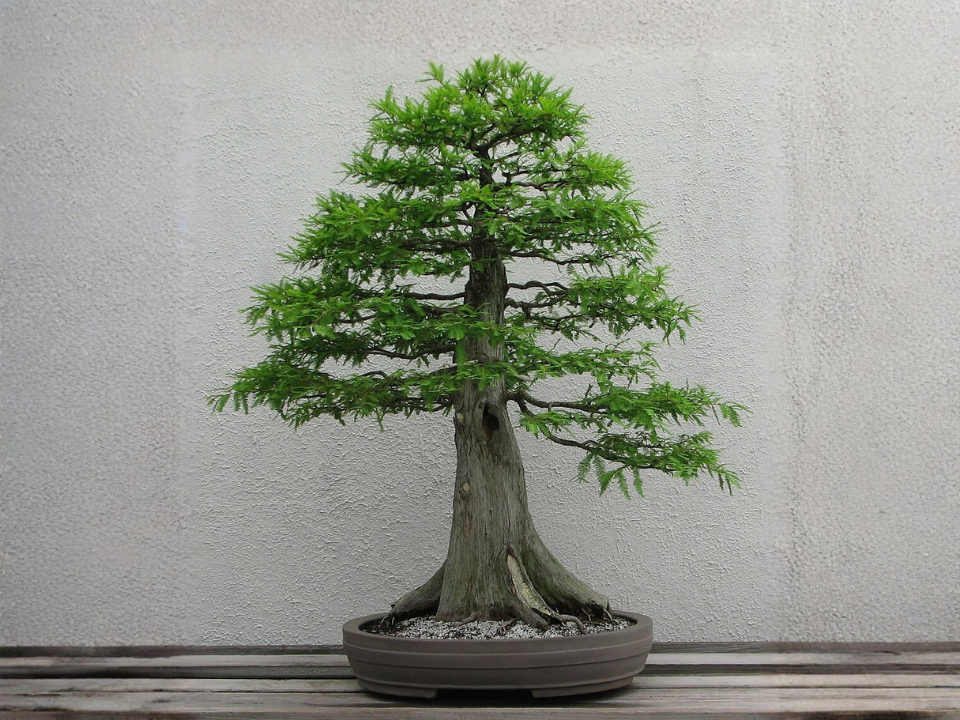
The Bald Cypress is a unique bonsai species known for its knotted, gnarled appearance and striking aerial roots. Its rarity lies in its need for a specific growing environment, including consistent moisture and nutrient-rich soil. It is not often found in nurseries due to the challenges involved in miniaturizing this large tree. To care for a Bald Cypress bonsai, place it in a moist, well-draining soil mix and ensure it gets ample sunlight.
This tree benefits from regular pruning to keep its shape and size manageable. While it can tolerate a range of climates, it should be kept protected from extreme cold and harsh winds. It requires frequent watering, but avoid letting the roots sit in standing water for too long. With the right care, the Bald Cypress will become a beautiful and rare bonsai.
Indian Banyan (Ficus Benghalensis)
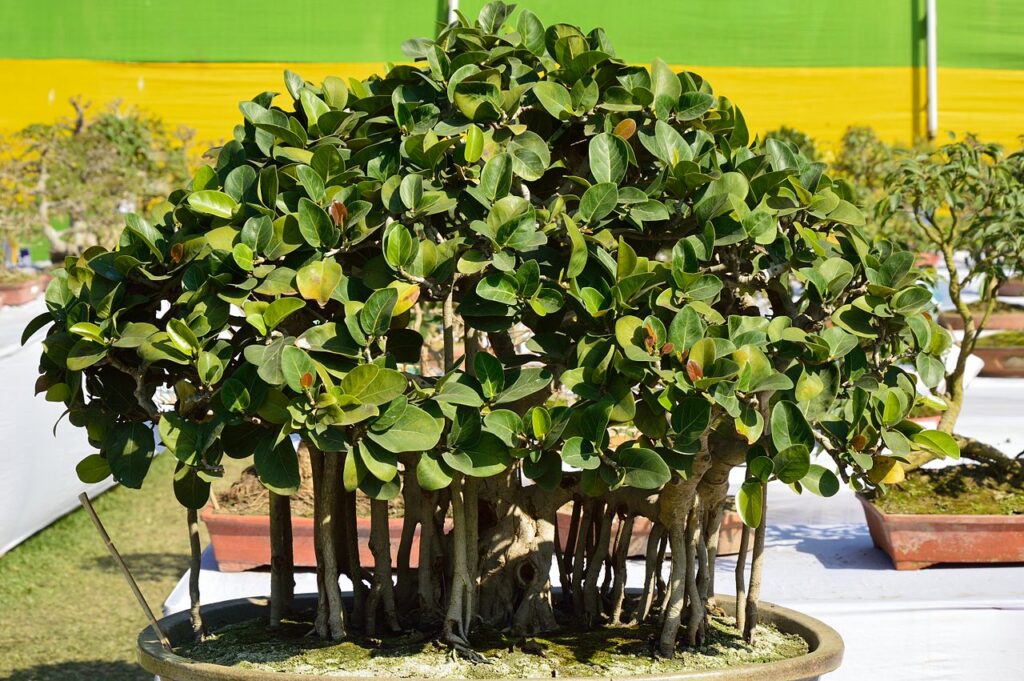
The Indian Banyan is a rare species known for its large size and dramatic aerial roots. This species is difficult to find as a bonsai because it requires a tropical climate and specific care to thrive in a container. Its rarity stems from the challenges involved in replicating its natural growth conditions in a smaller, controlled environment. To care for the Indian Banyan bonsai, provide it with a warm, sunny location and keep the soil consistently moist.
It requires regular pruning and shaping to maintain its form and prevent it from growing too large. This tree is best grown indoors, but should be protected from drafts and temperature fluctuations. It should be watered frequently, but should not sit in standing water for long periods. With proper attention, the Indian Banyan will thrive and become a stunning, rare bonsai addition.
This article originally appeared on Avocadu.