
12 Plant Seeds Kids Can Start On Rainy Afternoons
Gardening can be a fun and educational activity for kids, especially on rainy afternoons when they’re stuck indoors. Planting seeds is a great way for children to learn about nature and the process of growing food. From quick-growing vegetables like peas and beans to colorful flowers and easy-to-care-for greens, there are plenty of options that kids will enjoy. Whether you’re looking to start a small indoor garden or plan for an outdoor planting project, these seeds are perfect for keeping kids engaged and excited about gardening.
This post may contain affiliate links, which helps keep this content free. Please read our disclosure for more info.
Peas
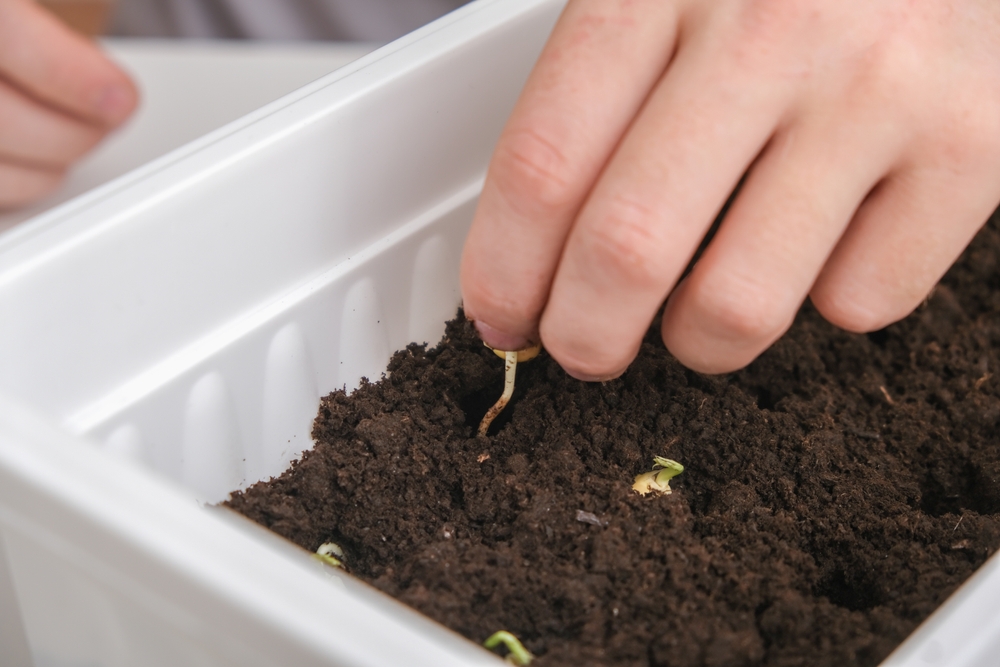
Peas are one of the best seeds for kids to grow because they are easy to handle, sprout quickly, and offer a rewarding experience. The large, round seeds make planting simple for little hands, and children can enjoy watching the plants climb and produce pods. Peas thrive in the cool weather of early spring and prefer to be sown directly into the soil rather than indoors, making them ideal for direct sowing outside. Children can learn about the importance of soil temperature and moisture as they observe plants germinate and grow.
As the pea plants mature, kids can watch them reach their full height, providing both educational value and fun. They will enjoy harvesting the pods, and if you’re growing edible peas, they can taste the results of their hard work. Kids can also practice picking the peas, which adds an element of fine motor skill development. The fast-growing nature of peas makes them a great option for impatient gardeners, and they offer plenty of opportunities for learning about how plants grow and produce food.
Beans
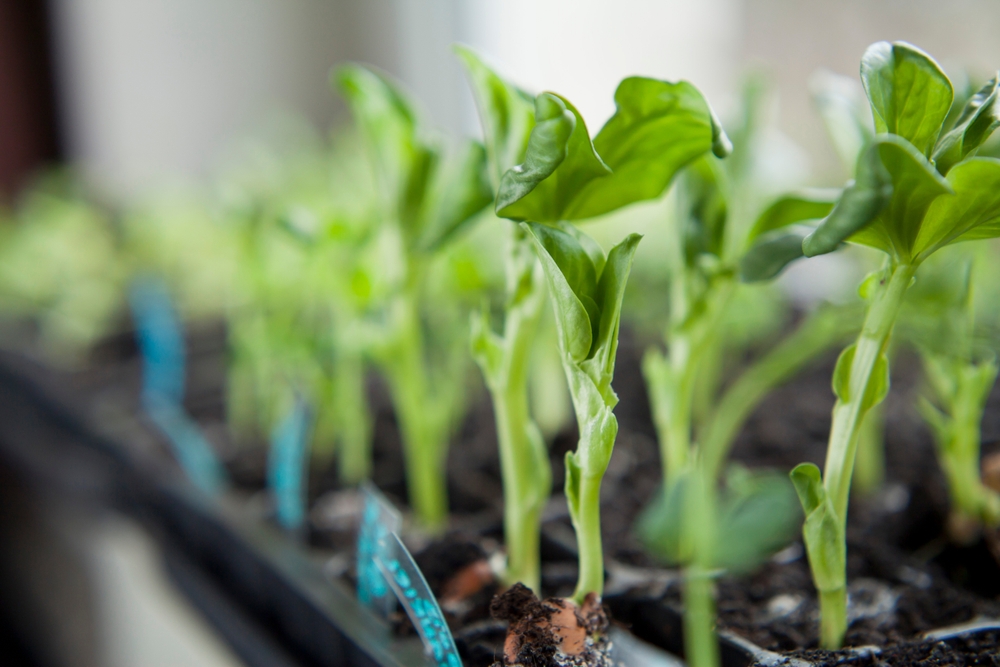
Beans are another excellent choice for kids because they are large and easy to plant, and they grow quickly, which offers instant gratification. The seeds are large enough for children to handle, and planting them is a simple and enjoyable task. Beans are best sown directly outside because they need the warmth of the soil to germinate properly. Once they are planted, kids can watch the seeds sprout, and the plants will soon begin to grow tall, providing a fun and interactive gardening experience.
Bean plants are also ideal for teaching kids about climbing plants and how to care for vines. As the plants grow, they produce colorful flowers and, eventually, beans, which kids can harvest once the pods are ready. The process of sowing, caring for, and harvesting the beans helps children understand the cycles of nature while also enjoying the fruits of their labor. Beans also provide an opportunity to learn about various types, such as bush beans and pole beans, adding variety to the gardening experience.
Sunflowers
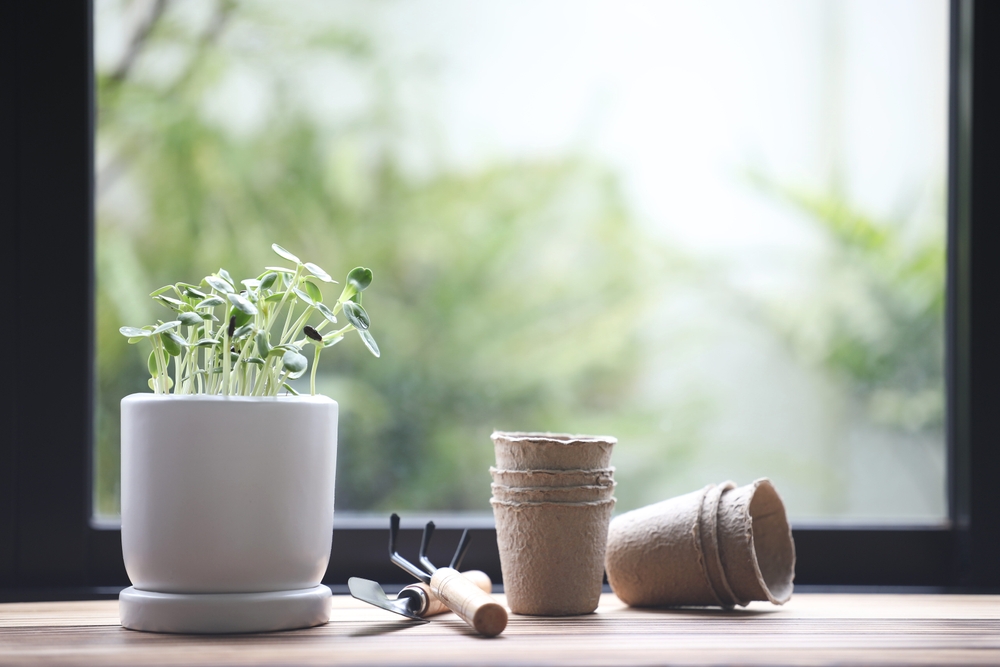
Sunflowers are an exciting plant for kids to grow due to their bright, cheerful flowers and quick growth. The large seeds are easy to handle, making them a perfect choice for young gardeners. Sunflowers prefer to be sown directly outdoors because they need the warm soil for germination. Kids will love watching the sunflower seedlings emerge from the soil and begin to grow tall, with the plant eventually producing impressive blooms that can reach several feet high.
Sunflowers are also a great opportunity for kids to learn about pollination. They can observe how bees and other pollinators visit the flowers and help them grow. The seeds can be harvested after the flowers bloom, and children can even save the seeds for next season or feed them to birds. The process of planting and caring for sunflowers gives kids a tangible result to enjoy and provides a lot of educational moments along the way.
Carrots
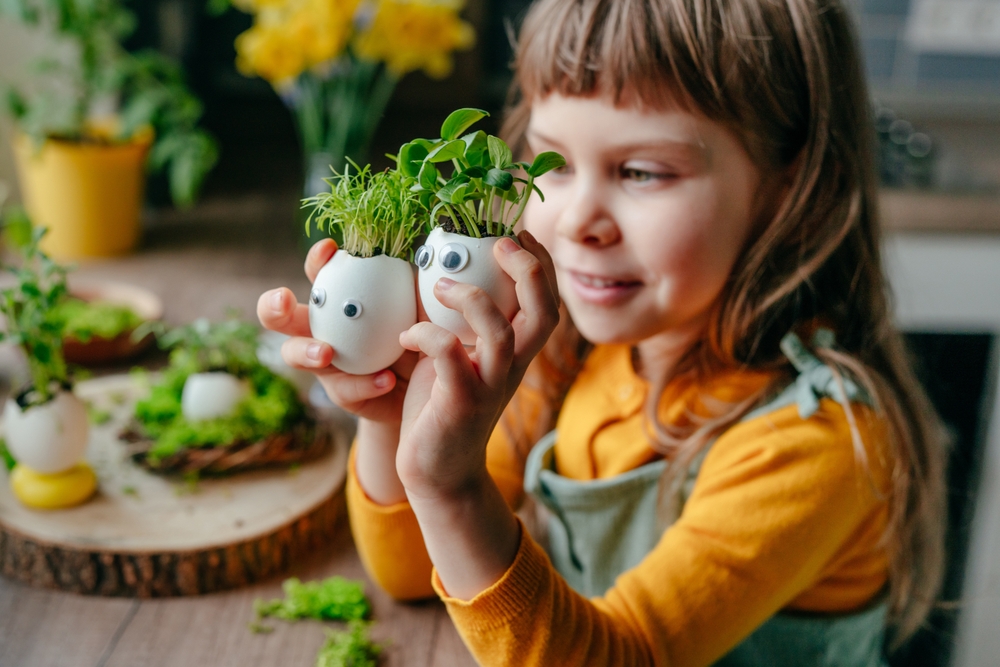
Carrots are an excellent choice for teaching kids about root vegetables. Unlike most vegetables, carrots grow underground, which provides a unique and fascinating gardening experience. Kids will be excited to see the small green tops emerge from the soil, knowing that the roots are developing below. Carrots are best sown directly outdoors because they need a deep, loose soil structure to grow well, and they prefer the cool temperatures of early spring.
Growing carrots requires patience, as they take a little longer to mature compared to some other crops, but the reward is well worth the wait. Kids can learn about the different stages of growth, from the sprouting of the green tops to the eventual harvesting of the root. Pulling up the carrots from the soil is always a fun moment for children, as they discover the colorful, edible roots that have been hidden beneath the surface. The whole process is a hands-on way to teach kids about plant growth and the importance of healthy soil.
Lettuce
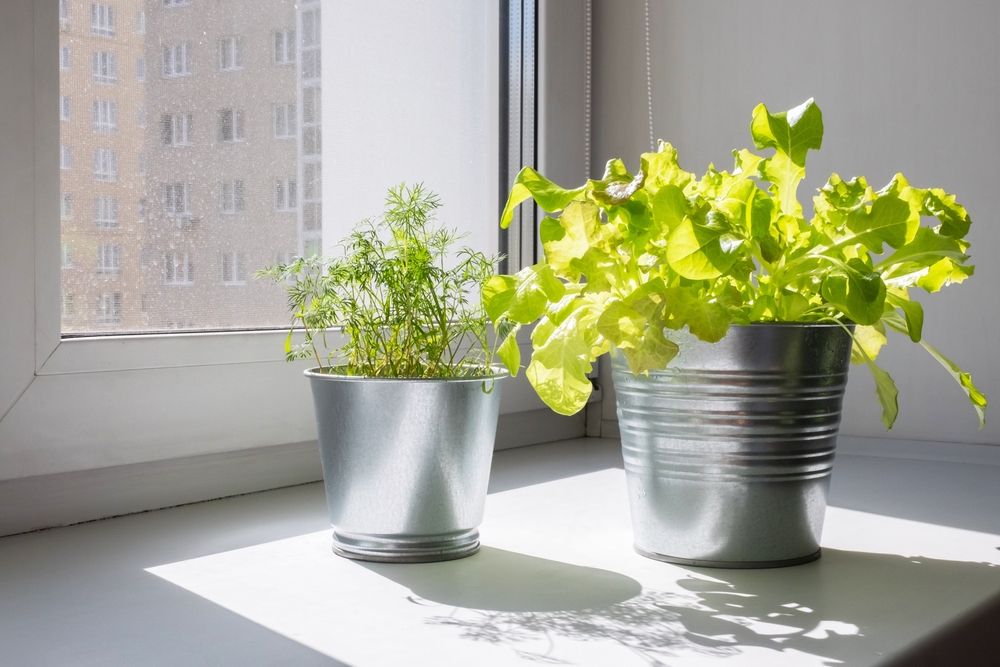
Lettuce is a great choice for kids who want to grow something they can eat quickly. Lettuce seeds are tiny, but they are easy to handle with a little guidance. Unlike many plants, lettuce does not need to be sown directly outside in the ground but can be started indoors. This makes lettuce a perfect choice for rainy afternoons when kids are stuck inside but still want to get their hands dirty with gardening. Starting lettuce indoors ensures that the seedlings have the warmth and protection they need before being transplanted outside.
Kids will enjoy watching their lettuce grow, as it develops quickly and produces beautiful, leafy greens. Once the lettuce is ready to be harvested, children can help with the cutting, learning how to harvest without damaging the plant. Lettuce is a great plant for teaching kids about growing their food, and since it grows quickly, they can have a constant supply of fresh greens to enjoy. Whether for salads, sandwiches, or just a healthy snack, lettuce provides instant results that kids can be proud of.
Radishes
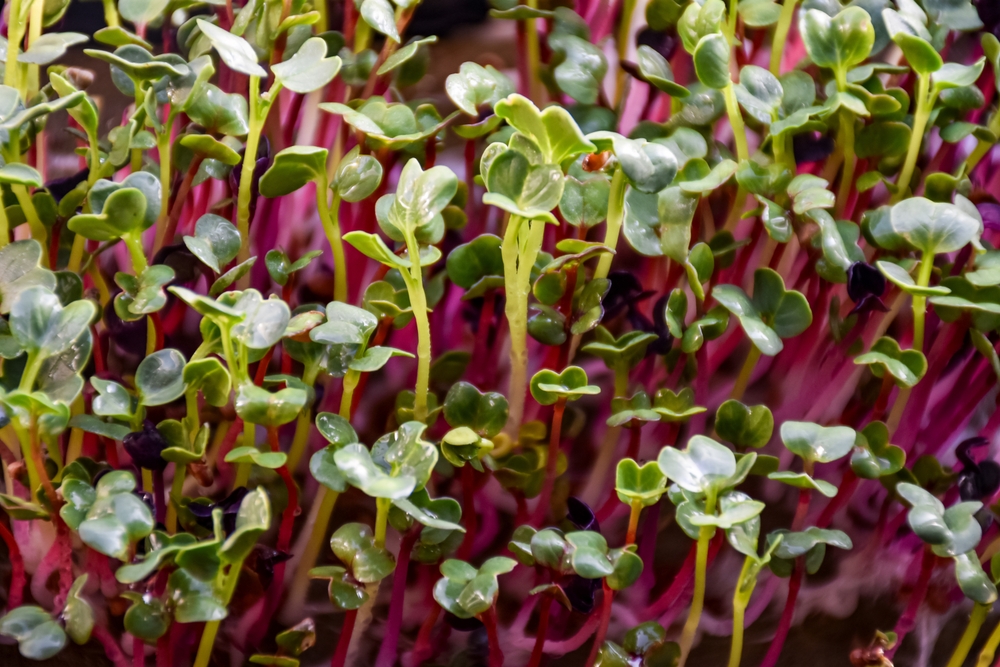
Radishes are a wonderful crop for kids because they grow quickly, providing a sense of accomplishment. The seeds are small but easy to plant, and they germinate rapidly, making them a perfect option for impatient gardeners. Radishes are best sown directly outside, as they prefer the cooler temperatures of early spring. Kids can plant them in the garden and watch them sprout in just a few days, which will keep them engaged and excited to see their progress.
Growing radishes offers kids a hands-on lesson in the growth cycle of root vegetables. The plants mature quickly, so kids will be able to harvest them in just a few weeks. Radishes also provide a fun opportunity to learn about different varieties, from red to white to purple radishes. As children harvest the radishes, they will also develop an understanding of how to properly care for and harvest crops, making radishes a rewarding and educational gardening project.
Zucchini
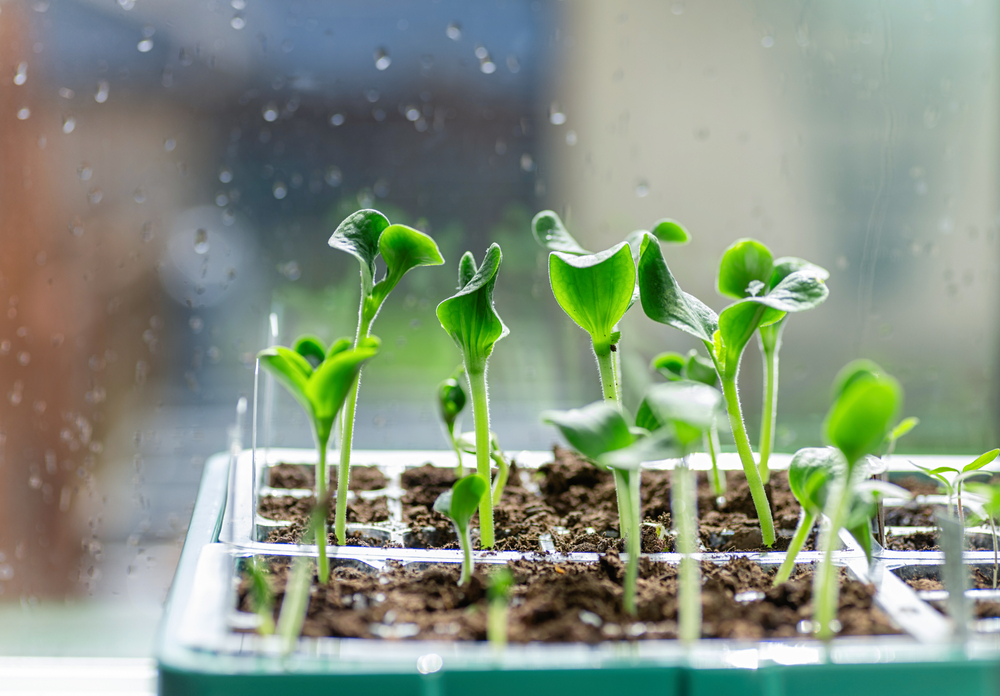
Zucchini is an easy-to-grow vegetable that is perfect for kids due to its fast-growing nature and versatility. The seeds are relatively large, making them easy for children to handle. Zucchini grows well when sown directly outside, as it requires warm soil to thrive. Kids will enjoy planting the seeds and watching the plants grow quickly, eventually producing large, edible zucchinis that can be harvested and used in a variety of dishes.
Zucchini plants are also a great introduction to learning about larger vegetable crops. The plants produce both flowers and fruit, which can be exciting for kids to observe. As the zucchini grows, kids can learn how to care for the plant, ensuring that it has enough space and water to thrive. Harvesting the zucchini is always a fun part of the process, and children will be able to enjoy the fresh produce in their meals.
Melons
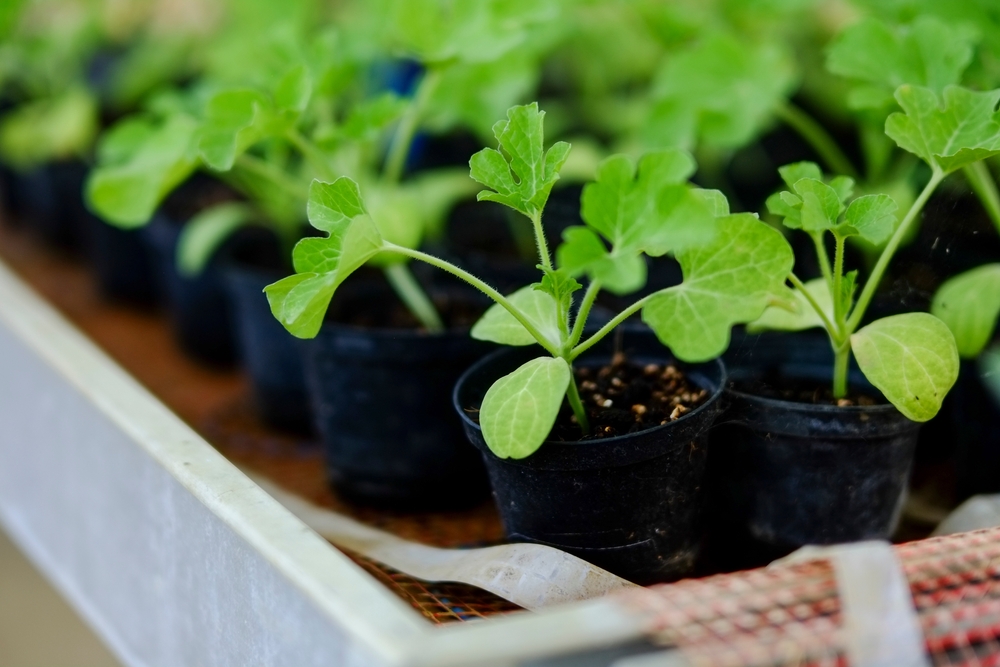
Melons, such as cantaloupe and watermelon, are fun for kids to grow because they produce large fruits that are exciting to watch develop. The seeds are large and easy for kids to plant, and the vines grow quickly, offering plenty of opportunity for observation. Melons prefer to be sown directly outdoors, where they have the space to spread and develop. They thrive in warm, sunny conditions, making them perfect for planting in late spring or early summer.
Melons are perfect for teaching kids about vine crops and how they spread across the ground. The plants require a lot of care, such as regular watering and space to grow, which gives kids a hands-on experience in plant care. The best part is watching the melons grow from small fruits into full-sized ones, ready to be harvested and enjoyed. Kids can also learn about different types of melons, such as watermelon or cantaloupe, adding variety to the gardening experience.
Cucumbers
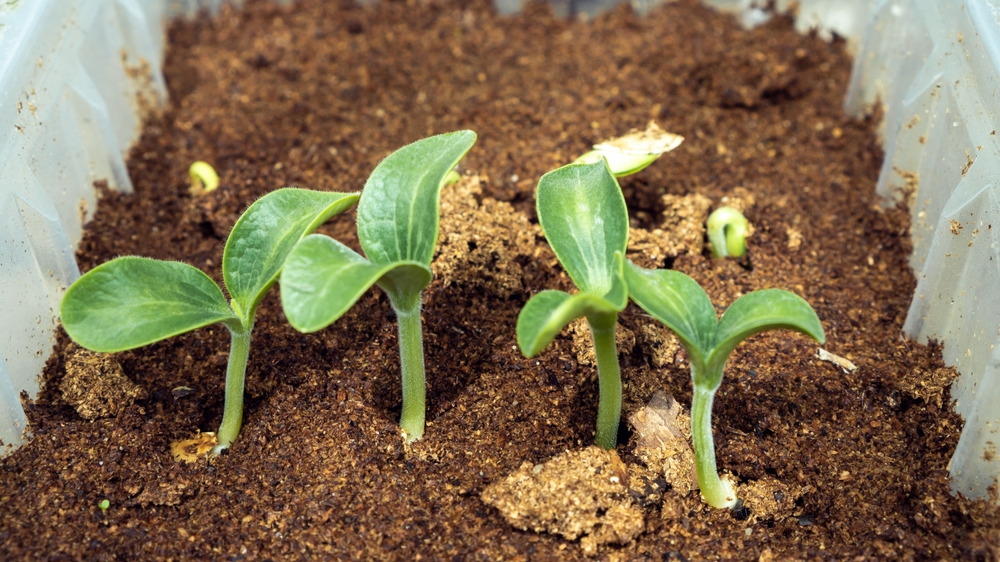
Cucumbers are another vegetable that grows well on vines and is easy for kids to plant. The seeds are large enough for little hands to handle, and cucumbers grow quickly, providing immediate satisfaction. Cucumbers are best sown directly outdoors, as they need warm soil to germinate and thrive. Kids can plant the seeds and watch the cucumber vines grow rapidly, producing flowers and, eventually, fruits that they can harvest.
Growing cucumbers also teaches kids about climbing plants, as they need support to grow properly. As the plants begin to spread, children can practice tying them to a trellis or other support structure, giving them a chance to learn about plant care and maintenance. Once the cucumbers are ready to harvest, kids can enjoy picking their fruits and learning how to store them for later use. Cucumbers are a fun and interactive way for kids to experience gardening and grow a food that they can eat fresh or turn into a salad or pickle.
Corn
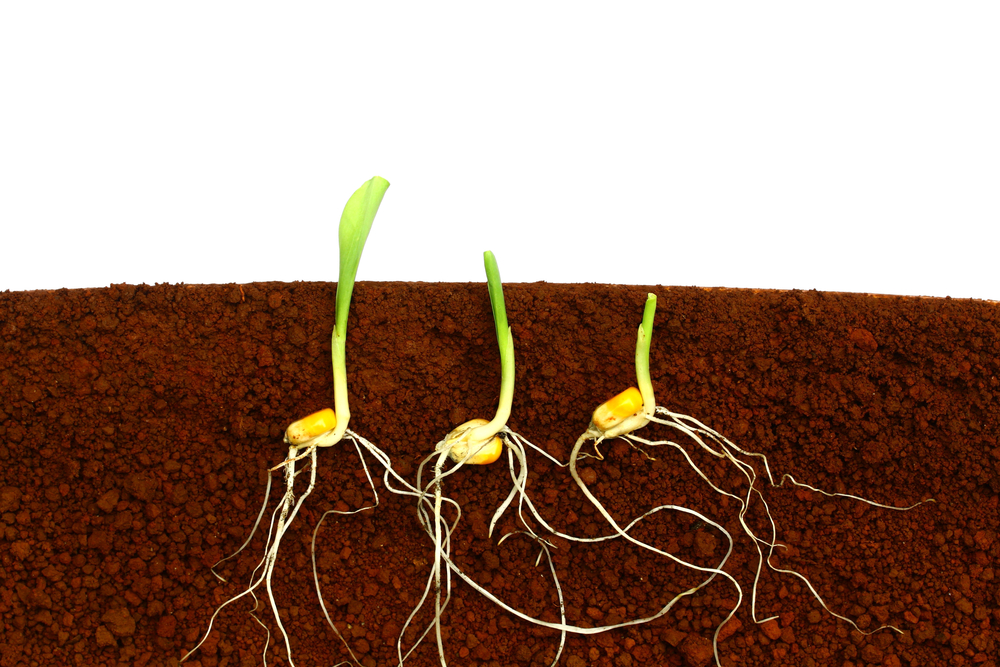
Corn is a large, easy-to-grow crop that is perfect for kids who want to plant something that will grow tall and impressive. The seeds are large and easy for children to handle, and the plants can grow very quickly once the weather warms up. Corn should be sown directly outside, as it requires a long growing season and plenty of space to grow. Kids will be amazed to see the plants grow taller and taller, eventually producing ears of corn that can be harvested and enjoyed.
Corn is an ideal plant for teaching kids about pollination and how important it is for crops to produce seeds. As the plants grow, children can observe the flowers that will eventually turn into ears of corn. Harvesting the corn is always an exciting experience, and kids will love to see how their hard work has paid off. The whole process, from planting the seeds to eating the corn, is a fantastic way to teach kids about the cycles of plant life.
Beets
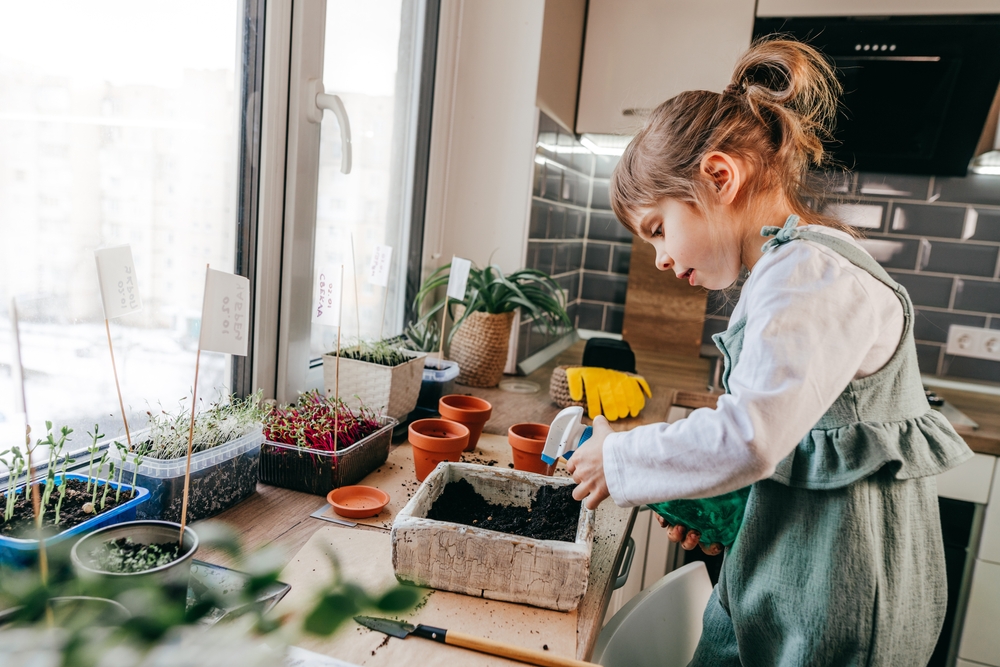
Beets are a great option for kids because they are root vegetables that offer an engaging growing experience. The seeds are small but easy for kids to handle, and they grow relatively quickly. Beets should be sown directly outside, as they prefer cooler soil temperatures and require space to grow underground. As the beets develop, kids will enjoy watching the leafy tops emerge from the soil, with the roots hidden beneath the surface.
Growing beets is an excellent way to teach kids about root vegetables and how they grow beneath the ground. As the plants mature, kids can learn how to harvest them properly and even taste the results. Beets can be eaten raw, roasted, or made into juice, giving kids the opportunity to explore different ways to enjoy their harvest. The process also helps children understand the importance of soil health and care in growing healthy crops.
Spinach
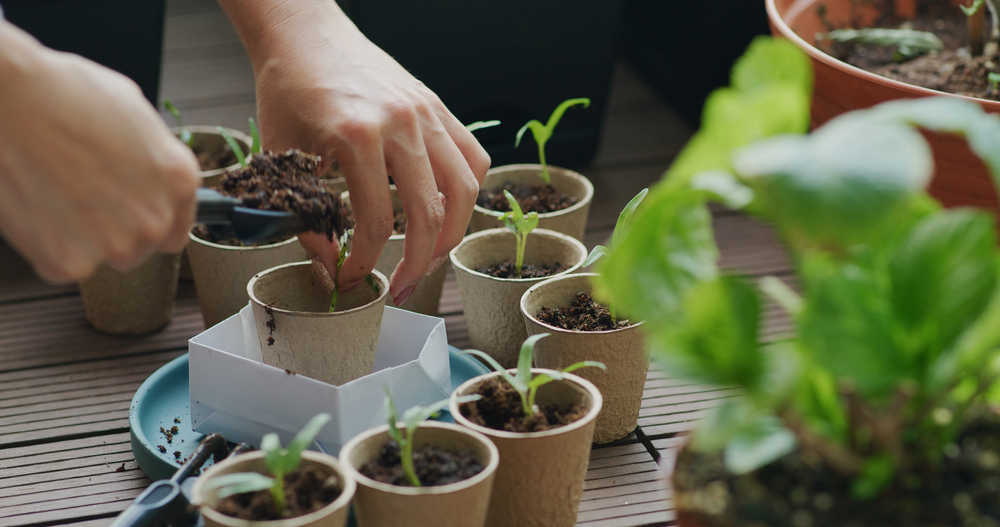
Spinach is a fast-growing leafy green that kids will enjoy growing. The seeds are small, but they germinate quickly, providing almost immediate results. Spinach grows best when sown directly outdoors, as it thrives in the cool weather of early spring. Kids can plant the seeds in their garden and watch the spinach grow quickly into vibrant green leaves that are easy to harvest.
Spinach is perfect for kids to grow because it requires minimal care and grows rapidly. As the spinach matures, kids can practice harvesting the leaves, which can be used in a variety of dishes, from salads to soups. The process helps children understand the benefits of leafy greens and provides a hands-on way to enjoy fresh, healthy food. Spinach is also a good plant for learning about the importance of proper watering and maintaining healthy soil.
This article originally appeared on Avocadu.