
15 Budget Friendly Grocery Lists For A Healthy February Week
Grocery shopping for a healthy lifestyle doesn’t have to cost a fortune. There are plenty of affordable ingredients that can help you eat well all month long. The key is choosing the right foods and sticking to a budget-friendly plan. With these grocery picks, you’ll be on your way to a healthier February.
This post may contain affiliate links, which helps keep this content free. Please read our disclosure for more info.
Brown Rice
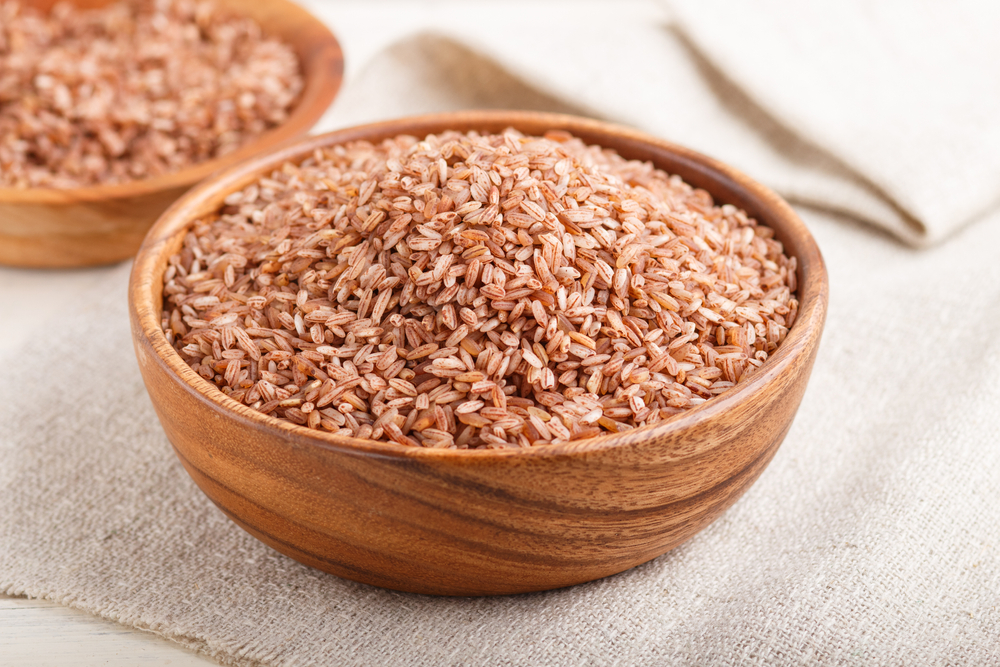
Brown rice is a nutritious and affordable staple that can serve as the base for many meals. Unlike white rice, it retains its bran and germ, which means it’s higher in fiber and essential nutrients. Brown rice is also versatile, as it pairs well with vegetables, meats, and beans, making it a great addition to stir-fries, soups, or salads. It’s also easy to cook in large batches, which helps save time during the week.
Buying brown rice in bulk is an excellent way to save money, and it has a long shelf life, making it a practical pantry item. It can be used as a side dish, in casseroles, or as part of a grain bowl. Its natural texture and nutty flavor add an extra layer of satisfaction to any dish. Whether you’re cooking for one or for a family, brown rice is a cost-effective way to meet your nutritional needs.
Frozen Vegetables
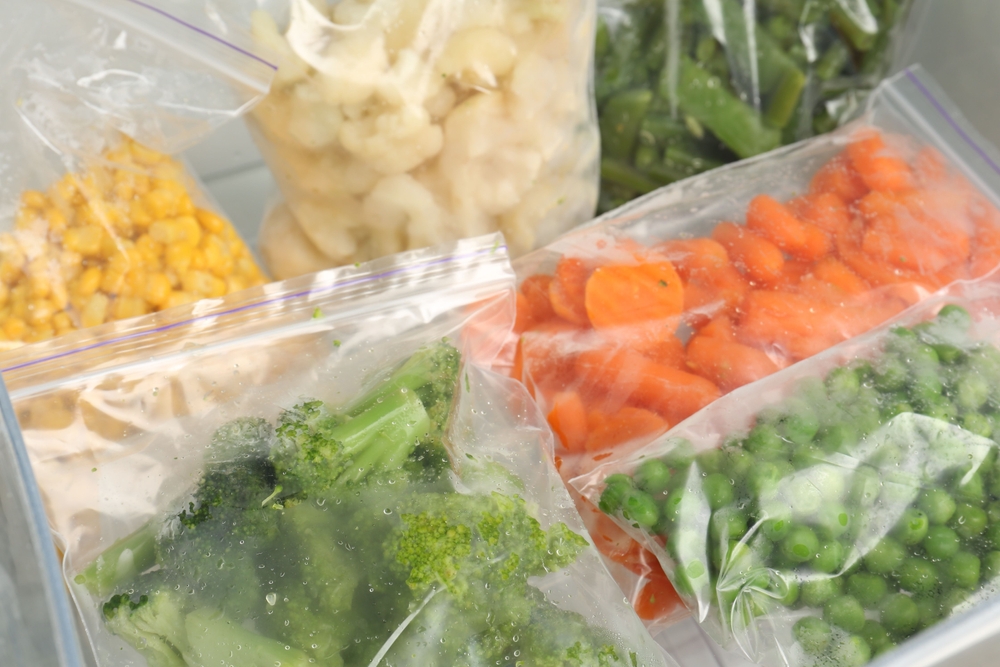
Frozen vegetables are an affordable and convenient option for adding more nutrition to your meals. They are just as nutritious as fresh veggies, as they’re frozen at the peak of ripeness, locking in vitamins and minerals. You can often find large bags of frozen mixed vegetables, spinach, or broccoli for a lower price than their fresh counterparts. They’re perfect for quick stir-fries, soups, or as simple steamed sides.
Frozen vegetables are not only budget-friendly but also reduce food waste, as they stay fresh for longer periods. They’re great for meal prepping, especially when you’re on a time crunch. The variety of frozen vegetables available means you can easily incorporate different nutrients into your weekly meals without paying premium prices. Stocking up on frozen veggies ensures you always have a healthy option available.
Canned Beans
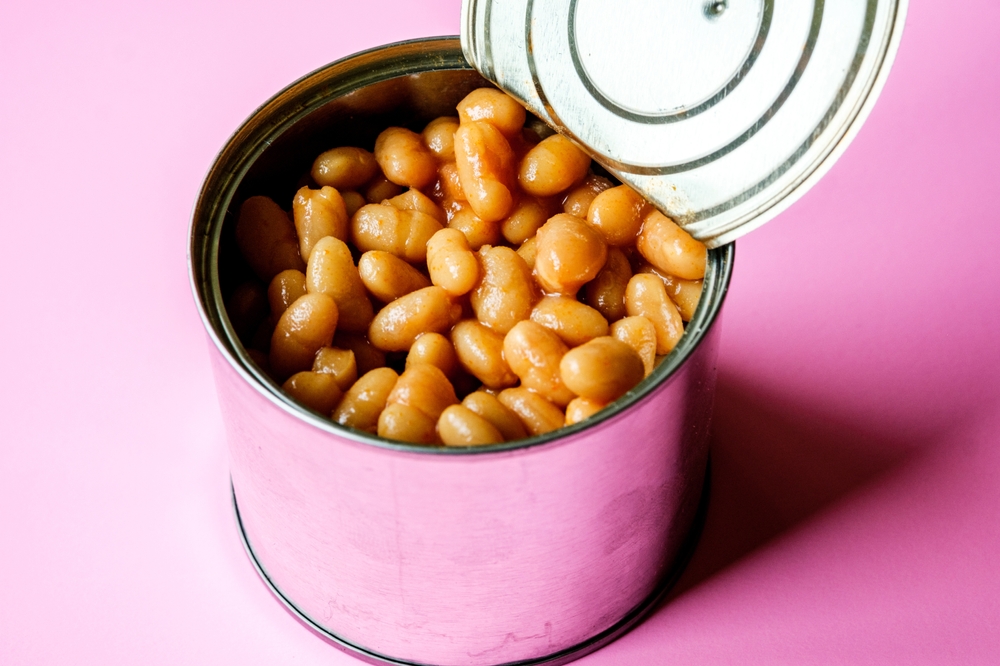
Canned beans are an inexpensive source of plant-based protein and fiber. They come in a variety of types, including black beans, kidney beans, chickpeas, and pinto beans. They can be used in salads, soups, stews, or as a side dish. Beans are also versatile, easily taking on the flavors of your favorite spices or ingredients, making them a staple for meal variety.
Opting for canned beans instead of dried beans can save you time, as they’re already cooked and ready to use. Many canned beans are also low in sodium, especially if you choose no-salt-added options. They can be the foundation of a satisfying vegetarian meal or added to a dish for extra protein. Plus, they’re easy to store and have a long shelf life, making them a smart pantry item.
Carrots
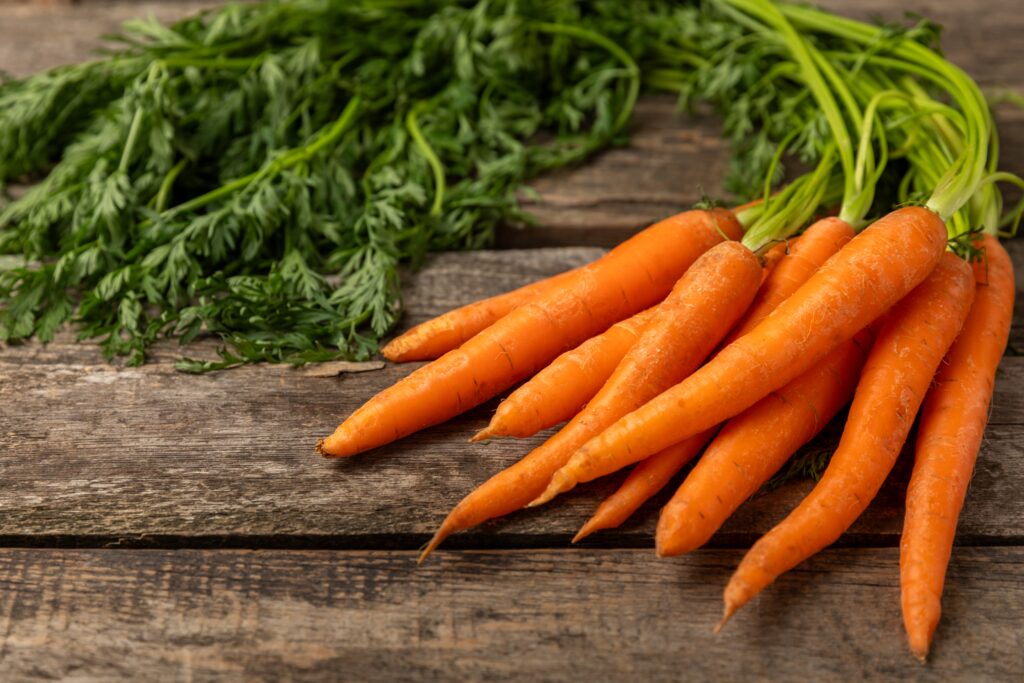
Carrots are one of the most affordable vegetables you can buy, and they’re packed with nutrients like vitamin A, which supports eye health. They’re crunchy, satisfying, and can be eaten raw, roasted, or added to stews and soups. Carrots are also low in calories, making them a great option for healthy snacking. Their natural sweetness adds flavor to both savory dishes and salads.
In addition to their nutritional benefits, carrots are incredibly versatile and can be prepared in various ways. They keep well in the fridge and can last for weeks, so you can buy them in bulk and use them throughout the month. Roasted carrots with a drizzle of olive oil and a sprinkle of herbs make for a delicious and easy side dish. They’re also a great addition to juices and smoothies.
Eggs

Eggs are an excellent source of protein and are often one of the most budget-friendly options in the grocery store. Whether scrambled, poached, or hard-boiled, eggs are easy to prepare and versatile enough for breakfast, lunch, or dinner. They can be paired with vegetables, whole grains, or used to make omelets and frittatas. Eggs are also a great addition to pasta dishes, soups, or stir-fries.
Aside from being affordable, eggs are nutrient-dense, offering a good balance of protein, healthy fats, and essential vitamins like vitamin B12 and choline. They are often considered one of the most cost-effective sources of high-quality protein available. If you’re looking to stretch your grocery budget, eggs are a reliable and filling option. Keep them in your fridge for a quick meal option on busy days.
Sweet Potatoes
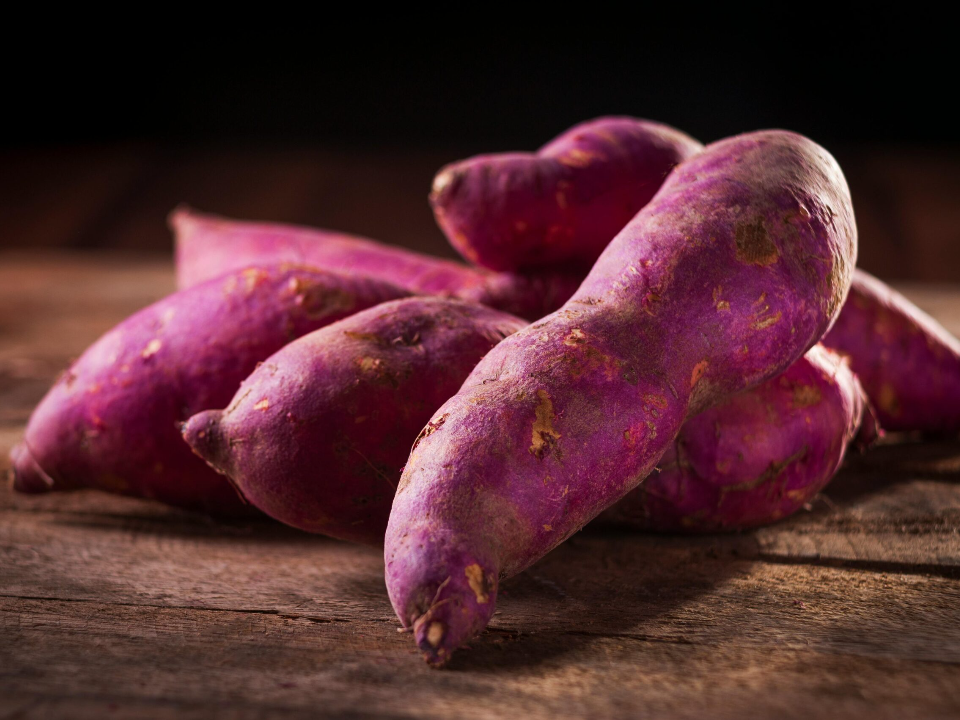
Sweet potatoes are another budget-friendly, nutrient-packed vegetable to include in your February grocery list. They’re rich in vitamins A and C and provide a natural source of fiber. Sweet potatoes are versatile and can be baked, mashed, or added to soups, salads, and casseroles. Their natural sweetness complements both savory and sweet dishes, making them a great option for a variety of meals.
In addition to their nutritional value, sweet potatoes are filling and can be used as a side dish or the main event in your meals. They’re easy to store, and a little goes a long way, making them a cost-effective option for meal prep. Whether roasted with a sprinkle of cinnamon or baked into fries, sweet potatoes are a delicious and healthy way to keep your meals interesting without breaking the bank.
Oats
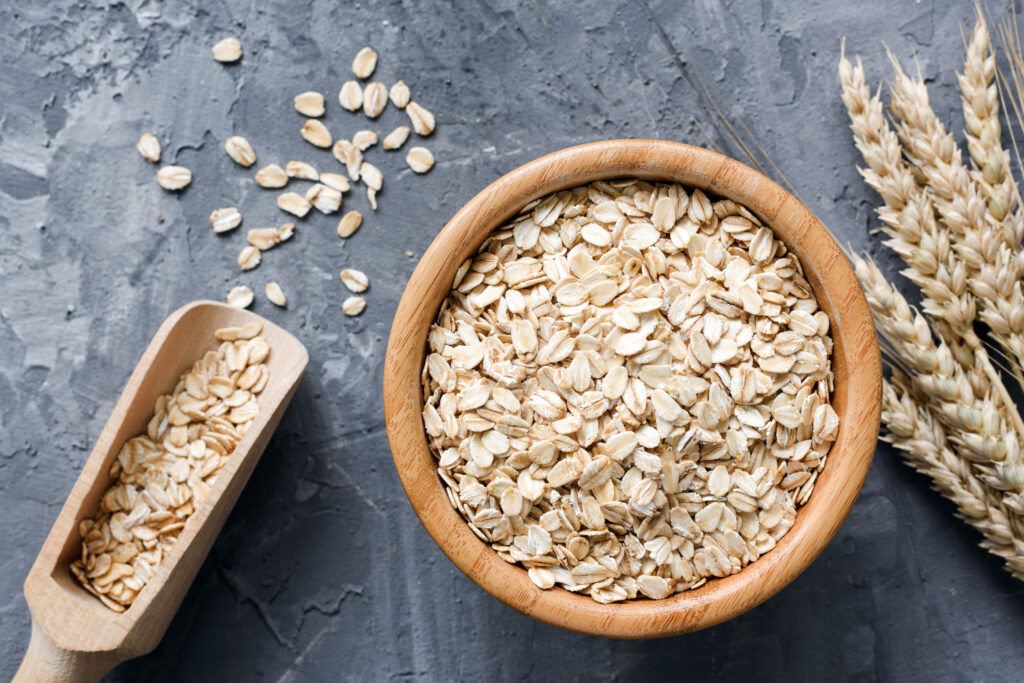
Oats are an affordable and nutritious option to start your day. They’re a great source of fiber, which helps keep you feeling full and supports digestive health. Oats can be used to make oatmeal, granola, or even baked goods like muffins and cookies. Their mild flavor also makes them a great base for smoothies or energy bars.
Oats are incredibly versatile and can be flavored with fruits, nuts, or seeds for added nutrients. They’re also a great option for meal prepping, as you can prepare overnight oats or bake a batch of granola to last all week. Buying oats in bulk is an excellent way to save money, and they have a long shelf life, making them a pantry essential. Whether you’re making a warm breakfast or a snack, oats are a healthy and budget-friendly choice.
Cabbage
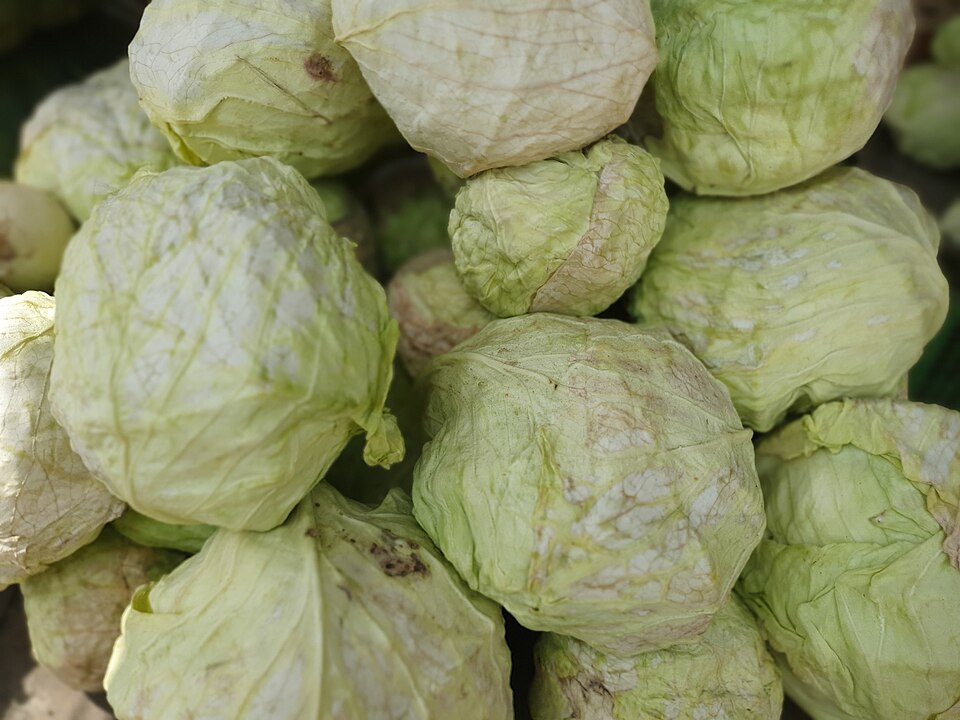
Cabbage is one of the most affordable vegetables, and it can be used in a variety of ways. It’s rich in vitamin C and fiber, which supports your immune system and digestive health. Cabbage can be eaten raw in salads, sautéed as a side dish, or used in soups and stews. It’s a great addition to stir-fries and wraps, offering crunch and flavor without costing much.
One head of cabbage goes a long way, making it an excellent vegetable to include in your weekly grocery list. It stores well in the fridge and can last for a couple of weeks, so you don’t have to worry about it going bad quickly. You can even make your own sauerkraut for a healthy fermented snack. With so many ways to prepare it, cabbage is a versatile, budget-friendly choice.
Bananas
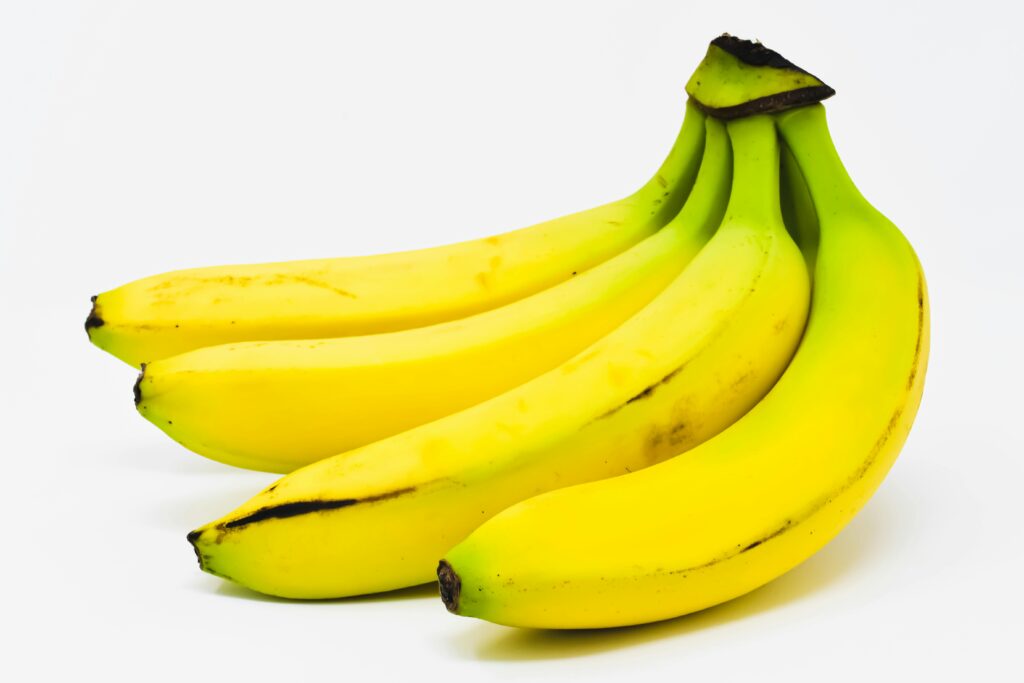
Bananas are a budget-friendly fruit that’s both satisfying and nutritious. They’re packed with potassium, which helps maintain healthy blood pressure levels. Bananas are great for snacking on the go, adding to smoothies, or slicing on top of oatmeal or yogurt. They’re naturally sweet and can satisfy your sugar cravings in a healthier way.
Not only are bananas affordable, but they also have a long shelf life, especially if you buy them slightly underripe. They ripen quickly, making them perfect for baking banana bread or freezing for smoothies. Bananas are also great for making homemade energy bars or mixing into pancake batters. They’re a must-have for anyone looking to eat healthy without spending much.
Frozen Berries
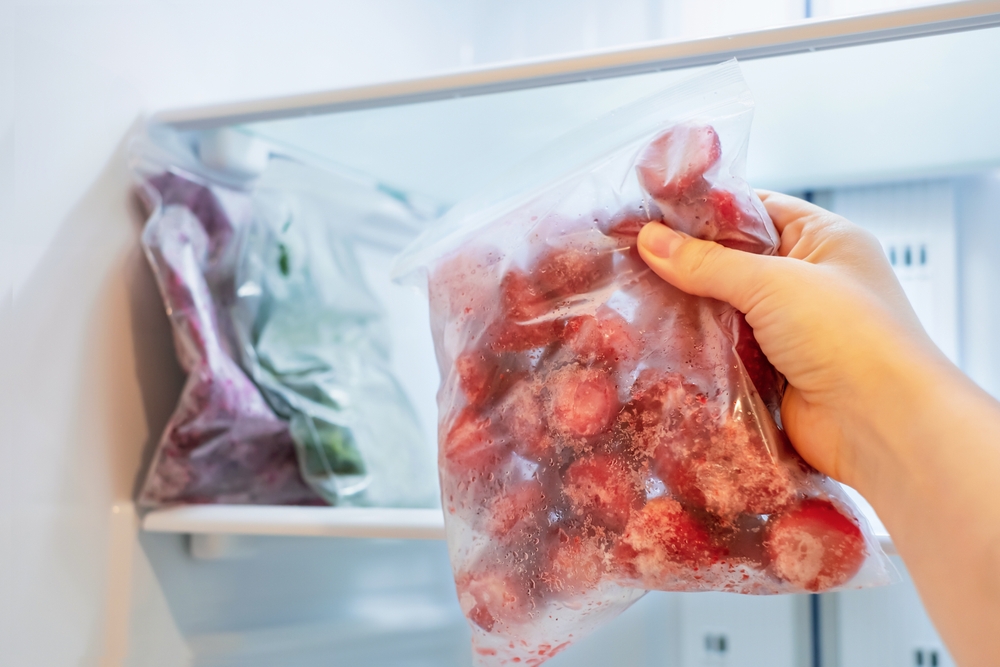
Frozen berries are a cost-effective way to enjoy the health benefits of fruit year-round. They’re packed with antioxidants and vitamins that support your immune system. Frozen berries are ideal for smoothies, baking, or as a topping for yogurt or oatmeal. They’re often more affordable than fresh berries, especially during the off-season, and can be stored for longer periods.
Frozen berries are versatile, adding a burst of flavor and color to many dishes. You can also use them in sauces, jams, or as a refreshing snack when paired with nuts. Since they’re already washed and ready to use, frozen berries save you time. Stocking up on these frozen fruits ensures you always have a nutritious snack on hand.
Chicken Thighs

Chicken thighs are a more affordable cut of meat compared to chicken breasts, but they’re just as flavorful. They’re rich in protein and healthy fats, making them a filling option for meals. Chicken thighs are perfect for grilling, baking, or slow-cooking in stews and casseroles. Their rich flavor and tender texture make them a great option for many dishes.
While chicken thighs tend to be a bit higher in fat compared to chicken breasts, they provide a satisfying and budget-friendly protein source. You can buy them bone-in and skin-on for even greater savings. They’re great for meal prepping and can be used in a variety of recipes. From chicken curry to roasted thighs, they’re a versatile and cost-effective meat option.
Tofu

Tofu is an affordable and healthy protein source that works well in a variety of dishes. It’s made from soybeans and is rich in plant-based protein, making it a great option for vegetarians and vegans. Tofu can be stir-fried, grilled, or added to soups and salads. Its mild flavor allows it to absorb the spices and sauces you cook it with, making it versatile in many cuisines.
Tofu is available in different textures, from soft to firm, allowing you to experiment with different cooking methods. It’s also an excellent source of calcium, which is essential for bone health. Tofu is a budget-friendly protein that can be used in breakfast scrambles, stir-fries, or even smoothies. Whether you’re trying to reduce meat consumption or just need an affordable protein, tofu is a great choice.
Spinach
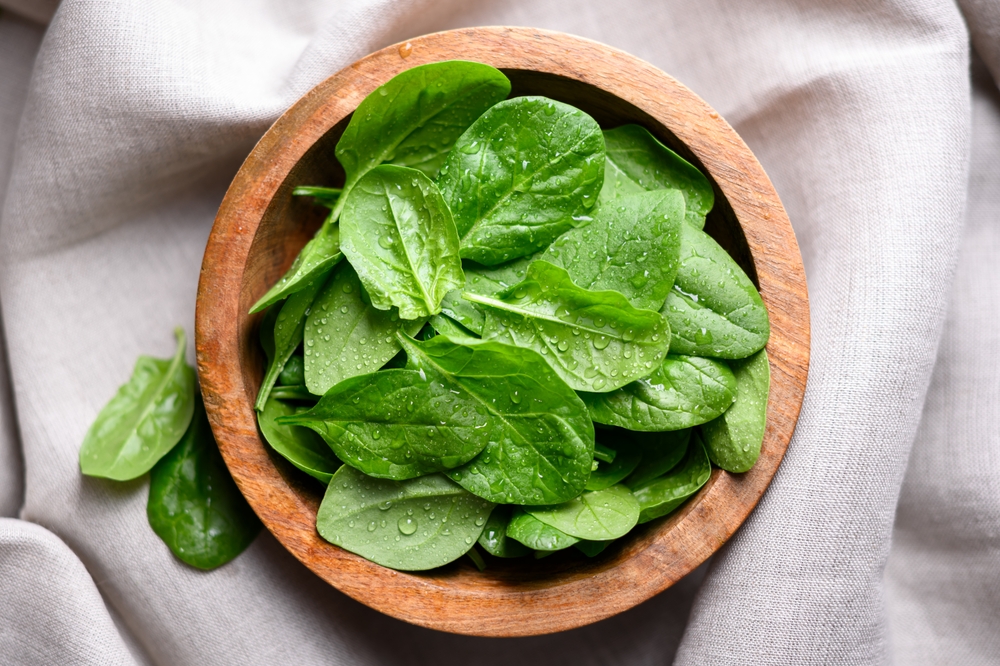
Spinach is a leafy green that’s loaded with vitamins and minerals. It’s rich in iron, which is important for energy and maintaining a healthy metabolism. Spinach can be eaten raw in salads, sautéed as a side dish, or blended into smoothies. It pairs well with almost any meal and adds nutrients without much cost.
Fresh spinach can wilt quickly, but frozen spinach is an excellent option to have on hand. Frozen spinach can be used in soups, stews, and casseroles, and it stores well for longer periods. Adding spinach to your meals is an easy way to increase your vegetable intake without breaking the bank. It’s a nutritious, low-cost vegetable that’s easy to incorporate into your week.
Apples
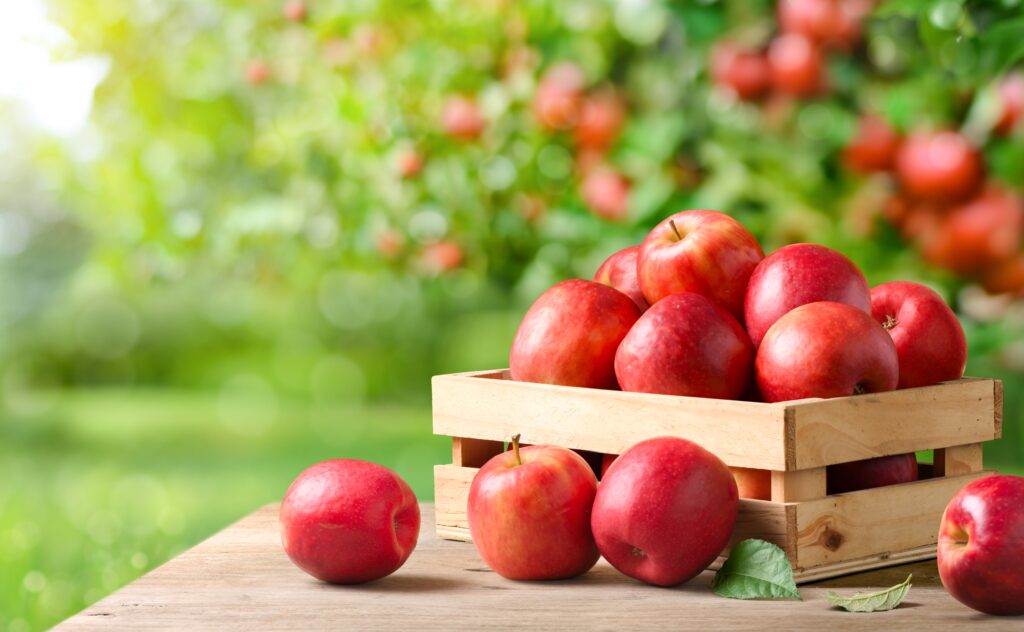
Apples are a nutritious and affordable fruit that can be enjoyed in many ways. They’re high in fiber, which helps with digestion, and they’re a good source of antioxidants. Apples can be eaten on their own, sliced in salads, or baked into pies and crisps. They’re a great option for snacking and are easy to pack in lunches.
Buying apples in bulk is often more affordable, and they can last for weeks in the fridge. Their natural sweetness and crunch make them a satisfying treat, and they can even be paired with nut butter for a filling snack. Apples also work well in smoothies or juices, giving you an extra dose of vitamins. With so many ways to enjoy them, apples are a must-have on a budget-friendly grocery list.
Yogurt

Yogurt is a budget-friendly dairy option that’s rich in protein and probiotics, which are great for digestive health. It can be enjoyed on its own, mixed into smoothies, or used as a topping for fruits and granola. Greek yogurt, in particular, is a good source of protein, making it an excellent snack or breakfast choice. It’s available in various fat levels and flavors, so there’s something for everyone.
Yogurt is often cheaper when bought in larger containers rather than individual cups. Look for plain yogurt to avoid added sugars, or opt for flavored varieties if you prefer something sweeter. Yogurt can be made into parfaits, dips, or used in baking. It’s a versatile ingredient that adds protein and creaminess to many dishes without costing much.
This article originally appeared on Avocadu.