
13 Rare Heirloom Apples with Flavors You Cannot Buy at Regular Stores
When it comes to apples, most of us are familiar with the common varieties you find in every supermarket. However, there is a world of rare heirloom apples out there, each with its own unique flavor profile that you simply cannot find in regular stores. These apples often have rich histories, growing in specific regions and passed down through generations. From crisp, tart bites to sweet, aromatic flavors, heirloom apples offer an entirely different experience than what you might be used to. They are perfect for anyone looking to explore new tastes or incorporate something special into their cooking. Many of these apples are hard to find and are often available only at farmers’ markets or from specialized growers.
This post may contain affiliate links, which helps keep this content free. Please read our disclosure for more info.
Gravenstein Apple
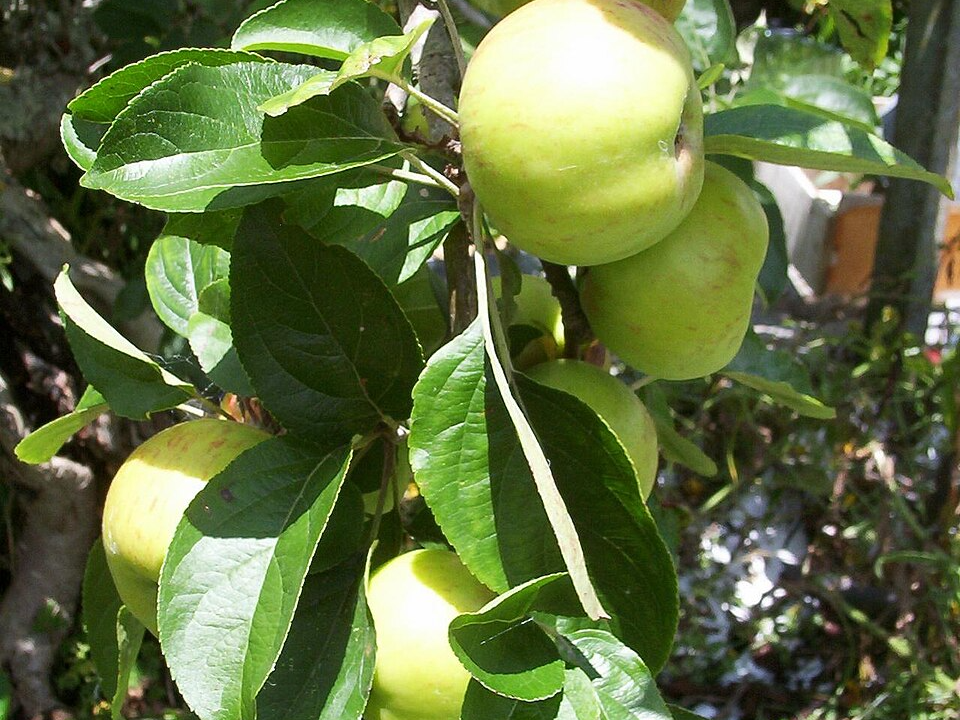
The Gravenstein apple is often regarded as a classic heirloom variety with a rich history that dates back to the 1600s. Known for its balanced sweet and tart flavor, this apple has a complex profile that is difficult to find in regular stores. It is juicy and fragrant, with a hint of honey, making it ideal for both eating fresh and using in cooking. The texture is crisp yet tender, perfect for pies and sauces.
Gravensteins are also valued for their short growing season, which contributes to their rarity. While they can be found in farmers’ markets, they are seldom available in chain stores. This apple thrives in coastal regions, adding to its limited availability outside specific areas.
Arkansas Black Apple
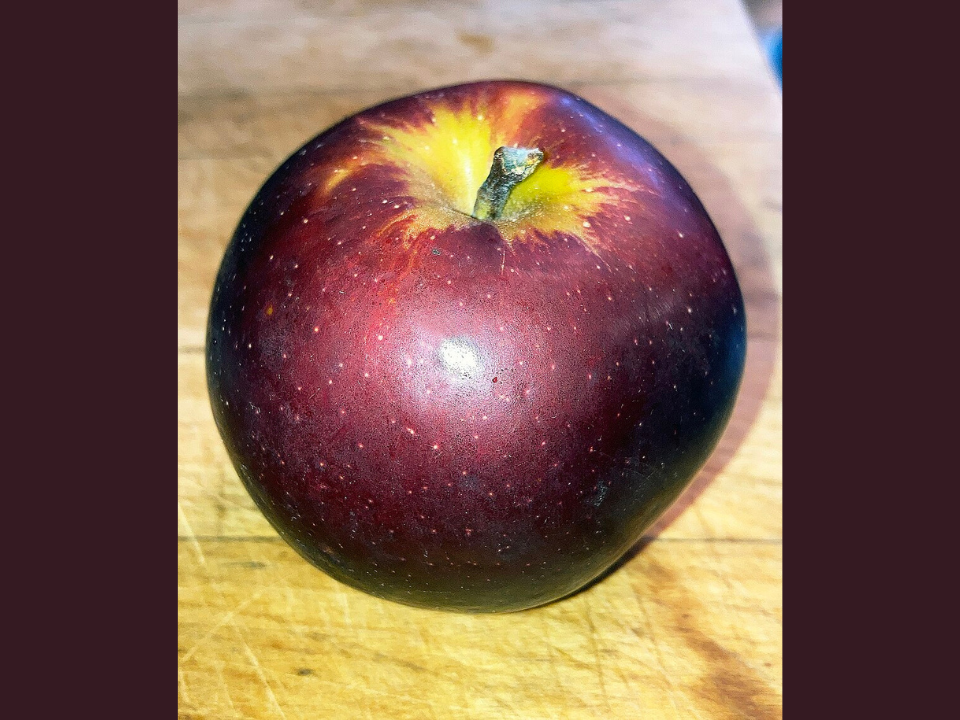
The Arkansas Black apple is a dark, almost black variety that is packed with flavor. It has a distinct, spicy taste with a sharp sweetness, making it a favorite among those who appreciate robust flavors. The flesh is firm and dense, with a fine texture that is excellent for storage. While the apple itself is hard and can be a bit tough when freshly picked, it mellows and becomes sweeter with age.
The Arkansas Black is often used in cider making due to its deep color and full-bodied flavor. Its origin dates back to the late 1800s in Arkansas, and it has remained a prized apple for heirloom collectors. This variety does not appear in standard grocery stores, making it a rare find.
Esopus Spitzenburg Apple
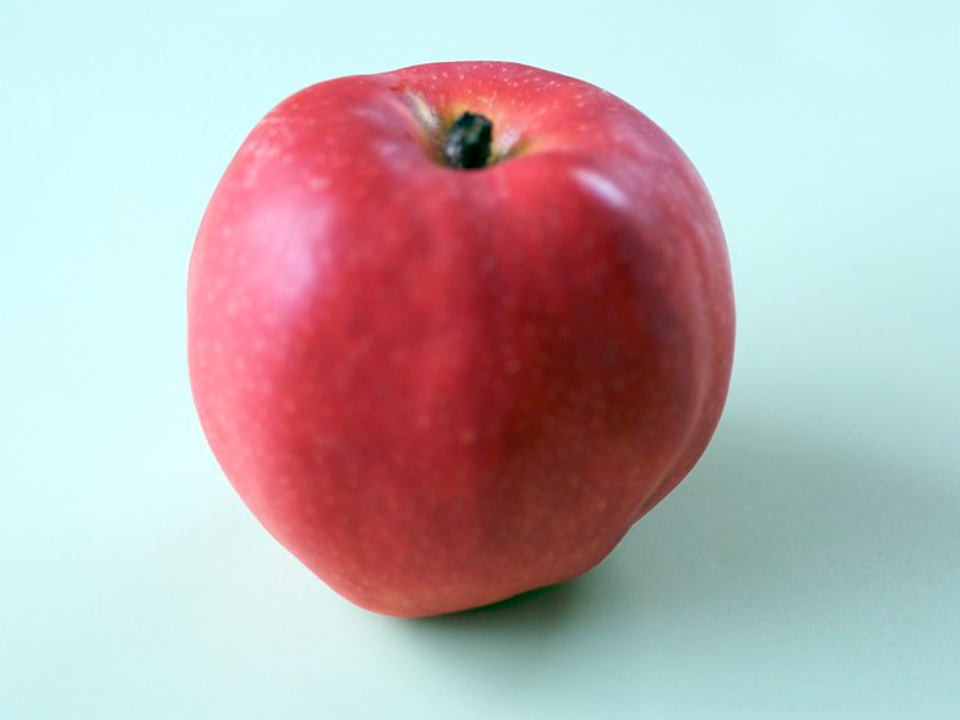
The Esopus Spitzenburg apple is a rare heirloom known for its exceptional flavor and historical significance. It is a complex apple, with both sweet and tangy notes that balance each other perfectly. The flesh is crisp, making it enjoyable to eat raw, but its flavor deepens when cooked into pies or sauces.
The Esopus Spitzenburg is highly aromatic, with a perfume-like scent that enhances its appeal. Its deep red color and slightly elongated shape give it a unique appearance compared to other apples. This variety was a favorite of Thomas Jefferson, who grew it at Monticello. Today, it remains a rare find, typically only available at specialized orchards or through direct sales.
Ashmead’s Kernel Apple
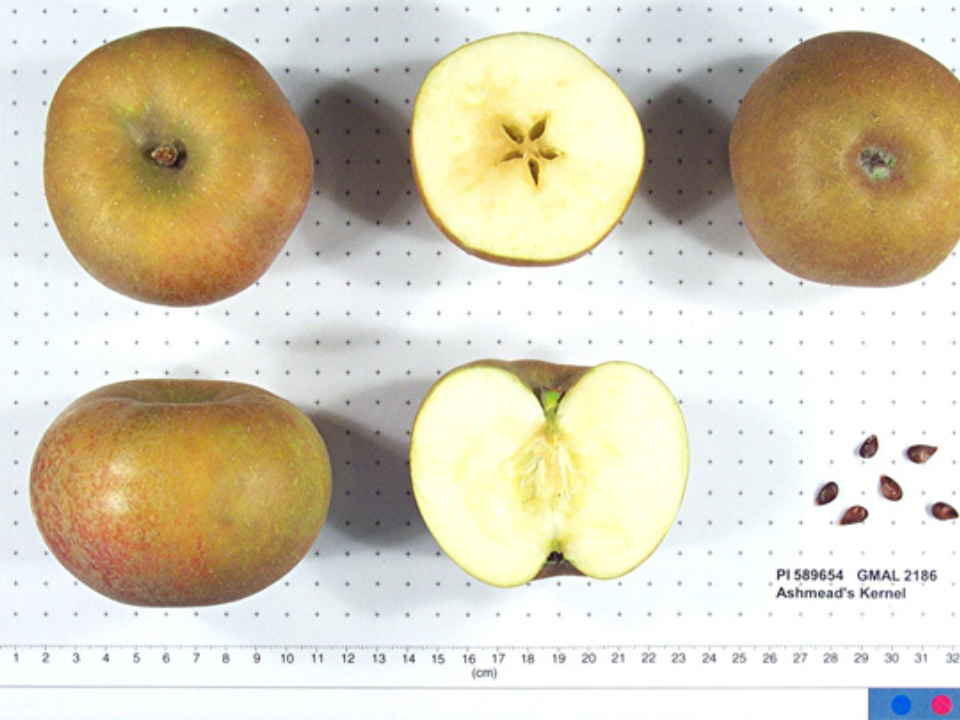
Ashmead’s Kernel apple is a highly regarded heirloom variety, prized for its complex flavor profile. It offers a balance of sweet, tart, and aromatic notes that make it stand out from more common apple varieties. The skin is russeted, and the flesh is firm and dense, with a crunchy texture that holds up well in pies and other baked goods.
This variety is known for its excellent keeping qualities, meaning it can be stored for months after harvest. Ashmead’s Kernel is believed to have originated in England in the 1700s, and it has remained relatively obscure in the U.S. due to its rarity. Finding this apple outside specialized growers or markets can be challenging.
Winesap Apple
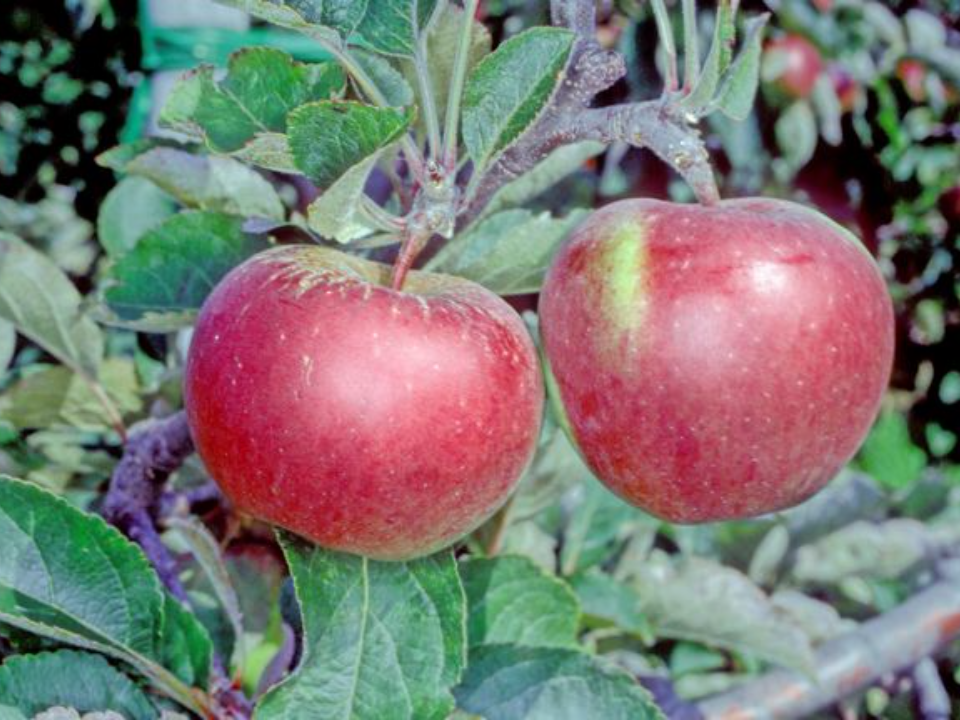
The Winesap apple is an old variety known for its tart, wine-like flavor. This apple has a rich, full-bodied taste with a hint of spice, making it a great choice for both eating fresh and using in cooking. The skin is dark red with some yellow and green streaks, while the flesh is crisp and firm.
Winesap apples are known for their long shelf life, and their flavor intensifies over time, especially when stored properly. This variety is not commonly found in grocery stores, as it is considered a specialty apple that is often only available at orchards or through direct farm sales. Despite its rarity, Winesap apples are beloved for their bold flavor and versatility.
Hudson’s Golden Gem Apple
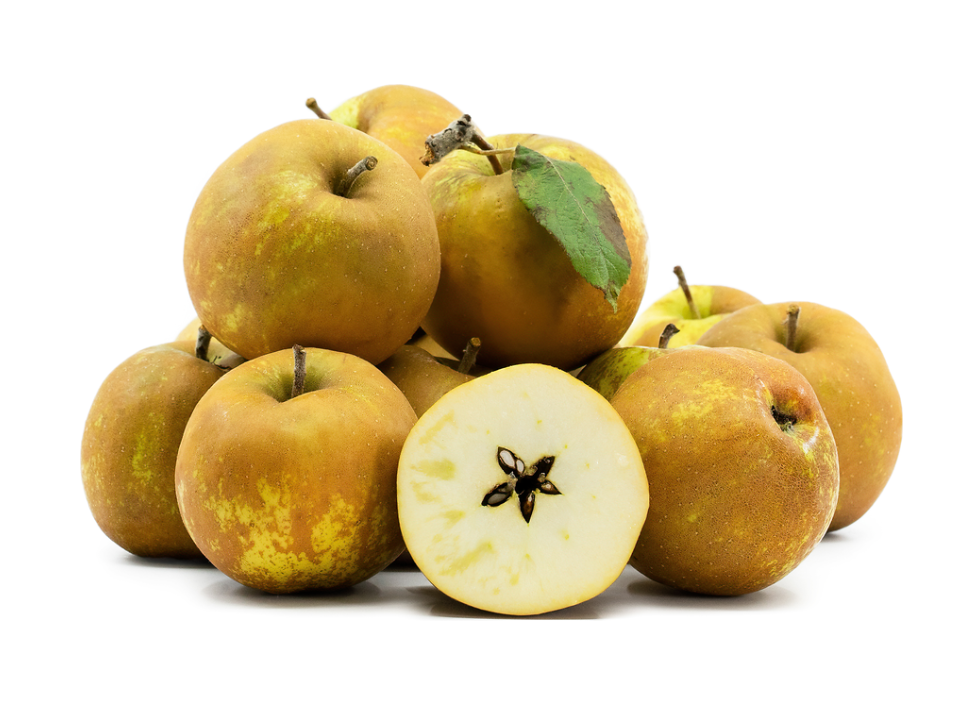
The Hudson’s Golden Gem apple is a small, russeted heirloom variety that is perfect for those who enjoy a sweet, honey-like flavor. Its texture is smooth, and it has a dense, creamy flesh that is a delight to eat fresh. The taste is sweet with subtle notes of pear and citrus, making it an excellent choice for snacking or using in salads.
It was developed in the Pacific Northwest in the late 1800s and has a relatively small growing region, contributing to its rarity. The Hudson’s Golden Gem is also used in cider making, where its sweet flavor shines through. Despite its exceptional taste, it remains hard to find in typical grocery stores.
Pippin Apple
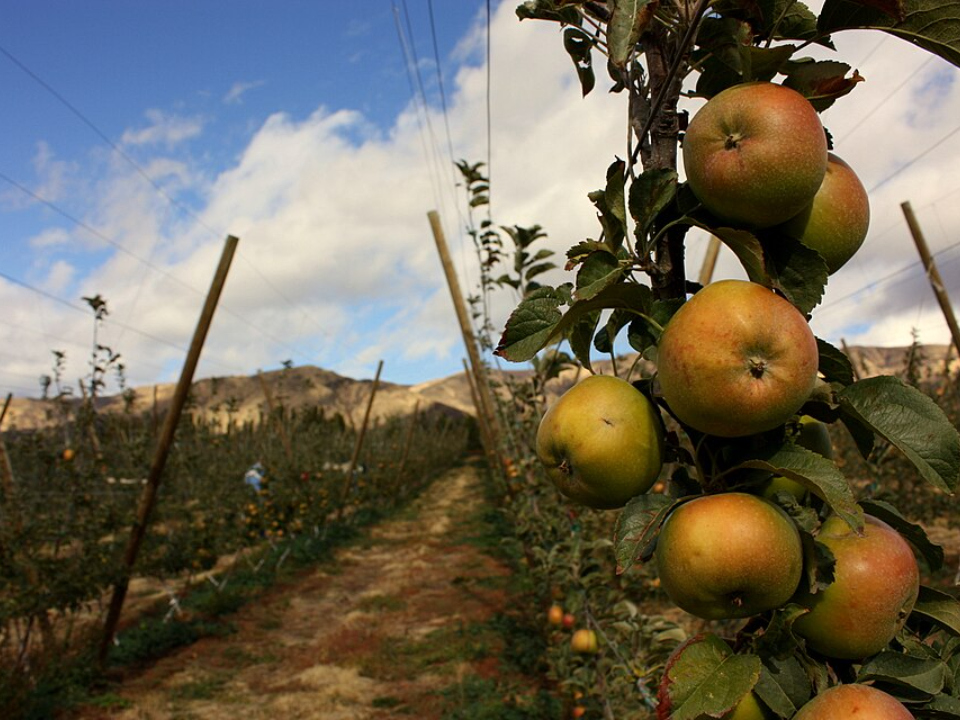
The Pippin apple, particularly the Newtown Pippin variety, is a historically significant heirloom that has been cultivated since the 1600s. This apple has a tart yet rich flavor with a complex depth that changes with the seasons. The flesh is crisp and firm, with a slightly gritty texture that is characteristic of the variety.
Pippin apples are often used in cooking and baking, where their tangy sweetness holds up well. This variety is known for its storage ability, lasting well into the winter months after harvest. Though once popular in the U.S., the Pippin has since become rare and is mostly available at specialized farms or apple festivals.
Winter Banana Apple
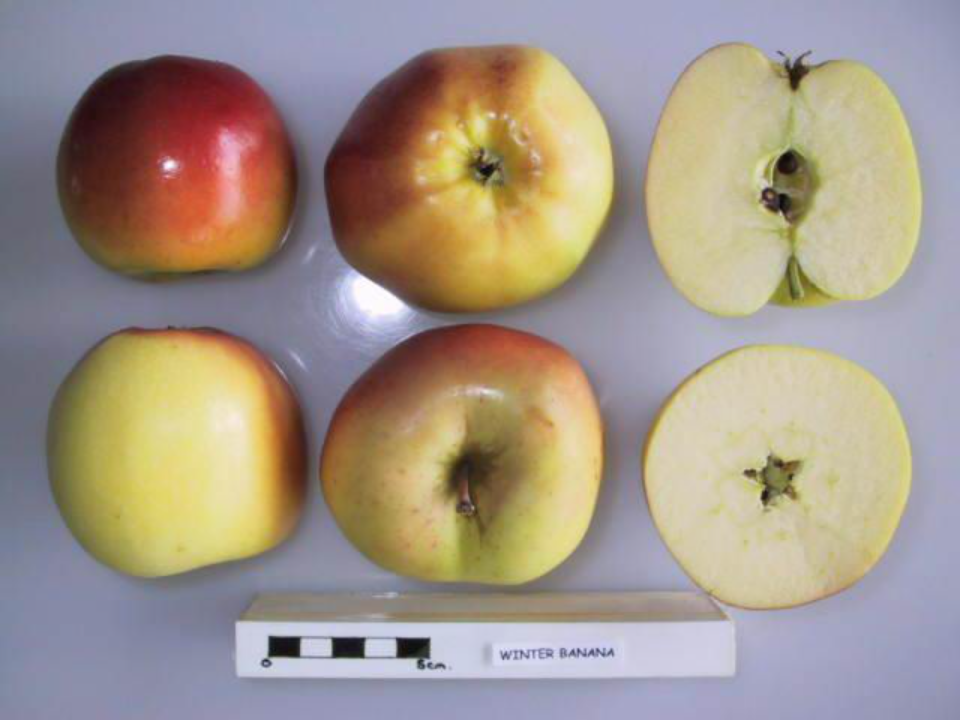
The Winter Banana apple is a unique heirloom variety that stands out for its flavor and appearance. It has a creamy yellow skin with a slight pink blush, giving it a distinct look compared to other apples. The flavor is mild yet sweet, with subtle hints of banana and citrus, making it an unusual choice for apple lovers.
Its texture is smooth and crisp, which makes it great for both fresh eating and baking. This variety is not commonly found in grocery stores and is usually only available through specialty growers or direct-to-consumer markets. Despite its limited availability, the Winter Banana apple is cherished by those who enjoy its light, refreshing taste.
Bramley Seedling Apple
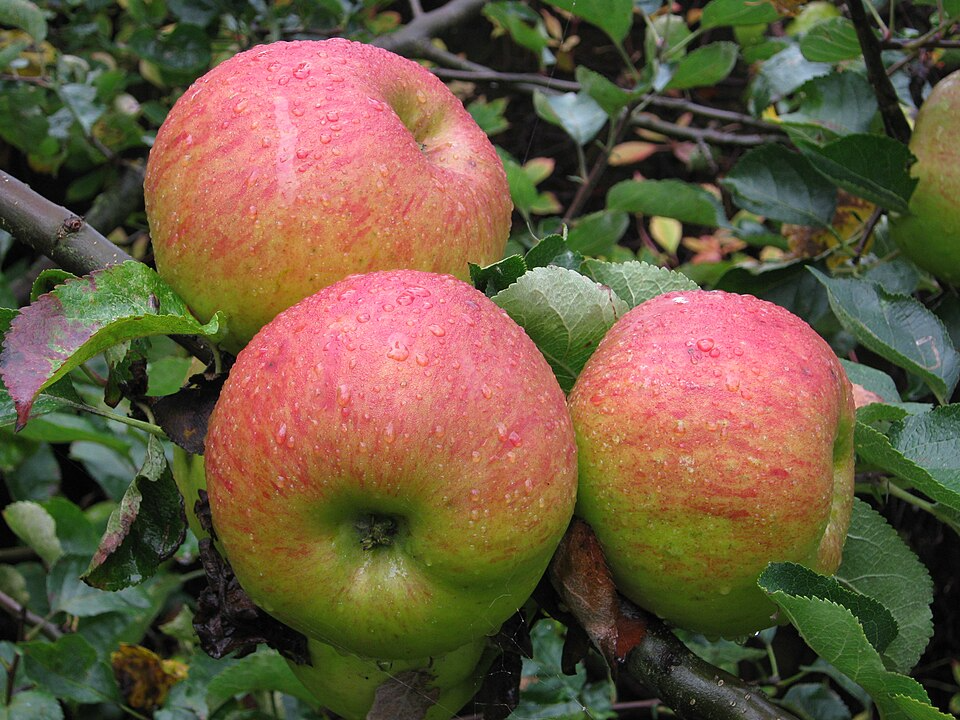
The Bramley Seedling apple is a large, green apple that is prized for its tartness, making it ideal for cooking and baking. It has a juicy, tangy flavor that holds up well in pies, crumbles, and sauces, where it contributes a nice balance of acidity. The flesh is soft and breaks down easily when cooked, which is perfect for making applesauce or apple butter.
Originating in England in the 1800s, the Bramley Seedling has been a staple in British kitchens for generations. However, it is rarely seen in grocery stores in the U.S. due to its limited growing areas. This apple remains a beloved variety for those who enjoy a strong, sharp apple flavor.
King David Apple
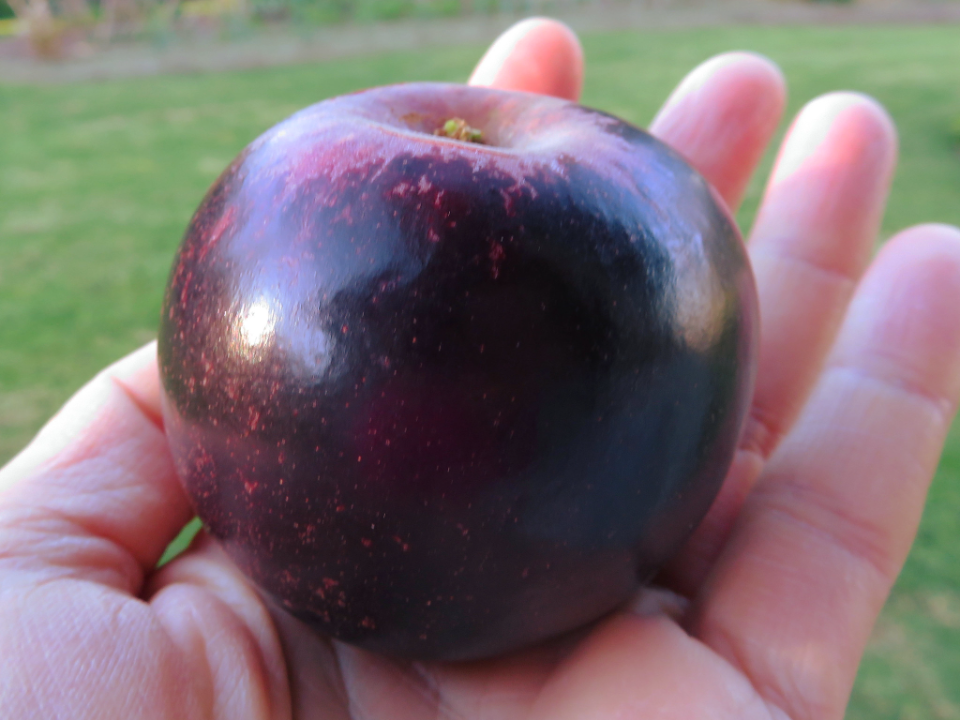
The King David apple is a unique heirloom variety known for its bright red skin and juicy, sweet flavor. The flavor is a balance of sweet and tart, with a slight touch of berry-like tang that sets it apart from other apples. The texture is firm and crisp, making it great for both eating raw and using in cooking.
This variety was developed in the early 1900s and is a cross between the Arkansas Black and the Jonathan apple. Due to its limited cultivation, it is not often found in supermarkets but can sometimes be found at local orchards or specialty markets. The King David apple is a rare treat for those who enjoy complex and bold apple flavors.
Baldwin Apple
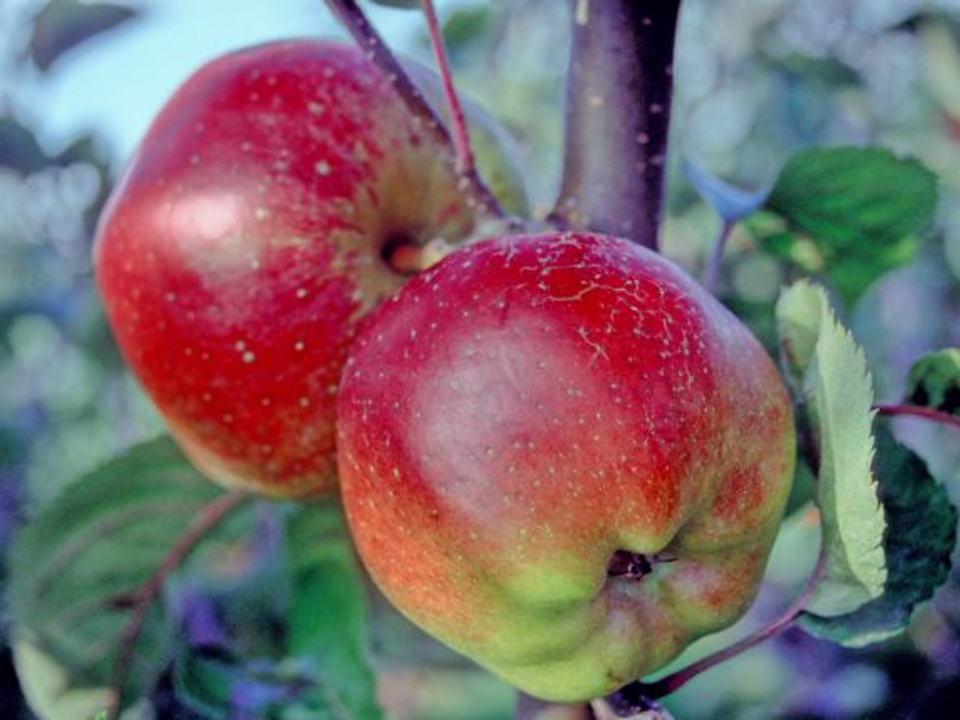
The Baldwin apple is an old variety known for its firm texture and perfect balance of sweet and tart flavors. This variety is particularly prized for its versatility in cooking, as it holds its shape well in pies, crisps, and sauces. The skin is typically red with hints of yellow, and the flesh is crisp with a slight acidity.
Baldwin apples were once a staple in New England but have become increasingly rare due to changes in agriculture and modern farming practices. Despite its scarcity, Baldwin apples are still treasured by heirloom apple enthusiasts who appreciate their robust flavor and high culinary value. This apple has a long storage life, making it ideal for use during the colder months. It is rarely found in mainstream grocery stores but can be sourced from heritage orchards.
Northern Spy Apple
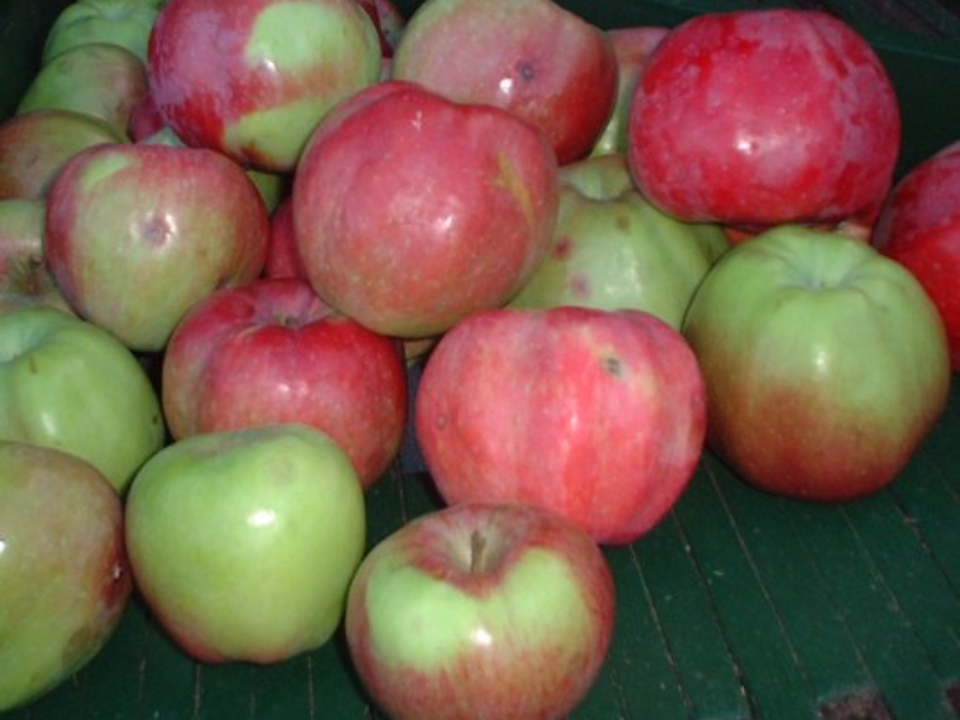
The Northern Spy apple is another popular heirloom known for its distinct tartness and firmness. It has a complex flavor profile with notes of tart citrus, making it a perfect apple for pies and baking. The flesh is dense and crisp, providing a satisfying bite, while the skin is a mix of red and green.
Northern Spy apples are often considered a traditional American apple variety, with a history dating back to the early 1800s. Its dense texture also makes it great for juicing and cider making, where its acidity helps to balance sweeter apple varieties. Though it was once a common apple, it is becoming harder to find in mainstream supermarkets, as it is now typically available only at specialty farms or orchards.
Jonathan Apple
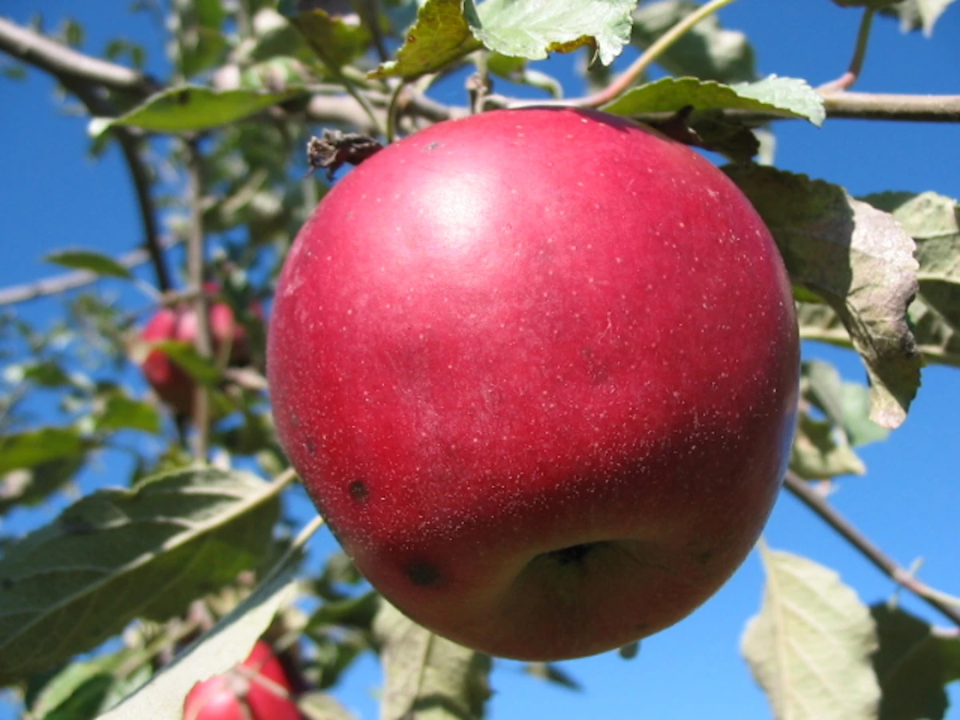
The Jonathan apple is a rare and flavorful heirloom variety with a crisp, tart taste that makes it perfect for both fresh eating and baking. It has a fine-grained texture that makes it incredibly juicy, offering a refreshing bite with every piece. This apple is prized for its excellent storage qualities, meaning it can be kept for months without losing its crispness.
Its rich, bright red skin and uniform appearance make it an attractive addition to any apple collection. While the Jonathan was once grown in large quantities, it has now become rare outside specialty orchards. It is often found only in farmers’ markets or directly from small apple growers.
This article originally appeared on Avocadu.