
14 Fruit Trees And Berry Bushes To Plant In February While They’re Dormant
Planting fruit trees and berry bushes in February is an effective way to prepare for a productive growing season. With the plants dormant, they are in a state of rest, allowing them to acclimate to their new surroundings. This month’s planting gives them time to root before they wake up in spring. As you plan your garden, think about the many benefits of adding these perennial plants. It’s a great way to start your growing season with healthy, well-established plants.
This post may contain affiliate links, which helps keep this content free. Please read our disclosure for more info.
Apple Trees
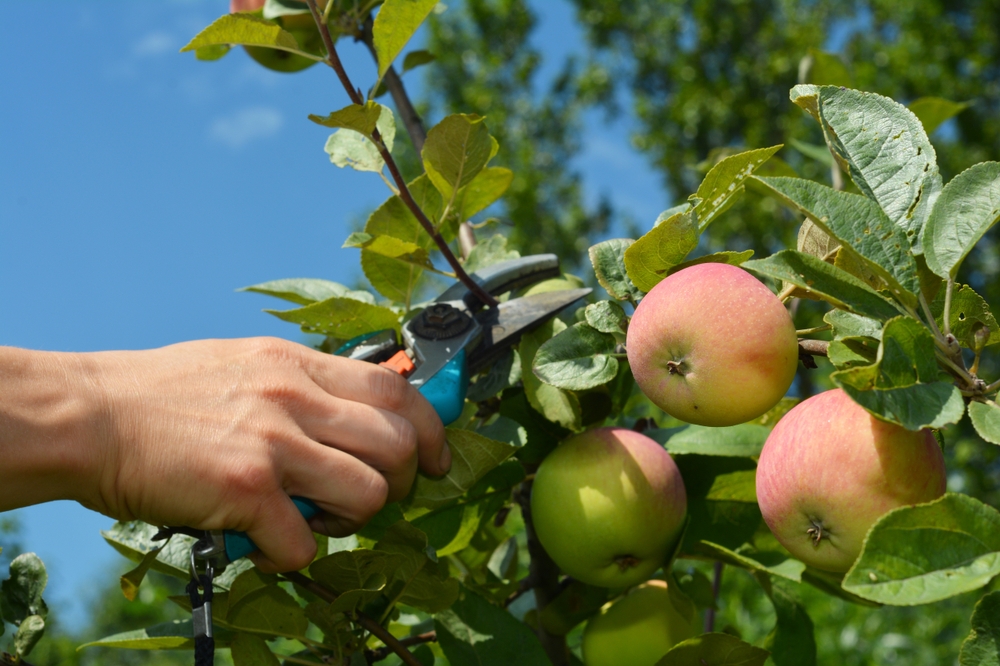
Apple trees are a favorite for many gardeners due to their variety and versatility. Planting them in February allows the roots to settle into the cool soil, which helps them establish strong roots before the growing season. Apple trees need well-drained soil, so make sure to pick a spot that provides good drainage. Depending on the variety, apple trees can take up to five years to start producing fruit, but once they do, they can yield a bountiful harvest for years to come.
When planting apple trees, it’s essential to consider the pollination process. Most apple trees require a second variety for cross-pollination to produce fruit. Choose a compatible variety nearby to ensure successful pollination. If you’re looking to get a jumpstart on your garden this year, February planting gives the tree time to settle in before spring and can result in healthier growth in the long term.
Pear Trees
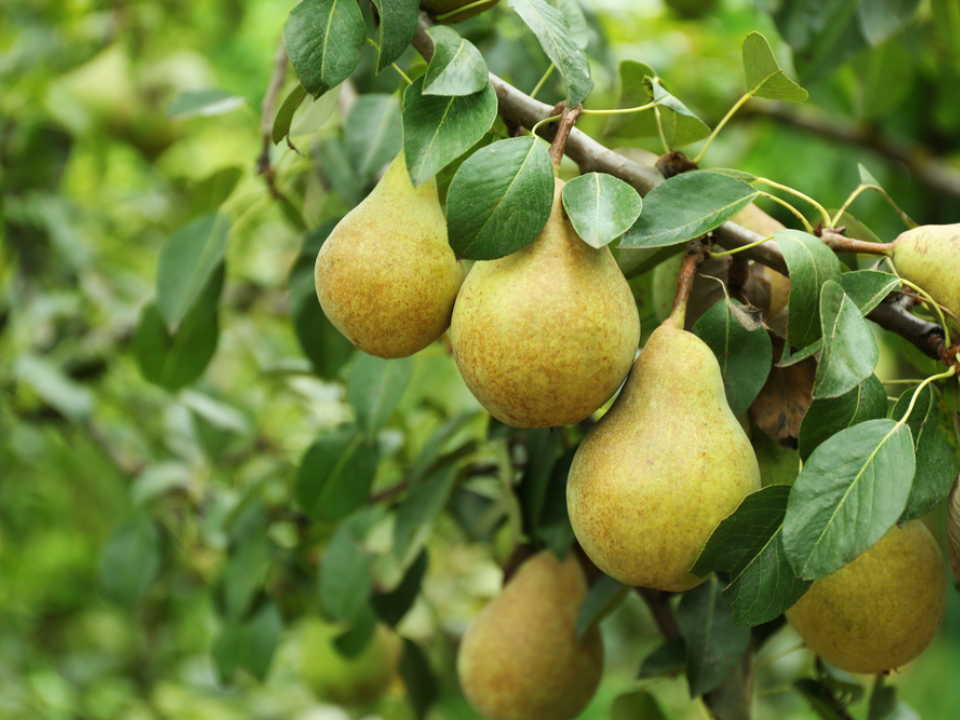
Pear trees are another excellent choice to plant in February. Like apple trees, they need well-drained soil and plenty of sunlight to thrive. Planting pears while they are dormant helps them develop strong roots, making them more resilient in the coming growing seasons. Pear trees tend to grow quickly and can provide fruit within a few years of planting.
As with apple trees, pear trees also require cross-pollination, so it’s best to plant two compatible varieties close together. Consider varieties like Bartlett or Bosc for great fruit production. When cared for properly, pear trees can produce large, juicy fruits that are perfect for eating fresh or making preserves. They are a great addition to any home orchard, especially if you are looking to enjoy homegrown pears in a few years.
Cherry Trees
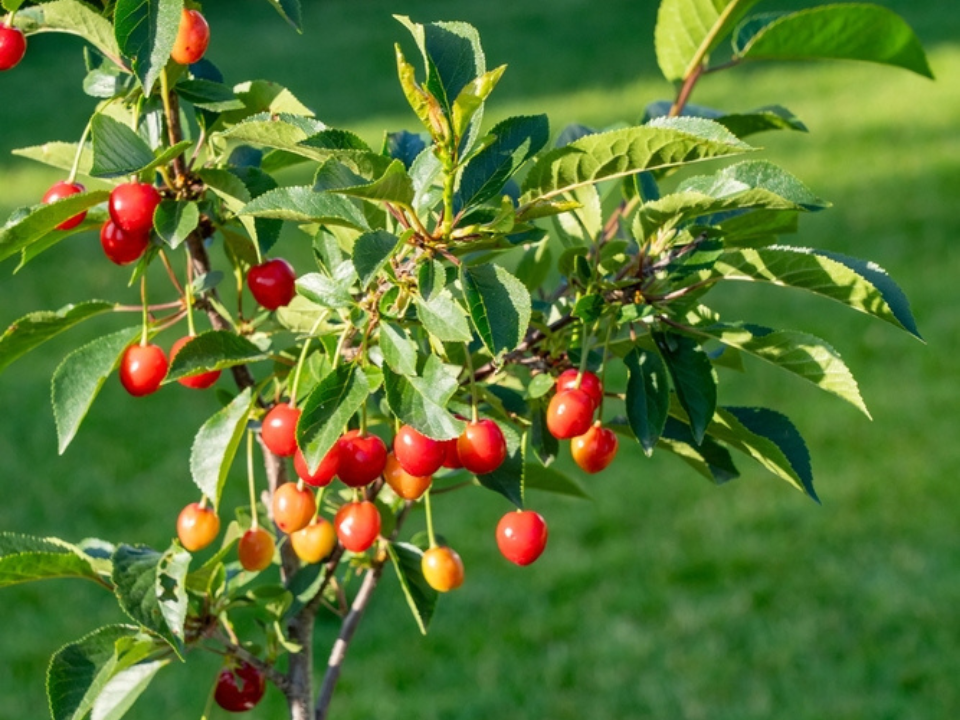
Cherry trees bring beauty to your garden with their stunning blossoms and delicious fruit. These trees can thrive in a variety of climates, but they do best in slightly acidic, well-drained soils. When planted in February, cherry trees have enough time to establish strong roots before the growing season kicks in. While cherry trees can produce fruit as early as three years after planting, it may take a little longer for a larger harvest.
You’ll need to choose between sweet and tart cherry varieties, depending on your preference. Sweet cherries, such as Bing or Rainier, are great for fresh eating, while tart varieties like Montmorency are perfect for baking. Keep in mind that many cherry trees require a second tree for pollination. Planting them now can help ensure they’re well-established by the time their beautiful blossoms begin to emerge.
Plum Trees
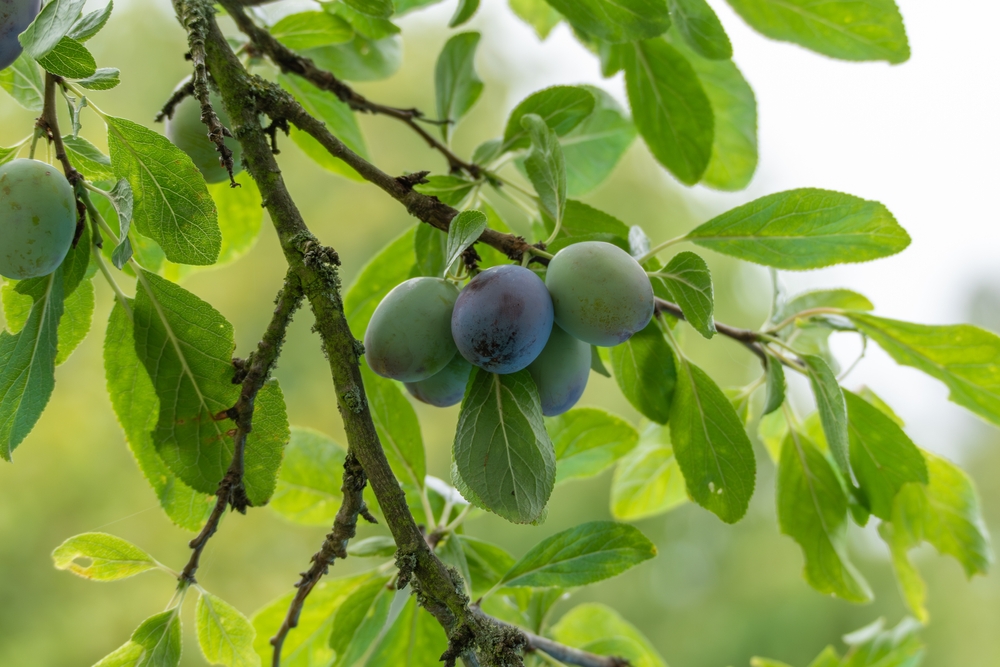
Plum trees are hardy, easy to grow, and produce delicious fruit. They prefer well-drained soil with plenty of sunlight and benefit from planting while dormant in February. With proper care, plums will start bearing fruit within 3-6 years of planting. When the fruit matures, it can be eaten fresh, used for preserves, or made into jams and sauces.
Like other fruit trees, plums often require cross-pollination, so planting two compatible varieties will lead to a more successful harvest. Varieties like Stanley and Methley are great options for home orchards. Plums do best in temperate climates, so they’re ideal for gardeners in areas with mild winters. By planting in February, your plum tree will have time to take root and start strong once the growing season arrives.
Peach Trees
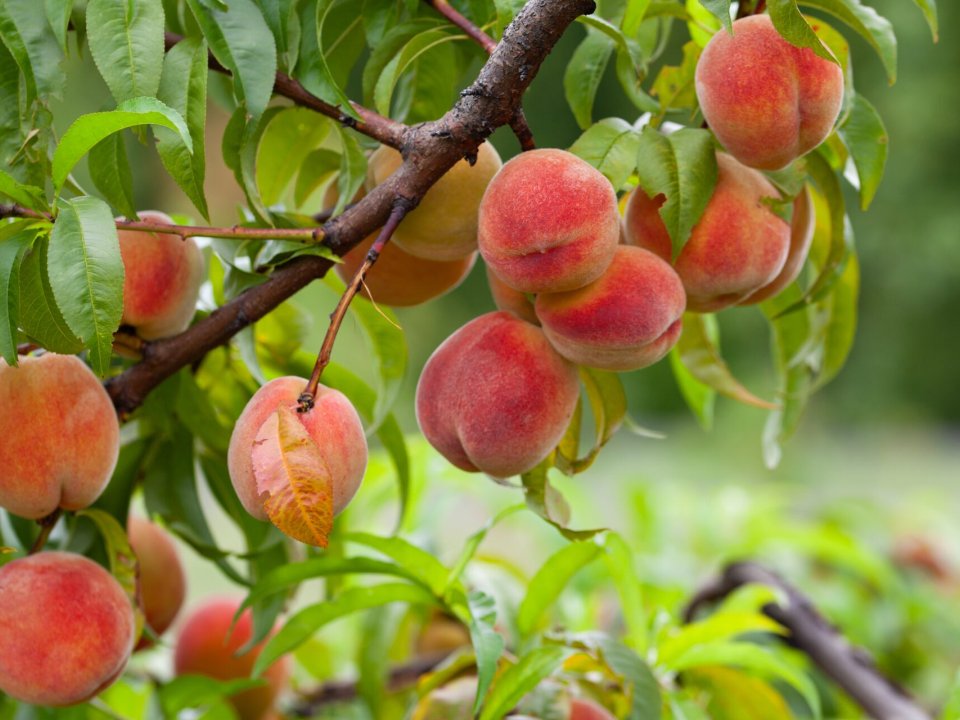
Peach trees are perfect for gardeners who want a bountiful fruit harvest in the summer. These trees thrive in well-drained soil with full sun, making them a great addition to any backyard. Planting peach trees in February allows the tree to establish roots before it begins actively growing in spring. Once they mature, peach trees provide sweet, juicy fruits perfect for fresh eating or baking.
Peach trees typically start producing fruit in 3-4 years, with a small harvest at first that increases as the tree matures. You can choose from freestone or clingstone varieties depending on your preference. Just be sure to check for any local frost risks, as peach blossoms can be sensitive to late-season frosts. Planting them in February gives them a better chance of surviving any cold snaps while establishing a good root system.
Fig Trees
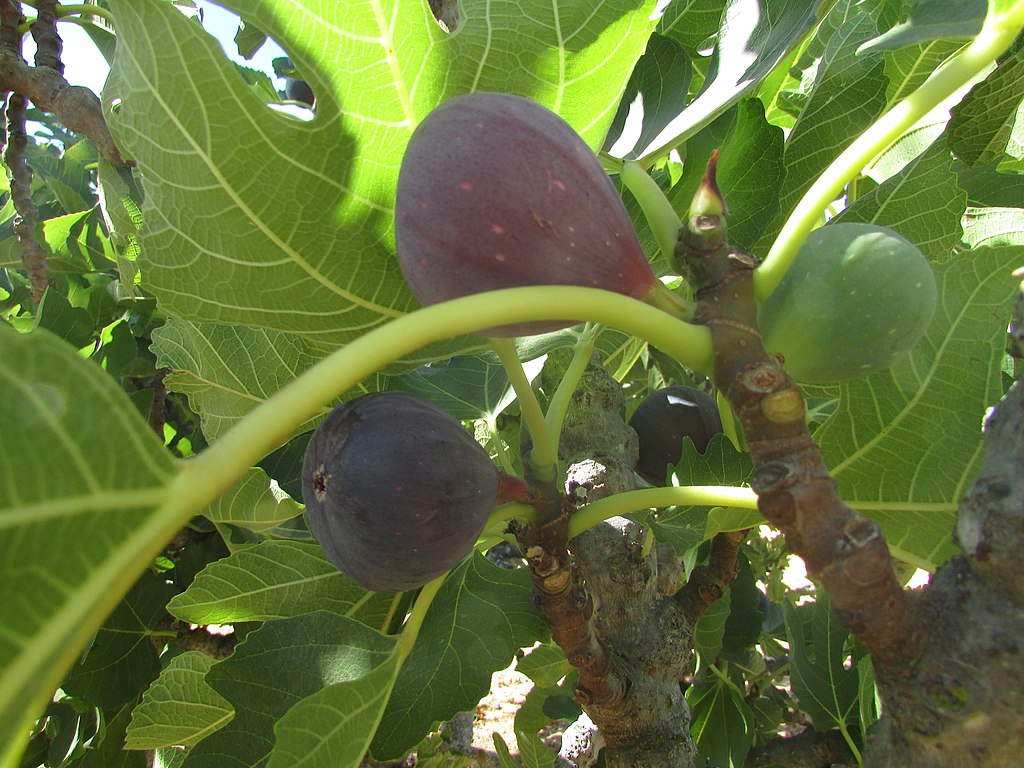
Fig trees are an excellent choice for gardeners in warmer climates. These trees thrive in full sunlight and prefer well-drained, slightly acidic soil. Planting fig trees in February while they are dormant gives them a head start on the growing season, allowing them to establish a strong root system. Figs are sweet, delicious fruits that can be eaten fresh or used in cooking and baking.
Figs typically bear fruit in 2-3 years, with the potential for multiple harvests each year. The tree is hardy and relatively low-maintenance, requiring only occasional pruning to maintain its shape. Fig trees do best in temperate climates but can also be grown in containers for colder regions. By planting in February, you ensure the tree is ready to thrive as the warmer weather arrives.
Apricot Trees
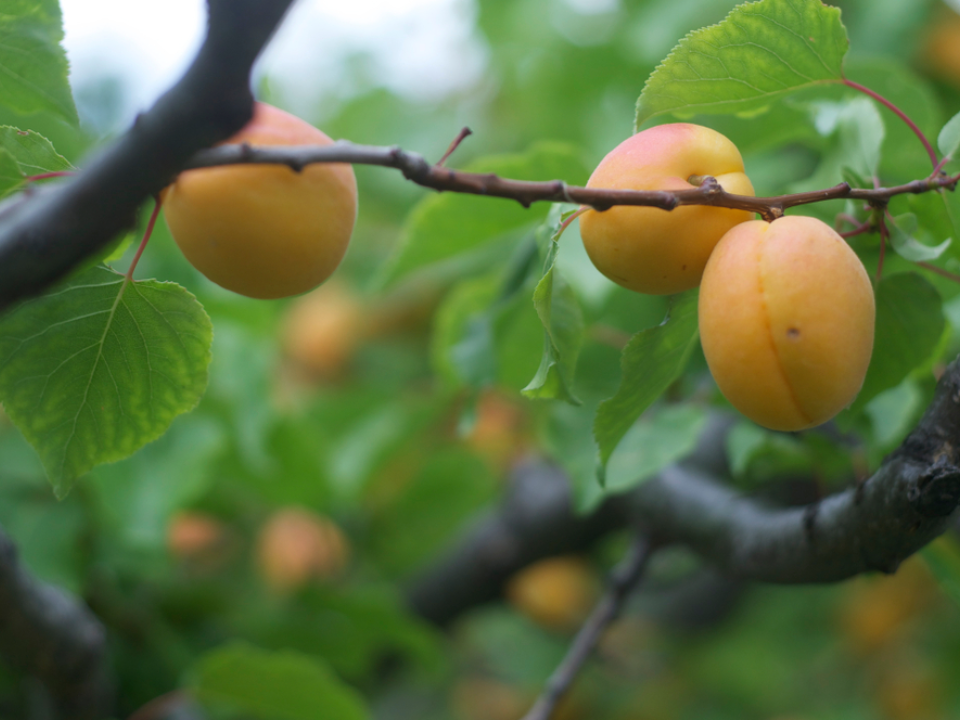
Apricot trees thrive in warm, sunny climates and are a great addition to any fruit garden. These trees grow best in well-drained soil with plenty of sunlight. When planted in February, apricot trees can establish their roots before the warmer months, giving them a strong foundation for growth. Once mature, apricot trees can produce sweet, flavorful fruit that is perfect for fresh eating or baking.
Apricot trees generally start producing fruit in 3-4 years, but the wait is well worth it. These trees need to be pruned regularly to keep them healthy and productive. Apricots are delicate fruits, so harvesting them at just the right time is key to enjoying their sweet flavor. Planting in February ensures the tree is strong and ready to thrive when spring arrives.
Mulberry Trees
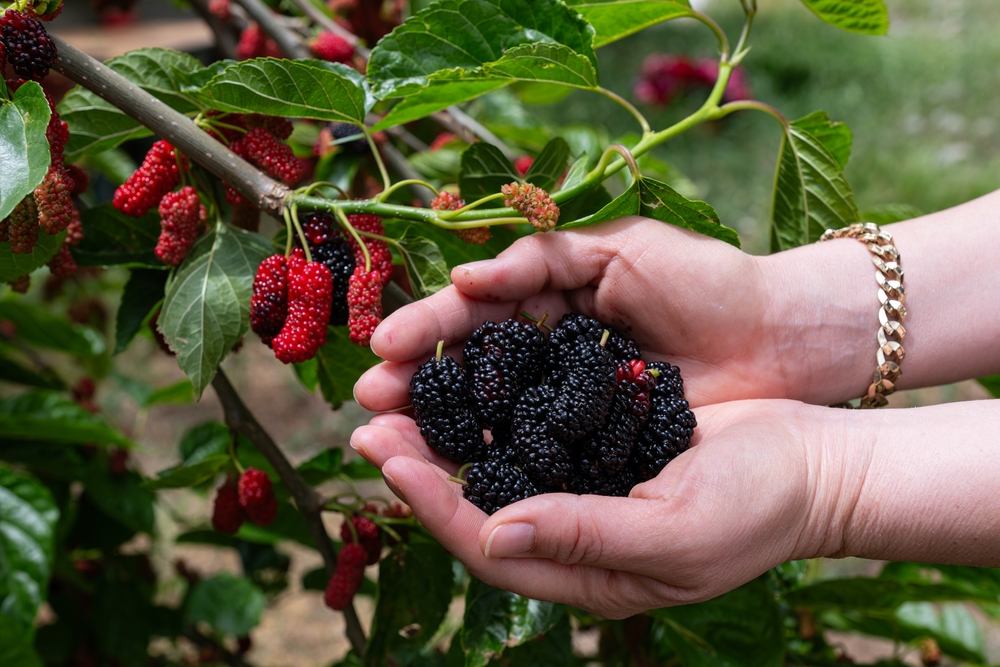
Mulberry trees are a great choice for gardeners looking to add a unique fruit tree to their collection. These trees thrive in full sun and well-drained soil, and they can grow in a variety of climates. Mulberries are sweet, dark fruits that can be eaten fresh, dried, or used in cooking. When planted in February, mulberry trees can establish strong roots and get a head start before the growing season begins.
Mulberry trees are fast-growing and can begin producing fruit in 3-4 years. They require minimal care once established, and their leaves also serve as food for silkworms. The fruit is harvested when ripe, and it can be eaten fresh or used in pies, jams, or smoothies. Mulberry trees are hardy and make an excellent addition to any backyard orchard.
Pomegranate Trees
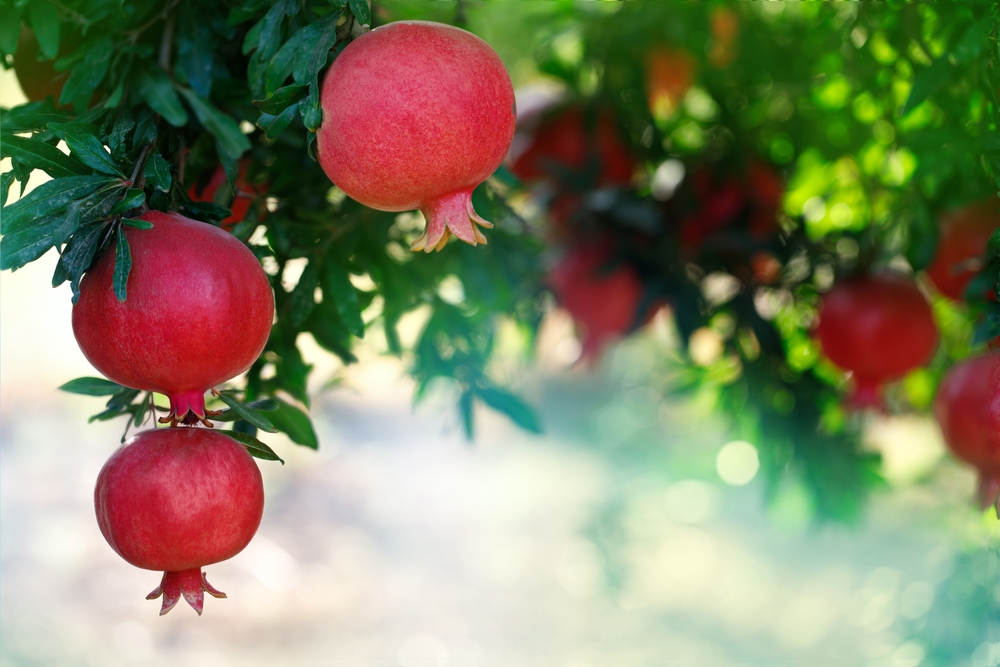
Pomegranate trees are perfect for gardeners in warmer climates who want a unique and beautiful fruit tree. These trees thrive in full sun and well-drained soil, and they can tolerate drought once established. Pomegranates are known for their tart, juicy seeds, which can be eaten fresh or used in cooking and juicing. Planting pomegranate trees in February ensures they have enough time to settle in before the growing season begins.
Pomegranate trees typically start producing fruit in 3-4 years, with a full harvest coming after several years of growth. The tree is relatively low-maintenance but benefits from occasional pruning to encourage healthy growth. Pomegranates are rich in antioxidants and can be used in a variety of recipes. Planting them in February gives them a good foundation for long-term growth.
Elderberry Bushes
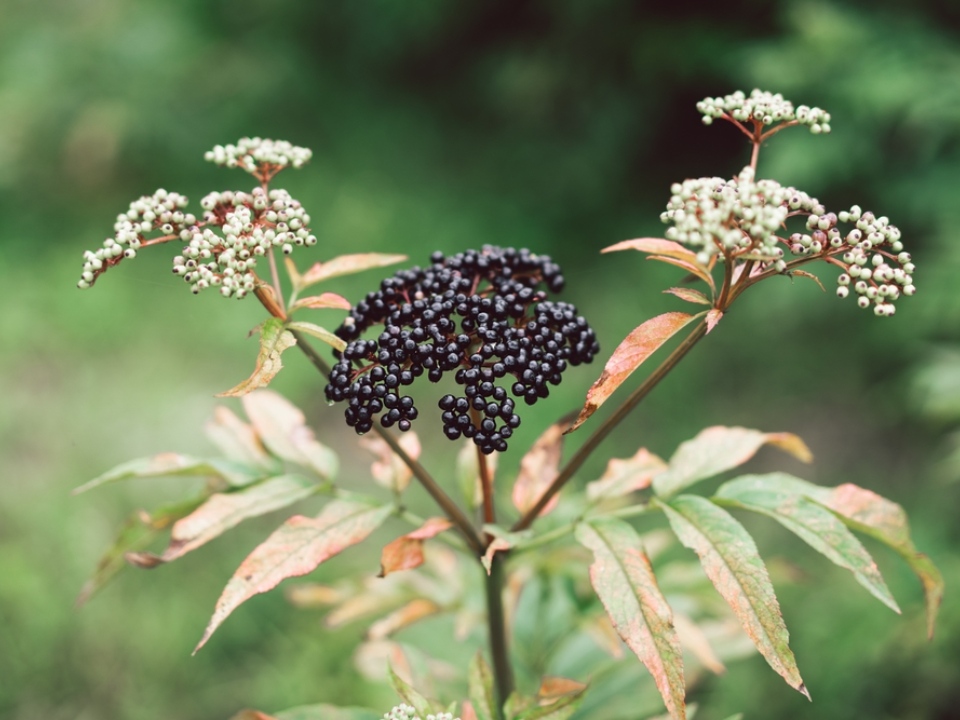
Elderberry bushes are easy to grow and provide a variety of health benefits. These bushes thrive in well-drained, fertile soil and can tolerate some shade. Planting elderberries in February allows the roots to establish before spring, ensuring that the bush can produce plenty of fruit once the weather warms. Elderberries are known for their high antioxidant content and are often used in syrups, jams, and wines.
Elderberries typically take 2-3 years to start producing fruit, but once they do, they can yield large amounts each year. The berries are small and dark, and while they’re not typically eaten raw due to their tartness, they make excellent additions to recipes. Elderberry bushes are also attractive, with creamy white flowers in spring and dark purple berries in summer. Consider adding them to your garden for both their beauty and health benefits.
Blueberry Bushes
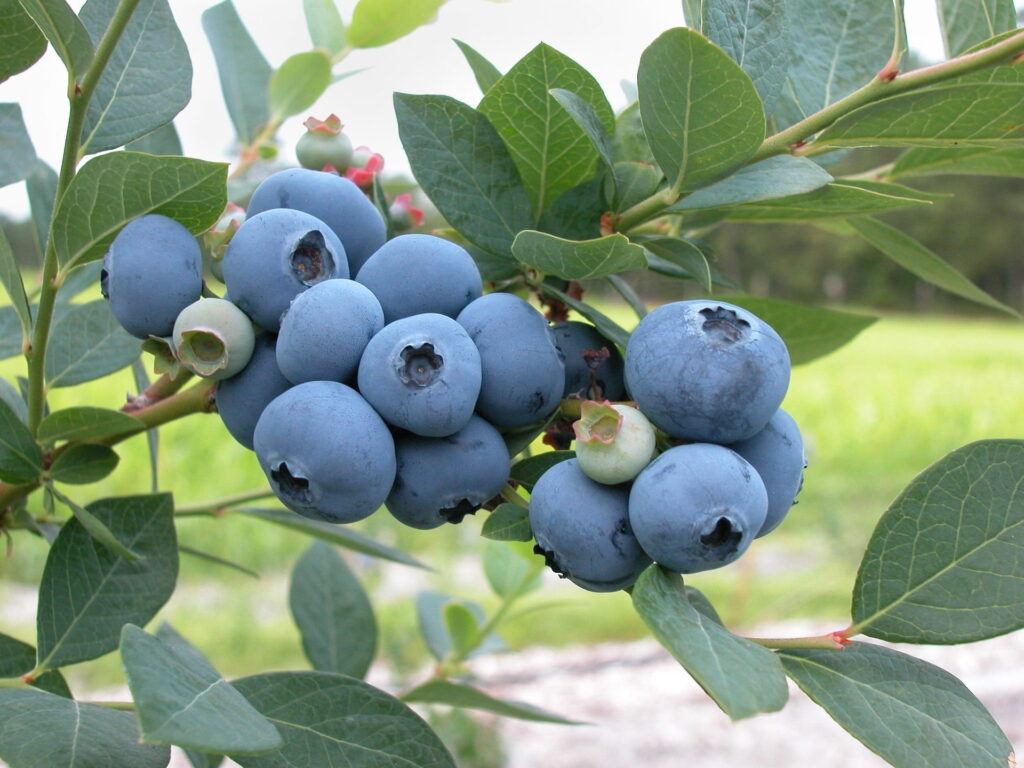
Blueberry bushes are not only delicious but also easy to grow. They thrive in acidic, well-drained soil, and they benefit from being planted while dormant in February. Blueberries typically take a few years to start producing fruit, but once they do, they can produce abundant berries each season. They also offer the added benefit of being relatively low-maintenance, making them a great option for beginner gardeners.
Blueberry bushes require a few specific growing conditions. They need at least six hours of direct sunlight a day and regular watering, especially during dry spells. Some varieties require another bush nearby for cross-pollination, so planting at least two varieties is ideal. By planting in February, the bushes can establish strong roots before the growing season, resulting in healthier growth and a more productive harvest.
Raspberry Bushes
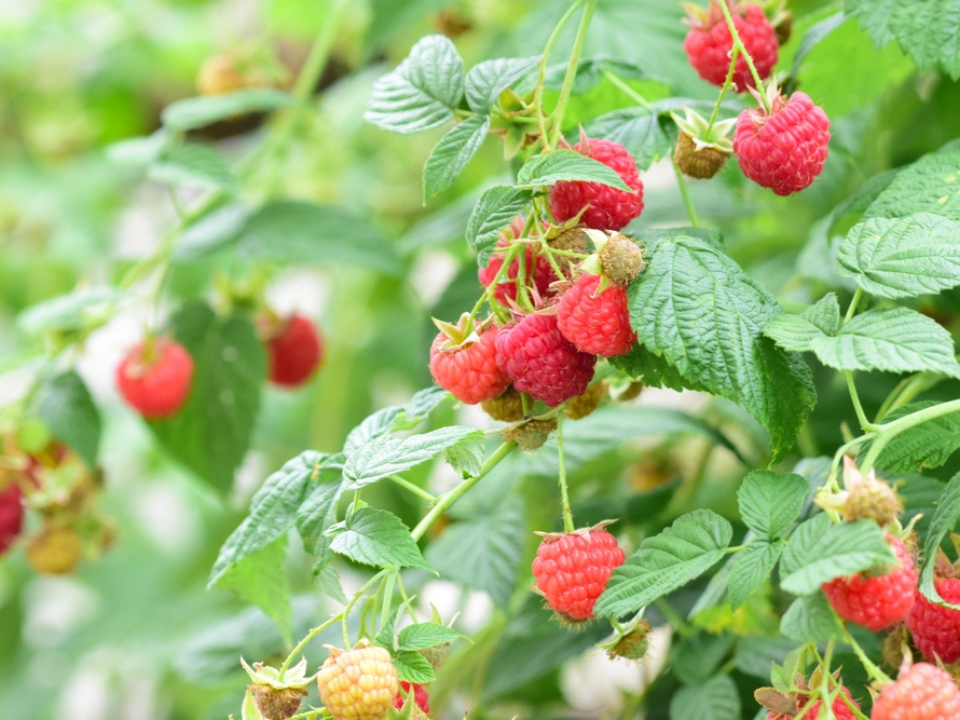
Raspberry bushes are a popular choice for gardeners who want a quick-growing fruiting plant. These bushes thrive in well-drained, slightly acidic soil and require full sunlight to produce the best fruit. When planted in February, raspberries have enough time to establish their roots and prepare for a strong growing season. Raspberries typically bear fruit within 1-2 years, making them an excellent choice for those looking for a relatively fast harvest.
There are two main types of raspberry bushes, which are the summer-bearing and ever-bearing. Summer-bearing raspberries produce one large crop each year, while ever-bearing varieties produce fruit twice a year. By planting them now, you give them a head start on the growing season, allowing for a more robust crop come summer. Raspberries can be used for eating fresh, in smoothies, or made into jams and jellies.
Blackberry Bushes
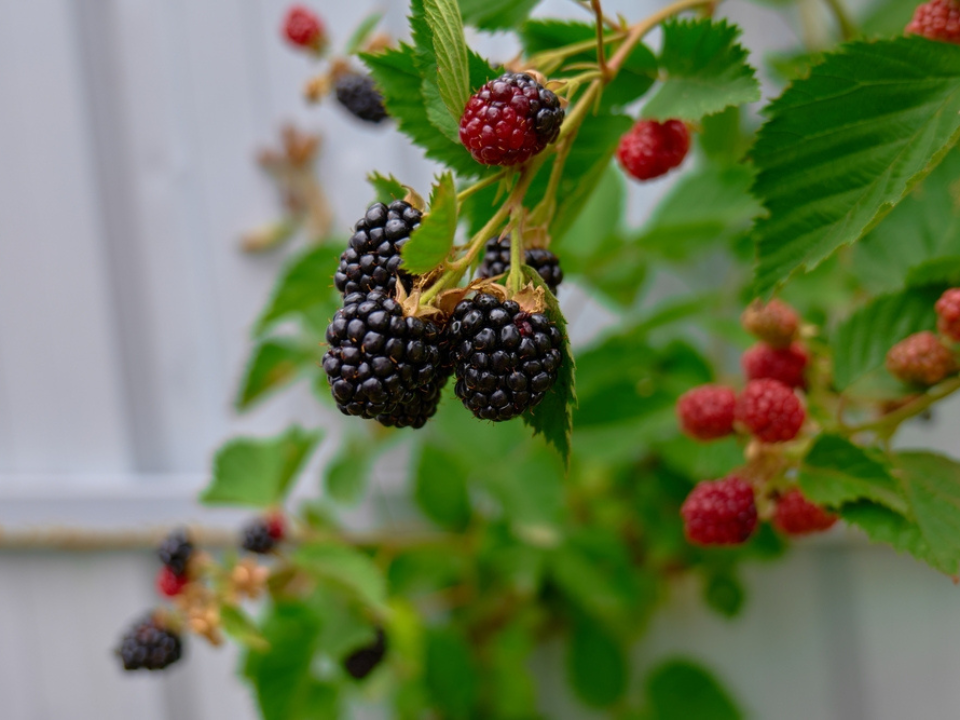
Blackberry bushes are another excellent choice for planting in February. They thrive in well-drained soil and full sunlight, making them a perfect addition to any garden. When planted while dormant, blackberry bushes have time to establish roots before the growing season begins. They are relatively low-maintenance but can produce large, sweet fruits with minimal effort once established.
Blackberries tend to bear fruit within 2-3 years of planting, depending on the variety. Choose from trailing or erect varieties, depending on the space you have available. Trailing varieties may require trellising to help them grow upward, while erect varieties stand on their own. Blackberry bushes can be used in a variety of ways, from making pies and jams to adding them fresh to smoothies.
Gooseberry Bushes
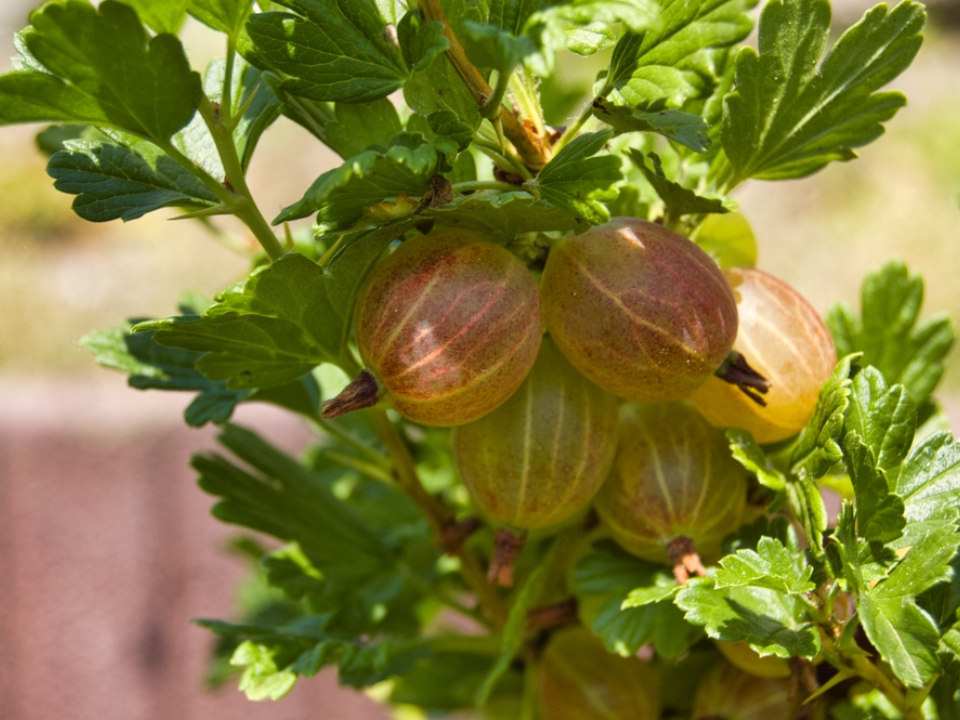
Gooseberry bushes are a great option for gardeners who want a hardy, fruiting plant. They grow well in cool climates and prefer well-drained soil with plenty of sunlight. Planting gooseberries in February allows them to establish strong roots before spring. These bushes are known for their tart, tangy berries, which are perfect for pies, jams, and preserves.
Gooseberries are relatively easy to grow and require minimal maintenance. They’re resistant to many common pests, making them a great choice for organic gardeners. Once the bushes are established, they can produce fruit each year. With their low-growing habit, gooseberries are perfect for gardeners with limited space or those looking for an edible hedge.
This article originally appeared on Avocadu.