
13 Best February Herbs To Grow On A Sunny Windowsill
Want to bring fresh herbs into your kitchen this February? A sunny windowsill offers the perfect spot to start growing your favorites. Indoor herb gardens are simple to maintain and provide fresh flavors all season. With just the right amount of light and a little care, you’ll soon have herbs ready to use.
This post may contain affiliate links, which helps keep this content free. Please read our disclosure for more info.
Basil

Basil thrives in a sunny spot, making it perfect for a windowsill garden. This herb loves warmth and light, so ensure it gets plenty of both during the winter months. If you keep the soil moist but not soggy, basil will grow quickly and can be harvested in about 4-6 weeks. For an even better harvest, pinch off the tips regularly to encourage more growth.
Basil is often used in Mediterranean and Italian dishes, making it an essential herb for your kitchen. While it may not grow as vigorously in the winter, its fresh leaves are worth the extra care. You can even start growing basil indoors and transplant it outside when the weather warms up. Growing basil indoors gives you easy access to fresh leaves year-round.
Parsley
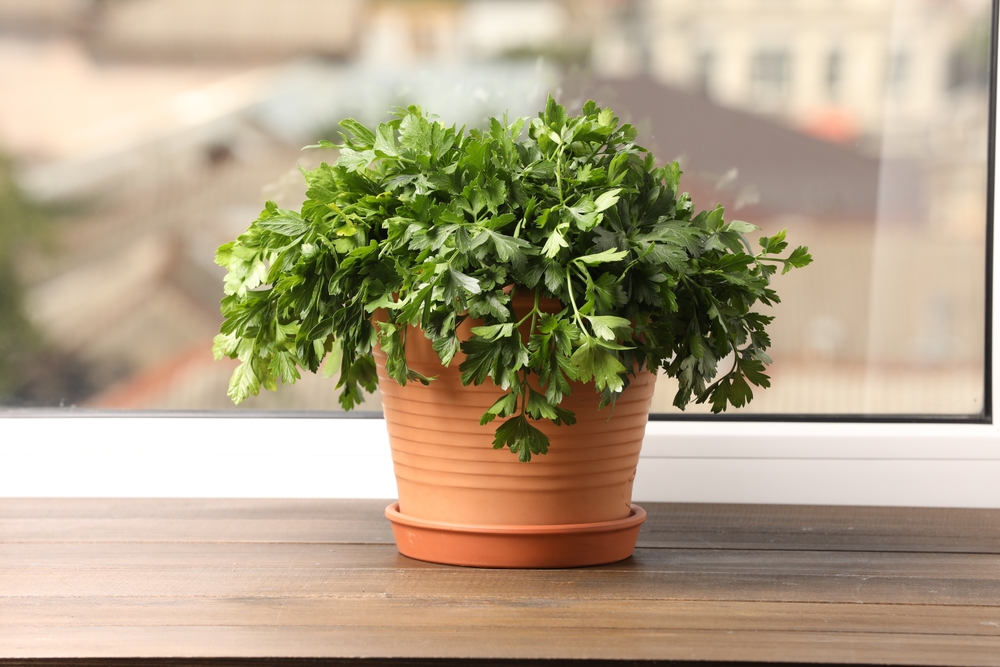
Parsley is a hearty herb that can be grown indoors throughout the colder months. It prefers cooler temperatures and does well with 4-6 hours of direct sunlight, making it a perfect match for your windowsill in February. The key to growing healthy parsley is well-drained soil and regular watering. Be patient, as parsley can take a few weeks to germinate, but once it starts, it grows steadily.
Not only is parsley great for garnishing dishes, but it’s also rich in vitamins A, C, and K. You can grow both curly and flat-leaf varieties, though the flat-leaf type is known for its stronger flavor. Parsley will continue to thrive with regular harvesting. So, keep a pair of scissors nearby to snip off leaves as needed for cooking.
Thyme
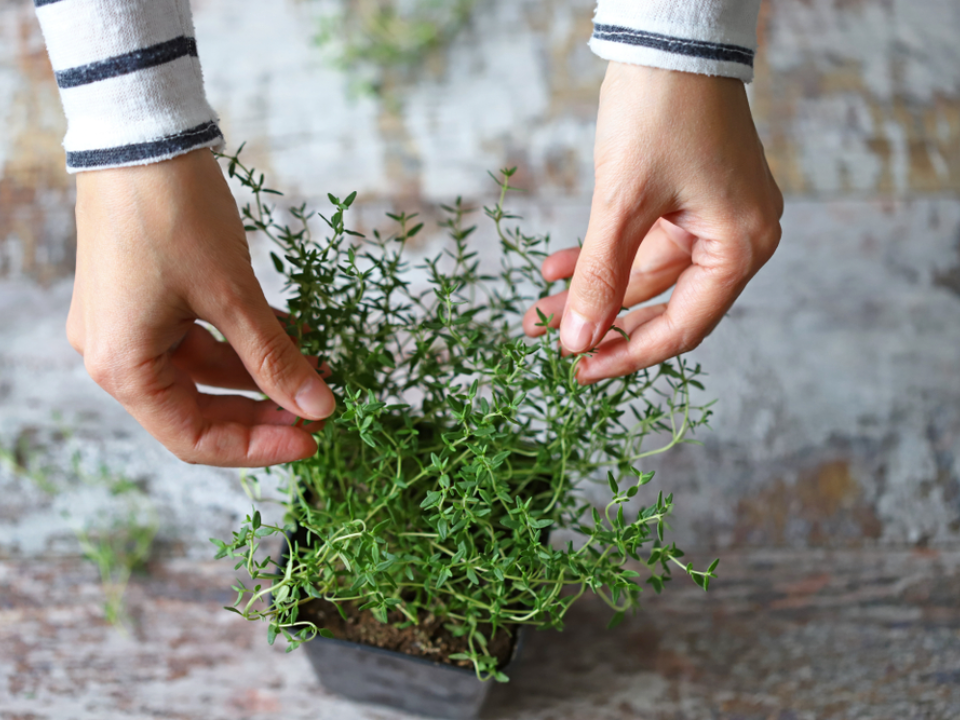
Thyme is a low-maintenance herb that adapts well to indoor growing. This hardy plant only needs 4-6 hours of sunlight, so it will do well in the sunlight from your windowsill. The key to growing thyme successfully is ensuring it has well-drained soil and isn’t overwatered. When grown indoors, thyme benefits from occasional pruning to keep it from becoming leggy.
This herb’s rich, earthy flavor makes it perfect for cooking, especially in Mediterranean dishes. Thyme is also known for its aroma, which can fill your home with a pleasant scent. The more you trim, the more it will grow, making it a reliable and flavorful addition to your windowsill garden. Thyme’s resilience and flavor make it a must-grow herb, even during the winter.
Mint
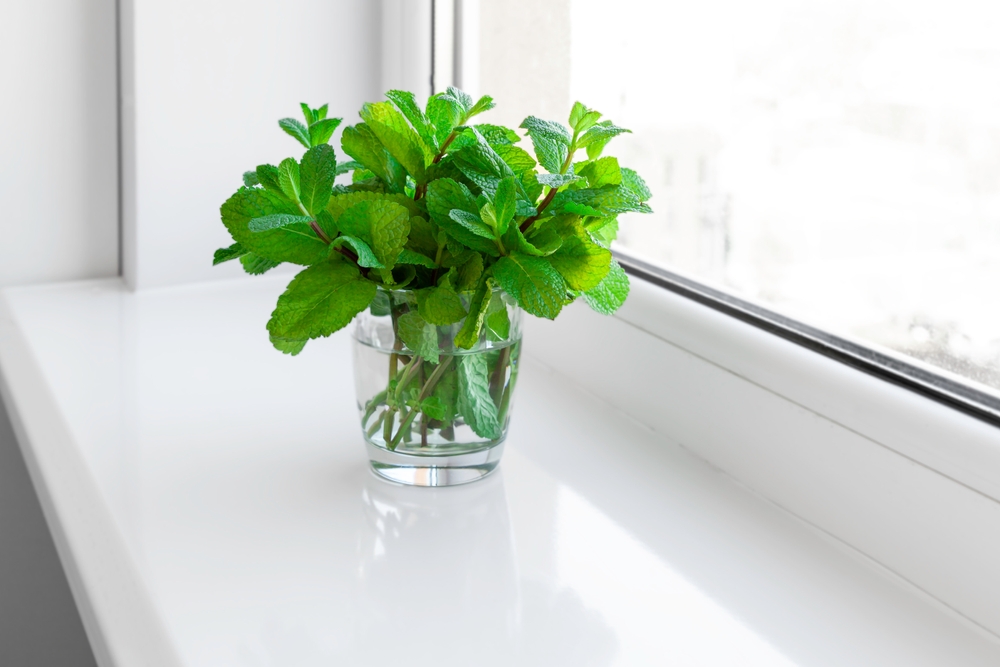
Mint grows easily indoors, making it a great choice for a windowsill garden. It thrives with a minimum of 4 hours of sunlight a day and requires regular watering to keep the soil moist. Be sure to place mint in a container, as it tends to spread quickly and can take over other plants. If you want to keep it contained, try using a hanging basket or pot to prevent the roots from becoming invasive.
Mint is versatile, offering a refreshing flavor for teas, desserts, and even savory dishes. It’s an aromatic herb that will bring a pleasant fragrance to your indoor space. Mint also has numerous health benefits, including aiding digestion. With the right care, your mint plant will provide you with fresh leaves to use in a variety of recipes all year long.
Chives
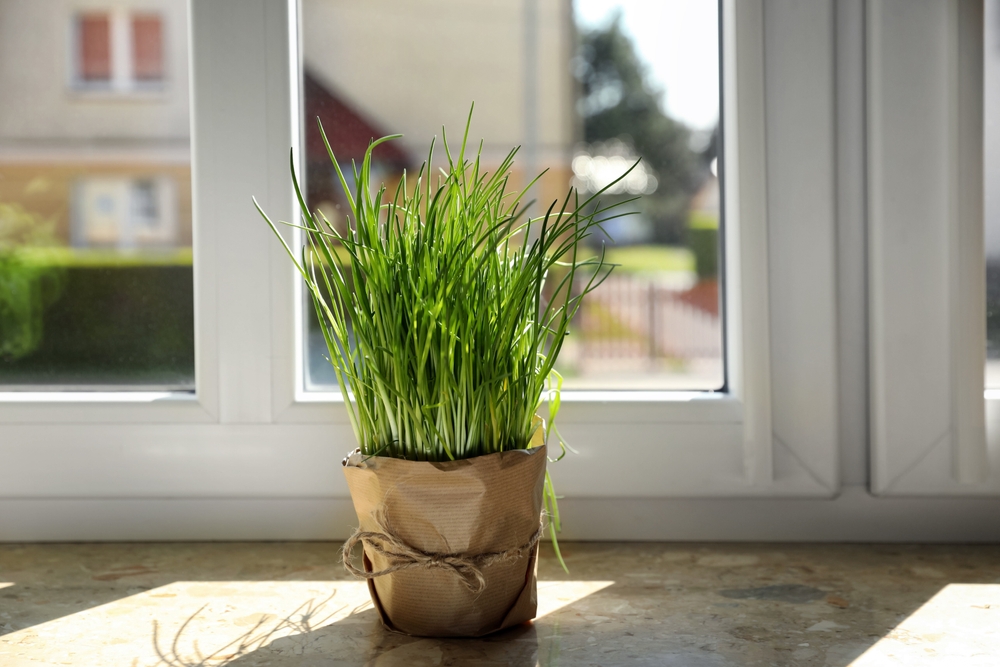
Chives are one of the easiest herbs to grow indoors. They don’t require much sunlight, though a sunny windowsill is the ideal spot for them to thrive. Chives prefer slightly moist, well-drained soil and should be watered when the top inch of soil feels dry. Regular trimming encourages a bushier plant and ensures a steady supply of fresh leaves for cooking.
Known for their mild onion flavor, chives are perfect for adding to salads, soups, and baked potatoes. Their delicate, slender leaves grow in clusters, adding a fresh, green touch to your kitchen. Chives are also rich in vitamins A and C, making them a healthy addition to your meals. Plus, they grow quickly, so you’ll have fresh chives ready to harvest in no time.
Oregano
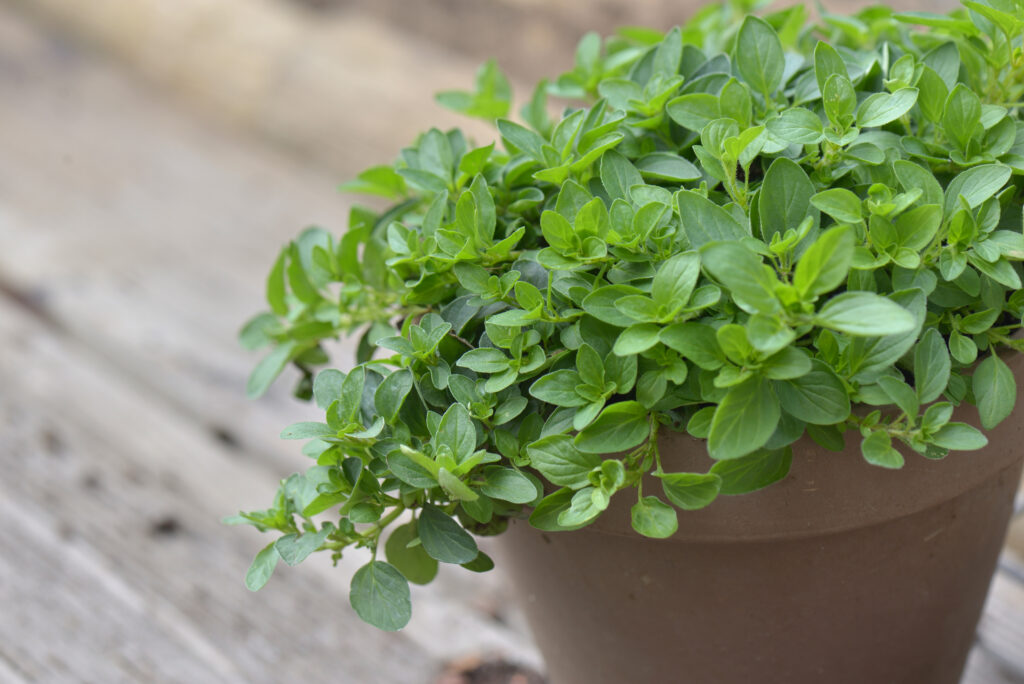
Oregano is a robust herb that thrives indoors with minimal attention. It requires about 4-6 hours of sunlight and prefers dry soil, so be sure not to overwater it. Oregano is an easy-to-grow herb that doesn’t require much space, making it perfect for windowsills. Regular trimming helps keep the plant from becoming too woody and encourages a more compact shape.
This herb is popular in Italian and Mediterranean cooking, known for its bold, earthy flavor. It’s commonly used in sauces, meats, and as a topping for pizza. Oregano also has medicinal properties, including being an antioxidant and anti-inflammatory. Growing oregano indoors allows you to enjoy its fresh leaves throughout the winter.
Sage
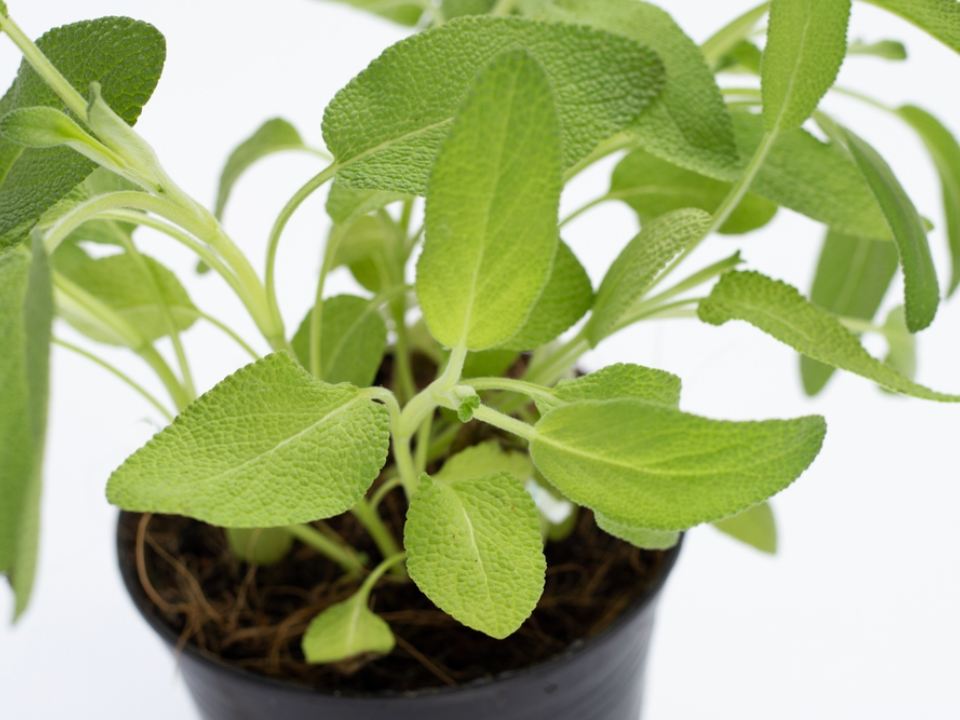
Sage is another herb that does well in indoor conditions, especially when placed on a sunny windowsill. It prefers a dry environment, so let the soil dry out between waterings to prevent root rot. This herb grows slowly but can be harvested once its leaves have matured. If you’re looking to keep your plant healthy, prune it occasionally to encourage new growth.
Sage’s bold, slightly peppery flavor makes it a common addition to poultry dishes, stuffing, and sauces. It also has numerous health benefits, such as improving digestion and acting as an antioxidant. Sage is easy to maintain, making it an excellent herb for both beginners and seasoned gardeners. It’s a reliable choice for any windowsill herb garden.
Rosemary
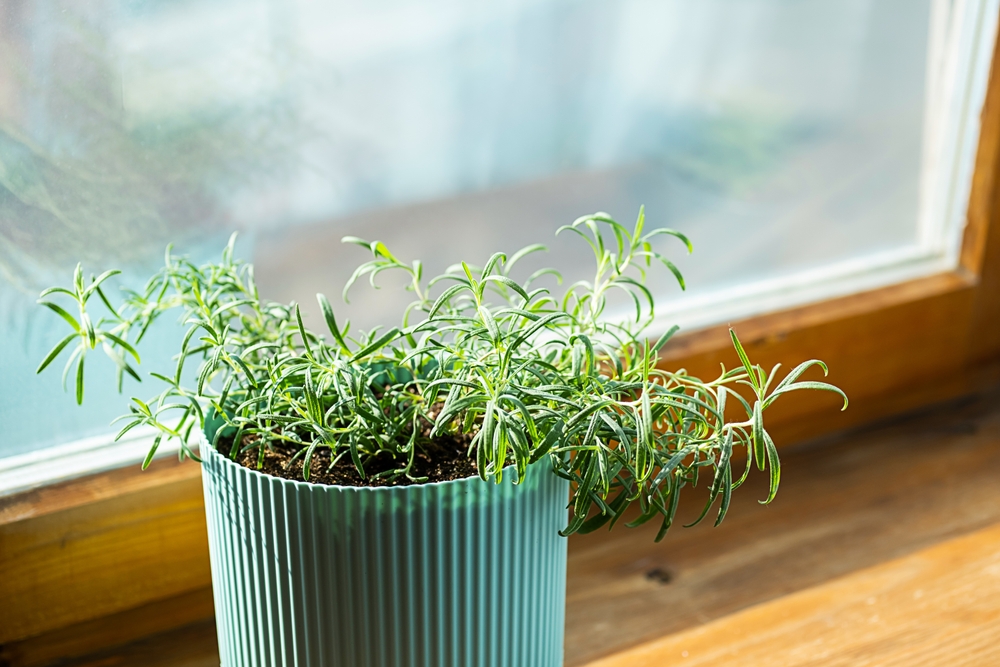
Rosemary loves the sun and thrives with a good amount of light each day. This herb can handle the dry indoor air found in many homes during the winter, but it needs well-drained soil. It’s also important to let the soil dry out between waterings to prevent overwatering. Rosemary grows slowly, but with care, it can become a hardy plant that you can harvest for months.
This herb adds a fragrant, pine-like flavor to dishes like roasted meats, potatoes, and Mediterranean recipes. Rosemary also offers several health benefits, including improving memory and digestion. When grown indoors, rosemary’s scent can fill the room, adding a touch of the outdoors to your home. With proper care, it can last for years and thrive on your windowsill.
Dill
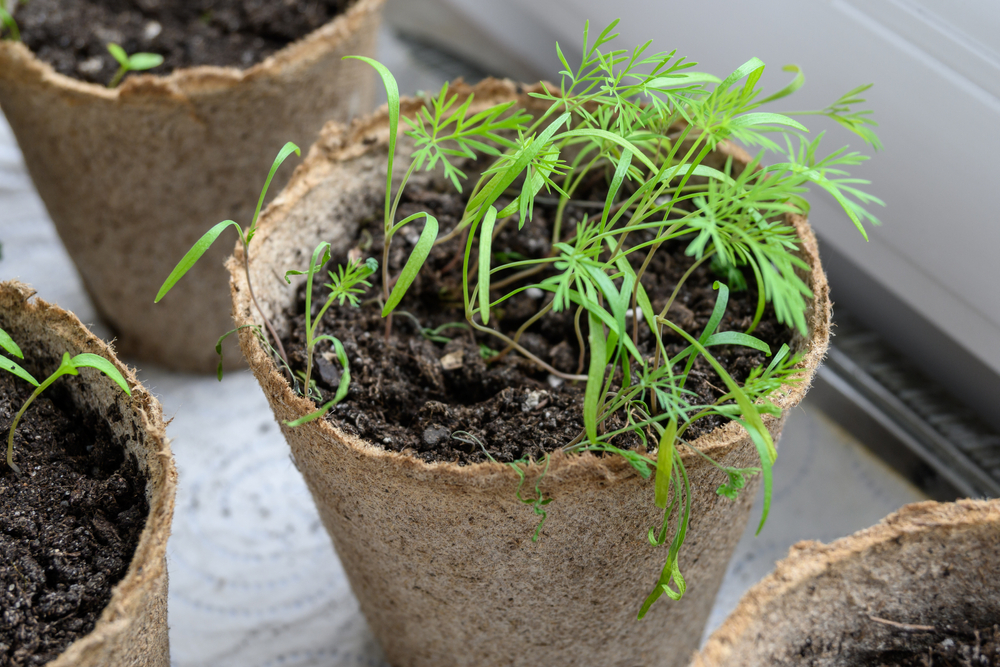
Dill is a herb that loves sunny spots and is easy to grow indoors. It needs about 4-6 hours of sunlight a day to thrive, and it prefers moist, well-drained soil. Dill grows quickly, and you’ll see the first sprouts in about a week. To keep it healthy, trim off the flowers before they bloom to encourage more leaf growth.
Dill has a unique flavor, often used in pickling and in a variety of salads and sauces. It’s also used to make dill weed and dill seeds, both of which are valuable in cooking. Growing dill indoors provides fresh leaves throughout the colder months, perfect for your kitchen. Dill also has medicinal properties, such as aiding digestion and acting as a mild sedative.
Tarragon
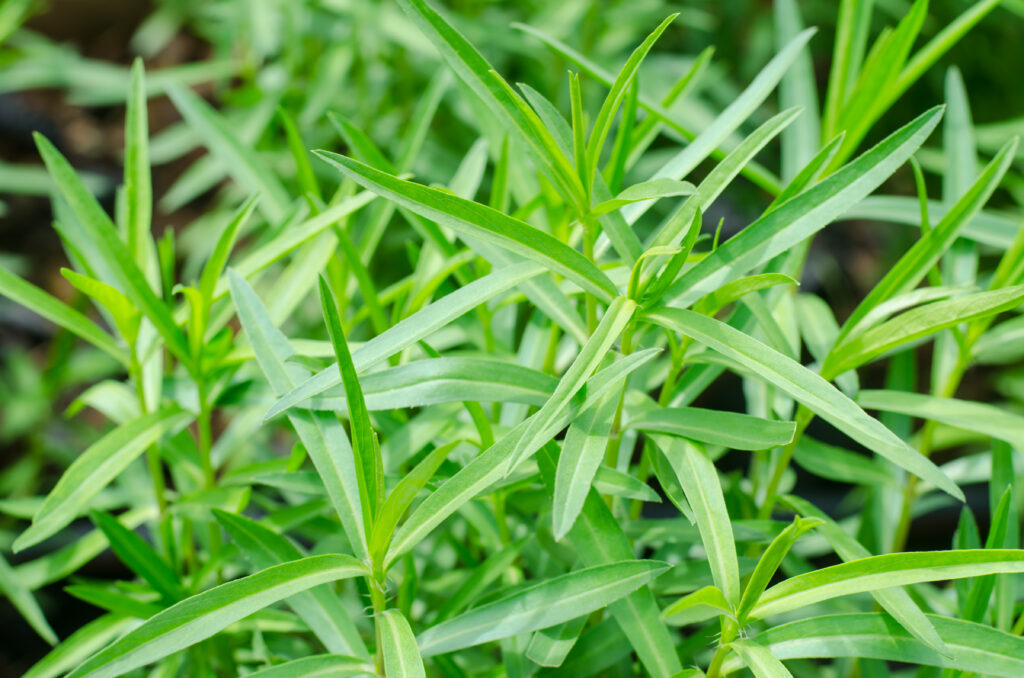
Tarragon thrives in sunny windowsills, making it ideal for indoor herb gardens. This herb requires 4-6 hours of sunlight and should be watered when the soil is dry to the touch. Tarragon is a slow-growing plant, so be patient, but once it starts, it’s easy to maintain. It grows best in well-drained soil, so ensure your container has drainage holes.
Tarragon’s mild, licorice-like flavor makes it a staple in French cuisine. It pairs well with chicken, fish, and egg dishes, adding a unique flavor that can’t be replaced by other herbs. Tarragon also has several health benefits, such as reducing inflammation and improving appetite. It’s a flavorful herb that can thrive even on a windowsill.
Cilantro
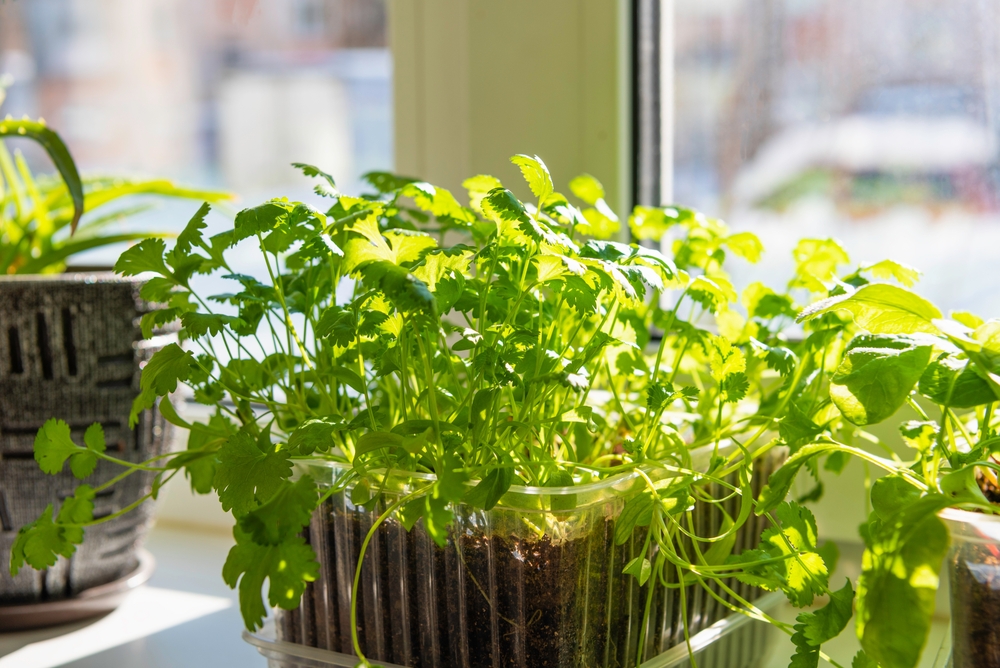
Cilantro is a fast-growing herb that loves the sunlight, making it perfect for a February windowsill garden. This herb grows best with 4-6 hours of direct light each day and prefers moist, well-drained soil. Cilantro grows quickly, often ready for harvest in just 3-4 weeks, but it doesn’t like to be overwatered. Keep the soil moist, but make sure it has good drainage to avoid root rot.
Cilantro’s fresh, zesty flavor is perfect for Mexican, Indian, and Asian dishes. While some people may not like its flavor, cilantro remains a popular herb in many kitchens. It’s also rich in antioxidants, vitamins, and minerals, making it a healthy addition to your meals. Cilantro is a must-grow herb for anyone who enjoys adding a burst of freshness to their dishes.
Lemon Balm
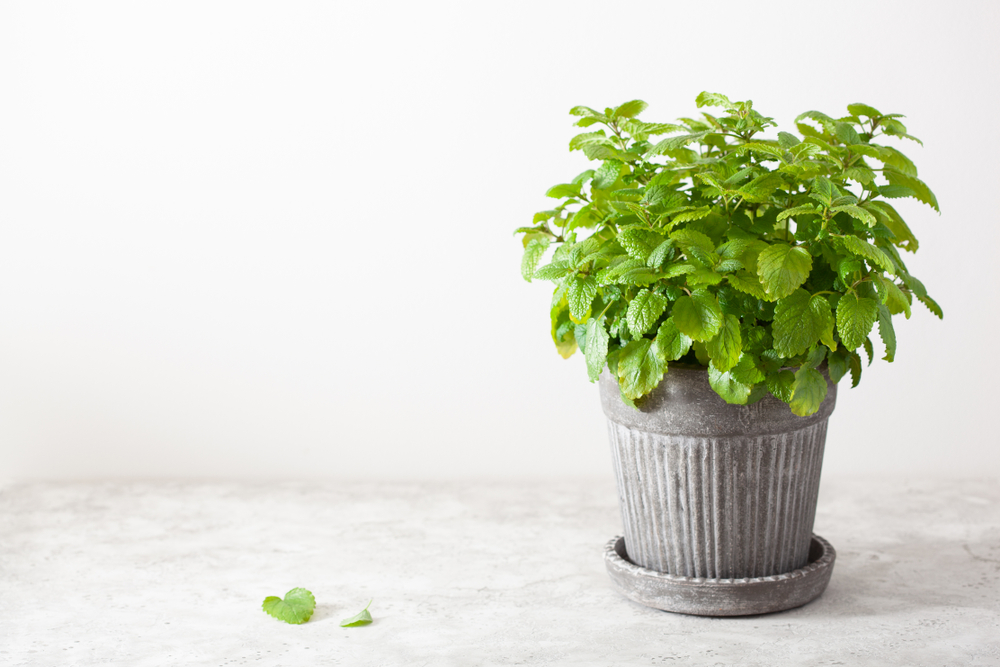
Lemon balm is a fragrant herb that loves sunlight and can easily be grown on a sunny windowsill. This herb needs around 4 hours of direct sunlight a day and should be watered when the soil is dry. Lemon balm grows quickly, offering fresh leaves in just a few weeks. It prefers well-drained soil and can tolerate slightly dry conditions, making it easy to care for indoors.
This herb has a refreshing lemon scent and flavor, often used in teas, salads, and desserts. It is also known for its calming properties, helping to reduce stress and anxiety. Lemon balm’s versatility makes it perfect for both culinary and medicinal purposes. Growing it indoors gives you easy access to fresh leaves throughout the year.
Arugula
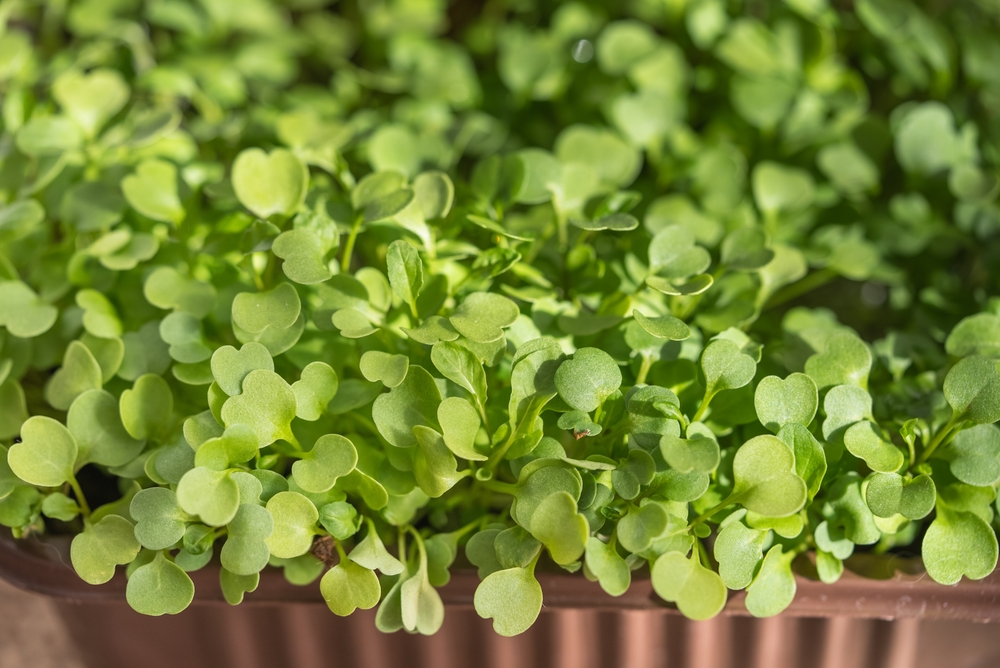
Arugula is an easy-to-grow herb that thrives in a sunny windowsill garden. It requires about 4 hours of sunlight a day and enjoys cooler temperatures, making it perfect for the winter months. Arugula grows quickly, often ready for harvest within 3-4 weeks of planting. It prefers moist, well-drained soil and should be watered regularly, but not over-saturated.
This herb is known for its peppery, tangy flavor, which makes it a popular addition to salads, sandwiches, and pizzas. Arugula is also rich in vitamins A, C, and K, as well as minerals like calcium and iron. It’s a healthy and flavorful addition to any meal. By growing it indoors, you can enjoy fresh, crisp arugula year-round.
This article originally appeared on Avocadu.