
15 Vintage Typewriters With Odd Mechanisms That Feel Great To Use
In the late 19th century, typewriters began to replace handwritten letters and revolutionize office work. Despite the rise of digital technology, vintage typewriters still have a special place in the hearts of many. The feel of each key press and the sound of the typebars are part of the charm that makes them so satisfying.
This post may contain affiliate links, which helps keep this content free. Please read our disclosure for more info.
Underwood Noiseless
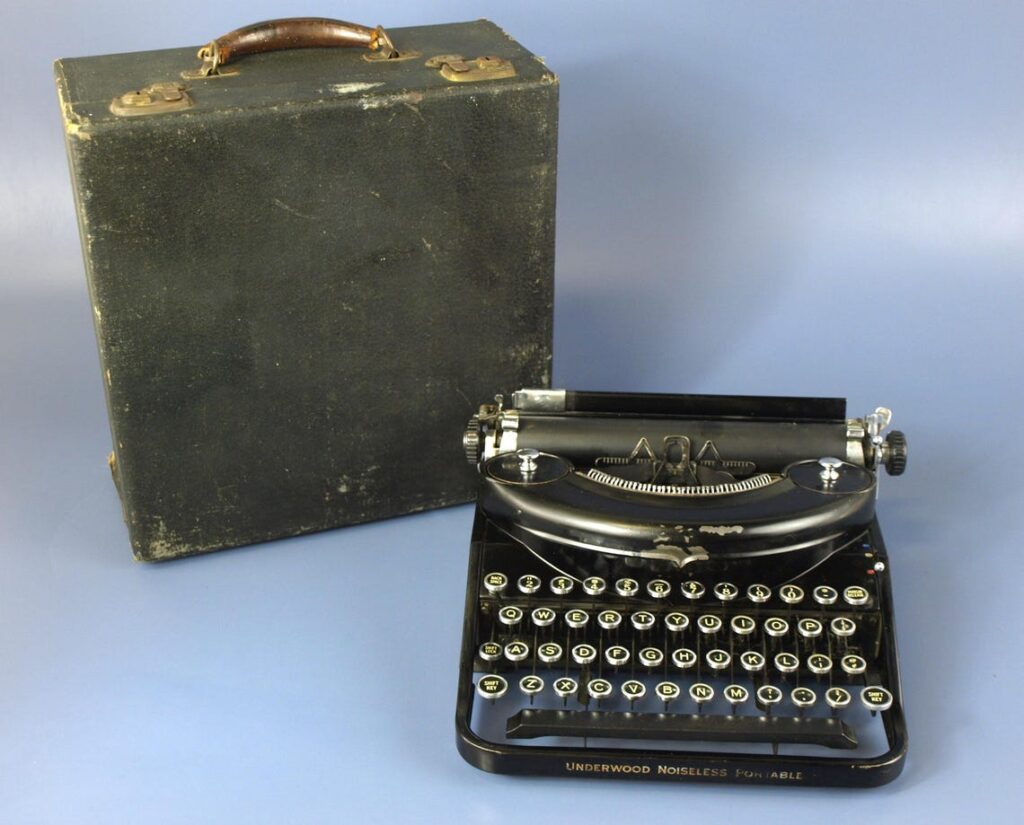
Introduced in 1925, the Underwood Noiseless typewriter was designed to reduce typing noise, a significant innovation at the time. Its unique mechanism involves a damping system that softens the typebar strikes, making it quieter than most typewriters of its era. This was a revolutionary feature for office environments where the loud clacking of typewriters was often a distraction. The current market value for this typewriter ranges from $200 to $500 depending on condition.
This machine’s quiet performance is what makes it so desirable to collectors today. The combination of an innovative feature and the smooth, almost silent operation sets it apart from other vintage typewriters. Despite being over 90 years old, it remains a highly sought-after item in the typewriter collecting world.
Remington Model 1
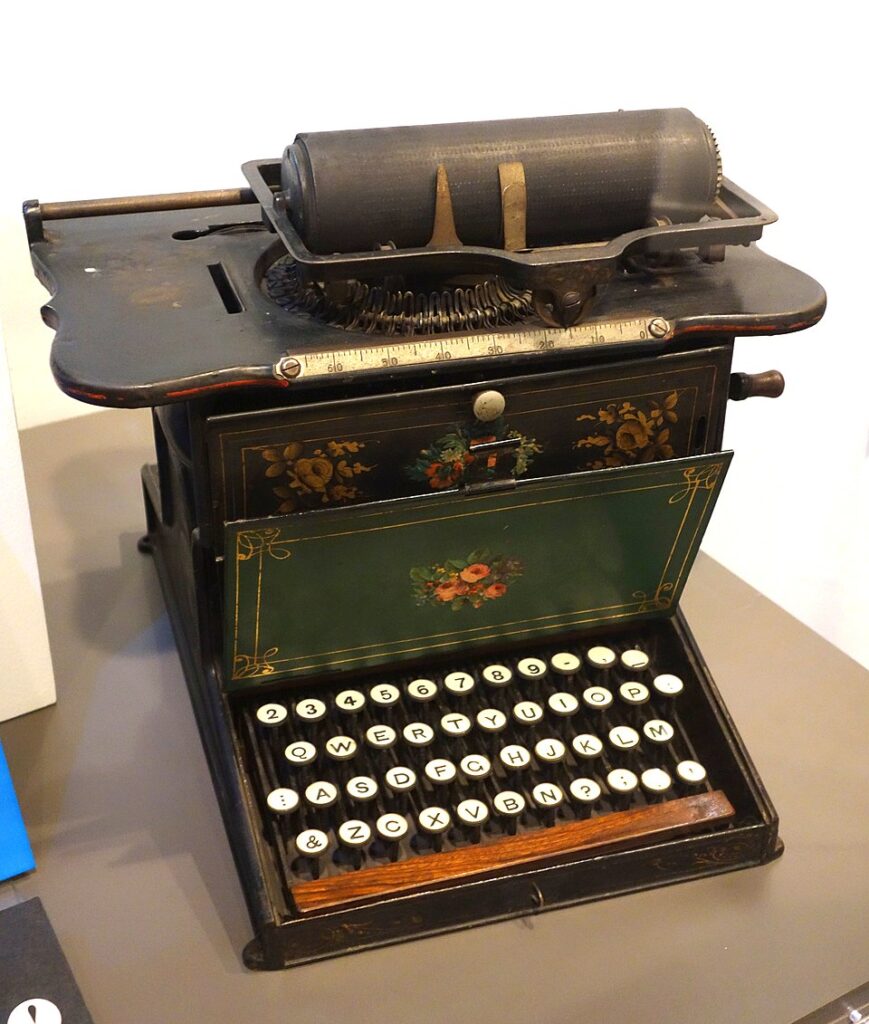
Released in 1873, the Remington Model 1 is one of the first commercially successful typewriters. It introduced a revolutionary mechanism with a basket-type key arrangement, allowing for more efficient typing. As one of the earliest mass-produced models, it set the stage for the development of modern typewriters. The market value of the Remington Model 1 can range from $500 to $1,500, depending on the rarity and condition.
Collectors appreciate this typewriter for its historical significance and innovative design. Its status as one of the first successful typewriters makes it a vital part of typewriter history, and its unique mechanism continues to captivate vintage typewriter enthusiasts.
Royal Quiet DeLuxe
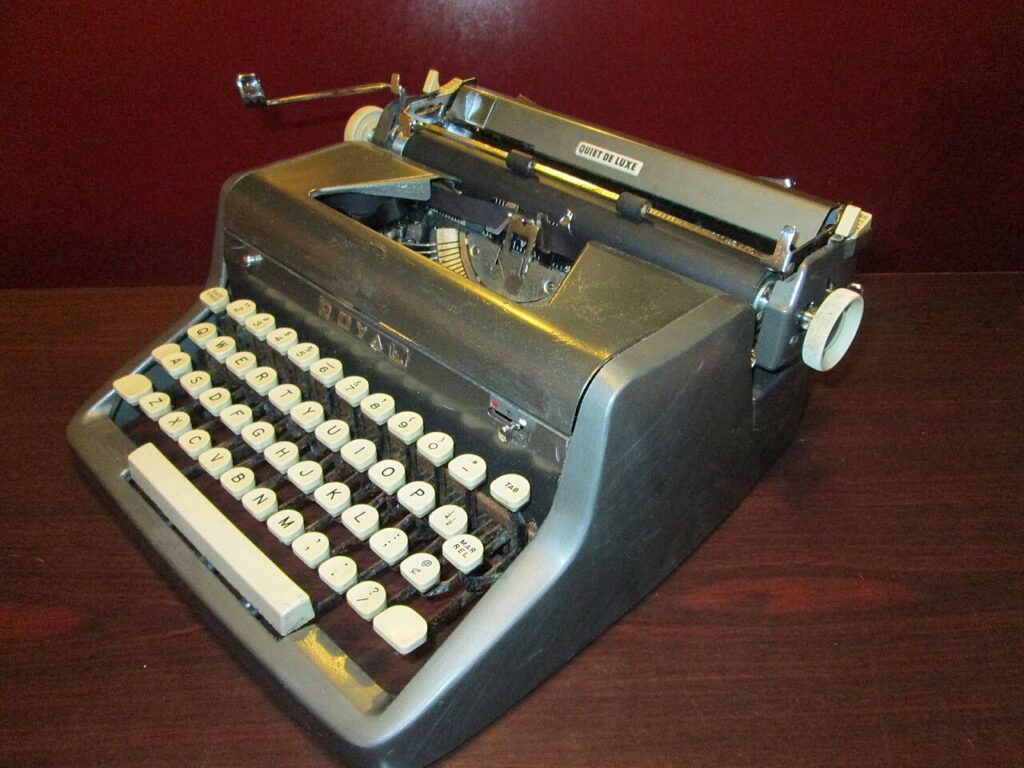
The Royal Quiet DeLuxe, released in the 1940s, became famous for its quiet and efficient key action. The odd mechanism it features helps reduce typing noise, making it a preferred choice for those who needed a quieter typing experience. It was marketed as one of the most advanced portable typewriters of its time, offering both comfort and functionality. This model’s market value generally ranges from $100 to $300.
Many collectors are drawn to the Royal Quiet DeLuxe for its smooth and soft key action. The combination of its noise-reducing design and portability makes it an enduring favorite, offering a practical and enjoyable typing experience for collectors and writers alike.
Olivetti Lettera 22
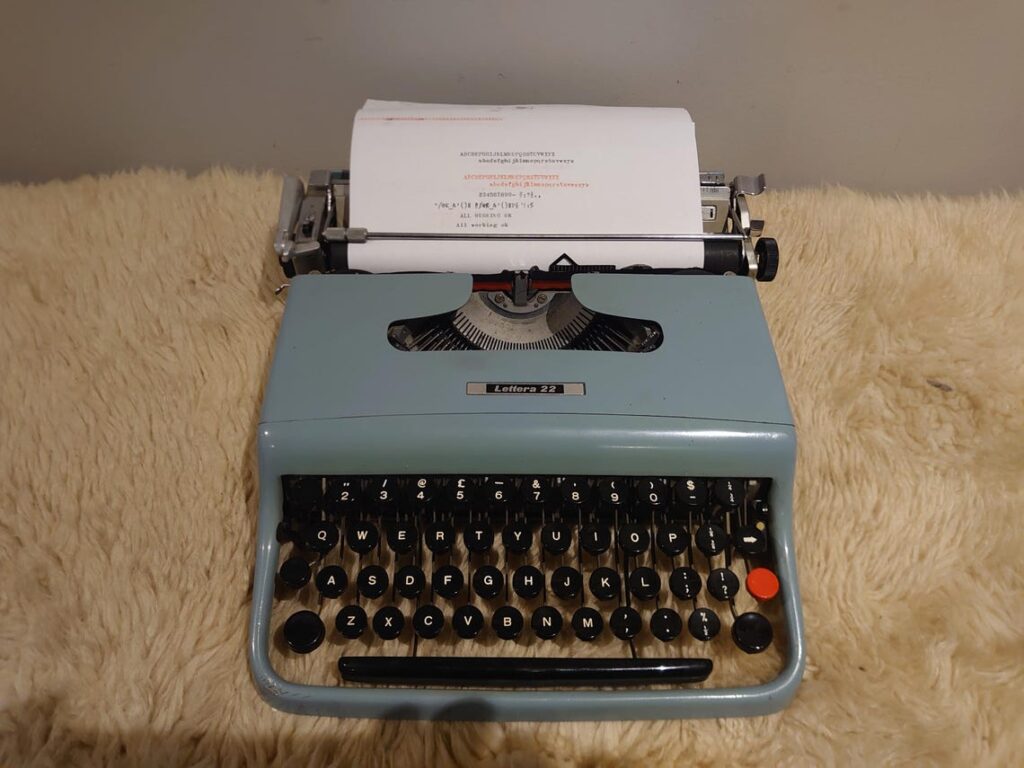
The Olivetti Lettera 22, introduced in the 1950s, was an instant success due to its lightweight and portable design. The odd mechanism of this typewriter is its unique lever system, which makes the key action smooth and responsive. Designed for writers on the go, it quickly became a favorite for journalists and travelers who needed a reliable machine. The market value for this model typically falls between $100 and $250.
Collectors appreciate the Lettera 22 for its combination of sleek Italian design and practical functionality. Its portability and smooth operation make it one of the most beloved portable typewriters of the mid-20th century.
Smith-Corona Silent Super
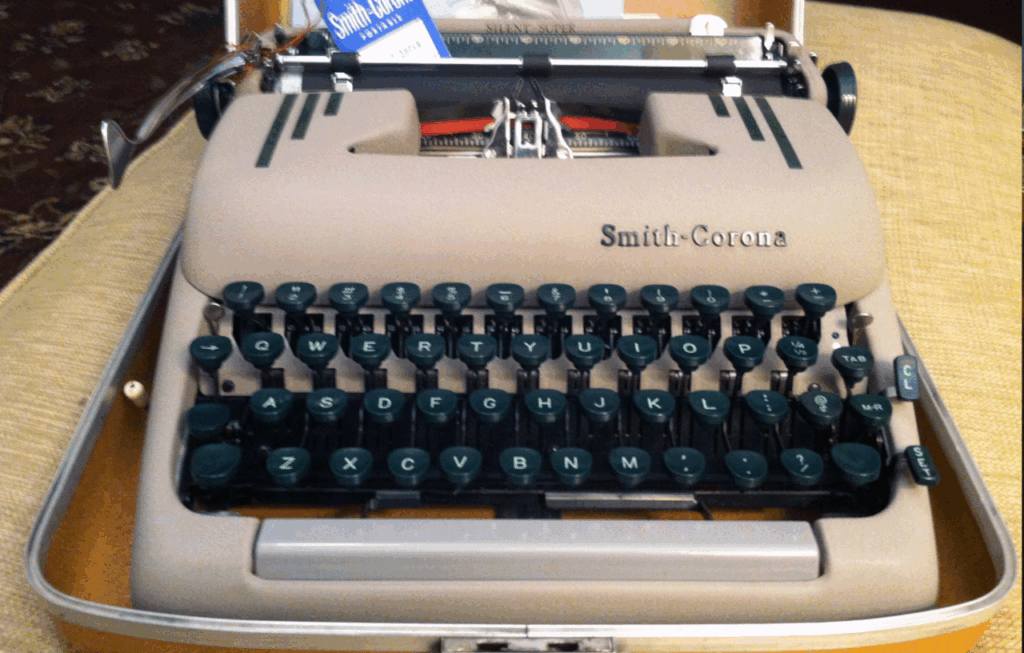
The Smith-Corona Silent Super was introduced in the 1940s and marketed as one of the quietest typewriters of its time. The odd mechanism includes rubber dampeners and springs that absorb the noise produced by the typebars, resulting in a significantly quieter typing experience. This made it particularly popular in office environments where silence was a necessity. These machines are valued between $150 and $400.
What sets the Smith-Corona Silent Super apart from other typewriters is its smooth, nearly silent key action. Its quiet typing and reliable performance make it a staple for collectors seeking a vintage machine that still functions beautifully in modern times.
Adler Tippa
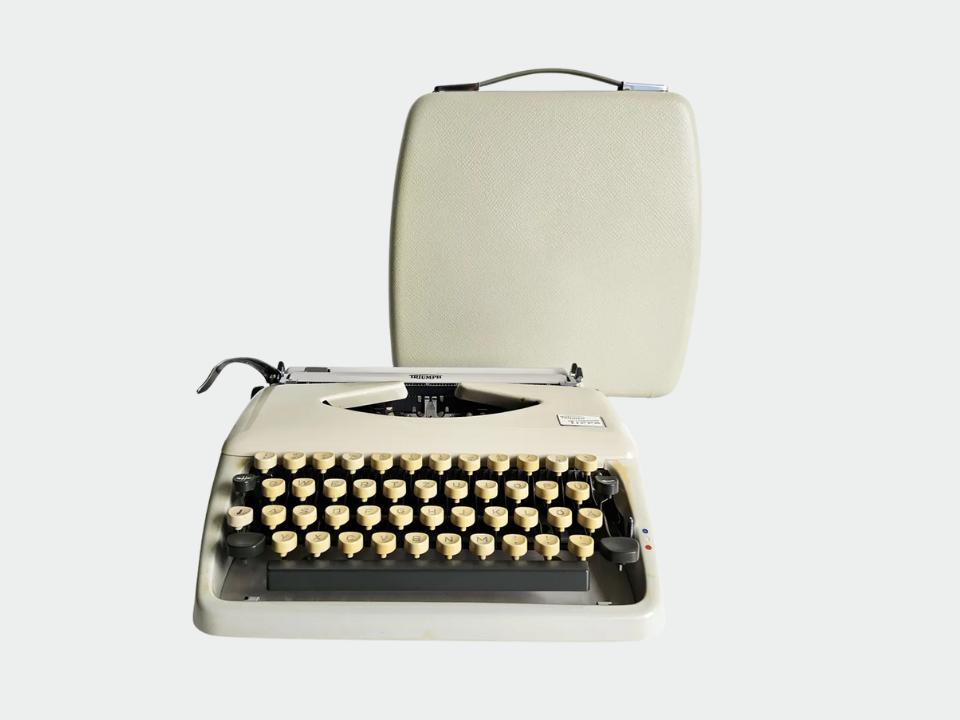
The Adler Tippa, a German-made typewriter from the 1950s, is known for its small size and efficient performance. The odd mechanism in this model is its ribbon-reversing system, which allows users to easily switch the direction of the ribbon to avoid smudging. This feature was quite innovative for portable typewriters during that era. The Adler Tippa is generally priced between $80 and $250, depending on its size and condition.
Collectors enjoy the Adler Tippa for its portability and thoughtful design. The ribbon-reversing mechanism is a distinctive feature that adds to its appeal, making it a practical and interesting addition to any collection.
IBM Selectric I
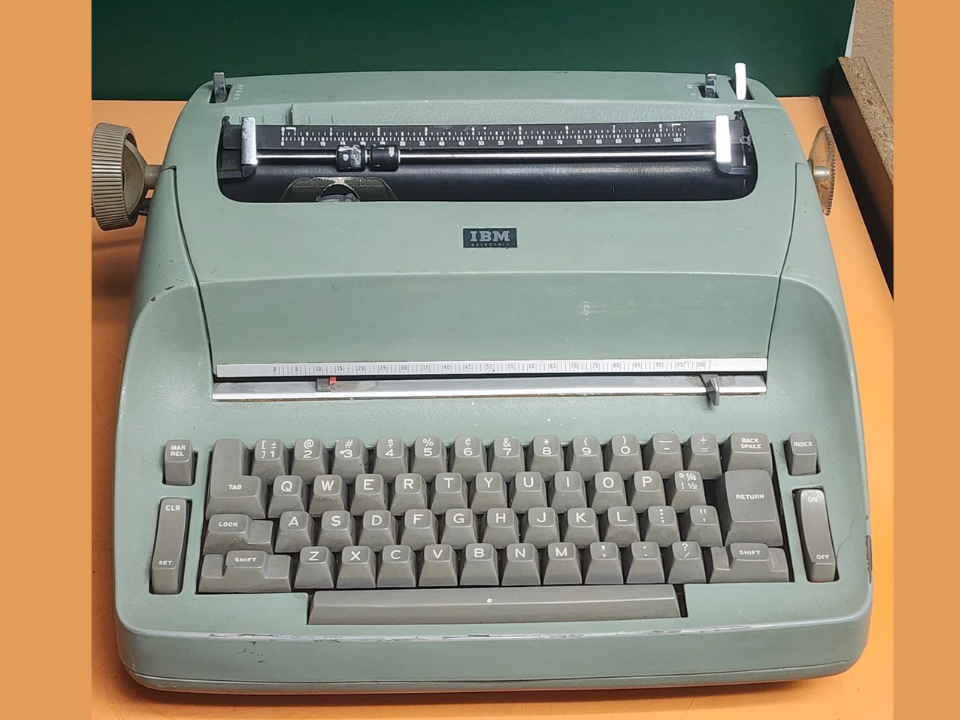
The IBM Selectric I, released in the 1960s, was a game changer in the typewriter world, featuring the now-iconic golf ball typing mechanism. Instead of traditional typebars, the Selectric used a rotating ball to strike the paper, allowing for faster typing and more accurate corrections. This innovation made the IBM Selectric a hit in offices and workplaces across the United States. Its current market value ranges from $150 to $500, depending on the condition and specific model.
Collectors are drawn to the IBM Selectric I for its groundbreaking design and technological advancement. The golf ball mechanism revolutionized the typing process, making it a pivotal model in the history of typewriters.
Underwood Champion
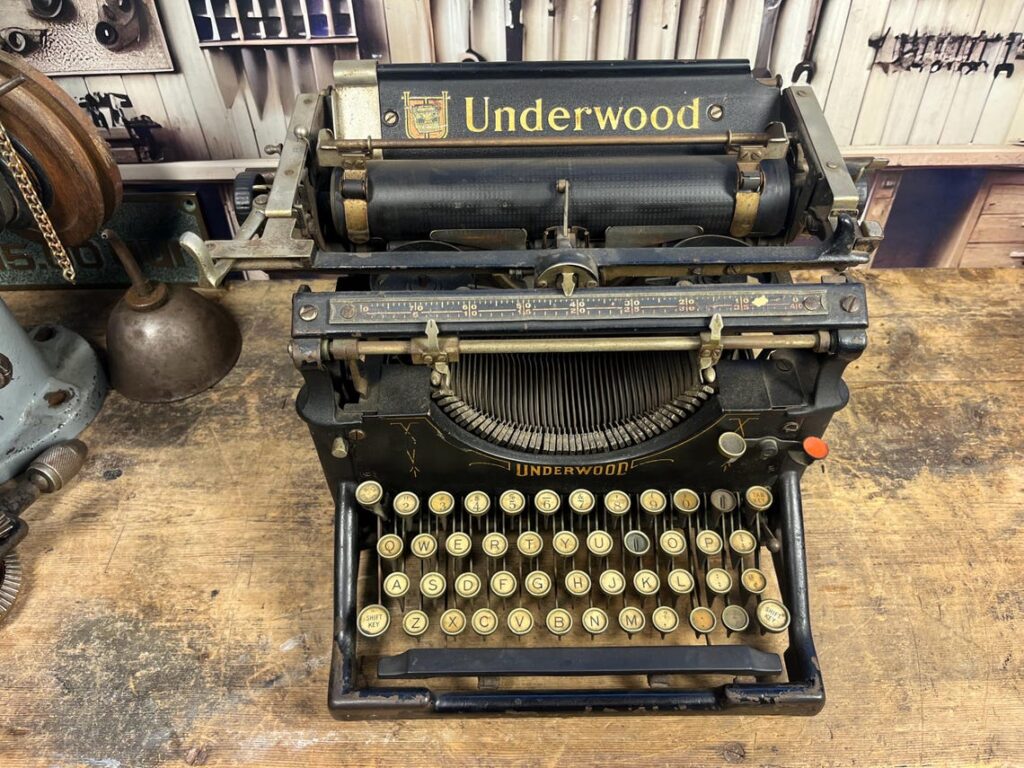
The Underwood Champion, released in the 1920s, is known for its compact and user-friendly design. Its odd mechanism includes a key lever system that allowed for quicker and more precise key action. The Champion was marketed as a smaller, more efficient alternative to other office typewriters of the time. The market value for this model ranges from $200 to $400, depending on condition and rarity.
Collectors appreciate the Underwood Champion for its smooth and efficient operation. Its reliable key action and compact size make it a practical and collectible piece for vintage typewriter enthusiasts.
Remington Rand Model 17
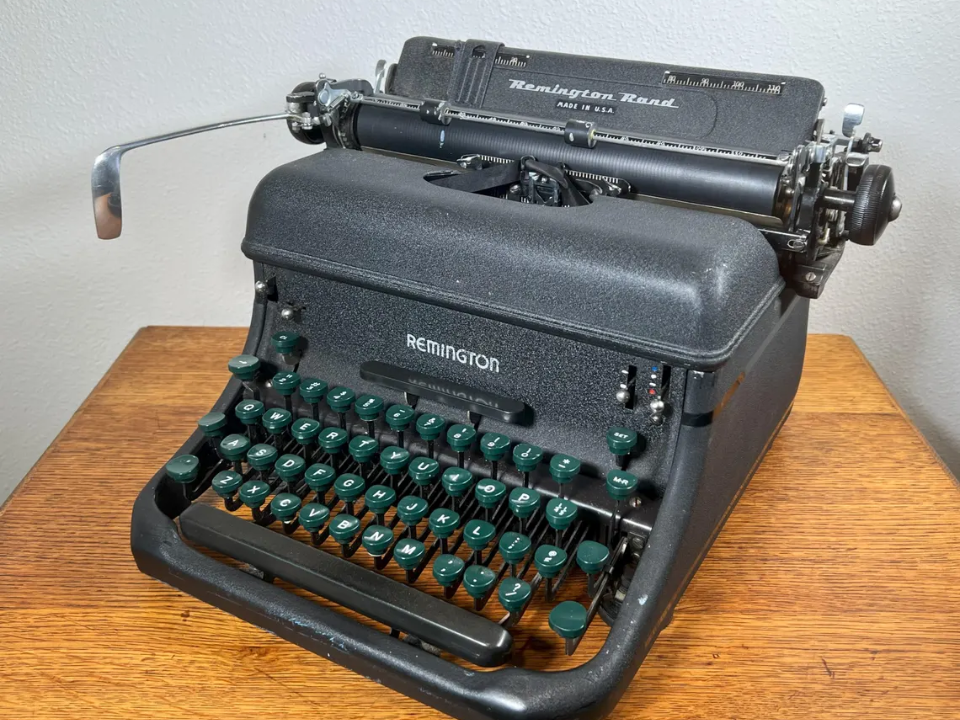
The Remington Rand Model 17, introduced in the 1940s, became known for its solid build and smooth key action. Its odd mechanism includes a spring-based key system that reduces resistance, making the typing experience more comfortable. The Model 17 was a popular choice in both home and office environments. The current market value for this model typically ranges from $100 to $250.
Collectors enjoy the Remington Rand Model 17 for its sturdy construction and smooth operation. The efficient key action and durable build make it a reliable and attractive option for collectors of vintage typewriters.
Olympia SM3
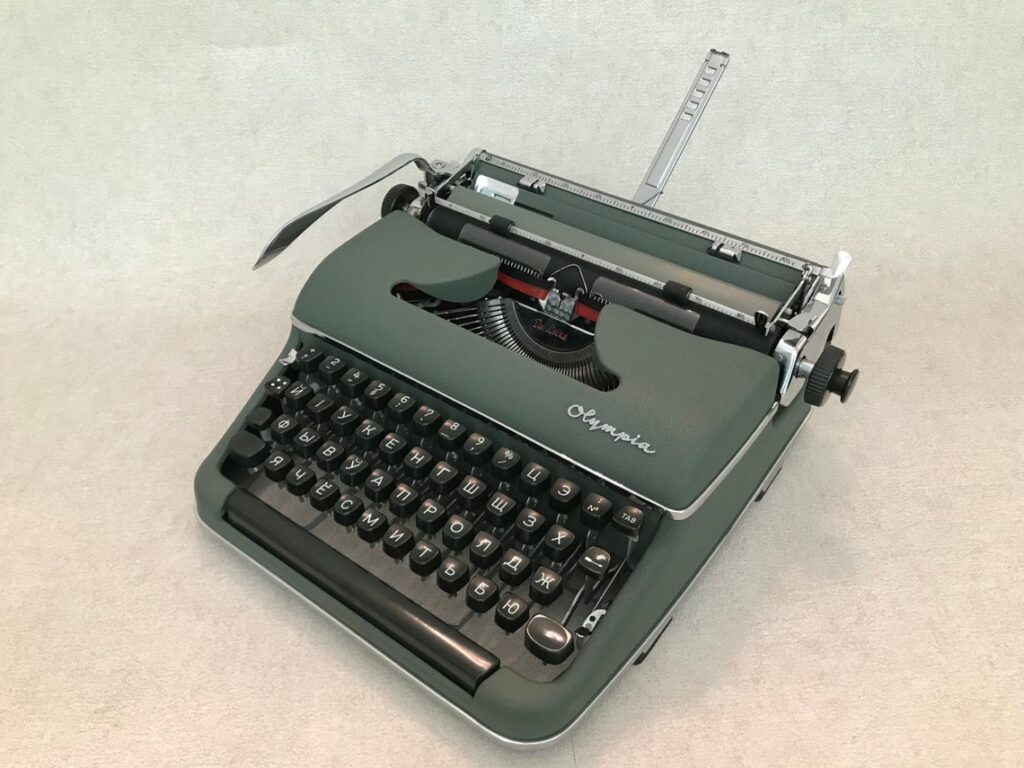
The Olympia SM3, released in the 1950s, is known for its smooth key action and solid build. Its odd mechanism involves a system of linkages and springs that provide precise and comfortable key strokes. The Olympia brand was highly regarded for its quality engineering, and the SM3 became a favorite for office use. The estimated market value of this model ranges from $150 to $350.
Collectors are attracted to the Olympia SM3 for its exceptional key action and durable design. Its precise mechanism ensures a smooth typing experience, making it a top choice for both practical use and as a collector’s item.
Royal KMM
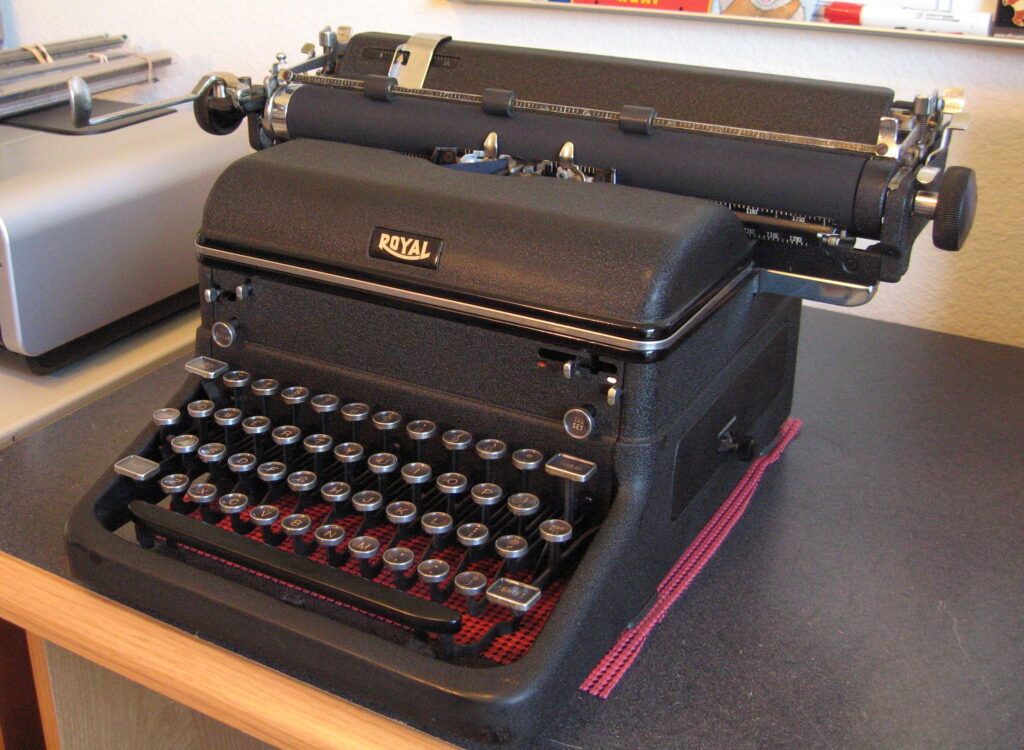
Released in the 1940s, the Royal KMM is known for its heavy-duty construction and smooth, comfortable typing experience. The odd mechanism in this model involves a balanced key system that reduces resistance, allowing for quicker, smoother typing. These machines are typically priced between $100 and $300, depending on the condition and rarity of the model.
The Royal KMM stands out due to its solid build and smooth key action. Collectors appreciate its durable construction and comfortable typing experience, making it a staple in the world of vintage typewriters.
IBM Wheelwriter 5
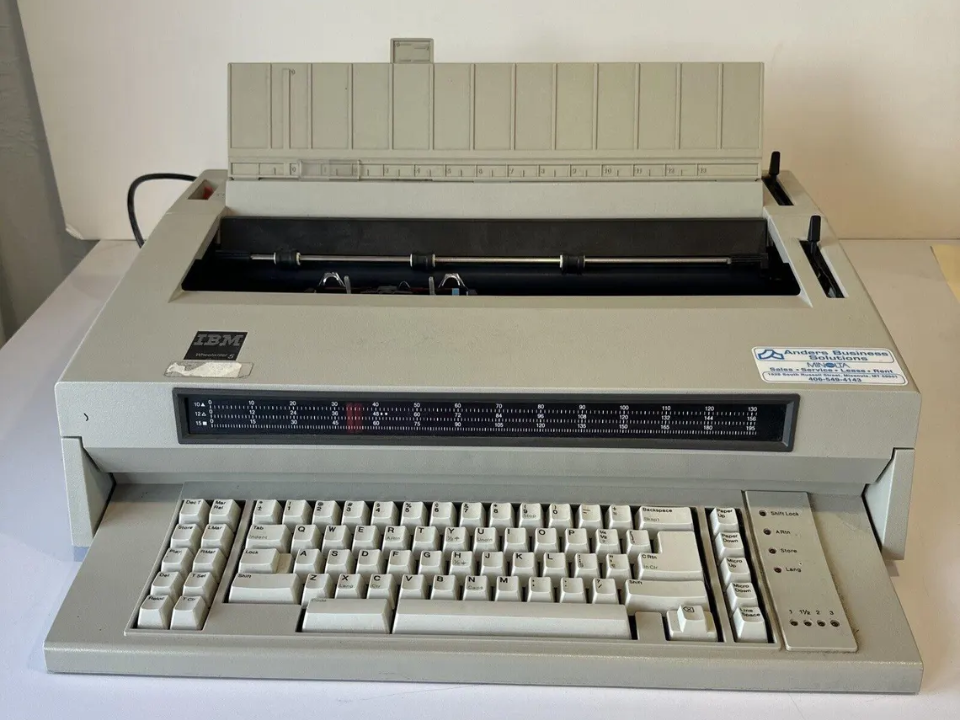
Released in the 1980s, the IBM Wheelwriter 5 featured a typeball mechanism that revolutionized typing. This unique mechanism replaced traditional typebars with a rotating ball, which allowed for faster and more accurate typing. The estimated market value for this model is generally between $100 and $300, depending on condition and features.
Collectors enjoy the IBM Wheelwriter 5 for its innovative design and smooth key action. The typeball mechanism made it one of the most advanced typewriters of its time, making it a valuable collector’s item.
Olivetti Studio 44
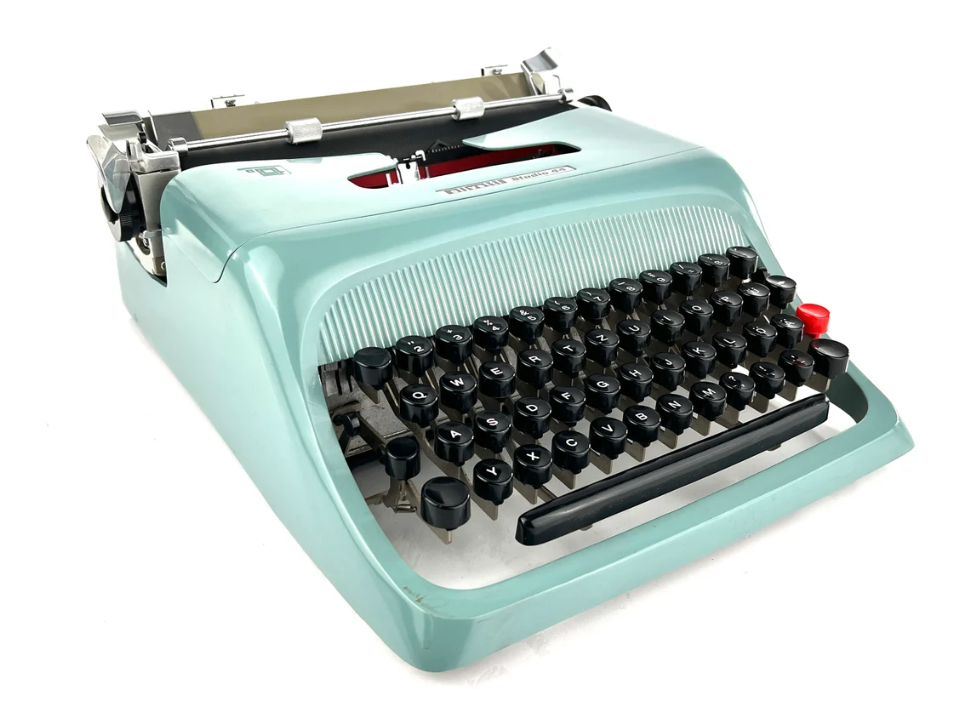
The Olivetti Studio 44, introduced in the 1960s, is a compact and lightweight typewriter known for its smooth key action and ergonomic design. Its odd mechanism includes a silent key strike system, which reduces noise while typing, making it a favorite among those who need a quieter machine. The design is characterized by its clean lines and minimalist aesthetic, a hallmark of Olivetti’s stylish machines. Market prices for this model generally range from $150 to $300.
Collectors are drawn to the Olivetti Studio 44 for its smooth, responsive typing and compact size. The combination of quiet operation and attractive design makes this typewriter a classic choice for vintage typewriter enthusiasts. Its understated elegance and function continue to make it a popular model for collectors today.
Facit TP1
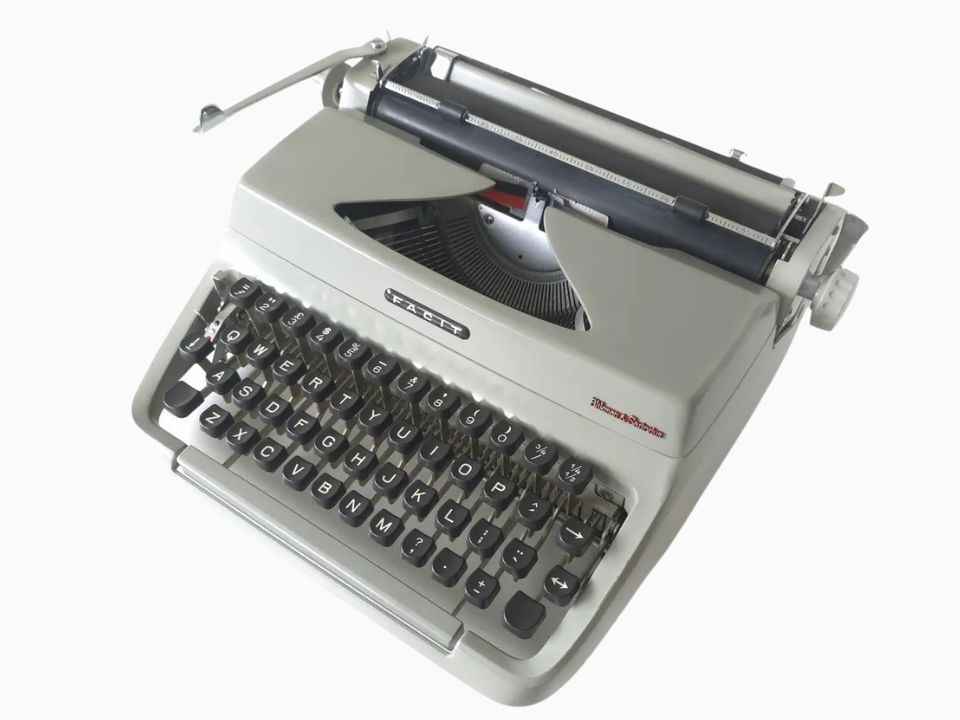
The Facit TP1, a Swedish-made typewriter released in the 1960s, is known for its sturdy build and unique click-clack key action. The odd mechanism involves an unusual way of returning the typebars to their starting position, giving the machine a distinctive sound and feel. Facit was known for making precision machines, and the TP1 was no exception. This typewriter typically sells for $150 to $400, depending on condition.
The TP1 is favored by collectors for its solid construction and the enjoyable tactile experience it provides when typing. The distinct sound and mechanical feel of the keys make it an appealing piece for those who appreciate a more involved, hands-on typing experience. It continues to be a desirable item for those who enjoy vintage Swedish engineering.
Hermes 3000
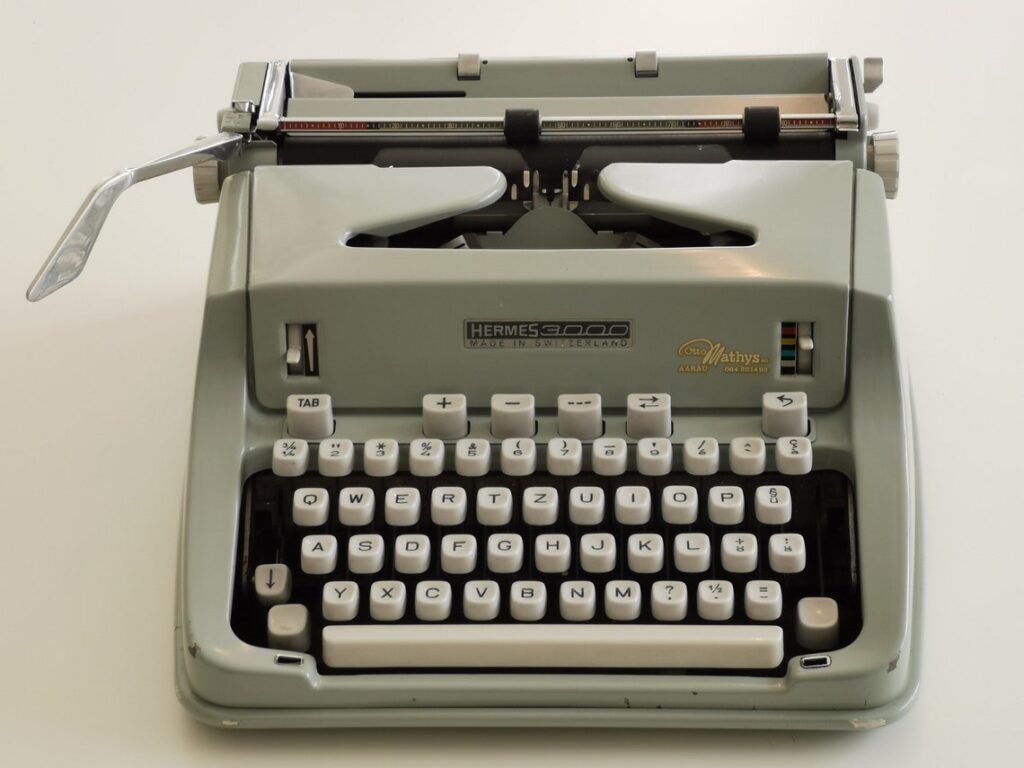
The Hermes 3000, introduced in the early 1960s, is a popular Swiss-made portable typewriter known for its smooth, effortless typing action. The odd mechanism in this model includes a system of balanced, adjustable typebars that provide a fluid key action with minimal effort. This was considered advanced technology at the time, making the Hermes 3000 one of the best portable typewriters of its era. Its estimated market value ranges from $200 to $500.
Collectors love the Hermes 3000 for its smooth typing experience and durability. The precise engineering and easy key movement make it a top choice for those seeking a reliable, functional typewriter with a bit of Swiss craftsmanship. It remains highly regarded in the vintage typewriter community due to its design and performance.
This article originally appeared on Avocadu.