
15 Vegetables You Can Direct Sow In February When Soil Is Workable
February marks the perfect time to begin sowing vegetables directly into your garden when the soil is workable. It’s a great way to get a jumpstart on your growing season. With a little planning, you can have a variety of fresh vegetables ready to harvest in no time. As the days get longer, your garden will begin to flourish. Start early, and you’ll see the rewards later in the season.
This post may contain affiliate links, which helps keep this content free. Please read our disclosure for more info.
Spinach
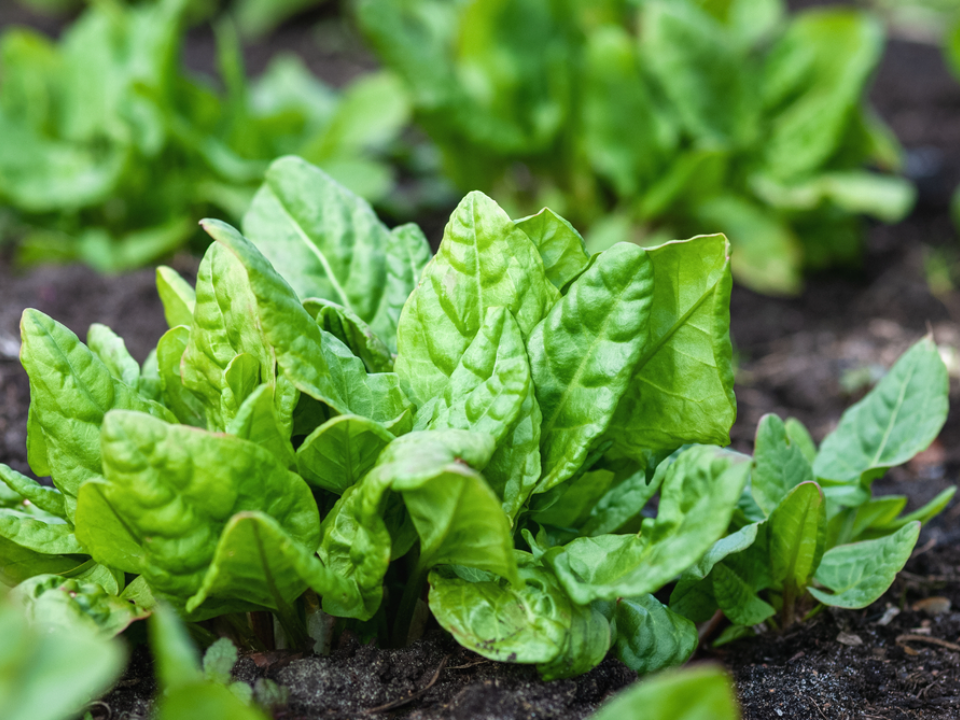
Spinach is a cool-season crop that thrives in February when the soil is workable. It is perfect for planting early as it can tolerate the cold and even a light frost. Spinach germinates quickly, usually within a week, and grows fast, making it ideal for an early spring harvest. This vegetable enjoys well-drained, rich soil and benefits from regular watering to keep the leaves tender and lush.
As spinach grows, it will need some attention to prevent it from bolting as the weather warms up. If you’re looking for a quick and easy vegetable to start your garden, spinach is a great choice. Plant it in rows or raised beds to ensure good air circulation and minimize fungal diseases. In just a few weeks, you’ll be able to enjoy the fresh, nutrient-packed leaves in your salads or cooked dishes.
Peas
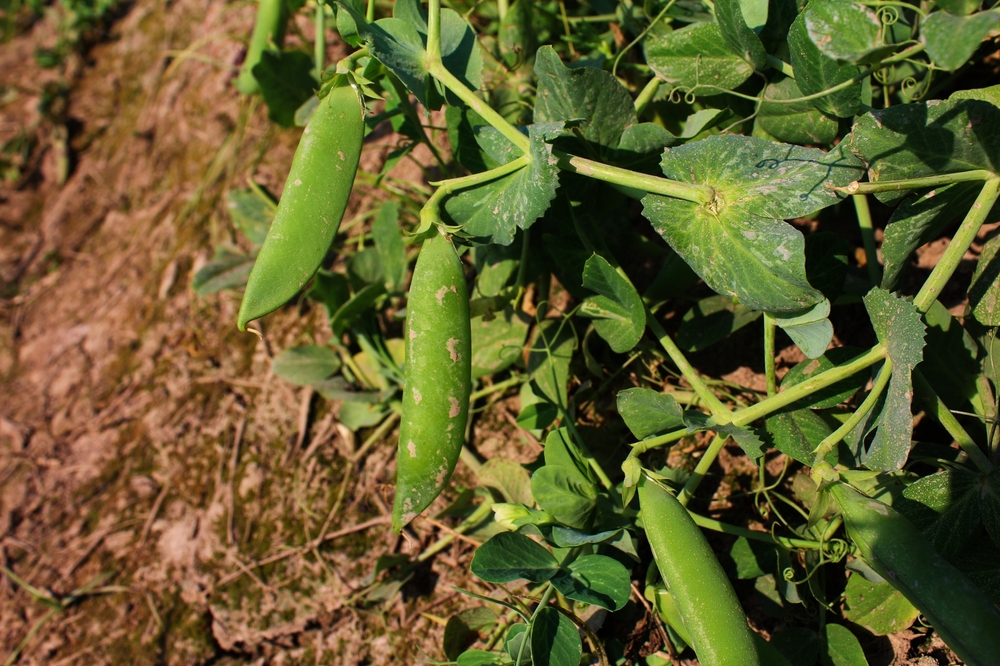
Peas are another great vegetable to direct sow in February when the soil is workable. They prefer cooler temperatures, and the early planting allows them to grow before the heat of the summer arrives. Planting peas now can result in a bountiful crop later, as they grow quickly and can even thrive in slightly chilly soil. Be sure to plant them in a sunny spot with well-draining soil to encourage strong, healthy vines.
Peas need support as they grow, so it’s a good idea to provide a trellis or fence for them to climb. When planting, space the seeds about 1 to 2 inches apart to ensure they have room to spread. Peas are also nitrogen-fixers, which means they can improve the quality of your soil for future crops. A well-tended pea patch can provide you with an early harvest of fresh, sweet peas for soups, stews, or just snacking.
Carrots
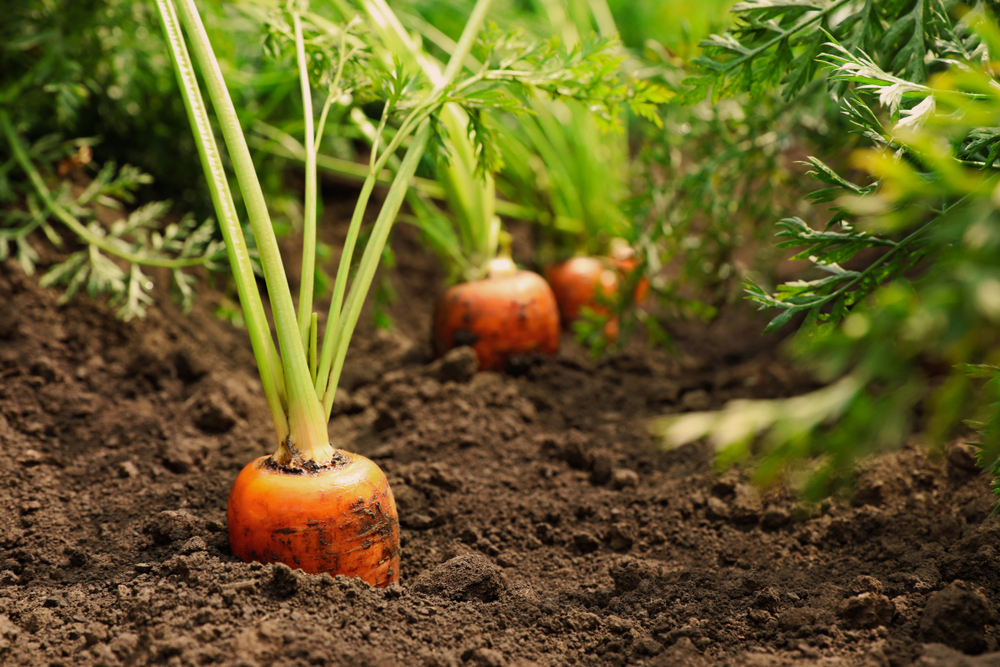
Carrots are a classic root vegetable that you can direct sow in February when the soil is workable. They grow best in loose, well-drained soil and are perfect for sowing early as they can tolerate the chill. Planting carrots now means you’ll be able to harvest them in early spring, especially if you choose fast-growing varieties. They can be sown in rows, with about an inch between each seed for optimal growth.
Carrots need consistent watering, especially as they develop their long roots, and they benefit from thinning once they reach a few inches tall. This allows the remaining plants to grow bigger and healthier. While carrots can handle a light frost, it’s important to keep an eye on the soil temperature to avoid it becoming too cold. With a bit of patience, you’ll be rewarded with crisp, flavorful carrots that can be eaten raw, roasted, or added to various dishes.
Radishes
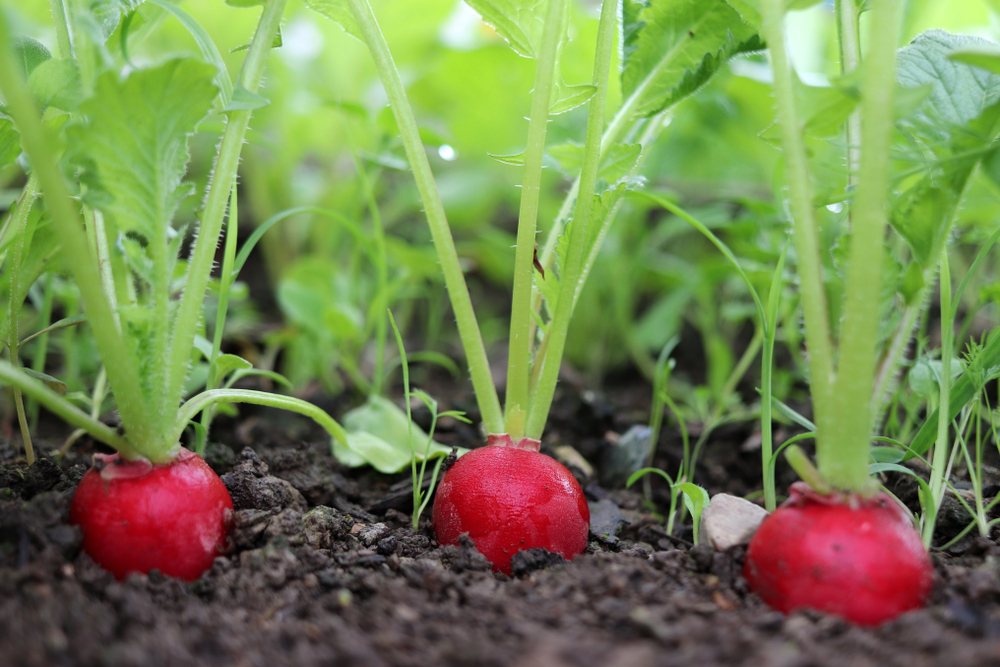
Radishes are perfect for direct sowing in February since they are hardy, quick-growing, and can handle cold temperatures. Radishes typically germinate within a few days, and you can start harvesting them in as little as three to four weeks. They grow best in loose, well-drained soil that allows their roots to expand easily. Plant them in rows, spacing the seeds about 1 inch apart to ensure they have room to grow.
These vegetables thrive in cool weather, making February an ideal time to sow them. Radishes are a great way to add some early-season color and flavor to your garden, and they grow quickly, making them an excellent option for impatient gardeners. Be mindful to thin the seedlings once they’ve sprouted to give the plants the space they need to grow to their full size. Radishes are also a great addition to salads, soups, and stir-fries, offering a crunchy, peppery flavor.
Lettuce
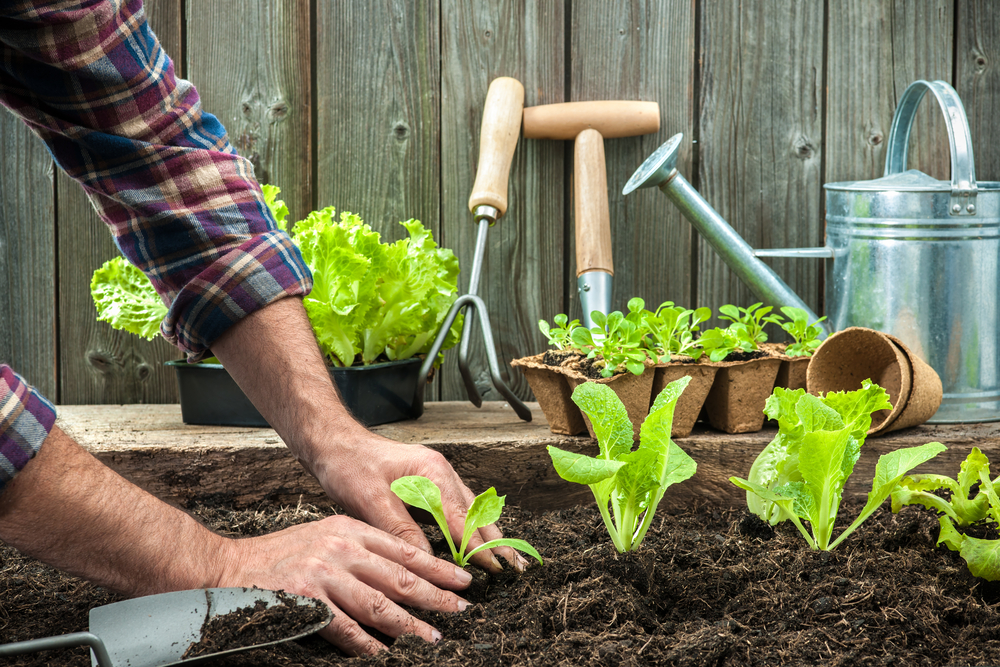
Lettuce is another cool-season vegetable that can be directly sown in February. It prefers cooler temperatures, which makes early sowing perfect for getting a head start on the growing season. Lettuce grows quickly and is ready to be harvested in about 4 to 6 weeks. It prefers soil that is rich in organic matter, so adding compost or a balanced fertilizer can help promote healthy, tender leaves.
Lettuce is a versatile vegetable that thrives in sunny or partially shaded areas. To keep it growing well, ensure that the soil is kept moist, but not soggy, and watch out for pests like aphids. Regular harvesting of outer leaves will encourage new growth, and if you plant a few different varieties, you can enjoy a range of textures and flavors. Fresh lettuce is a welcome addition to any meal, whether used in a salad or as a topping for sandwiches.
Swiss Chard
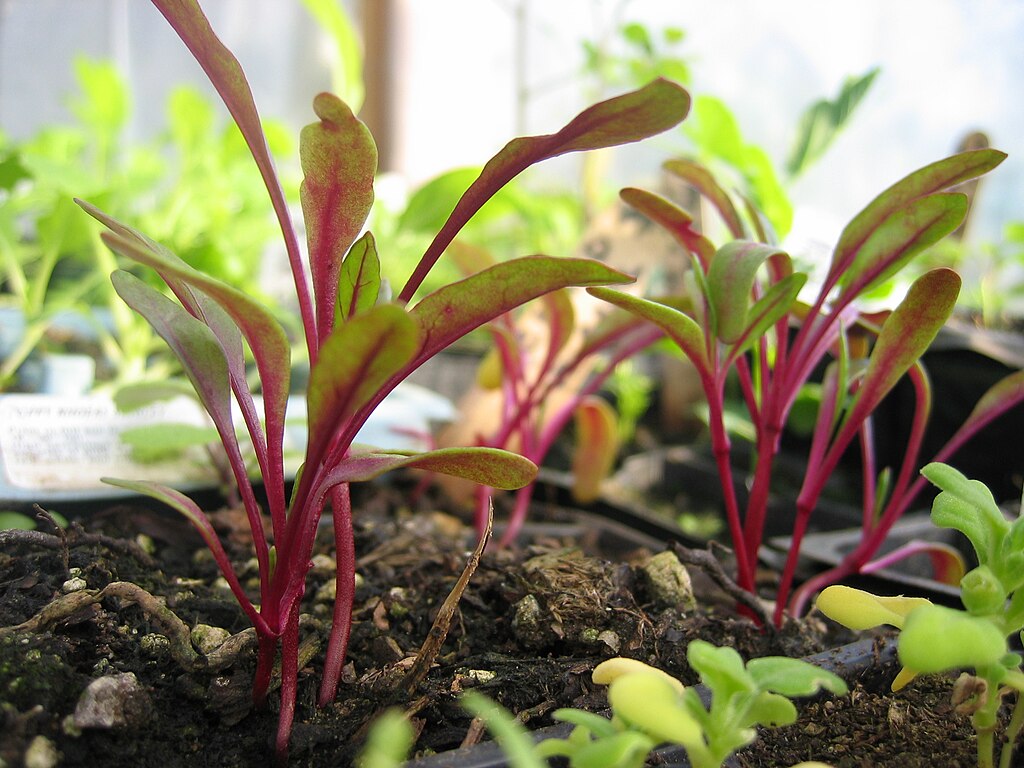
Swiss chard is a hearty green vegetable that can be direct sown in February. It is known for its vibrant, colorful stems and its ability to tolerate cooler temperatures, making it a great choice for early planting. Swiss chard is also quite nutritious, rich in vitamins and minerals, which makes it a valuable addition to your garden. It prefers slightly alkaline soil and benefits from a steady supply of water to keep the leaves tender.
This vegetable is perfect for small gardens, as it can be grown in compact spaces, and its leaves can be harvested continuously. Swiss chard is known for being both heat-tolerant and cold-tolerant, which makes it adaptable to changing weather patterns. Once the plants are established, they require minimal care, making them an excellent choice for both beginner and seasoned gardeners. With regular harvesting, Swiss chard can provide you with a constant supply of greens for salads, stir-fries, and soups.
Beets
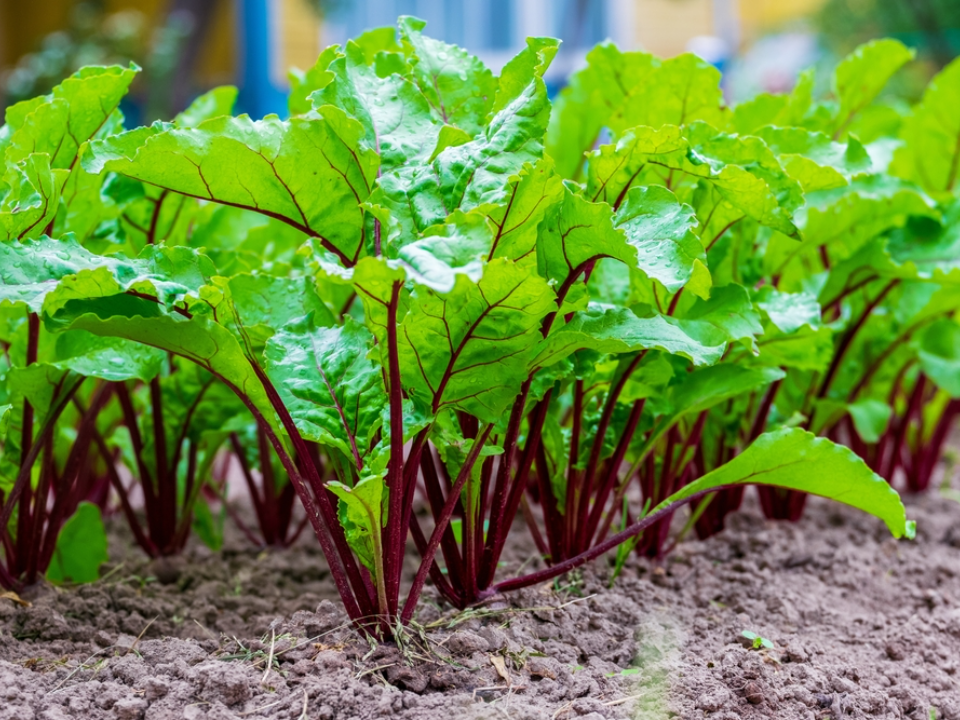
Beets are a root vegetable that can be direct sown in February when the soil is workable. They grow well in cool weather and can be harvested both for their roots and their greens, making them a versatile crop to grow. Beets prefer well-drained, fertile soil, and planting them early in the season allows them to establish strong roots. Space the seeds about 2 inches apart, as beets need space to grow.
Beets are easy to grow and can be planted directly in the ground as soon as the soil can be worked. They are known for their sweet flavor and deep, vibrant color, which makes them a favorite in both fresh and roasted dishes. The leaves, known as beet greens, are also edible and can be used in salads or sautéed. Beets are excellent for adding color and texture to your garden and your meals, with both the roots and leaves being nutrient-rich and tasty.
Turnips
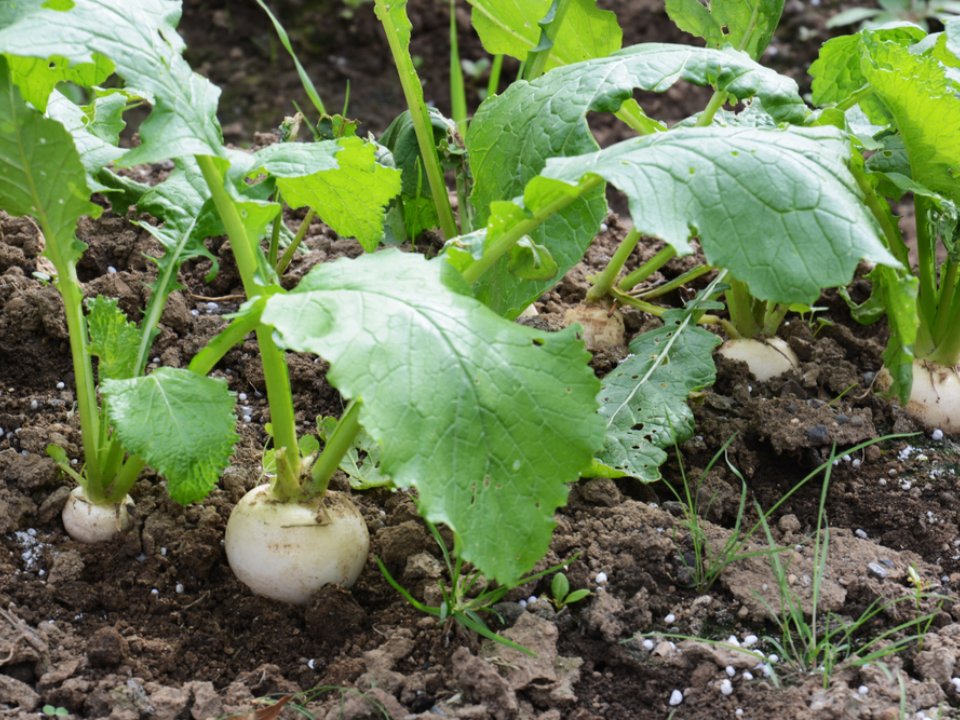
Turnips are another vegetable that thrives in cool weather and can be direct sown in February. These hardy vegetables grow well in slightly acidic soil and are best planted in rows, with seeds spaced about 1 inch apart. Turnips grow quickly, and their bulbs can be harvested within a couple of months. They’re great for early-season planting, as they can handle the cool temperatures and will be ready to harvest before the summer heat sets in.
In addition to their roots, turnips also produce edible greens that can be used in salads, soups, or stir-fries. Turnips need consistent moisture, especially as the bulbs form, to ensure that they grow evenly and do not become woody. They’re a great vegetable for growing in small spaces and can be planted in containers or raised beds. Turnips are also packed with nutrients, making them a healthy addition to your garden and diet.
Mustard Greens
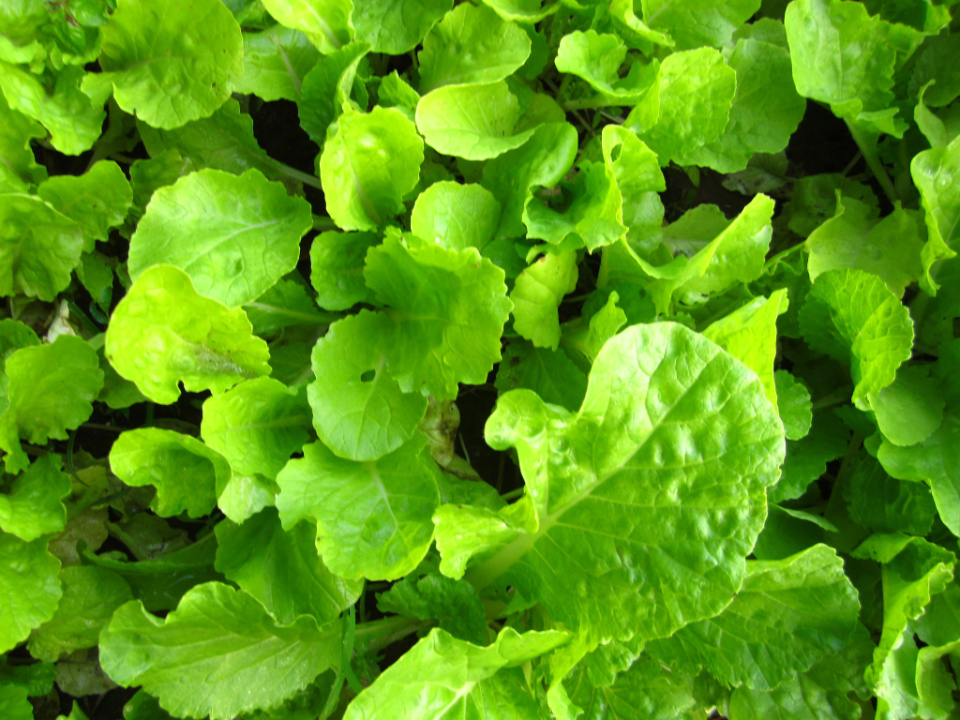
Mustard greens are a quick-growing, cool-weather vegetable that can be direct sown in February. They are known for their peppery flavor and are packed with vitamins and minerals. These greens thrive in rich, well-drained soil and can be harvested in as little as 30 days. Mustard greens are perfect for gardeners who want an early harvest and appreciate a spicy kick in their salads or cooked dishes.
Mustard greens grow best in full sun but can also tolerate partial shade, making them a flexible option for various garden conditions. They prefer soil that is slightly acidic and benefit from regular watering. Harvesting the outer leaves allows the plant to continue growing, providing a continuous supply of fresh greens. Their bold flavor and nutritional value make them a popular choice for gardeners looking for an early-season crop that packs a punch.
Cabbage
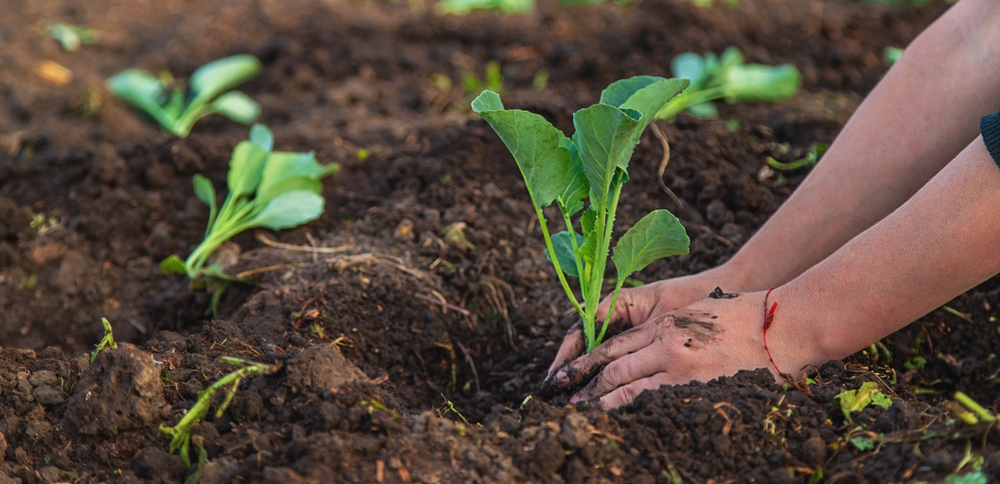
Cabbage is a hardy vegetable that can be direct sown in February, especially if you live in an area with mild winters. Cabbage plants prefer cool temperatures and grow best in well-drained, fertile soil. These vegetables require plenty of space to develop their heads, so be sure to plant them in rows with enough distance between each plant. Cabbage takes longer to mature than some of the other vegetables on this list, but the wait is worth it for the delicious, hearty heads.
When planting cabbage, it’s important to keep the soil consistently moist, especially as the heads begin to form. Fertilize regularly to ensure that the plants have the nutrients they need to grow strong. Cabbage can be harvested once the heads feel firm to the touch, and it stores well for later use. Whether eaten raw in slaw or cooked in stews, cabbage is a versatile vegetable that adds both flavor and texture to a variety of dishes.
Kale
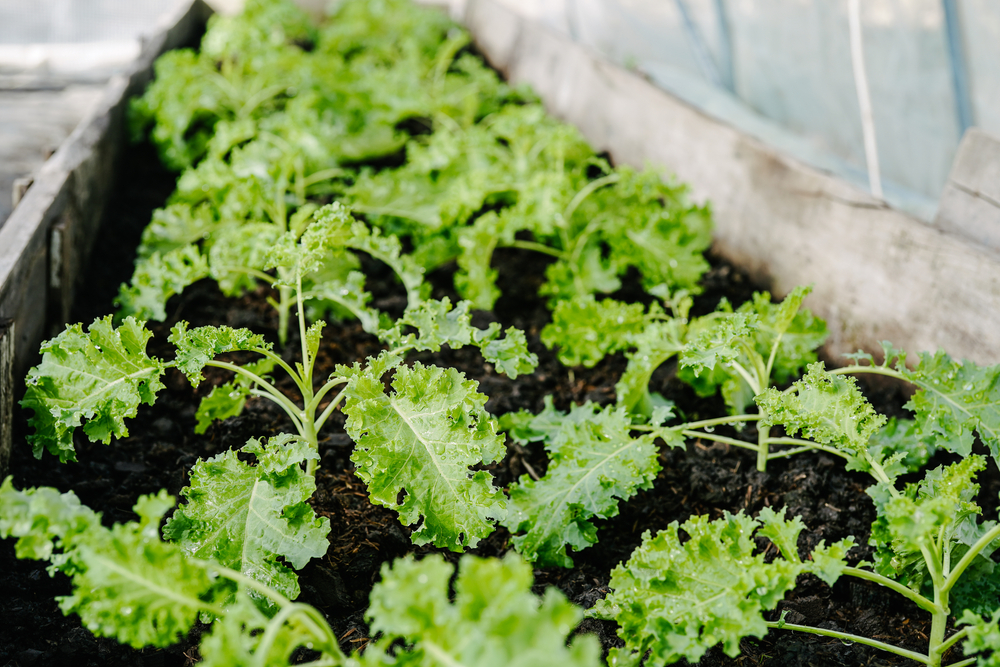
Kale is a cold-hardy vegetable that can be direct sown in February, making it perfect for early spring gardening. This leafy green is packed with nutrients and can handle frost, making it ideal for cool-weather planting. Kale prefers slightly acidic soil and does best when planted in full sun, though it can tolerate some shade as well. Plant the seeds about 1 inch apart, and thin the seedlings once they begin to grow.
Kale grows well in a variety of climates and can continue producing leaves for several months after it has been sown. It thrives with regular watering and benefits from a light layer of mulch to keep the soil cool and moist. As the weather warms, kale can become tough, so it’s best to harvest the leaves early in the season for the best texture. Fresh kale is perfect for salads, soups, and smoothies, offering a hearty, nutritious addition to any meal.
Broccoli
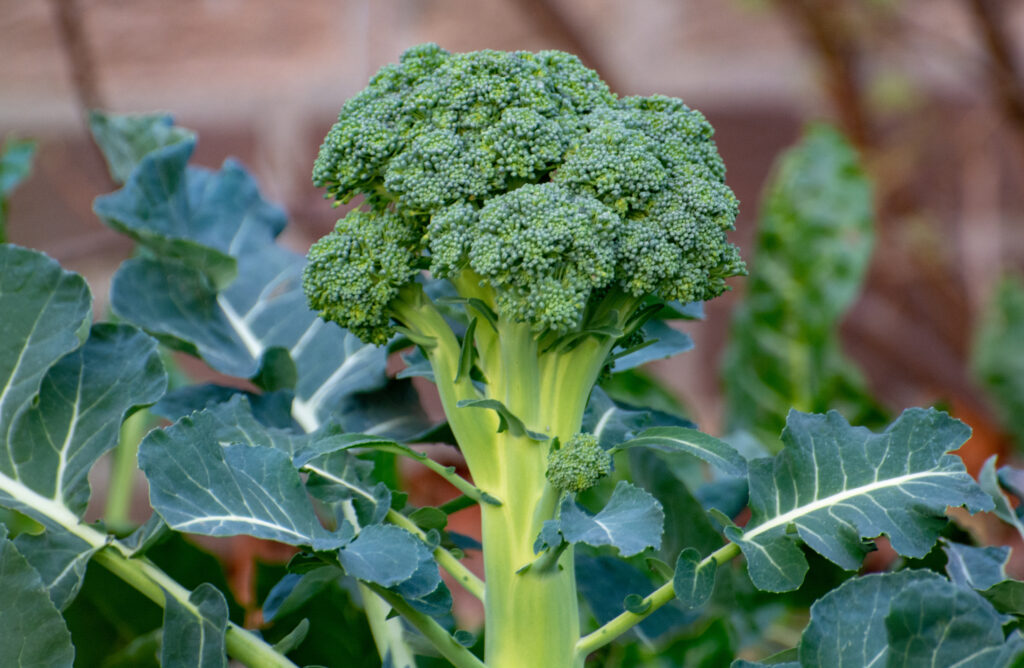
Broccoli can be direct sown in February when the soil is workable, as it prefers cooler temperatures. It requires well-drained, fertile soil to thrive and needs plenty of space to grow strong, healthy plants. Broccoli grows best in full sun, although it can tolerate partial shade, especially as the weather warms. When sowing, space the seeds about 1 to 2 inches apart and thin the seedlings to give each plant room to grow.
Broccoli plants need consistent moisture, particularly as the heads begin to form. Fertilizing regularly will help promote strong growth and large, tight heads. Harvest the broccoli once the heads are fully formed and before they start to flower. Freshly harvested broccoli is perfect for steaming, roasting, or adding to a variety of dishes, making it a versatile and nutritious vegetable to grow in your garden.
Potatoes
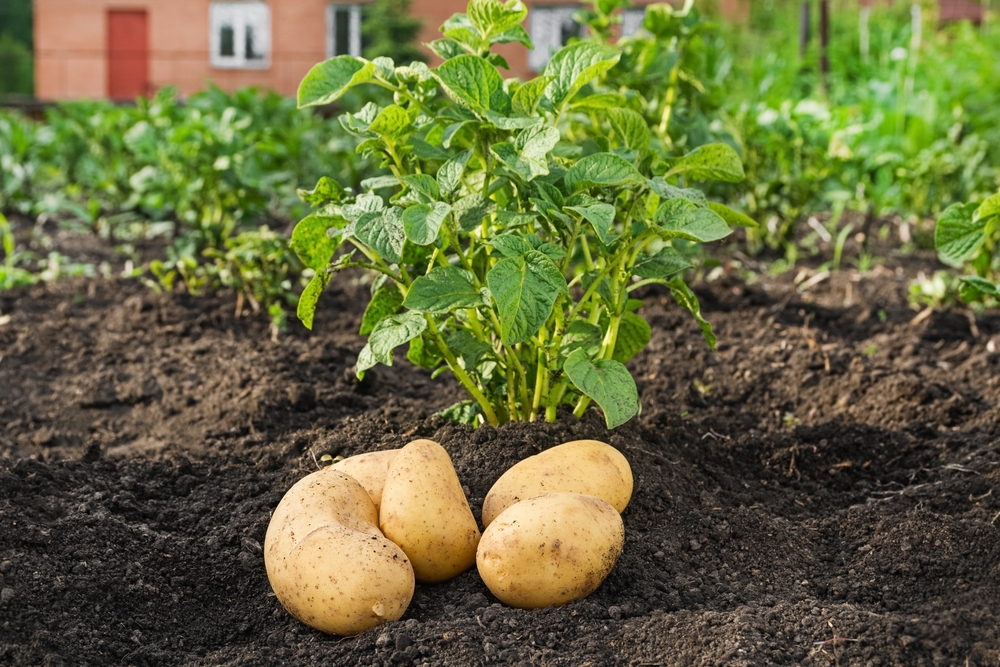
Potatoes are a great vegetable to plant in February, especially if you live in a region with mild winters. They thrive in well-drained, loose soil, which allows the tubers to expand and grow properly. Plant seed potatoes in trenches or raised beds with enough space between each one to allow for growth. Potatoes prefer cool temperatures, so planting them early will help them grow strong before the summer heat.
While potatoes are generally low-maintenance once they’re in the ground, they do need consistent watering, particularly as the tubers begin to form. As the plants grow, mound the soil around them to help support the developing potatoes and protect them from sunlight. Harvest the potatoes once the leaves begin to die back, and store them in a cool, dark place to extend their shelf life. With proper care, your early-planted potatoes will provide you with a hearty, nutritious harvest later in the season.
Arugula
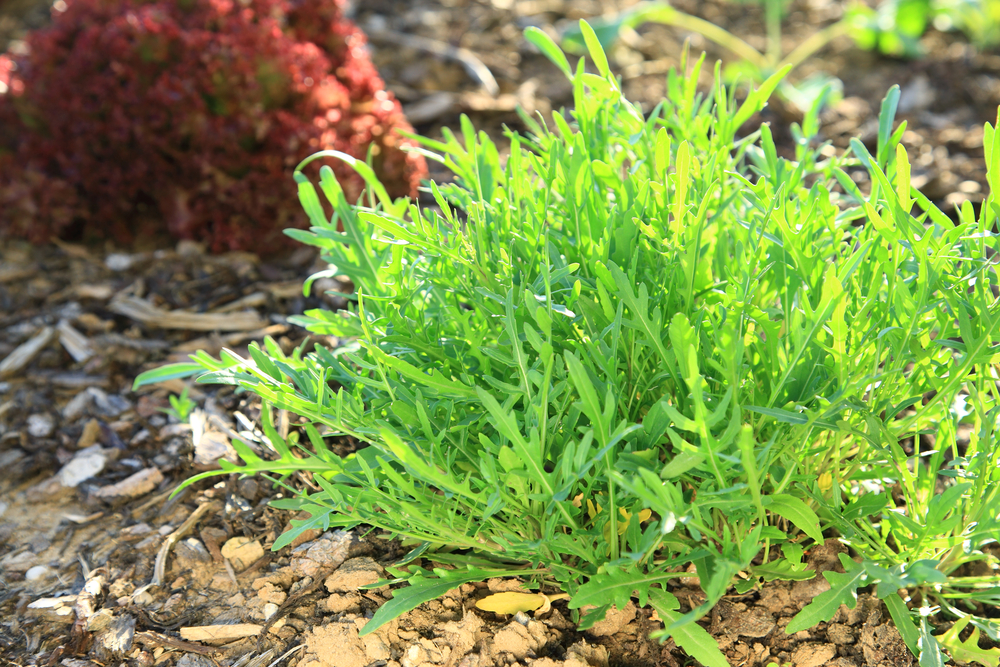
Arugula is a fast-growing, cold-hardy leafy green that can be direct sown in February. It thrives in cooler temperatures and prefers soil that is rich in organic matter. Arugula grows quickly, so you can start harvesting the leaves in as little as 4 weeks. It can be grown in full sun or partial shade, making it a versatile addition to your garden.
This peppery green is great for adding flavor to salads, sandwiches, and pizzas. Arugula prefers consistent moisture, so regular watering is key to keeping it tender and flavorful. It’s important to thin the plants as they grow to give them space to develop properly. With regular harvesting, arugula will continue to produce fresh, spicy leaves for several weeks.
Shallots
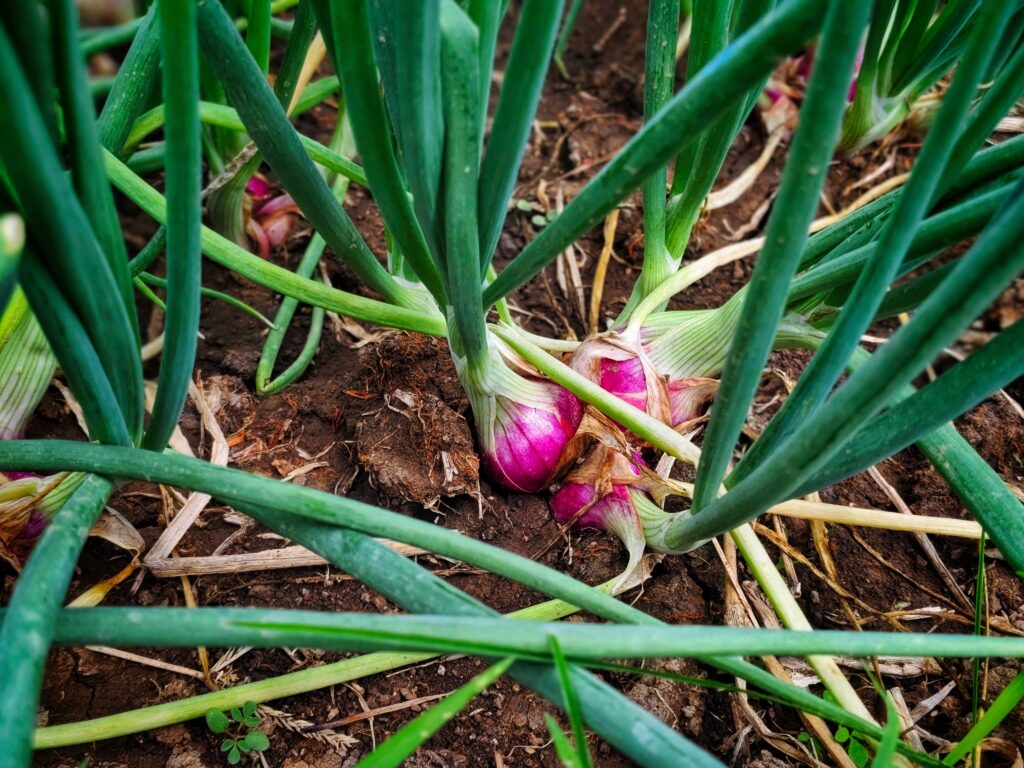
Shallots can be planted directly in the soil in February when the weather is cool. They grow well in well-drained, fertile soil and can be spaced about 6 inches apart for optimal growth. Shallots are related to onions but have a milder flavor and a slightly sweeter taste. Plant them with the pointed end facing up, ensuring that the bulbs are covered with soil.
Shallots need consistent moisture and prefer a sunny spot to grow. They will mature over several months and can be harvested when the tops begin to dry out. Shallots are a great addition to many dishes, offering a delicate, savory flavor. They can be used in soups, salads, and dressings, and they store well for months after harvesting.
This article originally appeared on Avocadu.