
10 Best Places To Find Antique Maps Without Modern Reproductions
Finding authentic antique maps can be a rewarding yet challenging pursuit, especially with so many modern reproductions flooding the market. To ensure you are acquiring genuine historical pieces, it’s crucial to source from reputable specialists and trusted institutions. By focusing on well-established dealers, auction houses, and curated collections, you can confidently add authentic maps to your collection. These sources prioritize quality and have the expertise to distinguish original, aged materials from newer imitations.
This post may contain affiliate links, which helps keep this content free. Please read our disclosure for more info.
Antiquarian Bookshops in Major Cities
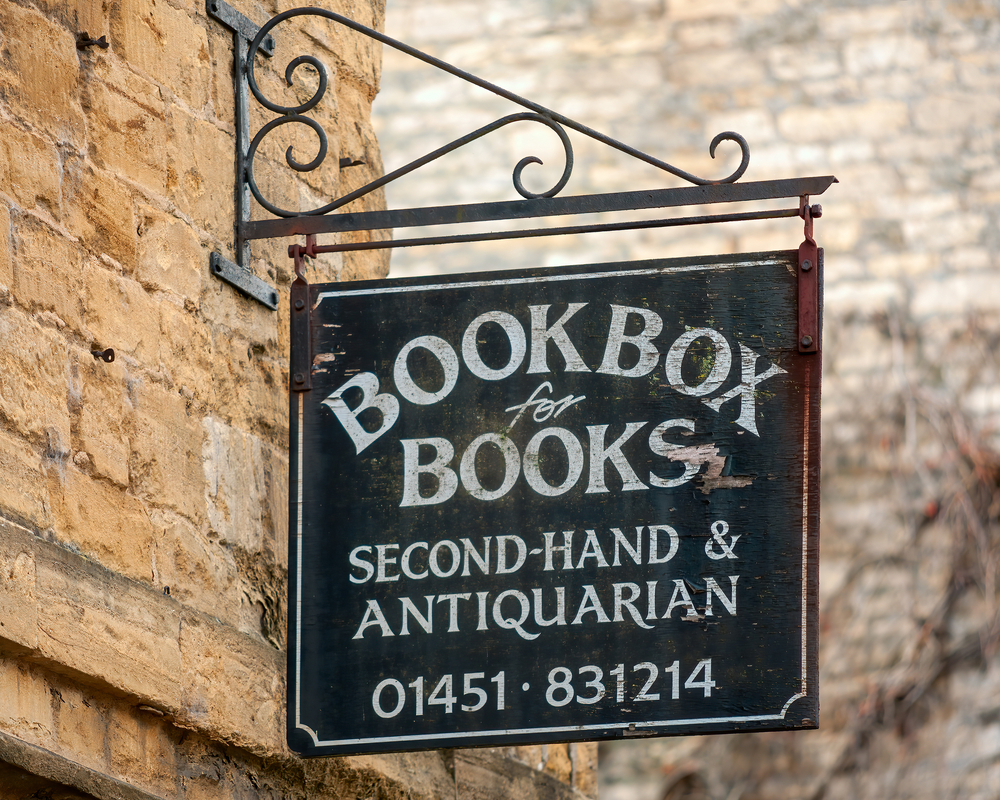
Antiquarian bookshops that have been serving collectors for decades are among the best places to locate genuine antique maps. These bookshops often specialize in historical documents and prints, and their staff will usually have firsthand experience identifying materials that date back to earlier centuries. Because these shops build reputations over years, many develop networks of collectors who consign legitimate pieces, reducing the risk of inadvertently buying a modern print made to look old.
Visiting a well-known bookshop also means you can examine the map in person, feeling the texture of the paper and inspecting aging that only decades or centuries of handling can produce. Owners of such shops understand the common markers of reproductions, such as modern ink or machine-made paper. This makes it significantly more likely that the maps available there are authentic and not recent copies meant to appear old.
Established Auction Houses with Document Departments
Reputable auction houses that handle historical documents and manuscripts are reliable places to find authentic antique maps. These institutions often have specialists who review each item before it is listed for sale. Those specialists can distinguish original paper, genuine watermarks, and print methods that match the era the map is said to come from, reducing the chance of buyers ending up with a modern imitation.
Another benefit of purchasing through a major auction house is the detailed catalog entry that typically accompanies each lot. These descriptions include provenance information and notes on condition that help buyers understand the history of the map. Because auction houses depend on their credibility, they are more careful about verifying that what they sell truly comes from an earlier period rather than being a postmodern reproduction.
Private Dealers with Long-Standing Clientele

Private dealers who focus on antique prints and maps often have long relationships with repeat customers and institutions. These dealers frequently acquire items from estates, collections that have been in families for generations, or other dealers who are known to handle genuine historical material. Their years in the same niche allow them to spot copies quickly and remove them from inventory so that buyers can trust what they purchase.
When you deal with a private dealer with a track record of accurate identification, you have the chance to ask detailed questions about where a map came from and how it was preserved. This personal exchange increases the chance that you are getting a document that truly dates back to the period claimed, rather than a modern reproduction bearing artificially aged paper.
Museum Shops with Surplus or Duplicate Pieces

Museum shops that sell surplus or duplicate historical maps from their archives can be excellent places to acquire authentic material. Since the original institution has already researched the map, including scientific examinations and historical verification, buyers can be confident about the origins of the piece. Museums do not usually sell reproductions in these contexts, so the chances of getting a modern print are very low.
These map offerings often come with a printed description prepared by curators or researchers, outlining the map’s history and significance. This additional context helps buyers understand what they are acquiring, including the period of publication and why the museum considered it fit for their collection originally. For collectors interested in pre-modern geography, this background is invaluable and distinct from what you might find in commercial reproductions.
Estate Auctions with Verified Provenance

Estate auctions often include maps that have been in private hands for many years, sometimes even centuries. These auctions may offer pieces that once belonged to families who kept meticulous records and preserved items in stable conditions. With proper documentation and verification from the auction house, buyers can sometimes trace the item’s history through generations.
Because reputable estate sales provide records and descriptions that accompany each lot, there is transparency about how the item was obtained and where it has been displayed. This transparency helps reduce the risk of confusing a genuine antique map with a recent imitation that was inserted into the sale. Collectors who study these details can make informed choices based on evidence rather than appearance alone.
University and Library Special Collections

Many universities and large public libraries maintain special collections of historical materials that include antique maps. These institutions often catalog their holdings carefully and make them available to researchers. When they choose to sell or deaccession items, the documentation that comes with the piece usually includes scholarly notes on origin and age.
Purchasing from a university or library collection sale means you benefit from prior review by academic staff or archivists who have handled the map directly. They can confirm aspects like paper type and print techniques that align with the claimed period. Because these institutions guard their reputations closely, they do not release items that are suspect or poorly verified.
Historical Societies’ Sales and Auctions
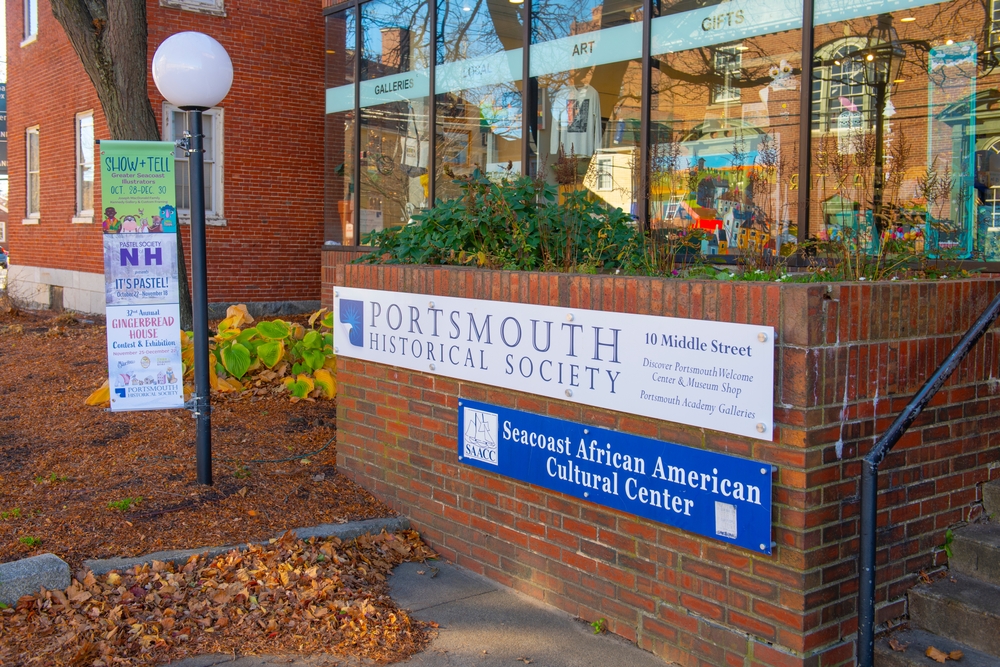
Historical societies often hold periodic sales or auctions of maps and prints that relate to regional history. These organizations maintain records and research about the items in their care, making it easier for buyers to learn about a map’s origins and authenticity. Members of historical societies may also share additional insights that you might not find in commercial listings.
Because these groups are focused on preserving historical understanding, they are careful to distinguish original materials from reproductions. Maps offered in these contexts often come from collections that have been preserved with specific attention to authenticity. This can save buyers from taking home a piece that has been artificially aged or misrepresented.
Specialized Online Marketplaces Focused on Historical Works

Certain online marketplaces focus exclusively on original historical works rather than modern prints. These platforms require sellers to provide details such as the publication date, condition reports, and photographs of specific features that can confirm age. Buyers can use these details to judge whether a map is an antique or simply designed to look like one.
Because these marketplaces concentrate on older works, there tends to be a community of informed buyers and sellers who comment on listings and raise concerns if something seems out of place. This self-regulation helps reduce the chances of modern reproductions being passed off as authentic. However, it is still wise to consult experts or reference materials before finalizing a purchase.
Regional Map Fairs and Print Shows

Regional fairs and shows that feature maps and prints from multiple dealers are excellent places to examine antique maps side by side. Dealers who invest in attending these events usually bring pieces they have verified themselves through years of handling similar material. When you ask questions at these shows, you can gauge the dealer’s responses and confidence in the item’s history directly.
These gatherings also let collectors compare different examples of maps from the same era or region, helping them understand the nuances that distinguish genuine works from reproductions. Over time, this kind of exposure builds a more discerning eye, supported by the knowledge shared among exhibitors and buyers.
Auction Catalog Dealers Who Publish Printed Lists

Some dealers publish printed auction catalogs that highlight historical maps well before the sale date. These printed materials often include scholarly essays, high-quality photographs, and notes on how the item was sourced. Because creating such a catalog requires effort and expertise, these dealers typically include only pieces they are confident about.
These catalogs serve as reference material that you can study at length, comparing details like paper texture, printing style, and aging characteristics to known examples. The additional context helps you identify features that genuine antique maps possess, making it easier to avoid modern facsimiles that may not show the same traits.
This article originally appeared on Avocadu.