
11 Evergreen Shrubs To Plant For Late Winter Structure
Looking to add year-round structure and visual interest to your garden? Evergreen shrubs are perfect for maintaining a strong foundation during the colder months. These hardy plants not only provide greenery throughout late winter but also offer texture, color, and height to your landscape. From winter blooms to striking foliage, evergreen shrubs help keep your garden lively when most plants are dormant.
This post may contain affiliate links, which helps keep this content free. Please read our disclosure for more info.
Rhododendron
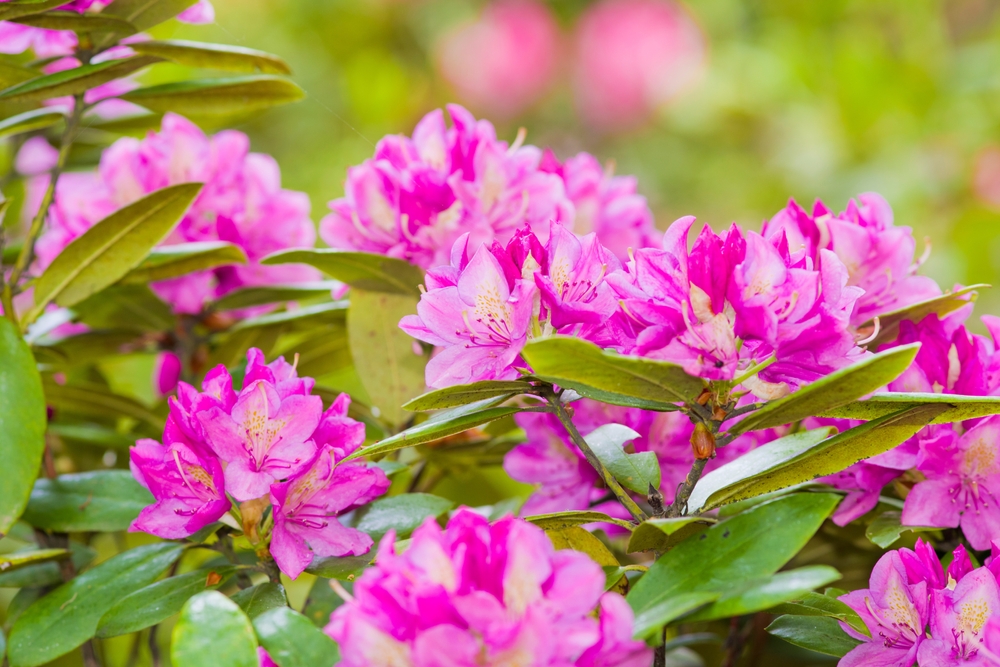
Rhododendrons are a staple in gardens that need winter structure and interest. These evergreen shrubs provide dense foliage, with large, leathery leaves that stay green throughout the colder months. The leaves offer a hearty texture, providing an evergreen backdrop to the winter landscape. Rhododendrons come in various sizes, from smaller shrubs to large, tree-like specimens, making them versatile for a range of garden sizes. Their ability to maintain foliage in harsh weather conditions ensures that your garden will still have a solid structure during late winter when many plants are dormant.
In addition to their foliage, many Rhododendrons bloom in early spring, producing large clusters of vibrant flowers in shades of pink, purple, white, and red. This makes them a standout choice for creating a transition from winter to spring. Rhododendrons prefer acidic, well-drained soils and are best planted in partial to full shade, making them suitable for woodland gardens or areas that lack full sun. When placed strategically, they add not only structure but also visual interest with their flowers and foliage that persist through the chill.
Holly
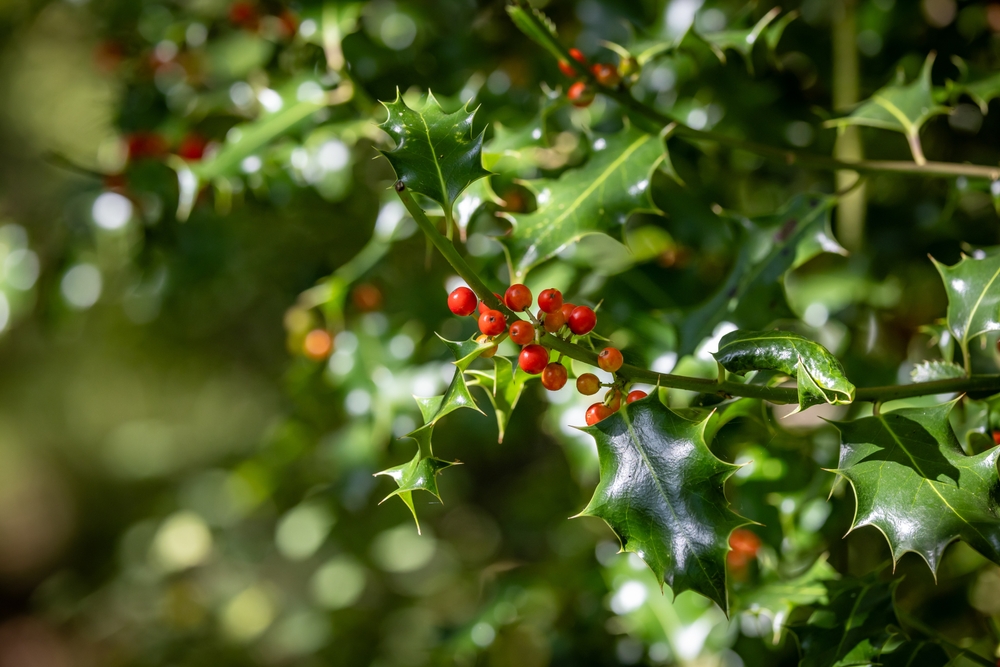
Holly is a classic evergreen shrub with both visual appeal and structural presence. Known for its spiny, glossy leaves and bright red berries, holly provides a striking contrast in the late winter garden. The foliage remains vibrant and hearty through the cold, while the berries add a pop of color that stands out against snow and frost. Holly’s dense growth habit allows it to serve as an excellent hedge or barrier, providing year-round structure, and its tough foliage ensures it can withstand harsh weather conditions. It is a go-to shrub for creating privacy screens, windbreaks, or focal points in the garden.
Holly thrives in acidic soils and can grow in full sun to partial shade. In addition to its ornamental value, holly’s berries attract birds, providing food during the winter months when other food sources are scarce. Depending on the variety, holly can grow as a large shrub or small tree, making it a versatile option for different garden layouts. The plant is relatively low-maintenance, requiring only occasional pruning to keep its shape and size in check. Holly adds timeless beauty and structure to gardens during the colder months and offers functional benefits like privacy and wildlife support.
Mahonia
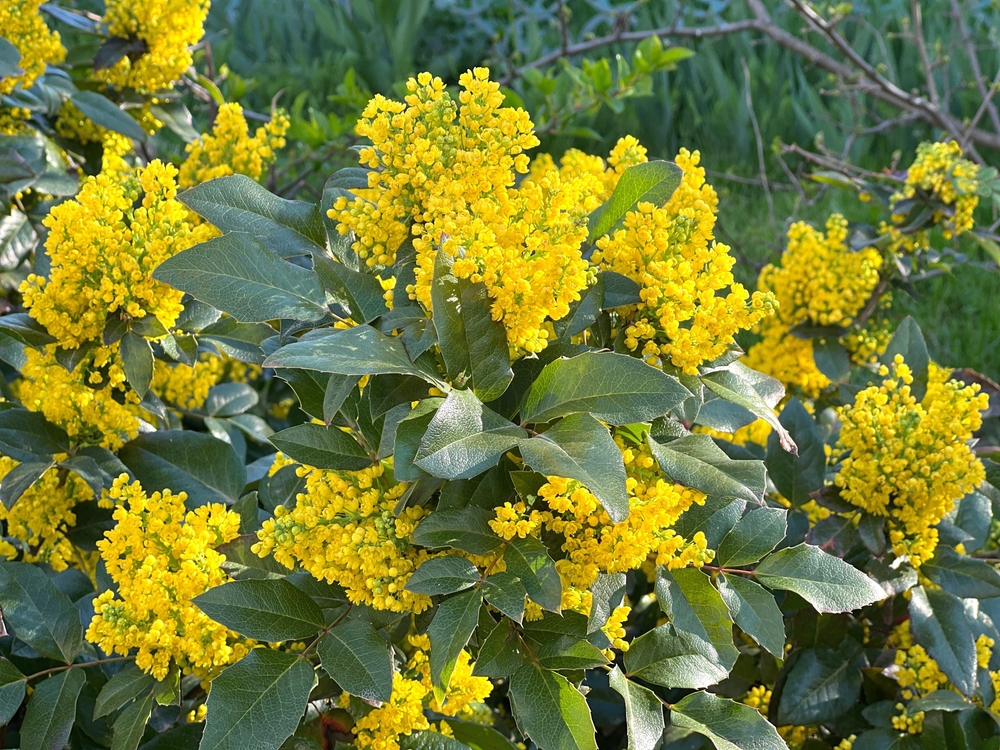
Mahonia is a striking evergreen shrub that excels in providing winter interest with its bold structure and colorful blooms. Its glossy, spiky leaves are reminiscent of holly, maintaining their vibrant green hue throughout the winter months. The thick, leathery foliage ensures the plant retains its structure and texture in cold weather, offering a backdrop to other winter plants or garden elements. Mahonia’s ability to thrive in partial to full shade makes it ideal for woodland gardens or shaded areas that need a hardy evergreen shrub to fill the space with structure and greenery during the coldest months.
In late winter, Mahonia produces clusters of yellow, fragrant flowers that add a welcome splash of color to the garden when most other plants are still dormant. The flowers are often followed by blue-black berries, which are both ornamental and attract wildlife. Mahonia grows well in well-drained, slightly acidic soils and prefers sheltered spots where it is protected from harsh winds. This shrub is an excellent choice for adding vertical interest to the garden, thanks to its upright growth habit, making it a perfect fit for borders, corners, or as a specimen plant.
Camellia
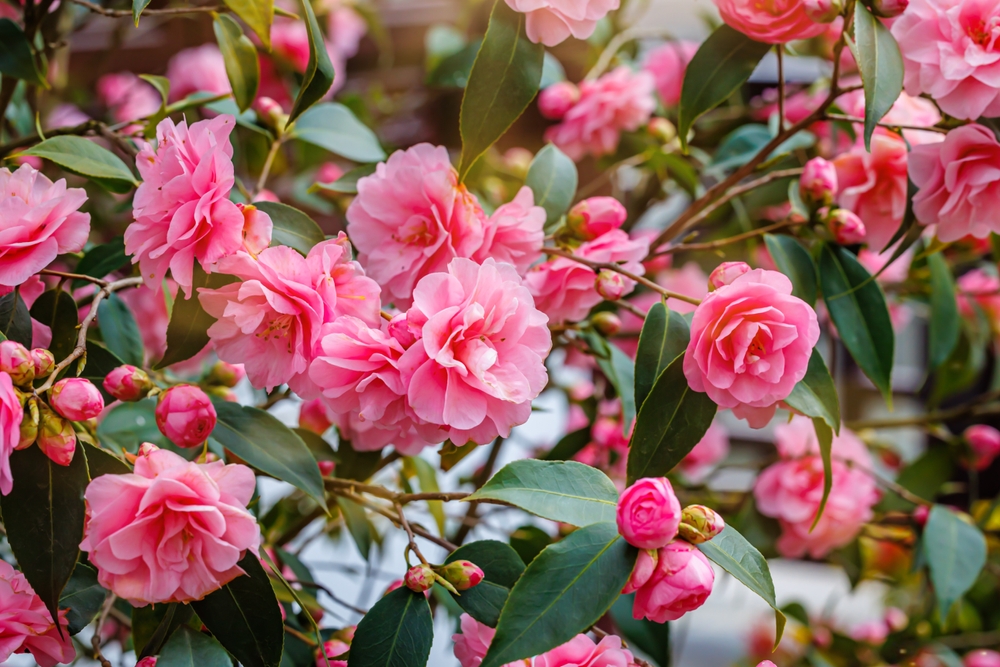
Camellias are well-known for their ability to offer both evergreen structure and beautiful winter blooms. With their glossy, dark green leaves and upright growth habit, they provide a solid framework in the garden during late winter, even before the blooms appear. These shrubs come in various sizes, from small, compact varieties to larger specimens that can be trained into trees. Camellias can serve as a backdrop for smaller plants or create a striking focal point, as their evergreen leaves contrast beautifully with the flowers that emerge in late winter or early spring.
What sets Camellias apart is their stunning winter blooms, ranging from white to pink to red, depending on the variety. These flowers can persist for weeks, brightening up the garden during a time when few other plants are in bloom. Camellias prefer well-drained, acidic soil and can tolerate partial to full shade, making them perfect for areas that do not receive direct sunlight throughout the day. Their graceful flowers and hearty evergreen foliage make them a great choice for adding structure and color to a winter garden, offering a bridge between seasons.
Boxwood
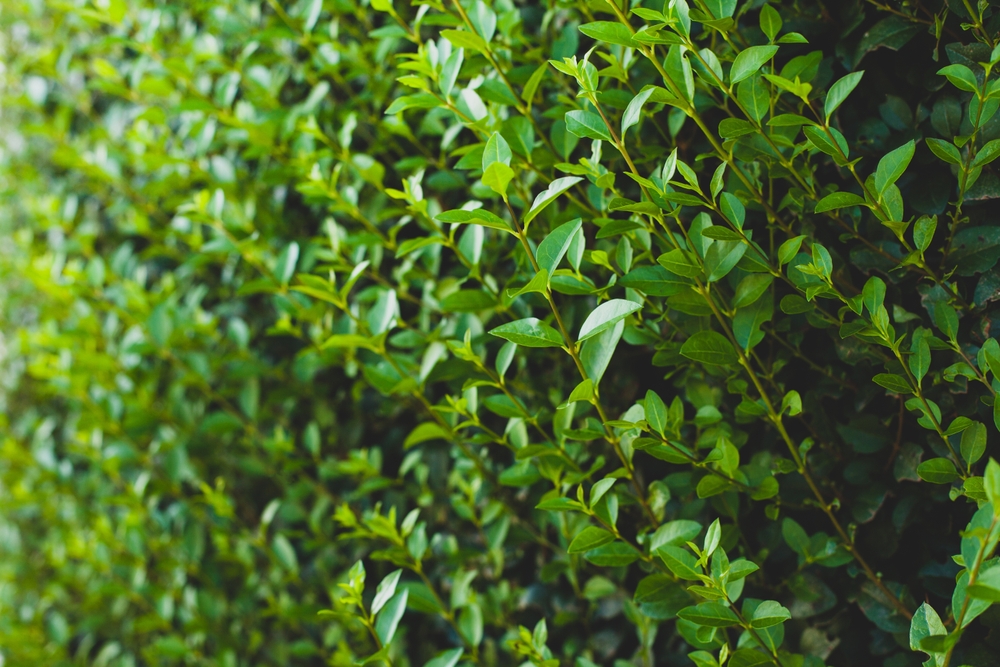
Boxwood is a classic evergreen shrub that has been used in gardens for centuries to provide clean, structured shapes and borders. Known for its small, dense leaves, Boxwood is ideal for creating formal hedges, topiary, or as a neat border around garden beds. Its compact, rounded growth habit provides year-round structure, making it a key player in any winter garden. In late winter, the dense foliage of Boxwood remains intact, offering a solid, uniform shape when many other plants are bare or dormant.
One of the main appeals of Boxwood is its versatility. It can be easily shaped through regular pruning, allowing gardeners to create tailored looks or architectural features. Boxwood is also known for its ability to adapt to a range of soil types, thriving in both full sun and partial shade. It is relatively low-maintenance, requiring little more than occasional trimming to keep its neat appearance. For those seeking a structured, tidy look, Boxwood is an excellent evergreen choice to maintain strong, reliable structure throughout the colder months.
Arborvitae
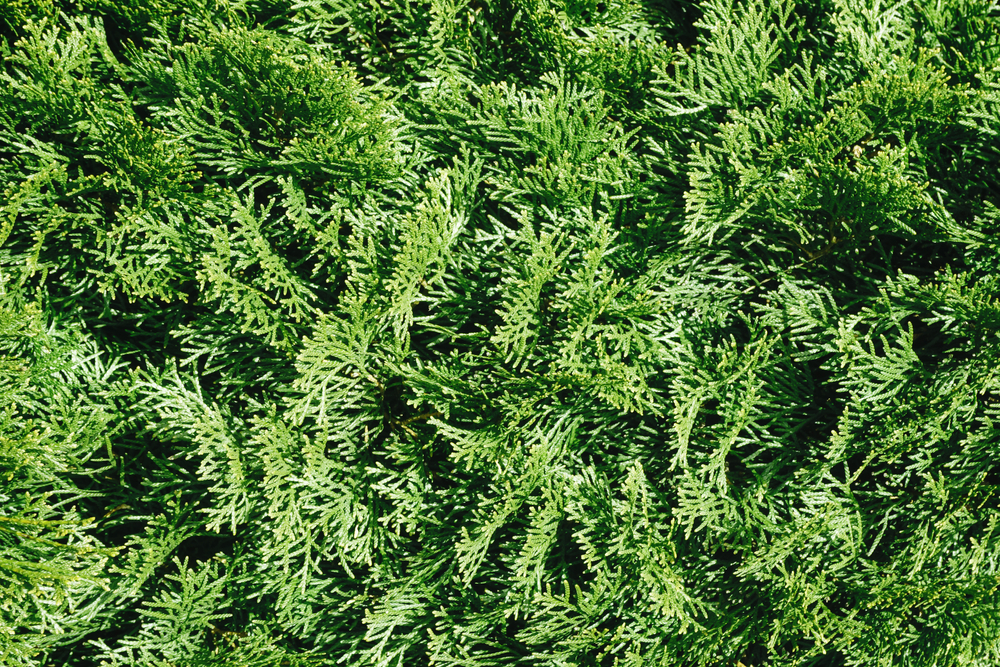
Arborvitae is another reliable evergreen that provides excellent winter structure with its upright, narrow form and vibrant green foliage. These trees are perfect for creating privacy screens or windbreaks, offering both functionality and beauty during late winter. Arborvitae’s dense, soft needles retain their color through the colder months, making them a staple for providing vertical structure in the garden. The plant’s uniform shape makes it ideal for creating hedges or borders that stay intact year-round, even in the harshest winter conditions.
Arborvitae thrives in well-drained, slightly acidic soil and can tolerate a range of sunlight conditions, from full sun to partial shade. As a fast grower, it can quickly fill in spaces that need coverage and is often used in landscaping to create tall, narrow screens or as a background for other plants. The evergreen nature of Arborvitae ensures that it will retain its visual appeal even through the dead of winter. It is an easy-to-care-for shrub that requires little maintenance, aside from occasional pruning to remove any dead or damaged growth.
Juniper
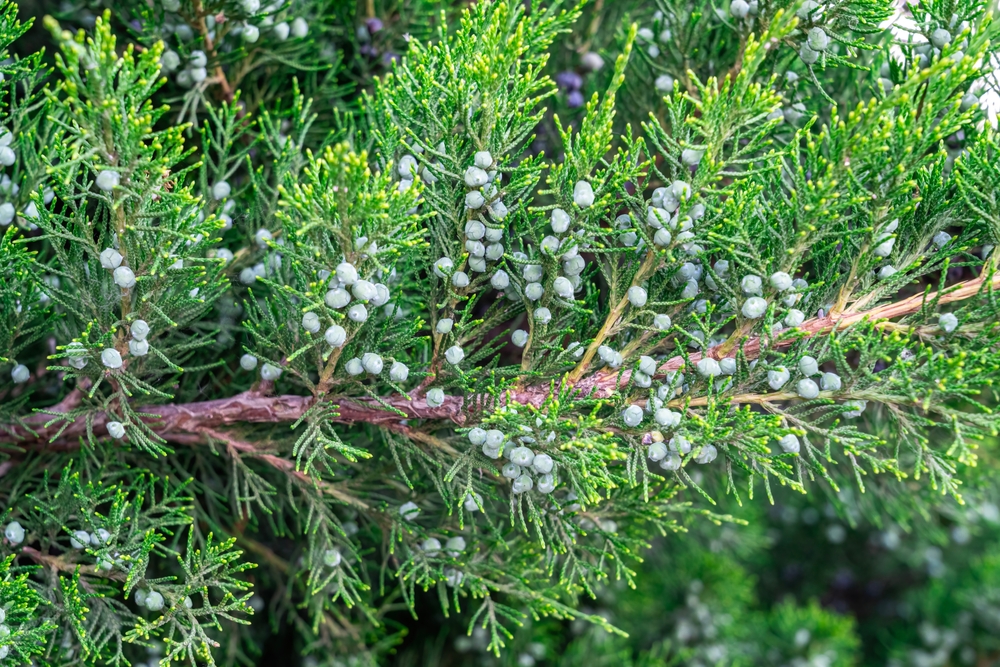
Juniper is a versatile evergreen shrub that brings both structure and visual interest to winter gardens. These shrubs come in a variety of forms, including low-growing ground covers and tall, upright varieties. Juniper’s needle-like foliage provides year-round color, with some varieties taking on a blue or silver hue in the winter. The dense, aromatic foliage makes it a great choice for adding texture and structure, while its hardiness ensures it thrives even in harsh conditions. Junipers also offer excellent resistance to wind and cold, making them ideal for exposed garden spots.
Junipers are drought-tolerant and require minimal maintenance, making them a low-maintenance evergreen option for late winter. They prefer well-drained soil and are adaptable to a variety of growing conditions, including both sun and partial shade. Juniper berries, which develop in the summer, offer an added layer of interest in the winter months as they ripen. This shrub is perfect for adding both form and function, creating visually striking hedges, borders, or specimen plants that stand up well to the elements.
Skimmia
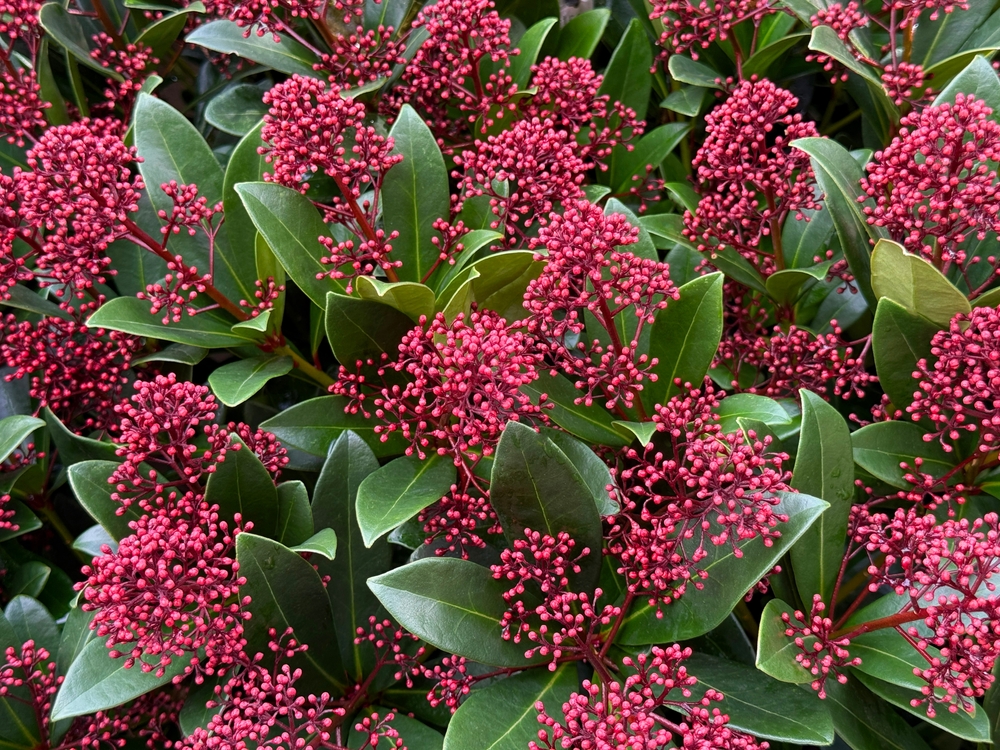
Skimmia is a compact, evergreen shrub that adds both structure and seasonal appeal to late-winter gardens. Known for its leathery, glossy leaves, Skimmia offers a hardy structure during the colder months. While the foliage remains a deep green throughout the winter, Skimmia produces clusters of white or pink flowers in early spring, which brighten up the garden. The plant’s compact growth habit makes it suitable for small gardens or containers, where space is limited but a touch of evergreen structure is needed.
Skimmia thrives in shaded or partially shaded areas and prefers acidic, well-drained soil. It is a low-maintenance shrub, requiring only occasional pruning to shape it or remove dead growth. Skimmia also produces bright red or orange berries in the fall, which persist through the winter, adding another layer of color and interest. Its ability to provide evergreen structure while offering early blooms and vibrant berries makes it a great addition to any late winter landscape.
Pieris japonica
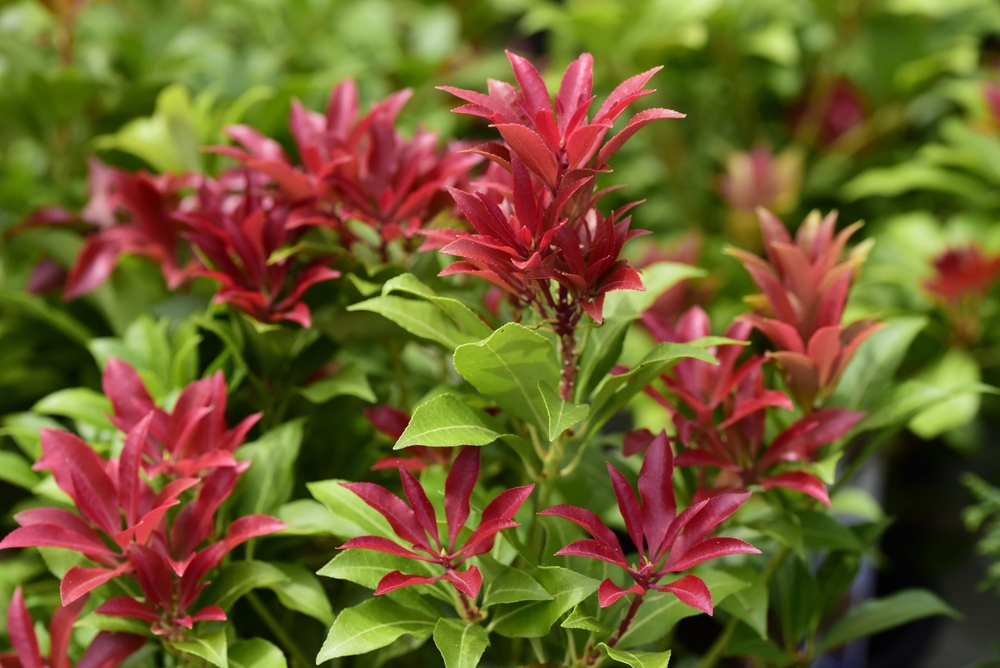
Pieris japonica, also known as Japanese Andromeda, is an evergreen shrub with attractive, glossy leaves that hold their structure throughout the winter months. In late winter or early spring, it produces delicate, bell-shaped flowers in shades of white or pink, creating a gentle yet striking contrast to the otherwise dormant garden. The plant’s dark green foliage provides a solid, hardy base, while the blooms add a soft touch of elegance. Its dense, upright form makes it an excellent choice for adding vertical interest to garden beds or borders.
Pieris japonica thrives in acidic, well-drained soil and does well in partial to full shade. It is a relatively low-maintenance shrub, requiring only occasional pruning to remove dead wood or maintain shape. In addition to its visual appeal, Pieris japonica also supports pollinators during its blooming season, making it a great choice for creating an ecosystem-friendly garden. With its mix of evergreen structure and seasonal blooms, it’s a valuable addition to any late winter landscape.
Yew (Taxus)
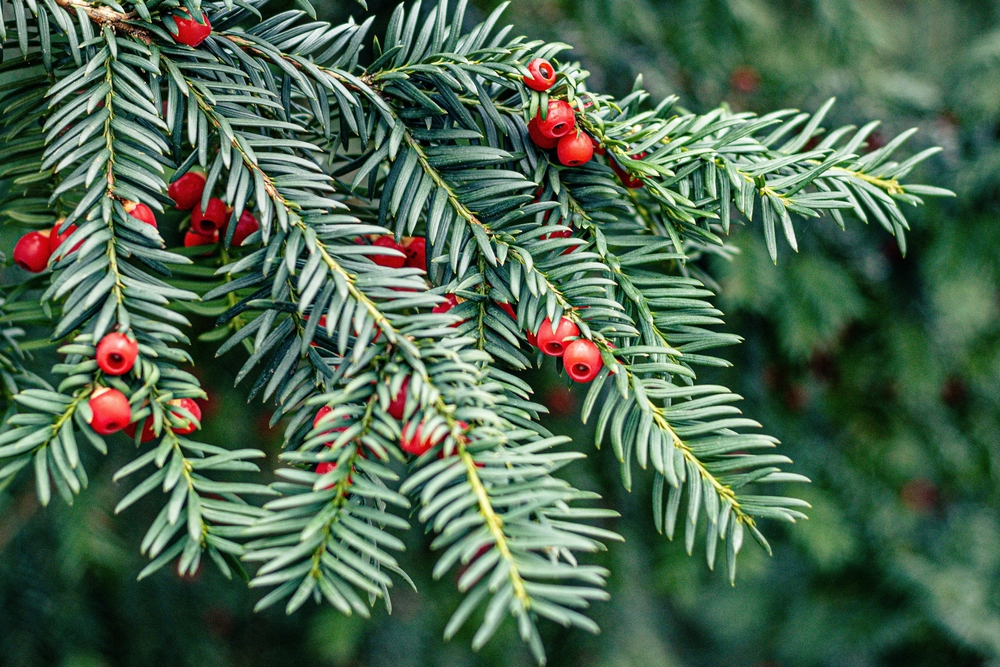
Yew is a slow-growing evergreen shrub that has been a staple in traditional landscapes for centuries. Its dense, dark green needles form a thick, dense hedge or shrub that provides structural interest year-round. Yew’s ability to withstand heavy pruning allows it to be shaped into neat hedges, topiary, or specimen plants. Even in winter, the foliage retains its color and texture, making it a valuable evergreen for late winter gardens. The plant’s deep green needles and upright, columnar form give it a timeless look that complements a variety of garden styles.
Yews are highly adaptable and can thrive in a range of soil types, including both alkaline and acidic soils. They prefer partial shade to full sun and are relatively drought-tolerant once established. In addition to their aesthetic value, yews produce red berries, which are not only ornamental but also attract wildlife. Though all parts of the plant are toxic if ingested, yews are often used in formal gardens and landscapes to create a structured, refined look that remains attractive throughout the year.
Laurel (Prunus laurocerasus)
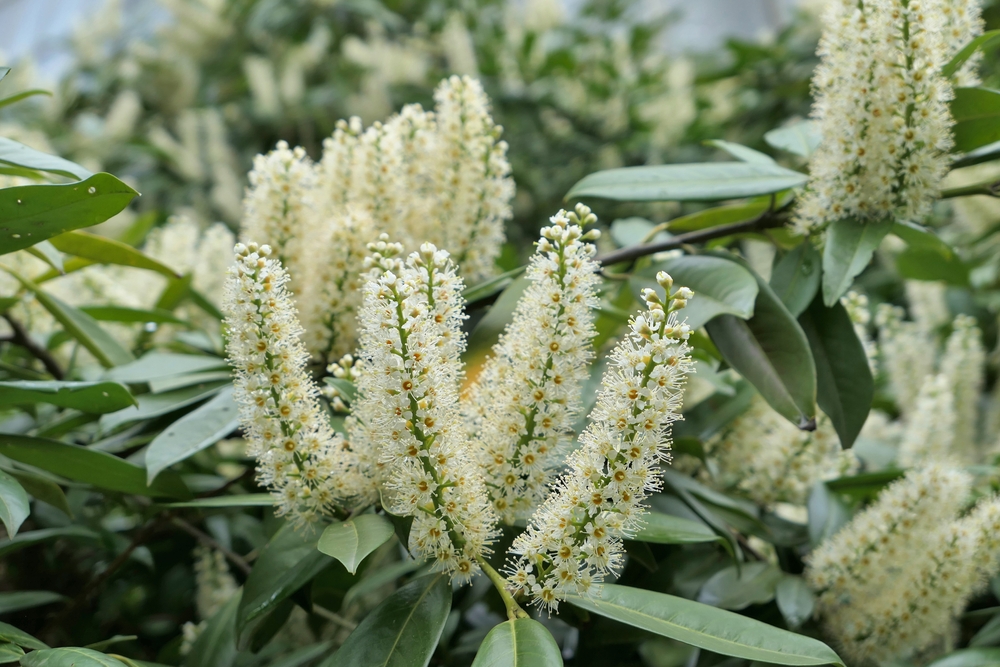
Laurel, or cherry laurel, is a hardy evergreen shrub known for its glossy, dark green leaves and fast-growing habit. This shrub creates a dense, tall hedge that provides structure and privacy in late winter. Its thick foliage stays vibrant and provides a solid backdrop during the colder months, while its height offers vertical interest. Laurel is especially useful for creating privacy screens or windbreaks, as its dense growth acts as a natural barrier against the elements.
Laurel thrives in well-drained, moist soil and can grow in both full sun and partial shade. Once established, it requires minimal care beyond occasional pruning to maintain its shape and size. Laurel’s hardy nature ensures that it withstands cold temperatures, making it an ideal choice for winter gardens. In addition to its structural role, its dark, evergreen leaves provide contrast and interest in the garden, even when other plants are dormant.
This article originally appeared on Avocadu.